

Kōnā
Izakaya, Japanese · Belgrano, Buenos Aires
Restaurant in Buenos Aires, Argentina
 Book with Pearl
The Read
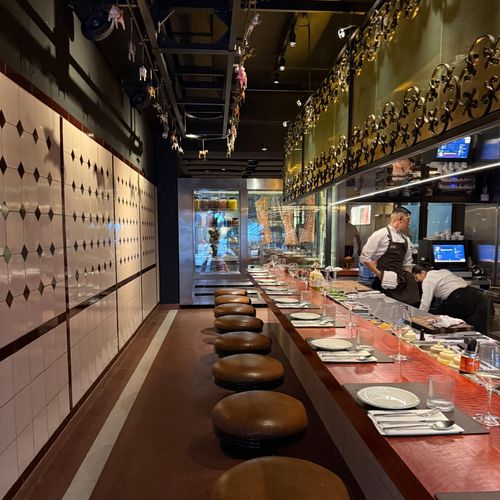
Porteño Izakaya Counter
Dress
Smart Casual
Why go
A Michelin Plate-recognised izakaya in Belgrano, Kōnā is the most credentialled Japanese small-plates restaurant in Buenos Aires and the only one at $$$ with a bar program worth treating as the main event. Two consecutive Michelin Plates (2024–2025) and confirm consistent quality. Book the counter for the full experience.
About Kōnā
The Verdict
If you have been to Kōnā once, the question is not whether to return: it is what you missed the first time. This Michelin Plate-recognised izakaya in Buenos Aires operates in a category with almost no local competition: Japanese small-plates dining built around a serious drinks program, held at a $$$ price point that sits squarely between the city's casual parrillas and its top-tier tasting-menu restaurants. For returning visitors, the drinks side of the menu deserves closer attention than it typically gets on a first visit. Kōnā's bar program is the element that separates it from a simple Japanese restaurant and makes it worth treating as a destination in its own right.
The Room and the Experience
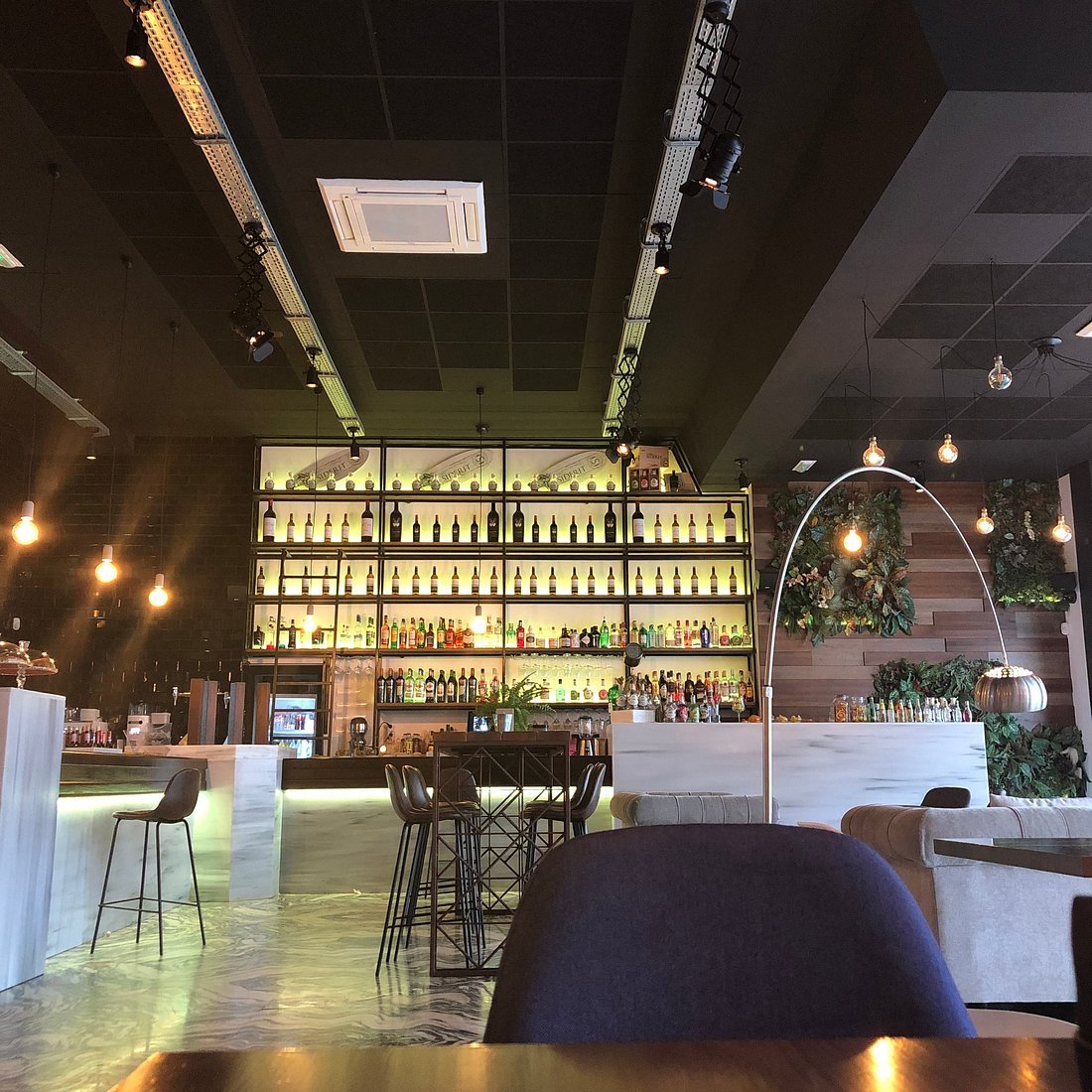
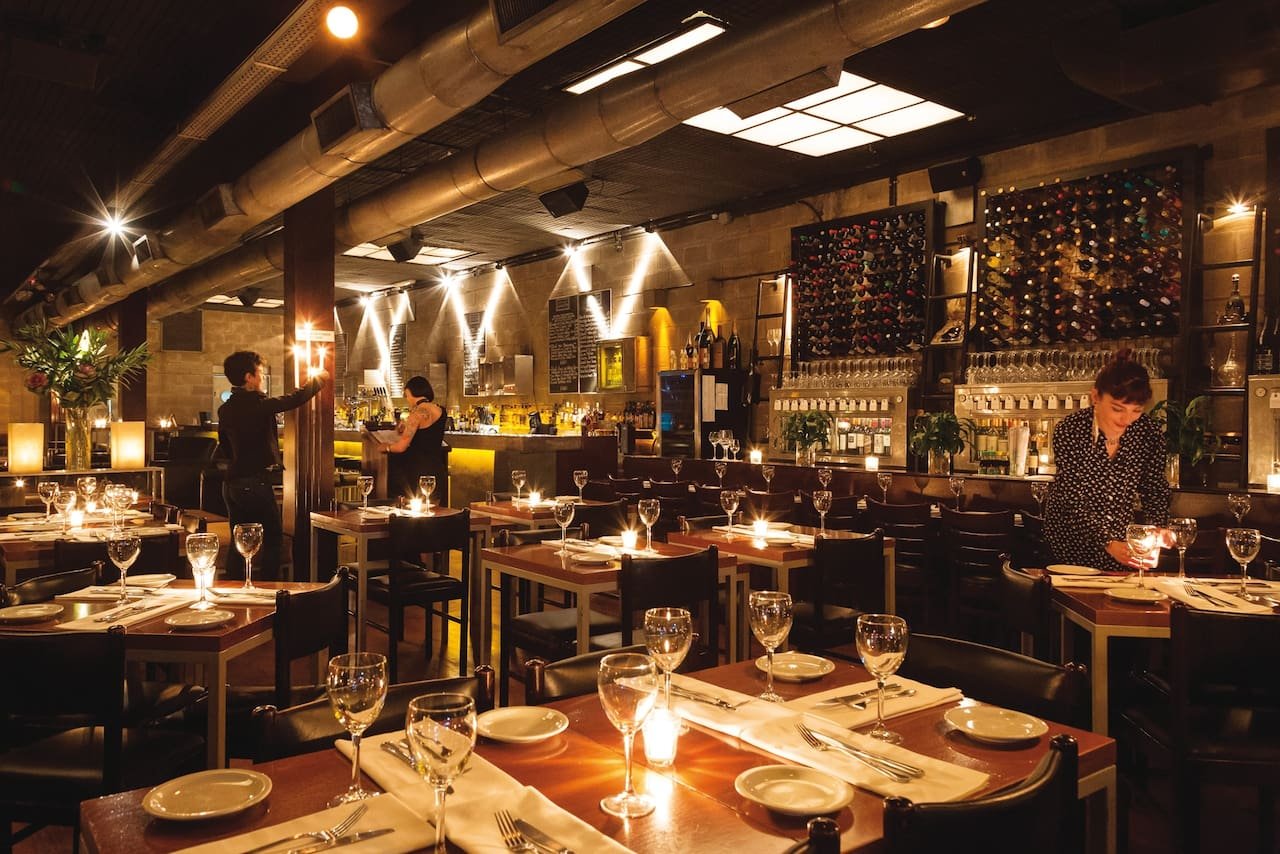
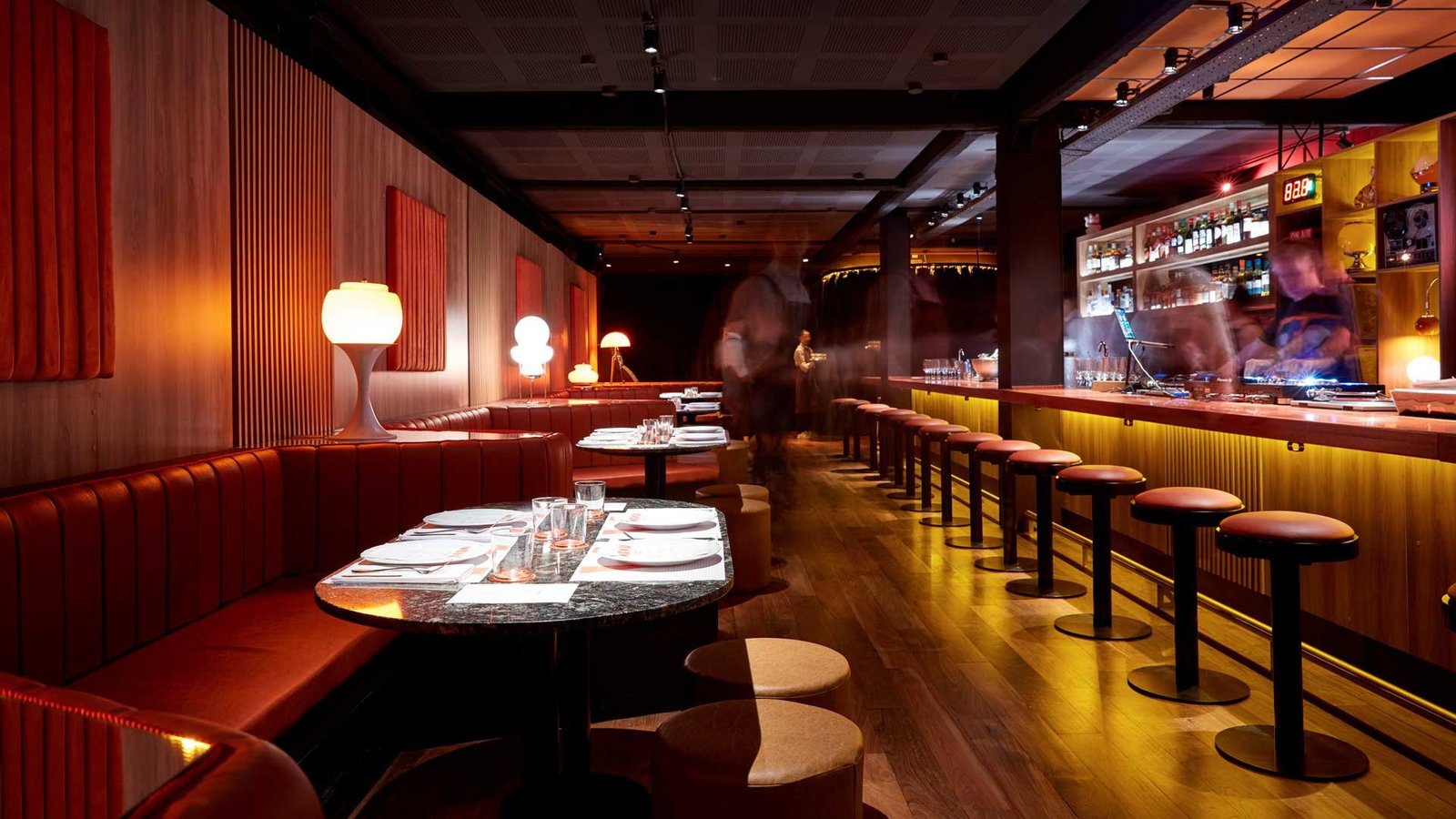
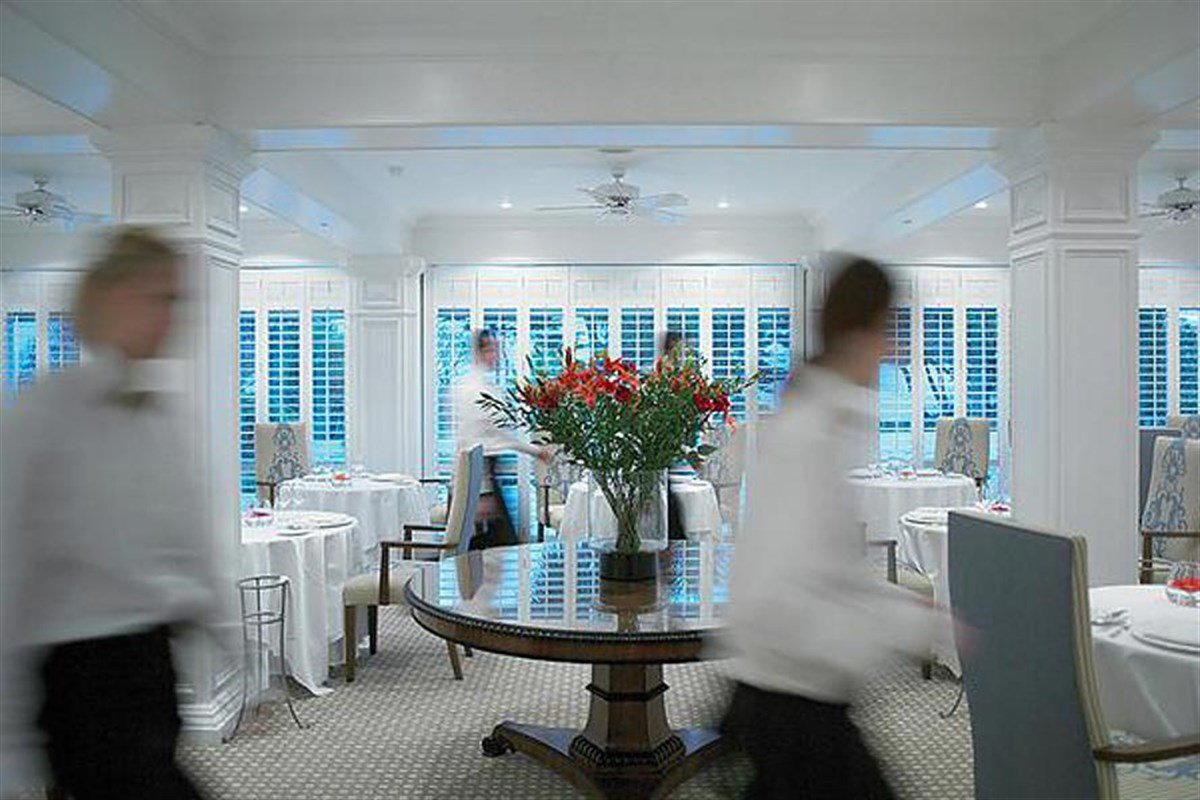
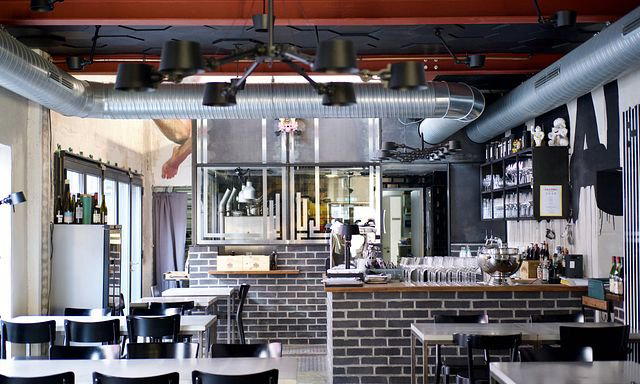
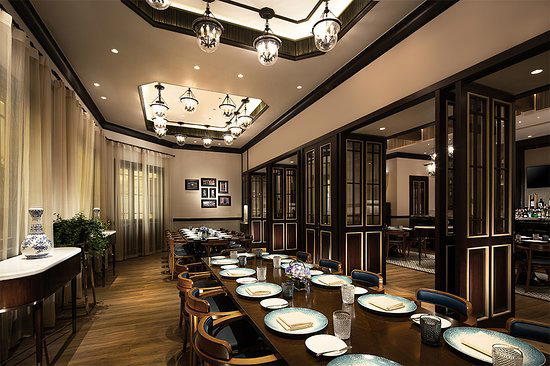
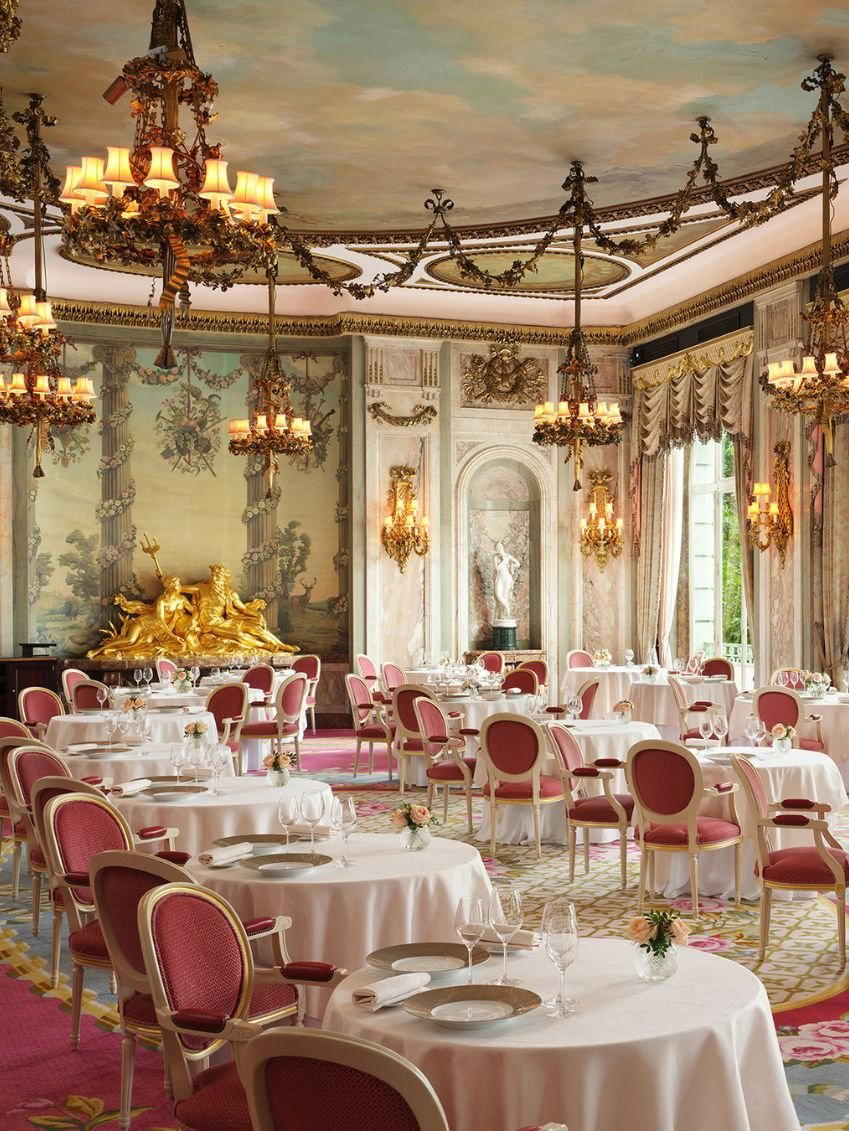
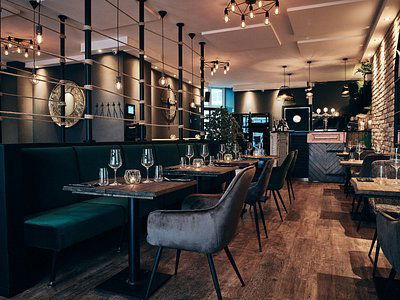
The address on Mcal. Antonio José de Sucre 696 in the residential pocket of Belgrano puts Kōnā away from the tourist-heavy concentration of Palermo restaurants, and that distance is visible from the moment you walk in. The room reads as deliberate restraint: clean lines, low light, and a counter format that makes the visual rhythm of a well-made drink or a composed small plate the focal point. On a return visit, you notice the architectural choices more clearly: the space is designed to direct your attention toward the bar and the kitchen pass rather than toward itself. That is a considered position for a Buenos Aires restaurant to take, and it pays off if you book a counter seat specifically.
Chef Jessica Natali leads the kitchen, and the izakaya format she operates gives the drinks program room to function as a genuine co-lead rather than an afterthought. In an izakaya, the bar and the kitchen are meant to work together, drinks are designed to pace the meal, not just accompany it. At Kōnā, that relationship is more developed than at most Japanese restaurants in the city, and it is the main reason a return visit reads differently from a first one. The first time, most diners focus on the food. The second time, the cocktail and sake selection earns its own focus.
The Bar Program
The drinks program at Kōnā is the strongest argument for booking a seat at the counter rather than a table. Buenos Aires has a fast-moving cocktail scene, but Japanese-inflected cocktail thinking, lighter structures, ingredient-forward builds, less reliance on citrus-and-spirit formula, remains rare in the city. The izakaya format supports sake, shochu, Japanese whisky, and cocktails designed to work with umami-forward food. That combination is not replicated at comparable price points elsewhere in Buenos Aires. If the drinks program is your primary reason for the visit, go on a quieter weeknight rather than a weekend, when counter seats are easier to hold and the pace allows for a more deliberate progression through the menu.
For comparison: the Buenos Aires bar scene offers strong cocktail destinations, but almost none of them are structured around Japanese ingredient logic at a sit-down dining format. Kōnā occupies that gap specifically, and it does so with enough consistency to have earned Michelin Plate recognition in both 2024 and 2025, two consecutive years of acknowledgement that confirms the kitchen and the overall experience are being maintained rather than coasting.
Awards and Recognition
The Michelin Plate in 2025 and 2024, plus an Opinionated About Dining Casual ranking and a prior Recommended listing, gives Kōnā a credentialled track record that is unusual for an izakaya operating outside Japan or the major Japanese-dining cities. For a Buenos Aires Japanese restaurant operating at $$$, that combination of industry recognition and general-audience consistency is the practical evidence you want before booking.
Booking and Logistics
Booking difficulty is moderate. Kōnā is not as hard to get into as Don Julio or Aramburu, but it is not a walk-in restaurant on a weekend. Aim to book at least a week ahead for a Friday or Saturday evening, and request counter seats explicitly if you want the full bar-program experience. Midweek reservations are more available and give you better access to the counter. The address in Belgrano means an Uber or taxi from central Palermo is the practical approach, the neighbourhood is accessible but not walkable from the main dining cluster. No phone number or website is currently listed, so booking through a third-party platform or direct enquiry via the restaurant's social presence is the route to take. See our full Buenos Aires restaurants guide for reservation logistics across the city.
Who Should Book
Kōnā is the right choice if you are looking for a Buenos Aires dinner that steps outside the steak-and-wine format without moving into the $$$$ tasting-menu tier. It works well for two people who want a drinks-led evening with serious food alongside, or for a small group of three or four willing to share small plates. It is a less natural fit for large groups or for anyone whose priority is a classic porteño experience, for that, El Preferido de Palermo at $$ or La Carniceria at $$ are more suitable and more affordable. If you are building a multi-day Buenos Aires itinerary, Kōnā fits naturally as a contrast night after a traditional asado or parrilla dinner, the format, price point, and drinking culture are different enough to feel like a distinct experience rather than a repetition. For broader planning, our Buenos Aires hotels guide, experiences guide, and wineries guide cover the full picture.
Pearl Picks, Where to Go Next
If Kōnā's Japanese small-plates format appeals and you want to compare it against izakaya in other cities, Tei-An in Dallas and Ippuku in San Francisco are the relevant reference points. For other Michelin-recognised dining across Argentina, Azafrán in Mendoza and Cavas Wine Lodge in Alto Agrelo are worth building a trip around. If you are extending into the broader Buenos Aires contemporary dining scene, Anafe, Crizia, and Trescha each offer a different angle on what the city's current kitchens are doing.
Planning details
- Hours
- Monday: 7 PM–12 AM · Tuesday: 7 PM–12 AM
- Location
- Mcal. Antonio José de Sucre 696, C1428 Cdad. Autónoma de Buenos Aires, Argentina
- Reservations
- Book on the venue's website
- Website
- linktr.ee/konacorner
- Phone
- +54 9 11 2352-8877
The take
The Take
The Vibe
Kōnā reads as a confident, refined izakaya that leans into counter theatre rather than parrilla ritual. The restaurant is part of Buenos Aires’s growing Asian dining tier. The kitchen’s consecutive Michelin Plate nods add polish without stripping away the convivial, counter-facing energy that defines izakaya. Expect an experience that balances thoughtful execution with an approachable, informal register: an urban, modern take on Japanese sharing culture that feels purposeful rather than performative.
Best For
Kōnā is well suited to intimate dinners, after-work gatherings and small groups who want to share plates around a chef’s counter. The izakaya format favors conversation and interaction with the kitchen, so it works equally well for solo diners seated at the counter and pairs seeking something more lively than a conventional formal meal. Its Michelin recognition also makes it a smart pick for occasions where you want elevated cooking in a relaxed, convivial environment: think casual celebrations and memorable date nights with a less stuffy tone.
Ordering Tips
Lean into the shared-plates logic: arrange a handful of small plates to pass around the counter and let the kitchen’s technique do the talking. Signatures such as gyozas, temaki and nabe highlight the range from snackable to heartier, shareable fare: order a mix so the group can taste textures and temperatures. Sit at the counter if you want front-row interaction with the cooks; chef-driven sequencing and immediacy are part of the appeal. Keep expectations on refined, approachable izakaya cooking rather than formal multi-course omakase.
Venue details
Ambiance
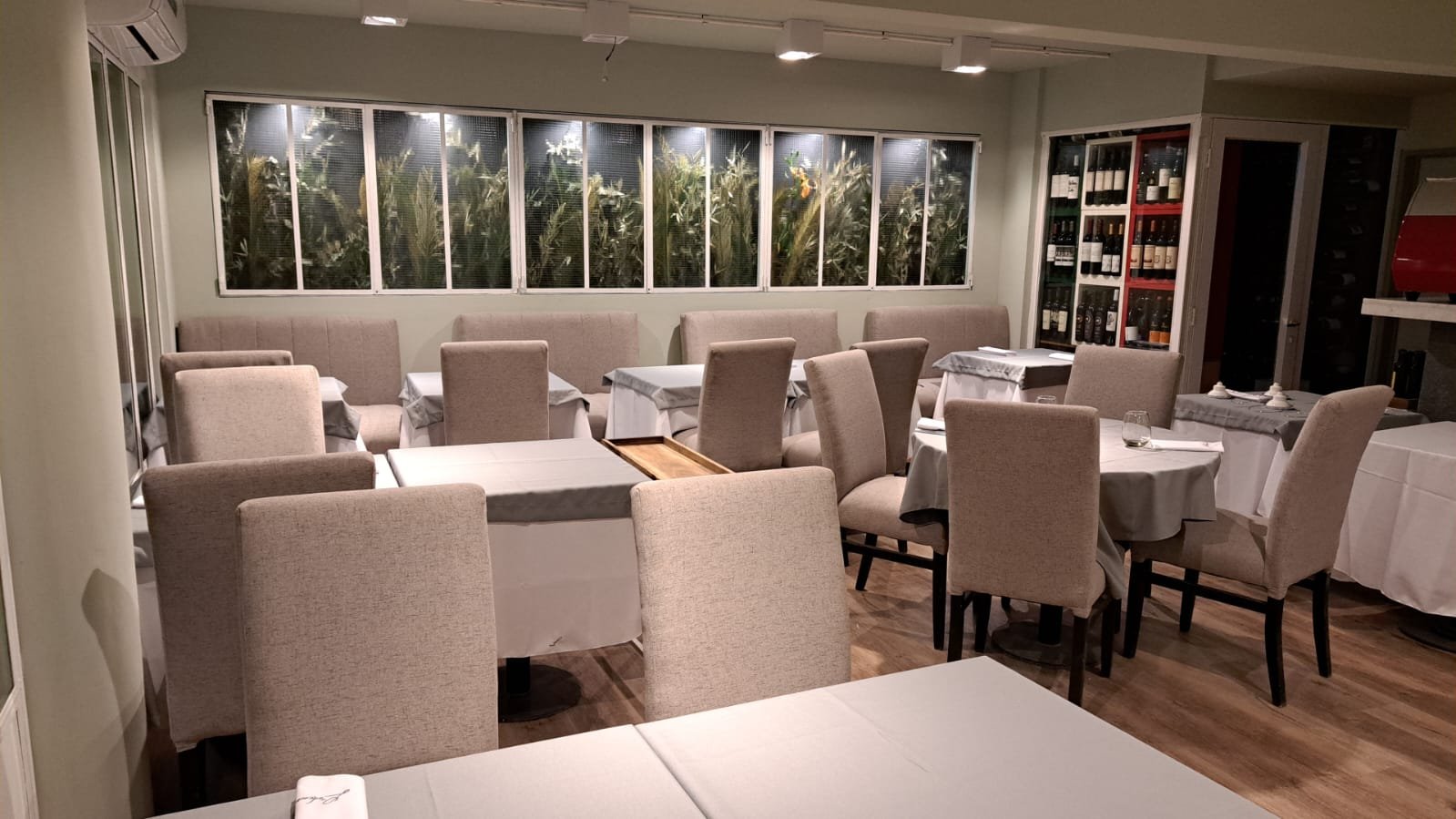
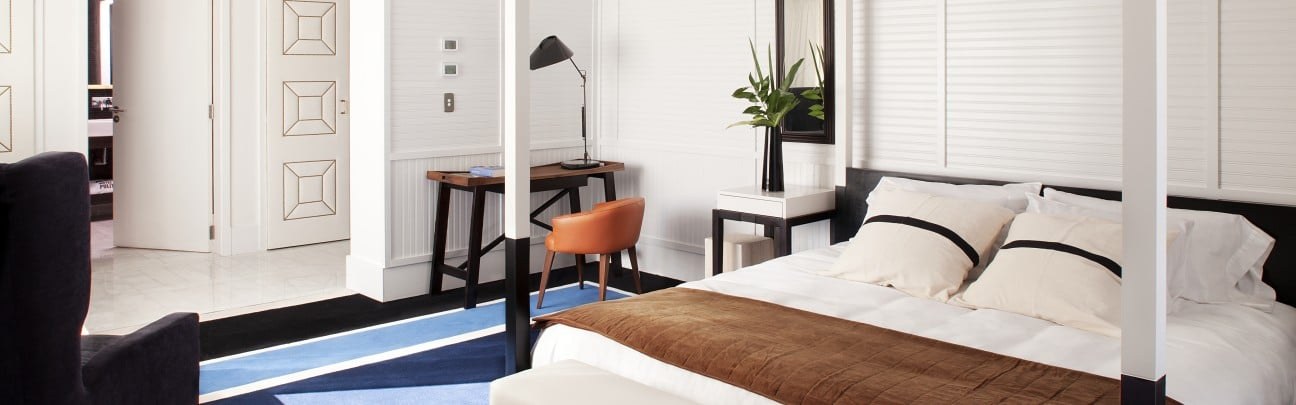
Quiet and serene with light wood, subtle floral arrangements, balanced lighting creating a calm, ordered atmosphere.
Tags
Vibe
Best For
Experience
At the Table
- Dress Code
- Smart Casual
- Noise Level
- Quiet
- Service Style
- Upscale Casual
- Meal Pacing
- Leisurely
- Capacity
- Small
- Kitchen
- Traditional
- Menu Format
- A la carte
Signature Dishes
- gyozas
- temaki
- nabe
- fukusai
Know before you go
Know Before You Go
- Getting there
- Mcal. Antonio José de Sucre 696, C1428 Cdad. Autónoma de Buenos Aires, Argentina
Planning details
Hours
- Monday
- 7 PM–12 AM
- Tuesday
- 7 PM–12 AM
- Wednesday
- 7 PM–12 AM
- Thursday
- 12 AM–12 PM, 7 PM–12 AM
- Friday
- 12 AM–12 PM, 7 PM–12 AM
- Saturday
- 12 AM–12 PM, 7 PM–12 AM
- Sunday
- 12 AM–12 PM
Location
Mcal. Antonio José de Sucre 696, C1428 Cdad. Autónoma de Buenos Aires, Argentina · Directions

Also consider
Also Consider
- Don Julio: Argentinian Steakhouse, $$$$
- Aramburu: Modern Argentinian, Creative, $$$$
- El Preferido de Palermo: Argentinian, Traditional Cuisine, $$
- Elena: South American, Steakhouse, $$$
- La Carniceria: Argentinian Steakhouse, Meats and Grills, $$
Restaurant context
Kōnā sits in a different category from most of Buenos Aires's top-ranked restaurants. Don Julio ($$$$ ) and Aramburu ($$$$) are both harder to book and cost significantly more: Don Julio for the definitive parrilla experience, Aramburu for contemporary tasting-menu cooking. Neither competes with Kōnā on the drinks-led, Japanese small-plates format. If your Buenos Aires itinerary already includes a classic steak dinner, Kōnā is the obvious contrast night rather than a direct alternative.
At the same $$$ price tier, Elena is the closest comparison on price, but the format is a conventional steakhouse rather than an izakaya: the two restaurants serve different needs. For budget-conscious diners, El Preferido de Palermo ($$ ) and La Carniceria ($$ ) both deliver strong Argentine cooking at lower cost, but neither has a bar program or a Japanese-influenced menu to compare against Kōnā's offer.
The practical booking comparison favours Kōnā over Don Julio, which routinely requires weeks of advance planning and remains one of the hardest reservations in the city. Kōnā at moderate booking difficulty is the more accessible option for a shorter trip, and at $$$ it leaves budget for a second dinner elsewhere. If you are in Buenos Aires for three or four nights, a sensible split is Kōnā for the izakaya and drinks experience, plus one night at Don Julio or Aramburu if your budget allows.
Explore Buenos Aires
Around this place
Discover more on Pearl
Unlock the full Kōnā guide in Pearl, including awards, comparisons, FAQs, planning details, and nearby places.
Compare Kōnā
| Venue | Location | Cuisine | Awards | Price |
|---|---|---|---|---|
| Kōnā | Buenos Aires | Izakaya, Japanese | Michelin Guide Buenos Aires & Mendoza 20262025 Michelin Plate2024 OAD Casual in Europe Ranked · #6092024 Michelin Plate2023 OAD Casual in Europe Recommended | $$$ |
| Don Julio | Buenos Aires | Argentinian Steakhouse | 2026 OAD Top Restaurants in South America Ranked · #8Star Wine Lists 2026Michelin Guide Buenos Aires & Mendoza 20262026 La Liste Top Restaurants2025 World's Best Steaks 101 Best Steak Restaurants · #12025 Latin America's 50 Best Restaurants · #32025 OAD Top Restaurants in South America Ranked · #42025 World's 50 Best Restaurants · #102025 Michelin 1 Star | $$$$ |
| Aramburu | Buenos Aires | Modern Argentinian, Creative | 2026 OAD Top Restaurants in South America Ranked · #22Michelin Guide Buenos Aires & Mendoza 2026Star Wine Lists 20262026 Relais Chateaux Restaurants2026 Les Grandes Tables du Monde Members2026 La Liste Top Restaurants2025 OAD Top Restaurants in South America Ranked · #182025 Latin America's 50 Best Restaurants · #352025 The Best Chef Three Knives | $$$$ |
| El Preferido de Palermo | Buenos Aires | Argentinian, Traditional Cuisine | 2026 OAD Top Restaurants in South America Ranked · #26Star Wine Lists 2026Michelin Guide Buenos Aires & Mendoza 20262025 Latin America's 50 Best Restaurants · #242025 OAD Top Restaurants in South America Ranked · #252025 Michelin Plate2024 Michelin Plate2023 OAD Top Restaurants in South America Ranked · #29 | $$ |
| Elena | Buenos Aires | South American, Steakhouse | 2026 OAD Top Restaurants in South America Ranked · #472026 World's Best Steaks 101 Best Steak Restaurants · #54Star Wine Lists 2026Michelin Guide Buenos Aires & Mendoza 20262026 Wine Spectator Award of Excellence2025 OAD Top Restaurants in South America Ranked · #402025 World's Best Steaks 101 Best Steak Restaurants · #562025 Michelin Plate2024 OAD Top Restaurants in South America Ranked · #49 | $$$ |
| La Carniceria | Buenos Aires | Argentinian Steakhouse, Meats and Grills | 2026 OAD Top Restaurants in South America Ranked · #402025 OAD Top Restaurants in South America Ranked · #312024 OAD Top Restaurants in South America Ranked · #222024 Michelin Plate2023 OAD Top Restaurants in South America Ranked · #32 | $$ |
.png?width=1200&quality=80)









How Kōnā Buenos Aires compares with similar nearby venues.
FAQ
Frequently Asked Questions
Is Kōnā good for a special occasion?
Yes, with the right expectations. The Michelin Plate recognition and $$$ price point give it occasion-dinner credibility, but the izakaya format is relaxed rather than ceremonial. If you want tableside theatre and a long tasting menu, Aramburu fits better. Kōnā works for birthdays or anniversaries where the priority is a genuinely good meal over formality.
What should I order at Kōnā?
Specific menu items are not documented in Pearl's venue data, so treat the counter seat and the bar program as the anchors of your visit rather than chasing a single dish. The drinks program has drawn consistent recognition alongside the food, making Kōnā worth booking as a full evening rather than a quick dinner stop.
Is Kōnā worth the price?
At $$$, Kōnā sits in the same price tier as credentialled Buenos Aires restaurants with far longer queues, and it holds a Michelin Plate in both 2024 and 2025 plus an OAD Casual ranking. For a Buenos Aires dinner that moves past the steak-and-Malbec format without climbing to $$$$, the value case is solid. If steak is the priority, El Preferido de Palermo delivers more for less.