

Umā
International · Porte de Namur, Brussels
Restaurant in Brussels, Belgium
 Book with Pearl
The Read
Nikkei Bistro Fusion
Dress
Smart Casual
Why go
Umā brings Michelin Plate-recognised Nikkei cooking — Japanese technique crossed with Peruvian flavour intensity — to a quiet side street near Porte de Namur, at the €€ price tier. It is one of the most coherent and ambitious mid-range bookings in Brussels, with to back it up. Plant-based diners should flag requirements at reservation; booking is easy.
About Umā
Umā, Brussels: The Verdict
At the €€ price point, Umā is one of the most strategically interesting bookings in Brussels right now. You are getting Michelin Plate recognition (2025) and a kitchen working confidently in Nikkei territory — that precise, ingredient-driven collision of Japanese technique and Peruvian flavour intensity — for a fraction of what Brussels's €€€€ brigade charges. If you want to understand what fusion cuisine looks like when it is taken seriously rather than used as a crutch, this is where to spend your money. Book it.
Portrait
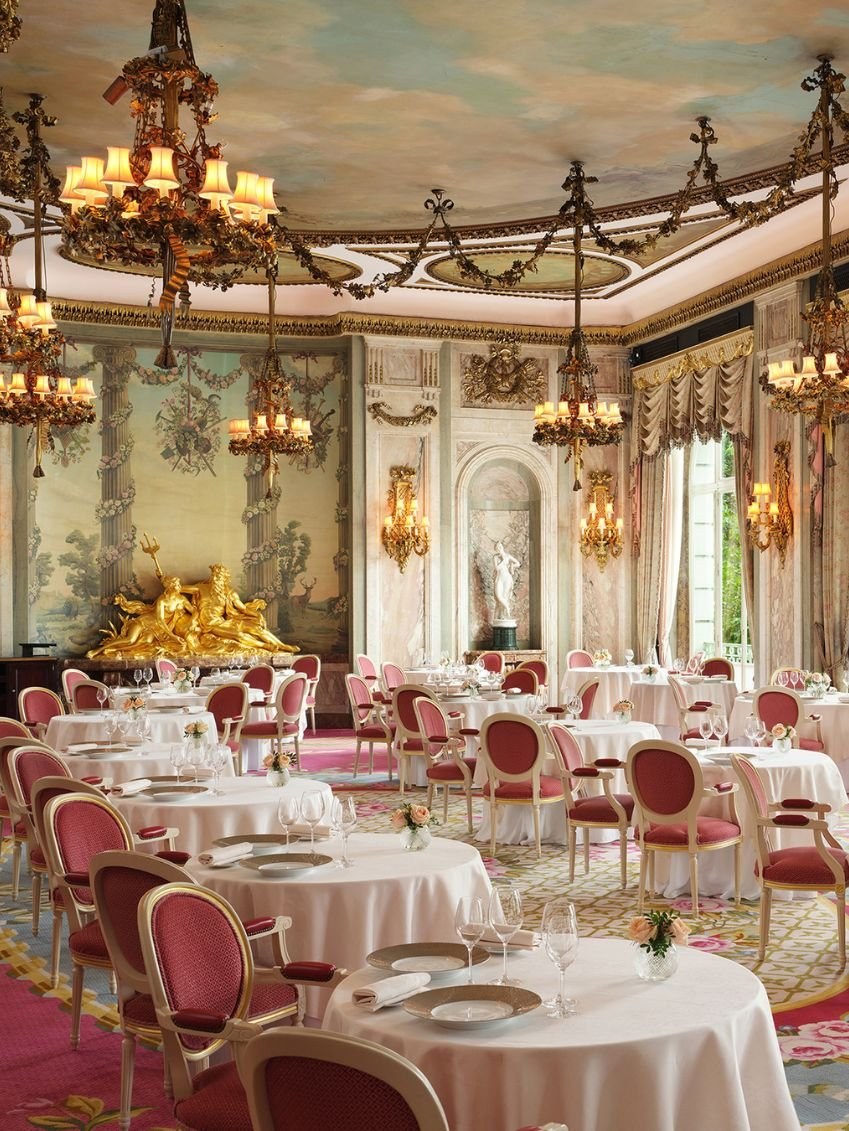
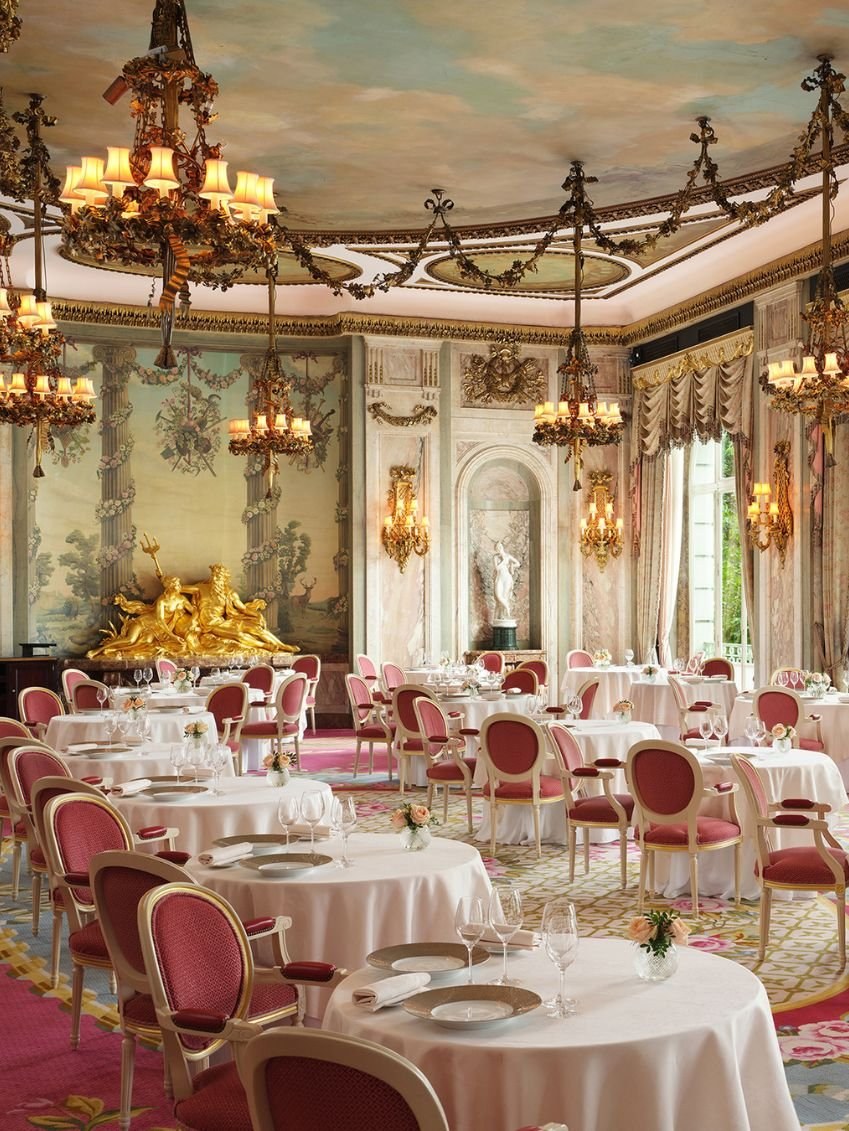
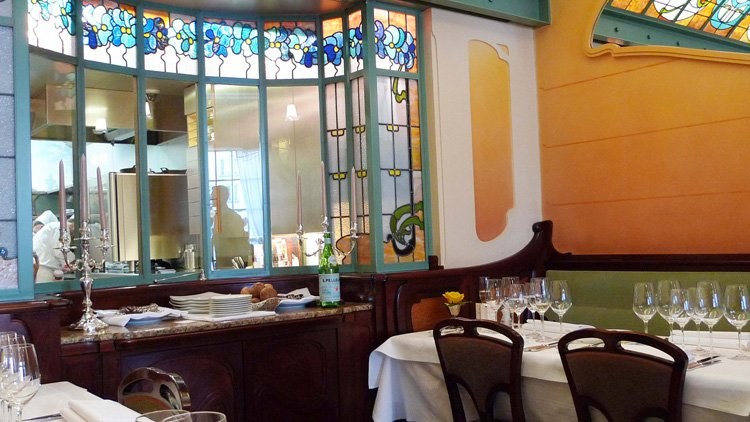
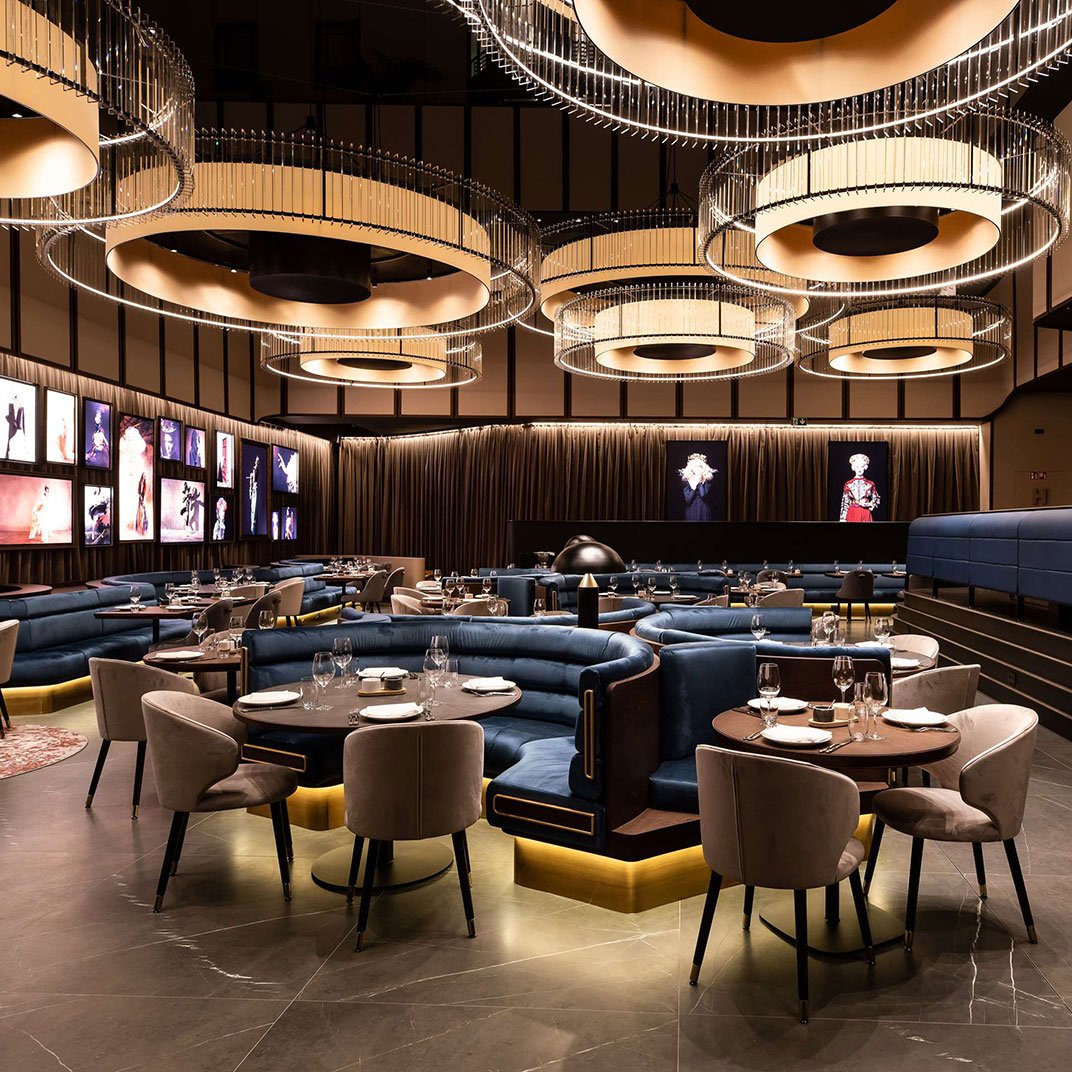
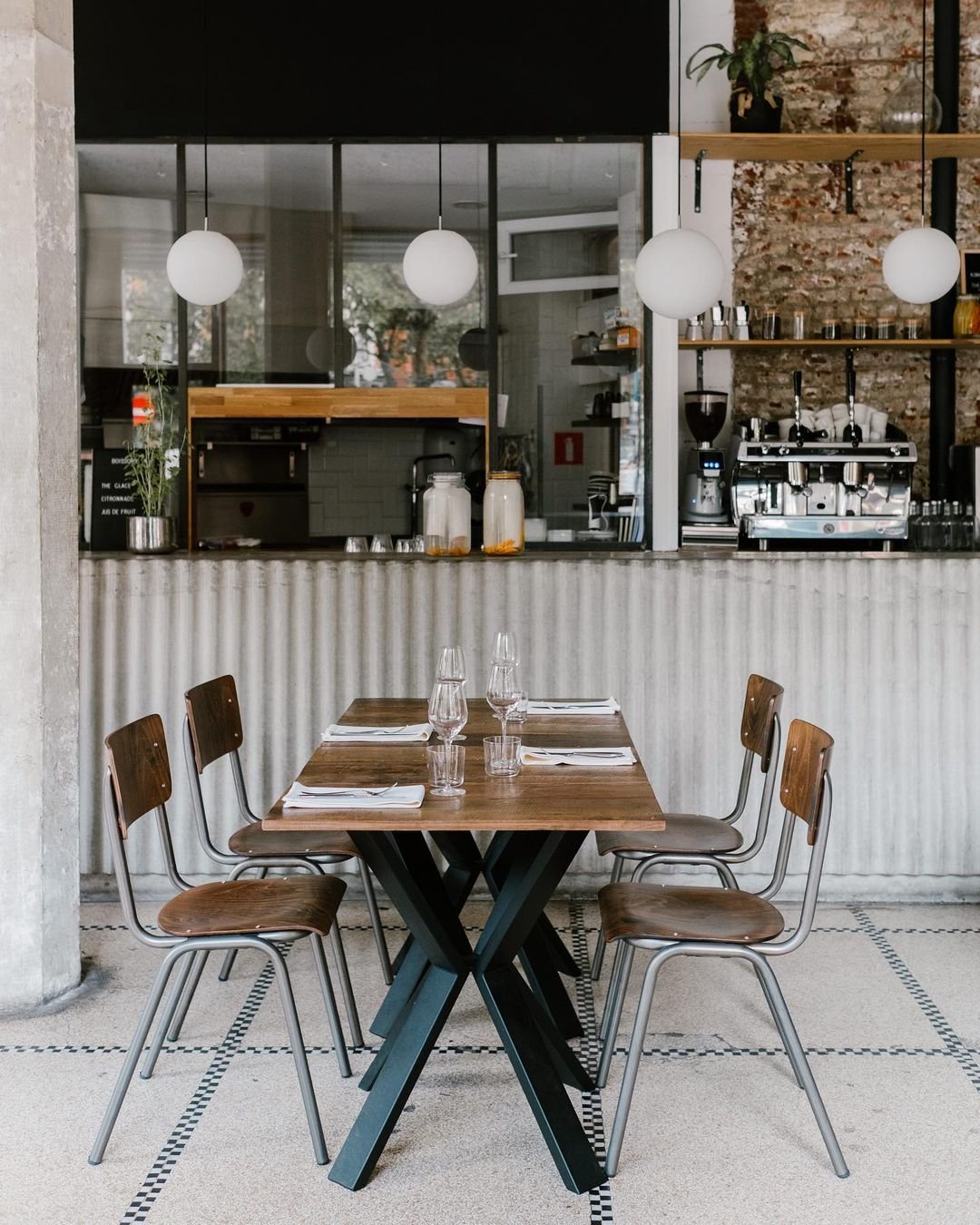
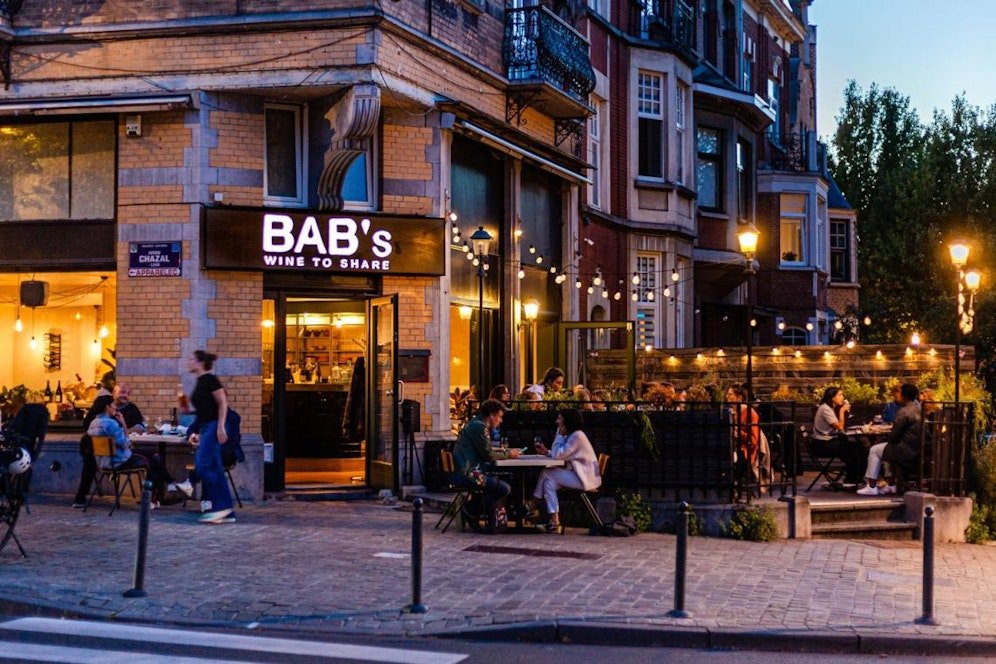
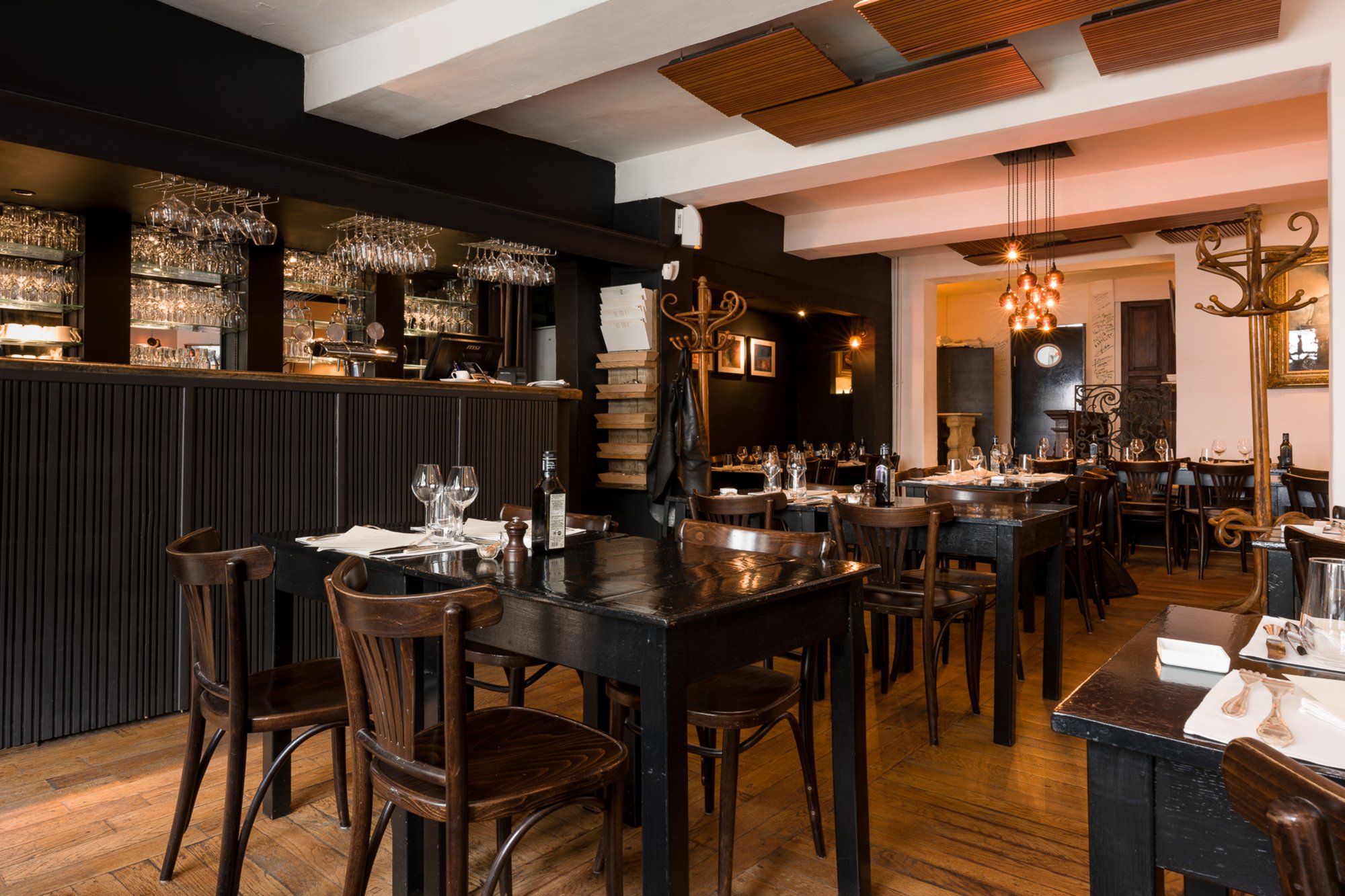
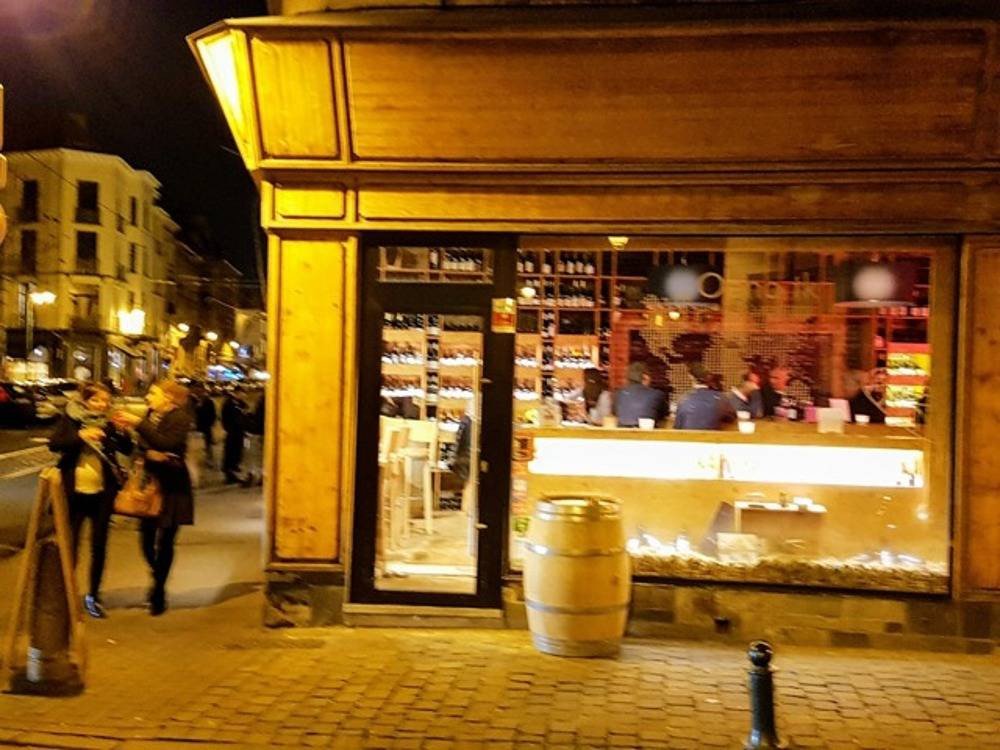
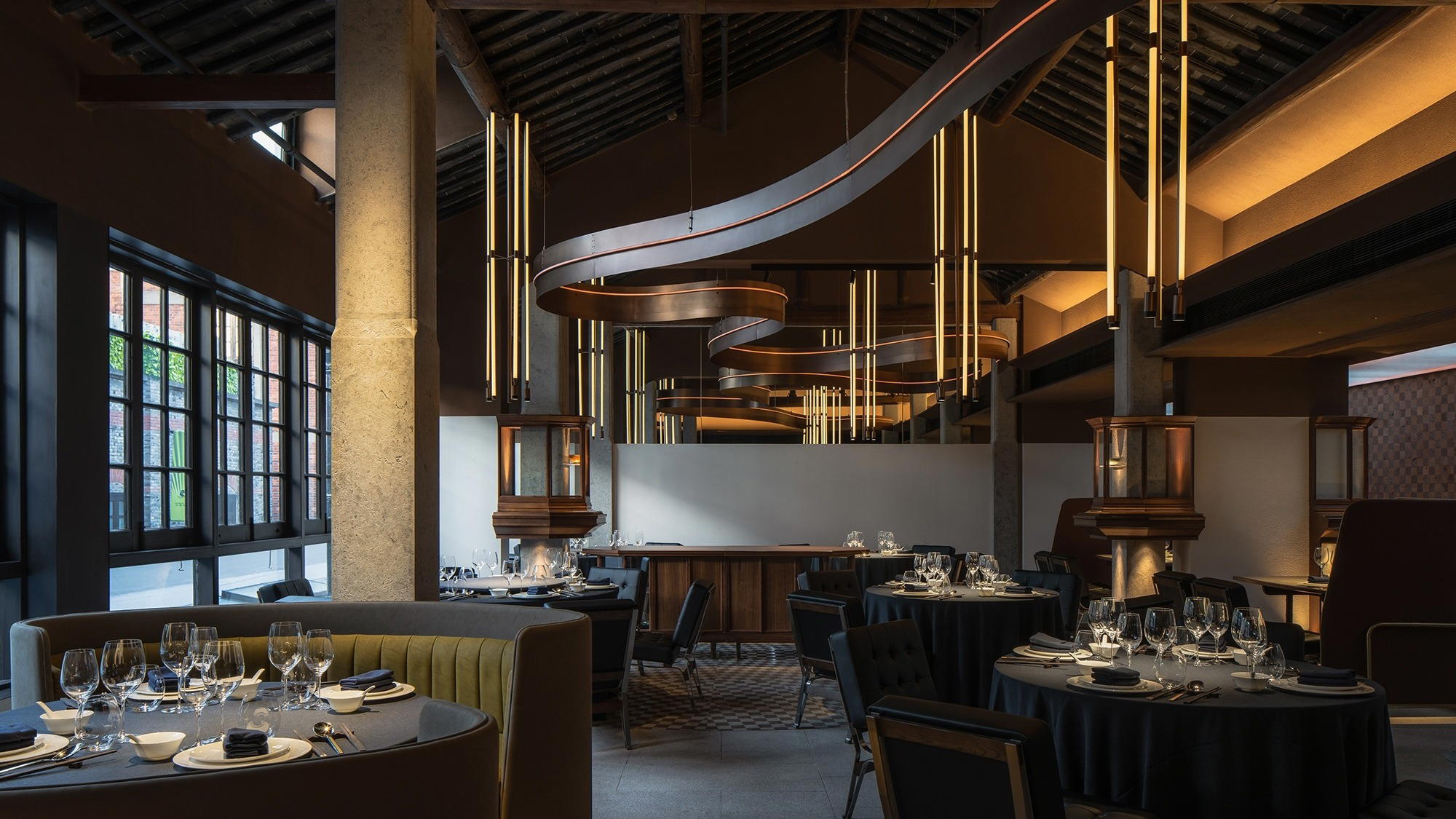
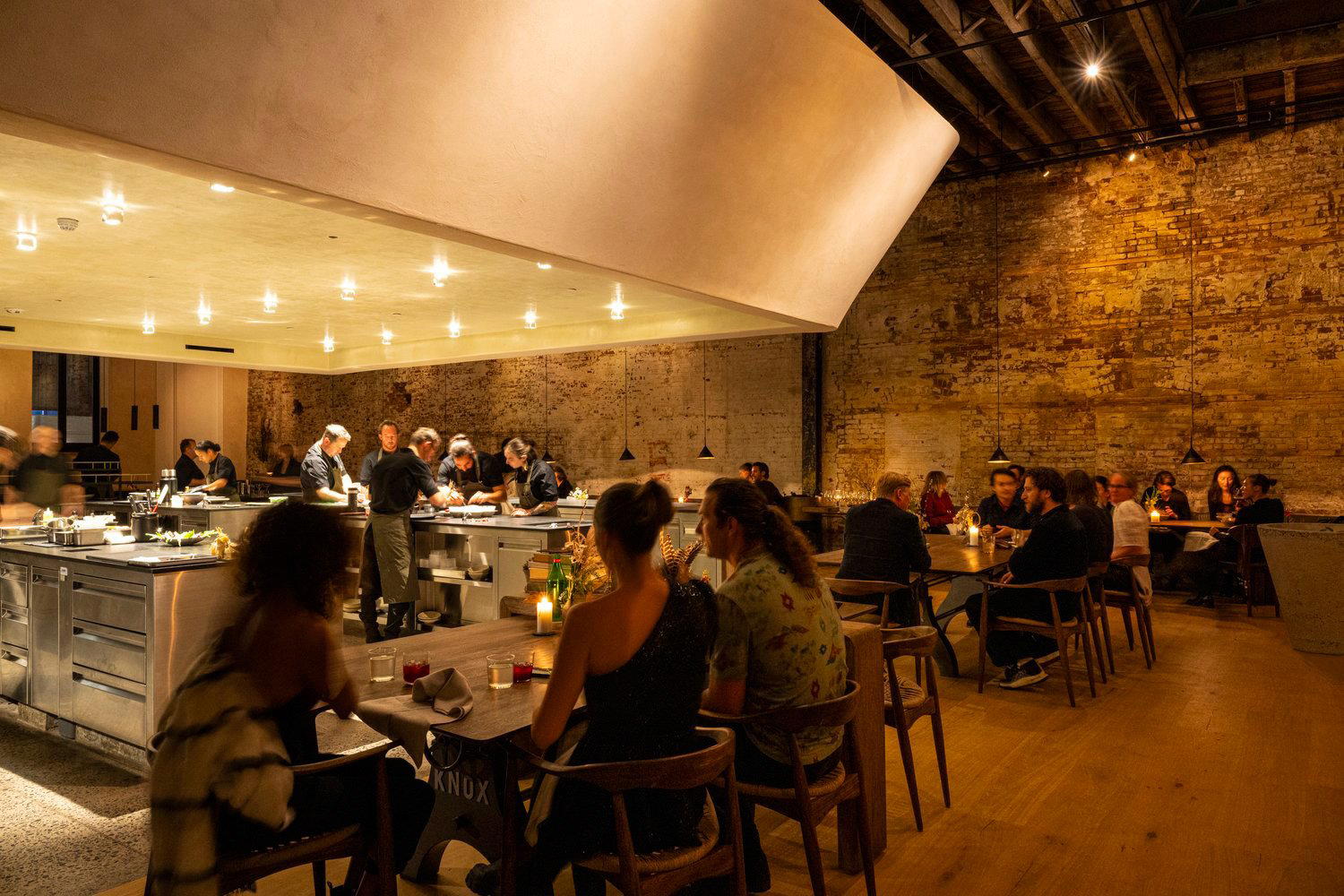
Umā sits on Rue de la Reinette 8, a quiet side street close to the Porte de Namur. The neighbourhood context matters: you are a short walk from the bustle of Ixelles and the commercial energy of the Porte de Namur junction, but the restaurant itself operates at a lower frequency than its surroundings. White-washed brick on the outside, modern artwork within, an open kitchen at the centre, the physical setup is designed to put the cooking in full view rather than behind closed doors, which is the right call given how much is happening at the pass.
The cuisine is Nikkei, which means the kitchen is drawing from two ingredient traditions that share almost nothing in common and making them cohere. Japanese cooking prizes restraint, precision, and the integrity of individual ingredients. Peruvian cooking reaches for heat, acidity, and layered intensity. Getting those two logics to operate in the same dish without one overwhelming the other requires a clear point of view about sourcing: you cannot fudge the quality of either tradition and expect the balance to hold. The Michelin Plate signals that the kitchen is meeting that bar consistently.
The scallops described in Michelin's own language, given a spicy-sweet edge through an espuma of smoked pork, are a useful illustration of how the menu thinks. The scallop is the Japanese half of the equation: clean, precise, demanding impeccable sourcing or the dish collapses. The smoked pork espuma is the Peruvian register: gutsy, warm, smoke-forward. The combination is not decoration; it is a statement about what the kitchen believes flavour contrast can do when the underlying ingredients are sound. For food-focused diners who want to track how a kitchen makes decisions, this is exactly the kind of dish worth studying.
Menu operates on two tracks: an à la carte selection and a set menu. Both give you access to the same kitchen logic, but the set menu creates a sequenced argument for how the flavours develop across a meal, which is generally the better way to understand what Umā is doing. The restaurant also holds a position worth noting for groups with mixed dietary needs: plant-based options exist, but they are not automatically included in the set menu and must be requested at the time of booking. This is not an afterthought, Michelin's own notes flag it as a considered part of the offer, but it does require advance coordination. If anyone in your party eats plant-based, flag it when you reserve. Do not assume it will be handled on the night.
Booking is easy by Brussels standards. Umā is not operating at the pressure levels of the city's starred rooms, which means you are unlikely to be locked out if you plan a week or two ahead. The address is walkable from Porte de Namur metro, which simplifies logistics if you are staying centrally or arriving from elsewhere in the city. For visitors building a broader Brussels food itinerary, the restaurant sits in a part of the city that connects naturally to the Ixelles dining corridor, worth cross-referencing with our full Brussels restaurants guide for what to pair with an Umā booking across a multi-day visit.
For context on how Nikkei and internationally sourced ingredient-led cooking performs elsewhere, it is worth looking at how kitchens like TRB in Beijing or Marcel von Winckelmann in Passau handle the challenge of building international menus with coherent sourcing logic. Umā is operating in similar territory at a mid-range price point, which makes its Michelin recognition proportionally more meaningful. Within Belgium, the ambition reads differently from the tasting-menu formality of Hof van Cleve or the produce-obsessed restraint of Willem Hiele, but the underlying commitment to ingredient quality as the engine of flavour is shared. If you are working through Belgium's more interesting kitchens, Boury in Roeselare, Zilte in Antwerp, and Vrijmoed in Gent are the logical comparators at higher price tiers. Umā is the entry point into that conversation at a price that does not require the same level of commitment.
Within Brussels itself, the restaurant sits alongside a small number of kitchens doing genuinely original work at accessible prices. Barge covers the organic, produce-led angle at a similar price tier. Eliane handles creative cooking with a different set of influences. Bozar Restaurant covers Belgian fine dining at a higher price point. Umā occupies a distinct position among these: it is the most internationally sourced and conceptually focused of the group at the €€ level, and the Nikkei angle means it does not compete directly with any of them. If you are visiting Brussels specifically for food, and there are strong reasons to, given the depth of the dining scene, our Brussels hotels guide, bars guide, and experiences guide will help you build the full picture around a booking here.
Ratings at a Glance
- Michelin Plate (2025), Recognised for consistent quality
- Price tier: €€, mid-range for Brussels
- Booking difficulty: Easy
Practical Details
Umā is at Rue de la Reinette 8, 1000 Brussels, a short walk from Porte de Namur metro. The price tier is €€, which puts it well below the €€€€ bracket of Brussels's starred rooms. Booking is direct, no months-in-advance scramble required. If your party includes plant-based eaters, flag it at the time of reservation; the kitchen accommodates it but does not default to it. Hours and a direct booking link are not currently listed in our database, so check directly with the venue. For the wider Brussels dining picture, start with our Brussels restaurants guide and Brussels wineries guide for drinks pairings around the visit. Other strong Belgian kitchens worth adding to the itinerary: d'Eugénie à Emilie in Baudour and Comme chez Soi if you want to contrast Umā's international register with Brussels's classic French-Belgian tradition. La Villa Lorraine by Yves Mattagne is the splurge option if you want to step up the formality after Umā.
Planning details
- Location
- Rue de la Reinette 8, 1000 Bruxelles, Belgium
- Reservations
- Book on Zenchef
- Website
- uma-restaurant.com
- Phone
- +32 2 425 51 15
The take
The Take
The Vibe
Tucked on Rue de la Reinette just off Porte de Namur, Umā presents a restrained white-washed brick facade that belies the precise Nikkei-inflected cooking inside. The dining room reads as a neighbourhood bistro rather than a showpiece: small, considered and quietly confident. The kitchen applies Japanese flavour architecture and Peruvian intensity at bistro scale, favouring umami-led acidity, fermentation and controlled heat over theatrical plating. Michelin's recent note of 'gutsy' execution underlines a focus on bold, balanced flavors rather than flash. The overall impression is of a quietly adventurous, food-forward spot that rewards diners who seek substance over signage.
Best For
Umā works well for intimate evenings and gatherings where thoughtful, flavor-driven food is the point of the outing. Its mid-range bistro register and measured approach make it appropriate for date nights and business dinners that value conversation as much as cuisine, while the confident use of Nikkei techniques—acidic ceviches, precise crudo and bold umami notes—suits special-occasion meals for diners wanting serious cooking without formal ceremony. The neighbourhood location and restrained exterior give it the feel of a local find rather than a destination showroom.
Ordering Tips
Lean into the menu's Nikkei logic by starting with the raw and ceviche plates to appreciate the kitchen's balance of umami, citrus and heat. The sashimi of red tuna with shiso oil and dashi and the Sea Bream Ceviche are natural opening choices; a scallop preparation (noted in the description) also highlights the kitchen's use of smoke and texture. For a main, the medium-rare fillet of duck with curry and vadouvan demonstrates how richer, spiced preparations sit alongside the crudo and ceviche offerings. Share plates bistro-style to sample the range of flavors the restaurant specializes in.
Venue details
Ambiance
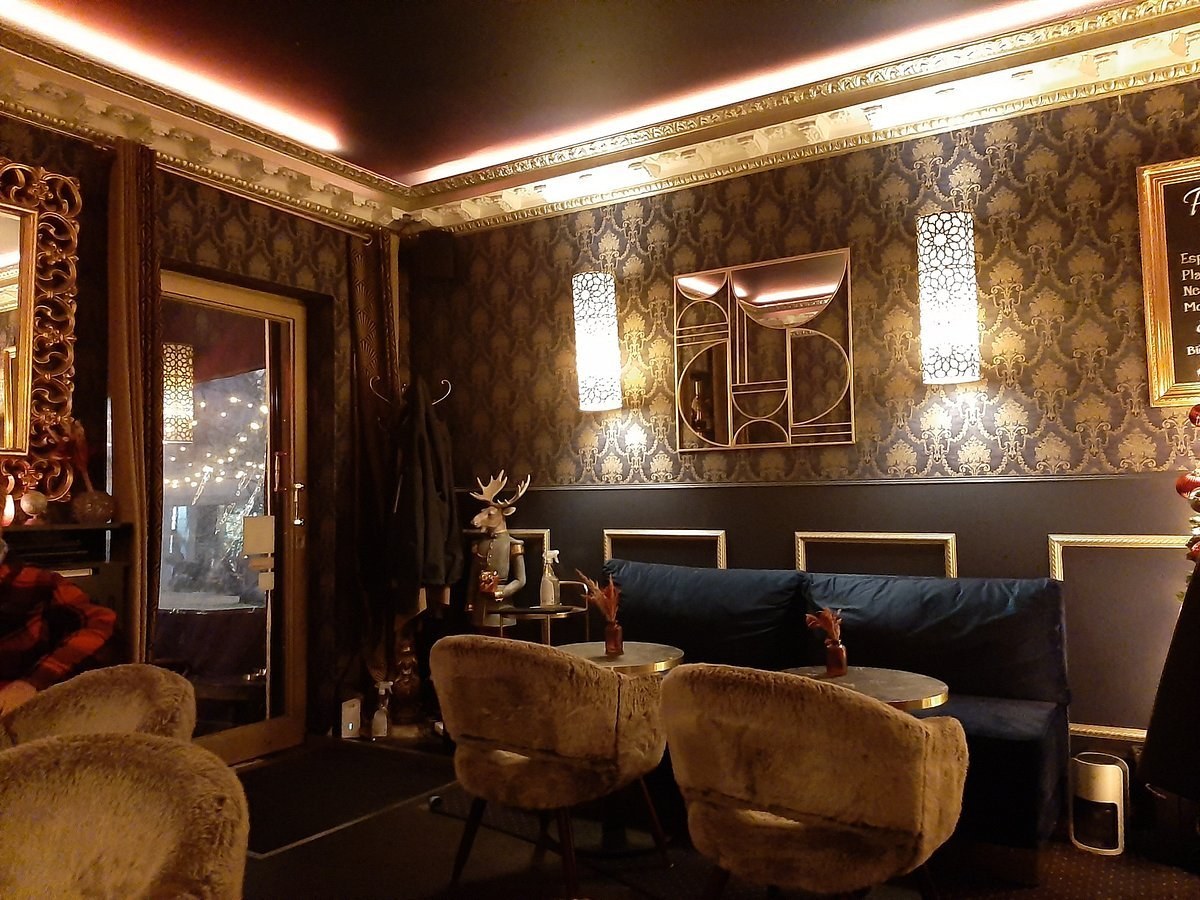
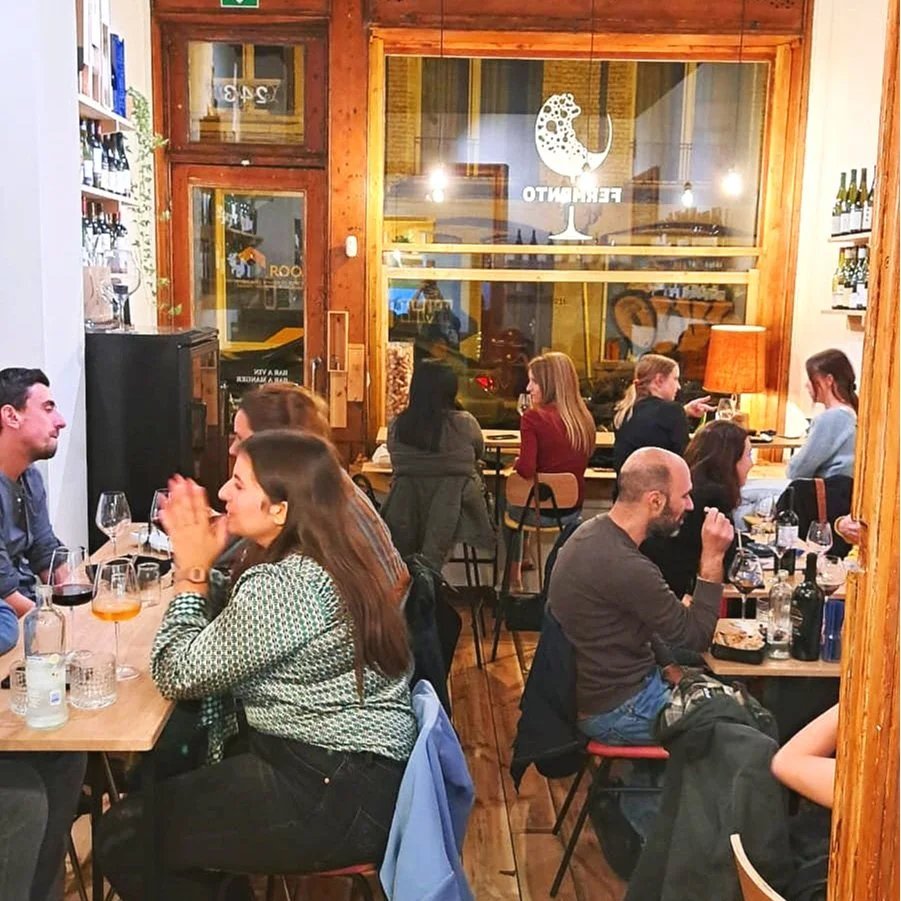
Warm colors, cozy interior with modern artwork, beautiful decoration, and an inviting white-washed facade creating a stylish and refined atmosphere.
Tags
Vibe
Best For
Experience
At the Table
- Dress Code
- Smart Casual
- Noise Level
- Conversational
- Service Style
- Upscale Casual
- Meal Pacing
- Leisurely
- Capacity
- Small
- Kitchen
- Modern
- Menu Format
- A la carte, Set menu
- Wine Program
- Curated
- Private Dining
- Available
Signature Dishes
- Sashimi of red tuna with shiso oil and dashi
- Medium rare fillet of duck with curry and vadouvan
- Sea Bream Ceviche
Know before you go
Know Before You Go
- Getting there
- Rue de la Reinette 8, 1000 Bruxelles, Belgium
Planning details
Location
Rue de la Reinette 8, 1000 Bruxelles, Belgium · Directions
Recognition and awards
Also consider
Also Consider
- Comme chez Soi, French - Belgian, Classic Cuisine, €€€€
- La Villa Lorraine by Yves Mattagne, Modern Cuisine, €€€€
- senzanome, Modern Italian, Italian, €€€€
- Au Vieux Saint Martin, French Bistro, Belgian, €€€
- Aux Armes de Bruxelles, Brasserie, Belgian, €€
Restaurant context
Umā sits at €€ in a Brussels dining scene where most of the Michelin-recognised rooms charge €€€€. That price gap is the starting point for any comparison. If you are deciding between Umā and Comme chez Soi or La Villa Lorraine by Yves Mattagne, the question is not which kitchen is better, it is what you are optimising for. Both €€€€ rooms offer deeper service formality, more elaborate tasting structures, and the prestige of starred recognition. Umā offers Michelin Plate-level cooking in a relaxed, open-kitchen room for a fraction of the price. For a food-focused diner who wants to eat well without the full ceremonial apparatus, Umā is the stronger choice.
Senzanome and Au Vieux Saint Martin occupy different parts of the spectrum. Senzanome runs modern Italian at €€€€, a credible room but a narrower ingredient focus than Umā's international sourcing logic. Au Vieux Saint Martin delivers French bistro cooking at €€€, which makes it the closest price-tier comparison that still offers a step up in formality. If classic Belgian-French comfort food is what you are after, Au Vieux Saint Martin is the better fit. If you want a kitchen taking real risks with flavour combinations, Umā wins that comparison.
Aux Armes de Bruxelles matches Umā on price tier at €€ and is the obvious alternative for diners who want a quintessentially Brussels brasserie experience, moules, frites, Belgian classics done properly. The two restaurants are not competing for the same diner. Umā is for someone who wants to eat something conceptually interesting at a fair price; Aux Armes is for someone who wants to eat like a local in a historically grounded room. Book Umā if the Nikkei angle interests you. Book Aux Armes if you want the Brussels institution experience. Both are easy to get into, which makes the decision purely about what kind of meal you want.
Explore Brussels
Around this place
Discover more on Pearl
Unlock the full Umā guide in Pearl, including awards, comparisons, FAQs, planning details, and nearby places.
Compare Umā
| Venue | Location | Cuisine | Awards | Price |
|---|---|---|---|---|
| Umā | Brussels | International | Michelin Guide Belgium & Luxembourg 2026We're Smart World Top Restaurants 20252025 Michelin Plate2024 Michelin Plate | €€ |
| Comme chez Soi | Brussels | French - Belgian, Classic Cuisine | 2026 OAD Classical in Europe Ranked · #119Michelin Guide Belgium & Luxembourg 20262026 Les Grandes Tables du Monde Members2026 La Liste Top Restaurants2025 OAD Classical in Europe Ranked · #1042025 La Liste Top Restaurants2025 Michelin 1 Star2024 OAD Classical in Europe Ranked · #1052024 Michelin 1 Star | €€€€ |
| La Villa Lorraine by Yves Mattagne | Brussels | Modern Cuisine | Star Wine Lists 20262026 Falstaff Restaurant GuideMichelin Guide Belgium & Luxembourg 20262026 Les Grandes Tables du Monde Members2026 La Liste Top Restaurants2025 OAD Classical in Europe Ranked · #2872025 Michelin 1 Star2025 La Liste Top Restaurants2024 OAD Classical in Europe Ranked · #276 | €€€€ |
| senzanome | Brussels | Modern Italian, Italian | Michelin Guide Belgium & Luxembourg 20262025 Michelin 1 Star2024 Michelin 1 Star2023 OAD Top New Restaurants in Europe Recommended | €€€€ |
| Au Vieux Saint Martin | Brussels | French Bistro, Belgian | Michelin Guide Belgium & Luxembourg 20262026 OAD Casual in Europe Recommended2025 OAD Casual in Europe Ranked · #6922025 Michelin Plate2024 OAD Casual in Europe Ranked · #6562024 Michelin Plate | €€€ |
| Aux Armes de Bruxelles | Brussels | Brasserie, Belgian | Michelin Guide Belgium & Luxembourg 20262026 OAD Casual in Europe Recommended2025 OAD Casual in Europe Ranked · #6122025 Michelin Plate2024 OAD Casual in Europe Ranked · #5362024 Michelin Plate2023 OAD Casual in Europe Recommended | €€ |
.png?width=1200&quality=80)






How Umā Brussels compares with similar nearby venues.
FAQ
Frequently Asked Questions
What should I order at Umā?
The kitchen's signature move is Nikkei cuisine — a Japanese-Peruvian hybrid that leans into spicy-sweet contrasts. The Michelin inspector flagged scallops with smoked pork espuma as representative of the chef's approach: gutsy flavour combinations with subtle heat. Both the à la carte and set menu reflect the same style, so choose based on how much you want to commit upfront rather than ingredient preference.
Does Umā handle dietary restrictions?
Umā offers a plant-based menu, but it is not included by default — you need to request it at the time of booking. If you skip that step, vegetarian options on the standard menu are limited. Flag it when you reserve and the kitchen accommodates it; forget to mention it and your choices narrow considerably.
Is the tasting menu worth it at Umā?
At the €€ price point, the set menu is a reasonable way to get the full range of the chef's Nikkei combinations in a single sitting. The à la carte works too, but the set menu is where the spicy-sweet contrasts and fusion logic land with the most coherence. If you are visiting once, the set menu is the better call.
What should a first-timer know about Umā?
Umā is on Rue de la Reinette 8, a quiet side street a short walk from Porte de Namur metro — easy to find once you know it is not on the main drag. The open kitchen means you can watch the chef work, which adds context to the food. Mention any dietary needs at booking, not on arrival, and the kitchen adjusts accordingly.
Is Umā worth the price?
Yes, at €€ in Brussels, Umā delivers Michelin Plate-recognised cooking with a clear point of view — Nikkei fusion that actually commits to its Japanese-Peruvian premise rather than hedging. For comparison, Comme chez Soi charges considerably more for classical French in a formal setting; Umā is the better call if you want creative cooking without the ceremony or the bill.