
.png?width=1200&quality=80)
KUMA
Japanese · Abando, Bilbao
Restaurant in Bilbao, Spain
 Book with Pearl
The Read
Japan-Trained Basque Fusion
Price
$100–150per person
Dress
Smart Casual
Why go
KUMA is Bilbao's most credentialed Japanese restaurant — a Michelin Plate holder. Chef Daniel Lomana's regular training visits to Japan give the menu genuine technical grounding, from hamachi sashimi to sea bass nigiri and a recommended tasting menu. At €€€, it is fairly priced and easy to book relative to Bilbao's starred Basque tables.
About KUMA
Who Should Book KUMA — and When
KUMA is the right choice if you are a food-focused traveller in Bilbao who wants a serious Japanese meal without flying to Tokyo. It suits solo diners and couples leading, particularly those who want to sit at the bar and watch the kitchen work. If you are in Bilbao primarily for Basque cuisine, Nerua Guggenheim Bilbao or Zarate will serve that instinct better. But if you are curious about how a Basque-trained chef interprets Japanese technique — and what that produces on a plate, KUMA is worth your evening.
The Case for KUMA
KUMA holds a Michelin Plate for both 2024 and 2025, which signals consistent quality without the price premium or booking friction of a starred table. The combination of those two data points tells you this is a kitchen that performs reliably, not just on inspection nights.
Chef Daniel Lomana travels to Japan regularly to train and develop his technique, which matters here because the menu reflects it. You are not looking at a pan-Asian fusion concept assembled from trend-following. The dish list includes hamachi sashimi, amberjack with KUMA ceviche, sea bass nigiri, and fried aubergines with white sesame vinaigrette. That last dish is a reasonable indicator of the kitchen's approach: Japanese technique applied to produce that makes sense in a Basque context. The mochi rice cakes are specifically called out as a dish to order before you leave.
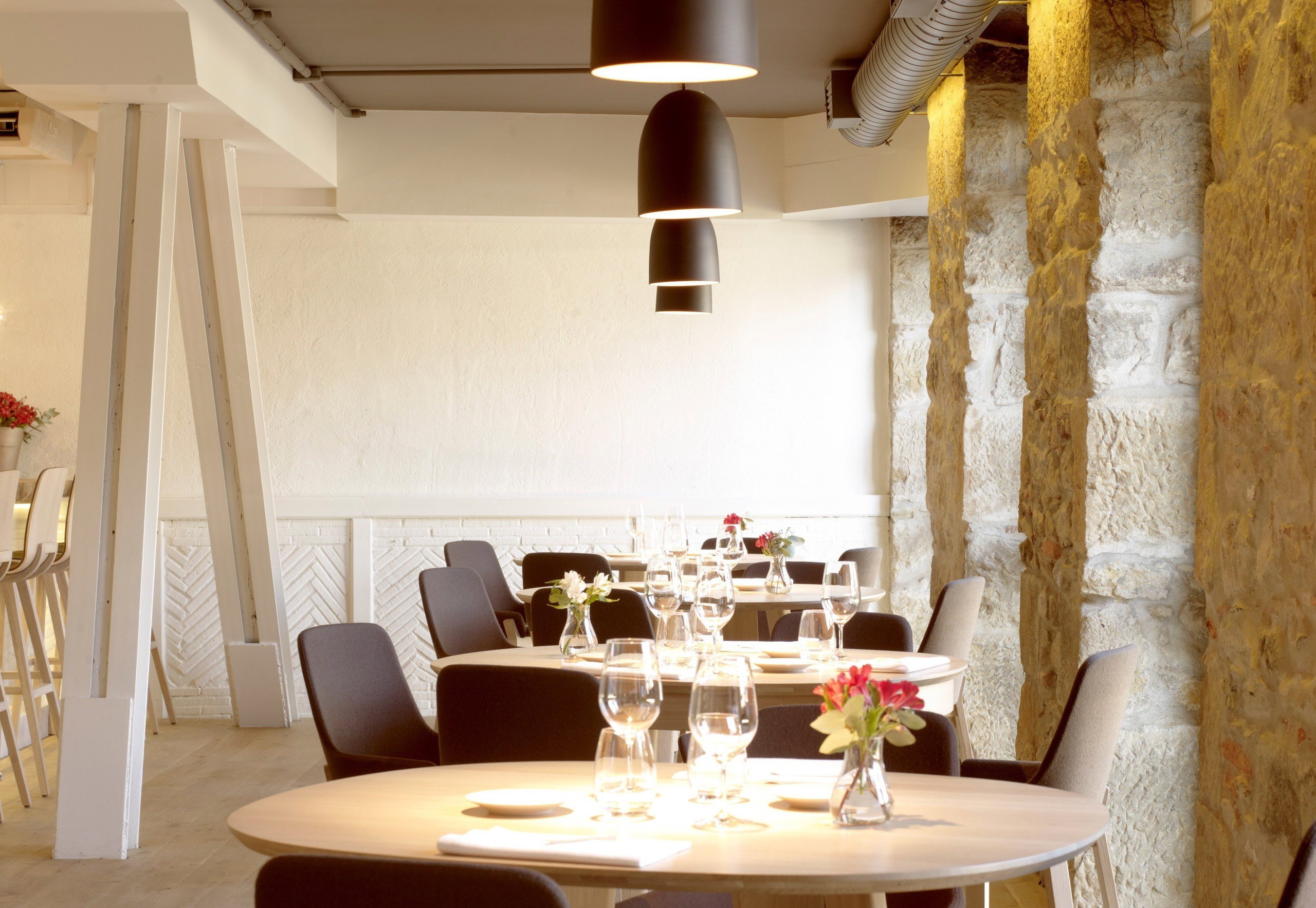
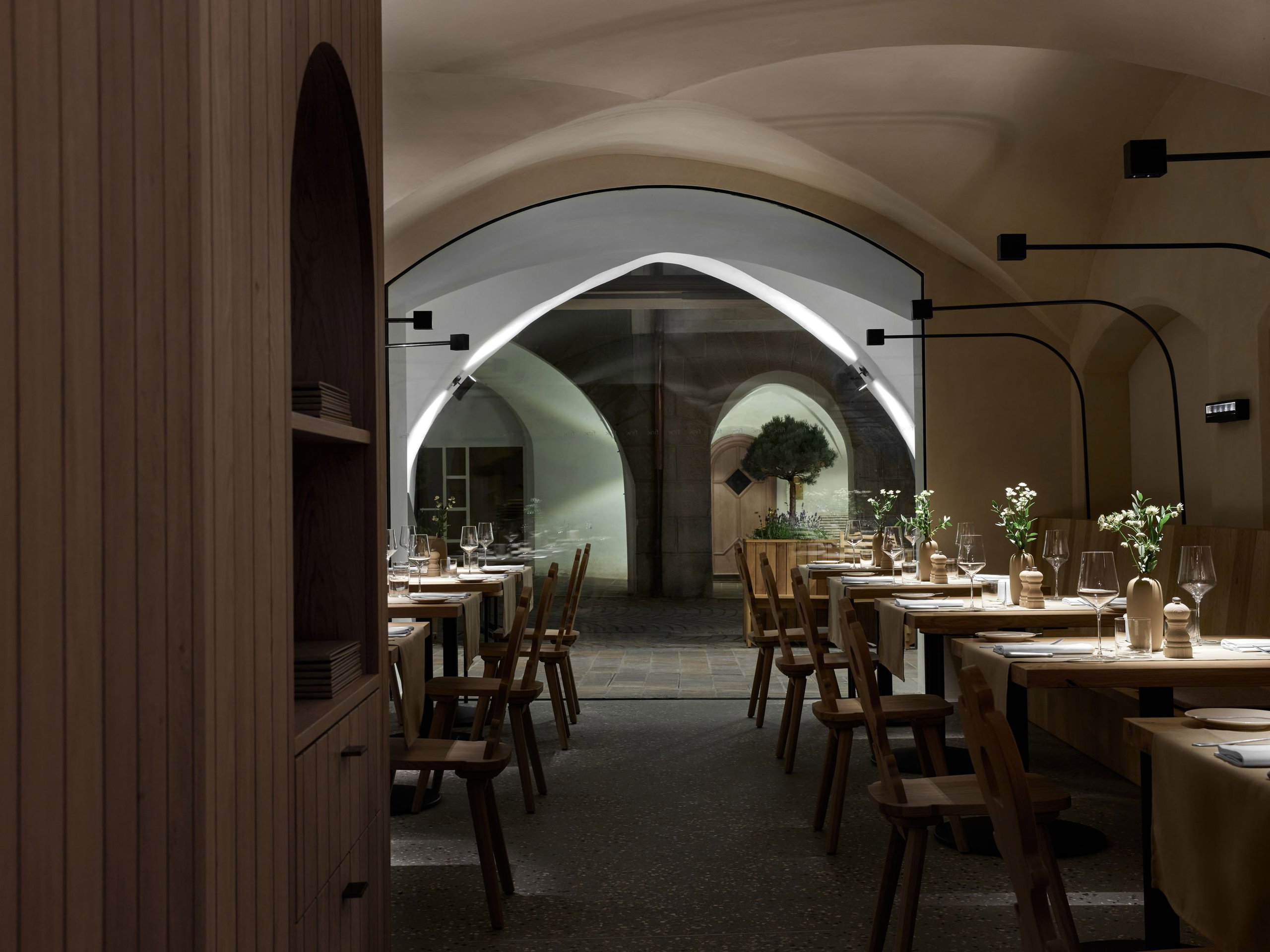
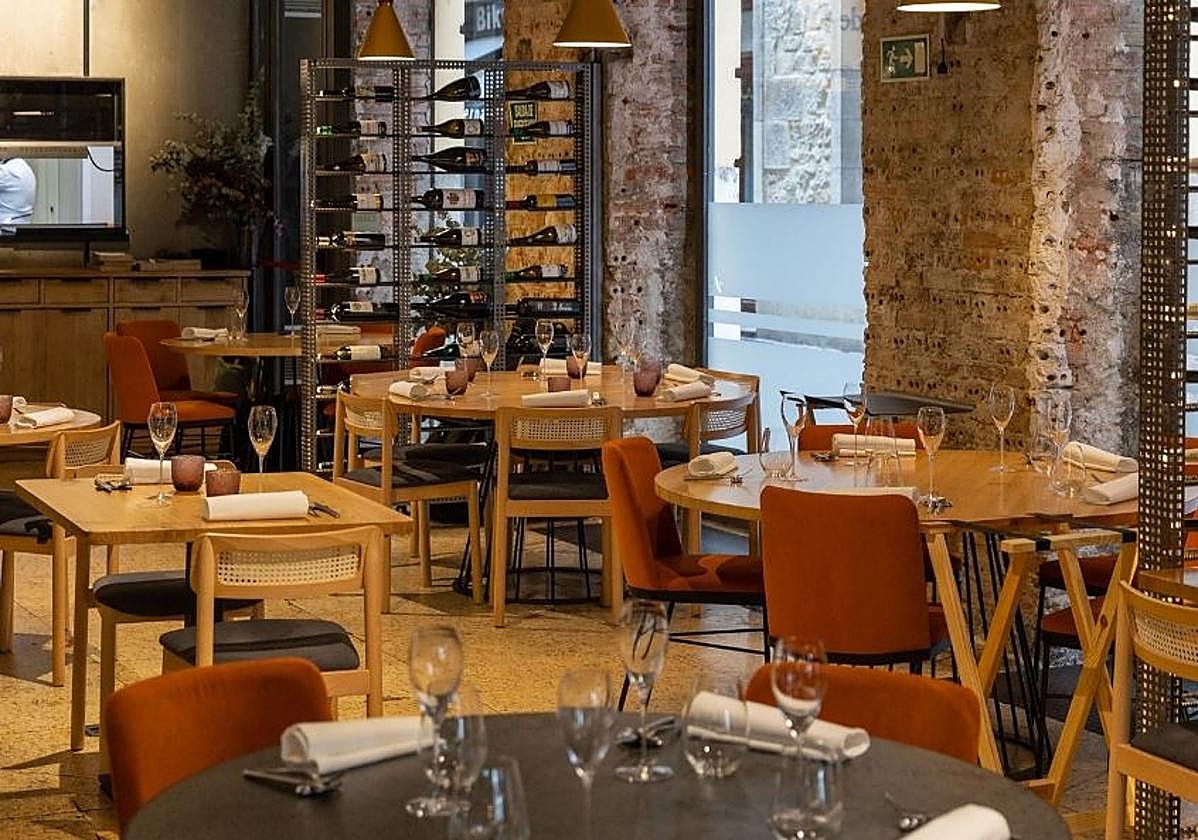
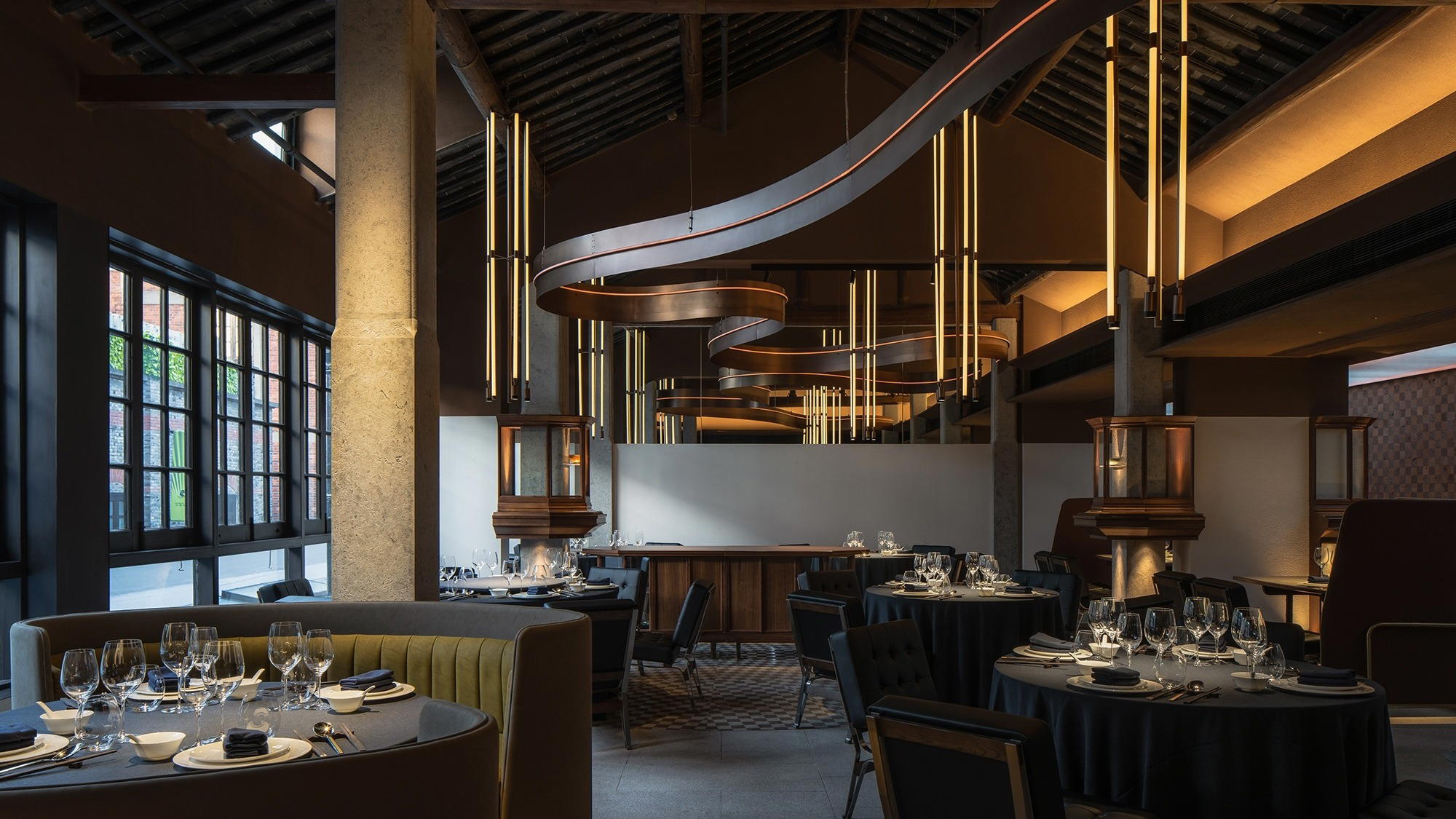
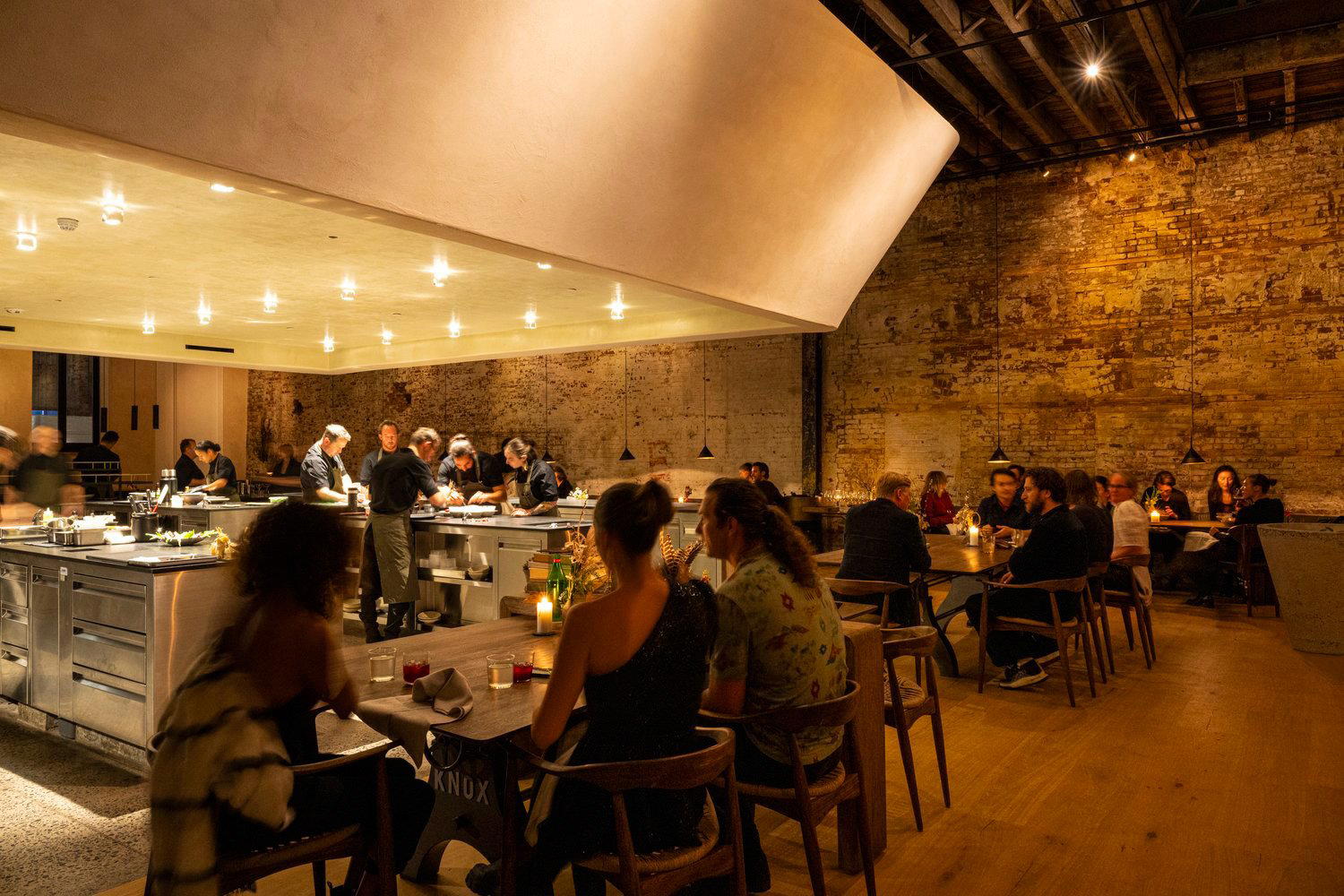
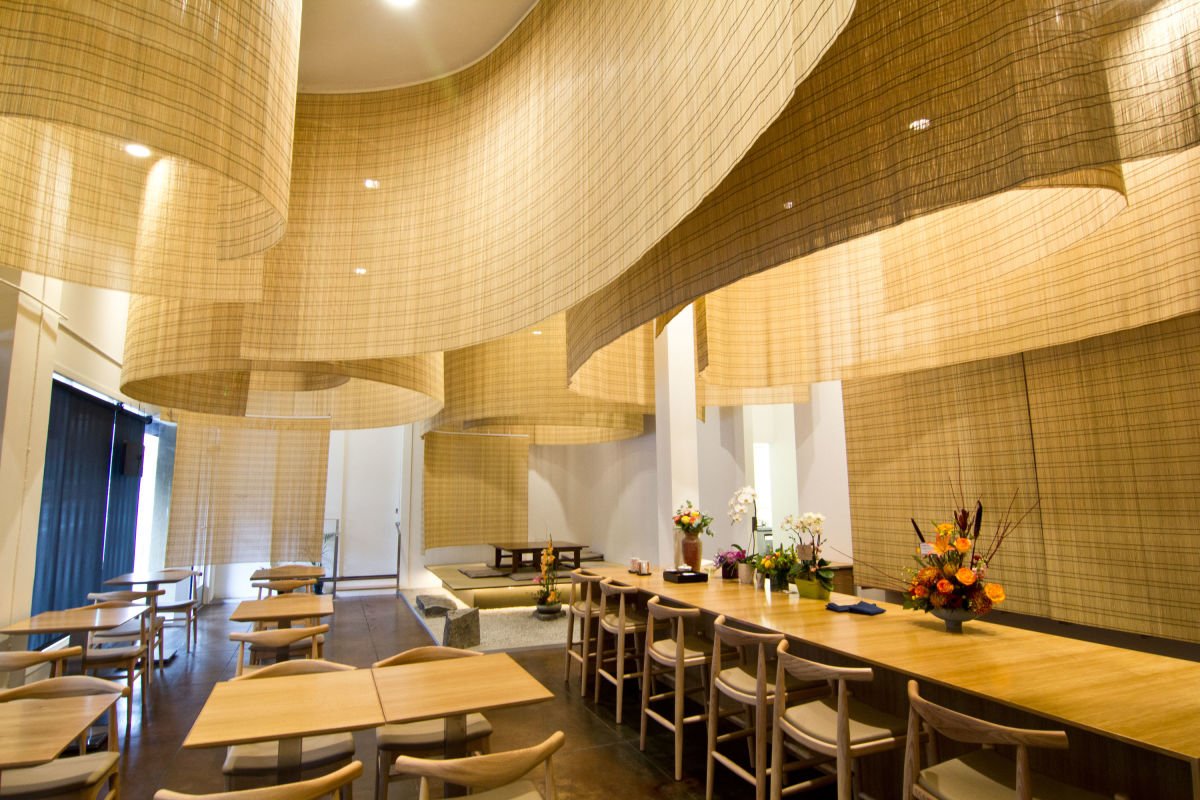
The room is described as refined, and the format gives you a choice: bar seating puts you directly in front of the action, while adjoining tables offer a more conventional dinner setting. For anyone who wants to understand what the kitchen is doing, the bar is the better seat.
Seasonal Timing: When to Visit and What to Prioritise
KUMA's menu leans on fish and seafood in ways that are directly tied to what the Atlantic and the Bay of Biscay are producing. Japanese technique applied to local catch is inherently seasonal: amberjack, sea bass, and hamachi all have peak periods, and a kitchen with this level of technical investment in sourcing will shift its à la carte accordingly. If seasonal alignment matters to you, visiting in autumn or late spring gives you the broadest window of Cantabrian fish at their leading, the same logic that drives the leading txoko dining in the Basque Country.
The tasting menu is the format most likely to reflect current seasonal availability, since it gives the kitchen control over what goes on the plate on any given night. If your visit is timed around a specific seasonal window, the tasting menu is the more reliable choice than cherry-picking from the à la carte.
Bilbao's restaurant calendar also has practical implications. August brings a significant number of Spanish domestic tourists, and the city's better restaurants fill quickly. January and February are quieter, booking is easier, and you are more likely to have the bar to yourself. If you want the full bar-seat experience without competition for the leading spots, a midweek visit in late winter is your clearest path to it.
How KUMA Sits in Bilbao's Japanese Scene
Bilbao does not have a deep Japanese restaurant bench. KUMA is the most credentialed Japanese option in the city, Michelin-recognised and with a chef whose training is documented. For comparison, the broader Spanish dining scene has Japanese-influenced kitchens at higher price points and with longer pedigrees, including Quique Dacosta in Dénia and the kind of technical rigour you find at El Celler de Can Roca in Girona, but those are different categories entirely. Within Bilbao, KUMA is not competing with starred Basque restaurants, it is filling a gap they leave open.
If you want to benchmark against dedicated Japanese restaurants elsewhere in Spain, the comparison becomes harder because the category is thin outside Madrid and Barcelona. Cocina Hermanos Torres in Barcelona occupies a different tier and format. For pure Japanese reference points at the leading end, Myojaku in Tokyo or Azabu Kadowaki in Tokyo show what the ceiling looks like. KUMA is not competing at that level, but it is not trying to be, and the price point reflects that honestly.
Know Before You Go
- Address
- Ercilla Kalea, 8, Abando, 48009 Bilbao, Bizkaia, Spain
- Cuisine
- Japanese fusion with Basque seasonal influence
- Price range
- €€€, mid-to-upper tier for Bilbao; competitive for the quality level
- Awards
- Michelin Plate 2024 and 2025
- Seating formats
- Bar counter (recommended for solo diners and couples) and adjoining tables
- Booking difficulty
- Easy, but book ahead for weekend evenings and August
- Ideal time to visit
- Midweek, late autumn or late spring for peak seasonal fish; avoid August if you want a bar seat without competition
- Don't skip
- The mochi rice cakes and the tasting menu if you are visiting for a special occasion
- Neighbourhood
- Abando, central Bilbao, well-positioned relative to the main hotel district
Booking Logistics
KUMA is rated easy to book by Pearl's standards, which means you are not dealing with the lottery-style reservation system that applies at, say, Arzak in San Sebastián or Azurmendi in Larrabetzu. For most of the year, booking one to two weeks ahead should secure a table. The exception is August, when Bilbao sees its highest visitor numbers, and weekend evenings year-round, when the bar seats in particular fill quickly. If the bar is your priority, book early in the week and specify your preference when reserving. For the tasting menu, giving at least two weeks' notice is sensible.
See our full Bilbao restaurants guide for broader context on the city's dining scene, or explore hotels, bars, wineries, and experiences in Bilbao to plan around your visit.
Planning details
- Location
- Ercilla Kalea, 8, Abando, 48009 Bilbao, Bizkaia, Spain
- Reservations
- Book on TheFork
- Website
- restaurantekuma.com
- Phone
- +34 677 48 33 48
The take
The Take
The Vibe
KUMA presents a restrained, purpose-driven atmosphere that places Japanese technique at the center of a Bilbain dining scene dominated by Basque kitchens. The room favors a counter-forward setup that feels deliberate rather than flashy: seating at the bar draws you into the choreography of preparation, while adjoining tables soften the format for groups or diners who prefer distance from the pass. The restaurant reads as quietly confident — polished, serious and intimate — and its back-to-back Michelin Plates underscore a focus on exacting execution rather than novelty.
Best For
KUMA suits evenings when the meal itself is the focus: thoughtful date nights, business dinners that prioritize precise cooking and service, and special-occasion meals where guests expect disciplined technique. The counter format also makes it a natural choice for solo diners who want to observe preparation and engage with the kitchen's rhythm. While it exists alongside Bilbao’s more regionally rooted fine dining, KUMA appeals to guests deliberately choosing a premium Japanese experience rather than a Basque one.
Ordering Tips
If you want the most immersive experience, book a bar seat: the layout is designed to bring guests close to the action and to place pacing in the kitchen’s hands. KUMA also offers adjoining table seating for those who prefer a bit more distance without abandoning the restaurant’s focused approach. Expect a measured, chef-driven flow to the evening — plan your visit around dinner service and allow the kitchen to set the tempo rather than rushing the meal.
Venue details
Ambiance
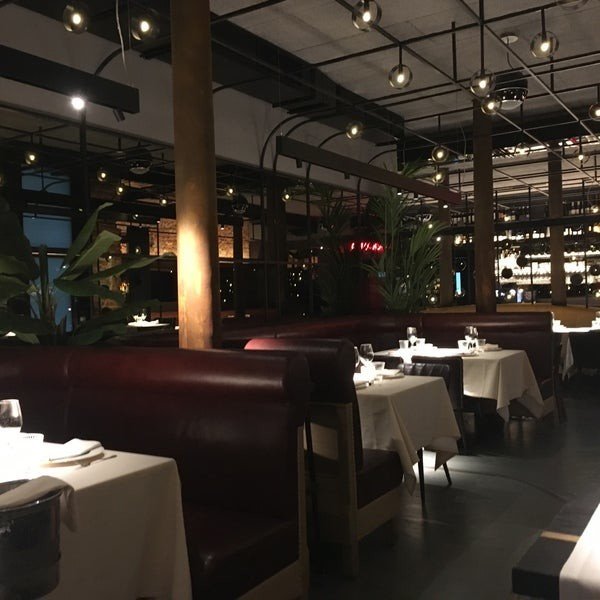
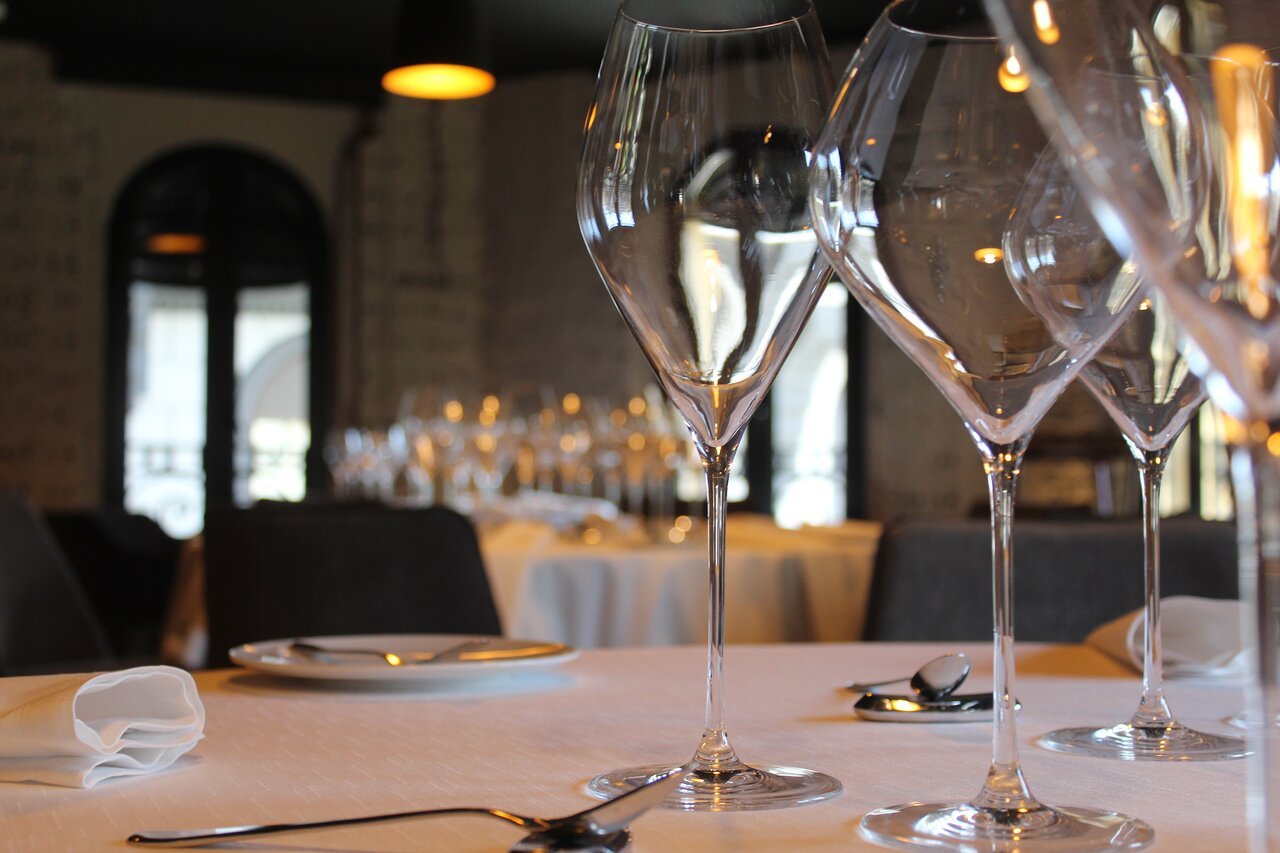
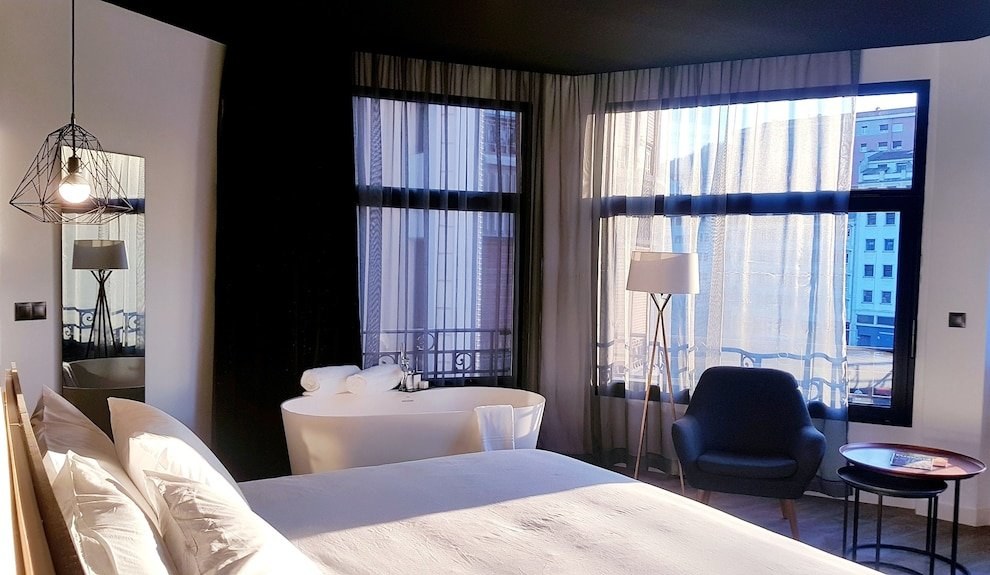
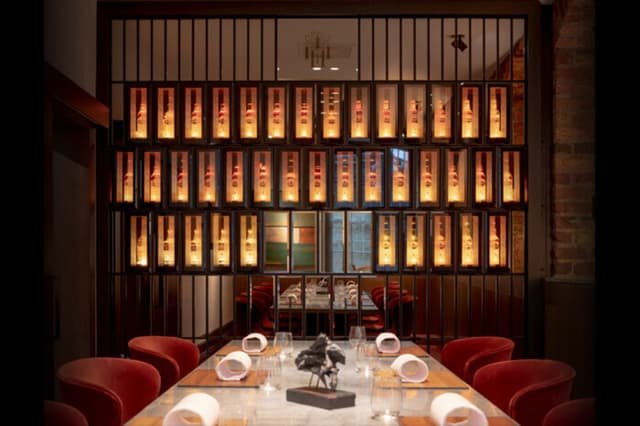
Sleek, low-lit dining room with minimalist decor, refined and calming atmosphere enhanced by intimate lighting.
Tags
Vibe
Best For
Experience
Sourcing
Accessibility
At the Table
- Dress Code
- Smart Casual
- Noise Level
- Conversational
- Service Style
- Upscale Casual
- Meal Pacing
- Leisurely
- Capacity
- Intimate
- Kitchen
- Modern
- Menu Format
- Tasting menu, A la carte, Small plates
- Wine Program
- Curated
Signature Dishes
- tuna_tartare
- tempura_fried_eggplant
- carabinero_nigiri
- wagyu_nigiri
Know before you go
Know Before You Go
- Getting there
- Ercilla Kalea, 8, Abando, 48009 Bilbao, Bizkaia, Spain
Planning details
Location
Ercilla Kalea, 8, Abando, 48009 Bilbao, Bizkaia, Spain · Directions
Recognition and awards
Also consider
Also Consider
- Nerua Guggenheim Bilbao, Progressive Spanish, Progressive, €€€
- Mina, Modern Spanish, Creative, €€€€
- Zarate, Seafood, €€€
- Ola Martín Berasategui, Traditional Cuisine, €€€€
- Zortziko, Basque, Basque
Restaurant context
At the €€€ tier, KUMA's main competition in Bilbao is not other Japanese restaurants, there are none at the same level, but the city's better Basque-focused tables. Nerua Guggenheim Bilbao (Progressive Spanish, €€€) is the closest in price and ambition: if you want the definitive modern Basque experience in a celebrated setting, Nerua is the booking to make. Zarate (Seafood, €€€) is the better pick if you want exceptional local fish treated with clarity and restraint rather than technique for its own sake. KUMA is the right choice when Japanese cuisine is specifically what you want, it is not a fallback when Basque tables are full.
If your budget stretches to €€€€, both Mina (Modern Spanish, Creative) and Ola Martín Berasategui (Traditional Cuisine) offer more elaborate tasting-menu formats with greater occasion weight. Mina is the pick for the most technically ambitious modern cooking in the city; Ola Martín Berasategui carries the prestige of one of Spain's most recognised culinary names. Neither replaces KUMA's proposition, they serve a different instinct entirely.
For the easiest booking and most relaxed format in Bilbao's quality tier, KUMA wins on accessibility. Aitor Rauleaga is worth considering if you want traditional Basque without the fine-dining price structure. The practical summary: book KUMA when you want Japanese technique and a bar-counter experience; book Nerua or Zarate when Basque cuisine is the priority; step up to Mina when the occasion demands the city's most ambitious tasting menu.
Explore Bilbao
Around this place
Discover more on Pearl
Unlock the full KUMA guide in Pearl, including awards, comparisons, FAQs, planning details, and nearby places.
Compare KUMA
| Venue | Location | Cuisine | Awards | Price |
|---|---|---|---|---|
| KUMA | Bilbao | Japanese | Guía Repsol Soles 20262026 Michelin Plate2025 Michelin Plate2024 Michelin Plate | €€€ |
| Nerua Guggenheim Bilbao | Bilbao | Progressive Spanish, Progressive | 2026 OAD Top Restaurants in Europe Ranked · #129Guía Repsol Soles 20262026 Michelin 1 Star2025 OAD Top Restaurants in Europe Ranked · #153We're Smart World Top Restaurants 20252025 Michelin 1 Star2025 The Best Chef One Knife2024 OAD Top Restaurants in Europe Ranked · #1472024 Michelin 1 Star | €€€ |
| Mina | Bilbao | Modern Spanish, Creative | Star Wine Lists 2026 · #1Guía Repsol Soles 20262026 OAD Top Restaurants in Europe Recommended2026 Michelin 1 Star2025 Michelin 1 Star2024 Michelin 1 Star | €€€€ |
| Zarate | Bilbao | Seafood | Guía Repsol Soles 20262026 Michelin 1 Star2025 OAD Classical in Europe Ranked · #4622025 Michelin 1 Star2024 Michelin 1 Star | €€€ |
| Ola Martín Berasategui | Bilbao | Traditional Cuisine | Guía Repsol Soles 20262026 Michelin 1 Star2025 Michelin 1 Star2024 Michelin 1 Star | €€€€ |
| Zortziko | Bilbao | Basque | 2025 OAD Classical in Europe Ranked · #3252024 OAD Classical in Europe Ranked · #2252023 OAD Classical in Europe Recommended | , |





How KUMA Bilbao compares with similar nearby venues.
FAQ
Frequently Asked Questions
Is KUMA good for solo dining?
Yes — bar seating at KUMA is designed for solo diners who want to eat well without the awkwardness of a table for one. Sitting at the counter puts you close to the kitchen action, which makes the meal more engaging. At €€€ pricing with a Michelin Plate for two consecutive years, it is one of the stronger solo options in Bilbao.
What are alternatives to KUMA in Bilbao?
If you want Basque cuisine at a higher price point, Nerua Guggenheim Bilbao and Mina both hold Michelin stars and offer tasting menus with more local focus. Zarate is the go-to for traditional Basque fish cookery. KUMA is the right call specifically when you want Japanese technique applied to local produce — no other Michelin-recognised venue in Bilbao does that.
Can I eat at the bar at KUMA?
Yes. KUMA offers bar seating, and it is worth requesting — it puts you closest to the preparation and is well-suited to solo diners or couples who want a front-row experience. Tables adjoining the bar are also available if you prefer a more conventional setup.
How far ahead should I book KUMA?
By Pearl's assessment, KUMA is easy to book relative to Bilbao's starred restaurants like Arzak or Nerua. That said, booking a few days to a week ahead is sensible, particularly on weekends or if you have a fixed travel date. Do not leave it to the day of — Michelin Plate recognition draws a consistent crowd.
Is KUMA good for a special occasion?
It works well for a special occasion if Japanese cuisine is your format — the refined decor and tasting menu option give it the right register for a celebratory meal. For a more traditional Basque special-occasion experience, Zortziko or Ola Martín Berasategui may fit better. KUMA is the stronger pick if the occasion calls for something less predictable than another pintxos-forward dinner.
Is the tasting menu worth it at KUMA?
The tasting menu is the recommended format here, per the Michelin recognition that specifically calls it out. It gives you the fullest picture of chef Daniel Lomana's Japanese fusion approach, shaped by his ongoing training visits to Japan. If you prefer to eat à la carte, dishes like the hamachi sashimi and sea bass nigiri are available, but the tasting menu is the more considered choice at this price level.
Is KUMA worth the price?
At €€€, KUMA is priced below Bilbao's Michelin-starred tables and delivers two consecutive years of Michelin Plate recognition — a signal of consistent quality. For a Japanese meal of this calibre outside a major capital, the value is solid. If your budget is flexible and you want the highest technical ceiling in Bilbao, a starred venue like Nerua or Mina sets a different bar, but KUMA holds its own within its category.