
Yu Hua Tai (Xicheng)
Huaiyang · Xiaoguan, Beijing
Restaurant in Beijing, China
 Book with Pearl
The Read
Residential Huaiyang Precision
Price
$10–20per person
Dress
Smart Casual
Why go
Yu Hua Tai holds Michelin's Bib Gourmand in both 2024 and 2025, making it the clearest value case for Huaiyang cooking in Beijing. At ¥¥, it sits well below the price of comparable Michelin-recognised Chinese regional restaurants in the city. Book ahead for weekends; midweek is easier to secure.
About Yu Hua Tai (Xicheng)
Verdict: A Bib Gourmand-Backed Huaiyang Address That Earns Its Queue
Yu Hua Tai is not difficult to book: but you should book ahead anyway. This Xicheng District Huaiyang restaurant has held Michelin's Bib Gourmand recognition in both 2024 and 2025, which in Beijing's increasingly competitive dining scene means it punches above its ¥¥ price point in ways that matter. If you are after refined Jiangnan cooking without the ¥¥¥¥ outlay of addresses like Xin Rong Ji (Xinyuan South Road) or Chao Shang Chao (Chaoyang), Yu Hua Tai is the clearest answer in the city right now.
The Huaiyang Case
Huaiyang cuisine: originating from the Yangtze River Delta, centred on Yangzhou and Huai'an, is one of the four canonical schools of Chinese cooking. Its hallmarks are knife precision, restrained seasoning, and a preference for freshwater produce and slow-braised preparations. In practice, this means dishes built on texture and subtlety rather than heat or boldness. The flavour register is gentle, savoury, and often sweet-adjacent, with sauces that coat rather than saturate. For a food traveller exploring Chinese regional cooking, Huaiyang is the tradition that rewards the most attention, and Beijing, as a capital city drawing talent and diaspora from every province, is a legitimate place to find it done well.
Yu Hua Tai sits in Yumin Road in Xicheng, a district more associated with governmental Beijing than with the city's dining clusters in Chaoyang or the hutong-adjacent restaurants further east. That address keeps it off the circuit for tourists defaulting to Sanlitun, which partly explains why Michelin's recognition here carries weight: inspectors found it, liked it enough to return, and have validated it two consecutive years.
For a broader view of what Huaiyang cooking looks like across price points and cities, the comparison is instructive. Huaiyang Fu (Dongcheng) and Huai Xiang Guo Se represent the tradition elsewhere in Beijing; further afield, The Huaiyang Garden in Macau and Jiangnan Wok · Yun in Nanjing show how the cuisine performs when positioned at higher price tiers. Yu Hua Tai's ¥¥ positioning is, by that comparison, genuinely accessible for the category.
What the Bib Gourmand Actually Means Here
Michelin's Bib Gourmand designation signals good cooking at a price point below full-star territory, it is the guide's clearest value endorsement. Back-to-back recognition in 2024 and 2025 confirms this is not a fluke or a first-year novelty. For a Huaiyang restaurant at ¥¥, that is a meaningful credential. It tells you the kitchen is consistent, the pricing is fair, and the inspectors found quality worth returning to measure again.
Compare this to what you get at ¥¥¥¥ Huaiyang addresses like Dai Yuet Heen in Nanjing or Chef Tam's Seasons in Macau, and the arithmetic is clear: Yu Hua Tai is delivering a Michelin-validated experience at a fraction of the price those venues charge. For travellers building a China itinerary around regional cuisine, including stops at Ru Yuan in Hangzhou, Xin Rong Ji in Chengdu, or 102 House in Shanghai, Yu Hua Tai fits cleanly into a high-value itinerary without the budget strain of a full-star splurge.
Drinks at a Huaiyang Table
Huaiyang cooking is one of the Chinese traditions most thoughtfully paired with Chinese spirits and rice wines. The restrained, clean flavour profile of the cuisine does not compete with a well-chosen baijiu or huangjiu, it accommodates them. If the restaurant follows the typical Jiangnan custom of offering Shaoxing-style rice wine alongside the meal, that is worth ordering: it is the functional equivalent of wine service at a French table, and it frames the food correctly.
Timing Your Visit
For a ¥¥ Bib Gourmand restaurant in a non-tourist district, the practical calculus is direct. Lunch midweek is your lowest-friction entry point, local professionals in a government-adjacent neighbourhood tend to gravitate toward lunch, which means dinner may be quieter but is not guaranteed. Weekends are the riskier proposition: Huaiyang cooking has a devoted following among Beijing diners who grew up eating it, and a well-regarded address at this price point will fill on a Saturday evening. Book ahead regardless of when you plan to visit, the booking difficulty is rated easy, but that means walk-ins are possible, not that you should rely on them.
If you are visiting Beijing across multiple meals and want to position Yu Hua Tai within a broader itinerary, consider anchoring it mid-trip rather than on arrival: Zhong and the broader spread of addresses in our full Beijing restaurants guide give you a clearer map of where Yu Hua Tai sits in the city's dining week. For context on where to stay nearby, our Beijing hotels guide covers Xicheng-adjacent options. The city's bar and wine scene, catalogued in our Beijing bars guide and wineries guide, rounds out the picture if you are building a full evening around Xicheng.
Practical Details
Reservations: Book ahead; walk-ins are possible but not advised on weekends. Booking difficulty rated easy. Budget: ¥¥, among the most accessible price points for Michelin-recognised cooking in Beijing. Address: Yumin Road, Xicheng District, Beijing (裕中西里23-1). Dress: No dress code data available; smart-casual is appropriate for a Bib Gourmand address in this district. Solo dining: The cuisine and price point suit solo diners well; a table for one at a ¥¥ Huaiyang restaurant is neither conspicuous nor impractical. Groups: Huaiyang cooking is a sharing-format tradition, larger tables eat better. Parties of three or more will get more range across the menu. Contact: No phone or website listed in available data; confirm reservation methods through local booking platforms or in person.
Planning details
- Hours
- Monday: 10 AM–9:30 PM · Tuesday: 10 AM–9:30 PM
- Location
- China, Beijing, Xicheng District, Yumin Rd, 裕中西里23-1 邮政编码: 100017
- Phone
- +86 10 6200 4206
The take
The Take
The Vibe
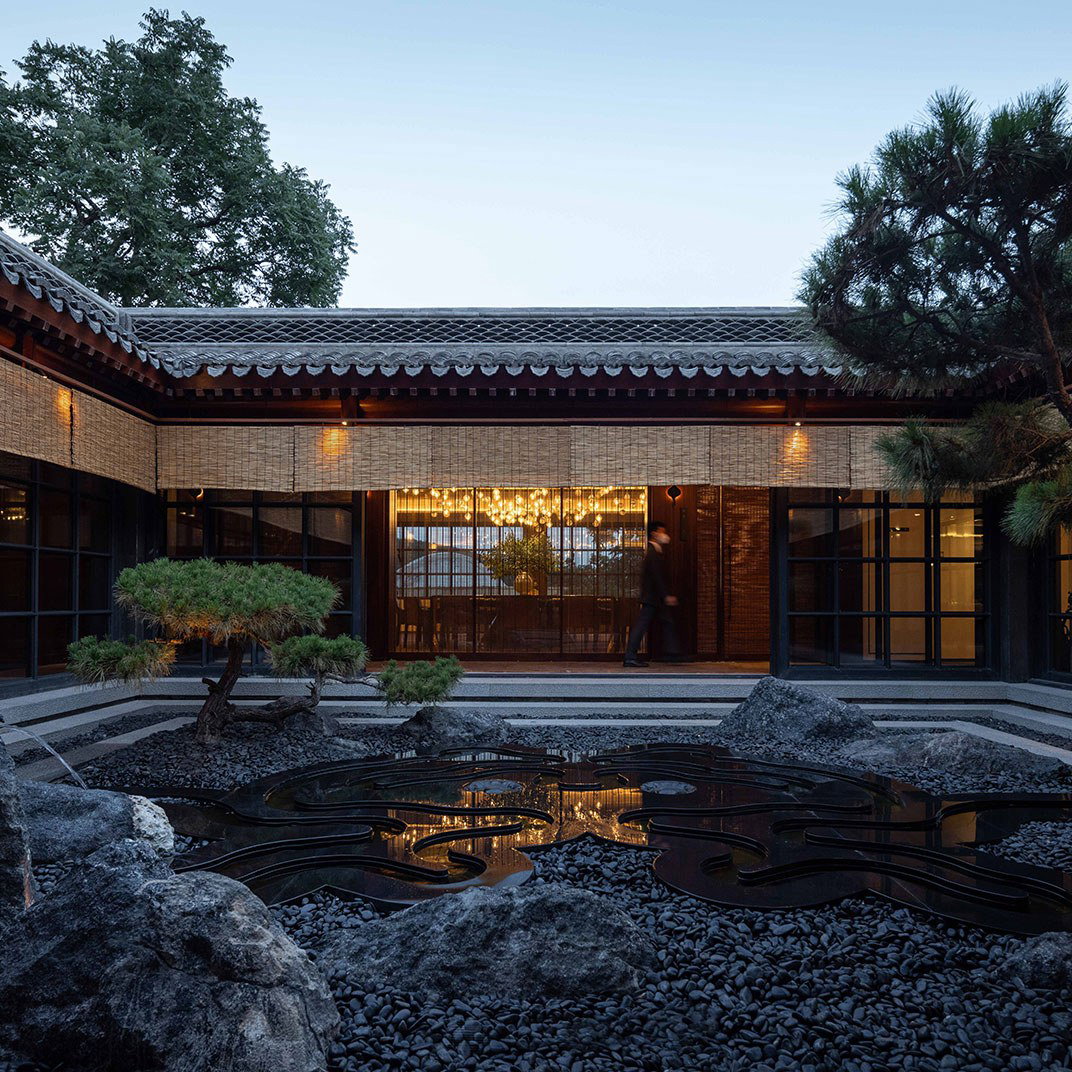
Yu Hua Tai presents Huaiyang cooking with a quietly confident, understated manner. The kitchen prizes technical precision, long braises, clear stocks and exacting knife work, and Michelin's consecutive Bib Gourmand nods (2024 and 2025) underline consistent execution rather than flash. Sitting on Yumin Road amid mid-rise residential blocks, the room feels removed from Beijing's curated dining circuits, so the experience reads as an unpretentious, calm discovery. The overall impression is refined restraint: classical Chinese technique served in a modest, serene setting where the food does the talking.
Best For
This is a restaurant to book for dinners that prize skillful, classical Chinese cooking rather than trend-driven spectacle. Its Bib Gourmand standing and steady technical focus make it a dependable pick for business dinners, intimate date nights and special-occasion meals that favour substance over show. The neighbourhood location also suits groups who want a quietly refined spot away from tourist hubs; the menu’s array of slow-braised and stock-based dishes rewards a focused evening of tasting rather than a casual, late-night stop.
Ordering Tips
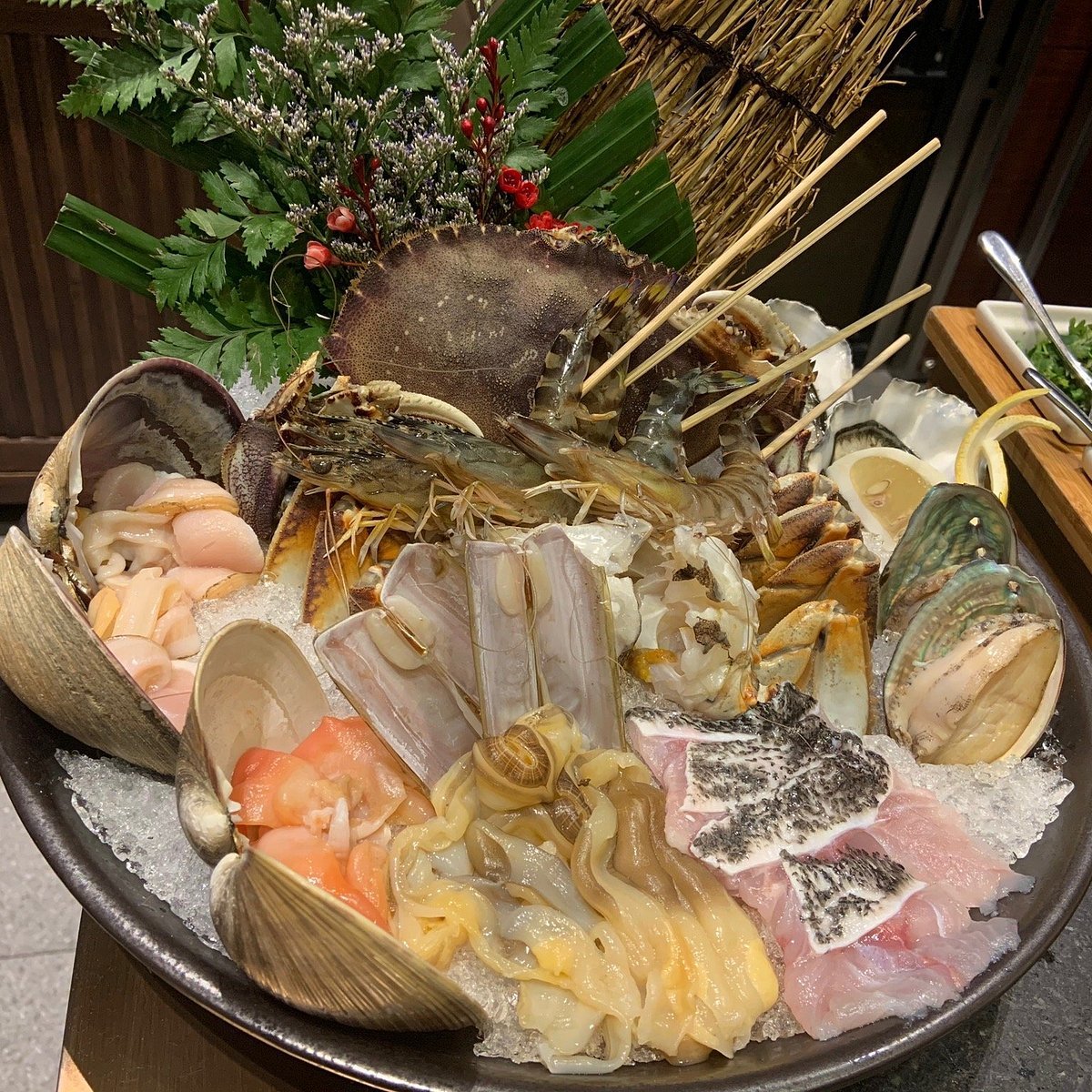
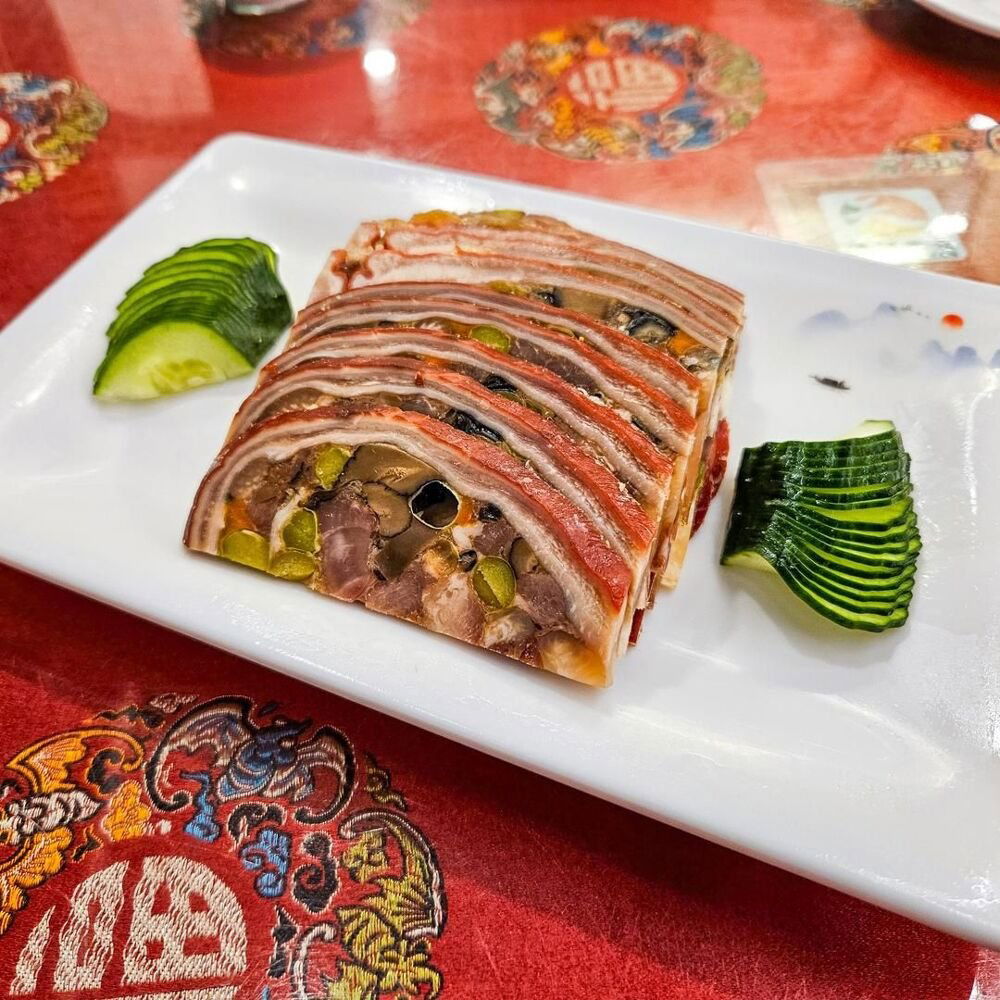
Prioritize the signature Huaiyang preparations to judge the kitchen’s technique: order the Dongpo Pork and Lion's Head meatballs for their long-braised textures and depth, and try the Dry-Braised Yellow Croaker and Emerald Shrimp to sample the lighter, stock-driven side of the cuisine. Xiangyou Eel offers a contrasting flavour profile and textural interest. The menu’s highlights are explicit about slow braising and knife work, so choosing multiple of these marquee dishes gives the clearest sense of what the Bib Gourmand recognition is rewarding.
Venue details
Ambiance
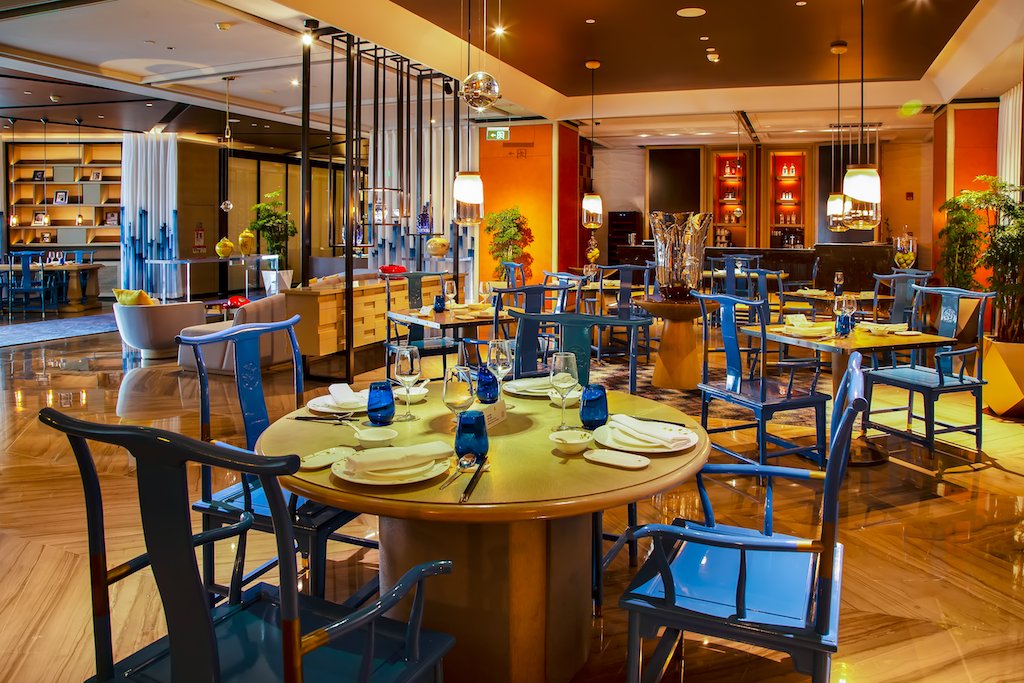
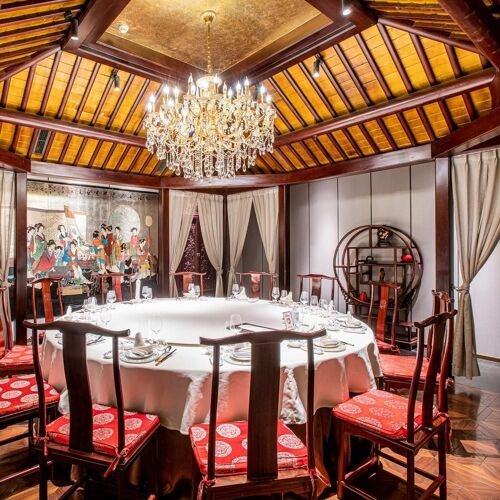
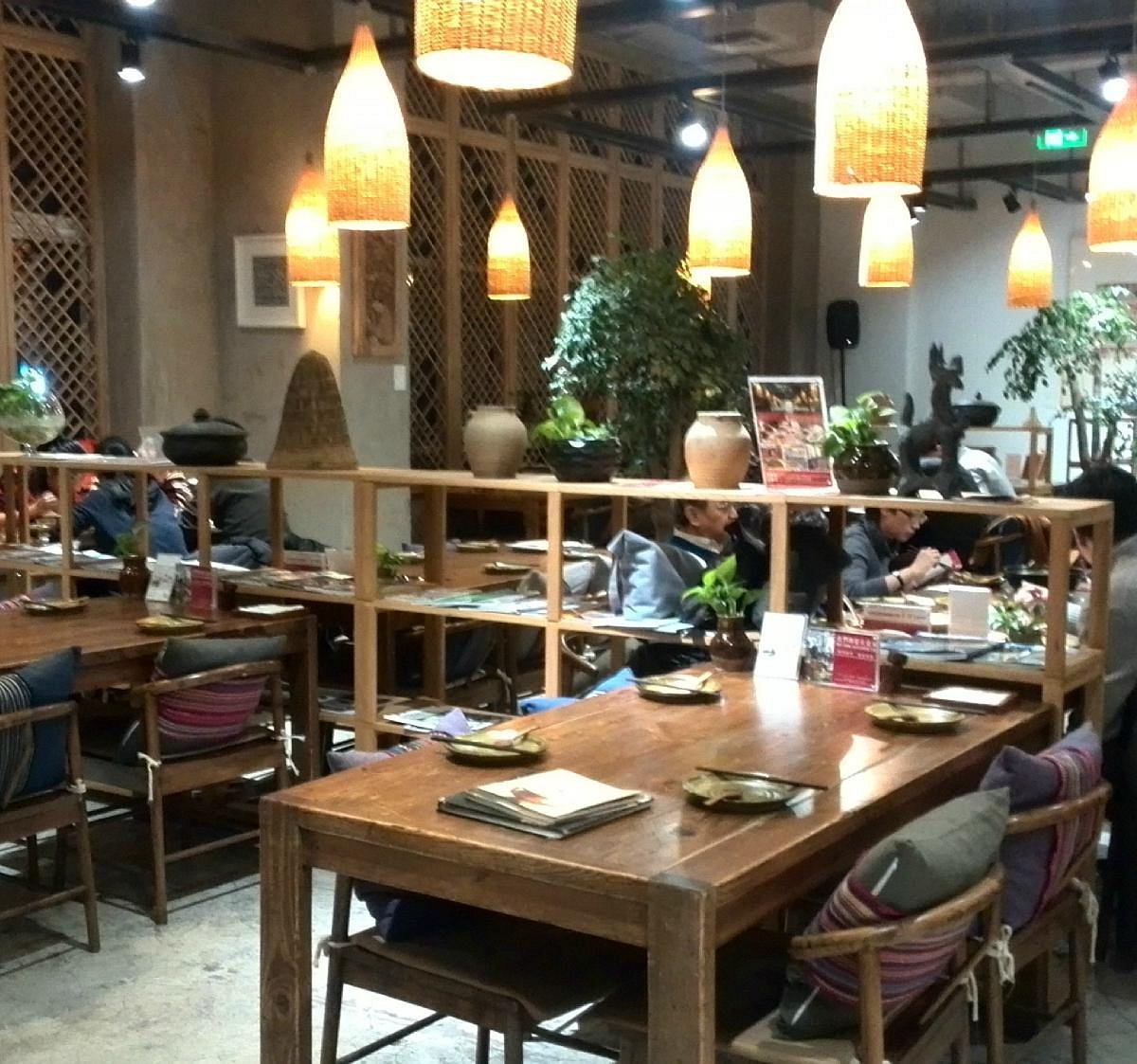
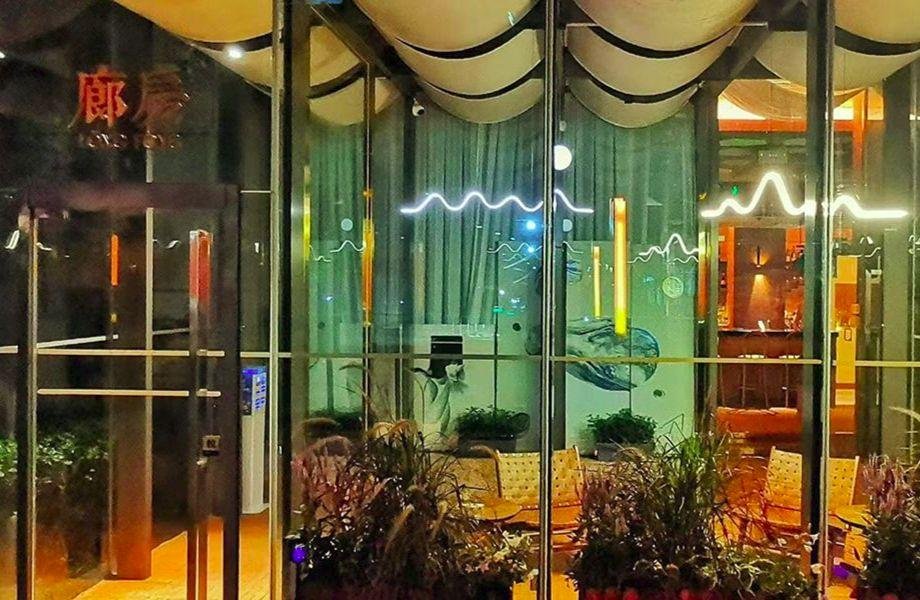
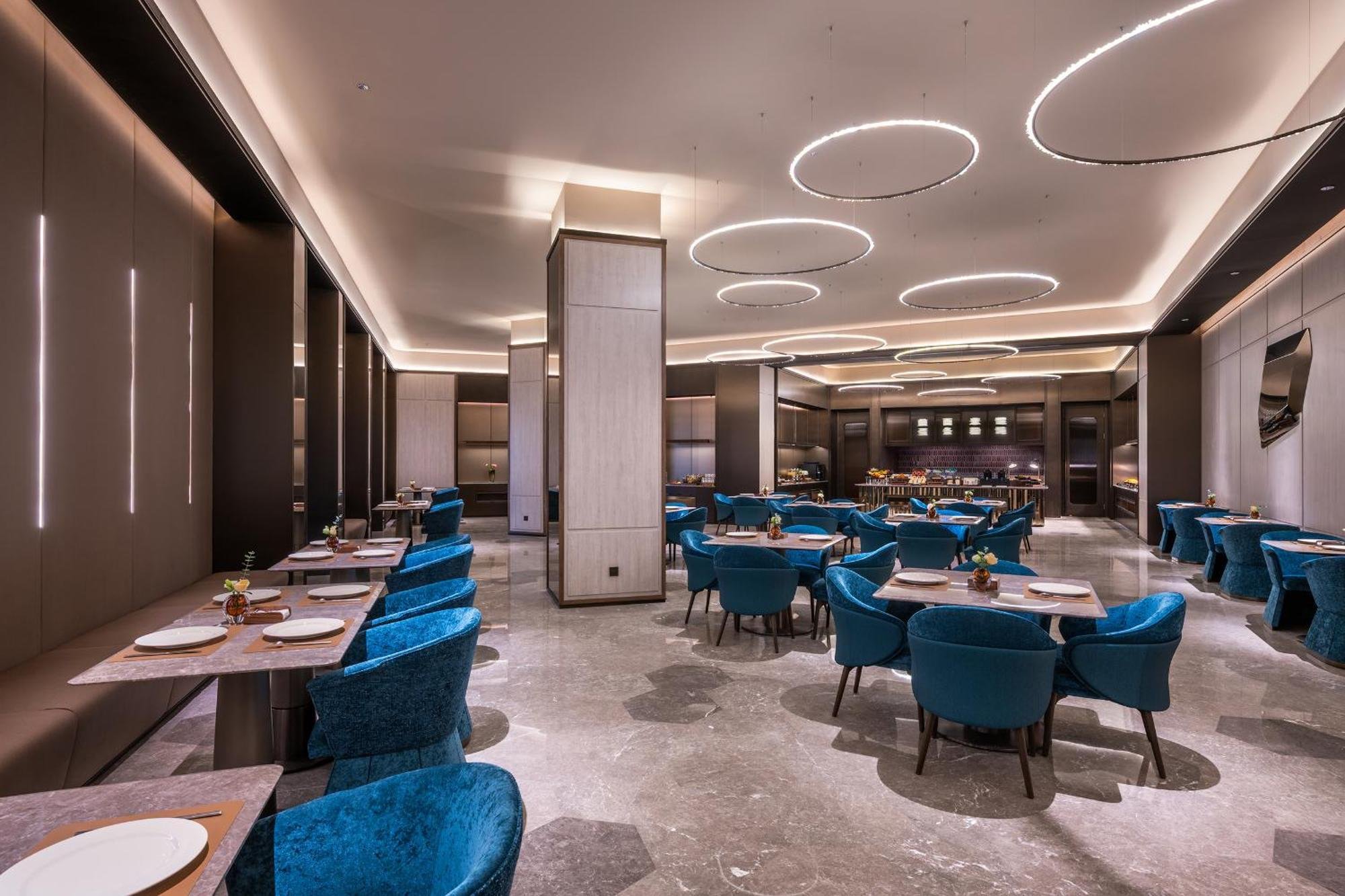
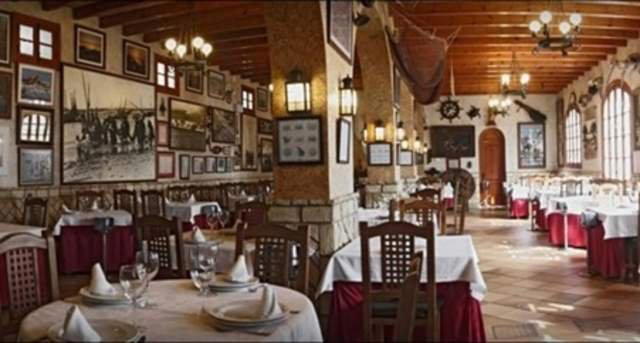
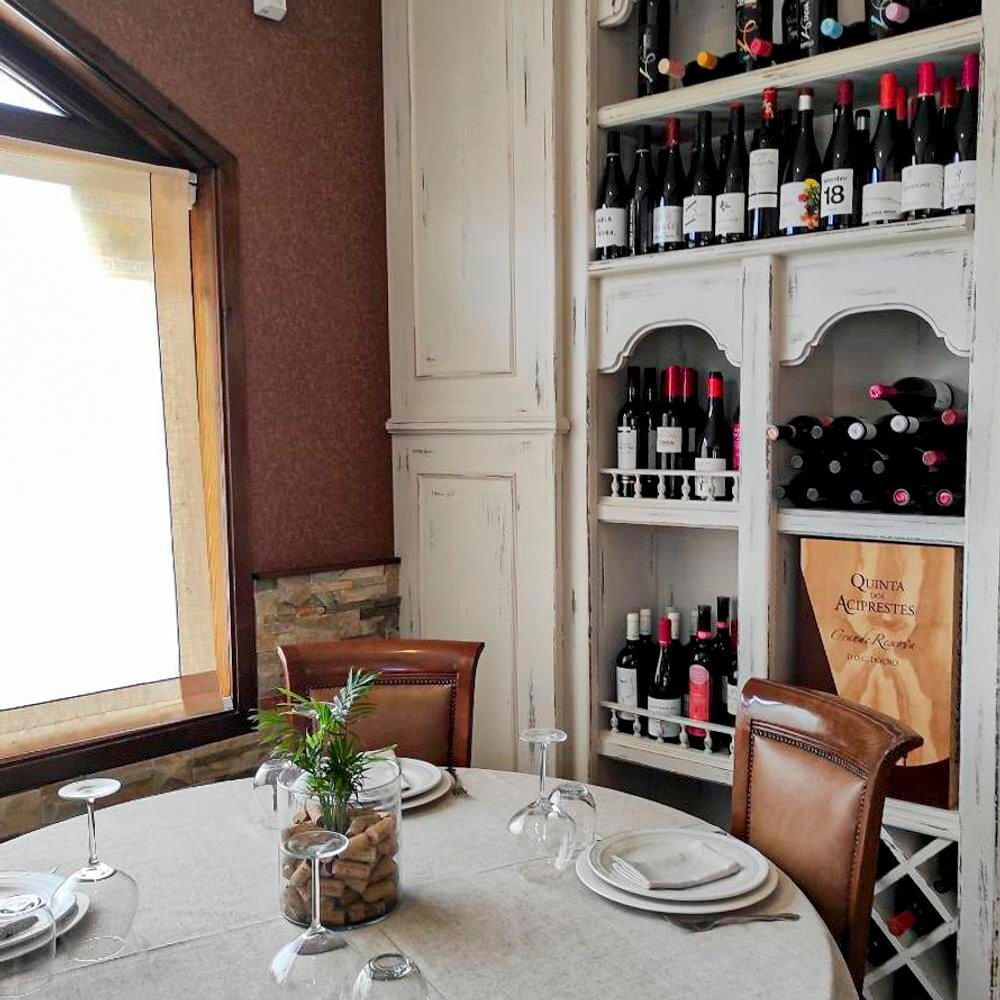
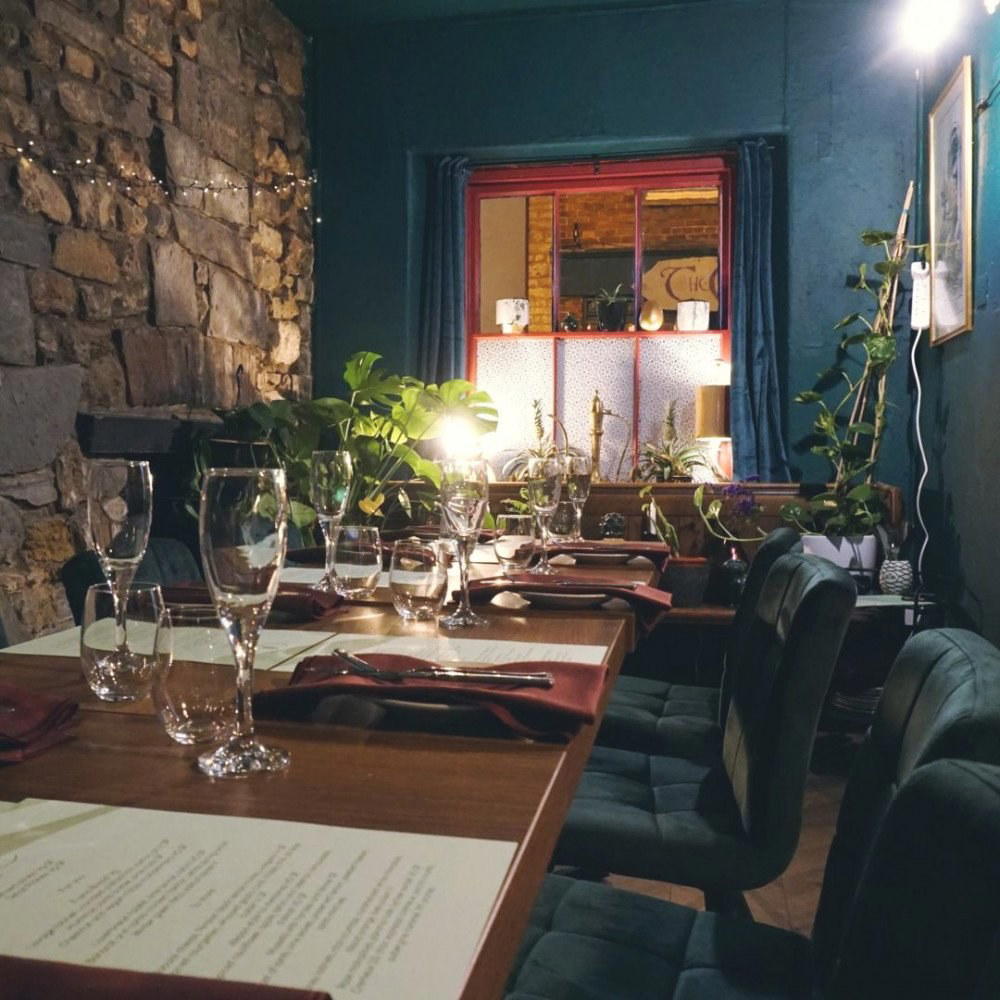
Warm, understated elegance with dark wood furnishings, red tablecloths, lacquered screens filtering soft lamplight, and an atmosphere of calm refinement that feels insulated from the city outside.
Tags
Vibe
Best For
Experience
Sourcing
At the Table
- Dress Code
- Smart Casual
- Noise Level
- Quiet
- Service Style
- Formal
- Meal Pacing
- Leisurely
- Capacity
- Small
- Kitchen
- Traditional
- Menu Format
- Family style, Set menu
- Drinks Focus
- Traditional Chinese tea, Baijiu, Wine
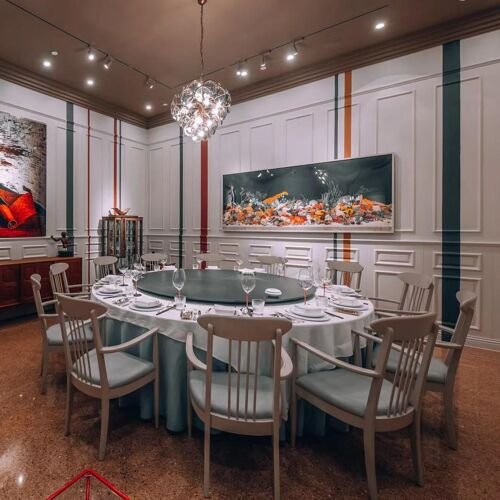
- Private Dining
- Available
Signature Dishes
- Dongpo Pork
- Xiangyou Eel
- Dry-Braised Yellow Croaker
- Lion's Head
- Emerald Shrimp
Know before you go
Know Before You Go
- Getting there
- China, Beijing, Xicheng District, Yumin Rd, 裕中西里23-1 邮政编码: 100017
Planning details
Hours
- Monday
- 10 AM–9:30 PM
- Tuesday
- 10 AM–9:30 PM
- Wednesday
- 10 AM–9:30 PM
- Thursday
- 10 AM–9:30 PM
- Friday
- 10 AM–9:30 PM
- Saturday
- 10 AM–9:30 PM
- Sunday
- 10 AM–9:30 PM
Location
China, Beijing, Xicheng District, Yumin Rd, 裕中西里23-1 邮政编码: 100017 · Directions
Recognition and awards
Also consider
Also Consider
- Jing: French Contemporary, ¥¥¥
- Xin Rong Ji (Xinyuan South Road): Taizhou, ¥¥¥¥
- Chao Shang Chao (Chaoyang): Chao Zhou, ¥¥¥¥
- Lamdre: Vegetarian, ¥¥¥¥
- Jingji: Beijing Cuisine, ¥¥¥¥
Restaurant context
Yu Hua Tai is the value pick in this comparison without qualification. At ¥¥ with back-to-back Bib Gourmand recognition, it undercuts every other venue on this list by at least one full price tier. Xin Rong Ji (Xinyuan South Road) (¥¥¥¥, Taizhou) and Chao Shang Chao (Chaoyang) (¥¥¥¥, Chao Zhou) both deliver more elaborate experiences and higher production values, but you will spend two to three times as much per head. If your goal is to eat well within a tighter budget, Yu Hua Tai is the answer.
For diners choosing between Chinese regional traditions, Jingji (¥¥¥¥, Beijing Cuisine) gives you the capital's own culinary tradition at the top end, while Yu Hua Tai offers Jiangnan cooking, cleaner, more restrained, at the bottom of the price range. They serve different purposes: Jingji is the right call if you want Beijing duck and imperial-style preparations; Yu Hua Tai is the call if delicate braised and freshwater-forward cooking is the priority. Jing (¥¥¥, French Contemporary) occupies a different lane entirely and is not a direct competitor: book it when French technique matters more than Chinese regional depth.
Lamdre (¥¥¥¥, Vegetarian) is the only venue here that solves a different problem: if you or your group is vegetarian, Lamdre is the obvious choice over Yu Hua Tai, since Huaiyang cuisine is heavily built on fish and pork. For everyone else eating without restrictions, Yu Hua Tai's combination of Michelin validation and ¥¥ pricing makes it the most efficient booking in the group.
Explore Beijing
Around this place
Discover more on Pearl
Unlock the full Yu Hua Tai (Xicheng) guide in Pearl, including awards, comparisons, FAQs, planning details, and nearby places.
Compare Yu Hua Tai (Xicheng)
| Venue | Cuisine | Price | Booking Difficulty | Awards |
|---|---|---|---|---|
| Yu Hua Tai (Xicheng) | Huaiyang | ¥¥ | Easy | 2025 Michelin Bib Gourmand2024 Michelin Bib Gourmand |
| Jing | French Contemporary | ¥¥¥ | Unknown | 2025 OAD Top Restaurants in Asia Ranked · #3842025 Wine Spectator Best of Award of Excellence2025 The Best Chef One Knife2025 Michelin 1 Star2025 Black Diamond 1 Diamond2024 OAD Top Restaurants in Asia Ranked · #3522024 Michelin 1 Star2023 OAD Top Restaurants in Asia RecommendedWorld's Best Wine Lists 2022 |
| Xin Rong Ji (Xinyuan South Road) | Taizhou | ¥¥¥¥ | Unknown | 2026 Asia's 50 Best Restaurants · #842026 La Liste Top Restaurants2025 Asia's 50 Best Restaurants · #732025 Black Diamond 2 Diamond2025 La Liste Top Restaurants2025 Michelin 3 Stars2025 Relais Chateaux Award |
| Chao Shang Chao (Chaoyang) | Chao Zhou | ¥¥¥¥ | Unknown | No published awards |
| Lamdre | Vegetarian | ¥¥¥¥ | Unknown | 2026 Asia's 50 Best Restaurants · #172026 OAD Top Restaurants in Asia Highly Recommended2026 Black Pearl 2 Diamond2026 La Liste Top Restaurants2025 Asia's 50 Best Restaurants · #502025 OAD Top Restaurants in Asia Ranked · #224We're Smart World Top Restaurants 2025We're Smart World Top 100 2025Tatler Best Restaurants Asia-Pacific 2025 |
| Jingji | Beijing Cuisine | ¥¥¥¥ | Unknown | 2026 La Liste Top Restaurants2025 Michelin 2 Stars2024 Michelin 2 Stars |












Comparing your options in Beijing for this tier.
FAQ
Frequently Asked Questions
Is Yu Hua Tai (Xicheng) good for solo dining?
Yes, and the ¥¥ price point makes it one of the lower-risk solo meals in Beijing with a Michelin credential behind it. Huaiyang cooking skews toward refined individual dishes rather than large-format sharing, so a solo diner can eat well without ordering for a crowd. That said, a two-person visit lets you cover more of the menu. Xicheng location means less tourist foot traffic, which helps.
How far ahead should I book Yu Hua Tai (Xicheng)?
Book two to three days out for a weekday lunch; aim for at least a week ahead for weekend dinner. Walk-ins are technically possible but not advised on weekends at a two-year Bib Gourmand address. It is not a hard reservation to secure by Beijing standards: this is not in the same booking-difficulty tier as Xin Rong Ji or Lamdre.
Does Yu Hua Tai (Xicheng) handle dietary restrictions?
Huaiyang cuisine as a tradition relies heavily on freshwater fish, pork, and tofu-based preparations, so vegetarians or those avoiding shellfish should confirm specifics before booking. With no English-language website on record, calling ahead or using a translation-assisted messaging approach is advisable.
Is Yu Hua Tai (Xicheng) worth the price?
At ¥¥ with two consecutive Michelin Bib Gourmand awards, yes: this is one of Beijing's clearest value cases for serious Chinese regional cooking. The Bib Gourmand is Michelin's explicit signal that the food clears a quality bar without demanding full-star prices. For Huaiyang cooking specifically, which is underrepresented in Beijing relative to Cantonese or Sichuan options, the value argument is stronger still.