


The House of Dynasties
Cantonese · Hujialou, Beijing
Restaurant in Beijing, China
 Book with Pearl
The Read
Zhanjiang Regional Precision
Price
¥¥¥
Dress
Business Casual
Why go
A Michelin one-star (2024) Cantonese restaurant in Chaoyang, The House of Dynasties is one of Beijing's cleaner bets for a special occasion at ¥¥¥. The kitchen draws on Zhanjiang regional traditions — double-boiled duck and fish maw soup, jackfruit wood roast pork, and sautéed lobster with sand ginger — in a room inspired by Dream of the Red Chamber. Book two to four weeks out minimum.
About The House of Dynasties
Verdict: A Michelin-Starred Case for Cantonese Cooking in Beijing
If you are planning a special occasion meal or a considered business dinner in Chaoyang, this is one of the cleaner bets at the ¥¥¥ price tier. The Cantonese focus is deliberate and specific — the kitchen draws on Zhanjiang traditions rather than offering a broad pan-Chinese menu — so come knowing that. If you want Beijing-rooted cooking, go elsewhere. If you want technically grounded Cantonese with an unusual literary setting, book here.
Portrait: What You Are Booking Into
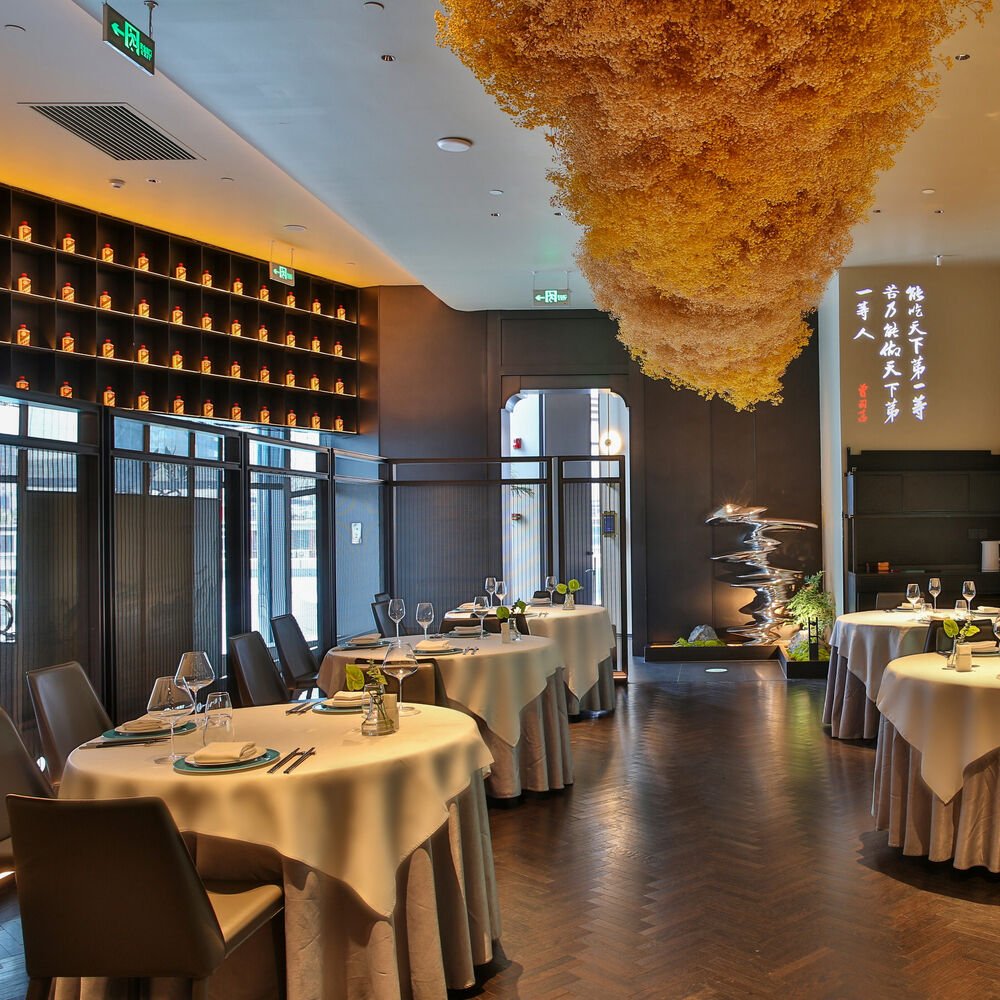
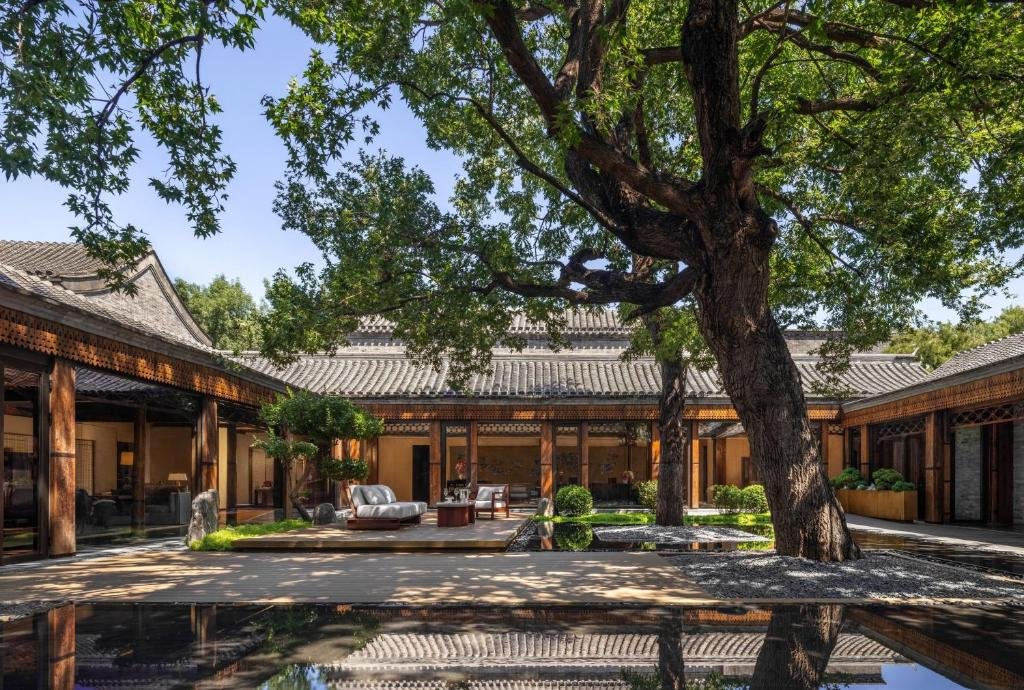
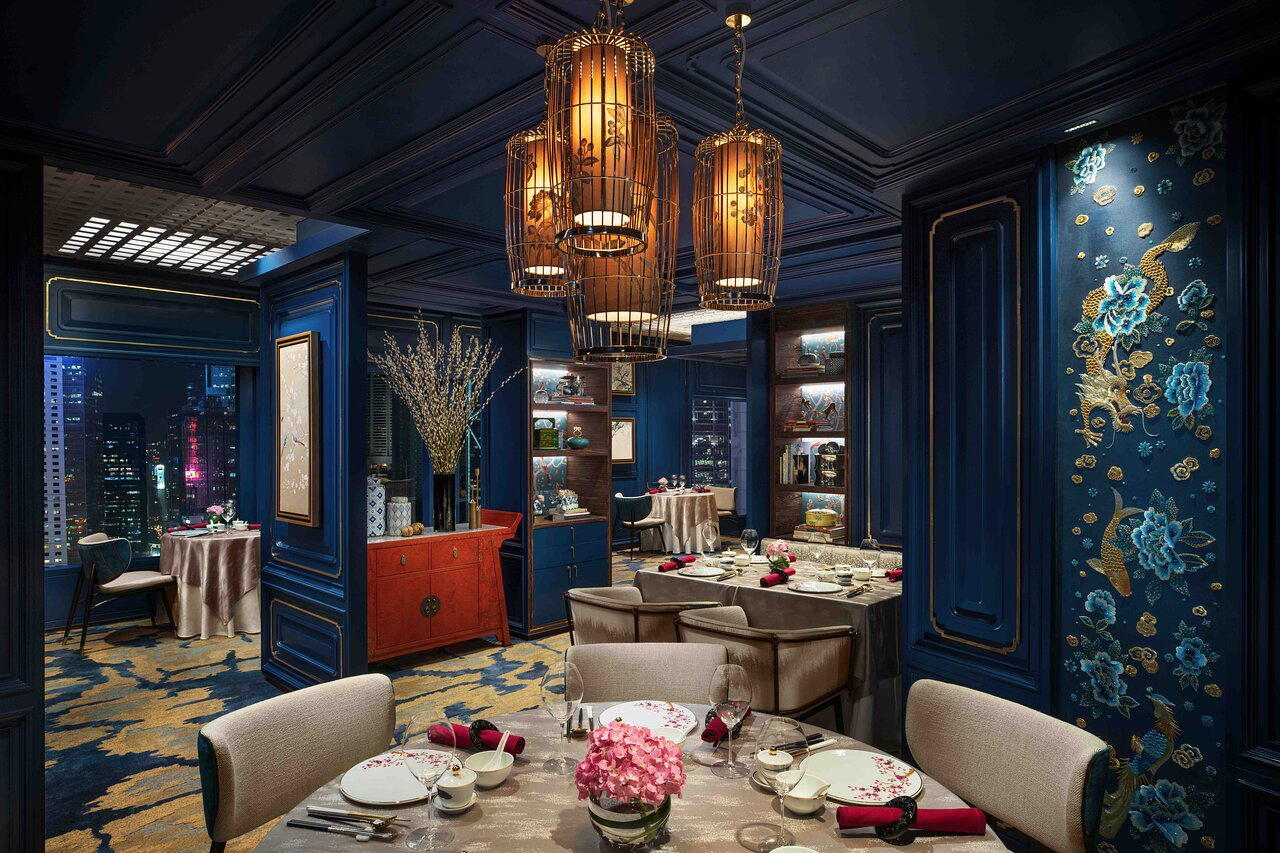
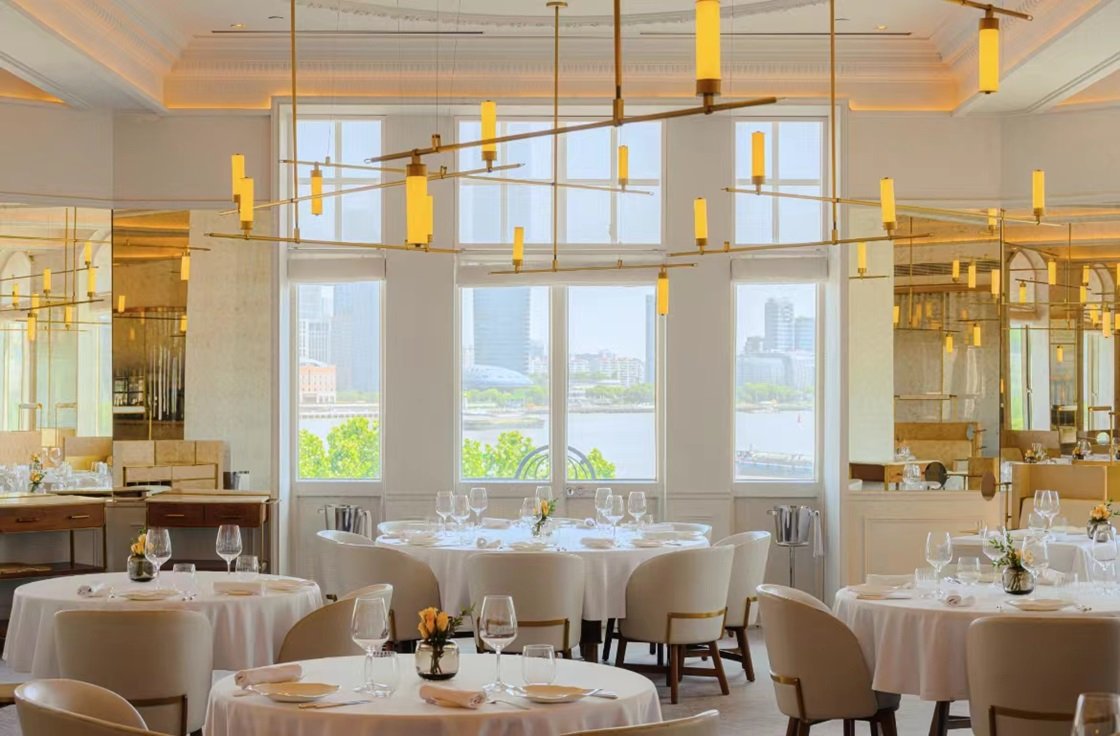
The dining room takes its design cues from Dream of the Red Chamber, an eighteenth-century Chinese novel widely regarded as one of the great works of classical literature. The result is a room that carries a specific period aesthetic rather than the generic luxury-hotel atmosphere common across Beijing's upper-dining tier. For a special occasion, that distinction matters: the space gives the meal a sense of occasion before the food arrives, without tipping into theme-restaurant territory. The atmosphere reads formal but warm, the kind of room where a business dinner works as well as an anniversary.
Kitchen is led by a Cantonese chef from Zhanjiang, a coastal city in Guangdong province known for its seafood-forward cooking and clear, ingredient-led flavours. That origin shapes every major dish on the menu. The double-boiled duck and fish maw soup is a slow-cook dish where the technique is the point: hours of careful heat extraction produce a broth with depth that can't be rushed. The jackfruit wood roast pork uses wood-smoke as a flavouring rather than a performance, and the jackfruit puff pastry shows range, a dessert-adjacent item with textural contrast. The Zhanjiang-style sautéed lobster, finished with sand ginger and black beans, is described in the Michelin record as delivering a deep caramelised flavour with a mild kick. These are not fusion experiments; they are regional specialities executed with precision.
Multi-Visit Strategy: What to Target Across Two or Three Visits
Menu at The House of Dynasties is tight enough and regionally specific enough that it rewards a planned return strategy rather than ordering randomly across visits. On a first visit, anchor around the signature Zhanjiang lobster and the double-boiled duck and fish maw soup. These two dishes bracket the kitchen's range, the soup is about restraint and time, the lobster about seasoning and heat, and together they tell you what the chef values. Pair with the jackfruit puff pastry if you want to see the kitchen's lighter register.
A second visit is the right moment to work through the roast section. The jackfruit wood roast pork is a dish that benefits from arriving at the table as part of a broader meal rather than as a centrepiece, so build around it with lighter starters. If your group size allows, ordering across more of the menu gives a clearer picture of whether the kitchen maintains consistency across formats, braised, roasted, and steamed dishes all on the same table is a reasonable test for a one-star Cantonese kitchen.
By a third visit, you have enough context to be deliberate: request the dishes you already know work, and ask staff what is changing seasonally. Cantonese cooking at this level is sensitive to ingredient availability, and a kitchen sourcing carefully from a coastal Guangdong tradition will have fluctuations worth tracking. For comparison, Forum in Hong Kong and Le Palais in Taipei both represent what Cantonese fine dining looks like when pushed to a higher star count, useful benchmarks if you are calibrating expectations across the region.
Timing and Booking
The Michelin star makes this harder to book than most Chaoyang restaurants at this price point. Plan for a minimum of two to three weeks' notice; for weekend dinners or dates around public holidays, extend that to a month. The venue sits on the fourth floor of the Jing Guang Centre on Chaoyangmen Outer Street, a commercial address that makes it direct to reach by taxi or metro from central Beijing. Evening bookings on weekdays offer the most flexibility. If you are combining this with other Chaoyang dining across a longer stay, The Beijing Kitchen on Jianguo Road and Zijin Mansion are within the same district and cover different cuisine territory worth building a multi-night itinerary around. For broader planning, see our full Beijing restaurants guide, our full Beijing hotels guide, and our full Beijing bars guide.
Practical Details
Price tier: ¥¥¥, mid-to-upper range for Beijing fine dining, below the ¥¥¥¥ tier occupied by venues like Xin Rong Ji. Booking difficulty: Hard, Michelin-starred bookings in Beijing at this tier require advance planning; two to four weeks minimum is a safe baseline. Address: 4/F, Jing Guang Centre, 1 Chaoyangmen Outer Street, Chaoyang, Beijing 100020. Cuisine focus: Cantonese, specifically Zhanjiang regional cooking. Group size: Suited to couples and small groups of four to six for a special occasion; the menu's regional depth rewards table-sharing. Dress: Smart casual at minimum; the room's period aesthetic and occasion-driven clientele make a step up worthwhile. Awards:
Cantonese at This Level Across the Region
If you are building a broader picture of where Cantonese fine dining sits across mainland China and the wider region, useful reference points include Imperial Treasure Fine Chinese Cuisine in Guangzhou, Dai Yuet Heen in Nanjing, and Chef Tam's Seasons in Macau. Within Beijing, Fu Chun Ju, Lei Garden at Jinbao Tower, and Café Zi are worth knowing as part of the same category conversation. For Cantonese outside Beijing, Ru Yuan in Hangzhou, 102 House in Shanghai, and Xin Rong Ji in Chengdu round out a sensible regional itinerary. See also our full Beijing experiences guide and our full Beijing wineries guide for further planning context.
Part of
Rosewood79 locations on PearlLocated inside
 HotelRosewood BeijingFull hotel guide
Planning details
- Location
- China, Beijing, Chaoyang, Chaoyangmen Outer St, 1号京广中心4层 邮政编码: 100020
- Phone
- +86 10 6536 0066
The take
The Take
The Vibe
The House of Dynasties leans into a historic, literature-driven identity: its interiors are explicitly built around Dream of the Red Chamber and materials and furniture drawn from the Qing era. The effect reads as a studied scholarly reconstruction rather than pastiche, with layered textiles and period-appropriate forms creating a composed, quietly charming atmosphere. That careful design sensibility keeps the room from feeling like a gimmick and anchors the dining experience in a specific cultural moment, so the space feels as much like a museum-quality set as it does a refined place to eat.
Best For
This is a destination for guests seeking a refined evening meal in Chaoyang: the restaurant occupies a thoughtful middle ground between sleek hotel dining and large Cantonese banquet halls, and its 2024 Michelin one-star recognition signals that the kitchen is keeping pace with the room. The menu foregrounds a coastal Zhanjiang approach to seafood and wood-fire techniques, so it suits business dinners, celebratory nights, and intimate date evenings where the emphasis is on precise, ingredient-led Cantonese cooking interpreted in a northern capital.
Ordering Tips
Focus on the coastal, ingredient-forward highlights and the signature items named by the kitchen. The Liu Luo Pastry and the Zhanjiang-style sautéed lobster showcase the restaurant's attention to regionally specific seafood traditions, while the double-boiled duck speaks to its command of classic technique. Expect dishes that emphasize minimally processed seafood and wood-fired char rather than heavy saucing; order a selection to share so you can sample the textural contrasts and the clarity of the kitchen’s treatment of coastal ingredients.
Venue details
Ambiance
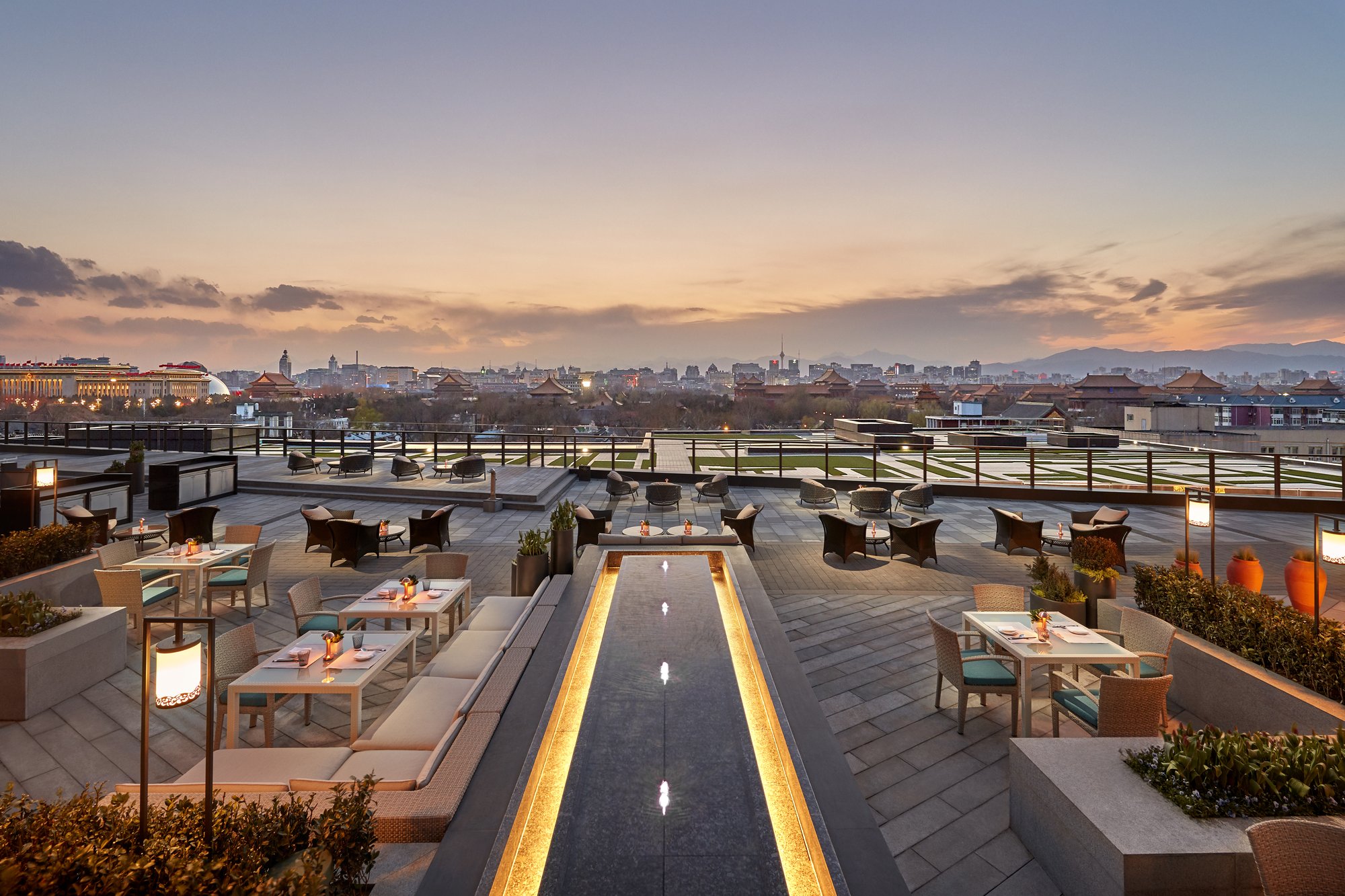
Elegant surroundings inspired by Dream of the Red Chamber with imperial grandeur, cultural richness, and panoramic Beijing views through floor-to-ceiling windows.
Tags
Vibe
Best For
Experience
Sourcing
View
At the Table
- Dress Code
- Business Casual
- Noise Level
- Conversational
- Service Style
- Upscale Casual
- Meal Pacing
- Leisurely
- Capacity
- Medium
Signature Dishes
- Liu Luo Pastry
- double-boiled duck
- Zhanjiang-style sautéed lobster
Know before you go
Know Before You Go
- Getting there
- China, Beijing, Chaoyang, Chaoyangmen Outer St, 1号京广中心4层 邮政编码: 100020
Planning details
Location
China, Beijing, Chaoyang, Chaoyangmen Outer St, 1号京广中心4层 邮政编码: 100020 · Directions
Recognition and awards
Also consider
Also Consider
- Jing, French Contemporary, ¥¥¥
- Xin Rong Ji (Xinyuan South Road), Taizhou, ¥¥¥¥
- Chao Shang Chao (Chaoyang), Chao Zhou, ¥¥¥¥
- Lamdre, Vegetarian, ¥¥¥¥
- Jingji, Beijing Cuisine, ¥¥¥¥
Restaurant context
At ¥¥¥, The House of Dynasties sits a price tier below most of its Michelin-adjacent competition in Beijing, which makes the value comparison straightforward: you get a starred Cantonese kitchen for less than you would pay at Xin Rong Ji (Xinyuan South Road) or Chao Shang Chao (Chaoyang), both of which operate at ¥¥¥¥. If your priority is spending less without dropping quality credentials, The House of Dynasties is the pick. If you want Taizhou cooking rather than Cantonese, Xin Rong Ji is the better fit on cuisine grounds, not price.
For diners who want a completely different register, Jing offers French Contemporary at the same ¥¥¥ price point and is the stronger choice if you are after a Western fine-dining format. Lamdre at ¥¥¥¥ covers vegetarian cooking and serves a distinct audience. Jingji at ¥¥¥¥ is the right alternative if Beijing-rooted cuisine specifically is what you are after, the House of Dynasties does not do that, and Jingji does.
On booking difficulty, The House of Dynasties is harder to secure than Jing on a like-for-like week, primarily because the Michelin star concentrates demand. Chao Shang Chao and Xin Rong Ji at ¥¥¥¥ may have their own booking pressure depending on the season. If you are planning a same-week decision, Jing is likely your easiest entry point at the ¥¥¥ tier. For a planned special occasion with a month's notice, The House of Dynasties is the most compelling combination of price, credential, and atmosphere in this comparison set.
Explore Beijing
Around this place
Discover more on Pearl
Unlock the full The House of Dynasties guide in Pearl, including awards, comparisons, FAQs, planning details, and nearby places.
Compare The House of Dynasties
| Venue | Cuisine | Price | Awards | Booking Difficulty |
|---|---|---|---|---|
| The House of Dynasties | Cantonese | ¥¥¥ | 2026 Black Pearl 1 Diamond2025 Chinese Restaurant Awards — Elite 15 Asia · #142025 Michelin 1 Star2024 Michelin 1 Star | Hard |
| Jing | French Contemporary | ¥¥¥ | 2025 OAD Top Restaurants in Asia Ranked · #3842025 Wine Spectator Best of Award of Excellence2025 The Best Chef One Knife2025 Michelin 1 Star2025 Black Diamond 1 Diamond2024 OAD Top Restaurants in Asia Ranked · #3522024 Michelin 1 Star2023 OAD Top Restaurants in Asia RecommendedWorld's Best Wine Lists 2022 | Unknown |
| Xin Rong Ji (Xinyuan South Road) | Taizhou | ¥¥¥¥ | 2026 Asia's 50 Best Restaurants · #842026 La Liste Top Restaurants2025 Asia's 50 Best Restaurants · #732025 Black Diamond 2 Diamond2025 La Liste Top Restaurants2025 Michelin 3 Stars2025 Relais Chateaux Award | Unknown |
| Chao Shang Chao (Chaoyang) | Chao Zhou | ¥¥¥¥ | 2026 La Liste Top Restaurants2025 The Best Chef Three Knives2025 Michelin Plate2025 Michelin 3 Stars2024 Michelin 3 Stars | Unknown |
| Lamdre | Vegetarian | ¥¥¥¥ | 2026 Asia's 50 Best Restaurants · #172026 OAD Top Restaurants in Asia Highly Recommended2026 Black Pearl 2 Diamond2026 La Liste Top Restaurants2025 Asia's 50 Best Restaurants · #502025 OAD Top Restaurants in Asia Ranked · #224We're Smart World Top Restaurants 2025We're Smart World Top 100 2025Tatler Best Restaurants Asia-Pacific 2025 | Unknown |
| Jingji | Beijing Cuisine | ¥¥¥¥ | 2026 La Liste Top Restaurants2025 Michelin 2 Stars2024 Michelin 2 Stars | Unknown |









.png?width=1200&quality=80)



Key differences to consider before you reserve.
FAQ
Frequently Asked Questions
Is The House of Dynasties good for solo dining?
Possible, but not the natural fit. The Zhanjiang-style menu is built around sharing dishes — double-boiled duck and fish maw soup or the jackfruit wood roast pork are sized for two or more. Solo diners can make it work, but you will leave having covered only a fraction of what the kitchen does well. A counter seat or smaller table helps if available.
Is The House of Dynasties good for a special occasion?
Yes, and it holds up well in this role. The Dream of the Red Chamber-inspired dining room gives the meal a clear visual identity, and the Michelin one-star (2024) means service and execution are at a level that justifies the occasion. At ¥¥¥ pricing it is below the most expensive tier in Beijing, so you get the ceremony without the highest price point in the city.
How far ahead should I book The House of Dynasties?
Plan for two to three weeks minimum. The Michelin star makes this harder to secure than most Chaoyang restaurants at this price point, and weekend evenings fill faster. For a key date — anniversary, business dinner — four weeks out is the safer call.
Can I eat at the bar at The House of Dynasties?
Bar seating is not documented. The address points to a fourth-floor restaurant space in the Jing Guang Centre, which reads as a full-service dining room rather than a bar-counter format. Confirm with the restaurant directly when booking if counter or walk-in options matter to you.
Is the tasting menu worth it at The House of Dynasties?
The menu centres on Zhanjiang regional specialities — double-boiled duck and fish maw soup, jackfruit puff pastry, sand ginger and black bean lobster — so a tasting format, if offered, is the logical way to cover the range. Whether a set menu is currently available is not confirmed in the venue record; ask when booking. Given the ¥¥¥ tier and one-star credentials, a structured meal is likely the better value path than ordering à la carte selectively.
Is The House of Dynasties worth the price?
At ¥¥¥, yes — with caveats. This is Michelin one-star (2024) Cantonese cooking from a Zhanjiang-trained chef, which is a specific and uncommon offering in Beijing. You are not paying for generic prestige; the regional focus on jackfruit wood roast pork, sand ginger lobster, and double-boiled soups gives the meal a distinct identity. If you want broader Cantonese coverage, Xin Rong Ji sits at ¥¥¥¥ and covers different ground; The House of Dynasties makes more sense if the Zhanjiang angle interests you.
What are alternatives to The House of Dynasties in Beijing?
For Cantonese at a higher price ceiling, Xin Rong Ji on Xinyuan South Road is the obvious reference point. Lamdre and Jing offer different positioning — Jing skews more international in its approach, while Lamdre covers Yunnan cuisine rather than Cantonese. Chao Shang Chao in Chaoyang is a lower-formality option if you want regional Chinese without the tasting-room format. The House of Dynasties is the clearest choice if a Michelin-credentialed, Zhanjiang-specific Cantonese meal is the brief.