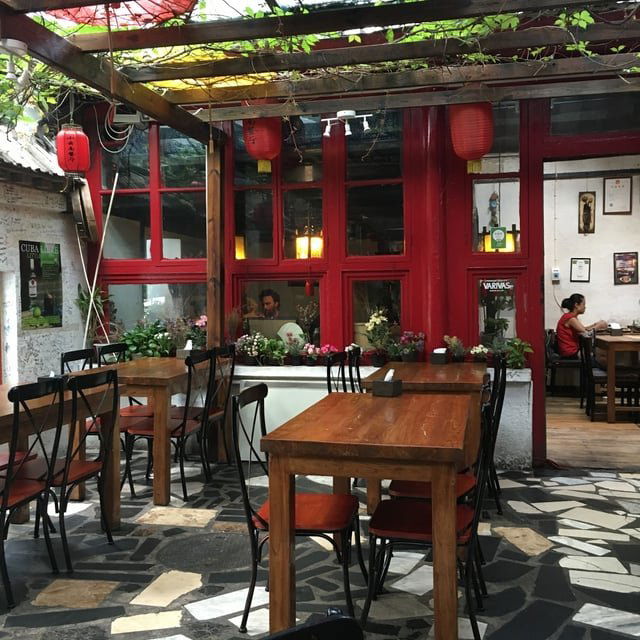

Niujie Halal Man Heng Ji
Hotpot · Xinjiekou, Beijing
Restaurant in Beijing, China
 Book with Pearl
The Read
Charcoal-Fire Instant-Boil
Price
$10–20per person
Dress
Casual
Why go
A 2024 Michelin Bib Gourmand hotpot restaurant in Xicheng District serving traditional Beijing instant-boiled mutton at a ¥¥ price point. Lamb sourced from the Mongolian Sunite prairie delivers clean, lean flavour without the gamey edge. One of the most credentialled value-tier dining options in the city for a food-focused special occasion.
About Niujie Halal Man Heng Ji
Is Niujie Halal Man Heng Ji worth booking for a Beijing hotpot meal?
Yes — and the 2024 Michelin Bib Gourmand is the clearest signal why. At a ¥¥ price point in Xicheng District, this is where to eat instant-boiled mutton if you want the traditional Beijing charcoal hotpot format done with genuine sourcing rigour rather than generic supermarket lamb.
The sourcing case for booking here
The reason Niujie Halal Man Heng Ji stands apart from the broader Beijing hotpot field comes down to where the protein comes from. The lamb is sourced specifically from the Mongolian Sunite prairie, a region whose cold, arid steppe conditions produce lean, low-fat meat with a clean flavour. The result is mutton without the gamey edge that puts many diners off the cut. That is not a minor detail — it is the operational premise of the restaurant, and it directly shapes what lands on the table.
Beef follows similar logic: cuts sourced from western Shandong, a province with a strong tradition of cattle farming. The menu is structured around this sourcing specificity. When you sit down, you are not choosing from a generic protein list, you are specifying how fatty or lean you want your lamb, which means the kitchen expects you to engage with the ingredient rather than just order by habit. For a special occasion or a meal where you want to show a guest something genuinely representative of old Beijing food culture, that specificity matters.
The flatbread component is worth noting. The bite-size shaobing, the sesame-crusted flatbread associated with Beijing street food and traditional meals, accompanies the hotpot and provides the starchy counterpoint the broth-heavy format needs. There is also a sweet version covered in sesame sugar that functions as a natural close to the meal. Neither element is an afterthought: shaobing with hotpot is a pairing rooted in the Hui Muslim food traditions of the Niujie neighbourhood itself, and this restaurant is situated in exactly that culinary and cultural context.
What to expect on arrival
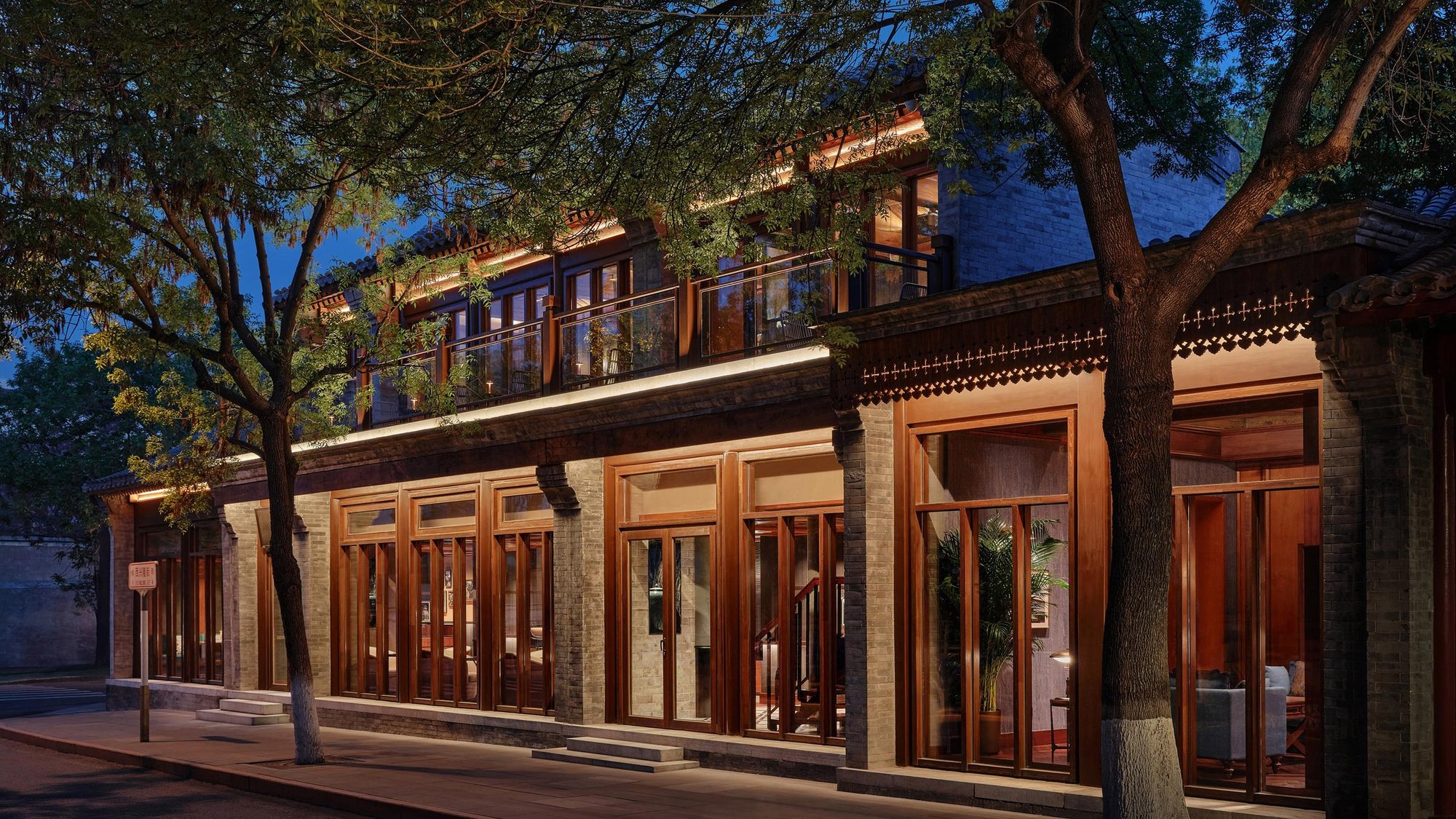
The address is Ping'anli West Street in Xicheng District, placing the restaurant in the historic corridor between Niujie, Beijing's oldest Muslim quarter, and the western inner city. Visually, the charcoal hotpot setup is central: expect a traditional copper pot, the low simmer of broth, and the quick-cook technique that defines instant-boiled mutton. The meat is sliced thin and cooked in seconds, which means the sourcing quality shows immediately, there is no slow braise to mask inferior protein.
For a special occasion meal, the format works well for groups of two to four. The table-centred hotpot creates a natural shared-meal dynamic, and the ability to specify your lamb cut gives the meal a personalised quality that more passive dining formats lack. This is a better choice for a relaxed, conversation-friendly celebration dinner than a formal anniversary at a high-end hotel restaurant, the pace is unhurried, the price is accessible, and the food has a clear story behind it.
For reference on what comparable hotpot formats look like across the city, Bad Ass Lamb Hot Pot (Maizidian West Street) takes a louder, more casual approach in Chaoyang. Bao Du Jin Sheng Long (Dongcheng) specialises in the quick-seared offal format that shares DNA with instant-boiled traditions. Yu De Fu (Dongzhimennei Street) covers the classic Beijing lamb hotpot category from a different neighbourhood angle. All three are worth knowing, but none carries the specific Michelin Bib credential that Niujie Halal Man Heng Ji holds at this price tier.
Outside Beijing, the instant-boil tradition has regional cousins worth understanding. A-Yu Beef Shabu Shabu in Tainan applies similar quick-cook logic to Taiwanese beef, and #8 in Chengdu shows how different the hotpot category becomes once you move into Sichuan spice territory. For broader Chinese fine dining context across the region, Xin Rong Ji in Chengdu, Ru Yuan in Hangzhou, Chef Tam's Seasons in Macau, Imperial Treasure Fine Chinese Cuisine in Guangzhou, Dai Yuet Heen in Nanjing, and 102 House in Shanghai each illustrate how different China's regional dining formats are from the Beijing hotpot tradition.
Practical details
Reservations: Easy, walk-ins appear to be workable, though peak meal times in a neighbourhood as active as Xicheng/Niujie may require a short wait. Budget: ¥¥, making this one of the more affordable Michelin Bib Gourmand options in Beijing. Dress: No dress code expected at this price tier and format. Getting there: Ping'anli West Street, Xicheng District, well-connected by Beijing subway. Dietary note: The restaurant operates within the Halal tradition of the Niujie neighbourhood, so the menu is pork-free by default.
For more on where to eat, stay, and drink in the capital, see our full Beijing restaurants guide, our full Beijing hotels guide, our full Beijing bars guide, our full Beijing wineries guide, and our full Beijing experiences guide.
Planning details
- Location
- Ping'anli W St, Xicheng District, Beijing, China, 100033
- Phone
- +86 10 6612 6825
The take
The Take
The Vibe
Niujie Halal Man Heng Ji presents a deeply rooted, historic hotpot experience anchored in Beijing’s Muslim quarter. The room centers on brass and copper charcoal pots and a clear, spare broth that lets ingredients speak plainly. The kitchen’s sourcing — notably lamb from the Sunite prairie in Inner Mongolia — and the focus on instant-boiled mutton produce a precise, pared-back meal where the diner controls the tempo. Bib Gourmand recognition underscores a pragmatic, value-driven quality rather than decorative refinement, so the overall feeling is traditional, functional and quietly resonant with local heritage.
Best For
This is a place built for sharing — families and groups come to assemble thin slices of lamb and cook them at the table, making the meal naturally social. The convivial, hands-on shuanyangrou format and the restaurant’s neighborhood location make it well suited to casual get-togethers and repeated visits rather than special-occasion formality. Because the kitchen emphasizes consistent sourcing and simple execution, it’s also a reliable option for visitors seeking an authentic Niujie dining moment without a high price tag, as reflected in its Bib Gourmand status.
Ordering Tips
Prioritize the hand-cut lamb — the restaurant highlights thin, instant-boiled mutton and sources lamb from the Sunite prairie in Inner Mongolia, so the meat’s quality is central to the experience. Expect a clear broth and minimal seasoning, which means the raw ingredients matter; order shaobing flatbreads (including sesame sugar shaobing) to accompany the meat and provide textural contrast. Remember that diners cook their own portions at the table, so plan for communal sharing and pace your cooking so slices remain tender and not overcooked.
Venue details
Ambiance
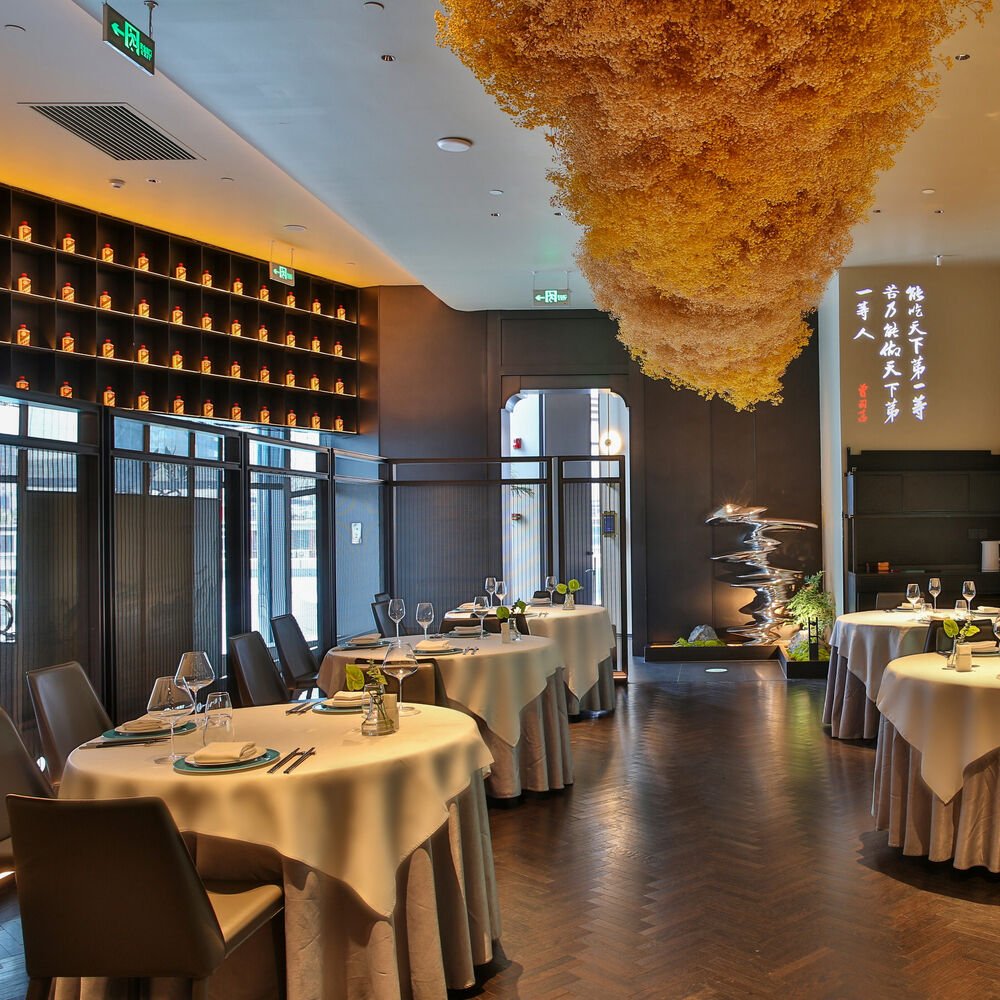
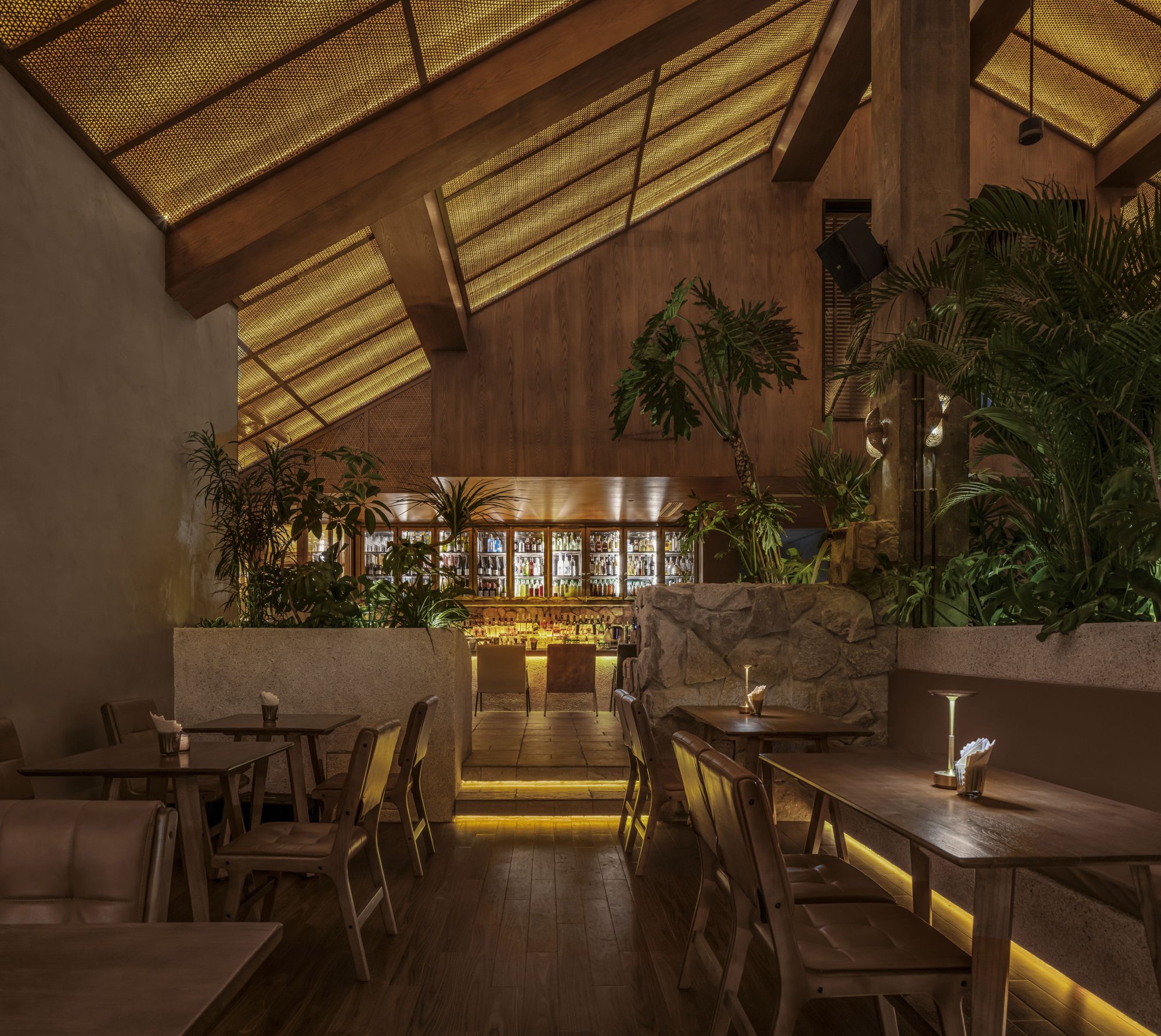
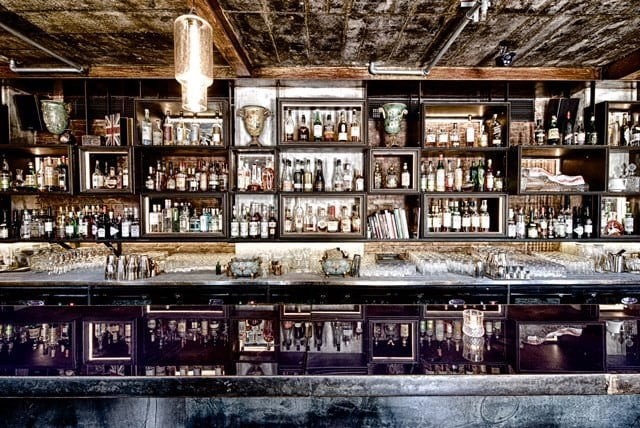
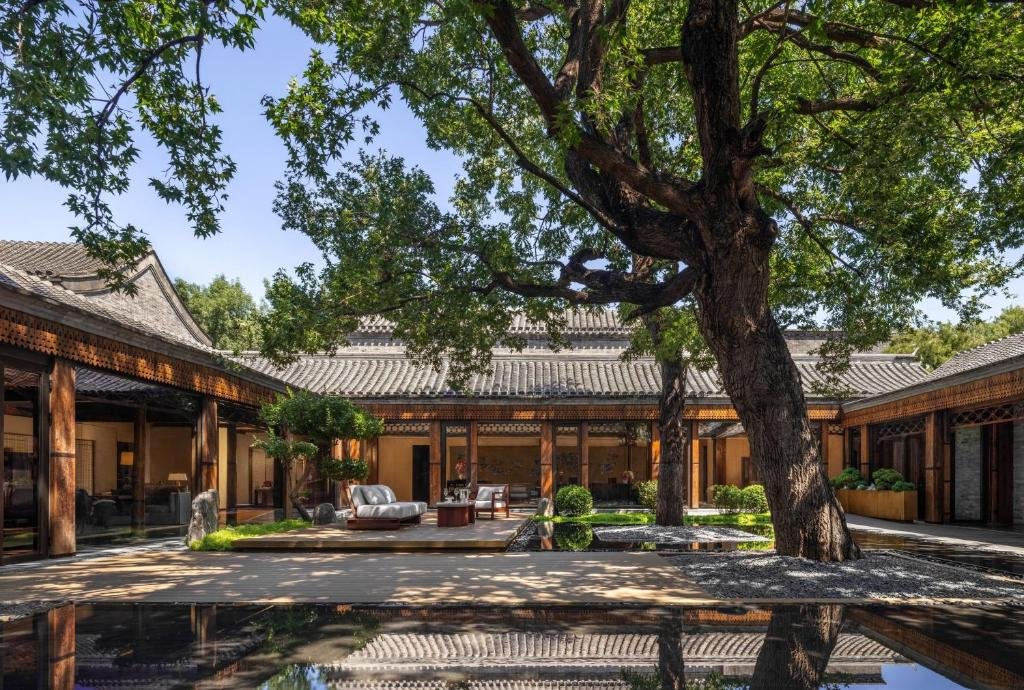
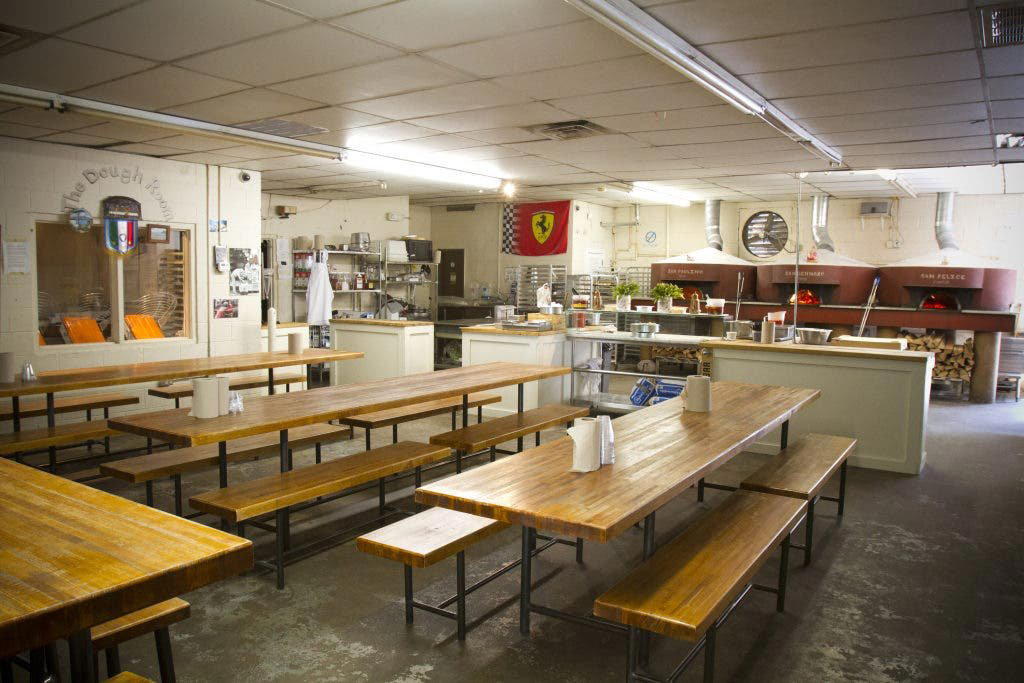
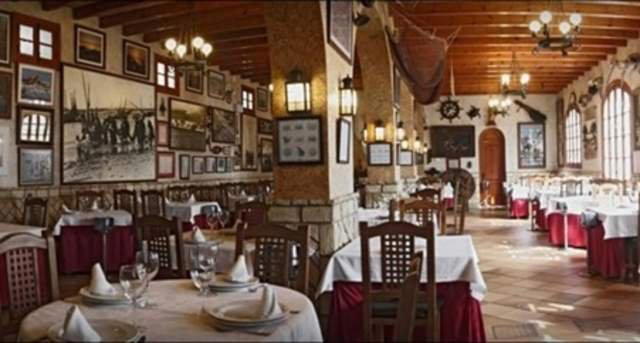
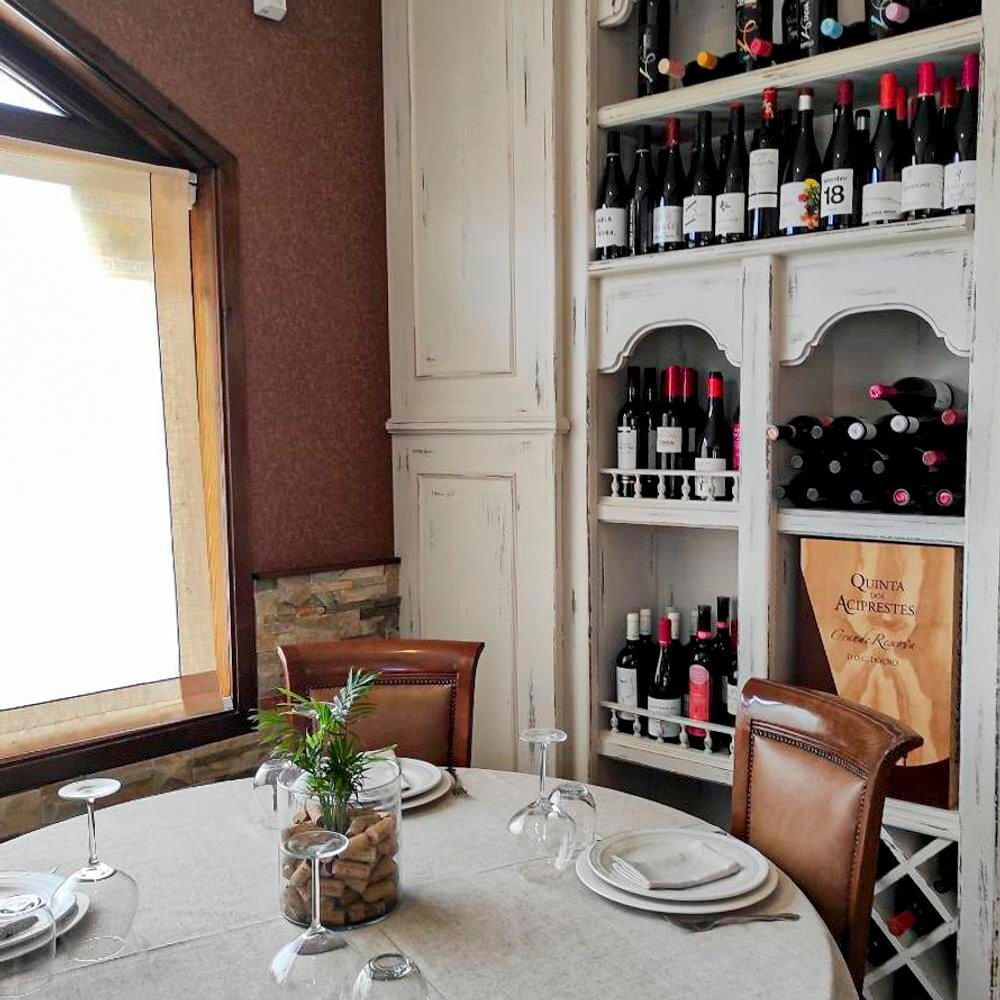
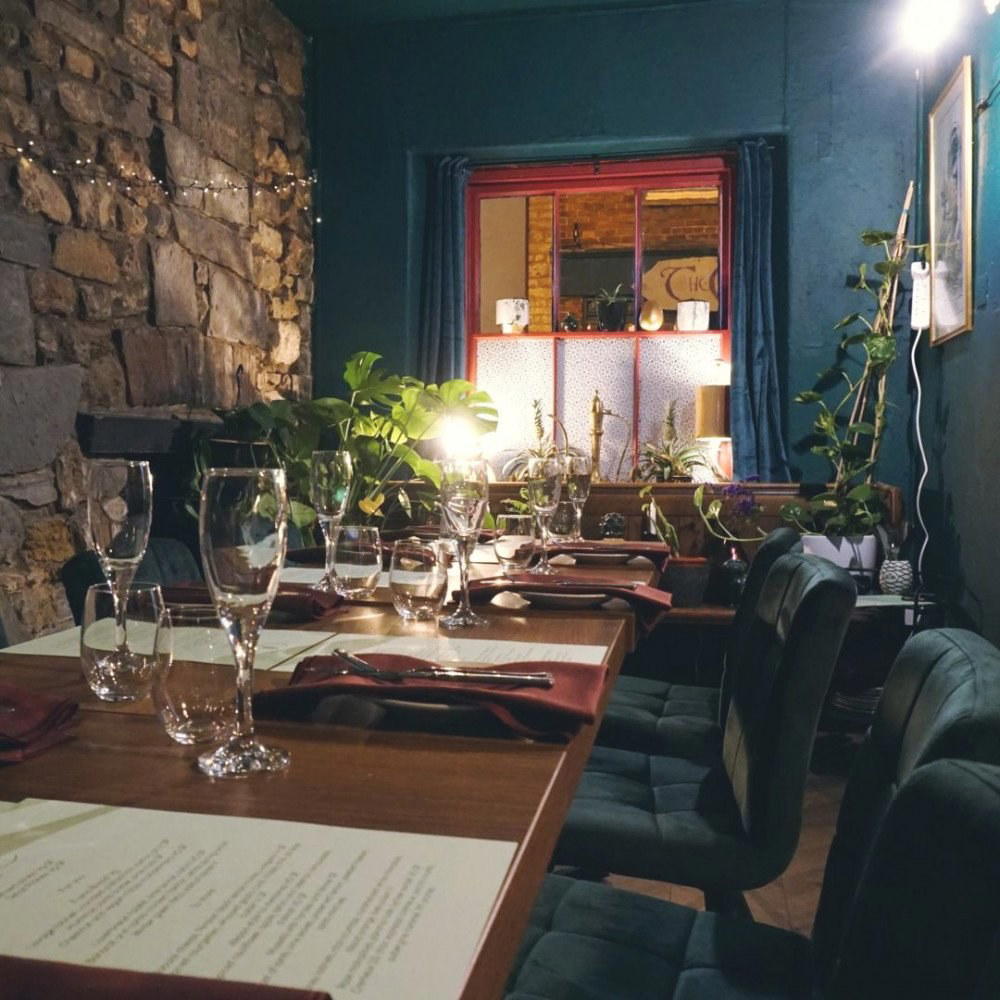
Restrained aesthetic with polished wood, brushed brass, and ambient lanterns, where aromas of slow-braised meats and warm flatbreads create a contemplative atmosphere.
Tags
Vibe
Best For
Experience
At the Table
- Dress Code
- Casual
- Noise Level
- Lively
- Service Style
- Casual
- Meal Pacing
- Standard
- Capacity
- Medium
- Kitchen
- Traditional
- Menu Format
- A la carte
- Dietary
- Halal
Signature Dishes
- hand-cut lamb
- shaobing flatbread
- sesame sugar shaobing
Know before you go
Know Before You Go
- Getting there
- Ping'anli W St, Xicheng District, Beijing, China, 100033
Planning details
Location
Ping'anli W St, Xicheng District, Beijing, China, 100033 · Directions
Recognition and awards
Also consider
Also Consider
- Jing, French Contemporary, ¥¥¥
- Xin Rong Ji (Xinyuan South Road), Taizhou, ¥¥¥¥
- Chao Shang Chao (Chaoyang), Chao Zhou, ¥¥¥¥
- Lamdre, Vegetarian, ¥¥¥¥
- Jingji, Beijing Cuisine, ¥¥¥¥
Restaurant context
Niujie Halal Man Heng Ji sits at ¥¥ with a Michelin Bib Gourmand, a combination that makes it the clearest value call in this comparison set. The four ¥¥¥¥ venues here (Xin Rong Ji (Xinyuan South Road), Chao Shang Chao (Chaoyang), Lamdre, and Jingji) are operating at a substantially higher price tier and a different level of service formality. If your evening calls for a full fine-dining format with polished service and an extensive wine or tea program, those options are more appropriate. If the meal itself is the point and budget matters, Niujie Halal Man Heng Ji is harder to argue against.
Against Jingji specifically, the Beijing Cuisine option at ¥¥¥¥, the choice depends on whether you want a broad representation of capital-city cooking or a single discipline done with sourcing precision. Jingji covers more stylistic ground; Niujie Halal Man Heng Ji goes deep on one tradition. For visitors wanting an introduction to historic Beijing food culture in one meal, the hotpot format here is more direct. Jing at ¥¥¥ sits between the two on price and pivots to French Contemporary, which serves a different occasion entirely, worth considering if your group prefers a Western format with Beijing-adjacent prestige.
Lamdre at ¥¥¥¥ is the only vegetarian option in the comparison set and occupies a separate decision tree. If the group includes diners who do not eat meat, Lamdre is the relevant alternative. For meat-focused hotpot specifically, the value-to-credential ratio at Niujie Halal Man Heng Ji remains the strongest argument in this set, Michelin recognition at ¥¥ is an unusual combination in Beijing's dining market.
Explore Beijing
Around this place
Discover more on Pearl
Unlock the full Niujie Halal Man Heng Ji guide in Pearl, including awards, comparisons, FAQs, planning details, and nearby places.
Compare Niujie Halal Man Heng Ji
| Venue | Price | Booking Difficulty | Awards |
|---|---|---|---|
| Niujie Halal Man Heng Ji | ¥¥ | Easy | 2025 Michelin Bib Gourmand2024 Michelin Bib Gourmand |
| Jing | ¥¥¥ | Unknown | 2025 OAD Top Restaurants in Asia Ranked · #3842025 Wine Spectator Best of Award of Excellence2025 The Best Chef One Knife2025 Michelin 1 Star2025 Black Diamond 1 Diamond2024 OAD Top Restaurants in Asia Ranked · #3522024 Michelin 1 Star2023 OAD Top Restaurants in Asia RecommendedWorld's Best Wine Lists 2022 |
| Xin Rong Ji (Xinyuan South Road) | ¥¥¥¥ | Unknown | 2026 Asia's 50 Best Restaurants · #842026 La Liste Top Restaurants2025 Asia's 50 Best Restaurants · #732025 Black Diamond 2 Diamond2025 La Liste Top Restaurants2025 Michelin 3 Stars2025 Relais Chateaux Award |
| Chao Shang Chao (Chaoyang) | ¥¥¥¥ | Unknown | 2026 La Liste Top Restaurants2025 The Best Chef Three Knives2025 Michelin Plate2025 Michelin 3 Stars2024 Michelin 3 Stars |
| Lamdre | ¥¥¥¥ | Unknown | 2026 Asia's 50 Best Restaurants · #172026 OAD Top Restaurants in Asia Highly Recommended2026 Black Pearl 2 Diamond2026 La Liste Top Restaurants2025 Asia's 50 Best Restaurants · #502025 OAD Top Restaurants in Asia Ranked · #224We're Smart World Top Restaurants 2025We're Smart World Top 100 2025Tatler Best Restaurants Asia-Pacific 2025 |
| Jingji | ¥¥¥¥ | Unknown | 2026 La Liste Top Restaurants2025 Michelin 2 Stars2024 Michelin 2 Stars |











.png?width=1200&quality=80)



How Niujie Halal Man Heng Ji stacks up against the competition.
FAQ
Frequently Asked Questions
Can Niujie Halal Man Heng Ji accommodate groups?
Hotpot formats are generally well-suited to groups, and a ¥¥ price point keeps shared meals accessible. At Ping'anli West Street in Xicheng, the neighbourhood context suggests a traditional dining room setup rather than a small-plates counter. For larger parties, arriving early or at off-peak hours is the practical move, since no reservation phone or booking platform is listed in available data.
Can I eat at the bar at Niujie Halal Man Heng Ji?
There is no bar seating documented. Instant-boiled mutton hotpot is a table-format experience built around a charcoal pot — solo diners are catered to in this format across Beijing, but a counter bar is not part of the traditional shuan yangrou setup.
Does Niujie Halal Man Heng Ji handle dietary restrictions?
Yes — and this is one of the clearest reasons to choose it over non-halal hotpot alternatives in Beijing. The restaurant specialises in halal-certified Mongolian lamb and Shandong beef, making it a dependable choice for Muslim diners or anyone avoiding pork. The protein focus also means the menu is naturally free from shellfish-heavy broths common elsewhere in the hotpot category.
Is Niujie Halal Man Heng Ji worth the price?
At ¥¥, this is among the more accessible Michelin-recognised meals you can eat in Beijing, and the 2024 Bib Gourmand confirms the price-to-quality case. The sourcing — Sunite prairie lamb chosen for lean, low-gamey meat — is the kind of detail that separates this from generic hotpot at the same price tier. If instant-boiled mutton is your format, the value is clear.
Is Niujie Halal Man Heng Ji good for a special occasion?
It depends on what the occasion calls for. The 2024 Michelin Bib Gourmand and the sourcing story give it credibility, but ¥¥ pricing and a traditional neighbourhood setting place it firmly in the 'excellent casual meal' category rather than a formal celebration venue. For a Beijing food moment — introducing someone to classic shuan yangrou, or a meaningful halal dining option — it works well. For a white-tablecloth anniversary dinner, look elsewhere.
What are alternatives to Niujie Halal Man Heng Ji in Beijing?
For a higher-spend Beijing dining experience, Jing and Xin Rong Ji (Xinyuan South Road) operate in a different price and format bracket entirely. Chao Shang Chao (Chaoyang) and Lamdre offer distinct regional Chinese cooking rather than hotpot. Jingji is the closest comparable if you are weighing casual Beijing dining options. None of these are halal-specialist venues, which is where Niujie Halal Man Heng Ji holds a specific advantage in the city.