

Juksunchae
Korean · Watthana Khwaeng, Bangkok
Restaurant in Bangkok, Thailand
 Book with Pearl
The Read
Grandmother-Rooted Korean Omakase
Price
$100–150per person
Dress
Smart Casual
Why go
A 12-seat Korean omakase counter in Vadhana, Bangkok, holding one Michelin star in the MICHELIN Guide Thailand 2026 and a Star Wine List award for 2026. Chef Henry Lee's menu reimagines traditional Korean flavours through precise, visually composed dishes at ฿฿฿ pricing — one tier below Bangkok's most expensive tasting menus and easier to book than most counters at this level.
About Juksunchae
If You've Been Once, Here's Why to Go Back
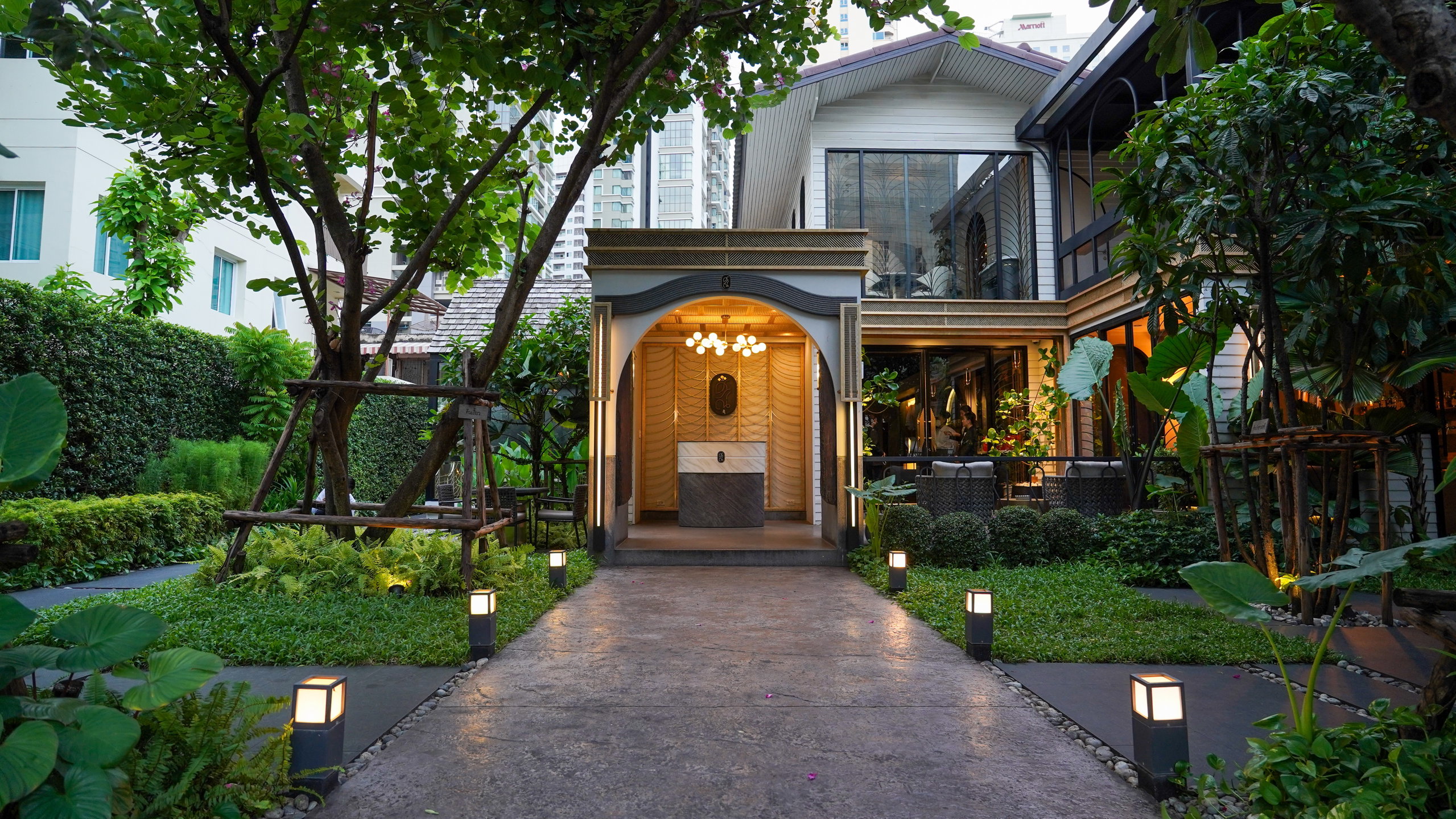
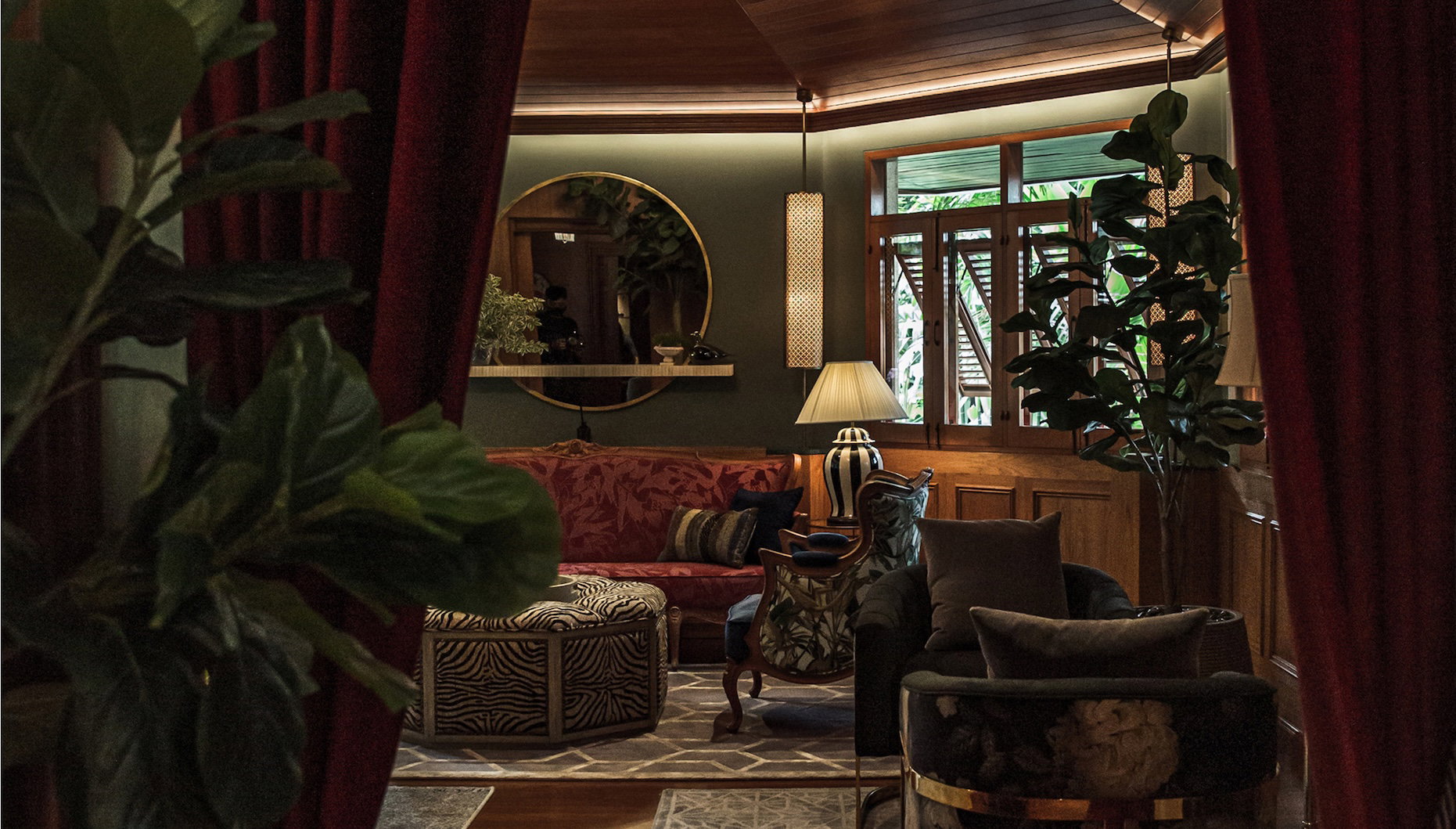
Juksunchae relocated to Vadhana in 2025, and the move matters. The new space addresses the most common complaint about counter dining in Bangkok: cramped seating and unflattering light. The marble counter here is generous, the kitchen immaculate, and the room composed enough to make a two-hour omakase feel like an occasion rather than an endurance test. If your first visit was at the previous address, the current setting is a material upgrade worth experiencing again.
The short version: Juksunchae holds a Michelin Plate (2024 and 2025) and a Star Wine List recognition for 2026. At ฿฿฿ pricing, it sits a tier below Bangkok's most expensive omakase counters, which makes it one of the more direct value decisions in the city's fine-dining category. The 12-seat counter means the room never loses focus, and the format — Chef Henry Lee's Korean omakase built around reimagined traditional flavours — is specific enough that you should know going in whether that's your register.
The Room and the Counter
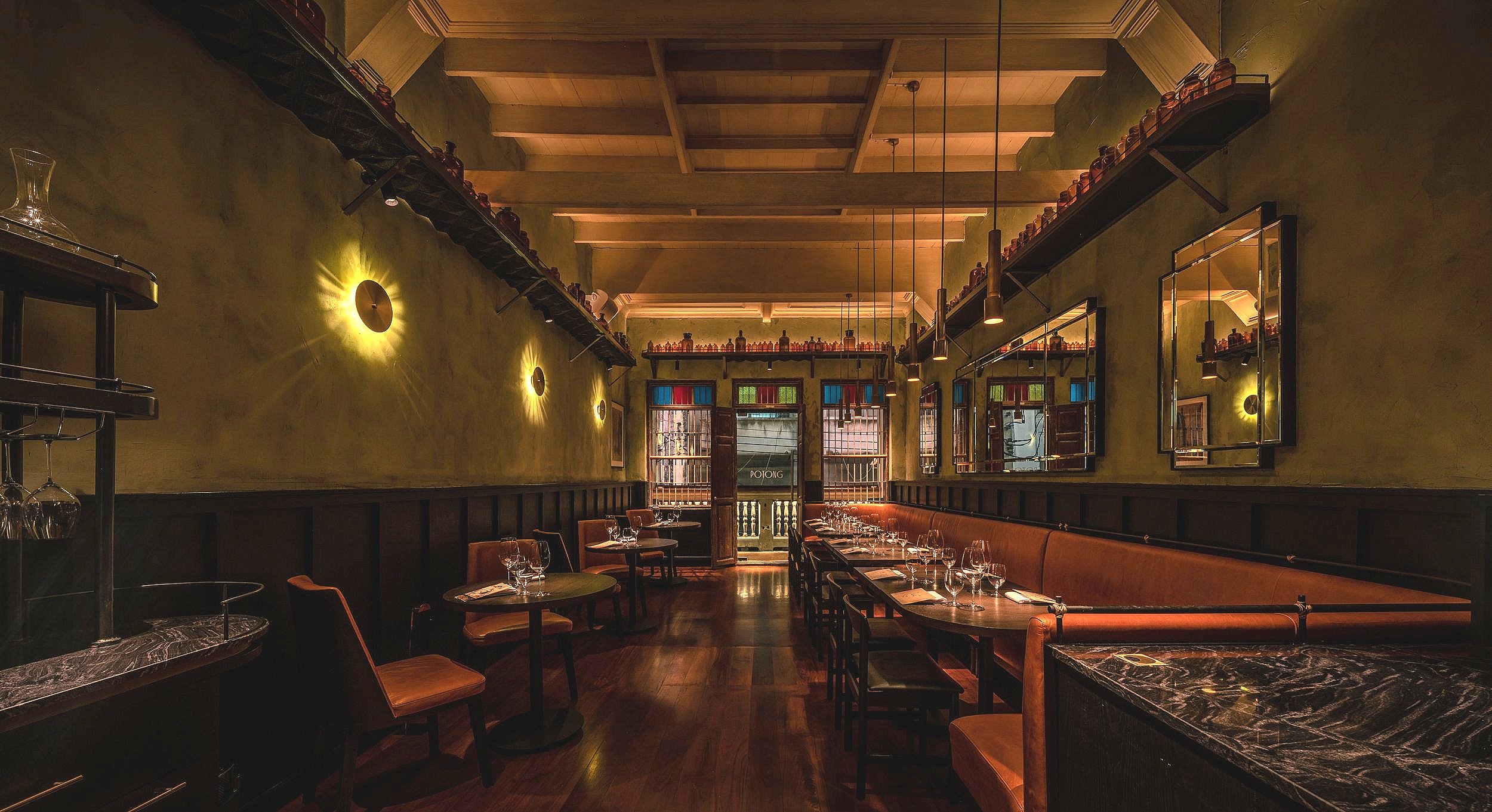
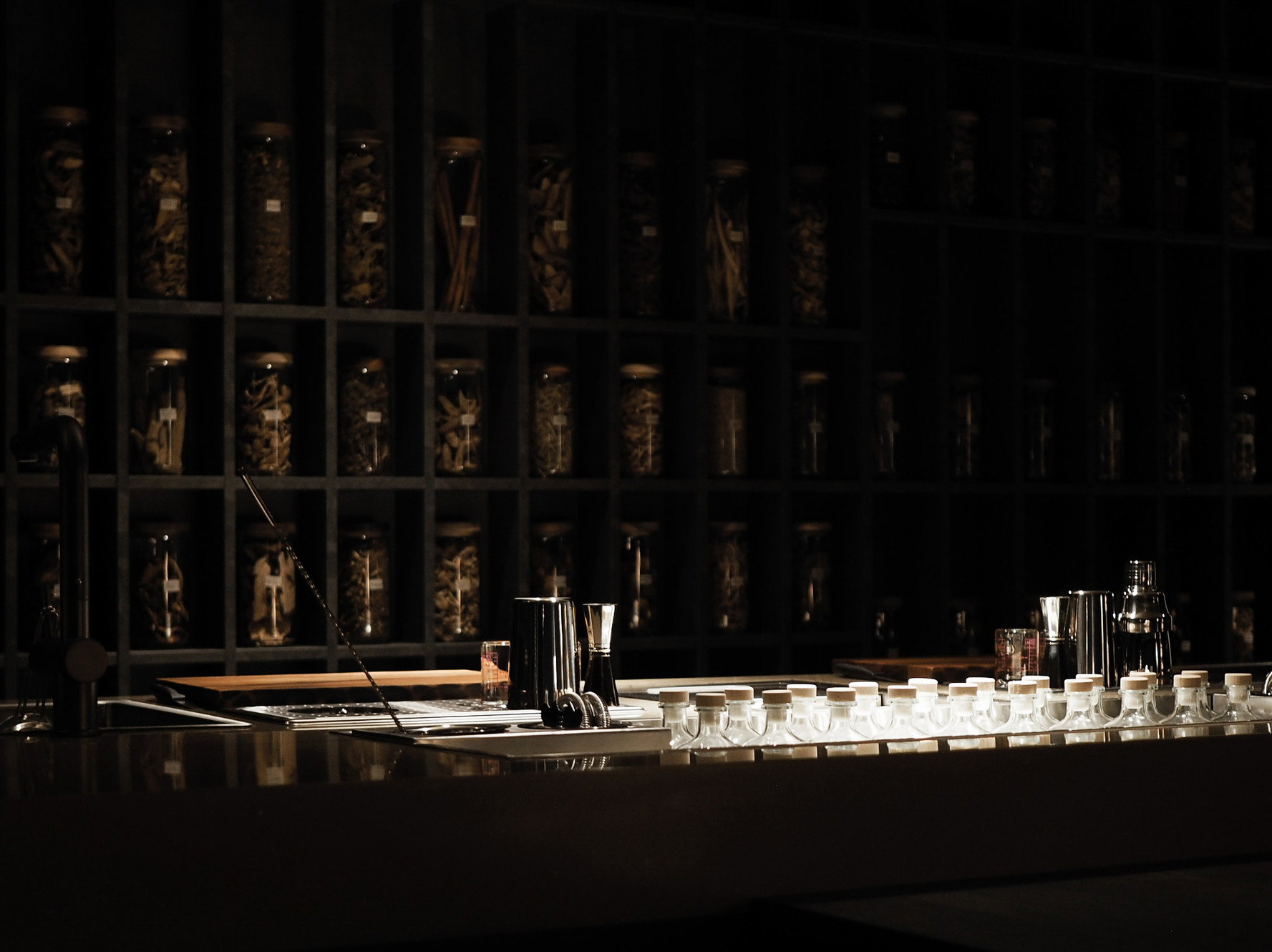
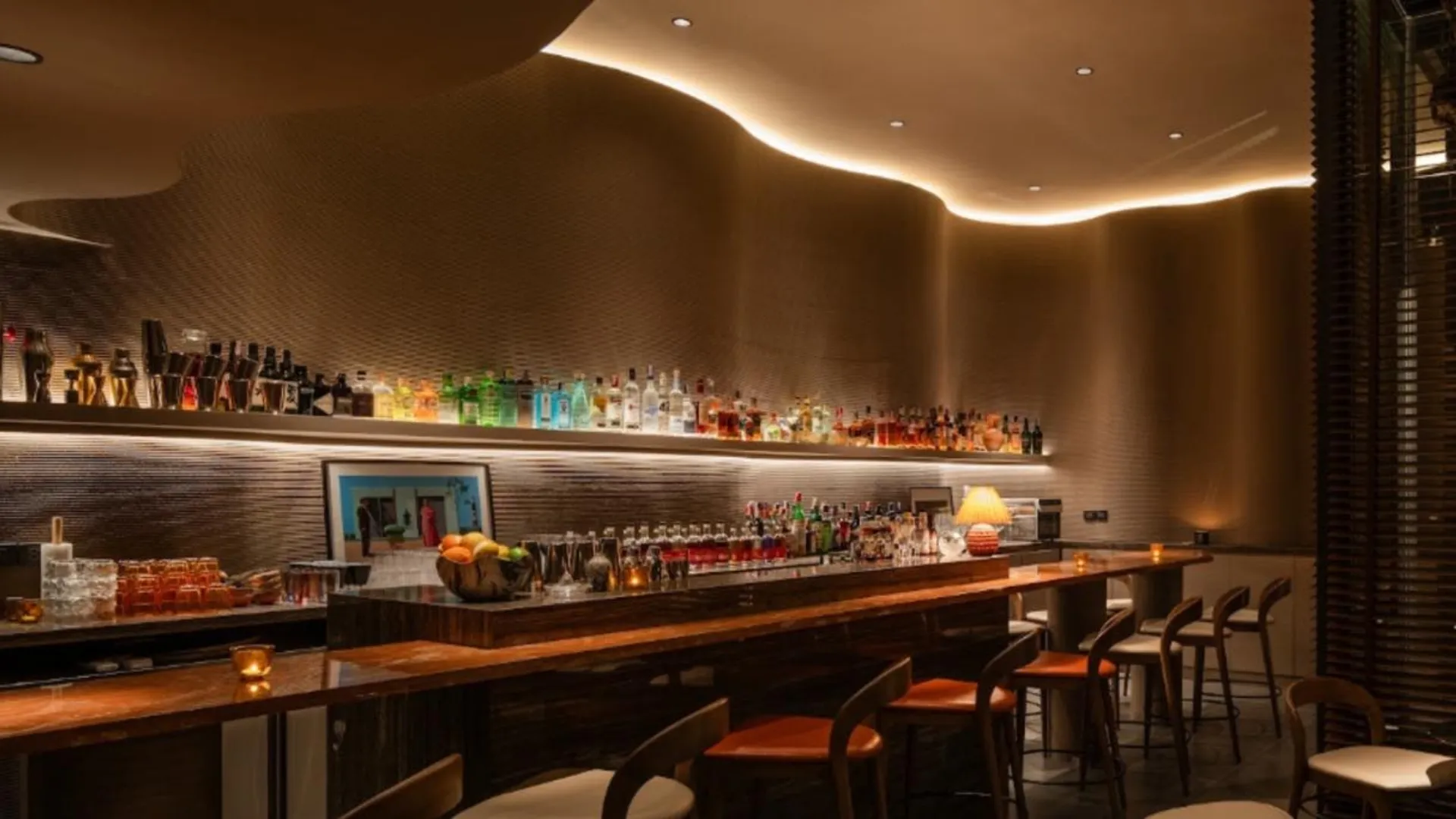
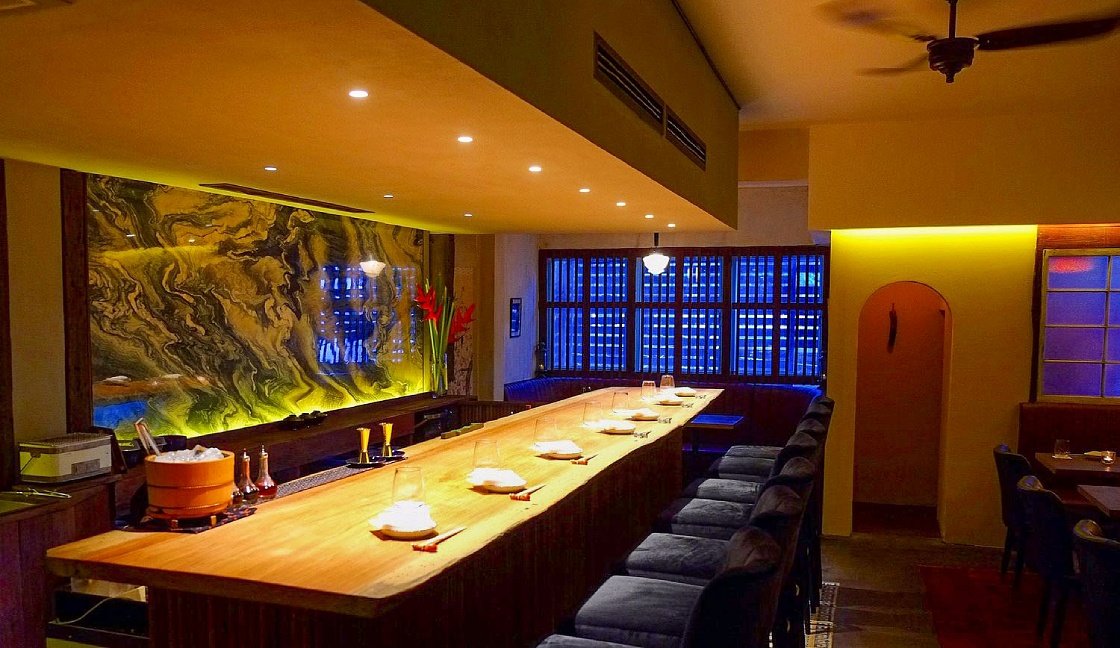
The visual anchor here is the counter itself: Italian marble, generous in width, wrapping around a kitchen that reads as a working stage rather than a backdrop. At 12 seats, the sightlines are unobstructed from every position. You will see every element of service and preparation. For guests who find open-kitchen theatre distracting, that is worth knowing. For guests who value it, this is one of Bangkok's better-executed versions of the format.
Lighting and spacing issues that characterise many counter rooms in the city are absent here. Whether you are coming for a celebration or a quiet dinner for two, the room handles both without feeling forced in either direction. It is not a private dining room, but the scale means it functions closer to one than most 12-seat counters do.
The Menu: Korean Omakase with a Specific Point of View
Chef Henry Lee's omakase is framed around traditional Korean flavours interpreted through a contemporary, precise lens. The menu draws on his grandmother's instinctive approach to cooking as a reference point, which in practice means the dishes carry legible Korean identity without defaulting to nostalgia. The awards record, Michelin Plate in consecutive years alongside Star Wine List recognition, confirms that the program has consistency behind it, not just a strong opening run.
Dishes noted in the awards citation include Octopus Tubu Jigae, truffle mandu, and bibimbap with crab. These are visually composed and technically detailed. The format is omakase, so the menu evolves and your experience will not be identical across visits, which is part of the case for returning. If Korean cuisine is already familiar to you, the point of difference here is the omakase structure and the precision of execution rather than the ingredients themselves.
The Star Wine List recognition for 2026 signals that the beverage program has been built to match the food in seriousness. For guests who pair wine with Korean food deliberately, that credential is worth factoring in. Most ฿฿฿ Korean restaurants in Bangkok do not carry wine programs at this level.
Groups and the Counter Format
The 12-seat counter means the full room can, in theory, be taken as a group. For a private group dinner, this is a meaningful option: the counter wraps the kitchen, which creates shared focus without the disconnection of a private room. The format works well for groups who want a participatory experience rather than a formal seated dinner. Parties of two or four will sit comfortably; the marble counter gives enough personal space that the room does not feel crowded even when full.
This is not a venue for large corporate events or parties above 12. For Bangkok private dining at scale, Sorn (Southern Thai) or Baan Tepa (Thai contemporary) offer private rooms that accommodate larger groups in a more traditional format. Juksunchae's strength as a group venue is intimacy and shared spectacle, not capacity.
Practical Details
Location: Sukhumvit 49, Khlong Tan Nuea, Watthana, Bangkok 10110 (relocated to Vadhana in 2025). Price tier: ฿฿฿, one tier below the city's most expensive omakase counters. Seats: 12 at the counter. Booking difficulty: Easy relative to Bangkok's leading omakase rooms. Awards: Michelin Plate 2024 and 2025; Star Wine List 2026. Cuisine format: Korean omakase. Leading for: Couples, small groups up to 12, special occasions, guests with an existing interest in Korean cuisine. Not ideal for: Groups larger than 12, diners who prefer à la carte flexibility, or those unfamiliar with omakase pacing.
How It Sits in the Bangkok Fine-Dining Context
Bangkok's omakase scene has grown quickly, but Korean omakase at this level of technical finish is still a narrow category in the city. For direct Korean fine-dining comparisons, Mingles in Seoul and Kwonsooksoo in Seoul represent the benchmark for the format at its most ambitious, but for Bangkok residents or visitors who want a serious Korean omakase without a flight, Juksunchae is the clearest current option at ฿฿฿ pricing.
Elsewhere in Thailand, PRU in Phuket and Aquila in Chiang Mai offer comparable precision-driven tasting menus in different regional contexts. For Bangkok exploration beyond Juksunchae, see our full Bangkok restaurants guide, Bangkok bars guide, and Bangkok hotels guide.
Planning details
- Location
- PHMG+4PR Town Hall, Sukhumvit 49, Khlong Tan Nuea, Watthana, Bangkok 10110, Thailand
- Website
- juksunchae.com
- Phone
- +66 98 333 4498
The take
The Take
The Vibe
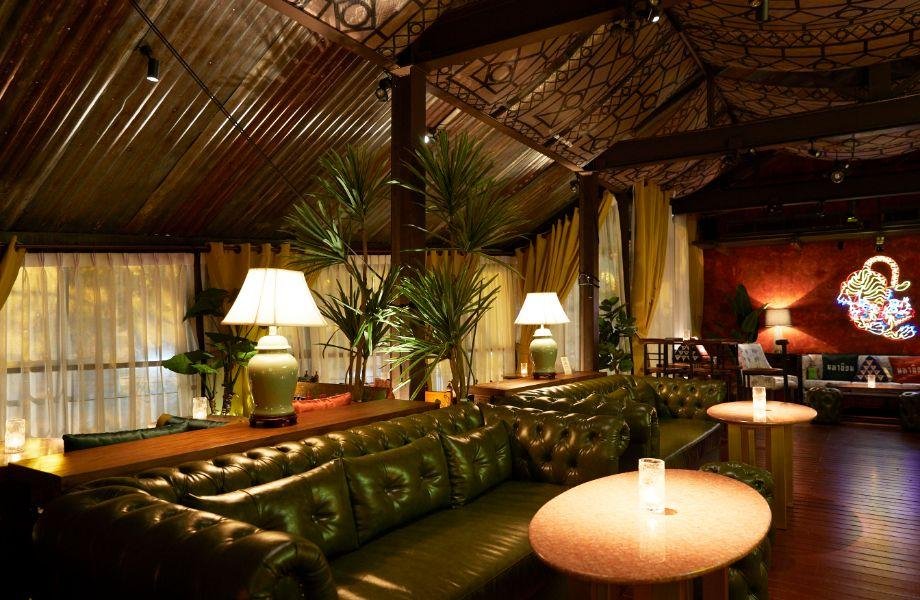
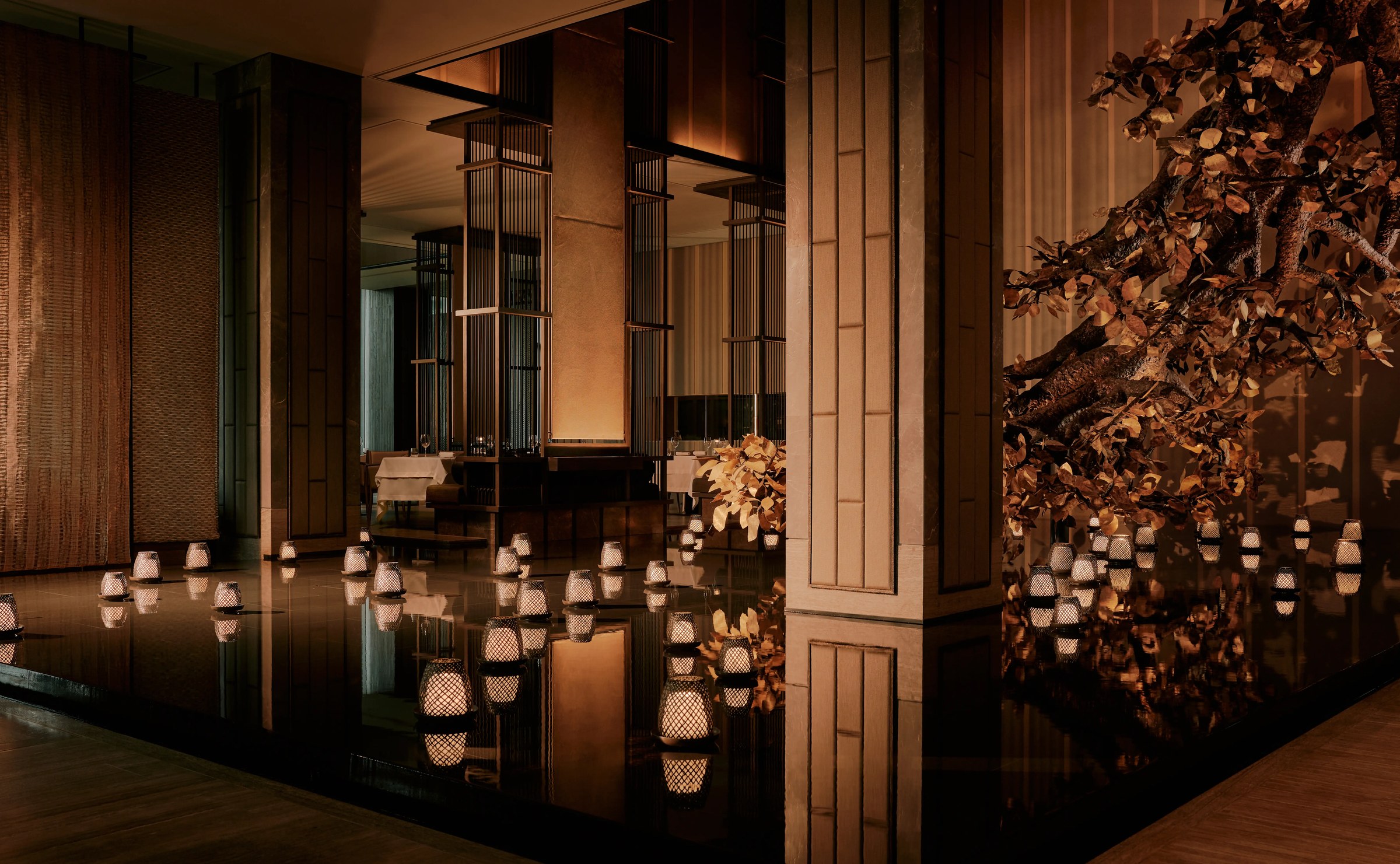
Juksunchae presents a distilled, counter-focused interior where materiality and precision set the tone. The single elongated Italian marble counter wraps an open kitchen in a compact 12-seat room; light and proportion are deliberately considered rather than theatrical. The effect is restrained and refined — the kind of space that foregrounds technique and quiet attention rather than exuberant décor. Service and plating feel measured, and the environment reads as deliberately pared-back, putting the cuisine and the choreography at the pass squarely at the center of the experience.
Best For
This room is best for intimate evening outings where the meal itself is the occasion. With a strict twelve-seat counter and a place in Bangkok’s fine-dining conversation — including two consecutive Michelin Plate recognitions and a ฿฿฿ price tier — Juksunchae suits date nights and special occasions that prize close engagement with the kitchen. The format aligns more with serious omakase counters than casual group dining, so diners who prioritize chef interaction, focused multi-course sequencing, and a quiet, concentrated atmosphere will find it especially rewarding.
Ordering Tips
The entire experience centers on the counter: seating wraps around the open kitchen and the pass, so choose to sit at the counter to absorb the full service choreography. The room seats exactly twelve, so the dining experience is compact and focused; expect close proximity to the chefs and careful, precise execution from the kitchen. Given the restaurant’s position in the fine-dining tier and its comparison to omakase-style counters, guests should come prepared for a tightly authored, course-driven meal rather than a la carte casual grazing.
Venue details
Ambiance
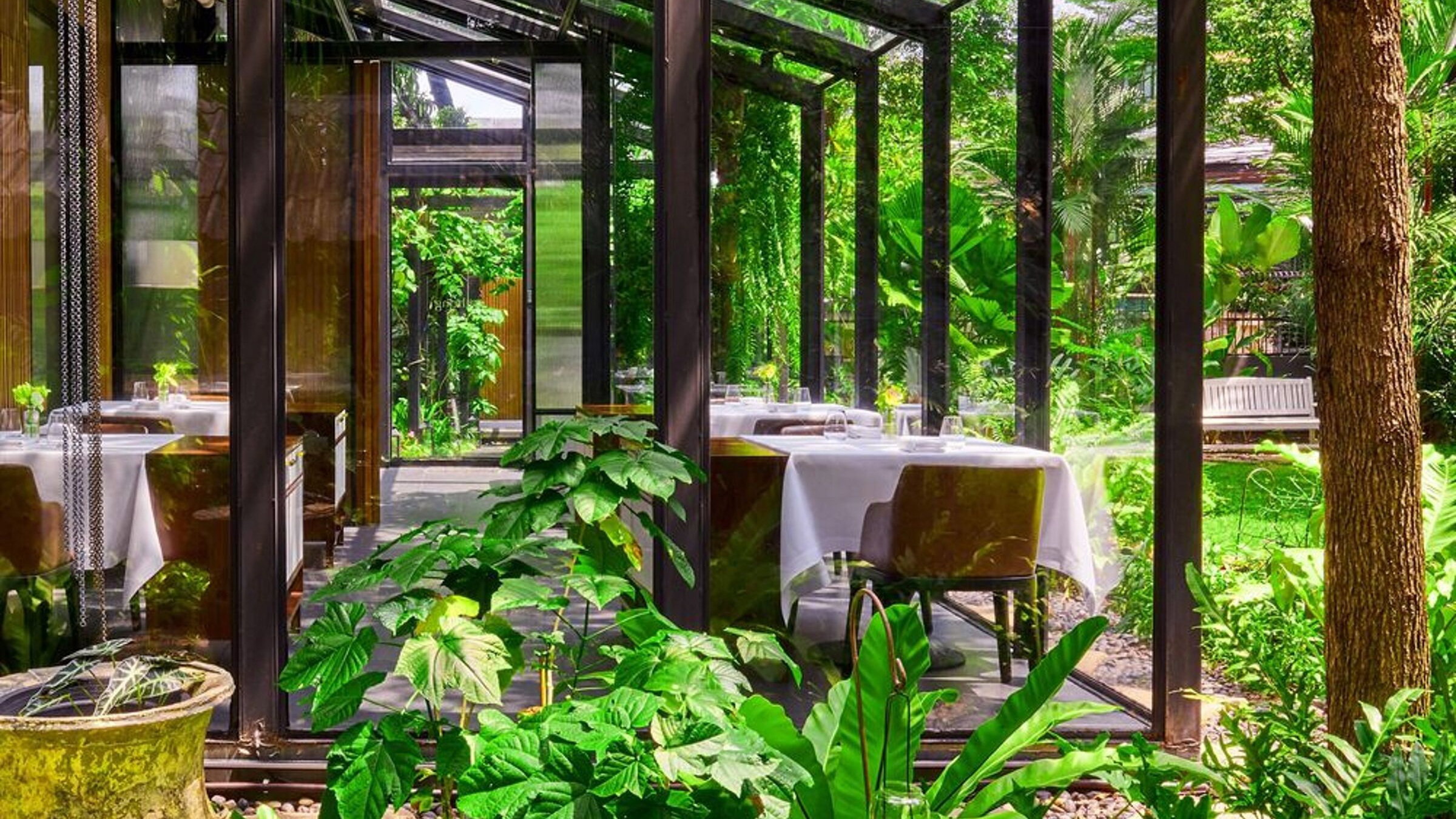
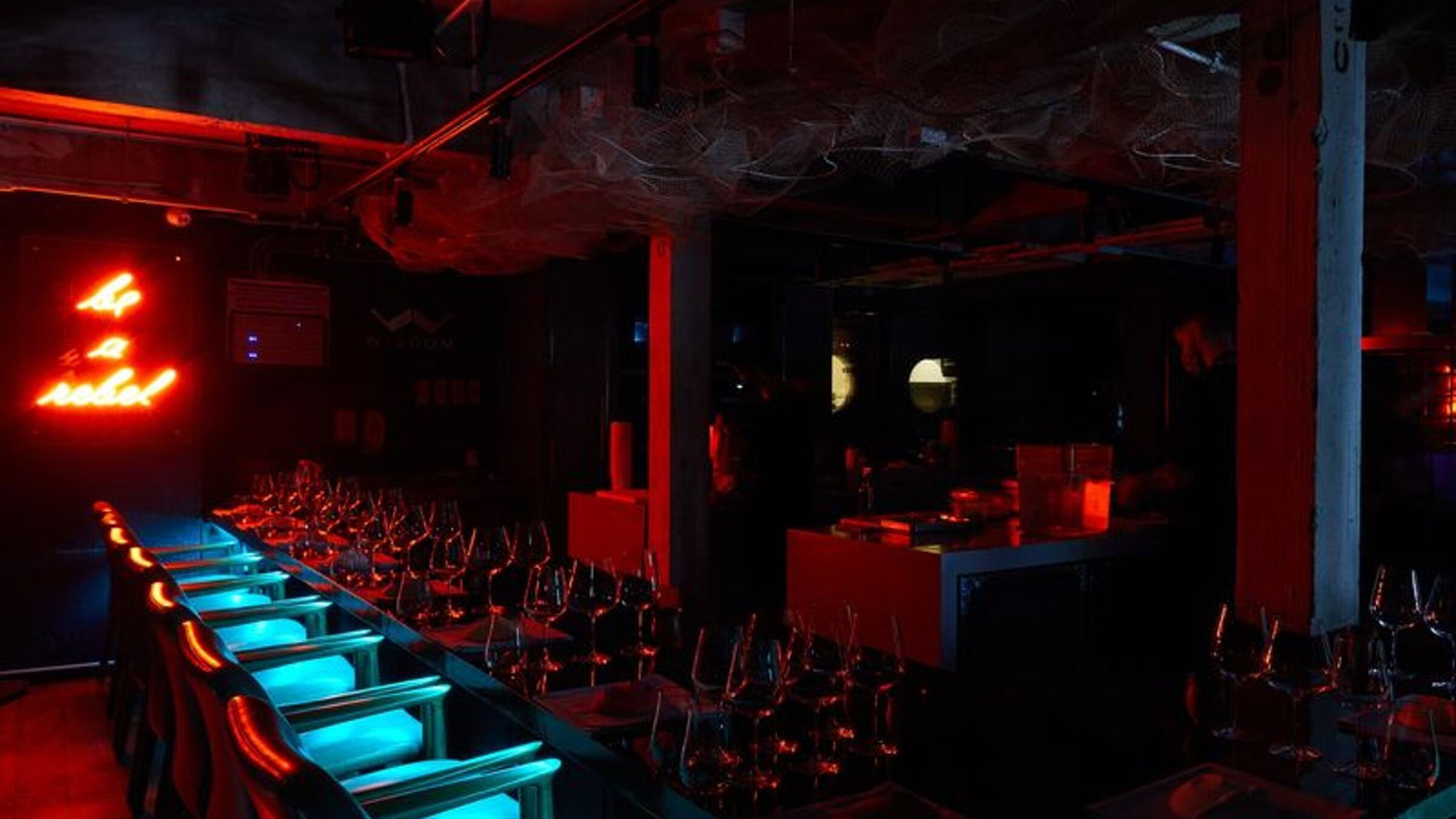
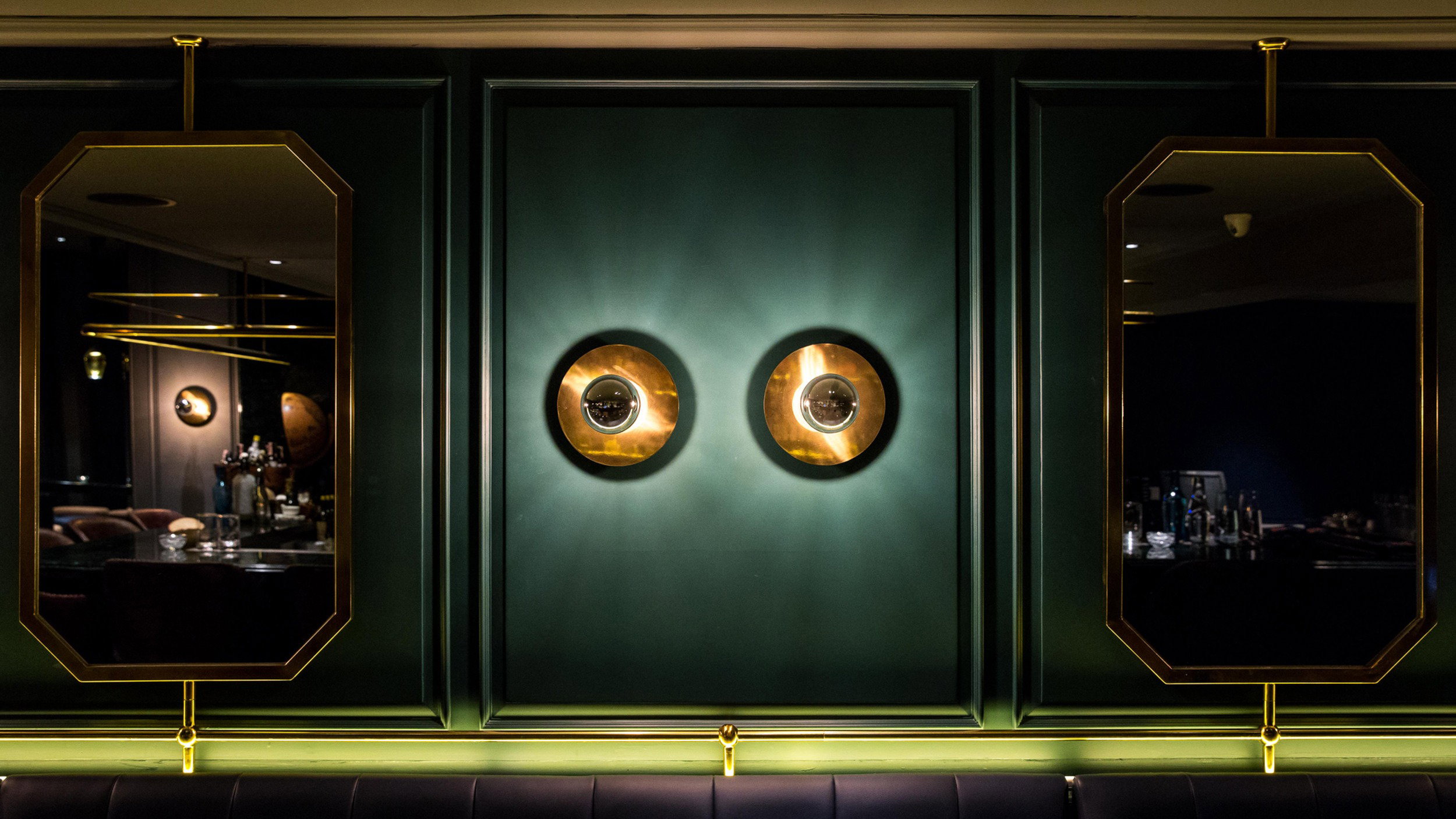
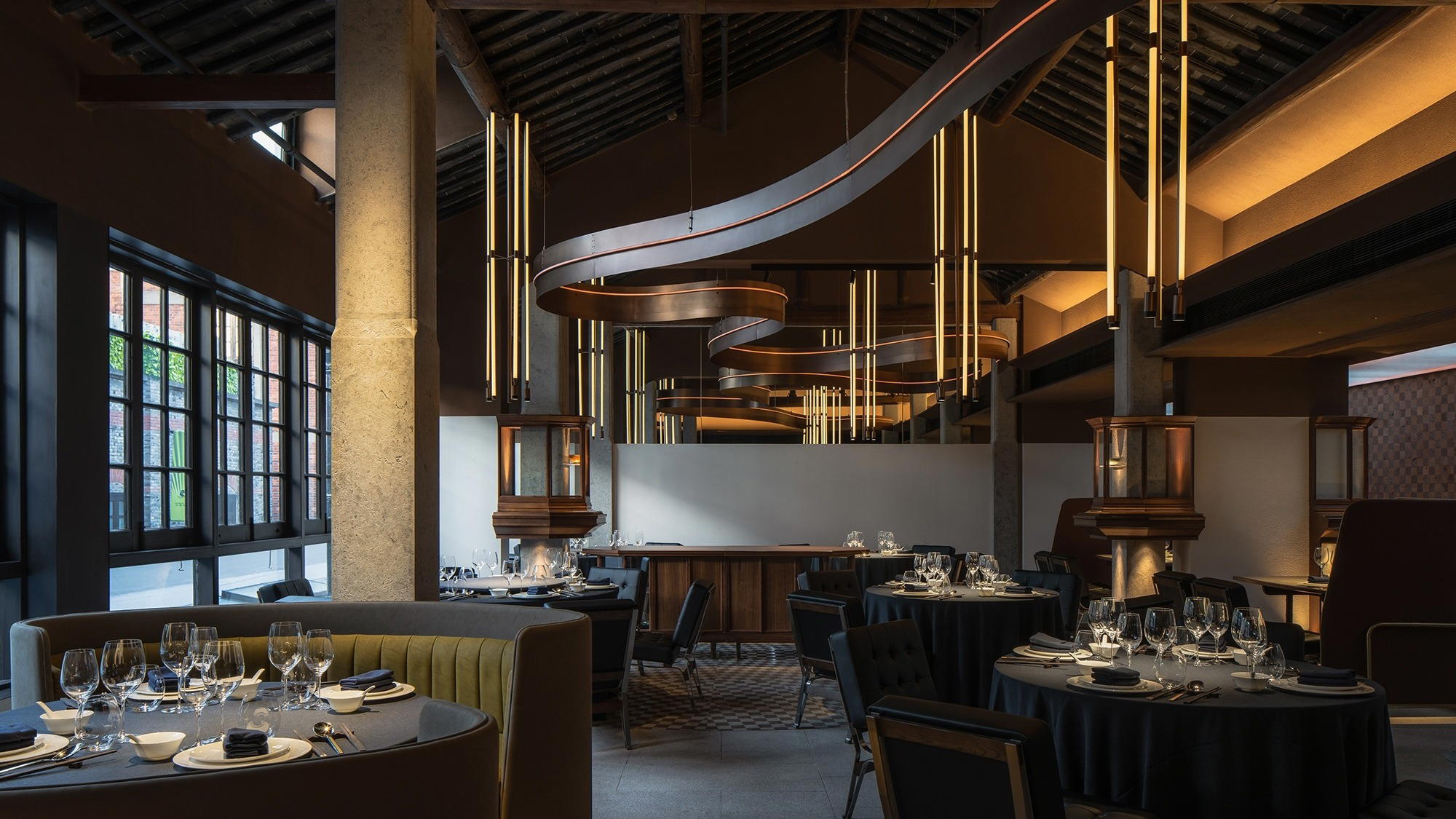
Brutalistic design with chic décor incorporating traditional Korean furniture, open kitchen counter seating offering unlimited views of chefs cooking and plating, and a cozy lounge bar.
Tags
Vibe
Best For
Experience
View
At the Table
- Dress Code
- Smart Casual
- Noise Level
- Conversational
- Service Style
- Formal
- Meal Pacing
- Extended Experience
- Capacity
- Intimate
- Kitchen
- Modern
- Menu Format
- Tasting menu
- Wine Program
- Curated
- Private Dining
- Available
Signature Dishes
- Busan Abalone Jook
- Uni Bibimbap
Know before you go
Know Before You Go
- Getting there
- PHMG+4PR Town Hall, Sukhumvit 49, Khlong Tan Nuea, Watthana, Bangkok 10110, Thailand
Planning details
Location
PHMG+4PR Town Hall, Sukhumvit 49, Khlong Tan Nuea, Watthana, Bangkok 10110, Thailand · Directions
Recognition and awards

Also consider
Also Consider
- Sorn, Southern Thai, ฿฿฿฿
- Baan Tepa, Thai contemporary, ฿฿฿฿
- Gaa, Modern Indian, Indian, ฿฿฿฿
- Côte by Mauro Colagreco, Mediterranean, Modern Cuisine, ฿฿฿฿
- Sühring, German, ฿฿฿฿
Restaurant context
Juksunchae sits at ฿฿฿, a tier below the four venues it most naturally competes with for Bangkok's fine-dining attention. Sorn and Baan Tepa are both ฿฿฿฿ and Thai cuisine, so if your priority is spending less while still sitting at a serious omakase counter with consecutive Michelin recognition, Juksunchae wins that comparison directly. If Thai cuisine is what you are after, both Sorn and Baan Tepa are the stronger choices, but they are solving a different brief.
Sühring, Gaa, and Côte by Mauro Colagreco all operate at ฿฿฿฿ and represent Bangkok's most internationally recognised tasting-menu rooms. Sühring and Gaa in particular carry Michelin Star credentials rather than Plates, which reflects a different level of investment and ambition. If your budget allows and the cuisine fits, those rooms deliver more in terms of global recognition. Juksunchae is the right call when you want a focused omakase experience at a lower price point, or when Korean cuisine specifically is the draw.
For booking difficulty, Juksunchae is currently easier to secure than Sorn or the top-tier ฿฿฿฿ rooms, which makes it a practical option for visitors with a short planning window. The 12-seat format means availability is still limited, but not at the level of Bangkok's most competitive tables. If you are building a multi-night fine-dining itinerary across Bangkok, use Juksunchae for the Korean omakase night and reserve your harder-to-book slot for Sorn or Sühring.
Explore Bangkok
Around this place
Discover more on Pearl
Unlock the full Juksunchae guide in Pearl, including awards, comparisons, FAQs, planning details, and nearby places.
Compare Juksunchae
| Venue | Cuisine | Awards | Booking Difficulty |
|---|---|---|---|
| Juksunchae | Korean | Star Wine Lists 20262026 Michelin 1 Star2025 Michelin Plate2024 Michelin Plate | Easy |
| Sorn | Southern Thai | 2026 OAD Top Restaurants in Asia Ranked · #12026 Asia's 50 Best Restaurants · #12Star Wine Lists 20262026 Black Pearl 1 Diamond2026 La Liste Top Restaurants2026 Michelin 3 Stars2025 OAD Top Restaurants in Asia Ranked · #12025 Asia's 50 Best Restaurants · #162025 World's 50 Best Restaurants · #17 | Unknown |
| Baan Tepa | Thai contemporary | 2026 OAD Top Restaurants in Asia Ranked · #262026 Asia's 50 Best Restaurants · #532026 Black Pearl 1 Diamond2026 Les Grandes Tables du Monde Members2026 La Liste Top Restaurants2026 Michelin 2 Stars2025 OAD Top Restaurants in Asia Ranked · #362025 Asia's 50 Best Restaurants · #44We're Smart World Top Restaurants 2025 | Unknown |
| Gaa | Modern Indian, Indian | Star Wine Lists 2026 · #12026 OAD Top Restaurants in Asia Ranked · #832026 Asia's 50 Best Restaurants · #952026 Black Pearl 1 Diamond2026 Michelin 2 Stars2026 La Liste Top Restaurants2025 OAD Top Restaurants in Asia Ranked · #612025 Asia's 50 Best Restaurants · #65We're Smart World Top Restaurants 2025 | Unknown |
| Côte by Mauro Colagreco | Mediterranean, Modern Cuisine | 2026 OAD Top Restaurants in Asia Ranked · #642026 Asia's 50 Best Restaurants · #91Star Wine Lists 20262026 Michelin 2 Stars2026 La Liste Top Restaurants2025 Asia's 50 Best Restaurants · #752025 OAD Top Restaurants in Asia Ranked · #84World's Best Wine Lists 20252025 Michelin 2 Stars | Unknown |
| Sühring | German | Star Wine Lists 2026 · #12026 OAD Top Restaurants in Asia Ranked · #142026 Asia's 50 Best Restaurants · #182026 Black Pearl 2 Diamond2026 Relais Chateaux Restaurants2026 Wine Spectator Best of Award of Excellence2026 Les Grandes Tables du Monde Members2026 La Liste Top Restaurants2026 Michelin 3 Stars | Unknown |
.png?width=1200&quality=80)












How Juksunchae stacks up against the competition.
FAQ
Frequently Asked Questions
What should a first-timer know about Juksunchae?
Book the counter format in advance — the room seats only 12, and it fills. Juksunchae relocated to Vadhana in 2025, so older directions will send you to the wrong address; use Sukhumvit 49, Khlong Tan Nuea, Watthana. Chef Henry Lee runs a Korean omakase menu built around traditional flavours reinterpreted through a precise, contemporary lens, so this is not a Korean barbecue or à la carte dinner. If that format works for you, it holds a Michelin Plate (2024 and 2025) and a Star Wine List recognition for 2026.
Is Juksunchae worth the price?
At ฿฿฿, Juksunchae sits one tier below Bangkok's most expensive omakase options, which makes the value case reasonably clear: you get Michelin Plate-level execution and a purpose-built Italian marble counter without paying top-tier prices. Against Japanese omakase at a similar price point in Bangkok, Korean omakase at this level of technical finish is a narrow category, which means less direct competition and a stronger case for booking. If you want à la carte Korean, this is the wrong room — but for the tasting menu format specifically, the price-to-quality ratio holds up.
Can Juksunchae accommodate groups?
Yes, with one practical consideration: the room seats exactly 12, so a group large enough to take the full counter can effectively book the space as a private dinner. That makes it a workable option for a small group occasion, but parties larger than 12 cannot be accommodated at one sitting. For groups of 4 to 8, the counter format still works — seating wraps around the kitchen, so the group experience is cohesive rather than split across the room.
Does Juksunchae handle dietary restrictions?
Dietary restriction handling is not documented in available venue data, and the omakase format — with a set menu built around specific ingredients including seafood and traditional Korean elements — means restrictions should be communicated directly to the restaurant before booking. At a 12-seat counter, the kitchen has the capacity to accommodate individual adjustments, but this is not a venue to show up to with undisclosed restrictions.
Is the tasting menu worth it at Juksunchae?
If Korean omakase is your format, yes. Chef Henry Lee's menu draws on his grandmother's approach to traditional Korean cooking and filters it through a technically precise, visually considered presentation — dishes cited in the venue's award citations include octopus tofu jjigae, truffle mandu, and bibimbap with crab. The Michelin Plate in both 2024 and 2025 gives the menu an independent benchmark. For a comparable price in Bangkok you can find Japanese omakase at similar credential levels, but Korean omakase at this finish is a materially different offer.
Is Juksunchae good for a special occasion?
It is, provided the group is small enough for the 12-seat counter format to feel intimate rather than constraining. The Italian marble counter and immaculately kept open kitchen give the room a considered aesthetic without the formal stiffness of Bangkok's most expensive fine-dining rooms. For a couple or a small group wanting a structured occasion dinner at ฿฿฿ with Michelin recognition behind it, Juksunchae works well — it is meaningfully different from the city's Japanese omakase options, which adds some occasion value in itself.