Kunyit Restaurant
central Bandung, Bandung
Restaurant in Bandung, Indonesia
 Book with Pearl
The Read
Price
$10–20per person
Dress
Smart Casual
Why go
Kunyit Restaurant is worth considering for an easy Bandung meal, especially when breakfast timing or all-day flexibility matters. It is not the strongest pick for a high-impact celebration, but it works for casual groups, simple business meals, and diners who want a low-friction option instead of a destination-style booking.
About Kunyit Restaurant
Is Kunyit Restaurant worth considering in Bandung? Yes if timing matters: the restaurant is open daily from 6 AM to 11 PM. Beyond that, keep the plan simple: it is a Bandung restaurant with a smart casual dress code.
Use it as a practical Bandung option rather than a restaurant choice built around specific expectations for cuisine, chef, price, menu, awards, or service format. If you are comparing plans, Bonfire Roast & Grill, Karbon Bandung, Joempa, Musouya, and Shabu Hachi Cilaki Bandung are other named venues to consider depending on what kind of meal you want.
Book it for an easy Bandung meal, not a high-stakes dining plan
First-timers should treat Kunyit Restaurant as a flexible Bandung option with broad opening hours. It is open Monday through Sunday, 6 AM to 11 PM. The dress code is smart casual, so avoid treating it as overly formal, but do not assume a fully casual setting either.
If your decision depends on cuisine, menu format, pricing, awards, chef details, reservations, seating, or takeout and delivery, check directly before going. It may work when the group needs a direct Bandung restaurant with long daily hours; it is less certain as a special-occasion pick if you need a clearly defined concept.
Who should choose it, and who should look elsewhere
Choose this when the basics are enough for your plan: Bandung location, daily 6 AM to 11 PM hours, and smart casual dress. Look elsewhere, or confirm directly before going, if you need specifics such as dietary accommodations, a particular cuisine, a known menu structure, a private-room setup, or a published price range.
For broader planning, use our full Bandung restaurants guide rather than forcing this into every occasion. Kunyit Restaurant is easiest to evaluate as a convenient Bandung option with long hours; for a more defined comparison, consider Bonfire Roast & Grill, Joempa, Karbon Bandung, Musouya, or Shabu Hachi Cilaki Bandung.
Planning details
- Location
- Jl. Khp Hasan Mustopa No.47/57, Neglasari, Kec. Cibeunying Kaler, Kota Bandung, Jawa Barat 40124, Indonesia
- Website
- primepark.co.id
- Phone
- +622287772000
The take
The Take
The Vibe
Kunyit presents a quiet, ingredient-led expression of Sundanese cooking rooted in Bandung’s highland produce. The restaurant deliberately sidelines spectacle, naming itself after turmeric as a signal that spice, seasonality and local rhizomes are the organizing principles. It sits in a residential strip where menus shift with market arrivals and where freshness—galangal, lemongrass, kencur and candlenut—matters more than interior flourish. The experience is unpretentious and quietly confident: expect straightforward, well-sourced preparations that foreground the aromas and medicinal associations of West Javanese cooking rather than theatrical plating.
Best For
Kunyit is best suited to neighbours and groups who come for sincere, ingredient-forward Sundanese meals. The restaurant’s setting in a residential quarter and its emphasis on market-driven dishes make it a comfortable choice for family dinners and group dining, where sharing and sampling multiple plates reflect the kitchen’s strengths. It’s not aimed at the weekend tourist circuit, so diners who appreciate regional produce, daily-market variations and warm, familiar flavours will get the most out of a visit.
Ordering Tips
Start with the kitchen’s signature preparations and lean into shared plates: the Iga Panggang Madu showcases the grill and local aromatics, while Sate Betutu and a classic Nasi Goreng offer clear examples of turmeric- and spice-forward flavours. Because the menu is informed by daily arrivals from the highlands, ask staff what’s freshest that day—herbs and rhizomes like galangal and kencur often define specials. For groups, order several dishes to share so you can taste the range of regional spice pastes and broths that characterize Kunyit’s Sundanese approach.
Venue details
Ambiance
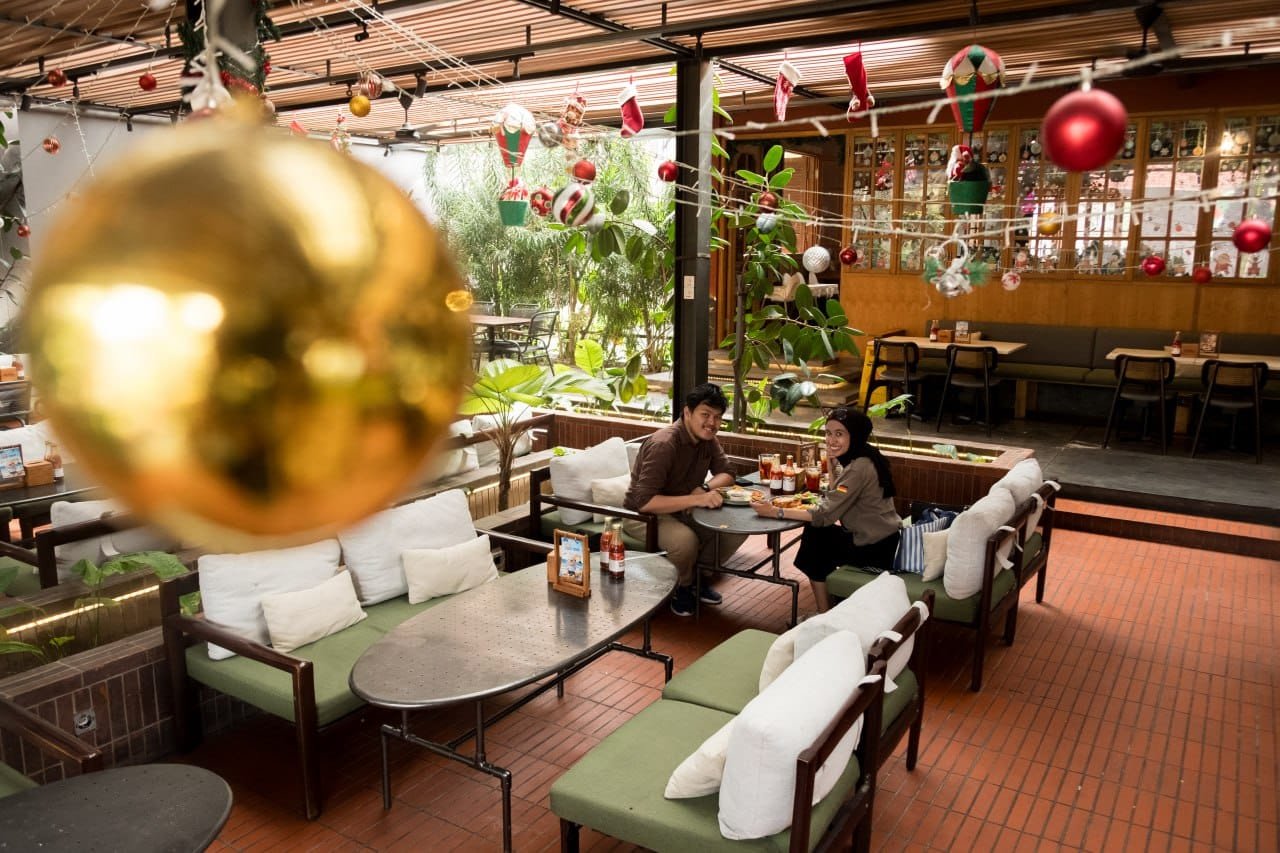
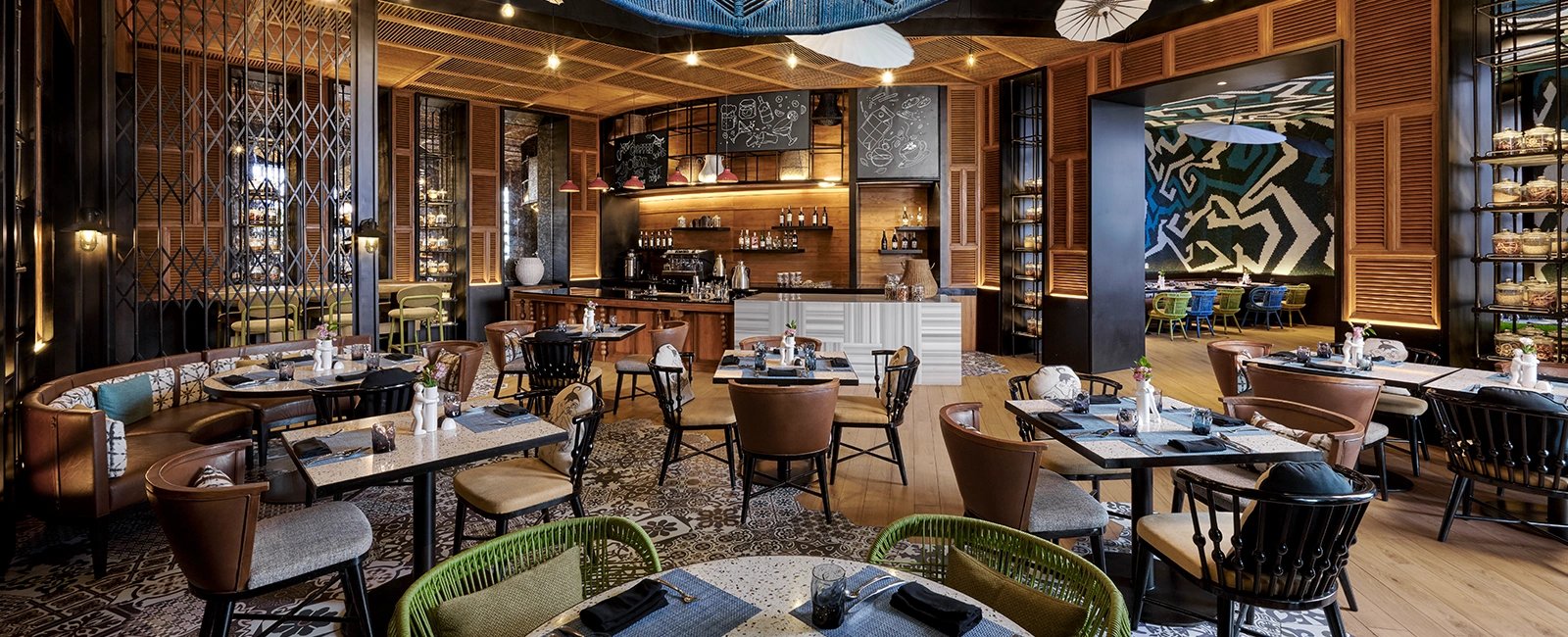
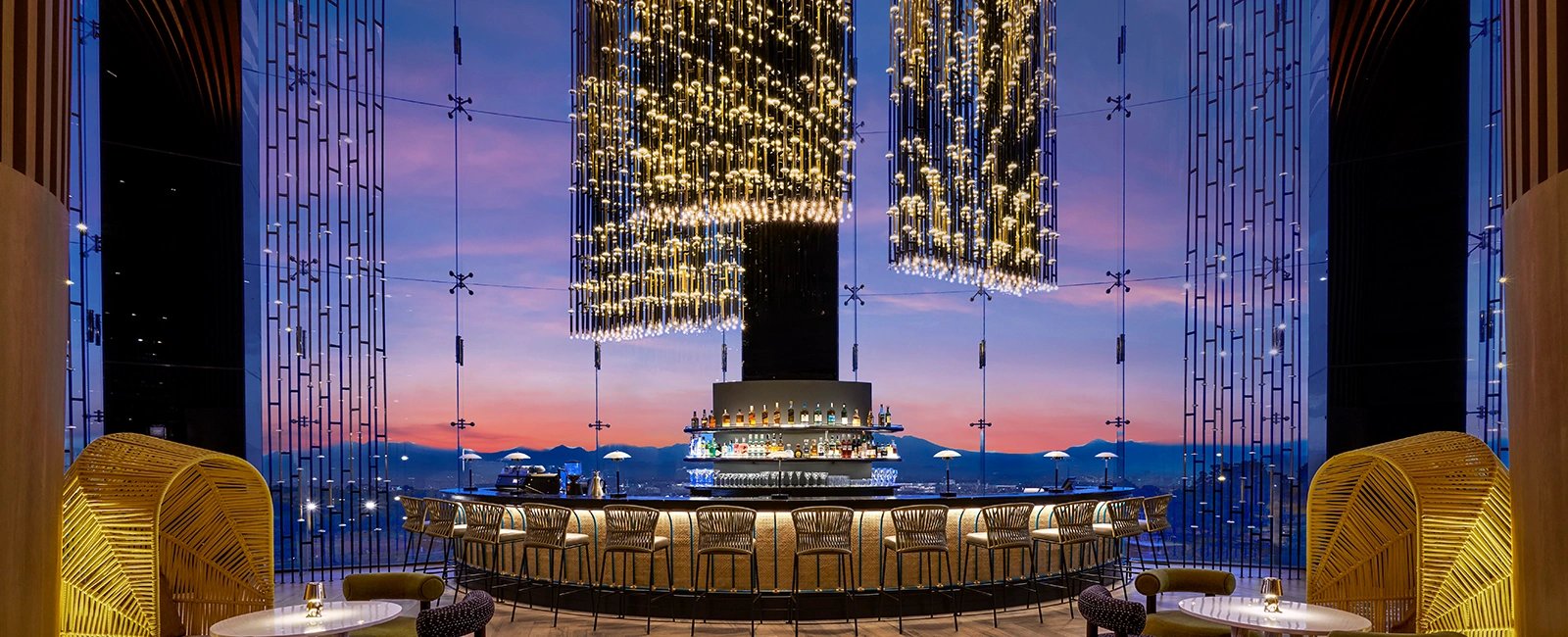
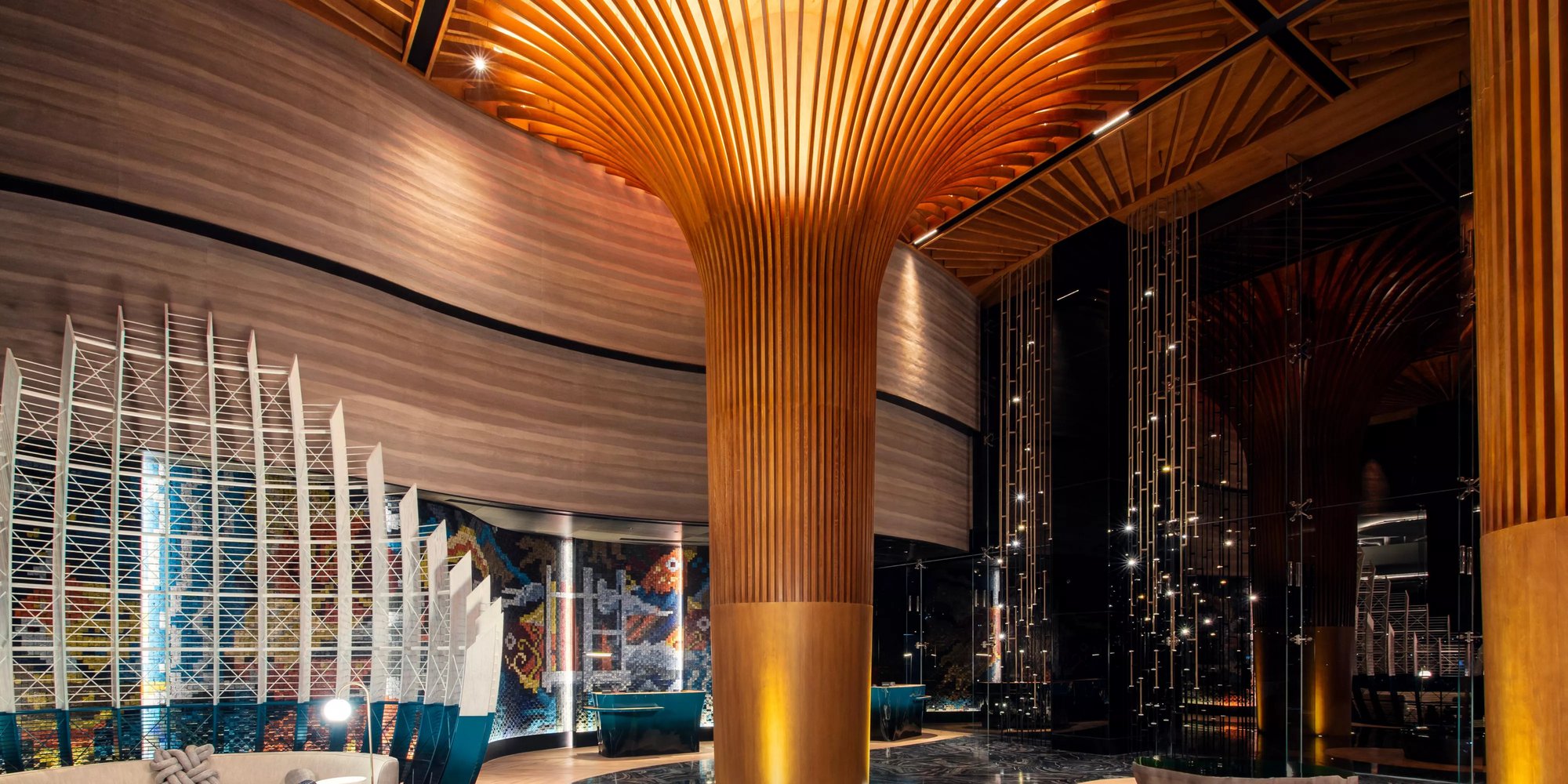
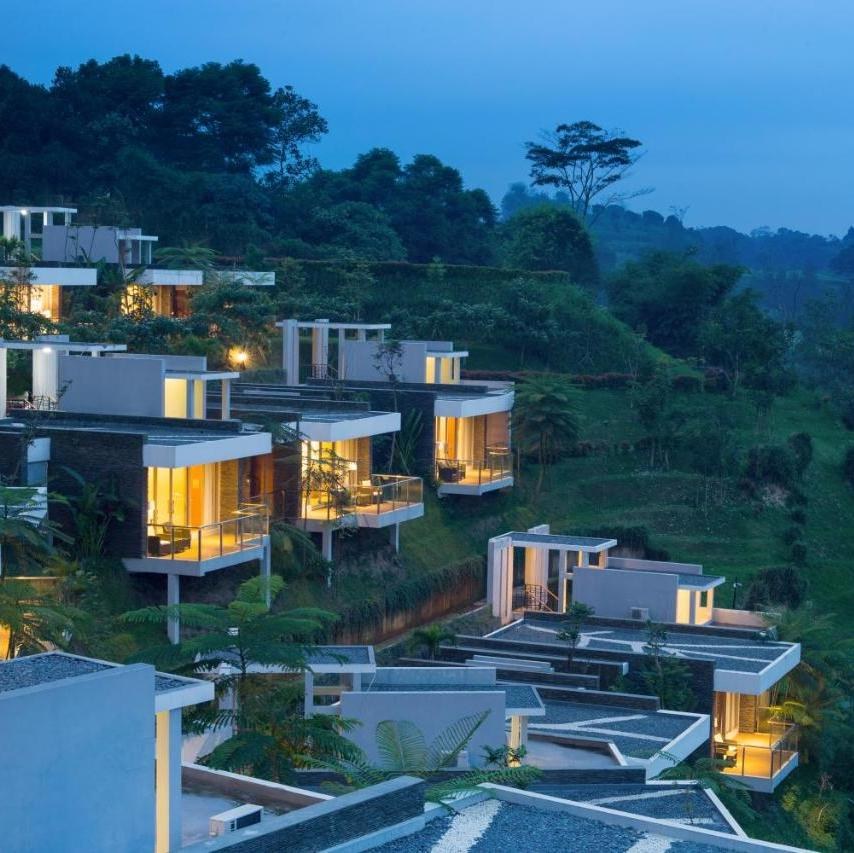
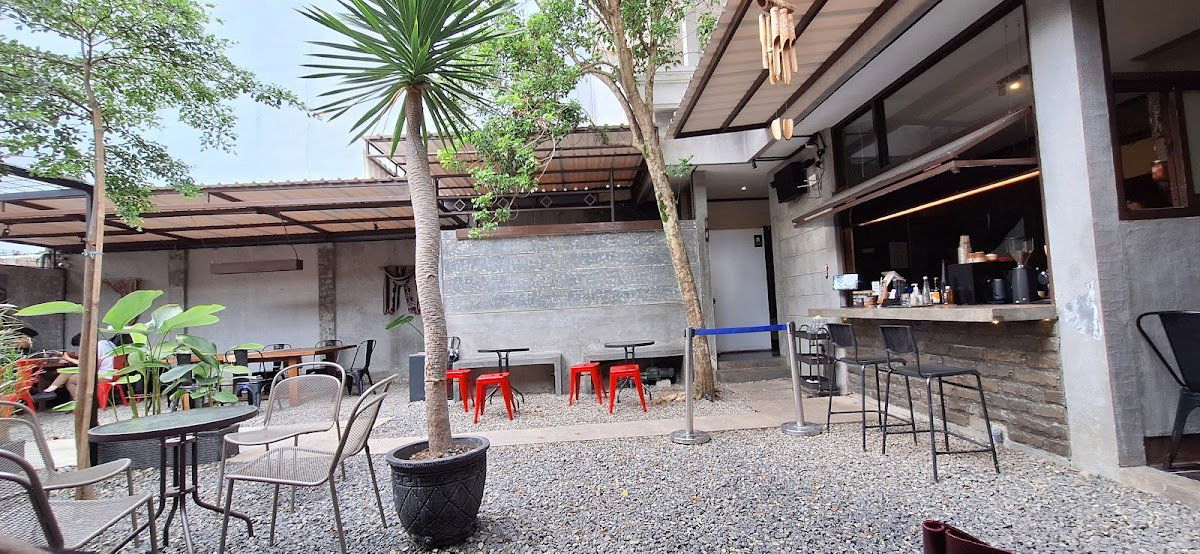
Contemporary Balinese ambience hinting at ancient Bali Aga style with elegant indoor and outdoor spaces.
Tags
Vibe
Best For
Experience
At the Table
- Dress Code
- Smart Casual
- Noise Level
- Conversational
- Service Style
- Upscale Casual
- Meal Pacing
- Standard
- Capacity
- Medium
- Kitchen
- Traditional
- Menu Format
- A la carte, Family style
- Wine Program
- Standard
Signature Dishes
- Iga Panggang Madu
- Nasi Goreng
- Sate Betutu
Know before you go
Know Before You Go
- Getting there
- Jl. Khp Hasan Mustopa No.47/57, Neglasari, Kec. Cibeunying Kaler, Kota Bandung, Jawa Barat 40124, Indonesia
Planning details
Location
Jl. Khp Hasan Mustopa No.47/57, Neglasari, Kec. Cibeunying Kaler, Kota Bandung, Jawa Barat 40124, Indonesia · Directions
Also consider
Where to go if this does not fit
If the meal is meant to feel more celebratory, try Bonfire Roast & Grill or Karbon Bandung. If the group wants a more defined Japanese direction, Musouya is the cleaner alternative.
Restaurant context
How Kunyit Restaurant compares in Bandung
Kunyit Restaurant is the practical pick when timing and ease matter. Compared with Shabu Hachi Cilaki Bandung, it is less format-specific: choose Shabu Hachi Cilaki Bandung when the group wants shabu-shabu structure, and choose Kunyit when the group needs a simpler all-day meal.
Bonfire Roast & Grill and Karbon Bandung make more sense for diners who want a grill-led dinner with stronger occasion energy. Kunyit is easier to justify for breakfast, lunch, or a lower-pressure meal where the plan needs to be flexible rather than dramatic.
Joempa and Musouya are better cross-shops when cuisine direction matters more than timing. If Japanese food is the point, Musouya is the cleaner comparison; if the group is undecided and wants a practical Bandung fallback, Kunyit is the safer generalist.
Explore Bandung
Around this place
Discover more on Pearl
Unlock the full Kunyit Restaurant guide in Pearl, including awards, comparisons, FAQs, planning details, and nearby places.
Compare Kunyit Restaurant
| Venue | Location | Awards |
|---|---|---|
| Kunyit Restaurant | Bandung | No published awards |
| Shabu Hachi Cilaki Bandung | Bandung | No published awards |
| Bonfire Roast & Grill | Bandung | No published awards |
| Karbon Bandung | Bandung | No published awards |
| Joempa | Bandung | No published awards |
| Musouya | Bandung | No published awards |
How Kunyit Restaurant Bandung compares with similar nearby venues.
FAQ
Frequently Asked Questions
What should a first-timer know about Kunyit Restaurant?
Treat it as a Bandung restaurant with long hours and a smart casual dress code. It is open every day from 6 AM to 11 PM.
Does Kunyit Restaurant handle dietary restrictions?
How far ahead should I book Kunyit Restaurant?
For booking details, contact the restaurant directly. Kunyit Restaurant is open daily from 6 AM to 11 PM.
What are alternatives to Kunyit Restaurant in Bandung?
Other Bandung venues to compare include Shabu Hachi Cilaki Bandung, Bonfire Roast & Grill, Karbon Bandung, Joempa, and Musouya. Choose based on the specific meal style and details you check before going.
Is lunch or dinner better at Kunyit Restaurant?
The hours cover both midday and evening timing: Kunyit Restaurant is open daily from 6 AM to 11 PM. If a specific meal service or menu matters, confirm directly.
Is Kunyit Restaurant good for a special occasion?
It may work for a simple Bandung plan if the hours and smart casual dress code fit. For a more formal or highly specific occasion, confirm details such as menu, pricing, reservations, and room setup before choosing it.