
Restaurant in Tokyo, Japan
Argento
100ptsGinza Altitude Dining
About Argento
Argento occupies the 8th and 9th floors of ZOE Ginza in Tokyo's most competitive fine-dining corridor, with a concept and address that both signal wine-forward ambition. Booking difficulty is rated easy, making it more accessible than most serious Ginza venues. Confirm pricing and cuisine details directly before booking — current data is limited but the Ginza positioning sets a high baseline expectation.
Verdict
Argento sits on the 8th and 9th floors of the ZOE Ginza building in Chuo City, and what little is confirmed about it points to a wine-forward dining concept in one of Tokyo's most competitive fine-dining corridors. If you are specifically hunting for a venue where the wine program is the anchor rather than an afterthought, Argento is worth investigating — but given the current data gaps on pricing, cuisine type, and booking method, confirm directly before committing. For explorers who treat the wine list as seriously as the menu, this address in Ginza puts it in the right postcode.
The Venue
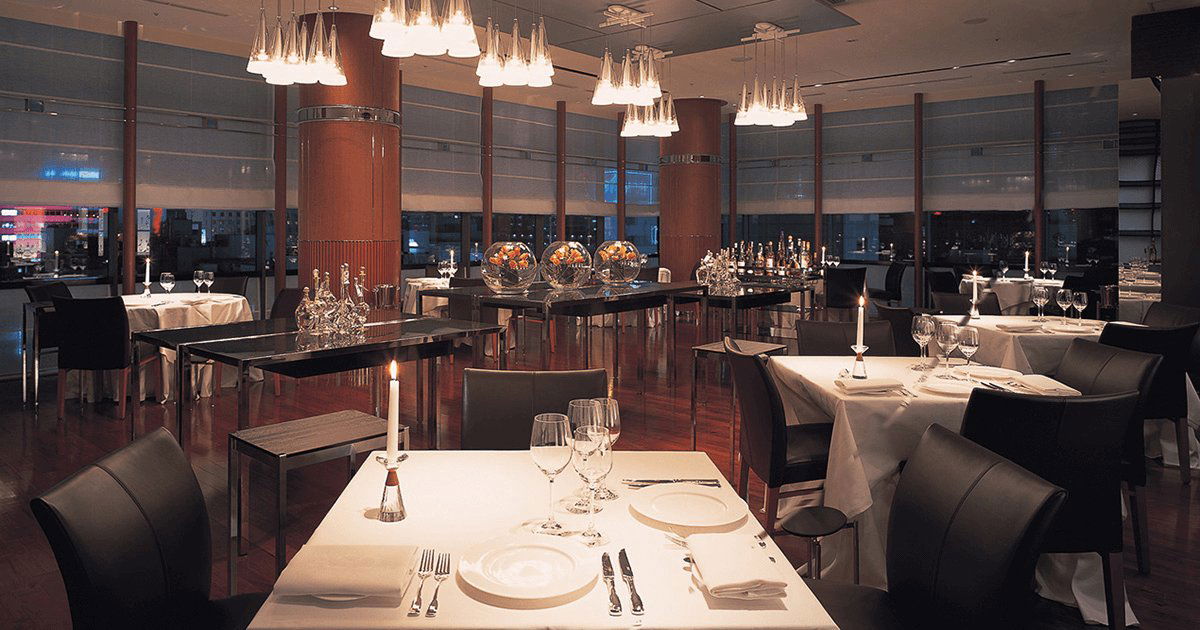
Argento occupies a split-floor position across the 8th and 9th levels of ZOE Ginza, a building in the 3-chome block of Ginza — the heart of Tokyo's luxury retail and dining strip. The multi-floor format suggests a room designed with some visual intention: venues that take two floors in a Ginza tower tend to use the split for distinct dining and lounge spaces, or to separate a bar program from a main dining room. Whether Argento follows that pattern is not confirmed, but the address and building positioning indicate a formal dining register rather than a casual one.
The name itself, Italian for silver, and the Ginza location , a neighbourhood whose name literally translates to silver mint , form a deliberate pairing. That alignment suggests the concept was built around the address rather than dropped into it, which tends to mean more considered design and a room worth arriving early to appreciate. Ginza's dining circuit leans toward precision and presentation, and venues here are held to a higher standard of finish by the neighbourhood's own clientele.
For wine-focused explorers, the Ginza location is a practical advantage. The area is well-served by Ginza Station on the Tokyo Metro, making it accessible from most central Tokyo hotels without a long transfer. If you are building a wine-forward evening in Tokyo, the neighbourhood's broader restaurant density means you can pair dinner here with drinks before or after at a number of serious bar programs nearby. See our full Tokyo bars guide for options within reach.
Wine Program Context
Without confirmed wine list data, what can be said is this: the venue name and Ginza positioning both signal ambition in the wine direction. In Tokyo's fine-dining tier, the gap between venues with serious wine programs and those with decorative lists is significant. At the leading end , venues like L'Effervescence and Sézanne , the wine list is curated with the same editorial intent as the menu, with depth in Burgundy and Champagne and increasingly strong Japanese natural wine selections. If Argento is pitching itself at that tier, the pairing of a strong list with a Ginza room would be a clear value proposition. Verify the wine offer before booking if that is your primary reason for going.
Booking & Logistics
Booking difficulty is rated easy, which is useful context in a city where the top-tier reservations , Harutaka, RyuGin , require weeks of lead time and often a Japanese-language contact. Argento's relative accessibility makes it a practical option for visitors who did not plan months ahead. Phone and website details are not confirmed in our current data; approach via the ZOE Ginza building contact or check current listings for direct reservation options.
Practical Details
| Detail | Argento | L'Effervescence | RyuGin |
|---|---|---|---|
| Location | Ginza, Chuo City | Nishi-Azabu | Roppongi |
| Price range | Not confirmed | ¥¥¥¥ | ¥¥¥¥ |
| Booking difficulty | Easy | Moderate | Hard |
| Wine program focus | Suggested by concept | Strong | Strong |
| Floor/setting | 8F/9F tower | Garden-level townhouse | Tower, city views |
Dietary Restrictions
No confirmed information is available on how Argento handles dietary requirements. The venue's current data record does not include menu structure, cuisine type, or service policies. Contact the venue directly before booking if dietary needs are a factor , this is especially important in Tokyo's fine-dining tier, where tasting menus often have limited substitution flexibility. Venues like Crony and L'Effervescence are known to accommodate dietary requests with advance notice, and may be safer choices if flexibility is required.
Explore More in Tokyo and Beyond
- Our full Tokyo restaurants guide
- Our full Tokyo hotels guide
- Our full Tokyo bars guide
- Our full Tokyo wineries guide
- Our full Tokyo experiences guide
Worth Visiting Elsewhere in Japan
- HAJIME in Osaka , progressive French-Japanese, Michelin three-star
- Gion Sasaki in Kyoto , kaiseki with serious seasonal depth
- akordu in Nara , European technique, strong wine focus
- Goh in Fukuoka , inventive Japanese, growing reputation
- 1000 in Yokohama , worth the short trip from central Tokyo
- Abon in Ashiya , intimate, wine-driven dining near Kobe
International Comparisons
For wine-forward dining at a comparable register internationally, Le Bernardin in New York City and Lazy Bear in San Francisco both offer strong programs where the list is built to match the food rather than simply accompany it.
Compare Argento
| Venue | Cuisine | Awards | Booking Difficulty | Value |
|---|---|---|---|---|
| Argento | Easy | — | ||
| Harutaka | Sushi | Michelin 3 Star, World's 50 Best | Unknown | — |
| L'Effervescence | French | Michelin 3 Star, World's 50 Best | Unknown | — |
| RyuGin | Kaiseki, Japanese | Michelin 3 Star, World's 50 Best | Unknown | — |
| Crony | Innovative, French | Michelin 2 Star, World's 50 Best | Unknown | — |
| Den | Innovative, Japanese | Michelin 2 Star, World's 50 Best | Unknown | — |
What to weigh when choosing between Argento and alternatives.
More restaurants in Tokyo
- SézanneOccupying the seventh floor of the Four Seasons Hotel Tokyo at Marunouchi, Sézanne earned its first Michelin star within months of opening in July 2021 and now holds three. British chef Daniel Calvert applies French technique to Japanese ingredients, producing a prix-fixe format that Tabelog has recognised with Silver awards every year from 2023 through 2026. It ranked 4th in Asia's 50 Best Restaurants in 2025 and 15th globally in 2024.
- SazenkaSazenka is the address for Chinese cuisine in Tokyo at its most technically demanding. Chef Tomoya Kawada's wakon-kansai approach — Japanese seasonal ingredients applied through Chinese culinary technique — has earned consecutive Tabelog Gold Awards from 2019 to 2026, a #71 ranking on the World's 50 Best 2025, and 99 points from La Liste 2026. At JPY 50,000–59,999 per head, it is one of the hardest tables in the city to book and worth the effort.
- NarisawaNarisawa is Tokyo's most credentialled innovative tasting menu restaurant — two Michelin stars, Asia's 50 Best number 12, and a Tabelog Silver award — running at JPY 80,000–99,999 per head. Book for a milestone occasion, confirm vegetarian or vegan needs in advance, and reserve at least two to three months out. With 15 seats and reservation-only access, this is one of Tokyo's hardest tables to secure.
- FlorilègeFlorilège delivers two Michelin stars and an Asia's 50 Best #17 ranking at a dinner price of ¥22,000 — competitive for Tokyo at this level. Chef Hiroyasu Kawate's plant-forward tasting menus around an open-kitchen counter at Azabudai Hills make this the strongest choice for contemporary French dining in Tokyo if theatrical, produce-led cooking is what you want. Book well in advance; availability is near-impossible at short notice.
- DenDen holds two Michelin stars, a World's 50 Best top-25 Asia ranking, and a Tabelog Silver Award running back to 2017 — and it books out within hours of the two-month reservation window opening. Chef Zaiyu Hasegawa's daily-changing seasonal omakase runs JPY 30,000–39,999 at dinner in a relaxed house-restaurant setting near Gaiemmae. Book by phone only, noon–5 PM JST. Lunch is irregular; plan around dinner.
- MyojakuMyojaku is a 2-Michelin-star, 14-course French-leaning omakase in Nishiazabu holding a 4.47 Tabelog score, Tabelog Silver 2025–2026, and Asia's 50 Best #45 (2025). Chef Hidetoshi Nakamura's water-forward, no-dashi approach shifts meaningfully with the seasons — making timing your reservation as important as getting one. Budget JPY 50,000–59,999 per head plus 10% service charge; reservations only, near-impossible to secure.
Related editorial
- Best Fine Dining Restaurants in ParisFrom three-Michelin-star icons to the next generation of Parisian chefs pushing boundaries, these are the restaurants that define fine dining in the world's culinary capital.
- Best Luxury Hotels in RomeFrom rooftop terraces overlooking ancient ruins to Michelin-starred hotel dining, these are the luxury hotels that make Rome unforgettable.
- Best Cocktail Bars in KyotoFrom sleek lounges to hidden speakeasies, Kyoto's cocktail scene blends Japanese precision with global influence in ways you won't find anywhere else.
Save or rate Argento on Pearl
Keep this venue in your Pearl passport, rate it after you visit, and track it alongside every other place you collect.