Octavin
Creative · heart of Arezzo, Arezzo
Restaurant in Arezzo, Italy
 Book with Pearl
The Read
Provincial Ingredient Recovery
Price
€€€€
Dress
Smart Casual
Why go
Octavin holds a Michelin star (2024) and just 20 seats in a stone palazzo on one of Arezzo's quieter streets. Chef Luca Fracassi cooks creative Italian built around foraged, forgotten, and regional ingredients — technically precise, genuinely local, and unlike anything else in the city. Book four to six weeks out for weekends; this is one of the harder reservations in Tuscany outside Florence.
About Octavin
Octavin, Arezzo: The Verdict
If you have been to Octavin before, the reason to return is the same reason you went the first time: Luca Fracassi is cooking a style of creative Italian that Arezzo simply does not have a second example of. A Michelin star since 2024, 20 seats, and operating hours that close at 9 PM sharp mean this is a restaurant you plan around, not stumble into. Book at least three to four weeks out for dinner, more if you are targeting a Friday or Saturday. This is one of the harder reservations in Tuscany outside Florence, and it earns that difficulty.
The Room
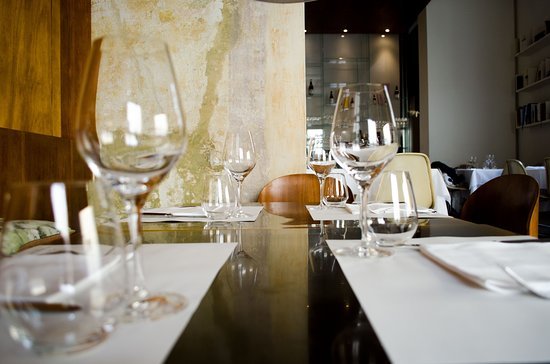
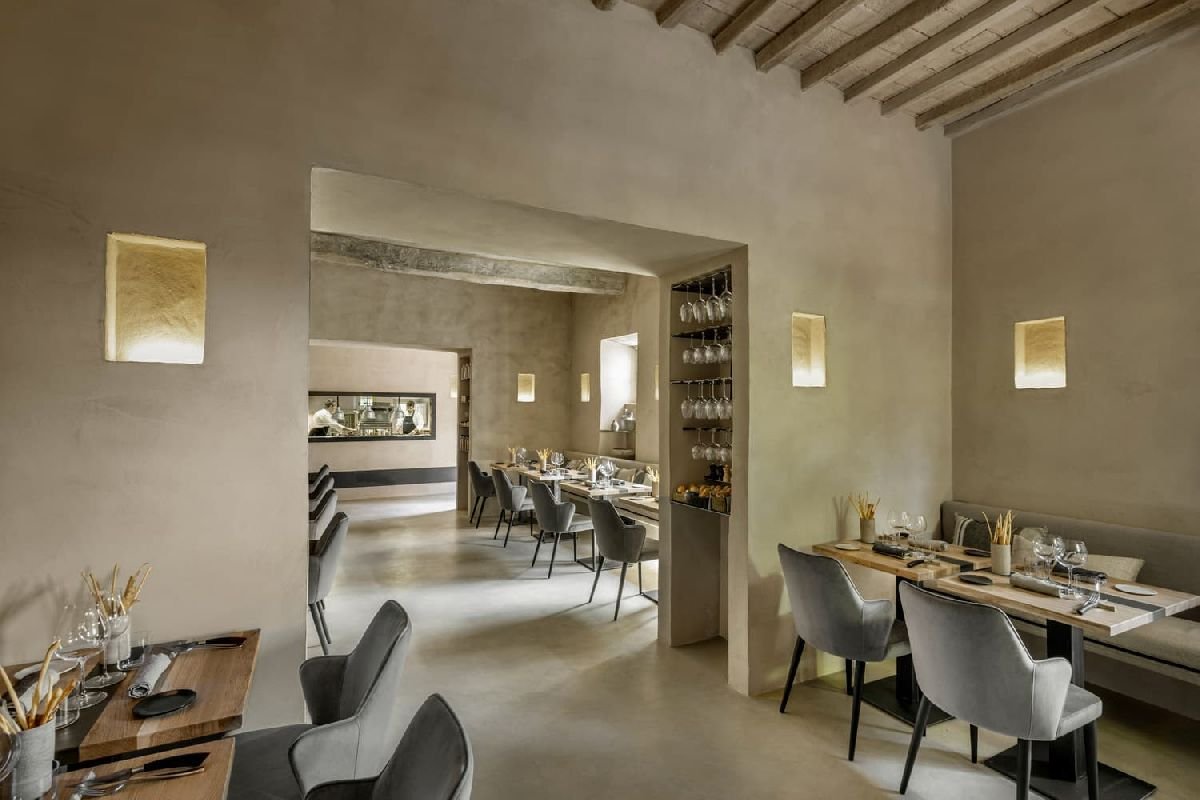
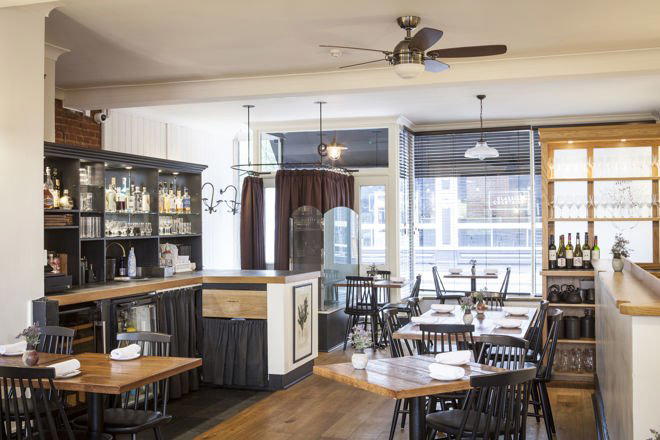
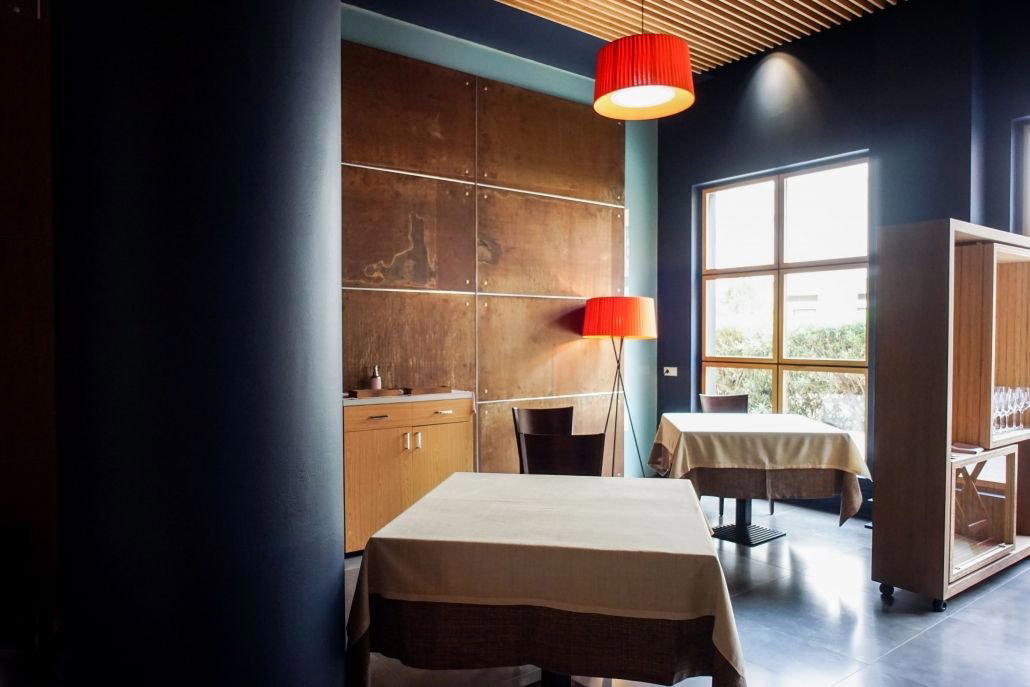
The address on Scalinata Camillo Berneri puts you on one of Arezzo's quieter stepped streets, and the room reflects that register. Two small dining rooms on the ground floor of an old palazzo, connected by a stone arch, with 20 seats distributed between them. Materials throughout are stone, wood, and iron at the tables; glass in the mirrors and wine bottles on display; paper in books tucked into small wall niches. The effect is closer to a considered private home than a formal restaurant. Noise levels stay low enough for conversation even when the room is full, which at 20 covers it almost always is. The large counter near the entrance, separated by an arch from the recently restructured kitchen, is worth requesting if you are dining solo or as a couple and want proximity to the kitchen's activity without the formality of a set table.
For a special occasion, the atmosphere delivers on the promise of the price tier. This is not a room that performs intimacy; it actually has it. Compared to the more conventional trattoria settings you will find across the rest of Arezzo's dining scene, Octavin's interior reads as deliberately considered. If the occasion matters, this is the right physical setting for it in this city.
The Food and Format
Fracassi's cooking draws on the varied geography of Arezzo province as its primary source material, with an explicit commitment to zero waste and the revival of ingredients that urban restaurant culture tends to ignore: snails, game, wild-foraged elements, preparations rooted in techniques that predate modern Tuscan cooking. The influence is regional but the approach is creative, with occasional Eastern culinary references woven in without disrupting the coherence of what is fundamentally a hyper-local project.
The cuisine sits at the intersection of modern technique and forgotten flavour, which means you are not getting a greatest-hits tour of Tuscan classics. If that is what you want, Osteria Grande or Le Chiavi d'Oro will serve you better at a lower price point. Octavin is for diners who want to understand what Arezzo's landscape actually produces, cooked with technical precision and a point of view.
The price range is €€€€. At this tier in a mid-sized Tuscan city, value is measured differently than in Florence or Milan. For context, a starred meal at Enoteca Pinchiorri in Florence operates at a significantly higher absolute price point. Octavin's four-symbol pricing in Arezzo represents a serious spend for the city, but positioned against comparable creative one-star experiences elsewhere in Italy — Osteria Francescana in Modena, Piazza Duomo in Alba, or Le Calandre in Rubano — it is a notably accessible price of entry for this level of cooking.
Lunch vs. Dinner: What the Format Delivers
Octavin operates both lunch (12:30–2:00 PM) and dinner (7:30–9:00 PM) Tuesday through Sunday, with Wednesday as the only full closure. The lunch service is worth serious consideration, particularly for visitors building a day around Arezzo's historic centre. The room is smaller and more intimate at lunch, the energy quieter. If your visit to Arezzo is a day trip or a single-night stay, booking the Saturday lunch allows you to arrive at the restaurant directly after a morning in the city and still have the afternoon free. Dinner is the more atmospheric choice for a date or celebration, but the 9 PM last-order window means you need to plan the evening around the restaurant rather than using it as a late anchor.
For weekend visitors specifically, Saturday lunch at Octavin is a structurally sound way to access the restaurant's full format without the booking competition that Friday and Saturday dinner attracts. The service window is tight at 90 minutes, so this is not a drawn-out occasion meal in the way that a multi-hour dinner would be, factor that into your planning if you want the full experience without a sense of time pressure.
Booking and Logistics
With 20 covers and a Michelin star awarded in 2024, demand has increased faster than capacity can absorb. Book three to four weeks in advance as a minimum; six weeks is safer for Saturday dinner. The restaurant is closed on Wednesdays. No website or phone is listed in our current data, so check reservation platforms directly or contact the restaurant via its listed address on Scalinata Camillo Berneri, 2, Arezzo. Hours run 12:30–2:00 PM for lunch and 7:30–9:00 PM for dinner across the open days.
Dress code information is not confirmed in our data, but at the €€€€ price point and Michelin one-star level, smart casual is the safe baseline. This is not a room where casual resort wear will feel right; the space itself signals that a degree of consideration is appropriate.
For broader Arezzo trip planning, see our full Arezzo restaurants guide, our Arezzo hotels guide, our Arezzo bars guide, our Arezzo wineries guide, and our Arezzo experiences guide.
Quick reference: Michelin 1 Star (2024) | 20 seats | €€€€ | Lunch 12:30–2 PM, Dinner 7:30–9 PM | Closed Wednesday | Book 4–6 weeks out for weekends.
FAQ
What should a first-timer know about Octavin?
- This is a 20-seat, one-Michelin-star creative restaurant in central Arezzo, not a conventional Tuscan trattoria. The kitchen works with regional, often foraged and forgotten ingredients, game, snails, wild elements, combined with modern technique. Expect a considered tasting-format meal, not a la carte flexibility. Book well in advance; walk-ins are not a realistic option. The lunch service on weekdays or Saturday is a practical entry point if weekend dinner slots are already full.
Is Octavin worth the price?
- At €€€€ in Arezzo, yes, if creative cooking with a genuine regional identity is what you are after. Positioned against comparable one-star creative restaurants elsewhere in Italy, Octavin's price point is accessible. If you want solid Italian food in Arezzo at a lower spend, Le Chiavi d'Oro at €€ is the more sensible choice. But Octavin is not trying to compete with that category, and the value case is strong at the level it is operating.
What are alternatives to Octavin in Arezzo?
- For a step down in price and formality with still-credible cooking, Osteria Grande (€€€, Italian Contemporary) is the closest alternative in ambition. For something more casual and accessible, Le Chiavi d'Oro (€€, Modern Cuisine) and Saffron (€€, Seafood) are easier to book and easier on the budget. 'O Scugnizzo is worth checking if you want a more relaxed evening. None of them operate at Octavin's level of creative ambition, but they are all solid options for different meal occasions.
Is Octavin good for solo dining?
- The large counter near the entrance is a practical option for solo diners and arguably the leading seat in the room for watching the kitchen's work. At €€€€, solo dining here is a considered spend, but the 20-seat room and calm atmosphere make it less self-conscious than many formal restaurants at this price level. It compares well to solo dining experiences at places like Atelier Moessmer Norbert Niederkofler in Brunico in terms of the intimacy of the setting. Request the counter when booking.
What should I wear to Octavin?
- No dress code is officially confirmed, but the combination of a Michelin star, a €€€€ price point, and a minimalist palazzo setting means smart casual is the practical minimum. Avoid overly casual clothing. The room's aesthetic, stone, iron, considered details, signals that some degree of dressing up is appropriate, even if a jacket is not strictly required. Think dinner-smart rather than black-tie.
Planning details
- Hours
- Monday: 12:30 PM-2 PM 7:30 PM-9 PM · Tuesday: 12:30 PM-2 PM 7:30 PM-9 PM
- Location
- Scalinata Camillo Berneri, 2, 52100 Arezzo AR, Italy
- Website
- octavin.it
- Phone
- +39 0575 343521
The take
The Take
The Vibe
Octavin occupies a discreet ground-floor room in an Arezzo palazzo, reached by a quiet stairway that threads the old city. Two small rooms linked by a stone arch, stone walls, iron-legged tables and books tucked into wall niches give the space the feel of a private library rather than a showy dining set. With just twenty seats and a prominent counter that frames the kitchen, the room feels restrained and intensely personal: an environment where character is accumulated rather than manufactured, and where the quiet, classic setting prepares you for a measured, serious meal.
Best For
Octavin is geared toward diners who want a considered, restaurant-length tasting experience rooted in regional ingredient work. The kitchen’s 2024 Michelin star and the counter-seated format make it an especially good fit for date nights and small special-occasion dinners, when the pacing of a meal is part of the pleasure. Because courses are deliberately spaced and the service is choreographed around twenty guests, it rewards those who seek a slow, attentive sequence of creative dishes rather than a quick, casual outing in the city.
Ordering Tips
Embrace the tasting-menu rhythm: the write-up highlights Italian creative tasting menus and explicitly notes that the pace of the meal is part of the design. With seating concentrated at a counter for twenty and a kitchen visible yet separated, expect deliberate pauses between courses and a tightly programmed sequence. The experience is presented as a ritual, so let the kitchen set the order and timing of dishes; this is a service that prioritizes cohesion and the unfolding logic of each course over à la carte spontaneity.
Venue details
Ambiance
Cozy intimate dining room with quiet exclusive atmosphere soft lighting and focus on personalized service.
Tags
Vibe
Best For
Experience
Sourcing
At the Table
- Dress Code
- Smart Casual
- Noise Level
- Quiet
- Service Style
- Formal
- Meal Pacing
- Leisurely
- Capacity
- Intimate
Know before you go
Know Before You Go
- Getting there
- Scalinata Camillo Berneri, 2, 52100 Arezzo AR, Italy
Planning details
Hours
- Monday
- 12:30 PM-2 PM 7:30 PM-9 PM
- Tuesday
- 12:30 PM-2 PM 7:30 PM-9 PM
- Wednesday
- closed
- Thursday
- 12:30 PM-2 PM 7:30 PM-9 PM
- Friday
- 12:30 PM-2 PM 7:30 PM-9 PM
- Saturday
- 12:30 PM-2 PM 7:30 PM-9 PM
- Sunday
- 12:30 PM-2 PM 7:30 PM-9 PM
Location
Recognition and awards
Also consider
Also Consider
- Le Chiavi d'Oro, Modern Cuisine, €€
- Osteria Grande, Italian Contemporary, €€€
- Saffron, Seafood, €€
- ‘O Scugnizzo, Notable alternative
Restaurant context
Octavin is the only Michelin-starred restaurant currently operating in Arezzo, which gives it an automatic position at the top of the city's dining hierarchy, but that position comes with a €€€€ price tag and a booking difficulty that rules it out for spontaneous evenings. If you are spending a single night in Arezzo and want to eat well without the planning overhead, Osteria Grande (€€€, Italian Contemporary) is the most sensible alternative: lower price, easier to book, and competent modern Italian cooking without the creative-restaurant format constraints.
For value-focused diners, both Le Chiavi d'Oro (€€, Modern Cuisine) and Saffron (€€, Seafood) offer accessible meals without the commitment of a multi-course tasting format at Octavin's price point. Le Chiavi d'Oro in particular suits diners who want contemporary cooking in a less formal register. 'O Scugnizzo is worth considering if you want a relaxed, informal evening after a full day of sightseeing and have no appetite for a structured meal.
The decision comes down to intent. If you are in Arezzo specifically to eat at a serious level, Octavin is the only option in the city that competes with what you would find at one-star creative restaurants in larger Italian cities. If Arezzo is a stop on a broader itinerary that already includes Florence or another major culinary destination, scaling down to Osteria Grande or Le Chiavi d'Oro is entirely reasonable and will not feel like a compromise. Octavin is the right call for a dedicated special occasion or a food-first visit to the city; the others are the right call for everything else.
Explore Arezzo
Around this place
Discover more on Pearl
Unlock the full Octavin guide in Pearl, including awards, comparisons, FAQs, planning details, and nearby places.
Compare Octavin
| Venue | Location | Cuisine | Awards | Price |
|---|---|---|---|---|
| Octavin | Arezzo | Creative | 2026 Michelin 1 Star2025 Michelin 1 Star2024 Michelin 1 Star | €€€€ |
| Le Chiavi d'Oro | Arezzo | Modern Cuisine | 2026 Michelin Plate2025 Michelin Plate2024 Michelin Plate | €€ |
| Osteria Grande | Arezzo | Italian Contemporary | 2026 Michelin Plate2025 Michelin Plate2024 Michelin Plate | €€€ |
| Saffron | Arezzo | Seafood | 2026 Michelin Plate2025 Michelin Plate2025 Forbes 4-Star2024 Michelin Plate | €€ |
| ‘O Scugnizzo | Arezzo | 2025 50 Top Pizza Italy · #302025 50 Top Pizza World Best Pizza · #75 | , | , |
.png?width=1200&quality=80)


How Octavin Arezzo compares with similar nearby venues.
FAQ
Frequently Asked Questions
What should a first-timer know about Octavin?
Octavin holds a 2024 Michelin star and seats only 20 people, so availability is tight — book three to four weeks ahead. Chef Luca Fracassi cooks a creative, regionally rooted style that revives forgotten Arezzo-province ingredients like snails and game alongside modern technique. The format is intimate and unhurried across two small dining rooms in a ground-floor palazzo, so this is not a quick dinner; plan for a full sitting window of 12:30–2:00 PM or 7:30–9:00 PM.
Is Octavin worth the price?
At €€€€ pricing with a 2024 Michelin star and only 20 covers, Octavin is positioned at the serious end of the Arezzo dining spectrum and delivers accordingly. The case for spending that much rests on Fracassi's zero-waste, ingredient-led cooking that you are unlikely to find replicated elsewhere in the province. If you are after a standard Tuscan trattoria experience, this is the wrong room; if you want a single-chef tasting-format dinner with a clear culinary point of view, the price holds up.
What are alternatives to Octavin in Arezzo?
Le Chiavi d'Oro is the closest peer in terms of considered cooking within Arezzo's historic centre. For a lower-commitment evening, Osteria Grande offers a more traditional format at a lower price point. Saffron and O Scugnizzo cover different bases — the latter skewing toward Neapolitan influences — so the right alternative depends on whether you want to stay in the creative Italian lane or shift registers entirely.
Is Octavin good for solo dining?
The large counter at the entrance — separated from the two main dining rooms by an arch — makes Octavin a practical solo option, as counter seats at Michelin-starred restaurants typically carry less booking friction than table seats for one. With only 20 covers total, solo diners should still book in advance rather than assuming the counter is walk-in territory. The intimate, quiet register of the room suits solo dining more than a lively group setting would.
What should I wear to Octavin?
The room is described as warm, intimate, and unfussy — a minimalist palazzo space with stone, wood, and iron rather than white tablecloths and formal service trappings. That signals neat, considered dress rather than a jacket-required formality; think clean, put-together clothes appropriate for a Michelin-starred dinner in a small Italian city. Overdressing is unlikely to be an issue, but arriving in casual tourist gear would feel out of register with the room and the €€€€ price point.