

Yamazato
€€€€ · Japanese · Lizzy Ansinghbuurt, Amsterdam
Restaurant in Amsterdam, Netherlands
The Read
First Kaiseki Star Outside Japan
Price
€€€€
Chef
Masanori Tomikawa
Why go
Yamazato holds a historically significant Michelin star as the first traditional kaiseki restaurant outside Japan to earn one. Chef Masanori Tomikawa's restrained, technique-driven cooking is the right choice for a formal special occasion dinner in Amsterdam. Book if kaiseki is specifically what you want; look elsewhere for a more flexible high-end format.
About Yamazato
Verdict: A historic kaiseki restaurant that earns its Michelin star; but you need to understand what you're booking
The most common mistake first-timers make with Yamazato is treating it like a high-end Japanese restaurant in the Western mould. It is not a sushi counter, not a robatayaki bar, not a contemporary Japanese fusion experience. Yamazato is a traditional kaiseki restaurant, it earned its place in history by becoming the first kaiseki restaurant outside Japan to receive a Michelin star. If kaiseki is what you want, this is the address in Amsterdam. If you want something more accessible or informal, you are looking at the wrong venue.
What Yamazato actually is
Located at Ferdinand Bolstraat 333 in Amsterdam's De Pijp district, Yamazato operates under chef Masanori Tomikawa and opens only for dinner: Monday, Thursday, Friday, Saturday, Sunday from 6 PM to 8 PM. Tuesday and Wednesday the restaurant is closed. Those hours are narrow, which matters for planning: this is not a venue you drop into mid-week on a whim. The dinner window is tight at two hours, which reflects the disciplined, structured nature of kaiseki service itself.
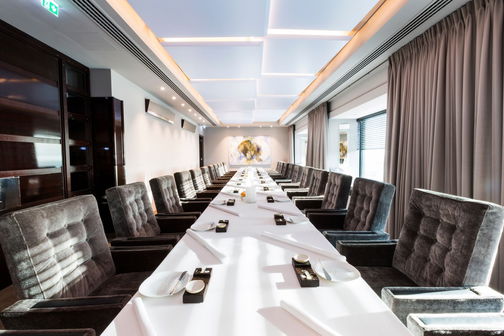
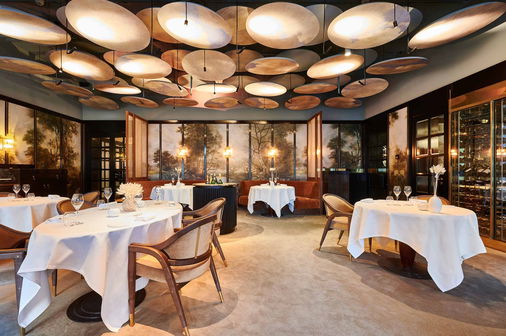
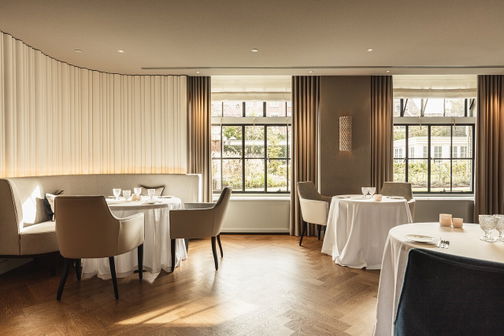
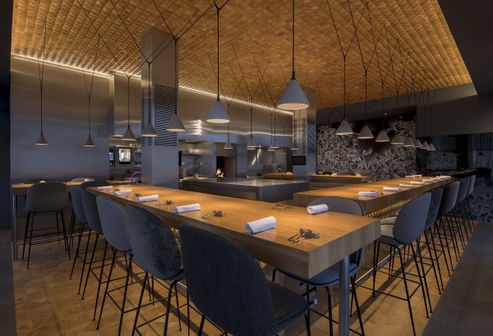
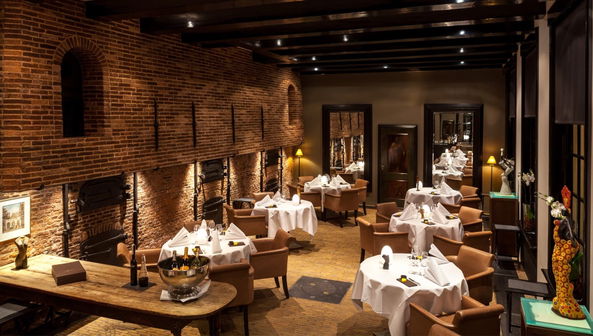
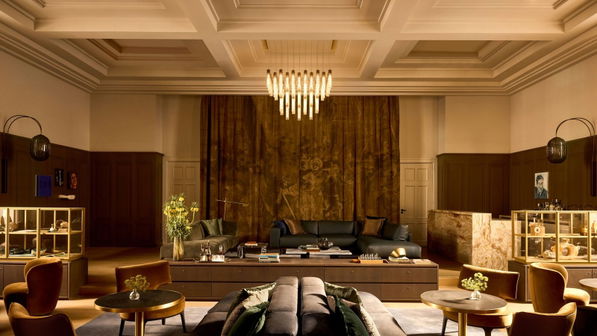
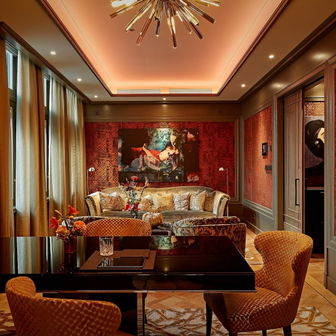
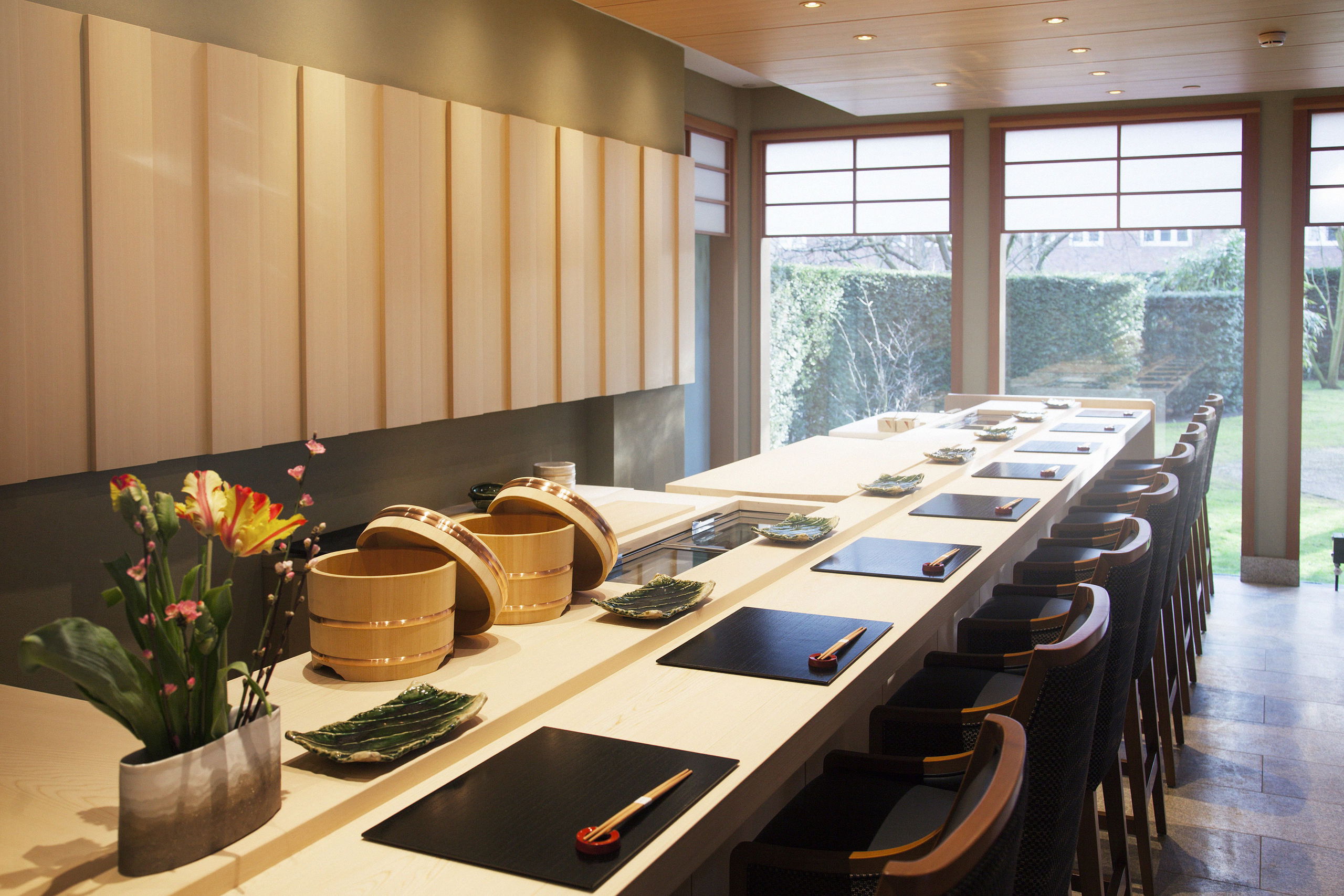
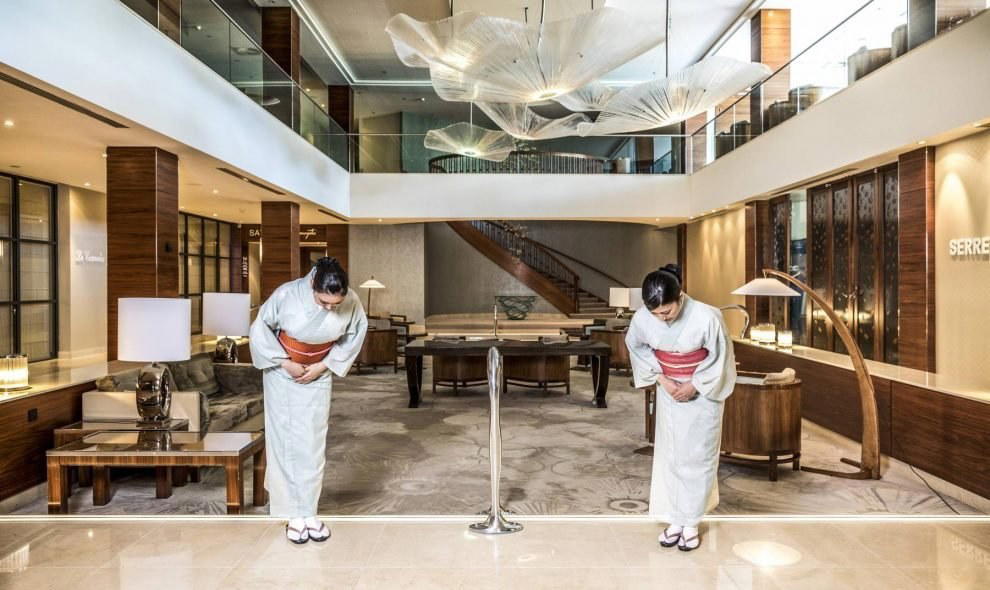
The restaurant sits within Hotel Okura Amsterdam, which shapes the atmosphere in predictable ways. The room carries the calm precision you would expect from a Japanese hotel property: natural wooden hues, a visible Japanese garden, staff dressed in traditional kimonos and yukata. The ambient feel is quiet, deliberately unhurried, insulated from the street noise of De Pijp outside. If you are looking for energy and buzz, this is the wrong room. If you are looking for a dinner where the setting actively supports the food, Yamazato delivers that coherently.
For special occasions, the combination of the Michelin star, the formal service register, the considered atmosphere makes a strong case. This is a restaurant that signals occasion without theatrics. A business dinner here reads as confident and considered. A celebration dinner here reads as genuinely special rather than merely expensive.
The food and what Michelin recognised
Tomikawa's cooking is built around restraint and technical depth rather than spectacle. The Michelin record points to dishes like thinly sliced sea bream sashimi, precisely cut tuna sashimi, a green bean soup that reads simple but delivers structural complexity, a hollowed persimmon filled with Japanese scallops, maitake mushroom, a gratinated mousse of egg, lotus root and dashi. These are not dishes designed to photograph dramatically. They are dishes designed to demonstrate what kaiseki actually is: a sequence of courses calibrated in flavour, texture, season, where ingredients are shown in their most direct form.
Ingredients are frequently sourced directly from Japan, which at the €€€€ price point is part of what you are paying for. This is not a restaurant trying to localise or reinterpret kaiseki for a European palate. It maintains the format and philosophy intact, which is exactly what earned it the first-ever Michelin star for a traditional kaiseki restaurant outside Japan. That credential matters because it is historically specific, not just a marketing claim.
On the question of takeout and delivery
Yamazato is not a restaurant to consider for takeout or delivery. Kaiseki is a sequenced, time-sensitive format: the owan (Japanese soup) course, the sashimi, the grilled and simmered courses each arrive in a precise order, at precise temperatures, in vessels chosen to reflect the season. None of that survives a delivery window. The minimalist plating, the lacquerware, the measured pacing of service are structural to the experience, not decorative additions. If you want Japanese food that travels well in Amsterdam, this is not where to look. Yamazato belongs in the category of restaurants where the room and the service are inseparable from what you are eating.
Booking and practical details
Booking at Yamazato is rated easy relative to other Michelin-starred restaurants in Amsterdam, which is a meaningful advantage. The narrow weekly schedule (five evenings, two hours per service) means availability can tighten quickly around weekends and public holidays, so booking a week or two ahead for a Friday or Saturday is sensible. For a weekday dinner (Monday or Thursday), same-week availability is more realistic. Dress code is not confirmed in available data, but the formal register of a Michelin-starred kaiseki restaurant within a hotel property suggests smart dress is appropriate.
For context on Amsterdam's wider dining scene, see our full Amsterdam restaurants guide, our full Amsterdam hotels guide, and our full Amsterdam bars guide. If you are planning a broader trip, our full Amsterdam experiences guide and our full Amsterdam wineries guide are also worth consulting.
How it sits in the Netherlands
Yamazato is the only kaiseki restaurant in the Netherlands with a Michelin star, which makes peer comparison within the country somewhat academic. For other Michelin-level experiences in the Netherlands worth knowing about: De Librije in Zwolle operates at the three-star level and is the country's most decorated kitchen; Aan de Poel in Amstelveen is the closest geographically and offers a different register entirely. Further afield, Inter Scaldes in Kruiningen, De Nieuwe Winkel in Nijmegen, De Lindenhof in Giethoorn, and Tribeca in Heeze round out the country's serious dining options. For kaiseki specifically at the Michelin level in other European cities, Toki in Madrid is worth noting, though it operates in a different style. Nobu Budapest sits at the same price tier but is a fundamentally different category of Japanese dining.
Who should book
Book Yamazato if: you specifically want kaiseki, you are marking a special occasion and want a quiet, formally structured dinner, or you want to experience the restaurant that put traditional Japanese kaiseki on the Michelin map outside Japan. Compare it against Amsterdam's other €€€€ options; Ciel Bleu, Flore, Spectrum, Vinkeles, and the distinction is clear: those are all European or creative formats. Yamazato is doing something structurally different. If that difference is what you are after, it is the right call. If you want a more flexible or interactive high-end dinner, Bistro de la Mer or one of the creative European options will serve you better.
Located inside
 HotelHotel Okura AmsterdamFull hotel guide
Planning details
- Hours
- Monday: 6 PM-8 PM · Tuesday: closed
- Location
- Ferdinand Bolstraat 333, 1072 LH Amsterdam, Netherlands
- Website
- okura.nl/yamazato
- Phone
- +31 20 678 8300
The take
The Take
The Vibe
Yamazato presents a restrained, purposeful interior where minimalist wooden tones and quiet attention replace theatrical décor. Staff in kimono and a visible Japanese garden reinforce a deep engagement with tradition, and the room’s design privileges focus over show. The experience reads as classic rather than contemporary reinterpretation: the restaurant delivers kaiseki in a manner that emphasises ceremony and sequence. The overall effect is serene and intimate—a place built for close attention to detail, where the architecture of the meal and the calm of the setting work together to foreground each finely paced course.
Best For
This is a destination for diners seeking a formal, ritualised tasting rather than casual plates. The codified kaiseki sequence and the restaurant’s quiet, focused atmosphere make it particularly well suited to special occasions or an attentive dinner for two. It rewards guests who want a measured, multi-course progression and who appreciate cultural fidelity—service and dress underscore the seriousness of the format. Expect a composed, contemplative evening rather than a rowdy group outing; the setting privileges calm, concentration and the slow reveal of a carefully ordered meal.
Ordering Tips
Yamazato centres its meal on the kaiseki sequence, so the clearest way to experience the cuisine is to follow the ordered progression as presented. The text notes the importance of sequence—courses move through flavour registers, textures and temperatures—and highlights the owan (soup) as an anchoring element that often features white fish. Approach the meal with patience and attention; letting each course lead to the next reveals the cumulative logic of kaiseki and is the most faithful way to appreciate the restaurant’s disciplined structure.
Planning details
Hours
- Monday
- 6 PM-8 PM
- Tuesday
- closed
- Wednesday
- closed
- Thursday
- 6 PM-8 PM
- Friday
- 6 PM-8 PM
- Saturday
- 6 PM-8 PM
- Sunday
- 6 PM-8 PM
Location
Ferdinand Bolstraat 333, 1072 LH Amsterdam, Netherlands · Directions
Recognition and awards


Also consider
Also Consider
- Ciel Bleu; €€€€ · Creative, €€€€
- Bolenius; Modern Dutch, Creative, €€€€
- De Kas; €€€ · Organic, €€€
- Wils; €€€ · World Cuisine, €€€
- Ron Gastrobar; €€€ · Creative French, €€€
Restaurant context
How Yamazato Compares to Amsterdam's Other Top Restaurants
At the €€€€ tier in Amsterdam, Yamazato's closest direct competitor is Ciel Bleu, which holds two Michelin stars and operates a creative European format from a high floor with city views. If you want the highest technical ceiling in Amsterdam's fine dining scene with a more familiar Western menu structure, Ciel Bleu has the edge. Yamazato wins on atmosphere and conceptual consistency: the kaiseki format, the Japanese garden, the kimono-dressed staff, the hotel setting create a coherent experience that Ciel Bleu's contemporary approach does not attempt. For a special occasion where the room and format matter as much as the food, Yamazato is the stronger choice.
Bolenius sits in the Modern Dutch and creative space at the same price tier and is the better option if you want produce-driven cooking with a local identity. De Kas drops to €€€ and offers a greenhouse setting with organic, seasonal produce that makes it a compelling lunch or lighter dinner option. Neither is competing with Yamazato on format or ambition; they are simply different dining propositions. If budget is a factor, Wils and Ron Gastrobar at €€€ each offer serious cooking at a lower price point, with Ron Gastrobar being the most accessible entry point for creative fine dining in the city.
The decision comes down to what you want from the evening. For the most historically significant and culturally specific experience at the top end of Amsterdam dining, Yamazato is the clear recommendation. For more flexibility in menu format, a wider booking window, or a lower price point, Bolenius, De Kas, or Wils are practical alternatives. Yamazato is not the easiest or cheapest option in the category, but it is the only one doing what it does.
Around this place
Discover more on Pearl
Unlock the full Yamazato guide in Pearl, including awards, comparisons, FAQs, planning details, and nearby places.
Compare Yamazato
| Venue | Price | Booking Difficulty | Awards |
|---|---|---|---|
| Yamazato | €€€€ | Easy | 2026 OAD Top Restaurants in Europe Recommended2025 Michelin 1 Star2024 Michelin 1 Star |
| Ciel Bleu | €€€€ | Unknown | Star Wine Lists 2026 · #12026 OAD Classical in Europe Ranked · #662026 Wine Spectator Best of Award of Excellence2026 La Liste Top Restaurants2025 OAD Classical in Europe Ranked · #58We're Smart World Top Restaurants 20252025 La Liste Top Restaurants2025 The Best Chef One Knife2025 Michelin 2 Stars |
| Bolenius | €€€€ | Unknown | 2026 OAD Top Restaurants in Europe Recommended2025 OAD Top Restaurants in Europe Ranked · #611We're Smart World Top 100 2025We're Smart World Top Restaurants 20252025 Michelin 1 Star2024 Michelin 1 Star2023 OAD Top New Restaurants in Europe Recommended |
| De Kas | €€€ | Unknown | Star Wine Lists 20262026 OAD Casual in Europe Recommended2025 OAD Casual in Europe Ranked · #378We're Smart World Top Restaurants 2025We're Smart World Top 100 20252025 Michelin 1 Star2024 OAD Casual in Europe Ranked · #2502024 Michelin 1 Star2023 OAD Casual in Europe Highly Recommended |
| Wils | €€€ | Unknown | 2026 OAD Top Restaurants in Europe Recommended2025 OAD Top Restaurants in Europe Ranked · #612We're Smart World Top Restaurants 20252025 Michelin 1 Star2024 Michelin 1 Star |
| Ron Gastrobar | €€€ | Unknown | 2025 OAD Casual in Europe Ranked · #441We're Smart World Top Restaurants 20252025 Michelin 1 Star2024 OAD Casual in Europe Ranked · #4082024 Michelin 1 Star2023 OAD Casual in Europe Recommended |








A quick look at how Yamazato measures up.
FAQ
Frequently Asked Questions
Is Yamazato good for solo dining?
Solo dining works here if you are comfortable with a formal, quiet, sequenced dinner. Kaiseki is a structured format with multiple courses timed by the kitchen, so there is no awkwardness in eating alone; the meal sets its own pace. The minimalist decor and attentive service in traditional yukata create an atmosphere that does not punish a solo guest. That said, this is not a bar-counter social experience; come for the food, not the company.
Is Yamazato worth the price?
At the €€€€ price point, Yamazato justifies the spend if kaiseki is the format you want: it holds a Michelin star and is historically the first traditional kaiseki restaurant outside Japan to earn one. If you are looking for high-end Japanese food broadly, a kaiseki-focused multi-course dinner may not match what you had in mind, you would likely get more immediate satisfaction elsewhere. The value is real, but only if the format fits.
How far ahead should I book Yamazato?
Book at least two to three weeks ahead. Yamazato is rated relatively easy to book compared to other Michelin-starred restaurants in Amsterdam, but its schedule is narrow; dinner only, Monday and Thursday through Sunday, with a two-hour window each night. That limited availability compresses demand, so last-minute bookings are a risk, particularly on Fridays and Saturdays.
What should a first-timer know about Yamazato?
The format is kaiseki, not sushi or à la carte; expect a sequenced multi-course meal built around restraint and depth rather than bold flavours or theatrical presentation. The owan (Japanese soup) course is a fixture. Ingredients are frequently sourced from Japan. Service is formal, staff wear traditional kimonos, the restaurant looks onto a Japanese garden; the setting is deliberately tranquil. Come prepared to spend the full dinner window.
What are alternatives to Yamazato in Amsterdam?
For a different style of Michelin-recognised fine dining, Ciel Bleu at Hotel Okura offers French-influenced tasting menus with city views and is easier to approach for guests unfamiliar with Japanese formats. Bolenius and De Kas are strong options if you want produce-driven Dutch cooking rather than Japanese. Wils focuses on wood-fired modern cuisine. Ron Gastrobar is the accessible end of the spectrum; Gordon Ramsay-founded, bistro pricing, no tasting menu commitment required.
Is Yamazato good for a special occasion?
Yes, with the right expectations. The Michelin star, the formal service in traditional kimonos, the Japanese garden setting, the structured multi-course format make it a strong choice for a quiet, significant dinner. It is better suited to two guests than a large group, the occasion should call for calm rather than celebration; this is not a venue for toasts and noise.
Is the tasting menu worth it at Yamazato?
The kaiseki menu is the only real format here, so the question is less whether it is worth it and more whether kaiseki suits you. Michelin's recognition; specifically noting Masanori Tomikawa's technique in dishes like sea bream sashimi and the persimmon stuffed with scallops and maitake; confirms the cooking earns its price. If you want to choose individual dishes or eat informally, this is not the right setting; the sequenced menu is the point.