

Restaurant in Alameda, United States
Hang Ten Boiler
100Pearl PointsCasual Alameda pick
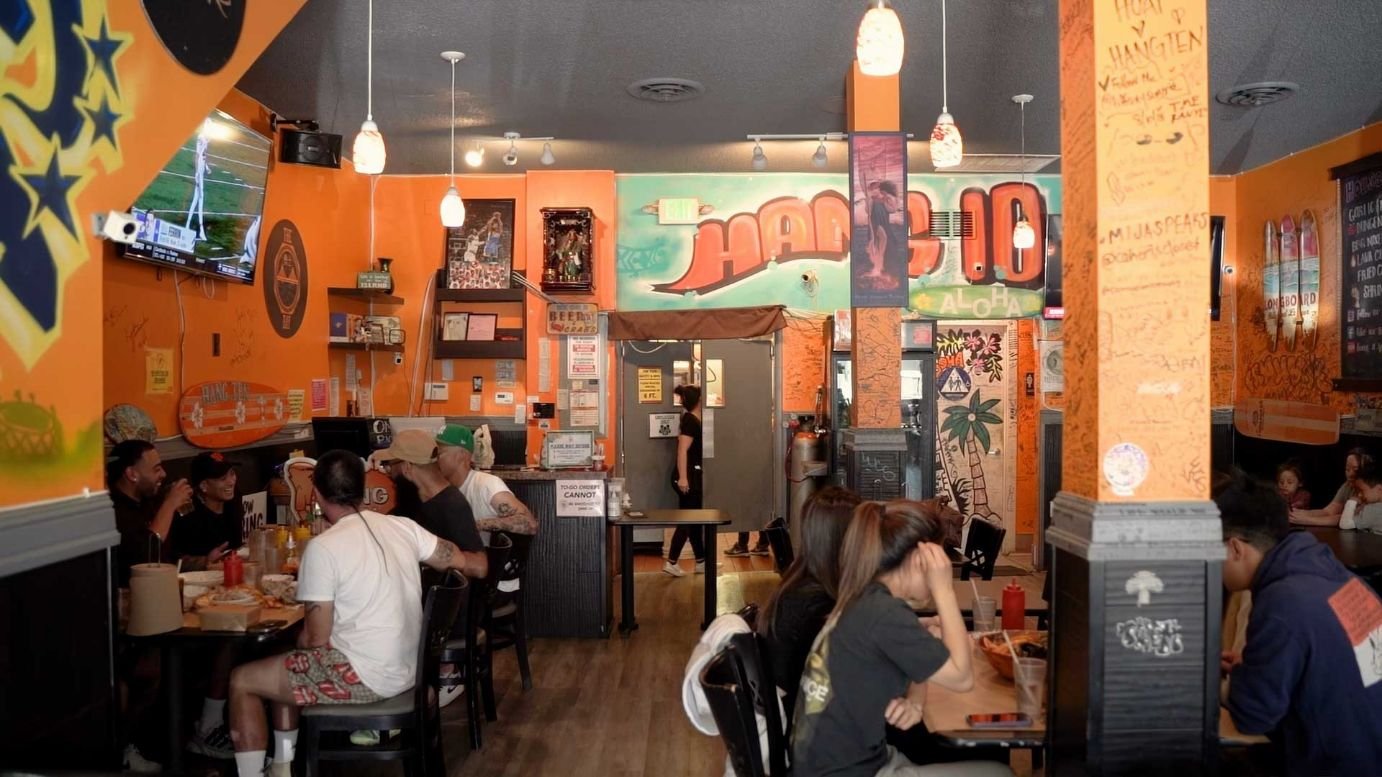
About Hang Ten Boiler
Hang Ten Boiler is a casual Alameda pick for diners who want an easy neighborhood meal rather than a formal destination booking. Cross-shop it against Utzutzu for a higher-end Japanese night, The Star on Park for group-friendly pizza, Burma Superstar for a more defined regional cuisine choice.
Hang Ten Boiler is a casual Alameda option with a direct verified profile: it is open daily from 11 AM to 9 PM, the dress code is casual. Beyond those basics, specific details such as menu style, pricing, chef information, seating, awards, service format are not verified here, so the safest way to frame it is as an easygoing Alameda stop rather than a destination defined by formal accolades or a documented specialty.
A relaxed Alameda choice for diners who want a casual option
Consider Hang Ten Boiler when the goal is a low-pressure outing in Alameda and the available facts you need are simple: daily 11 AM–9 PM hours and casual dress. The venue is not supported here by verified price tier, chef detail, award history, seating count, or menu specifics, so decisions should be based on timing, mood, whether a casual setting fits the occasion.
For a different kind of plan, Utzutzu, Burma Superstar, Ole's Waffle Shop, Yojimbo, The Star on Park are natural names to compare by occasion. Hang Ten Boiler's clearest verified appeal is practical: it is open every day from late morning through evening and keeps the dress code casual.
Where it fits in an Alameda crawl
Alameda rewards diners who cross-shop by mood, schedule, formality. Hang Ten Boiler belongs on the shortlist when daily hours and a casual setting are the deciding factors. If the group needs a different atmosphere, compare it with Burma Superstar, Ole's Waffle Shop, The Star on Park, Utzutzu, or Yojimbo.
The practical verdict: choose Hang Ten Boiler when convenience, Alameda location, casual dress matter more than a documented chef profile, award trail, published price tier, or verified service format. For a broader local plan, start with our full Alameda restaurants guide, then branch into Alameda hotels, Alameda bars, Alameda wineries, Alameda experiences if the stop is part of a longer itinerary.
Frequently Asked Questions
Can I eat at the bar at Hang Ten Boiler?
Bar seating is not verified here. What is verified is that Hang Ten Boiler is in Alameda, keeps a casual dress code, is open daily from 11 AM to 9 PM.
What should I order at Hang Ten Boiler?
Specific dishes and menu recommendations are not verified here. If you are deciding whether to go, use the confirmed basics: Hang Ten Boiler is a casual Alameda venue with daily 11 AM–9 PM hours.
Can Hang Ten Boiler accommodate groups?
Group capacity, seating layout, reservation details are not verified here. For planning purposes, the confirmed facts are the casual dress code and daily 11 AM–9 PM hours.
Is Hang Ten Boiler good for a special occasion?
Hang Ten Boiler is best framed as a casual Alameda option based on the verified dress code. If the occasion depends on a specific service format, seating style, menu, or price level, those details are not verified here.
Is lunch or dinner better at Hang Ten Boiler?
No specific meal period is verified as better. Hang Ten Boiler is open every day from 11 AM to 9 PM, so it can be considered for plans from late morning through evening.
What are alternatives to Hang Ten Boiler in Alameda?
Other names to compare by mood and occasion include Burma Superstar, Ole's Waffle Shop, The Star on Park, Yojimbo, Utzutzu. Hang Ten Boiler's verified profile is simple: Alameda, casual dress, daily 11 AM–9 PM hours.
Does Hang Ten Boiler handle dietary restrictions?
Dietary accommodation details are not verified here. If anyone in the group has strict dietary needs, check the venue's official channels before going.
Location
2315 Santa Clara Ave, Alameda, CA 94501
Alameda, United States
Compare Hang Ten Boiler
| Venue | Location | Cuisine | Price |
|---|---|---|---|
| Hang Ten Boiler | Alameda | , | , |
| Yojimbo | Alameda | , | , |
| The Star on Park | Alameda | , | , |
| Ole's Waffle Shop | Alameda | , | , |
| Utzutzu | Alameda | Japanese | $$$$ |
| Burma Superstar | Alameda | , | , |
How Hang Ten Boiler Alameda compares with similar nearby venues.
If Hang Ten Boiler is not the right fit
Pick The Star on Park for a group-friendly Alameda dinner with fewer decision points. Pick Utzutzu when the night needs a higher-end Japanese experience and the budget allows for a $$$$ meal.
How Hang Ten Boiler compares in Alameda
Choose Hang Ten Boiler when the brief is casual and low-friction. Utzutzu is the splurge in this set, with a Japanese $$$$ signal that makes it a stronger fit for a planned special occasion. Hang Ten Boiler is better for a simpler night where the room does not need to carry anniversary-level expectations.
The Star on Park is the safer group choice if the table needs a familiar format and broad appeal. Ole's Waffle Shop is the breakfast-and-comfort alternative, better for daytime routine than dinner planning. Yojimbo is the Alameda peer to consider when the group wants Japanese comfort without moving into Utzutzu's higher price tier.
If the priority is a more cuisine-specific Alameda dinner, Burma Superstar gives the table a clearer flavor direction. Hang Ten Boiler makes more sense when ease, neighborhood feel, flexibility matter more than a destination format.
Save or rate Hang Ten Boiler on Pearl
Keep this venue in your Pearl passport, rate it after you visit, and track it alongside every other place you collect.