
Restaurant in Koper, Slovenia
Al Mulin
100ptsIstrian Hinterland Table
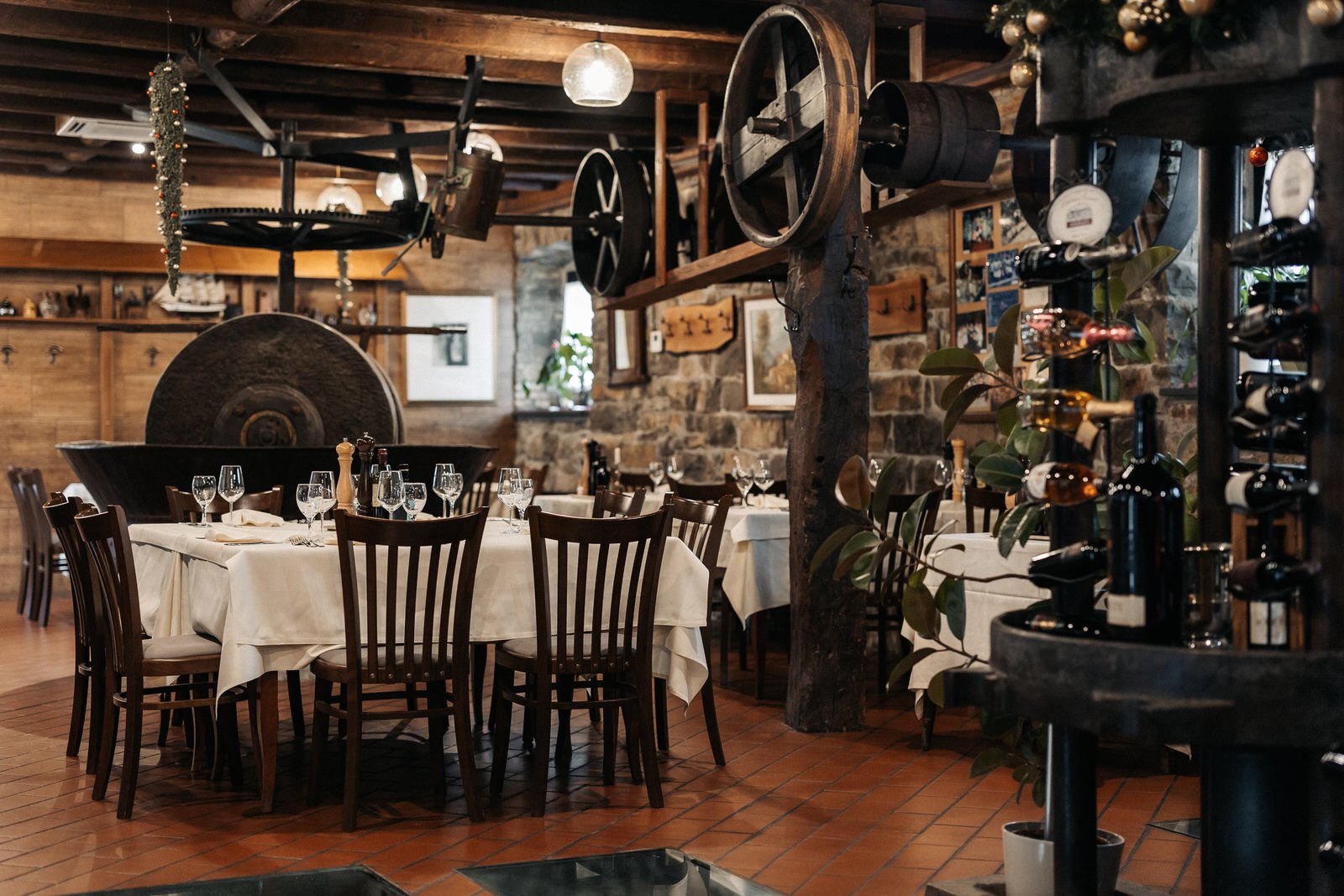
About Al Mulin
Al Mulin sits at Sermin 19 on the edge of Koper, where the Istrian hinterland meets the Adriatic corridor. The address places it outside the old town's tourist circuit, drawing a local crowd that values ingredient provenance over atmosphere theatre. For visitors willing to cross the city boundary, it represents a different register of Slovenian coastal dining.
Where Koper's Hinterland Meets the Plate
The road to Sermin runs away from Koper's Venetian old town and its well-worn piazzas, tracking north through a zone where the city blurs into industrial port infrastructure and then, abruptly, into quieter agricultural fringe. It is the kind of address that filters out the casual visitor almost by design. Al Mulin occupies this in-between territory, and that geography is not incidental. Restaurants at this edge of the city have historically drawn from both the Adriatic supply chain and the Istrian interior, and the proximity to working farmland and fishing routes shapes what ends up on the table in ways that a centrally located address simply cannot replicate.
Slovenia's Istrian coast sits at one of Europe's more productive culinary crossroads. To the south, the Adriatic delivers bream, sea bass, squid, and shellfish through a network of small-boat fisheries that still operate on day-catch rhythms. To the east and north, the Karst plateau and its limestone-threaded soil produce the region's celebrated cured meats, hard cheeses, and foraged ingredients. Any serious kitchen in this part of Koper is drawing on both supply chains simultaneously, and the distance from the tourist centre often correlates with the directness of those sourcing relationships. Venues closer to Titov trg tend to compress those supply chains for efficiency; venues at the city's edge can afford to be more deliberate.
The Ingredient Logic of Istrian Coastal Cooking
Slovenian Istrian cuisine does not have the international recognition of, say, the Vipava Valley's wine-driven dining or the forested sourcing traditions you find at Hiša Franko in Kobarid. But it operates on a coherent ingredient logic that rewards attention. The coast supplies protein; the interior supplies fat, acid, and preserved depth. Olive oil from Slovenian Istria, pressed from Istrska belica and Črnica olives grown on the ridge above the sea, carries a grassier, more assertive character than its Italian or Croatian counterparts from the same peninsula. Salt from the Sečovlje pans, a short drive south of Koper, remains one of the region's most distinctive finishing ingredients. A kitchen at Sermin, sitting between those two sources, is geographically positioned to work with both at their freshest.
This is the context in which Al Mulin should be understood. The Sermin address is not peripheral in the pejorative sense; it is peripheral in the way that places near actual production tend to be. Compare it to the dynamic you find at Domačija Ražman or Gostilna Karjola, both of which position themselves within the Koper dining circuit. Al Mulin's location at Sermin 19 suggests a different operating logic, one oriented toward a local and regional clientele rather than toward passing visitors working through a city itinerary.
How Al Mulin Sits Within Koper's Dining Tiers
Koper's restaurant scene operates across several distinct tiers. At the accessible end, you have the old town's tourist-facing trattorias and wine bars, reliable for local wine by the carafe and grilled fish, but rarely surprising. A middle tier, which includes places like Avokado and Capra, brings more considered technique and sourcing to the table without the formality of a tasting menu format. At the more ambitious end, Grad Socerb offers a castle-set dining experience that trades on setting as much as plate. Al Mulin's positioning within this spectrum is harder to pin down from address alone, which is precisely the argument for treating it as a destination worth independent investigation rather than something to slot into an existing itinerary template.
Slovenia's broader fine-dining tradition has been shaped significantly by kitchens that operate outside major city centres. Gostilna Pri Lojzetu in Vipava, Hiša Linhart in Radovljica, and Hiša Denk in Zgornja Kungota all represent the pattern: ingredient-driven kitchens in secondary or rural locations that punch well above their postcode. Grič in Šentjošt nad Horjulom and Gostilna Skaručna in Vodice follow the same model. The Sermin address does not confirm Al Mulin belongs in that company, but it does not argue against it either. For a full picture of where it sits in the Koper dining picture, see our full Koper restaurants guide.
Planning Your Visit
Sermin 19 is north of Koper's historic centre, accessible by car in under ten minutes from the old town and positioned close to the motorway junction, which makes it a practical stop for travellers moving between Trieste and the Croatian coast. Public transport to this part of the city is limited, so a car or taxi is the realistic option for most visitors. Given that venue-specific details including hours, booking method, and current pricing are not confirmed in EP Club's database at the time of writing, the most reliable approach is to contact the venue directly before visiting. For visitors whose schedules depend on confirmed reservations, the same applies to any kitchen operating outside the standard tourist circuit: assume demand from local regulars and plan accordingly.
Koper's dining season peaks in summer when the Adriatic supply is at its richest and the region draws visitors from across the border. Shoulder months, particularly May and September, tend to offer more direct access to the kitchen's sourcing without the volume pressure that summer brings. Neighbouring kitchens worth pairing into a multi-day Istrian itinerary include Dam in Nova Gorica and Milka in Kranjska Gora for contrast with Slovenia's other regional cooking registers. For those arriving from further afield and calibrating expectations against international reference points, the sourcing-to-plate discipline of a place like Le Bernardin in New York City or the community-sourcing model at Lazy Bear in San Francisco offers a useful frame for thinking about what ingredient-led intent looks like at its most rigorous. For ambitious Slovenian dining with confirmed credentials, Restavracija Strelec in Ljubljana and Pavus in Lasko remain anchors of the national scene.
Frequently Asked Questions
- Is Al Mulin child-friendly?
- Al Mulin's location on the edge of Koper, away from the old town's pedestrian bustle, suggests a quieter, more local setting than the city's tourist-facing venues. Given that Koper's mid-range and upper-tier restaurants generally accommodate families without formal restrictions, Al Mulin likely follows the same pattern, though parents with young children should confirm directly given the limited published information currently available about the venue's format.
- What's the vibe at Al Mulin?
- The Sermin 19 address places Al Mulin outside Koper's main dining circuit, which typically means a crowd drawn from the local area rather than the tourist track. Koper's edge-of-city restaurants tend toward relaxed, neighbourhood registers rather than formal dining theatre, though without confirmed style or format data in EP Club's records, specific atmosphere details are better sought from recent visitor accounts or directly from the venue.
- What do regulars order at Al Mulin?
- Specific menu and signature dish data for Al Mulin is not confirmed in EP Club's database. Given the kitchen's Istrian coastal location at Sermin, regular orders at comparable venues in the region centre on Adriatic fish prepared simply, local olive oil, and Karst-sourced cured ingredients. What a kitchen does with those materials consistently is the reliable signal of its priorities.
- How far ahead should I plan for Al Mulin?
- Without confirmed booking data, the practical advice is to contact Al Mulin as early as your schedule allows. Restaurants in Slovenia's secondary dining tier that draw a loyal local clientele often fill mid-week through regulars and weekend tables through word of mouth, leaving limited space for walk-in visitors. Koper's summer peak compresses availability across all price tiers.
- What makes Al Mulin worth seeking out?
- The case for Al Mulin rests on geography and supply logic rather than confirmed awards or published credentials. A kitchen at Sermin sits between the Adriatic fishing supply and the Karst and Istrian interior, a positioning that, at comparable venues in this region, translates into ingredient quality that centrally located tourist-circuit restaurants rarely match. Seek it for what the address implies about sourcing proximity rather than for recognition signals.
- Does Al Mulin reflect the broader trend of Slovenian farm-edge and coast-edge restaurants gaining local followings without international awards profiles?
- Slovenia has produced several kitchens over the past decade that earn strong regional reputations before attracting international press or award recognition. Venues like Hiša Franko in Kobarid and Hiša Denk in Zgornja Kungota followed that trajectory. Al Mulin's Sermin address and its absence from the standard Koper tourist recommendation circuit are consistent with that pattern, making it a candidate for the kind of local-first discovery that precedes broader notice, though confirmed credentials would be needed to place it firmly in that company.
Related editorial
- Best Fine Dining Restaurants in ParisFrom three-Michelin-star icons to the next generation of Parisian chefs pushing boundaries, these are the restaurants that define fine dining in the world's culinary capital.
- Best Luxury Hotels in RomeFrom rooftop terraces overlooking ancient ruins to Michelin-starred hotel dining, these are the luxury hotels that make Rome unforgettable.
- Best Cocktail Bars in KyotoFrom sleek lounges to hidden speakeasies, Kyoto's cocktail scene blends Japanese precision with global influence in ways you won't find anywhere else.
Save or rate Al Mulin on Pearl
Keep this venue in your Pearl passport, rate it after you visit, and track it alongside every other place you collect.