
.png?width=1200&quality=80)
Kensei
Japanese · Costa Adeje, Adeje
Restaurant in Adeje, Spain
 Book with Pearl
The Read
Atlantic-Side Japanese Precision
Price
$150–200per person
Dress
Smart Casual
Why go
Kensei is the only serious Japanese kitchen in Costa Adeje, holding a Michelin Plate in both 2024 and 2025. Two tasting menus, Kensei and Del Chef, give the meal structure and progression that the à la carte alone does not. At €€€, it is fairly priced for the category, and booking is easy enough that there is no reason to delay.
About Kensei
Should You Book Kensei?
If you've eaten at Kensei once and wondered whether a return visit would hold up, the answer is yes: provided you go for one of the tasting menus rather than the à la carte. The two menus, Kensei and Del Chef, are where the kitchen's creative ambition shows most clearly, and the progression across courses is the main reason to come back. A second visit also gives you a clearer read on what makes this restaurant different from everything else in Costa Adeje: it is the only serious Japanese kitchen operating at this level on the island, and Michelin has awarded it a Plate in both 2024 and 2025, signalling consistent technical quality rather than a one-season highlight.
The Restaurant
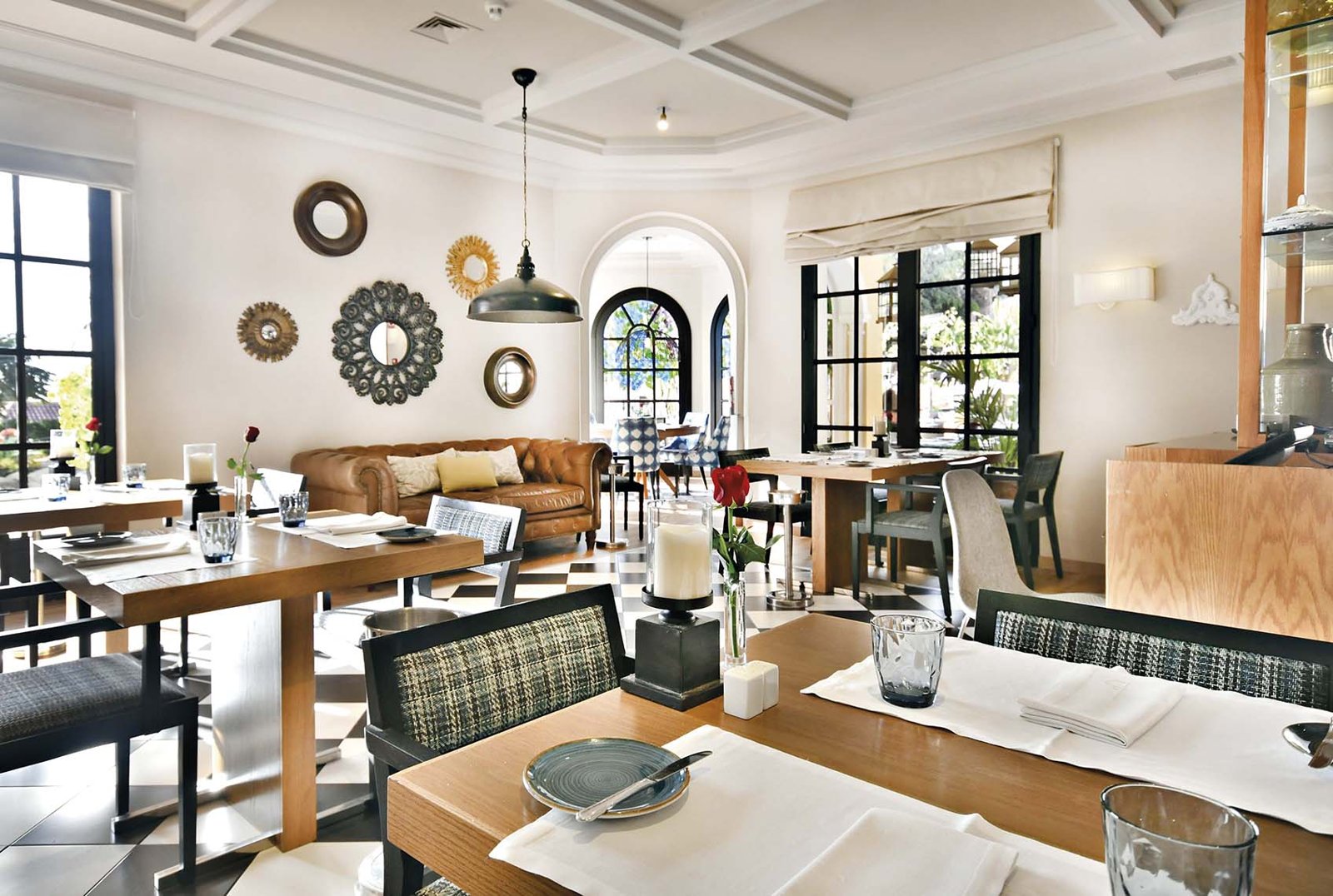
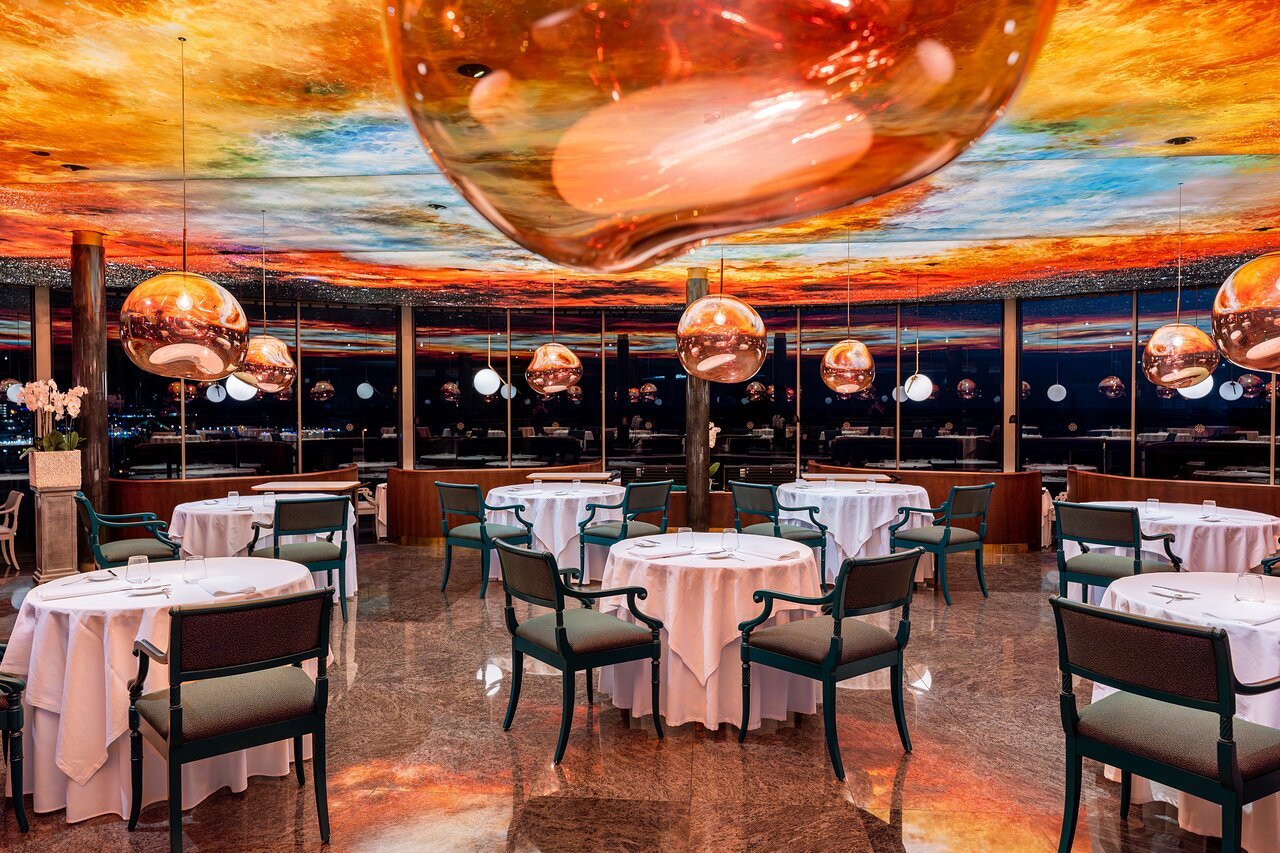
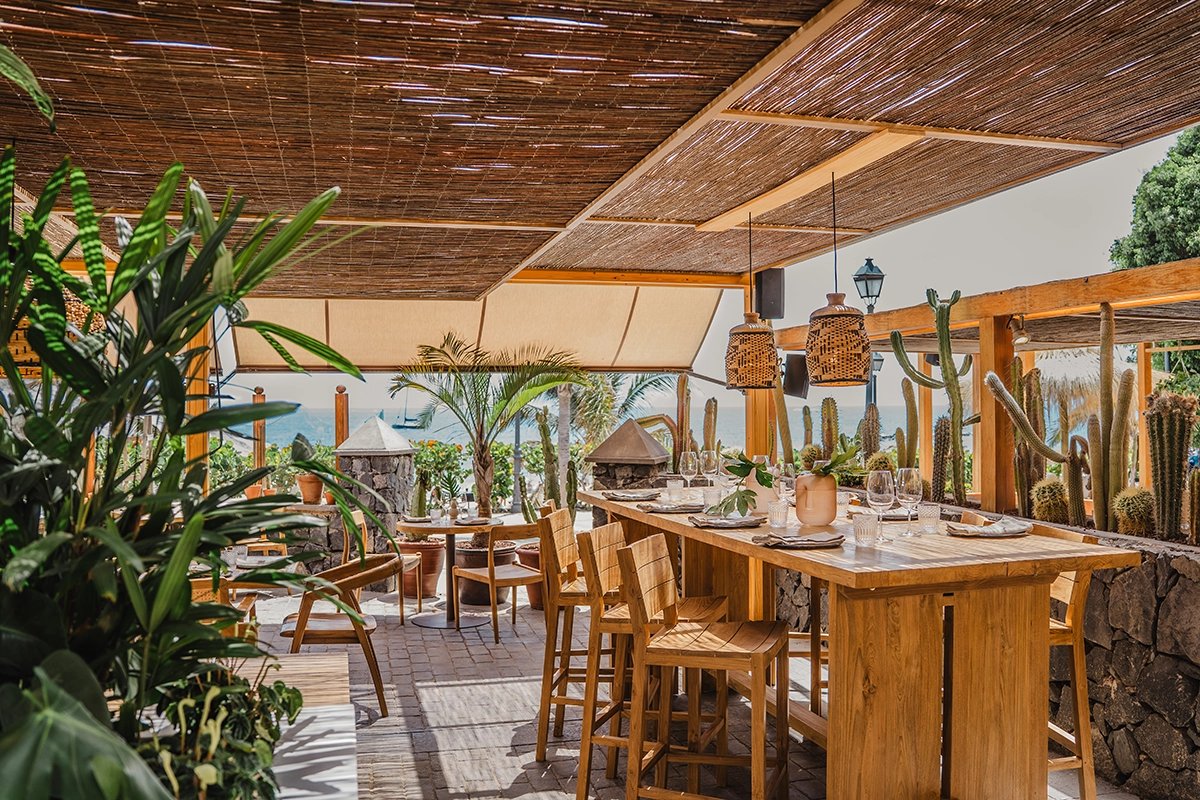
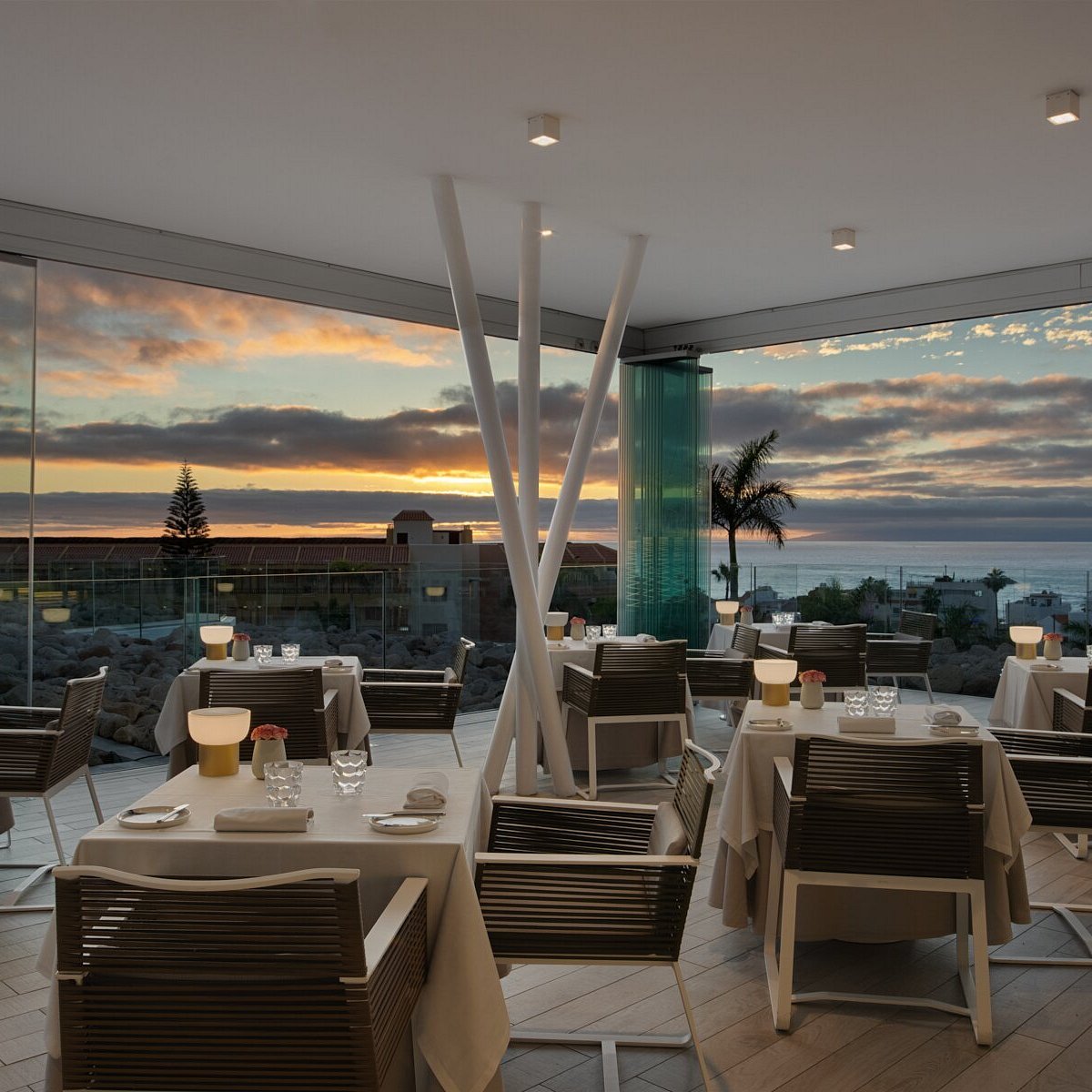
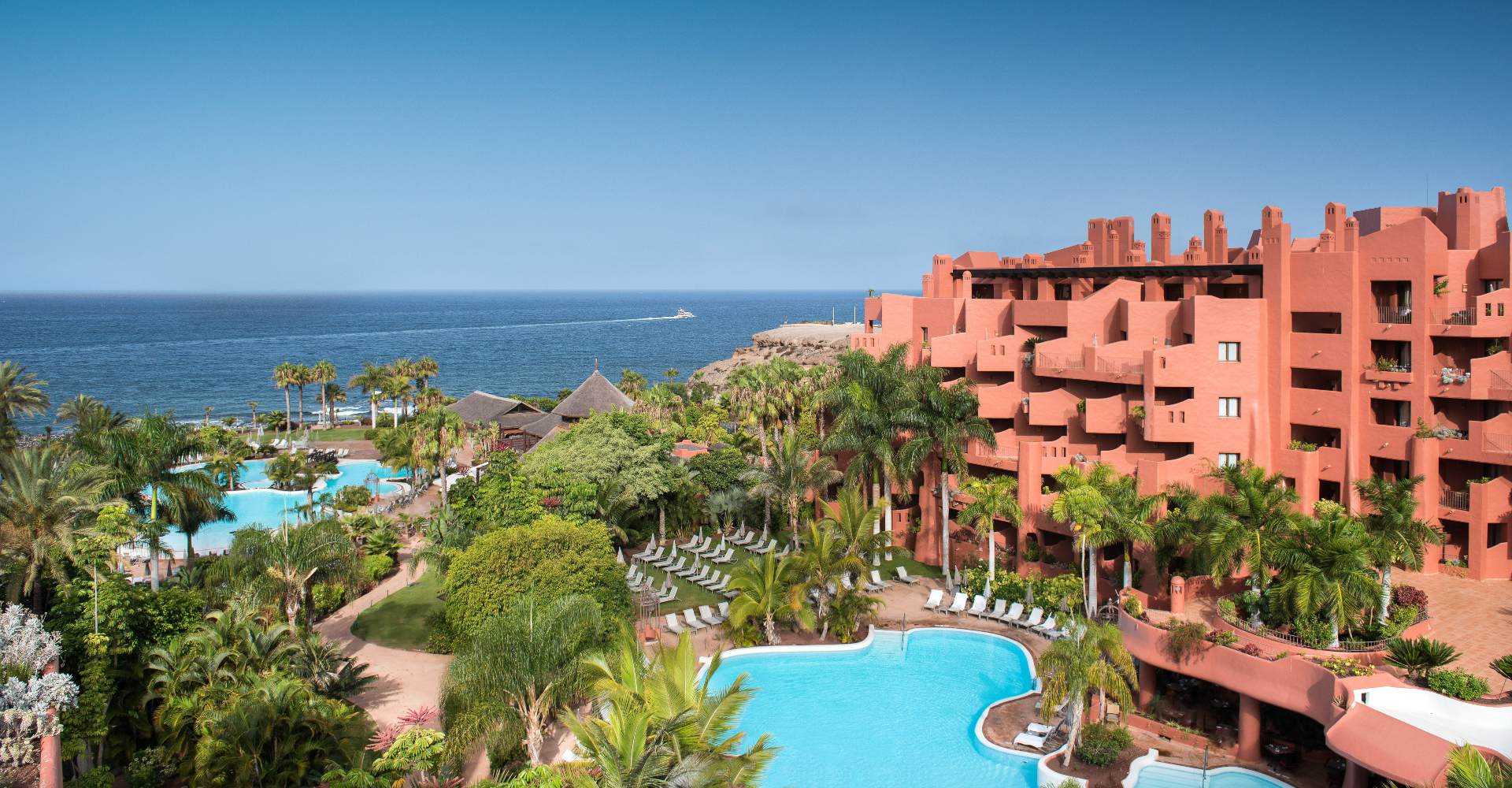
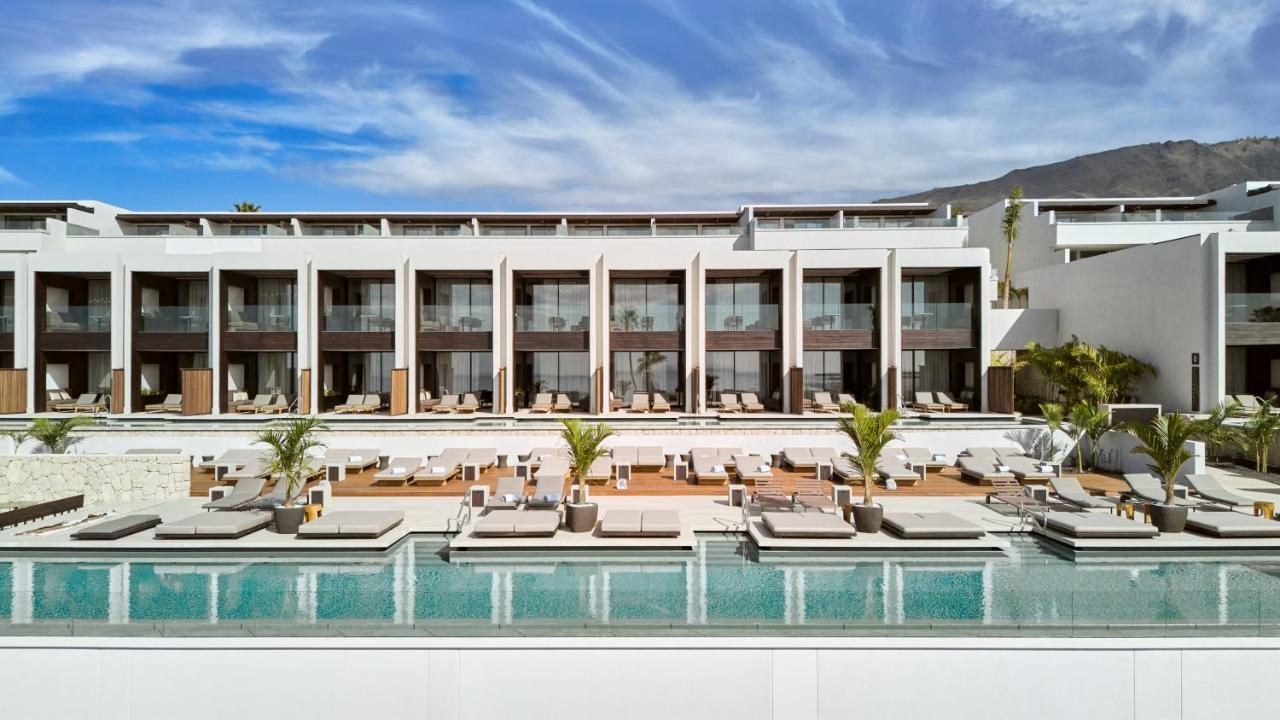
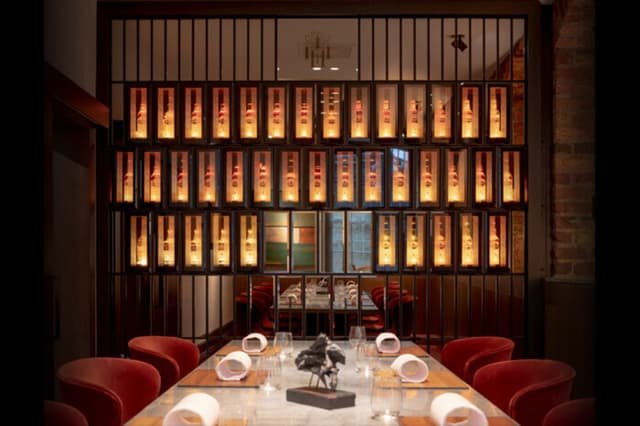
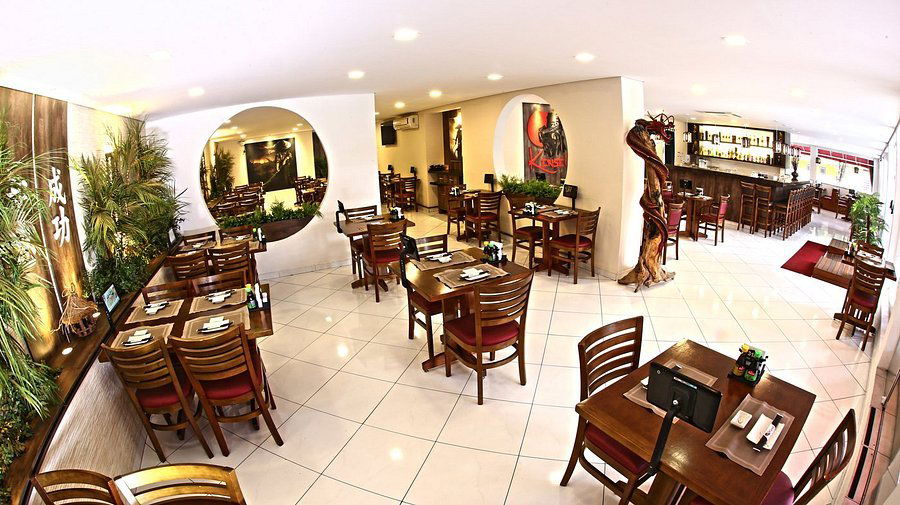
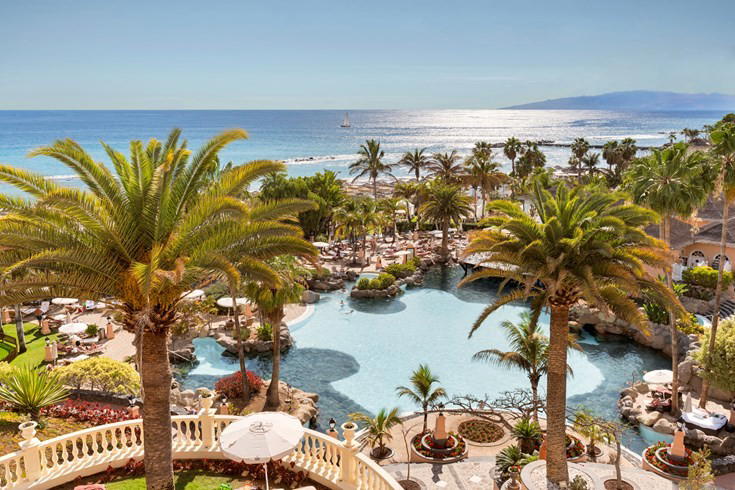
Kensei sits inside Hotel Bahía Duque in Costa Adeje, and the hotel setting works in its favour. The terraces: several of them, at different levels, give the room a calm, open-air quality that most Japanese restaurants in resort destinations do not manage. The ambient feel is quiet enough for conversation, which matters when you are spending two or three hours working through a tasting menu. It does not have the charged energy of a city omakase counter, but that is not what this place is trying to be. The mood is composed and unhurried, and the terrace setting means the experience shifts depending on the time of evening, earlier sittings in natural light feel different from later ones under artificial lighting, both worth experiencing.
The food sits firmly in contemporary Japanese territory with deliberate creative inflection. The Michelin description points to dishes like scallops and Japanese cep mushrooms cooked on the grill, and squid tartare nigiri served on crunchy black rice, these are not traditional presentations, but they are grounded in Japanese technique rather than simply borrowing Japanese ingredients for a fusion effect. That distinction matters: the kitchen is working within a recognisable culinary logic, not assembling an eclectic plate for novelty's sake.
The Tasting Menu Experience
The two menus give you a choice of depth. The Kensei menu is the core offering; the Del Chef menu runs longer and represents the kitchen's more ambitious reach. For first-time visitors who want to understand what the restaurant can do, the Del Chef menu is the better entry point, it gives the kitchen more space to show its arc, from the lighter, cleaner opening courses through to richer, more textured finishes. Tasting menus at this level in Spain's Canary Islands are still relatively rare outside of the handful of Michelin-starred rooms, which gives Kensei a clear positional advantage for any traveller who wants a structured, progression-driven meal without flying to the peninsula.
For context on what Michelin Plate recognition means here: a Plate signals that the inspector found cooking of real quality, even without the star. It is a meaningful credential in a market where most resort dining competes on volume and convenience rather than precision. Comparable Japanese cooking with Michelin recognition at the starred level would take you to venues like Myojaku in Tokyo or Azabu Kadowaki in Tokyo, Kensei is not operating in that tier, but it is the closest thing to it in this part of Spain.
Spain's broader fine dining circuit, anchored by restaurants like El Celler de Can Roca in Girona, Arzak in San Sebastián, and Azurmendi in Larrabetzu, has set a high standard for tasting menu architecture. Kensei does not compete with those rooms directly, but it is clearly informed by the same discipline: a menu should build, not simply list courses.
Ideal time to visit
Tenerife's climate is stable year-round, but the terrace experience at Kensei is at its finest between October and April, when evenings are warm without being heavy. During peak summer months the heat can make outdoor dining less comfortable later in the evening. If you have a choice, book for a Thursday or Friday sitting earlier in the week's second half, weekend tables at hotel restaurants in Costa Adeje fill with guests who are not necessarily there for the tasting menu experience, which can affect the room's tone. An early booking time, around 7:30 or 8 PM, catches the last natural light on the terrace.
Ratings and Recognition
- Michelin Plate: 2024 and 2025
- Price tier: €€€
Know Before You Go
Practical Details
- Price range: €€€
- Location: Hotel Bahía Duque, Costa Adeje, Tenerife
- Booking difficulty: Easy, tables are generally available, though weekend slots fill faster
- Leading time: October to April for terrace comfort; Thursday or Friday sittings at 7:30–8 PM
- Menus: Extensive à la carte plus two tasting menus (Kensei and Del Chef)
- Recognition: Michelin Plate 2024 and 2025
- Getting there: Inside Hotel Bahía Duque, Playa del Duque area of Costa Adeje, accessible by taxi from most Adeje and Los Cristianos hotels in under 15 minutes
How It Compares
See the comparison section below for how Kensei stacks up against Donaire, El Rincón de Juan Carlos, San-Hô, and Il Bocconcino by Royal Hideaway.
Explore More in Adeje
- Our full Adeje restaurants guide
- Our full Adeje hotels guide
- Our full Adeje bars guide
- Our full Adeje wineries guide
- Our full Adeje experiences guide
FAQ
What should I wear to Kensei?
Smart casual is the right call. The hotel setting and €€€ price point suggest you should step up from beach clothes, but a jacket is not required. Think well-cut trousers or a dress rather than shorts and sandals. Other guests will likely be hotel residents mixing resort and evening wear, so you will not be underdressed in neat casual, but overdressed is never a problem at a Michelin Plate restaurant.
Can I eat at the bar at Kensei?
The venue operates primarily as a table-service restaurant with terrace seating, not as a bar-forward space. There is no indication of a counter-seating format comparable to an omakase bar. If you want a more casual drop-in option in Adeje, San-Hô may suit better. For Kensei, book a table.
Does Kensei handle dietary restrictions?
The practical approach: contact Hotel Bahía Duque directly before your visit. Japanese tasting menus can be difficult to adapt for severe restrictions, particularly shellfish or soy allergies, so raise this early rather than on the night. The à la carte format gives more flexibility than either tasting menu if your restrictions are significant.
Is the tasting menu worth it at Kensei?
Yes, for the right diner. The Del Chef menu is where the kitchen shows its full range, with a course arc that justifies the format. If you are eating at €€€ price point anyway, the tasting menu concentrates value better than ordering à la carte. That said, if you want creative Canarian fine dining at the starred level, Nub is the higher-recognition alternative in the same area. Kensei's tasting menu is the right choice specifically if Japanese cuisine is what you are after.
What are alternatives to Kensei in Adeje?
For the highest recognition in Adeje, El Rincón de Juan Carlos at €€€€ is the benchmark for creative fine dining and carries Michelin stars. At the same €€€ tier as Kensei, Donaire offers contemporary cooking and San-Hô covers fusion. Il Bocconcino by Royal Hideaway is the right pick if Italian contemporary is what you want. None of the alternatives offer Japanese cuisine at this level in Adeje, which is the clearest reason to choose Kensei.
Is Kensei good for a special occasion?
Yes, with caveats. The terrace setting, Michelin Plate recognition, and tasting menu format make it a credible special occasion choice. The €€€ price point is accessible relative to starred alternatives. The one caveat is that it sits inside a hotel, which gives the atmosphere a slightly transient quality compared to a standalone restaurant. If the occasion calls for maximum drama, El Rincón de Juan Carlos has a stronger sense of occasion, but at €€€€. For celebrations where Japanese cuisine is meaningful to the guests, Kensei is the right room.
Is Kensei worth the price?
At €€€, Kensei prices itself at the same tier as most serious hotel restaurants in Adeje. You are paying for a structured, creative Japanese tasting experience that has no direct equivalent in the area. If your frame of reference is Spanish fine dining at the highest level, think Quique Dacosta in Dénia or Martin Berasategui in Lasarte-Oria, Kensei is in a different league. But for what it is in context, the price is fair.
Located inside
 HotelBahia del DuqueFull hotel guide
Planning details
- Hours
- Monday: 6–10 PM · Tuesday: 6–10 PM
- Location
- Hotel Bahía Duque, Pl. Playas del Duque, 38679 Costa Adeje, Santa Cruz de Tenerife, Spain
- Reservations
- Book on SevenRooms
- Website
- kenseijaponestenerife.com
- Phone
- +34 822 62 11 33
The take
The Take
The Vibe
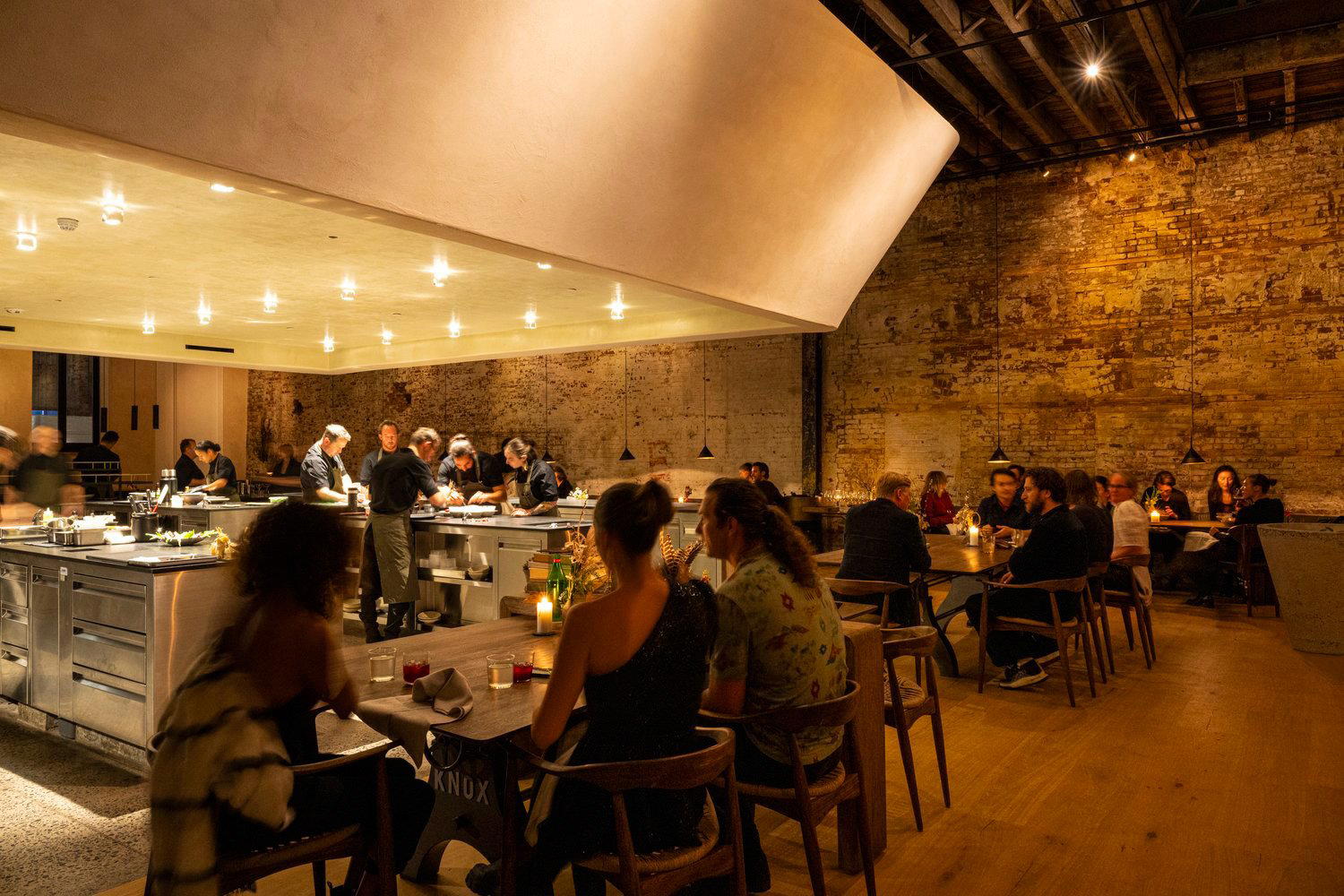
Kensei centers the craft of cooking in a coastal, terrace setting. The restaurant foregrounds live grillwork and counter-based preparation so that the chef’s movements, the sound of searing protein and the timing of presentation feel integral to the meal. Situated inside Hotel Bahía Duque on Tenerife’s Atlantic coast, it pairs that performative kitchen language with a polished, technique-led approach: an experience that reads as scenic and quietly romantic rather than theatrical. Awards and broad online praise underline a refined, service-forward atmosphere where food preparation is both legible and central to the overall mood.
Best For
Kensei is best experienced as an evening destination for diners seeking focused Japanese cuisine and tasting-driven sequences. The restaurant’s two tasting formats, the Kensei menu and the Del Chef menu, are built for a full sitting and reward guests who want a progression of dishes, while the extensive à la carte remains useful for mixed tables or specific preferences. Its hotel location and coastal terrace also make it a natural choice for resort evenings, special occasions and date nights when guests prioritize technique, presentation and a waterside setting.
Ordering Tips
Choose between the tasting menus and the à la carte depending on how much of the kitchen’s choreography you want to see. The Kensei and Del Chef tasting menus deliver the full sequence of considered courses and pairings that showcase the grillwork and live cooking; they are the best route to experience the restaurant’s signature approach. The à la carte is a practical alternative for diners with mixed appetites or specific preferences. Look for standout preparations mentioned in reviews: grilled scallops with Japanese cep mushrooms, nigiri-focused tastings and higher-end proteins like wagyu and lobster that illustrate the kitchen’s strengths.
Venue details
Ambiance
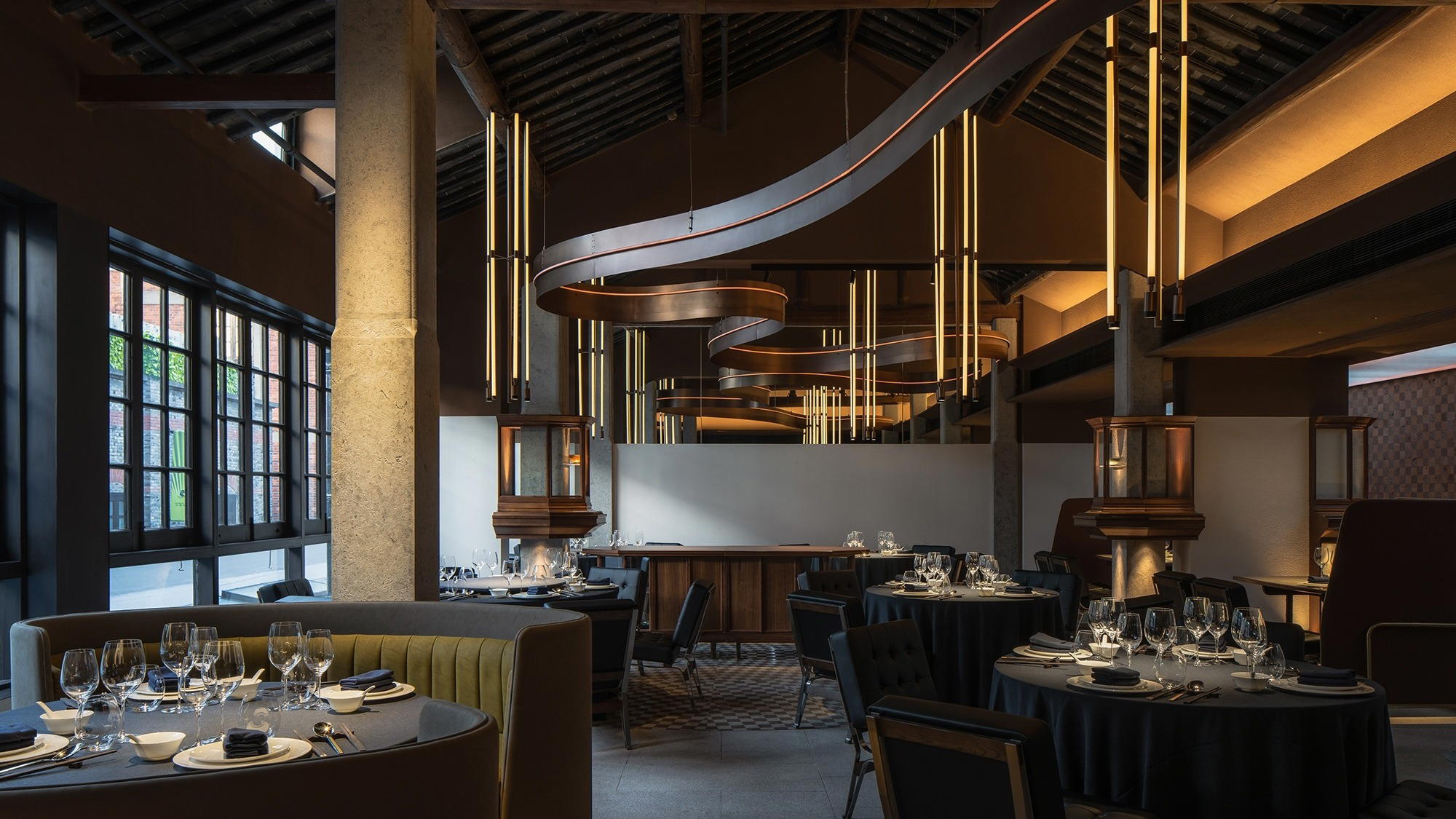
Elegant and cozy atmosphere with modern sophistication, pleasant terraces for outdoor seating, and a serene setting within Hotel Bahía Duque.
Tags
Vibe
Best For
Experience
Accessibility
At the Table
- Dress Code
- Smart Casual
- Noise Level
- Conversational
- Service Style
- Upscale Casual
- Meal Pacing
- Leisurely
- Capacity
- Medium
- Kitchen
- Modern
- Menu Format
- Tasting menu, A la carte, Small plates
- Dietary
- Vegetarian friendly
- Outdoor Seating
- Yes
Signature Dishes
- Kensei nigiri tasting
- Del Chef tasting menu
- Wagyu beef
- lobster sushi
Know before you go
Know Before You Go
- Getting there
- Hotel Bahía Duque, Pl. Playas del Duque, 38679 Costa Adeje, Santa Cruz de Tenerife, Spain
Planning details
Hours
- Monday
- 6–10 PM
- Tuesday
- 6–10 PM
- Wednesday
- 6–10 PM
- Thursday
- 6–10 PM
- Friday
- 6–10 PM
- Saturday
- 6–10 PM
- Sunday
- 6–10 PM
Location
Hotel Bahía Duque, Pl. Playas del Duque, 38679 Costa Adeje, Santa Cruz de Tenerife, Spain · Directions
Recognition and awards
Also consider
Also Consider
- Donaire: Contemporary, €€€
- El Rincón de Juan Carlos: Creative, €€€€
- San-Hô: Fusion, €€€
- Il Bocconcino by Royal Hideaway: Italian Contemporary, €€€
- Cráter - Identidad Canaria: Notable alternative
Restaurant context
At the €€€ tier, Kensei has no direct competition on cuisine type: Donaire and San-Hô both operate at the same price point, but neither offers Japanese cooking. San-Hô is the closest in spirit, its fusion approach draws on Asian influences, but if you want a tasting menu built around Japanese technique, Kensei is the only option in Adeje. Donaire is the better pick for contemporary European cooking with local Canarian influence at the same spend.
If recognition is your primary metric, El Rincón de Juan Carlos at €€€€ is the highest-decorated restaurant in Adeje and the right choice for a blow-out creative fine dining meal. It costs more and books harder, but the starred Michelin recognition puts it in a different tier from Kensei's Plate. For occasions where cuisine type matters less than raw prestige, El Rincón wins. For occasions where Japanese food is the point, there is no contest: Kensei is the only room that delivers it at this level.
Il Bocconcino by Royal Hideaway covers Italian contemporary at €€€ and is worth knowing about if your group is split between cuisines: the hotel restaurant format is similar to Kensei's and the price tier is the same. Cráter - Identidad Canaria is a different proposition, focused on Canarian identity cooking. For a broader view of what is available across price points and styles, see our full Adeje restaurants guide.
Explore Adeje
Around this place
Discover more on Pearl
Unlock the full Kensei guide in Pearl, including awards, comparisons, FAQs, planning details, and nearby places.
Compare Kensei
| Venue | Location | Cuisine | Awards | Price |
|---|---|---|---|---|
| Kensei | Adeje | Japanese | Guía Repsol Soles 20262026 Michelin Plate2025 Michelin Plate2024 Michelin Plate | €€€ |
| Donaire | Adeje | Contemporary | Guía Repsol Soles 20262026 Michelin 1 Star2025 Michelin 1 Star2024 Michelin 1 Star | €€€ |
| El Rincón de Juan Carlos | Adeje | Creative | 2026 OAD Top Restaurants in Europe RecommendedGuía Repsol Soles 20262026 La Liste Top Restaurants2026 Michelin 2 Stars2025 OAD Top Restaurants in Europe Ranked · #2452025 La Liste Top Restaurants2025 Michelin 2 Stars2024 Michelin 2 Stars | €€€€ |
| San-Hô | Adeje | Fusion | Guía Repsol Soles 20262026 Michelin 1 Star2025 Michelin 1 Star2024 Michelin 1 Star | €€€ |
| Il Bocconcino by Royal Hideaway | Adeje | Italian Contemporary | Guía Repsol Soles 20262026 Michelin 1 Star2025 Michelin 1 Star2024 Michelin 1 Star | €€€ |
| Cráter - Identidad Canaria | Adeje | No published awards |





How Kensei Adeje compares with similar nearby venues.
FAQ
Frequently Asked Questions
What should I wear to Kensei?
Step up from beach clothes. The Hotel Bahía Duque address and €€€ price point call for smart casual: think clean trousers and a collared shirt or equivalent. A jacket is not required, but anything you'd wear poolside will feel out of place on the terrace.
Can I eat at the bar at Kensei?
No. Kensei operates as a table-service restaurant with terrace seating: there is no bar counter or walk-up dining format on record. Book a table in advance; this is not a drop-in venue.
Does Kensei handle dietary restrictions?
Contact Hotel Bahía Duque directly before booking: no dietary policy is on public record for Kensei. Given the kitchen runs both à la carte and two tasting menus, there is likely some flexibility, but confirm specifics ahead of time rather than assuming on arrival.
Is the tasting menu worth it at Kensei?
Yes, if you want to see what the kitchen can actually do. The Del Chef menu runs longer and shows more creative range: dishes like scallop and Japanese cep mushrooms on the grill and squid tartare nigiri on crunchy black rice represent the kind of precision that earned two consecutive Michelin Plates. The Kensei menu is the shorter entry point; if you are undecided, start there.
What are alternatives to Kensei in Adeje?
El Rincón de Juan Carlos is the highest-recognition option in the area, carrying Michelin stars at €€€€: the right call if budget is secondary to ambition. San-Hô covers Asian dining at a lower price tier. For Italian in a comparable hotel-resort setting, Il Bocconcino by Royal Hideaway is a reasonable cross-reference. Kensei sits between those extremes: Michelin Plate recognition at €€€, with a format that suits diners who want Japanese specifically.
Is Kensei good for a special occasion?
Yes, with realistic expectations. The terrace setting at Hotel Bahía Duque, two consecutive Michelin Plates, and a structured tasting menu format all support a special occasion booking. At €€€ it is not the most expensive option in Adeje, which means it works for occasions where experience matters more than maximum spend. If you need Michelin-starred prestige for a major milestone, El Rincón de Juan Carlos is the stronger call.
Is Kensei worth the price?
At €€€, Kensei offers solid value. Two Michelin Plates in consecutive years (2024 and 2025) and a kitchen producing creative contemporary Japanese with dishes like squid tartare nigiri on crunchy black rice give you more than standard hotel-restaurant output. It prices below El Rincón de Juan Carlos and delivers a meaningfully different cuisine category, so if Japanese is what you want, there is no comparable alternative nearby at this recognition level.