

.png?width=1200&quality=80)

Zuma
Japanese Contemporary · Al Reem Island, Abu Dhabi
Restaurant in Abu Dhabi, United Arab Emirates
 Book with Pearl
The Read
Izakaya Sharing Format
Price
$150–200per person
Dress
Smart Casual
Why go
Zuma Abu Dhabi is the strongest case for Japanese contemporary dining on Al Maryah Island, with a 2025 Michelin Plate, a Star Wine List #1-ranked cellar of 1,900 bottles, and an atmosphere built for celebration. Book 3 to 4 weeks out. At $$$$ pricing with that depth of wine program and event-level energy, it is the right call for a significant dinner where food, wine, and room all need to deliver.
About Zuma
Pearl Verdict
If you want the most energetic Japanese contemporary dining experience on Abu Dhabi Island, Zuma is the booking to make. The energy here skews louder and more social than a traditional Japanese format, which makes it the right call for a celebration or a business dinner where atmosphere matters as much as food precision. Book at least three to four weeks out, and read the seat-choice notes below before you confirm.
About Zuma Abu Dhabi
Zuma Abu Dhabi is part of a globally recognised izakaya-style group founded by Rainer Becker and Arjun Waney, and this outpost on Abu Dhabi Island has become one of the city's most consistent answers to the question: where do you take someone who needs to be impressed? The format is contemporary Japanese, built around robata grilling, sushi, and sharing plates, with a wine program that earned the Star Wine List #1 ranking in 2024 and stocks around 1,900 bottles across 200 selections, led by Wine Director Micah Clark and sommeliers Robert Mayo and Thanh Nguyen.
The atmosphere is a defining part of why people return. This is not a quiet, contemplative dinner. The room runs loud and confident — expect a high-energy crowd, particularly in the evening. For a special occasion, that energy reads well: it signals occasion, it gives the meal momentum, and it makes the space feel like a genuine event rather than a transactional dinner. If you are after a quieter conversation over dinner, Talea by Antonio Guida or Bord Eau by Nicolas Isnard will serve you better. But if the night calls for noise, wine, and a long table of shared plates, Zuma delivers.
The wine program deserves specific mention for a Japanese contemporary restaurant of this type. A $$ wine pricing tier with 1,900 bottles in inventory is unusual at this level, and the France and California strengths mean there is genuine depth for guests who want to pair seriously. This is not a token wine list appended to a Japanese menu — it is a considered program, and for a group dinner or celebration where wine will be a centerpiece, it puts Zuma ahead of most Abu Dhabi competitors in this category. Elsewhere in the Japanese contemporary format, venues like Eika in Taipei or Sankai by Nagaya in Istanbul pursue a more restrained pairing approach, Zuma's list is more accessible and more abundant.
Chef Chris Heidenreich leads the kitchen under General Manager James Adams. The Michelin Plate recognition in 2025 confirms the kitchen is operating at a documented standard of quality, even if it stops short of star-level precision. For context, the Michelin Plate acknowledges good cooking within a consistent framework, it is a useful signal that the food holds up, not just the room. The Opinionated About Dining #286 Asia ranking from 2024 adds a peer-reviewed layer to that: this is a restaurant the serious dining community tracks, not just a high-profile brand coasting on its global footprint.
On Abu Dhabi Island specifically, Zuma's position matters. The Island dining scene has options across a wide range of price points and formats, but the combination of Japanese contemporary cuisine at this quality tier, with a wine program of this depth and an atmosphere calibrated for celebration, is not easy to replicate locally. NIRI and Otoro serve the broader Japanese dining interest on the Island, but neither combines the scale, the wine depth, and the event-ready energy that Zuma brings. For Abu Dhabi diners looking for a Japanese format that can anchor a significant evening, Zuma currently holds a position few local competitors can directly contest.
The group has been building its international presence for over two decades, with the brand now appearing in cities from Dubai to London to New York. That longevity matters here: Zuma Abu Dhabi benefits from a proven operational model, and the consistency it implies is a real advantage when you are booking for a high-stakes dinner. For a comparison of how the format plays in a different regional market, the 3Fils and Mimi Kakushi options in Dubai show how Japanese contemporary splits across price and formality in the Gulf region. Zuma sits firmly at the top of that bracket in both markets.
If you are considering Zuma for a special occasion, book the evening service and ask specifically about seating options, the layout choices can materially affect how the night feels. For solo dining at the $$$$ price tier, the experience works better as a counter or bar-adjacent seat than a full table; the energy of the room compensates for eating alone, and the wine list gives you enough to explore deliberately. Groups of four or more will get the most from the sharing format, and a sommelier consultation on arrival is worth requesting given the depth of the list.
For broader context on Abu Dhabi dining, see our full Abu Dhabi restaurants guide. If you are planning a complete trip, our Abu Dhabi hotels guide, bars guide, and experiences guide cover the wider picture. For Japanese contemporary dining beyond Abu Dhabi, Trèsind Studio in Dubai shows what the regional high-end dining scene looks like at its most ambitious, while Murakami in São Paulo and Izakaya in Zagreb illustrate how the Japanese contemporary format adapts across entirely different markets. Closer in format and geography, The Japanese Restaurant in Andermatt offers a useful comparison for those who want to benchmark Zuma's positioning within the global category.
Know Before You Go
- Cuisine
- Japanese Contemporary (izakaya-style sharing format, robata, sushi)
- Price Range
- $$$$ (cuisine meals $66+ per head; wine list $$ tier with broad range)
- Wine Program
- 200 selections, 1,900-bottle inventory; strong in France and California; Star Wine List #1 (2024)
- Booking Difficulty
- Hard, book 3 to 4 weeks ahead minimum for evening service
- Leading Seat Strategy
- Ask about counter or bar-adjacent seating for solo visits; request a specific table position for groups of 4+
- Leading For
- Special occasions, celebration dinners, business entertaining, group wine dinners
- Serves
- Lunch and Dinner
- Awards
- Michelin Plate (2025); Star Wine List #1 (2024); Opinionated About Dining Leading Restaurants in Asia #286 (2024)
- Chef
- Chris Heidenreich
- Wine Director
- Micah Clark
- Location
- Abu Dhabi Island, United Arab Emirates
Part of
Zuma14 locations on PearlPlanning details
- Location
- Island, global market - Abu Dhabi - United Arab Emirates
- Reservations
- Book on SevenRooms
- Website
- zumarestaurant.com/en/abu-dhabi
- Phone
- +971 2 401 5900
The take
The Take
The Vibe
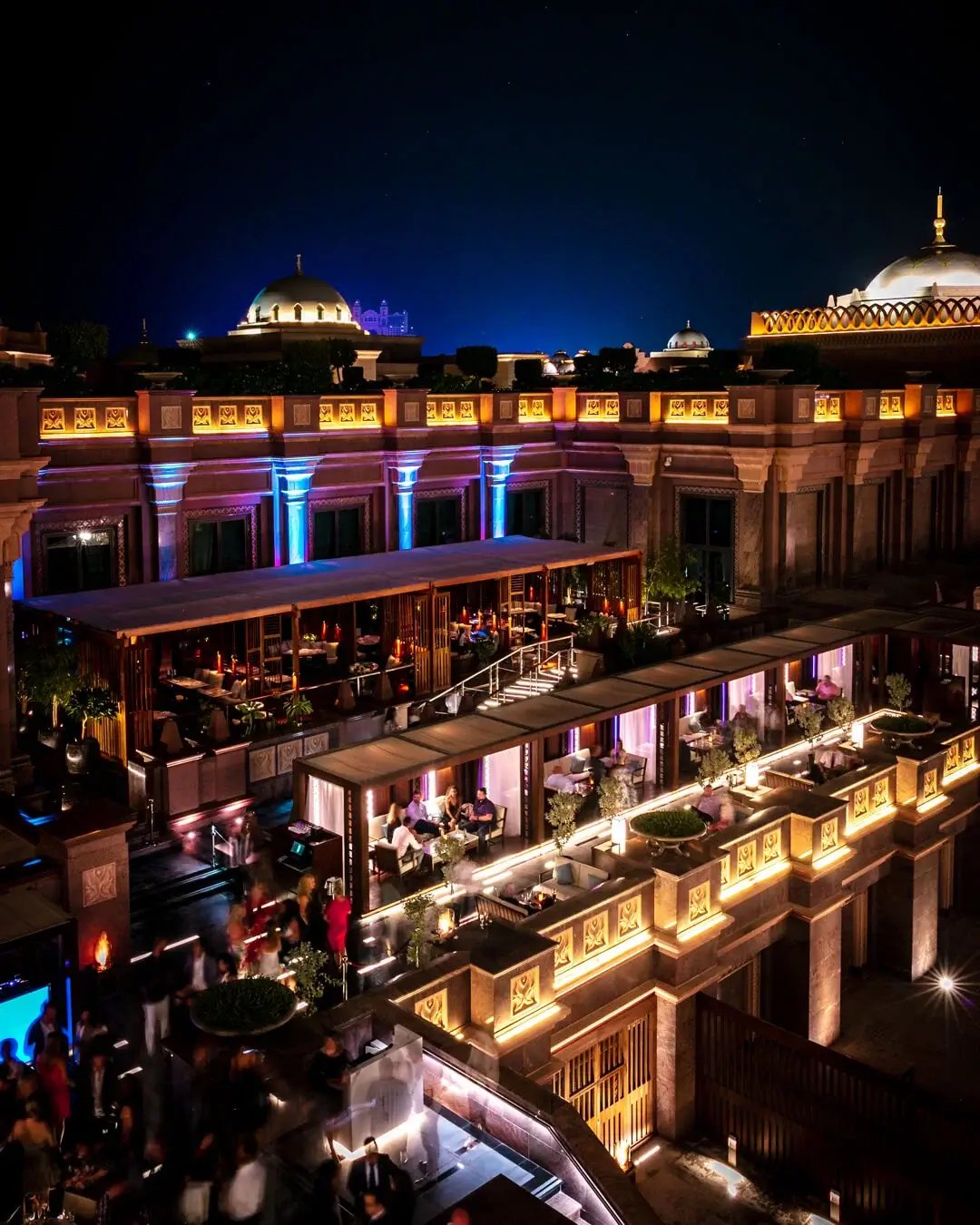
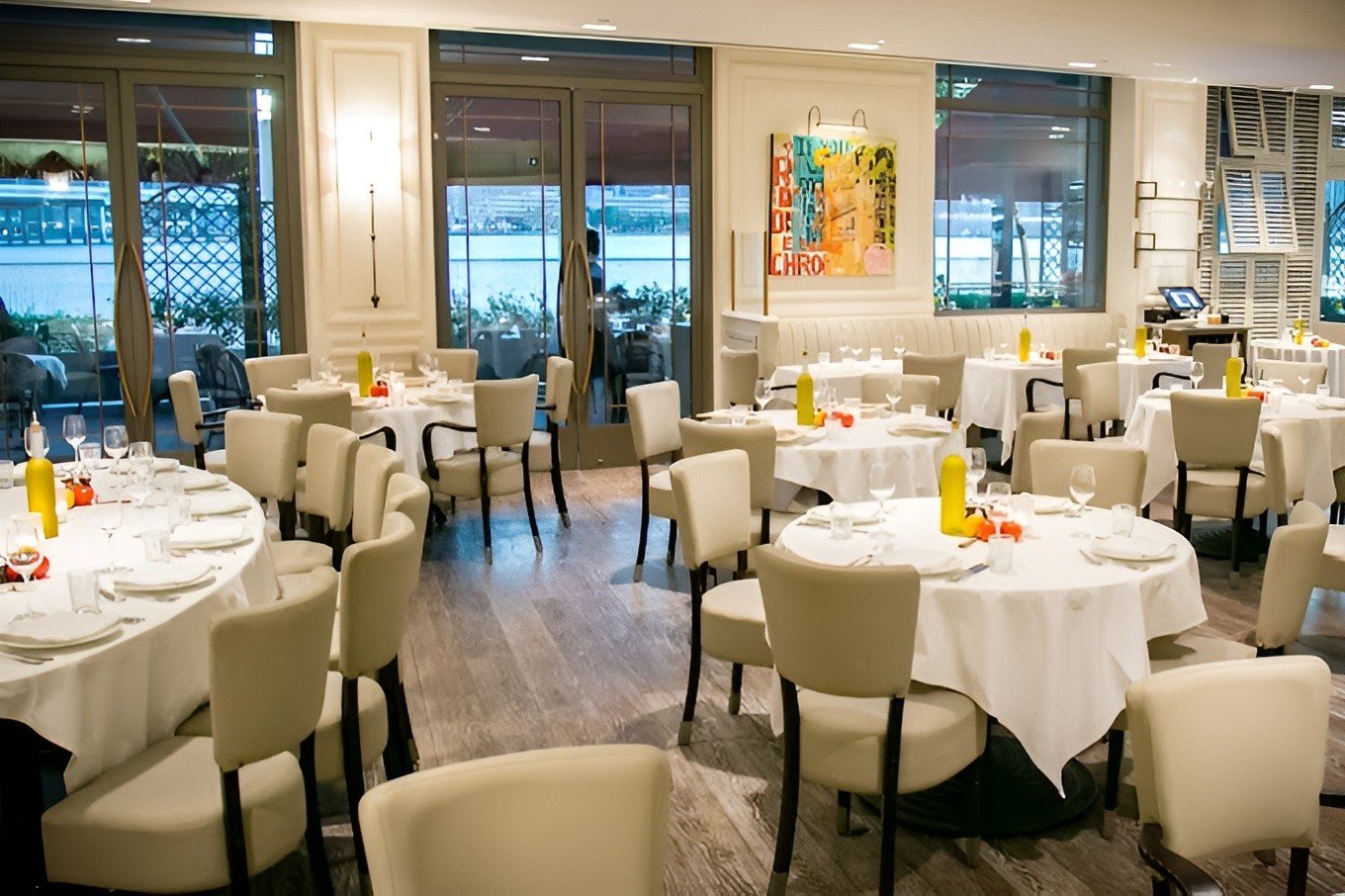
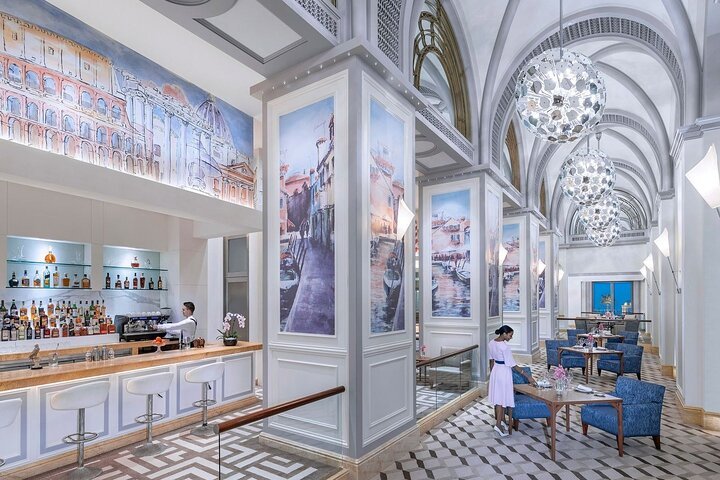
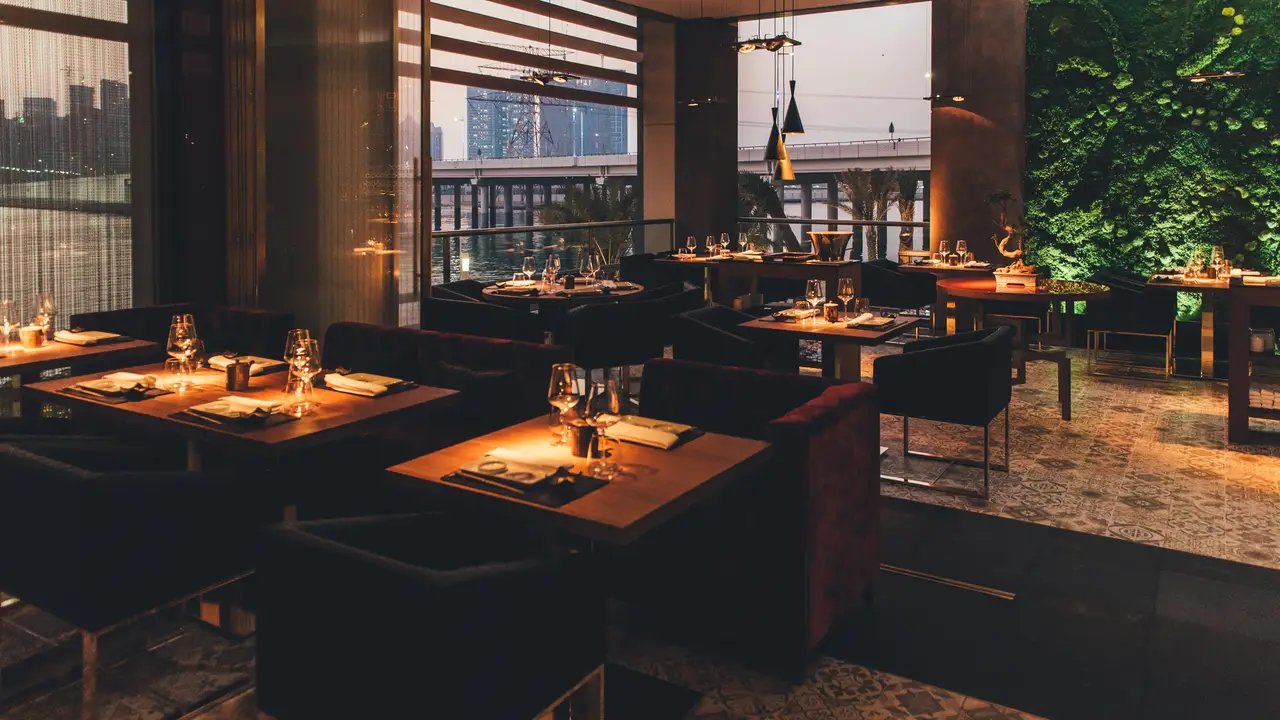
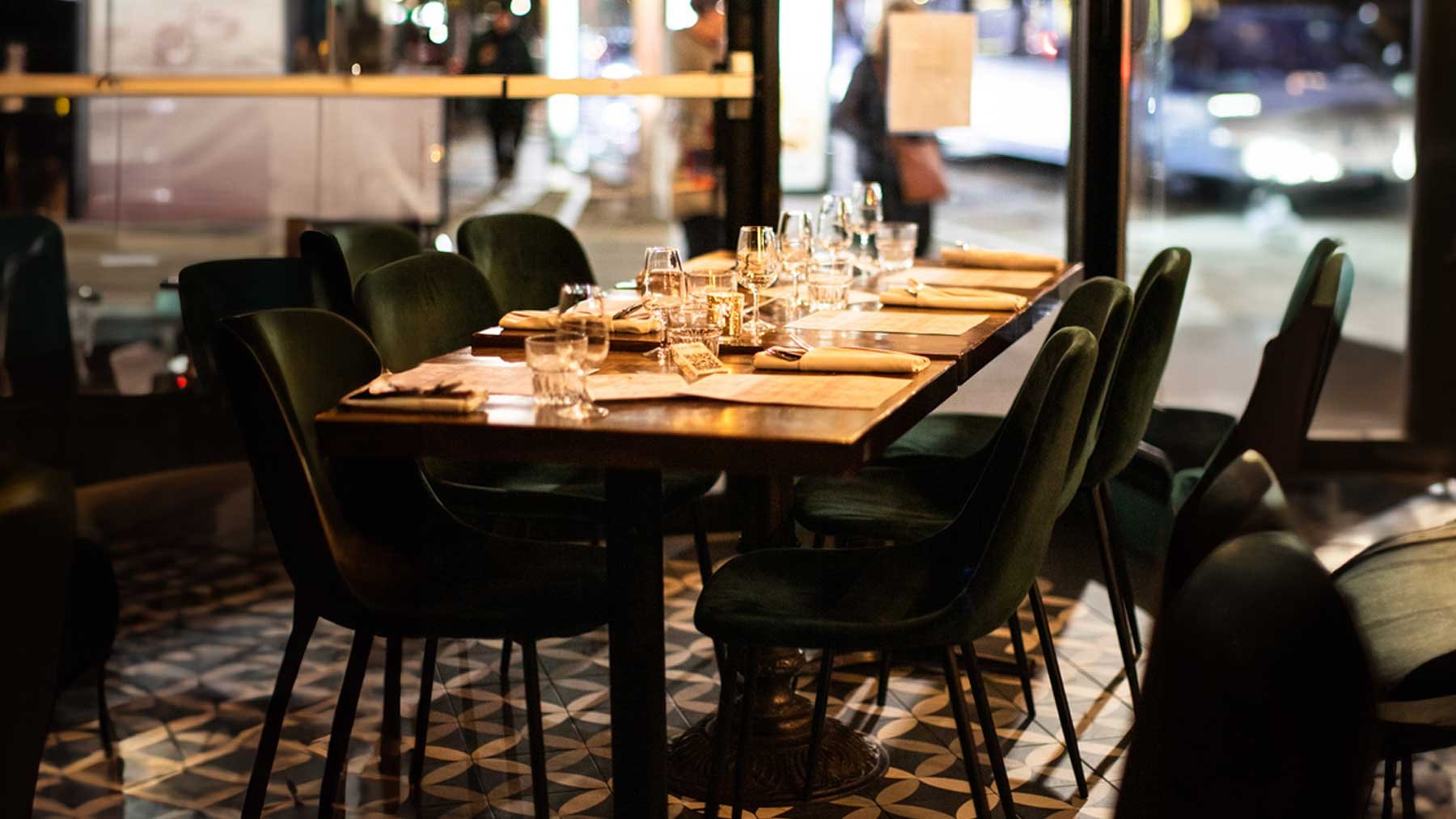
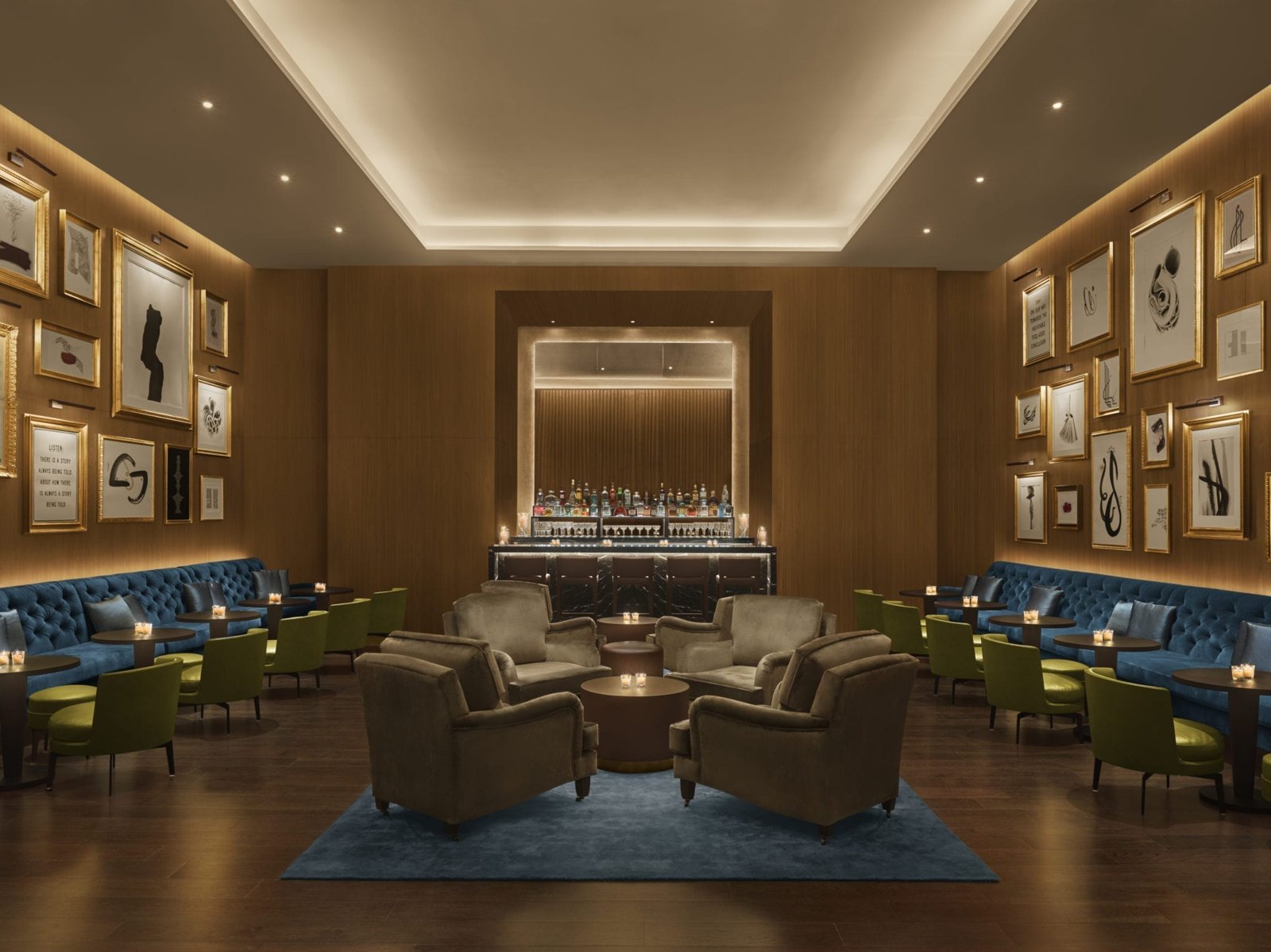
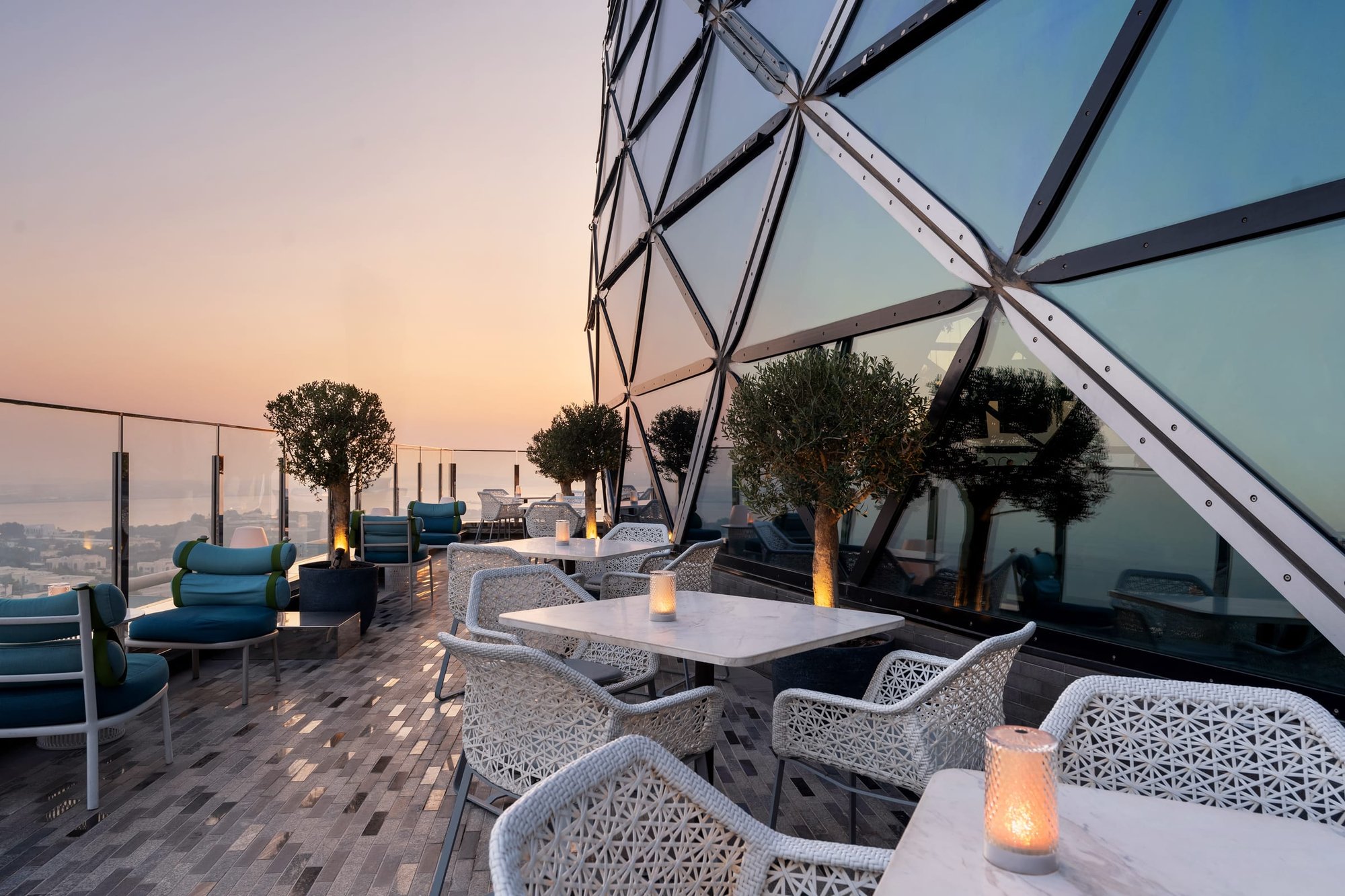
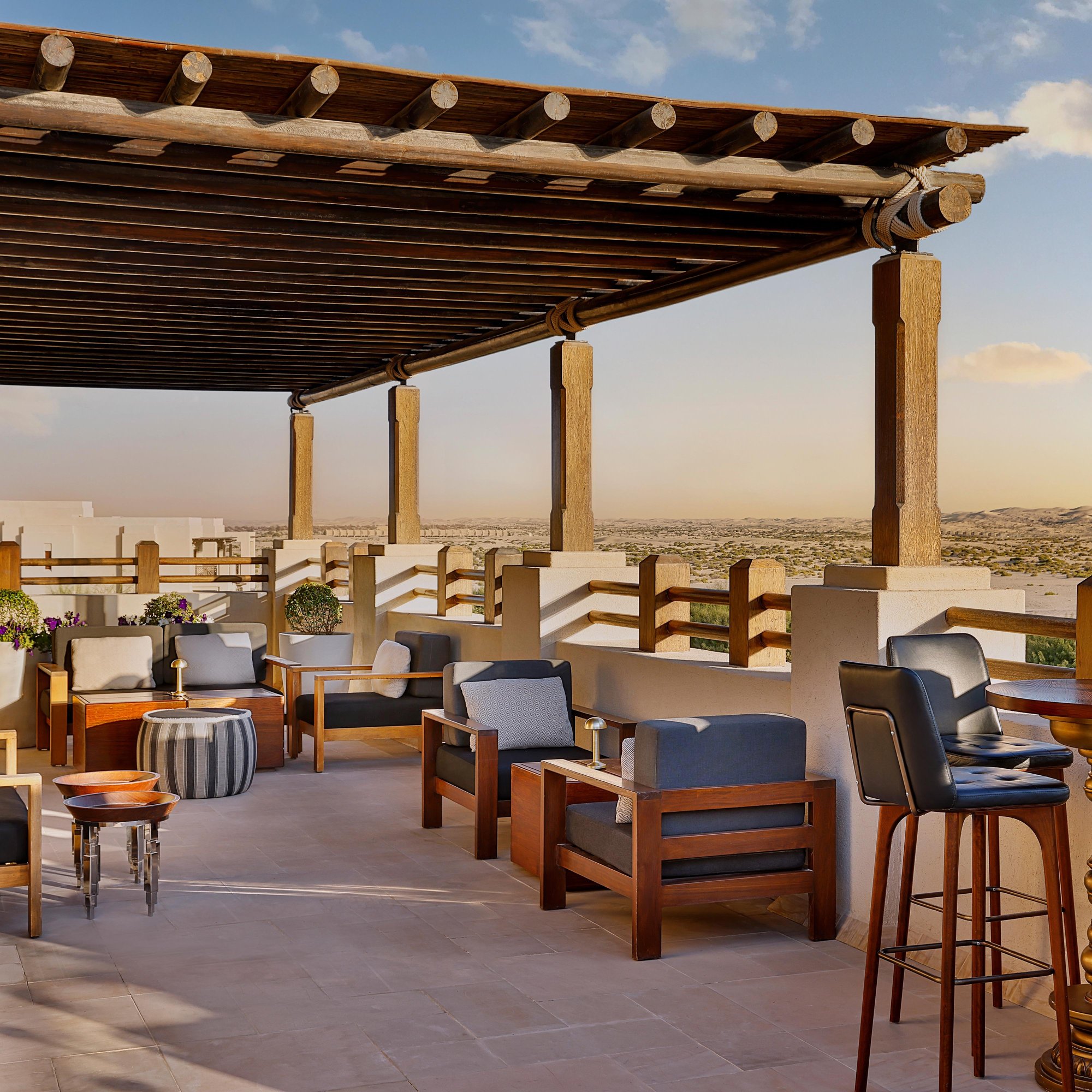
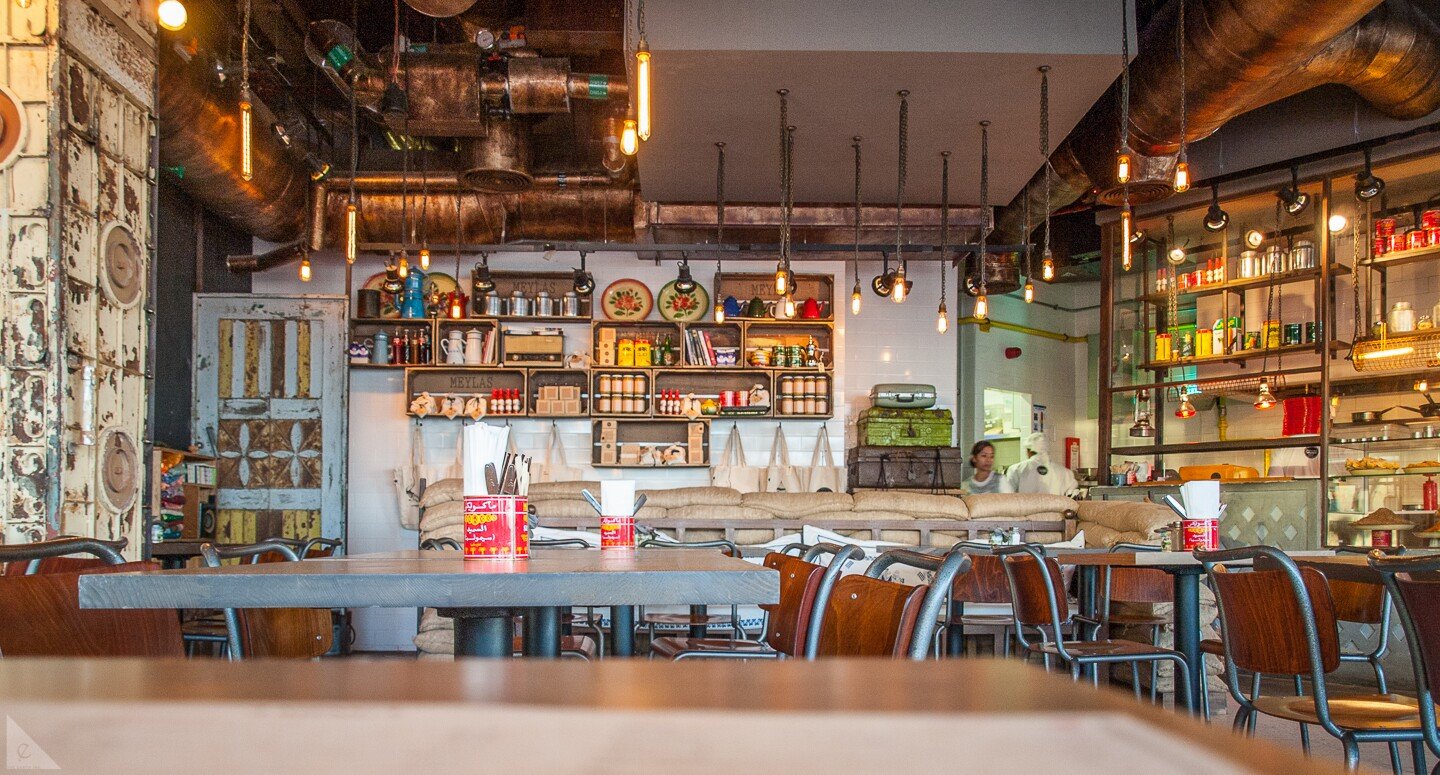
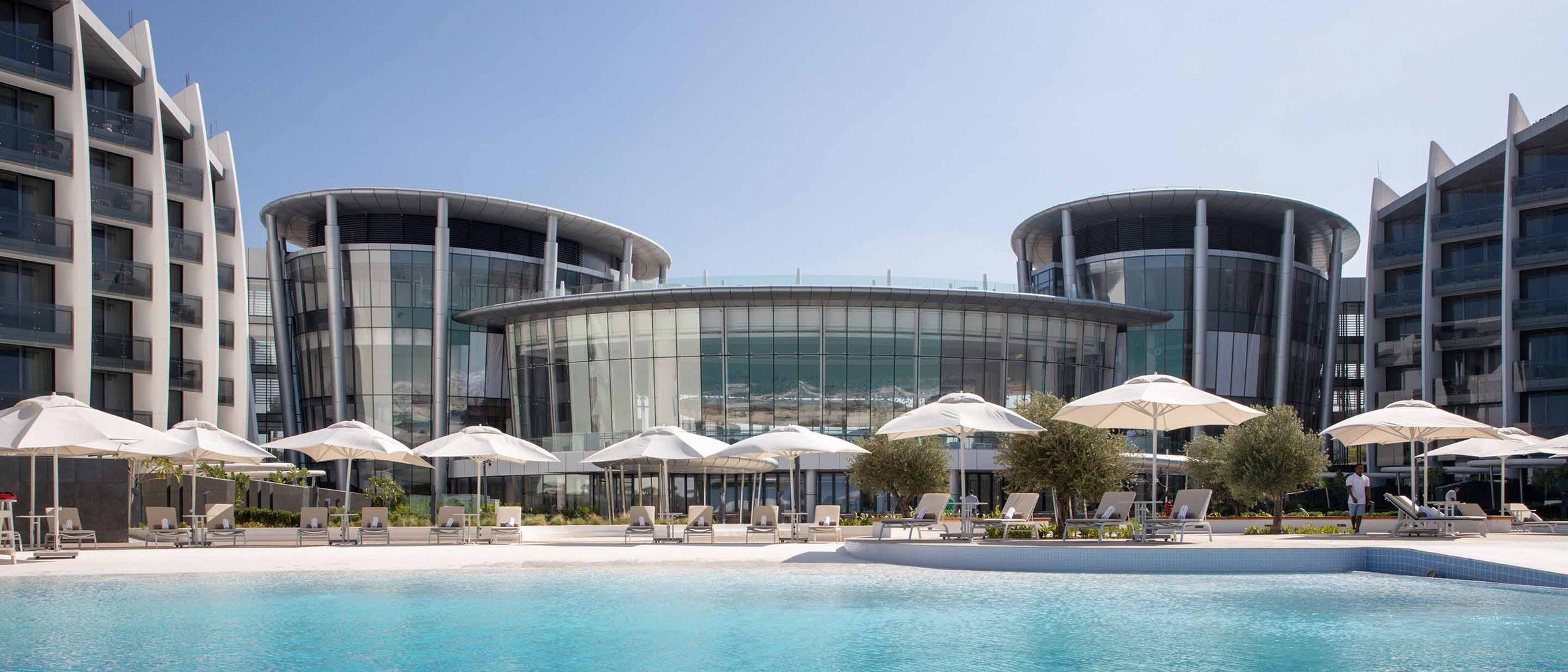
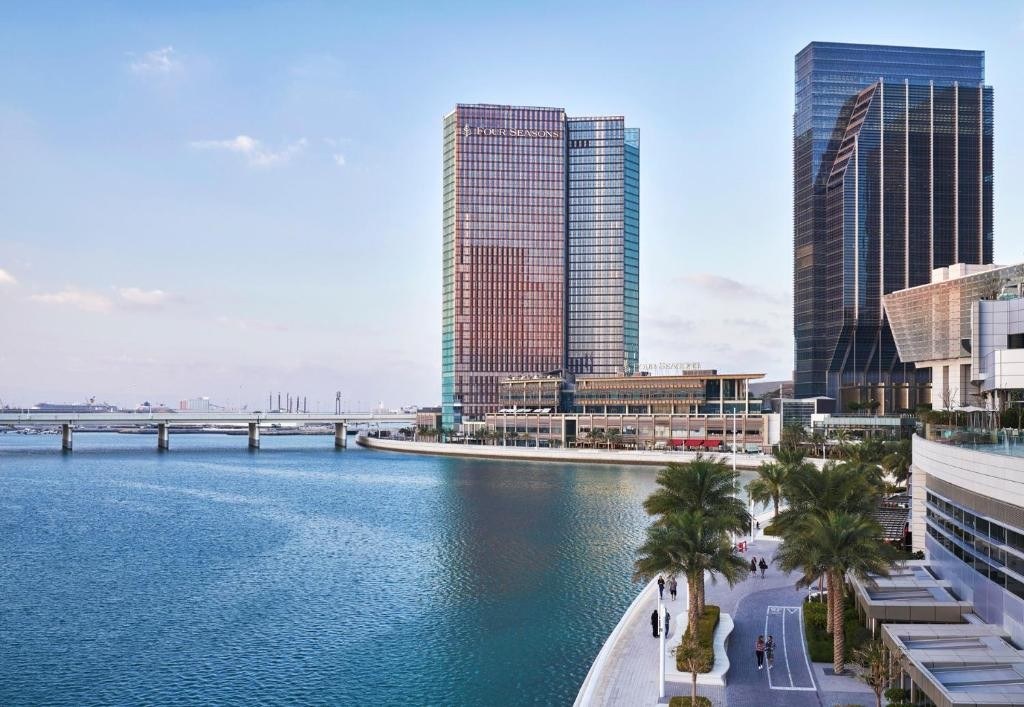
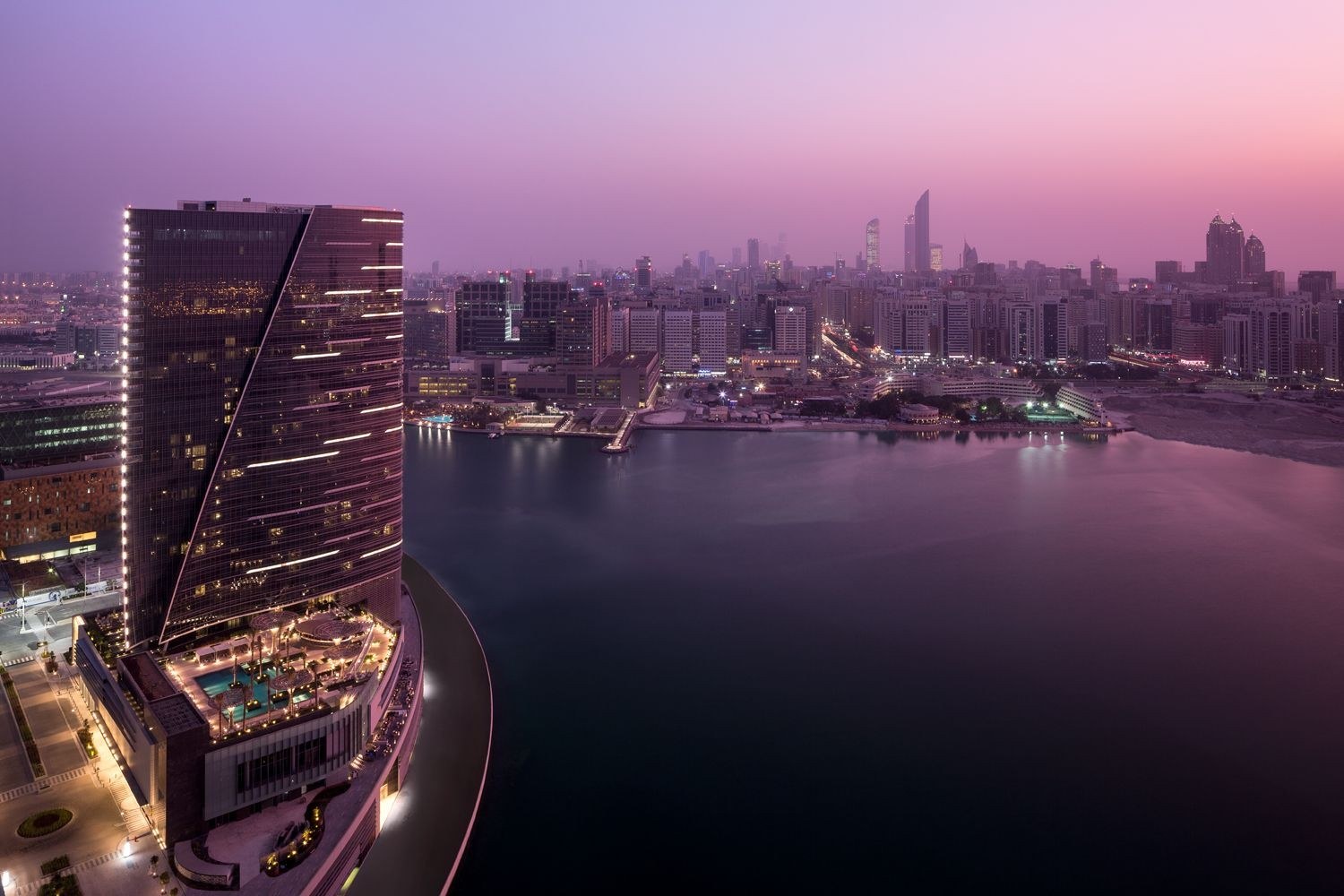
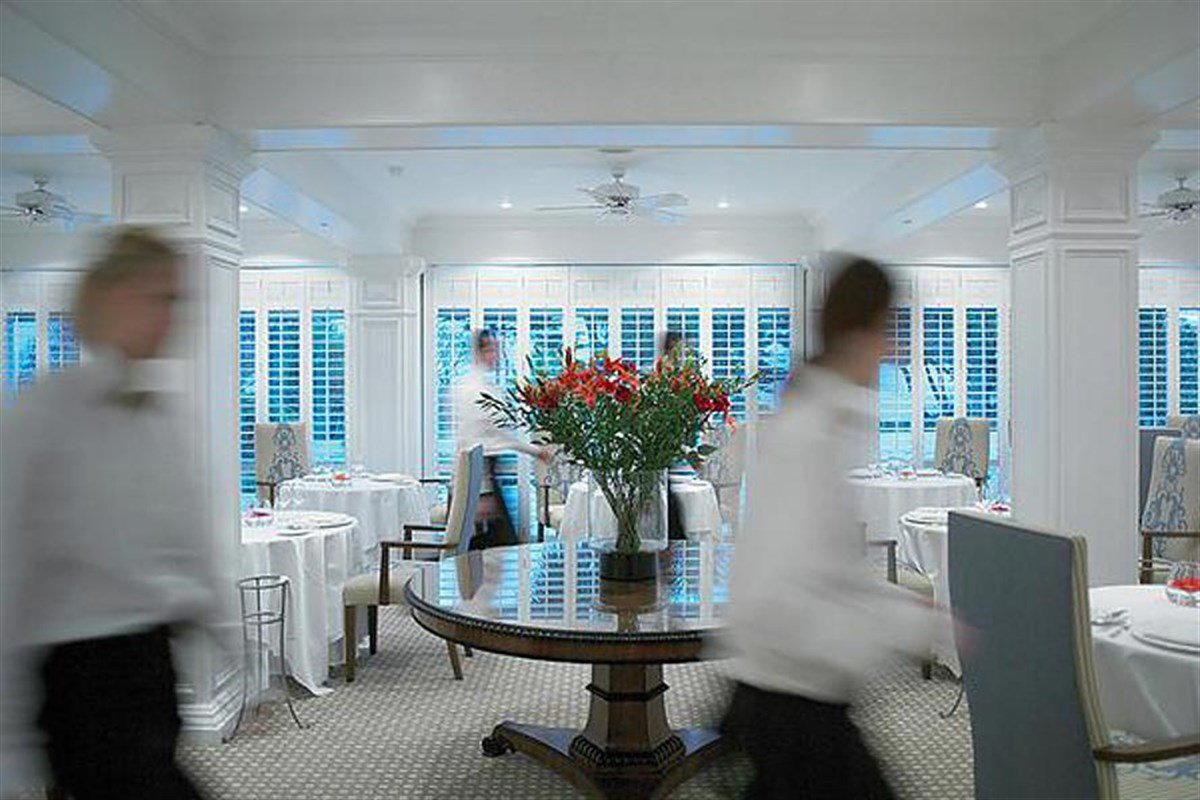
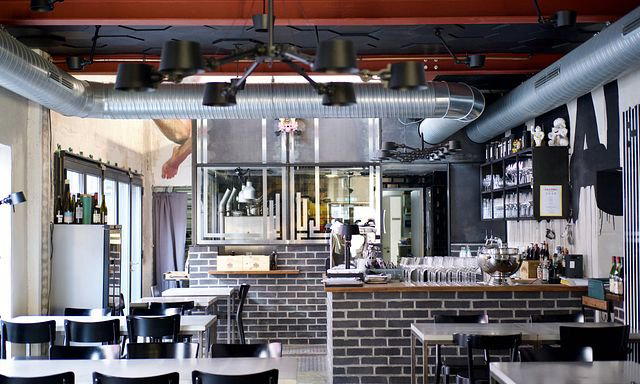
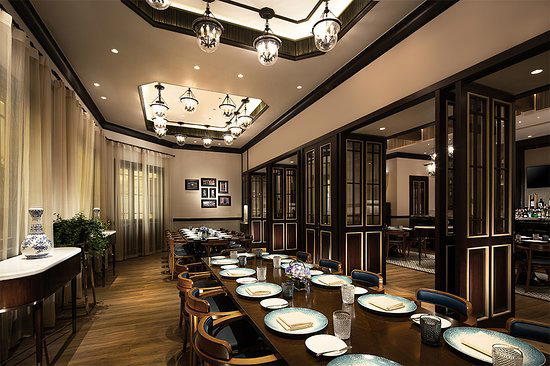
Zuma Abu Dhabi presents a polished, contemporary izakaya aesthetic that balances energy and composure. The room centers on a visible robata grill and is arranged into bar, dining and lounge zones, which maintains momentum without tipping into chaos. Interiors use exposed materials in the brand’s internationally familiar language, and a distinct wine bar anchors the space as a separate focus. The waterfront orientation influences arrival and mood, lending an air of occasion before food appears. Overall the restaurant feels deliberate and urbane, delivering an elevated, social Japanese dining experience rather than a hushed, formal meal.
Best For
Zuma sits at the higher end of Abu Dhabi’s contemporary Japanese scene and is best suited to evening dining where a bit of occasion is expected. The layout and scale make it a natural pick for business dinners and group celebrations: tables and lounge areas accommodate shared plates and conversation without feeling out of place. Performance indicators — a 2025 Michelin Plate and a strong online rating across many reviews — underline its reliability at that price point. Diners seeking a wine-forward, socially oriented night out will find it particularly fitting.
Ordering Tips
Approach the menu with the izakaya logic in mind: order to share and lean into the robata-grilled items. Signature plates such as black cod, wagyu beef, lamb chops, soft-shell crab and prawn gyoza are sensible leads from the kitchen. There’s a dedicated wine bar and a substantial list curated by a Wine Director and sommelier team; consider consulting them for pairings, especially for richer grilled dishes. Given the restaurant’s position and reputation, reservations are practical and planning ahead helps set expectations around price and timing.
Venue details
Ambiance
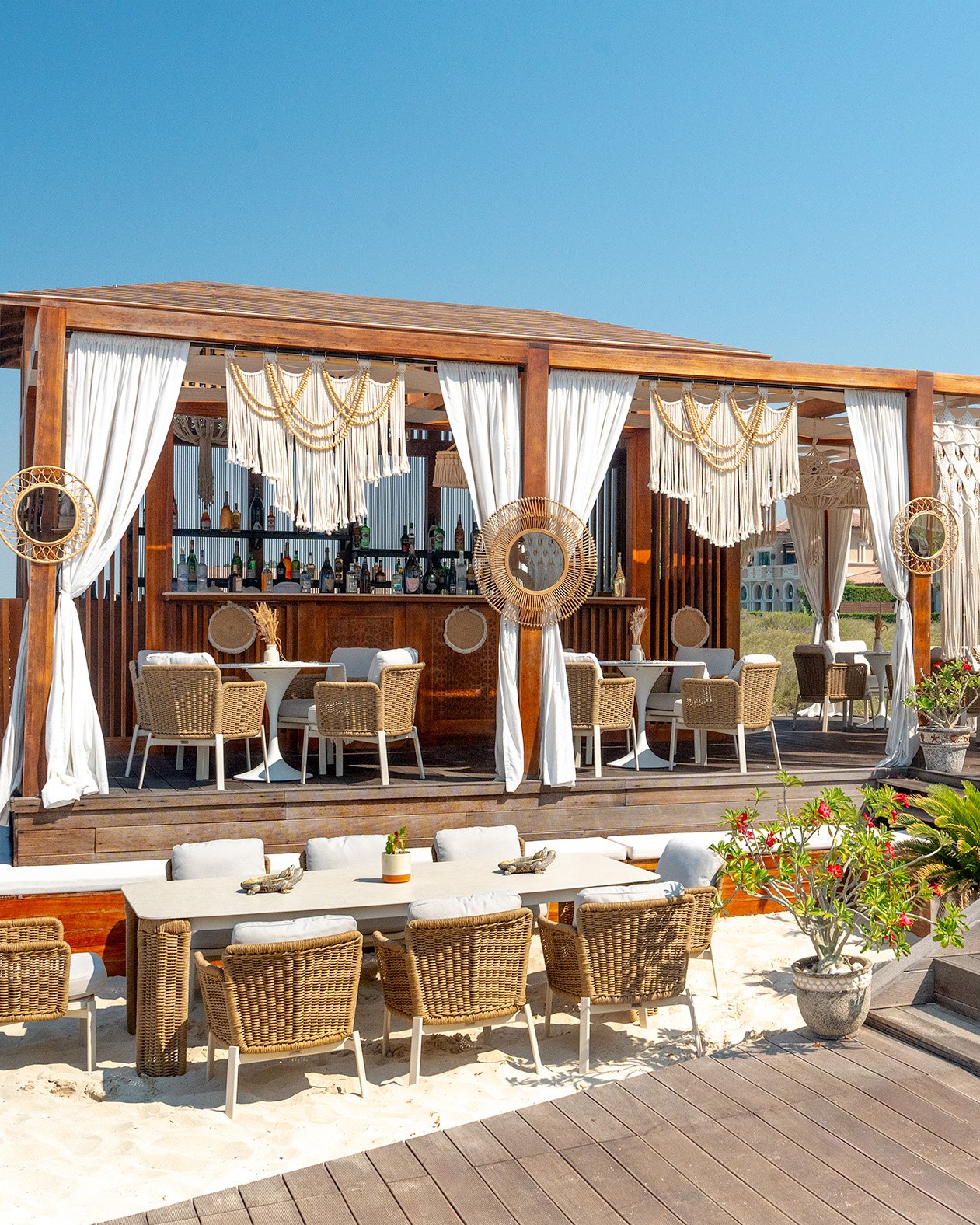
Sophisticated and elegant atmosphere with stunning decor, lively music, and warm lighting overlooking the Arabian Gulf.
Tags
Vibe
Best For
Experience
View
At the Table
- Dress Code
- Smart Casual
- Noise Level
- Lively
- Service Style
- Upscale Casual
- Meal Pacing
- Leisurely
- Capacity
- Large
- Kitchen
- Modern
- Menu Format
- Small plates, A la carte
- Wine Program
- Curated
- Drinks Focus
- Sake program, Craft cocktails
- Dietary
- Vegetarian friendly
Signature Dishes
- black cod
- lamb chops
- wagyu beef
- soft shell crab
- prawn gyoza
Know before you go
Know Before You Go
- Getting there
- Island, global market - Abu Dhabi - United Arab Emirates
Planning details
Location
Island, global market - Abu Dhabi - United Arab Emirates · Directions
Recognition and awards



Also consider
Also Consider
- Talea by Antonio Guida, $$$$ · Italian, $$$$
- Al Mrzab, Emirati Cuisine, $
- Almayass, Lebanese, $$
- Bord Eau by Nicolas Isnard, French, $$$$
- Mika, Mediterranean Cuisine, $$
Restaurant context
How Zuma Compares in Abu Dhabi
At the $$$$ tier, Zuma's closest Abu Dhabi competition is Talea by Antonio Guida and Bord Eau by Nicolas Isnard. Talea is the better choice if you want Italian fine dining with formal service polish; Bord Eau suits guests who prioritise French technique and a quieter, more controlled room. Zuma wins on atmosphere, wine inventory depth, and the sharing-format flexibility that makes it easier to build a long, social evening around. For a celebration dinner where the room needs to feel alive, Zuma is the stronger pick at this price point.
Almayass (Lebanese, $$) and Mika (Mediterranean, $$) offer significantly better value per head and are the right call if the occasion does not require a $$$$ spend. Almayass in particular delivers generous, flavour-forward sharing plates in a less formal setting, a useful alternative if your group wants a long, communal dinner without Zuma's price tag. Mika suits a more casual midweek dinner where Mediterranean variety matters more than Japanese precision.
For something entirely different at the budget end, Al Mrzab (Emirati, $) is worth knowing about for cultural contrast and local cuisine that no Japanese contemporary venue can replicate. It is not a Zuma alternative in any direct sense, but if you are building a multi-night Abu Dhabi dining itinerary, it belongs on the list. The bottom line: book Zuma when occasion, wine, and atmosphere all need to land together. Book Almayass or Mika when the budget or the mood calls for something more relaxed.
Explore Abu Dhabi
Around this place
Discover more on Pearl
Unlock the full Zuma guide in Pearl, including awards, comparisons, FAQs, planning details, and nearby places.
Compare Zuma
| Venue | Cuisine | Price | Booking Difficulty | Awards |
|---|---|---|---|---|
| Zuma | Japanese Contemporary | $$$$ | Hard | Star Wine Lists 2026 · #1Gault & Millau UAE 2026 - Selected Restaurant2025 Wine Spectator Award of Excellence2025 Michelin Plate2024 OAD Top Restaurants in Asia Ranked · #2862023 OAD Top New Restaurants in Europe Recommended |
| Talea by Antonio Guida | $$$$ · Italian | $$$$ | Unknown | Gault & Millau UAE 2026 - Selected Restaurant2026 Michelin 1 StarWe're Smart World Top Restaurants 20252025 Michelin 1 Star2024 Michelin 1 Star |
| Al Mrzab | Emirati Cuisine | $ | Unknown | 2025 Michelin Bib Gourmand2024 Michelin Bib Gourmand |
| Almayass | Lebanese | $$ | Unknown | 2025 Michelin Bib Gourmand2024 Michelin Bib Gourmand |
| Bord Eau by Nicolas Isnard | French | $$$$ | Unknown | Gault & Millau UAE 2026 - Selected Restaurant2026 Michelin Plate2025 Michelin Plate2024 Michelin Plate |
| Mika | Mediterranean Cuisine | $$ | Unknown | Gault & Millau UAE 2026 - Selected Restaurant2025 Michelin Bib Gourmand2024 Michelin Bib Gourmand |



How Zuma stacks up against the competition.
FAQ
Frequently Asked Questions
Is the tasting menu worth it at Zuma?
Zuma's format leans izakaya-style sharing rather than a conventional tasting menu, so the experience rewards groups who order across the menu. At $$$$ pricing, the cost adds up quickly, but the 2025 Michelin Plate recognition suggests execution is consistent. If you want a structured progression of courses, this may not be the format for you — if communal, high-volume dining is your preference, the spend is easier to justify.
Does Zuma handle dietary restrictions?
Zuma's Japanese contemporary menu typically spans sashimi, robata-grilled dishes, and sushi, which gives reasonable flexibility for pescatarian and gluten-aware diners. The venue has a full front-of-house team including a General Manager and sommelier staff, so communicating restrictions at the time of booking is the practical move. Confirm specific requirements directly with the restaurant before arrival.
How far ahead should I book Zuma?
Book at least two to three weeks ahead for weekend evenings; Zuma Abu Dhabi is a high-profile venue on Abu Dhabi Island with a reputation for a lively atmosphere, and prime slots go fast. Midweek lunch is your best chance at shorter lead times. Given the $$$$ price point, confirming a reservation rather than chancing availability is worth the effort.
What are alternatives to Zuma in Abu Dhabi?
For a different direction at comparable spend, Bord Eau by Nicolas Isnard offers French fine dining with a more formal structure. Al Mrzab is the call if you want to shift to Emirati or regional cuisine. Almayass works well for groups who want a Middle Eastern and Armenian spread at a lower price point. None of them replicate Zuma's Japanese contemporary format, so the comparison is really about what kind of evening you want.
Is Zuma good for solo dining?
Solo dining at Zuma is workable, particularly at the bar or counter where the energy of the room is part of the draw. The izakaya-style menu is designed for sharing, so ordering solo means you see less of the menu — but several dishes translate well individually. The atmosphere skews social, so if you want a quieter solo dinner, this is probably not the right fit.
Is Zuma worth the price?
At $$$$ per head, Zuma Abu Dhabi sits at the top of the city's dining price band. The 2025 Michelin Plate and a Star Wine List #1 ranking (2024) indicate the kitchen and wine programme both perform at a credible level. It is worth the price if the combination of Japanese contemporary cooking, a 200-selection wine list, and a high-energy room is what you are after — less so if you want a quiet, value-led meal.
Is Zuma good for a special occasion?
Yes, with caveats. Zuma Abu Dhabi delivers on atmosphere and credential — Michelin Plate 2025, a Wine Director on staff, and a globally recognised group behind it — which gives a special occasion the right external markers. The room is lively rather than intimate, so if the occasion calls for a quieter, more private setting, consider requesting a dedicated table away from the bar when booking. For celebrations where energy and a strong drinks programme matter, it works well.