
20 Stories
Deansgate, Manchester
Restaurant in Manchester, United Kingdom
 Book with Pearl
The Read
Price
$50–100per person
Dress
Smart Casual
Why go
20 Stories is the Spinningfields pick when the setting, central address, and late-evening energy matter. It is better for celebrations, visitor meals, and business-adjacent plans than for diners chasing a tightly defined cuisine or chef-led format. Booking is listed as easy, and Good Food Guide 2025 recognition adds a useful quality signal.
About 20 Stories
20 Stories in Manchester is best approached with the basics in mind: opening hours, dress code, and recognition. It is open from midday daily, runs late most nights, has a smart casual dress code, and is listed in The Good Food Guide 2025 as GFG Good. The clearest grounded advantage is practicality. The venue keeps long opening hours across the week: Monday to Thursday from 12 PM to 12 AM, Friday and Saturday from 12 PM to 1 AM, and Sunday from 12 PM to 11 PM. The Good Food Guide 2025 recognition gives it a quality signal, but the safer expectation is a Manchester venue rather than a decision based on a specific tasting-menu, chef-led, or cuisine-specific format.
Go when the timing helps the occasion
The strongest use case is timing-sensitive. Because 20 Stories opens from 12 PM daily and stays open late, it can work for plans that need flexibility across the day or into the evening. Friday and Saturday run latest, so those nights are the most natural fit for a later Manchester booking.
For an explorer's Manchester itinerary, treat 20 Stories as one option to compare with other dining rooms. Another Hand, Hawksmoor Manchester, MUSU Restaurant, Stow, and The Ivy Spinningfields Brasserie, Manchester are natural names to consider alongside it, depending on availability and the kind of meal you want. For broader planning, use Pearl's Manchester restaurants guide.
Useful when the basics fit your plan
The decision comes down to what kind of booking is being planned. If the brief is a Manchester venue with smart casual expectations, long hours, and a recognised Good Food Guide 2025 listing, 20 Stories is a practical choice. If the brief depends on a particular cuisine, menu format, chef, price level, or service style, confirm those details directly before committing.
For a wider trip, pair the venue decision with Pearl's Manchester hotels guide and other Manchester planning resources. If you are comparing dining options, keep the comparison focused on opening hours, dress code, recognition, and the current information published by each venue.
Planning details
- Location
- No 1 Spinningfields, 1 Hardman Square, Manchester, M3 3EB, United Kingdom
- Reservations
- Book on the venue's website
- Website
- 20stories.co.uk
- Phone
- +441612043333
The take
The Take
The Vibe
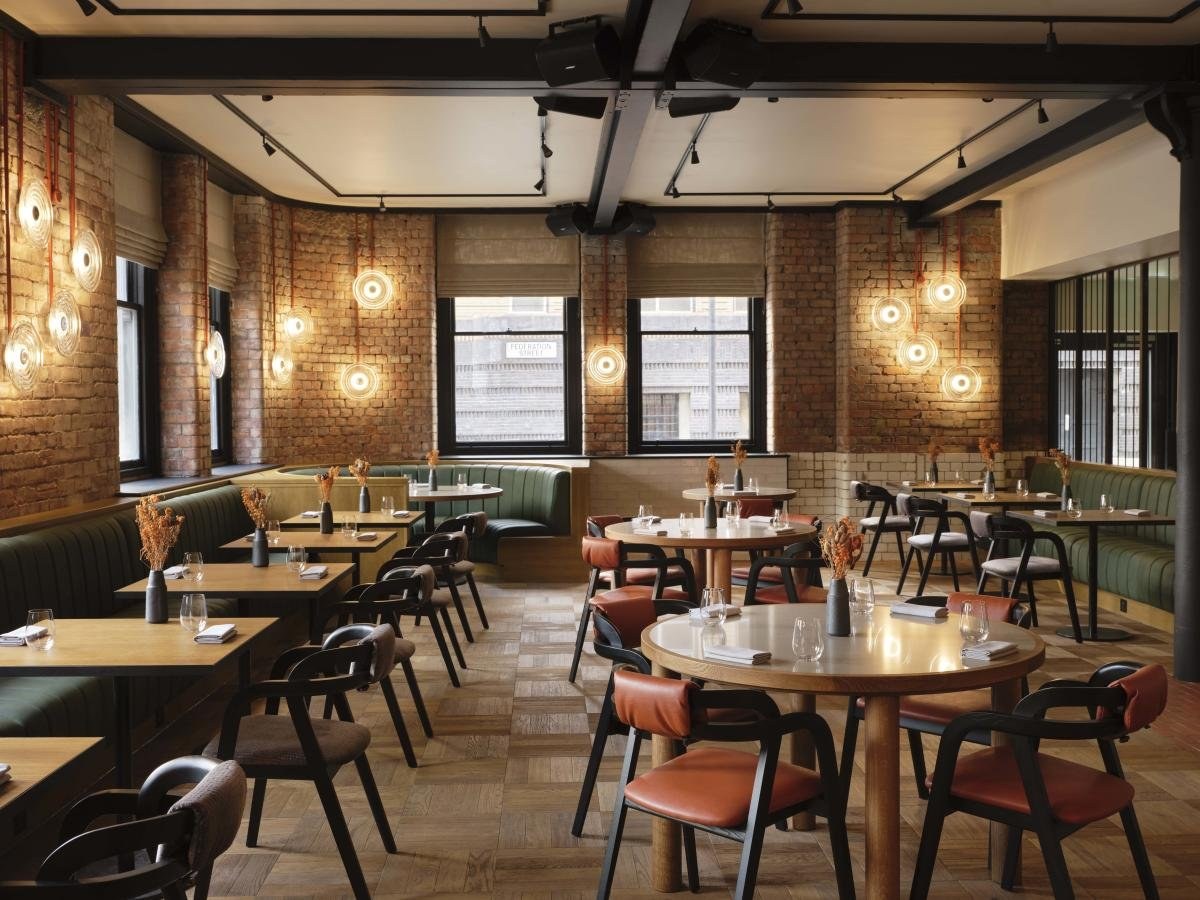
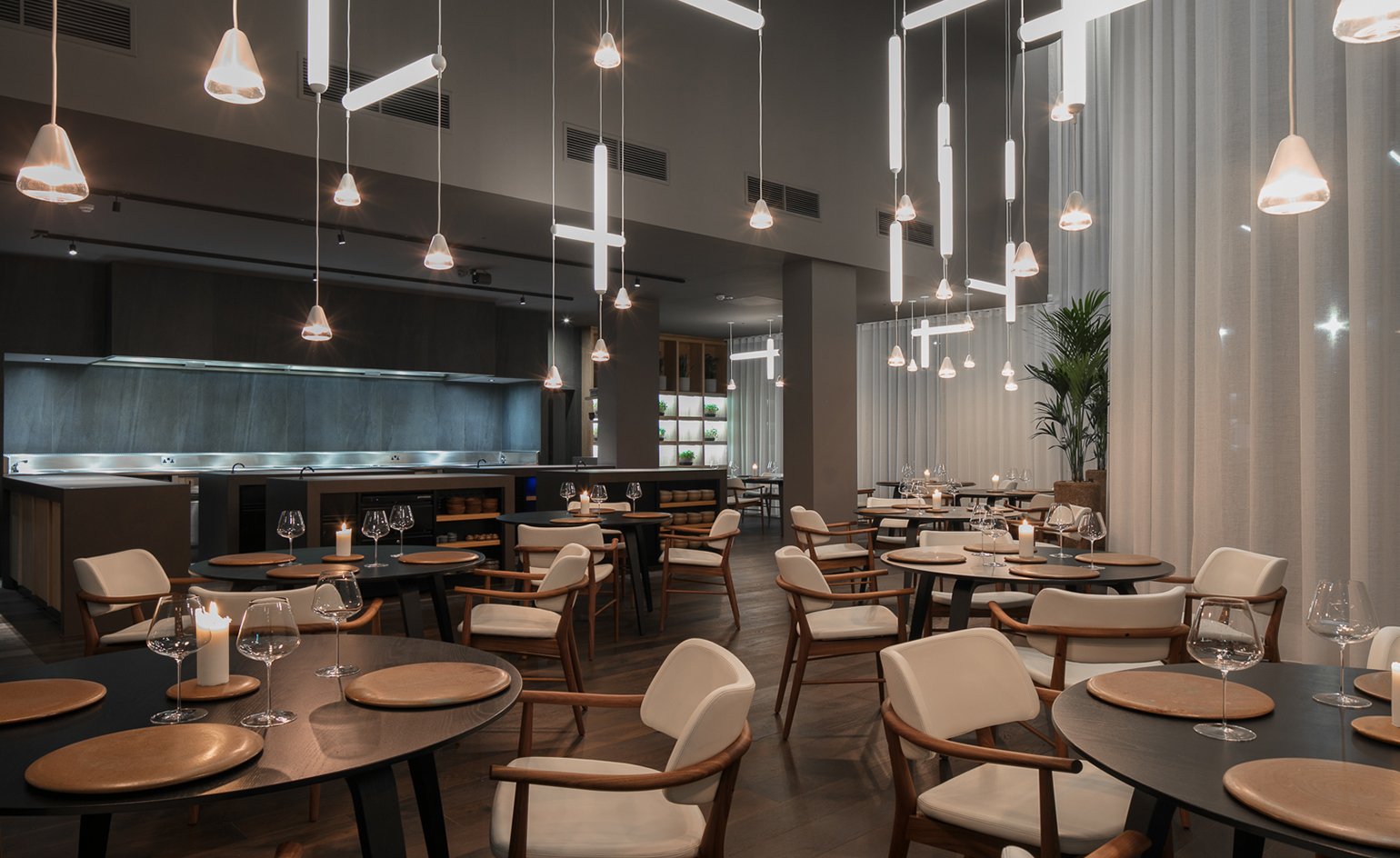
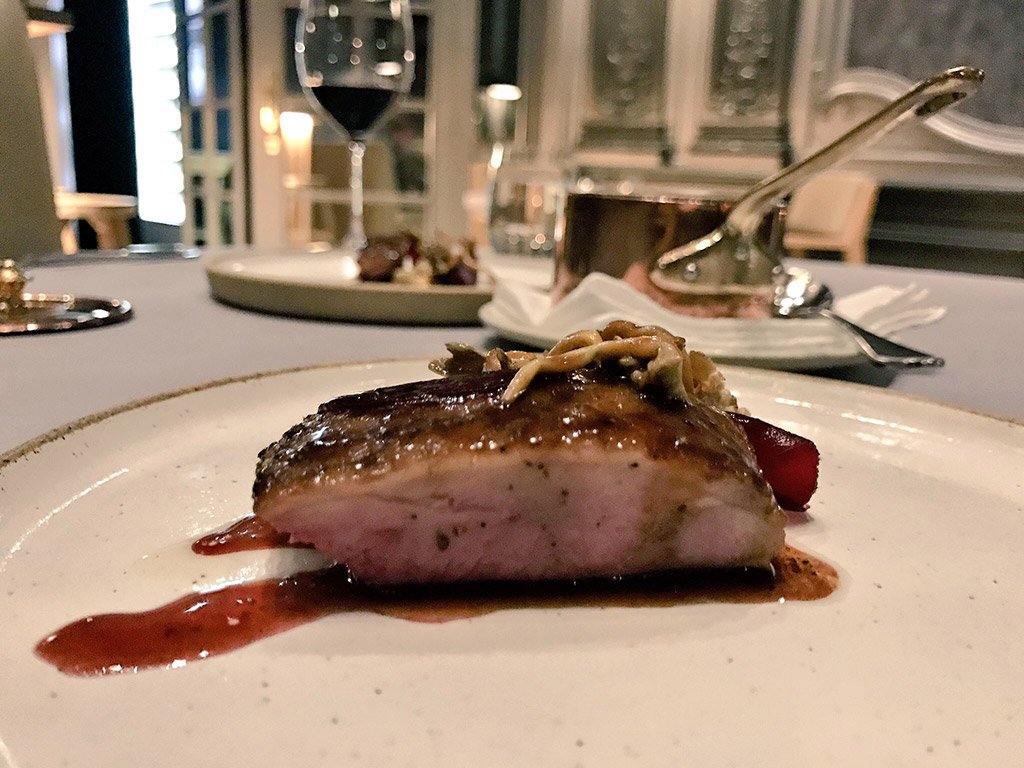
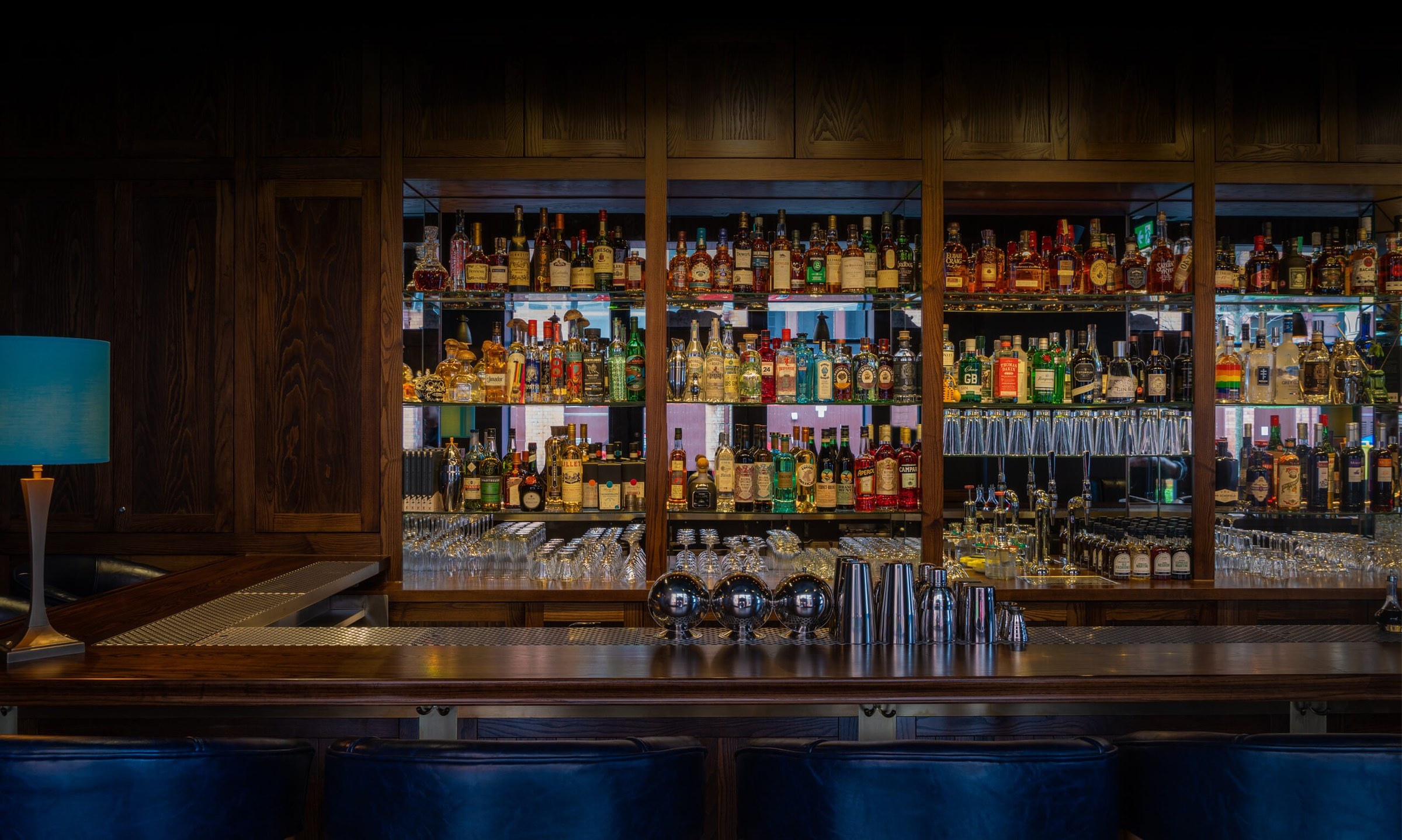
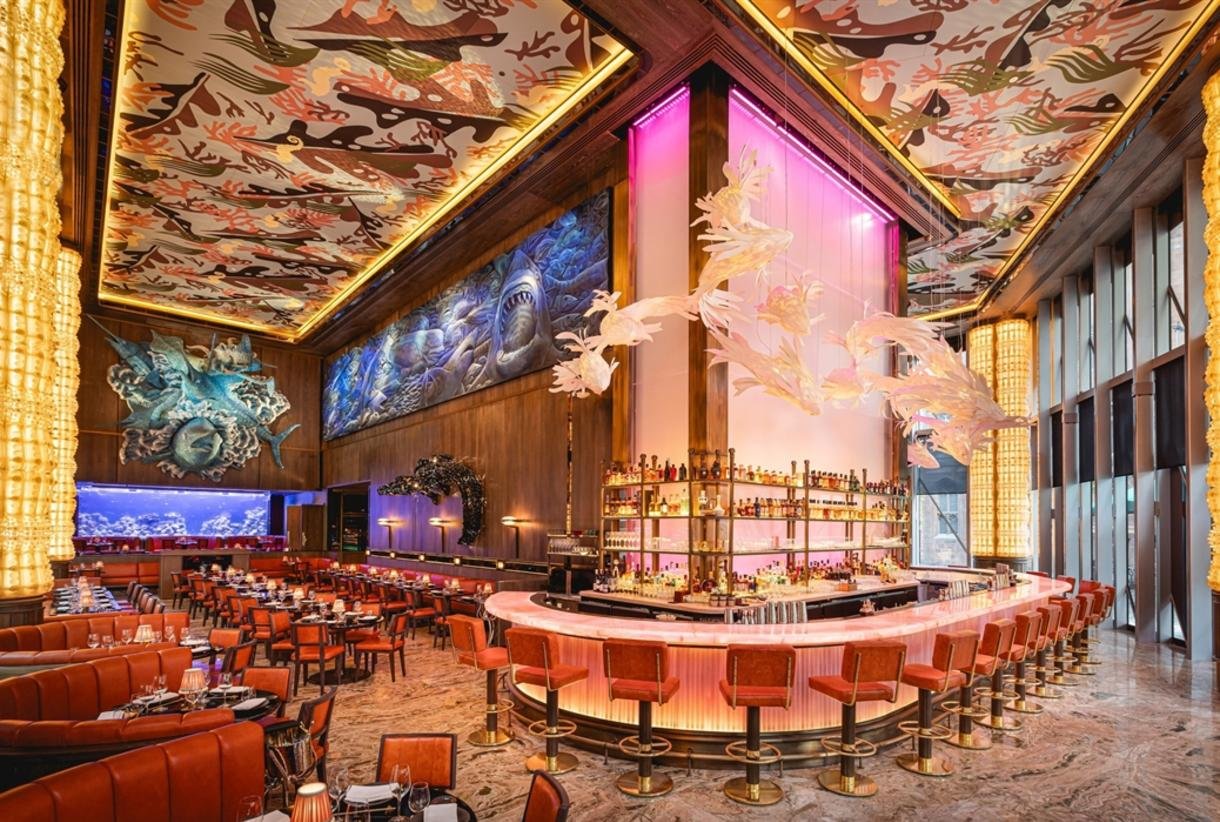
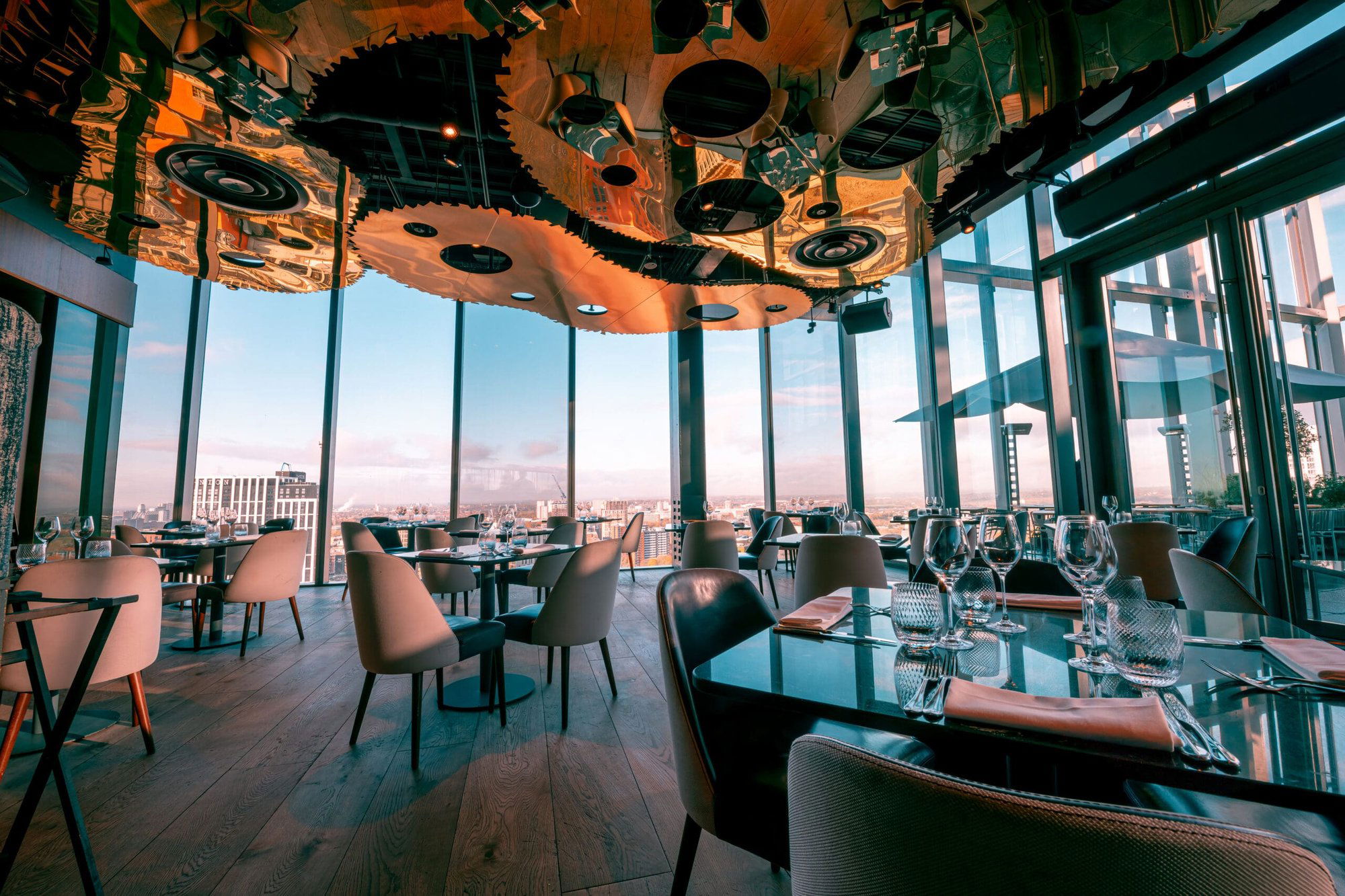
20 Stories presents itself as a theatrical, high-up dining destination where the view plays as prominent a role as the cooking. Perched on the twentieth floor in Spinningfields, the room frames sweeping city vistas and sightlines out to the Pennines, and the panorama deliberately shapes the experience. The kitchen offsets the spectacle by working with good North Country produce and applied technique, so the food holds its own against the distraction of altitude. Programming is broad — from rooftop cocktails to bottomless brunches, afternoon tea and Sunday roasts — which reinforces the restaurant’s dual pull as both a social perch and a place for serious contemporary British cooking.
Best For
20 Stories suits occasions that trade on both view and variety. It is a clear pick for weekend brunches and bottomless brunches, an elevated spot for afternoon tea and a theatrical setting for evening à la carte dining. The panorama and rooftop cocktails make it a natural choice for special occasions and celebratory meals where the setting matters as much as the menu, while Sunday roasts are offered alongside the broader a la carte, underlining its role as a full-format destination that caters to different meal rhythms across the week.
Ordering Tips
Make the most of the venue’s varied programming: try it for bottomless brunches, afternoon tea or a Sunday roast to experience formats beyond the evening a la carte. The kitchen leans on North Country produce and careful technique, so opt for dishes described as showcasing regional ingredients or seasonal sourcing to get a true sense of the cooking. Factor the view into your visit — the panorama is integral to the experience, so aim for times when daylight makes the skyline and Pennines visible, and pair a rooftop cocktail with lighter starters before moving on to more substantial mains.
Venue details
Ambiance
Opulent and stylish with dramatic lighting, vibrant and buzzy atmosphere enhanced by live music and city views, though occasionally noted as loud.
Tags
Vibe
Best For
Experience
View
At the Table
- Dress Code
- Smart Casual
- Noise Level
- Lively
- Service Style
- Upscale Casual
- Meal Pacing
- Leisurely
- Capacity
- Large
- Kitchen
- Modern
- Menu Format
- A la carte, Set menu
- Wine Program
- Curated
- Dietary
- Vegetarian friendly
- Outdoor Seating
- Yes
Know before you go
Know Before You Go
- Getting there
- No 1 Spinningfields, 1 Hardman Square, Manchester, M3 3EB, United Kingdom
Planning details
Location
No 1 Spinningfields, 1 Hardman Square, Manchester, M3 3EB, United Kingdom · Directions
Recognition and awards
Also consider
Also Consider
- The Ivy Spinningfields Brasserie, Manchester, Notable alternative
- Hawksmoor Manchester, Steakhouse, Steakhouse
- Stow, Notable alternative
- Another Hand, Modern Cuisine, ££
- MUSU Restaurant, Notable alternative
Restaurant context
How 20 Stories compares in Manchester
Choose 20 Stories when the room and Spinningfields location are the point. The Ivy Spinningfields Brasserie, Manchester is the closest comparison for a polished, central, occasion-friendly meal; 20 Stories is the stronger fit if a higher-energy setting is the priority, while The Ivy is safer for a broader all-day brasserie brief.
For steak, Hawksmoor Manchester is the clearer decision because the format is defined. For modern cooking at a stated ££ level, Another Hand gives better value clarity and a more food-led reason to go. If the group cares less about the room and more about what is on the plate, start there.
Stow and MUSU Restaurant are the better cross-shops when the aim is to compare Manchester restaurants by experience rather than address. 20 Stories wins on easy planning and Spinningfields convenience; the others are more sensible when the meal itself needs to carry the night.
Explore Manchester
Around this place
Discover more on Pearl
Unlock the full 20 Stories guide in Pearl, including awards, comparisons, FAQs, planning details, and nearby places.
Compare 20 Stories
| Venue | Location | Cuisine | Awards | Price |
|---|---|---|---|---|
| 20 Stories | Manchester | , | The Good Food Guide 2025 | , |
| The Ivy Spinningfields Brasserie, Manchester | Manchester | No published awards | , | , |
| Hawksmoor Manchester | Manchester | Steakhouse | Star Wine Lists 20262026 OAD Casual in Europe Recommended2025 OAD Casual in Europe Ranked · #373The Good Food Guide 20252024 OAD Casual in Europe Ranked · #360 | , |
| Stow | Manchester | SquareMeal UK Top 100 Restaurants 2026 · #31Michelin Guide Great Britain & Ireland 2026The Good Food Guide 2025 | , | , |
| Another Hand | Manchester | Modern Cuisine | Michelin Guide Great Britain & Ireland 2026The Good Food Guide 20252025 Michelin Plate2024 Michelin Plate | ££ |
| MUSU Restaurant | Manchester | No published awards | , | , |




.png?width=1200&quality=80)
How 20 Stories Manchester compares with similar nearby venues.
FAQ
Frequently Asked Questions
What should I wear to 20 Stories?
The dress code is smart casual. For a Manchester booking, aim for neat, polished clothing rather than very casual wear.
What are 20 Stories' opening hours?
20 Stories is open Monday to Thursday from 12 PM to 12 AM, Friday and Saturday from 12 PM to 1 AM, and Sunday from 12 PM to 11 PM.
Does 20 Stories handle dietary restrictions?
Contact 20 Stories directly before booking if you need specific dietary or allergy information.
What are alternatives to 20 Stories?
Other options to compare include Another Hand, Hawksmoor Manchester, MUSU Restaurant, Stow, and The Ivy Spinningfields Brasserie, Manchester. Choose based on the current menu, availability, and the kind of occasion you are planning.
Is 20 Stories good for a special occasion?
It can be a practical Manchester choice for an occasion that benefits from smart casual dress expectations, long opening hours, and Good Food Guide 2025 recognition. Confirm current menus and booking details directly if the food format or service style is important to the celebration.
Is lunch or dinner better at 20 Stories?
20 Stories opens from 12 PM daily and runs into the evening, with later closing on Friday and Saturday. Choose the time that best fits your plan, and confirm current service details with the venue.