
Restaurant in حلب, Syria
Al Zammar House
100ptsAleppan Meze Tradition
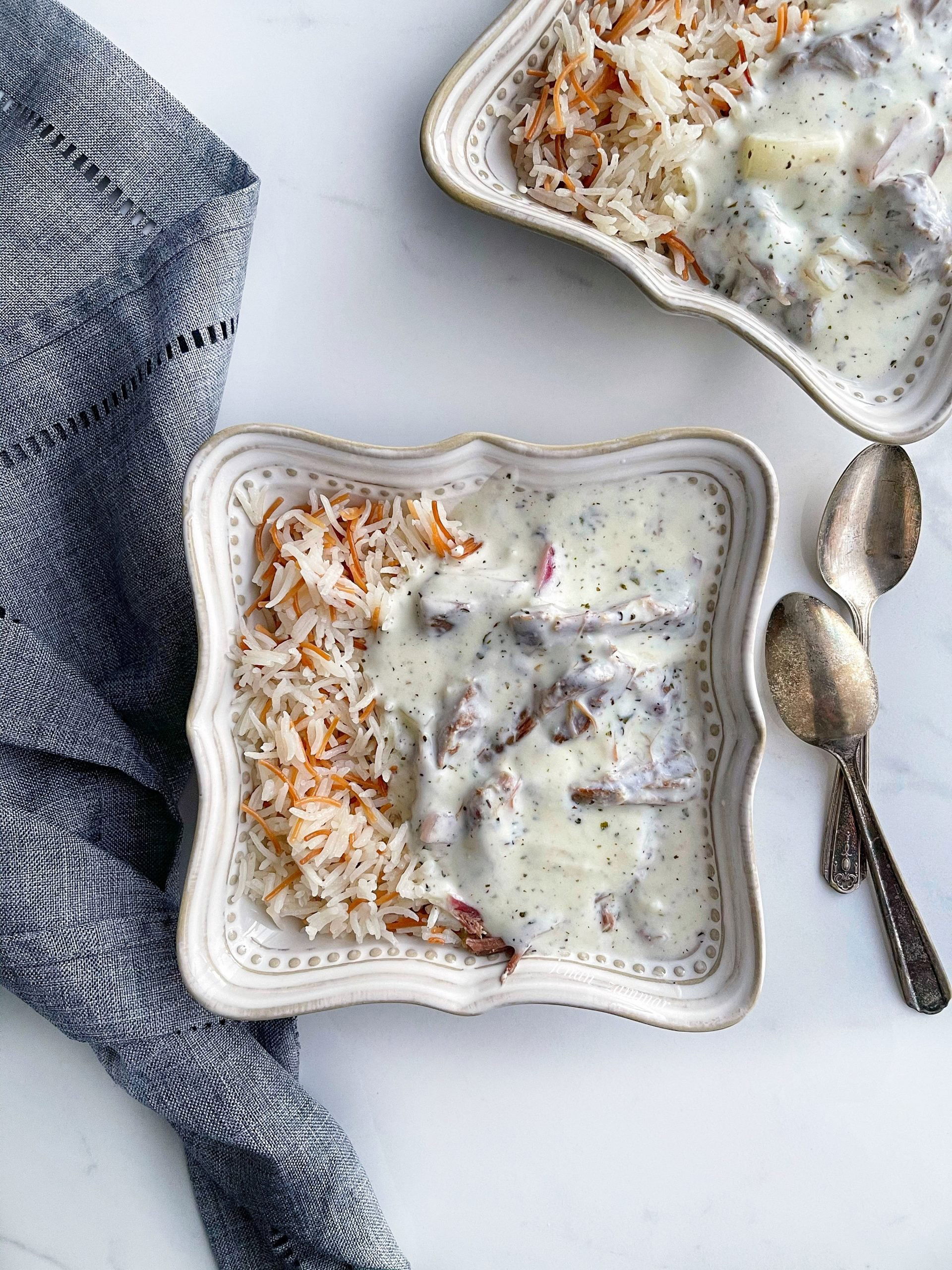
About Al Zammar House
Al Zammar House sits within Aleppo's layered dining tradition, where the sourcing of ingredients from the city's historic markets and surrounding agricultural plains has defined the table long before farm-to-fork became a global conversation. The restaurant draws on a culinary geography that stretches from the spice merchants of the old souk to the orchards of the Orontes Valley, placing it firmly within a regional cooking culture that prioritizes provenance.
Aleppo and the Architecture of Ingredient-Driven Cooking
There is a particular quality to the food that emerges from cities with living market cultures, and Aleppo is one of the clearest examples in the Arab world. The city's souk network, among the longest covered markets in the region, has historically functioned not just as a retail infrastructure but as a culinary supply chain. Spices, preserved meats, pickled vegetables, and dried fruits moved through these lanes into the kitchens of both domestic cooks and restaurant houses, creating a cuisine whose identity is inseparable from its sourcing geography. Al Zammar House operates within that tradition, drawing on a city where the question of where food comes from has never required a marketing strategy to answer — it has always been answered by the market itself.
Aleppo sits at an agricultural crossroads. To its west, the valleys produce some of the most prized pistachios in the world; to its north and east, wheat plains and olive groves sustain a larder that has fed the city for centuries. The Aleppo pepper — a moderately hot, fruity chili dried and flaked with its oil retained , is perhaps the most internationally recognized product of this terroir, adopted by professional kitchens from Le Bernardin in New York City to Amber in Hong Kong. Within the city itself, that pepper is simply an ingredient among many that reflects a cooking tradition built on specificity of place.
The Physical Register: Entering Aleppo's Dining Rooms
The architectural fabric of Aleppo's older dining establishments tends to follow a recognizable logic: rooms built around courtyards, stone walls that retain coolness in summer and warmth in winter, and a spatial hierarchy that moves from street noise to interior quiet. This format is not decorative nostalgia; it is a functional response to the city's climate and social rhythms. Meals in these spaces extend across time. The meze format, which underpins most traditional Aleppan dining, is structured for conversation and accumulation rather than speed , small plates arrive in sequence, building a table that functions as much as a social event as a meal.
Al Zammar House, located in Aleppo, fits into this broader pattern of the city's traditional dining rooms. For those approaching the question of what to eat in حلب, the venue sits alongside peers such as Abu Youssef and Anuzha in representing a dining culture that prioritizes depth of regional tradition over novelty. Each of these addresses connects to the same supply networks , the spice merchants, the butchers, the producers of kishk and sumac and pomegranate molasses , that define what Aleppan food actually is at its base level.
Ingredient Sourcing as Editorial Lens
Syrian cooking, and Aleppan cooking in particular, has a sourcing logic that predates contemporary food movements by several centuries. The trade routes that ran through Aleppo connected the city to spice markets in the east and olive oil producers in the west, and those connections were encoded into the cuisine. Kibbeh made with the specific bulgur of the region. Lamb sourced from animals grazed on the dry steppe to the city's east. Cherry kebab , a distinctly Aleppan preparation , that relies on sour cherries grown in the cooler elevations north of the city. These are not incidental ingredients; they are structural to the dish.
This sourcing specificity places Aleppan cuisine in an interesting comparative position globally. The kind of ingredient traceability that high-end restaurants in cities like Alinea in Chicago or Lazy Bear in San Francisco build elaborate systems to achieve has been native practice in Aleppo's traditional kitchen for generations. The Aleppan cook's relationship with a spice merchant is not a supply-chain innovation; it is an inherited relationship, often spanning multiple generations of both families. For diners arriving from contexts where provenance is a premium signal, encountering it as unremarkable baseline practice is itself an education.
Aleppo's Dining Context: Where Al Zammar House Sits
Within Syria's broader restaurant geography, Aleppo occupies a different register than Damascus. Where Damascus dining, represented by addresses like Naranj Restaurant in Al Qaimarryeh and Bakdash in Damascus, tends toward the theatrical and the nationally symbolic, Aleppo's table is more internally focused, more interested in the specifics of its own larder. The city's food culture is perhaps less accessible to the passing visitor and more rewarding to the one who takes time with it. This is a cuisine that reveals itself in repetition and comparison rather than in a single spectacular meal.
Compared to dining scenes in other Syrian cities , Kitaz Restaurant in حماه, Julia Palace Restaurant in حمص, or the options available when you view restaurants in لاذقية , Aleppo's table operates with a particular rigidity of tradition. Recipes here are not experimented with lightly. The pressure to maintain the integrity of a dish is social as much as culinary; Aleppans are specific about what their food should taste like, and that specificity is held collectively. A restaurant that departs too far from established preparation methods hears about it. This community-level quality control is, in its own way, a form of culinary governance that no Michelin guide can replicate.
For those building a broader picture of the region's dining options, our full حلب restaurants guide maps the city's current scene across price points and styles, and Shawrma Sharif in دمشق offers a useful counterpoint for understanding how street-level Syrian cooking differs from the table-service tradition.
Planning a Visit
Aleppo's dining culture operates on different timing conventions than Western restaurant norms. The main meal of the day traditionally falls in early afternoon, and dinner service in traditional establishments tends to begin later than visitors accustomed to European or American schedules might expect. Reservations, when available, are advisable for larger groups, particularly given that the city's hospitality norms favor unhurried service and full tables over rapid turnover. Current travel advisories for Syria should be reviewed carefully before planning any visit, and practical logistics including contact details and hours are leading confirmed directly through local contacts or updated travel resources, as these details shift with the city's ongoing recovery.
Frequently Asked Questions
What's the leading thing to order at Al Zammar House?
Aleppan dining is structured around meze, and the most instructive approach at any traditional Aleppo restaurant is to move through a sequence of cold and warm small plates before reaching the grilled or braised main. Dishes that showcase locally sourced Aleppo pepper, kibbeh preparations, and lamb are the clearest expression of what the city's kitchen does at its most characteristic. Specific menu details for Al Zammar House are not confirmed in current records and are leading requested directly on arrival.
Can I walk in to Al Zammar House?
Walk-in dining is common practice in Aleppo's traditional restaurant culture, where formal reservation systems are less entrenched than in cities like Alain Ducasse's Louis XV in Monte Carlo or Alléno Paris au Pavillon Ledoyen. For smaller parties, arriving and being seated without advance booking is typically direct. Larger groups, or visits timed to Friday lunch , the week's primary family meal occasion in Syrian culture , benefit from advance arrangement where contact channels allow.
How does Aleppan cuisine compare to what you find elsewhere in Syria, and why does that matter when choosing where to eat in حلب?
Aleppan cuisine is generally considered among food historians to be the most technically complex and ingredient-specific of Syria's regional traditions, distinguished by its use of sour fruit elements, spice layering, and preparations like cherry kebab that exist nowhere else in the country at scale. Choosing to eat in حلب rather than bringing Aleppan restaurant expectations formed elsewhere means encountering dishes in their source context, with local produce rather than imported approximations. Al Zammar House, as an Aleppo-based address, draws on that same regional larder. For broader orientation, the 8½ Otto e Mezzo Bombana (Hong Kong) comparison is instructive in a different register: just as that restaurant's identity is inseparable from its Italian sourcing logic applied in an Asian context, Aleppan cooking's identity is inseparable from its specific northern Syrian supply geography.
Related editorial
- Best Fine Dining Restaurants in ParisFrom three-Michelin-star icons to the next generation of Parisian chefs pushing boundaries, these are the restaurants that define fine dining in the world's culinary capital.
- Best Luxury Hotels in RomeFrom rooftop terraces overlooking ancient ruins to Michelin-starred hotel dining, these are the luxury hotels that make Rome unforgettable.
- Best Cocktail Bars in KyotoFrom sleek lounges to hidden speakeasies, Kyoto's cocktail scene blends Japanese precision with global influence in ways you won't find anywhere else.
Save or rate Al Zammar House on Pearl
Keep this venue in your Pearl passport, rate it after you visit, and track it alongside every other place you collect.