

Tabelog 100 Ramen Restaurants in East Japan 2025
Tabelog 100 (Hyakumeiten) Ramen - EAST selection for 2025. Tabelog publishes these as source-ordered lists of 100 restaurants.

Venues on this list
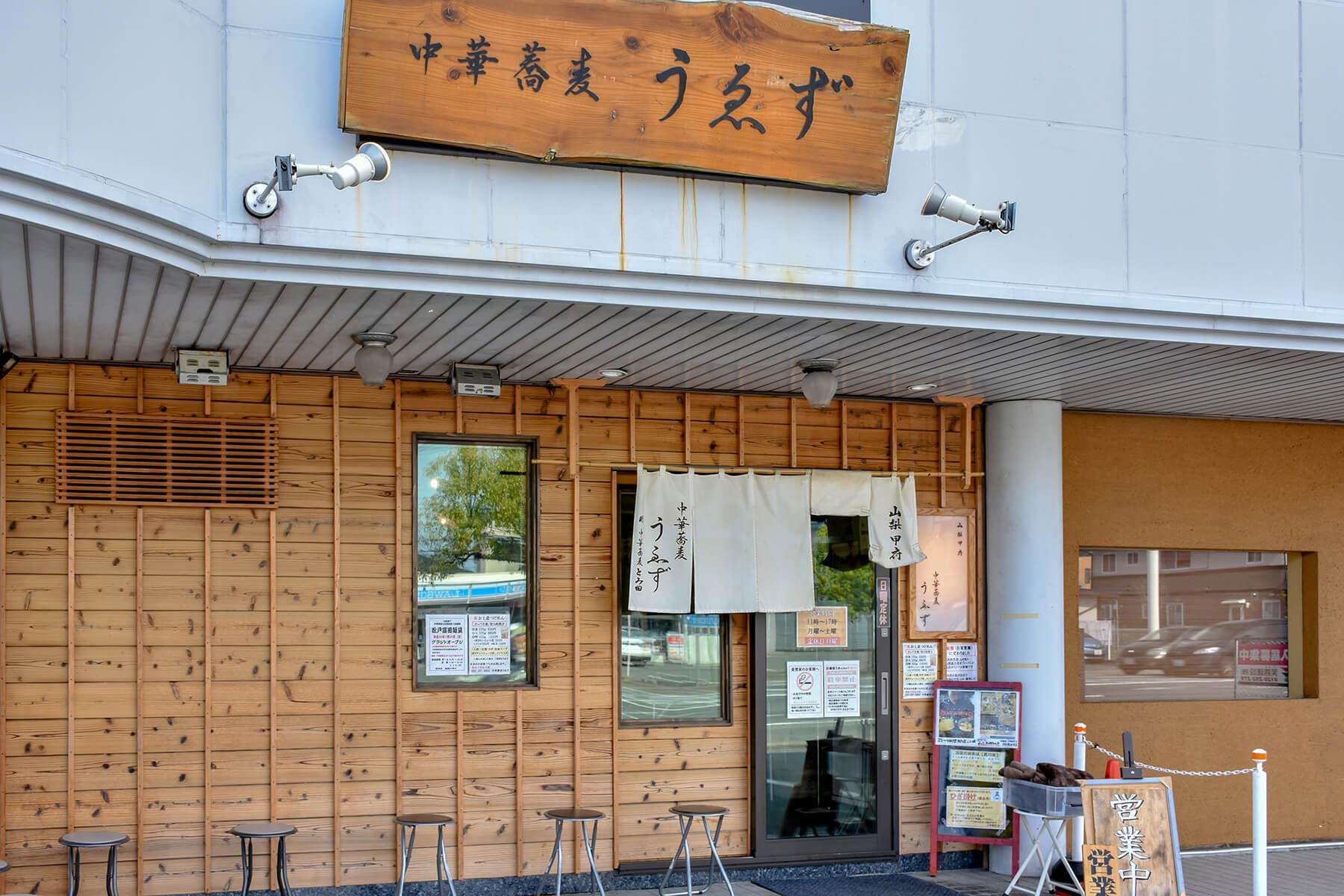
Chuka Soba Uosei
Atami, Japan
Chuka Soba Uosei is the Atami ramen pick to prioritize when lunch needs to be focused, efficient, and ingredient-led rather than leisurely. Its Tabelog 100 #1 recognition in 2025 gives it a clear credibility signal, but the format is narrow: go for a serious bowl, not a long group meal.
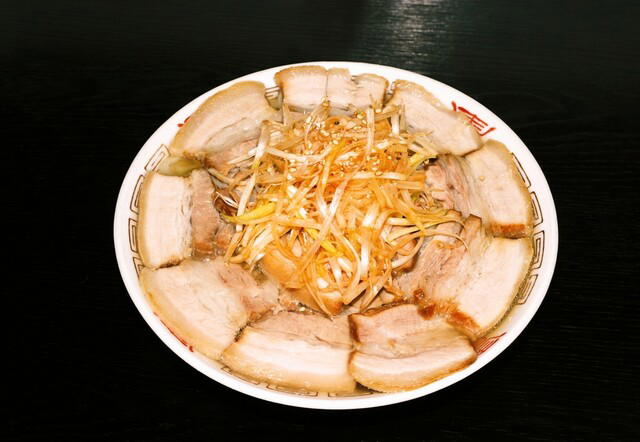
Bannai Shokudo
Kitakata, Japan
Bannai Shokudo is worth prioritizing in Kitakata if the goal is a low-cost, highly recognized casual meal rather than a special-occasion room. Its 2025 Tabelog Ramen EAST 100 selection gives it a stronger trust signal than many venues in the same sub-JPY 999 band.
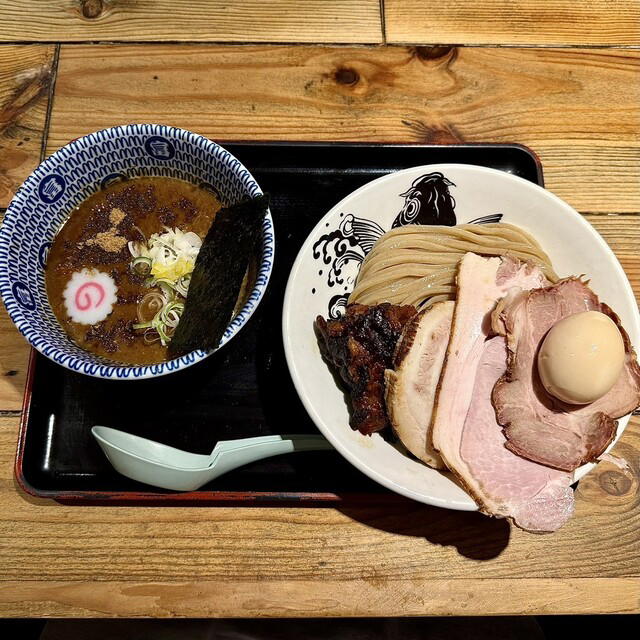
Matsudo Chuka Soba Tomita Shokudo
Matsudo, Japan
A walk-in ramen and tsukemen specialist two minutes from Matsudo Station, recognized in Tabelog 100 Ramen EAST for 2024 and 2025. Expect JPY 1,000–1,999 bowls, weekend queues, and straightforward soy-based broths with no reservations accepted. Counter and table seating available; best for ramen regulars willing to wait.
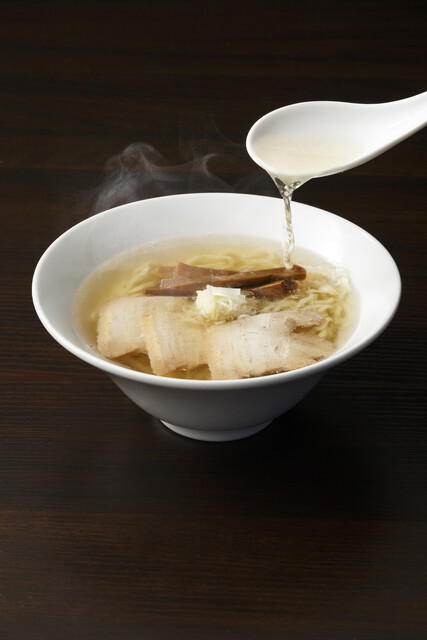
Wende
ootomachikamimiyorioomameta, Japan
Wende delivers Tabelog 100-recognized ramen and dumplings at under ¥1,000 per person, making it a practical lunch stop near Ashinomaki Onsen Station. The 1972-founded shop serves walk-ins only in a relaxed, family-friendly room with BYO drink policies and efficient, no-fuss service. Book weekday mornings before noon for the shortest wait and fullest menu selection.
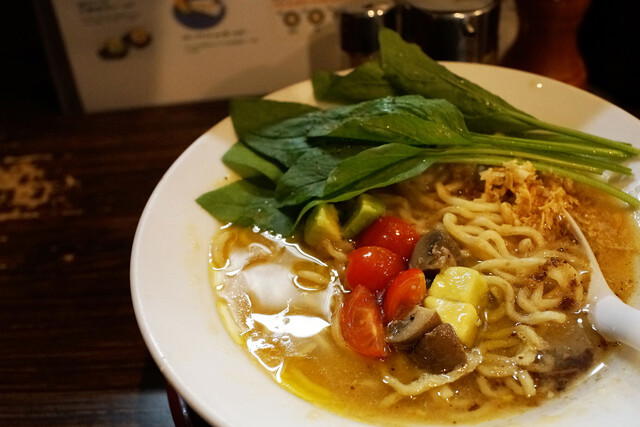
DASHIRO Sendai minamimachidoori honten
Sendai, Japan
Tabelog 100-recognized ramen counter in Ichibancho serving bowls under JPY 1,000, with Michelin Plate credentials and a modern 26-seat setup. Walk-in only, cash-only, and open seven days a week; solo-friendly and among Sendai's most affordable quality bets.
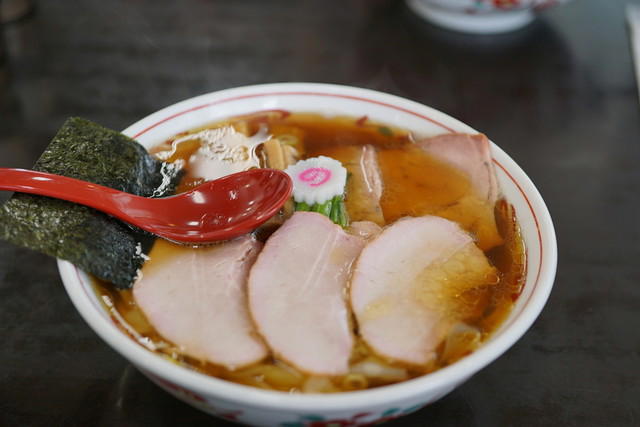
Tora Shokudo Matsudo bunten
Matsudo, Japan
Eight-time Tabelog 100 Ramen EAST honoree serving sub-¥1,000 shoyu ramen in a family-friendly, 28-seat shop with free parking and no reservations. Lunch-only service (11 AM–2:30 PM, closed Tuesday) one minute from Matsuhidai Station. Counter seats offer the best kitchen view; tatami rooms accommodate groups and strollers.
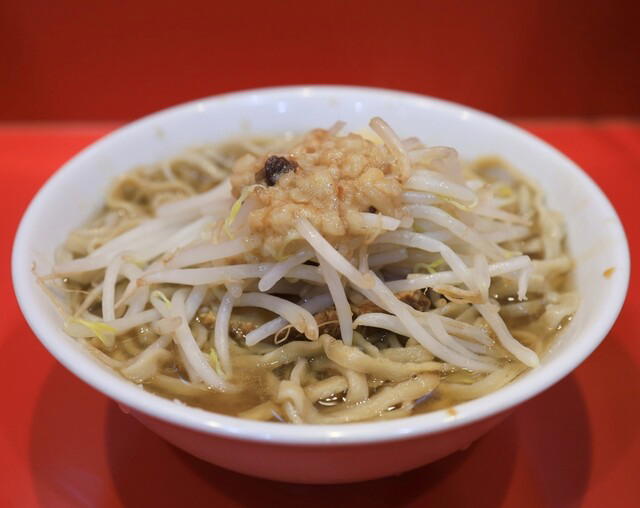
Menya Kiryu Higashikawaguchi honten
Kawaguchi, Japan
Tabelog 100-recognized ramen counter in a Saitama supermarket lot, delivering award-tier bowls under 1,000 JPY with deep customization options. Walk-in only, cash only, and built for serious ramen enthusiasts who prioritize technical precision over setting. The 16-minute walk from JR Higashi-Kawaguchi Station rewards those mapping Tabelog stops across suburban Tokyo.
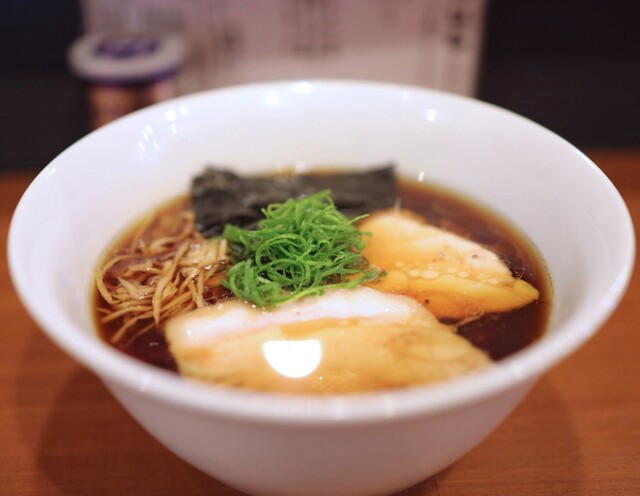
Jikasei Temomi Men Suzunoki
Tokorozawa, Japan
Jikasei Temomi Men Suzunoki is the Tokorozawa ramen pick for a focused, low-spend lunch rather than a lingering group meal. Its Tabelog 100 #8 placement in 2025 gives it a stronger quality signal than most casual nearby options, but the format suits solo diners and pairs more than special occasions.
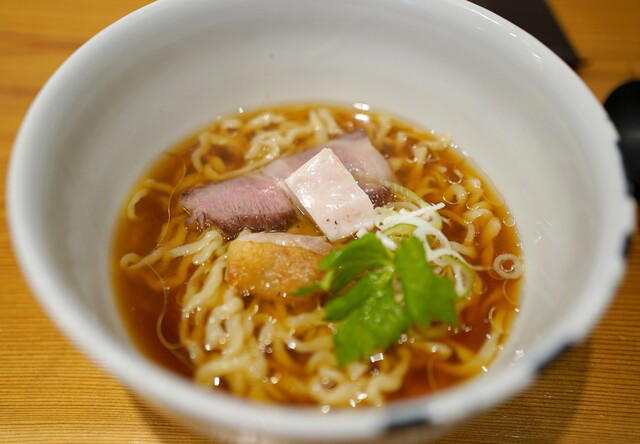
Ramen Kanekatsu
Saitama, Japan
An eight-seat ramen counter one minute from Kita-Urawa station, Ramen Kanekatsu has earned Tabelog EAST 100 recognition three consecutive years (2023–2025) for bowls priced JPY 1,000–1,999. No reservations, cash-only, two daily windows (6:00–7:30 AM, 10:00 AM–3:00 PM), closed Sundays. Solo-friendly counter seating and straightforward execution justify the queue for diners seeking technically sound ramen without ceremony or booking complexity.
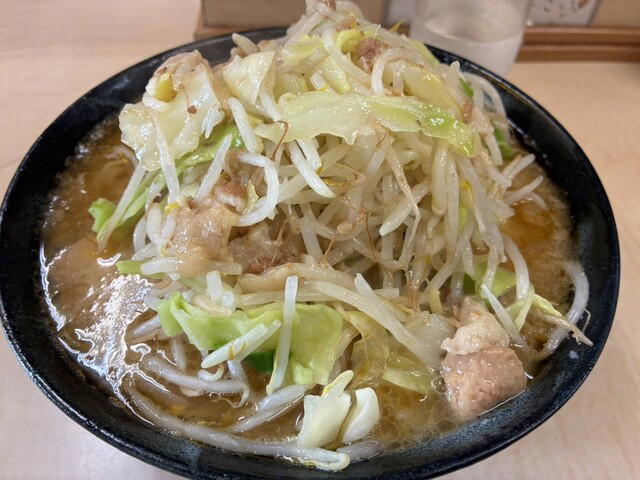
Ramen Jiro Keisei ookubo ten
Funabashi, Japan
This 11-seat Jiro-chain counter earned consecutive Tabelog Ramen EAST 100 nods (2024, 2025) for ultra-heavy tonkotsu bowls under 1,000 yen. No reservations, cash only, and a midday-only schedule make it a pilgrimage for hardcore fans rather than a casual lunch stop. If you prize pork density over ambiance, the value justifies the suburban trek.
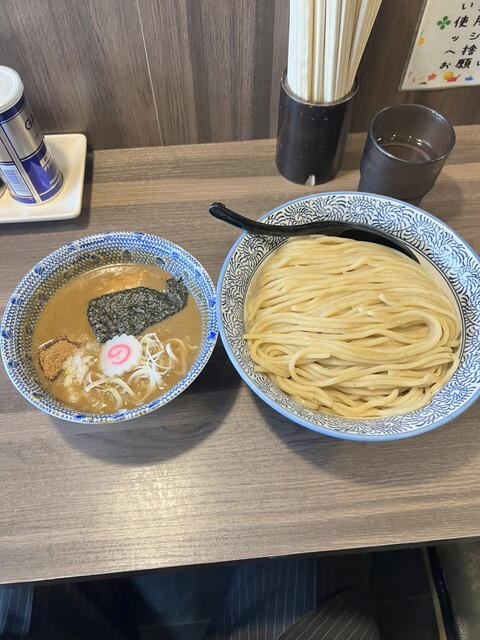
Noroshi Honten
Saitama, Japan
An eleven-seat tsukemen counter in suburban Saitama, holding Tabelog 100 Ramen EAST recognition since 2017. No reservations, sub-¥1,000 bowls, and walk-in queues that vanish by mid-afternoon. Counter-only seating suits solo diners; Sunday service ends at 4 PM.
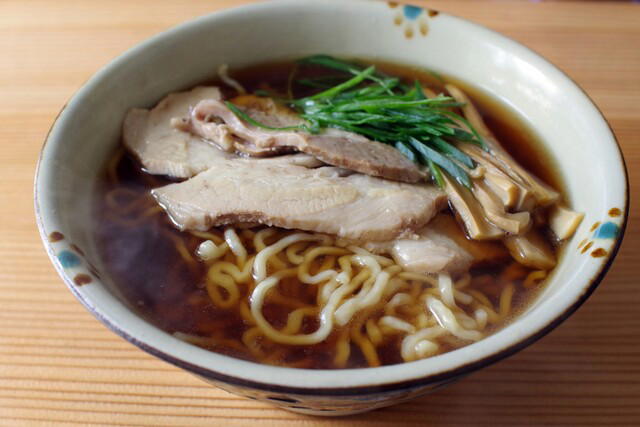
Chuka Soba Dokoro Konpiraso
Tsuruoka, Japan
Tabelog 100 ramen shop inside a coastal ryokan, serving bowls under JPY 1,000 in a 48-seat tatami room with ocean views. Open only October through May, 11 AM to 2 PM; numbered tickets from 8 AM. Remote Sanze location requires a 90-minute drive from Tsuruoka, but pricing and consistent recognition justify the trip for ramen-focused travelers.
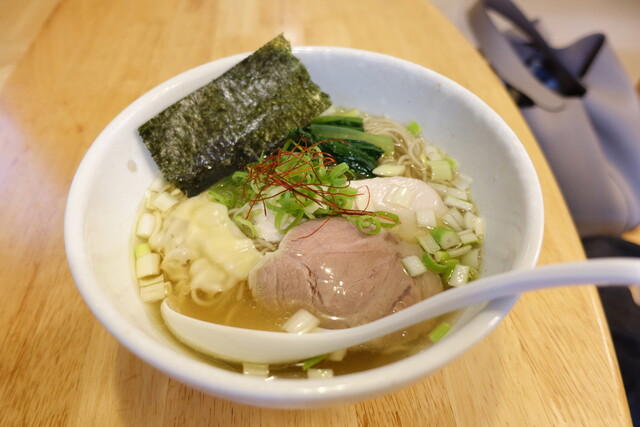
Menya Fukuichi
Narita, Japan
Two-minute walk from Narita Station, this 15-seat counter serves ramen, abura-soba, and maze-soba at JPY 1,000–JPY 1,999; lower pricing than Tokyo peers but Tabelog Ramen EAST 100 recognition in both 2017 and 2025. No reservations; weekday lunch before 11:45 AM or after 1:30 PM avoids queues. Saturdays pivot to yakitori after 6 PM.
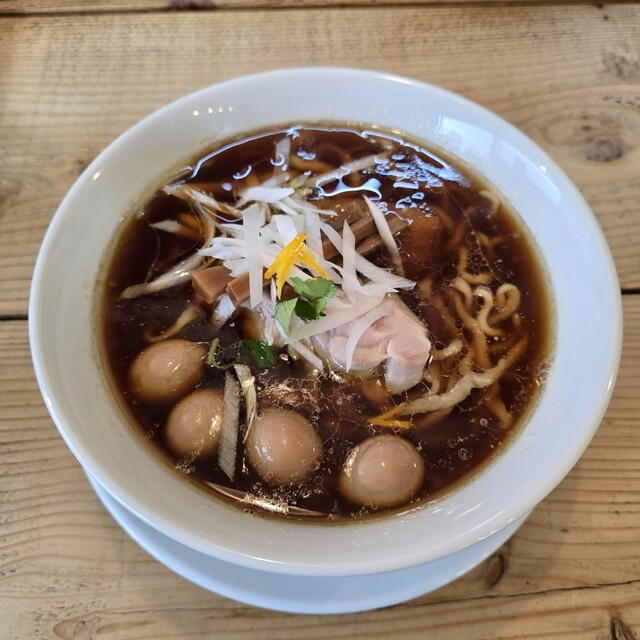
The Noodles & Saloon Kiriya
Nagareyama, Japan
Walk-in-only ramen spot with three Tabelog 100 EAST selections (2018, 2024, 2025) and bowls priced under JPY 999. Open for lunch Tuesday through Saturday, the 12-seat room fills quickly, but the queue moves fast and the value is unmatched in Nagareyama's dining scene.
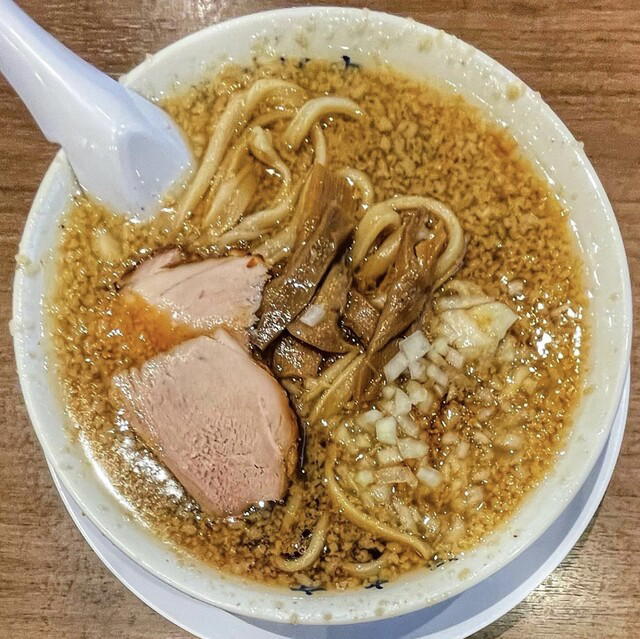
Hangzhou Hanten
Tsubame, Japan
A six-time Tabelog 100 ramen shop in Tsubame serving JPY 1,000–1,999 bowls to families and regional enthusiasts. Eighty tatami seats, no reservations, and a broad Chinese-influenced menu keep the format casual and high-volume. Worth it for ramen tourists and locals seeking dependable, family-friendly execution without fine-dining pretense.
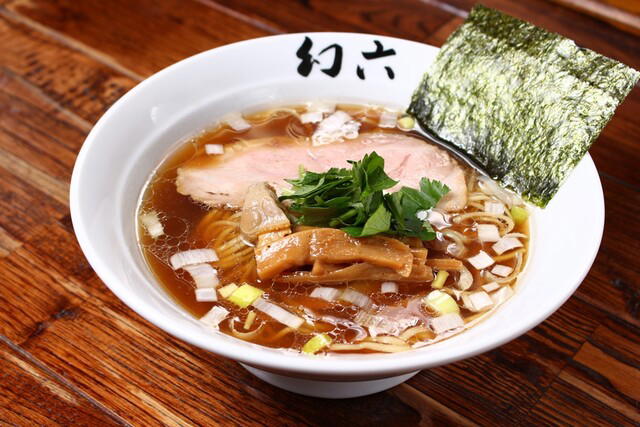
Chuka Soba Genroku
Asaka, Japan
This seven-seat ramen shop near Asakadai Station earned Tabelog 100 recognition for its double-broth chuka soba with wasabi-laced finishing technique. The counter experience and sub-JPY 2,000 pricing justify the walk-in-only queue for solo diners and pairs, though groups will struggle with the capacity.
Aodake Teuchi Ramen Hinataya
Sano, Japan
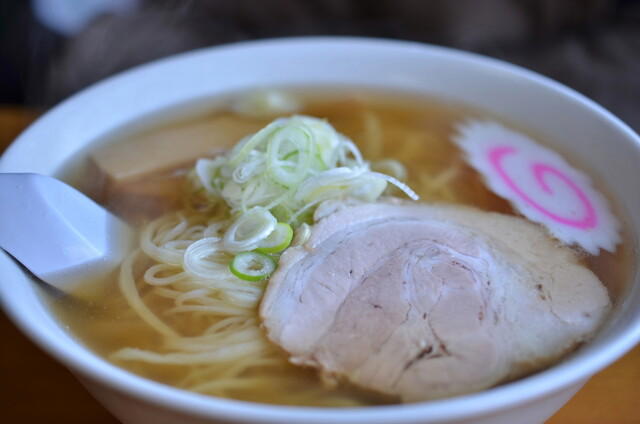
Tabelog Ramen EAST 100 fixture (eight consecutive years) serving hand-pulled bamboo-pressed noodles in a family-run house restaurant. Bowls under ¥1,000, 30 seats, 23-space parking lot. Traditional Sano-style soy-based ramen executed with enough technical polish to merit repeat recognition from Japan's most influential restaurant platform.
Mendo Kirinji
Nagano, Japan
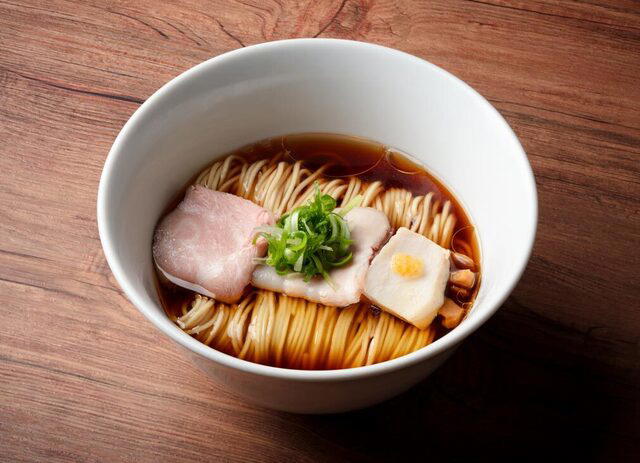
A Tabelog 100 ramen shop (2018, 2024, 2025) in suburban Nagano, priced under JPY 1,000 and closing when noodles run out; often before 2:00 PM on weekends. Walk-in only, cash-only, 24 seats. Evening service Wednesday to Friday offers quieter access; weekend lunch requires early arrival.
Hurricane Ramen Honten
Tsukuba, Japan
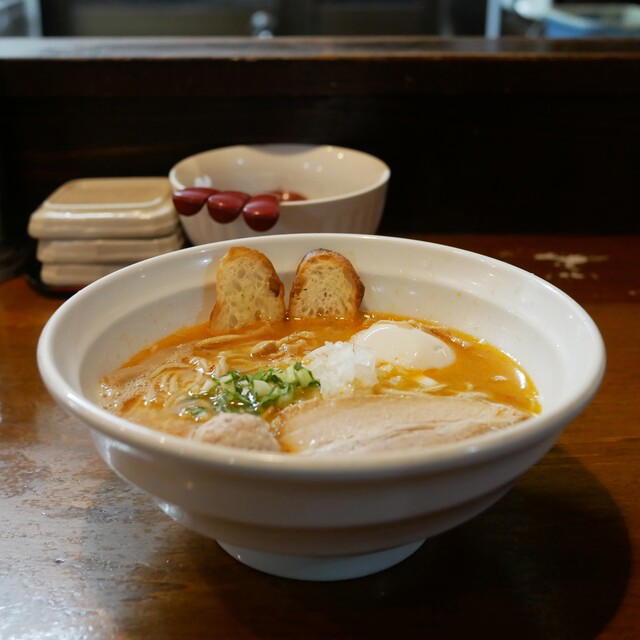
Hurricane Ramen Honten holds a Tabelog 100 Ramen EAST spot every year since 2018, operating from a converted house in Kurihara with no reservations and sub-¥999 bowls. Counter and table seating accommodate solo diners and families, and the shop closes when inventory runs out; arrive at opening (11:30 AM or 5:30 PM Tuesday-Sunday) to guarantee a seat. The consistent recognition and tight price make it the anchor ramen stop in Tsukuba for enthusiasts willing to plan around the schedule.
Tsukuba Ramen Onimonogatari
Tsukuba, Japan
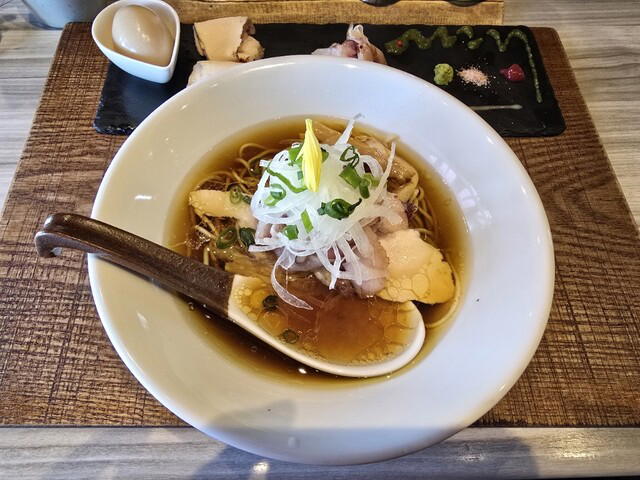
Tabelog 100 Ramen EAST 2025 selection serving technically consistent bowls and tsukemen at JPY 1,000 to JPY 1,999. Nine-seat counter, no reservations, cash-only, open until sold out. Solo-friendly format with parking for 10+ vehicles and straightforward bus or taxi access from Tsukuba Express stations.
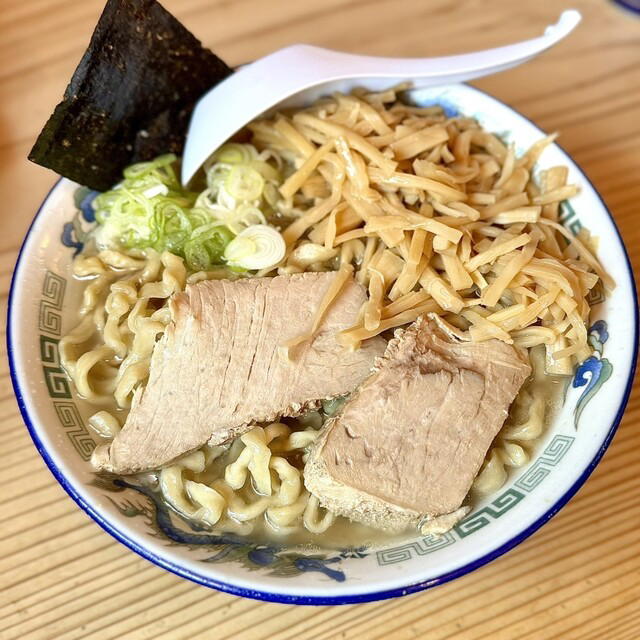
Kenchan Ramen Yamagata
Yamagata, Japan
A Tabelog 100 Ramen EAST 2025 shop in Yamagata's Nishita district, known for thick, curly handmade noodles in a seafood-and-meat broth. Walk-ins work most days, but the shop closes once noodles run out; sometimes by 1 PM on weekends. Cash only, family-friendly, and priced at JPY 1,000 to JPY 1,999. Worth it if you value chewy, substantial noodles over sleek interiors.
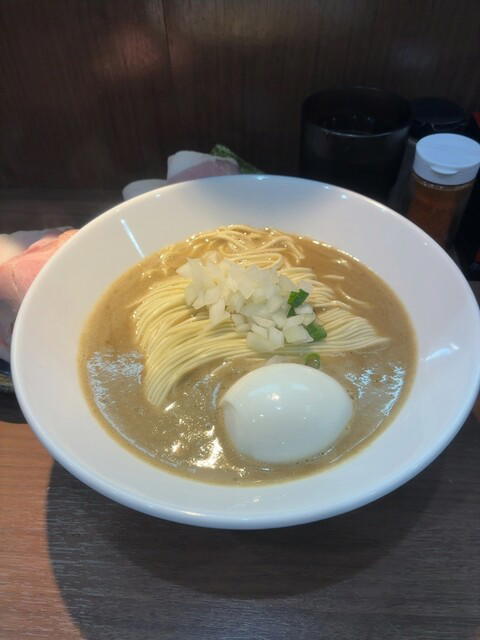
Noodle & Spice Curry Kyou no Ichiban
Kawaguchi, Japan
Eight-seat counter west of JR Kawaguchi Station serving under-JPY-1,000 dried-sardine ramen and spice curry from 6:30 AM until daily batches sell out. Tabelog 100 – Ramen – EAST honoree since 2020. No reservations, ticket-machine ordering, cash only. Solo-friendly format with rapid turnover and ingredient transparency.
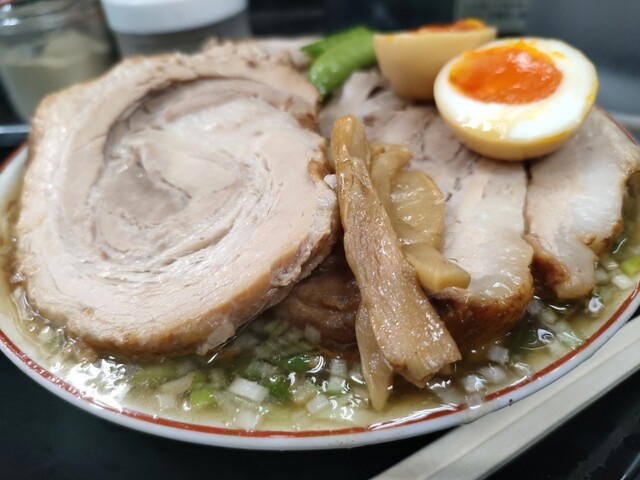
Mizusawa Ya
Sendai, Japan
A counter-only ramen shop in Sendai's Kuryu neighborhood, open since 2000 and named to Tabelog Ramen EAST 100 for 2025. Under ¥1,000 per bowl, cash-only, no reservations. The 19-seat format fills quickly on weekends; weeknight dinners offer the shortest wait. Family-friendly with manga on the walls, though expect a brisk, no-frills counter experience.
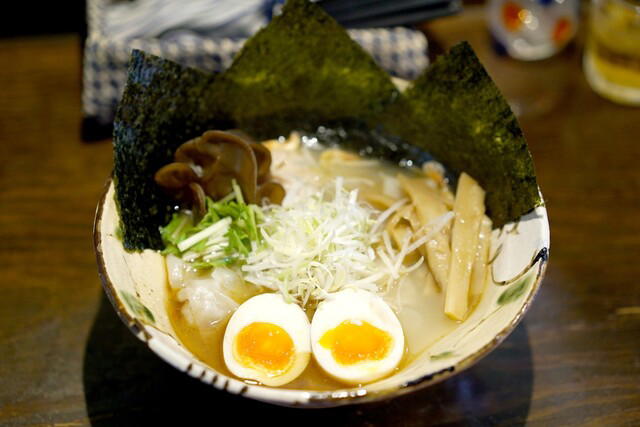
Ichii
Nagaoka, Japan
Tabelog 100 Ramen EAST honoree (2018–2025) serving salt ramen exclusively at JPY 1,000–JPY 1,999. Lunch-only counter operation with no reservations, no dinner service, and a focused single-broth format. Cash only, limited seating, and peak-hour queues.
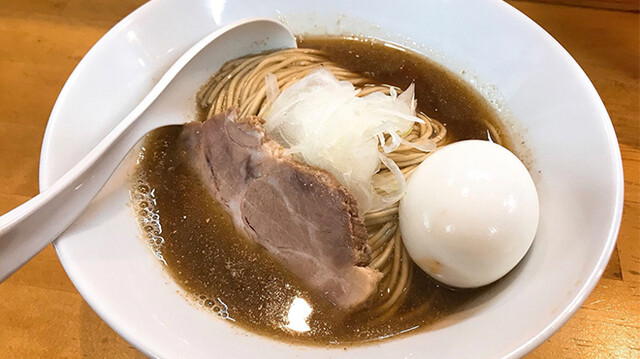
Niboshi Chuka Soba Ichikawa
Tsukuba, Japan
A nine-seat counter shop earning consecutive Tabelog Ramen EAST 100 selections since 2017, serving niboshi chuka soba under JPY 2,000. Walk-in only, cash only, and often sold out by early afternoon; Tsukuba's most awarded ramen stop delivers technical precision in a no-frills format.
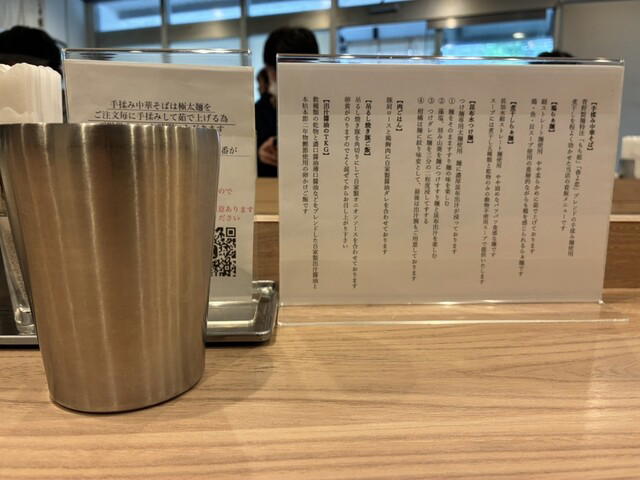
Mendokoro Nishio
Kashiwa, Japan
A 10-seat counter 30 kilometers northeast of Tokyo, holding two consecutive Tabelog Ramen EAST 100 selections (2024, 2025) at under 999 JPY per bowl. No reservations, cash only, closed Wednesdays; queue during lunch or dinner windows for tsukemen and ramen that justify the suburban detour.
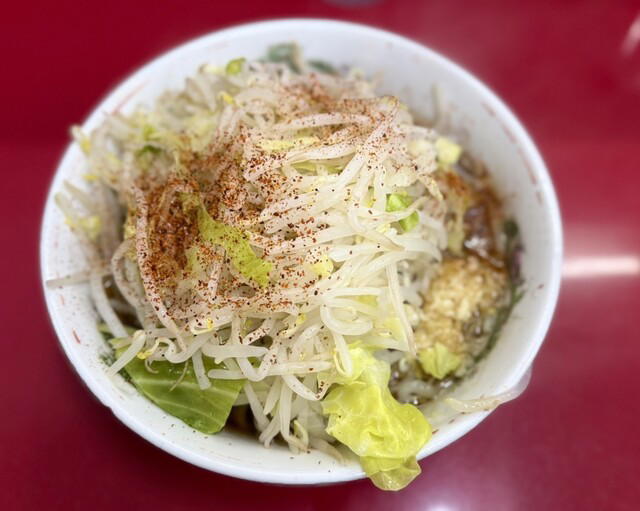
Ramen Jiro Koshigaya ten
Saitama, Japan
Three minutes from Koshigaya Station, this 14-seat Ramen Jiro outpost delivers the chain's heavyweight tonkotsu-shoyu bowls at under JPY 1,000; functional, filling, and recognized in Tabelog's 2025 Ramen EAST 100. Best for solo diners with big appetites who value portion size over refinement.
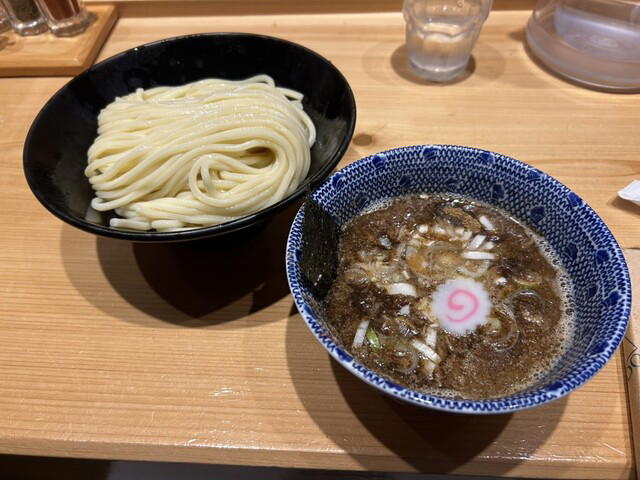
Ganja Honten
Kawagoe, Japan
A 12-seat tsukemen counter in Kawagoe with six consecutive Tabelog 100 Ramen EAST selections. No reservations; arrive before 11:30 AM to queue for thick dipping noodles and concentrated broth at JPY 1,000–1,999. Counter-only seating favors solo diners and pairs; groups should look elsewhere.
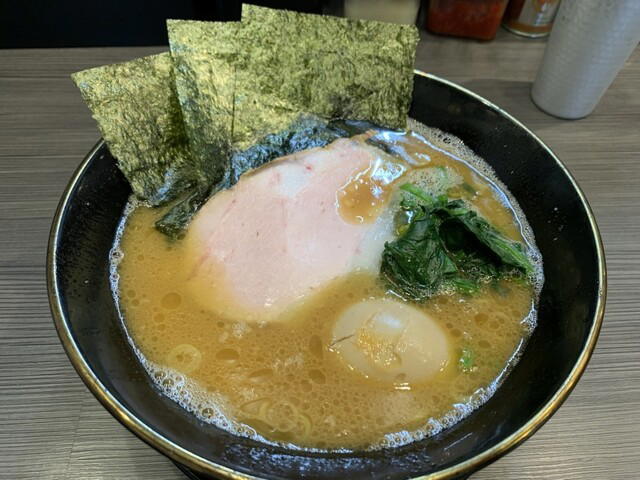
Ura Musashi Ya Nishichiba honten
Chiba, Japan
A Tabelog 2025 Ramen EAST 100 selection one minute from Nishi-Chiba Station, serving bowls with custom noodles and Yamagata soy sauce at JPY 1,000-1,999. The 37-seat space includes upstairs tables for groups, cash-only ticket-machine ordering, and no reservations required. Go early to skip the queue or secure one of the nine gold bowls served at morning opening.
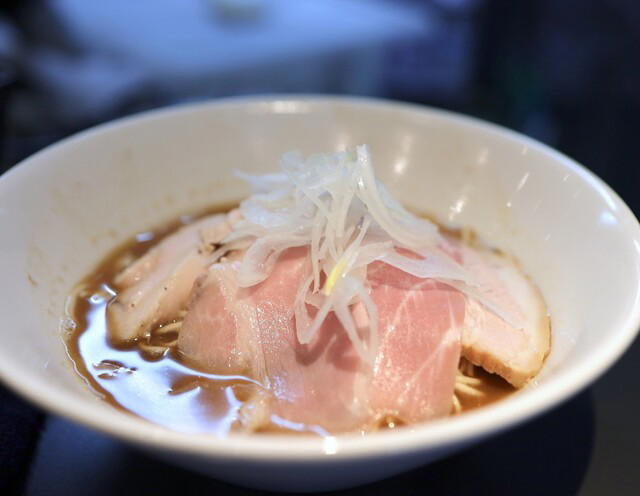
Niboshi Ranbu
Kasukabe, Japan
Nine consecutive years in Tabelog 100 (Ramen EAST) for a six-seat counter in suburban Kasukabe; niboshi-forward broths at JPY 1,000–1,999, no reservations, cash-only, and open from 7:00 AM daily. Quality far exceeds the modest setting, but the counter format and solo-dining focus make this better suited to breakfast or lunch than celebration meals.
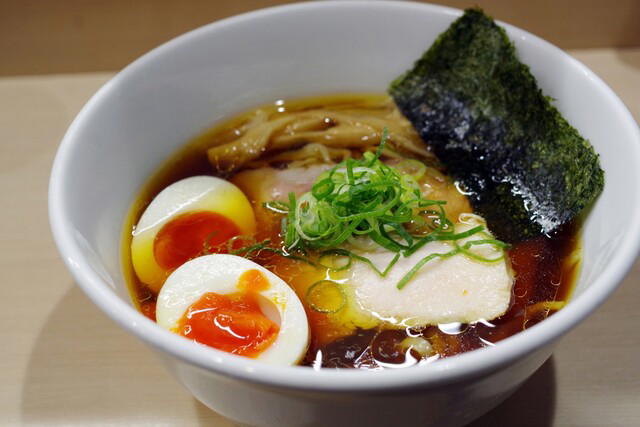
Temomi Chuka Soba Nakamura
Saitama, Japan
Seven-seat counter specialist in Omiya serving hand-kneaded chuka soba at JPY 1,000–1,999 per bowl. Recognized in Tabelog 100 - Ramen - EAST for 2024 and 2025, the shop operates two short service windows daily (closed Monday) with no reservations, no website, and cash-only payment. Best visited weekday afternoons; five-minute walk from JR Omiya Station.
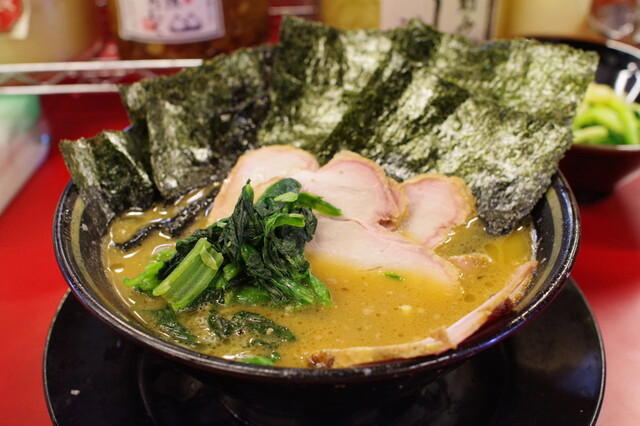
Tonkotsu Shoyu Ramen Oudouya Kashiwa ten
Kashiwa, Japan
A three-time Tabelog Ramen EAST 100 shop serving tonkotsu-shoyu bowls under JPY 1,000 until 1 AM most nights. The 21-seat counter-and-table format keeps queues short, and the no-reservation, cash-only system favors walk-ins and regulars. Six minutes from Kashiwa Station, it's practical rather than precious; fast service, late hours, and consistent execution at a price that justifies frequent visits.
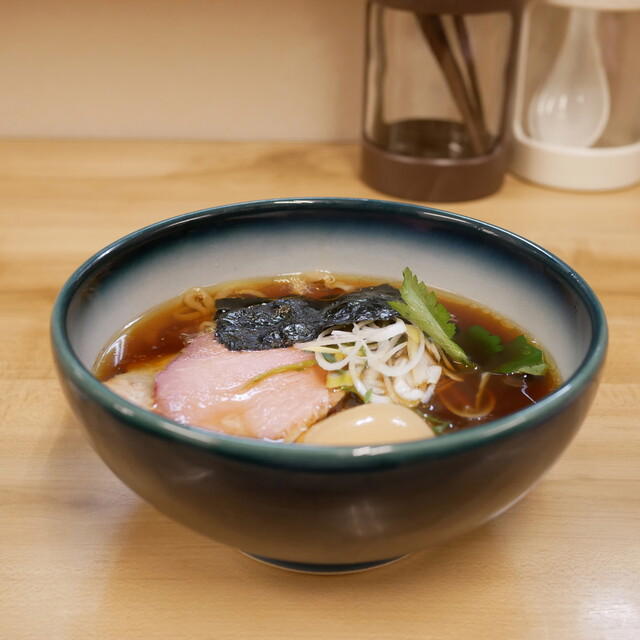
Mendokoro Arisa
Kawaguchi, Japan
A ten-seat ramen and tsukemen shop one minute from Nishi-Kawaguchi Station, on the <em>Tabelog 100 – Ramen EAST</em> list every year since 2018. Bowls run under JPY 1,000, no reservations are taken, and the two-person operation closes early when ingredients sell out. Better value than most Tokyo options if you're willing to travel 20 minutes north.
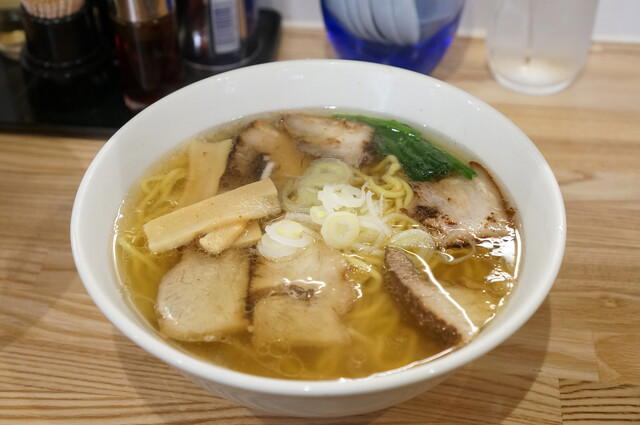
Zenya
Niiza, Japan
Eight-seat ramen counter in suburban Niiza, selected for Tabelog's Ramen EAST 100 list eight consecutive years (2018–2025). Lunch-only service, no reservations, under JPY 1,000 per bowl. Lines form before the 11:30 AM opening on weekends; the shop closes at 3 PM or when soup runs out.
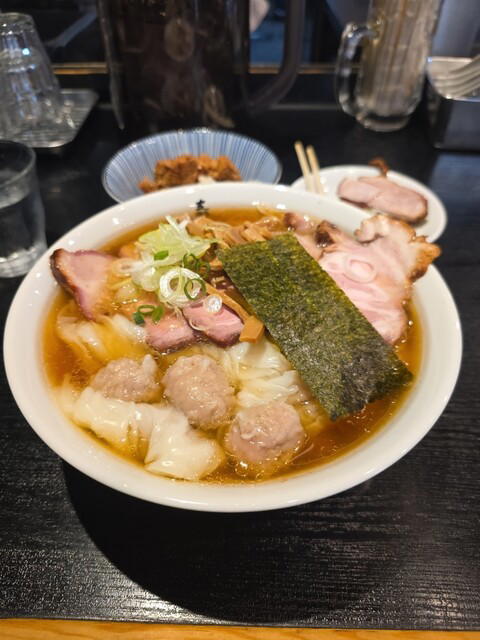
China Soba Komuro
Ichikawa, Japan
China Soba Komuro is worth prioritizing if the goal is a focused, low-cost ramen meal in Ichikawa rather than a long sit-down occasion. The daytime-only schedule makes lunch the clear play, and Tabelog 100 recognition gives it more decision weight than a typical casual stop.
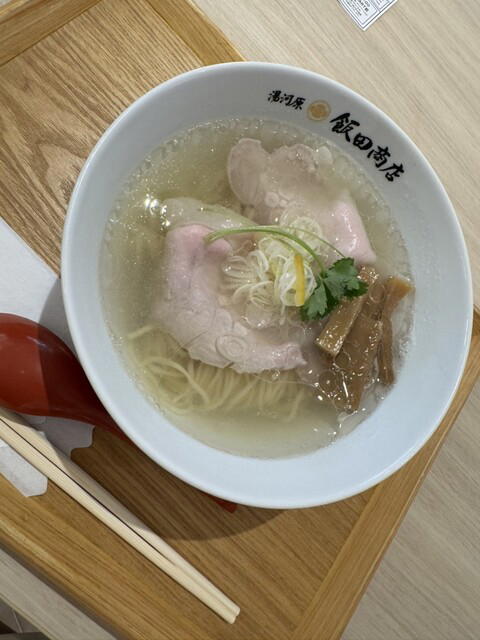
Yugawara Iida Shoten Rarapo-to numazu ten
Numazu, Japan
Yugawara Iida Shoten's LaLaport food-court outpost delivers the same Tabelog 100 shoyu-soba discipline as the Yugawara flagship, now priced at JPY 1,000–1,999 and served without the flagship's hour-long queue. The food-court format trades atmosphere for convenience; this is the spot for a quick, well-executed bowl between errands, not a destination ramen pilgrimage.
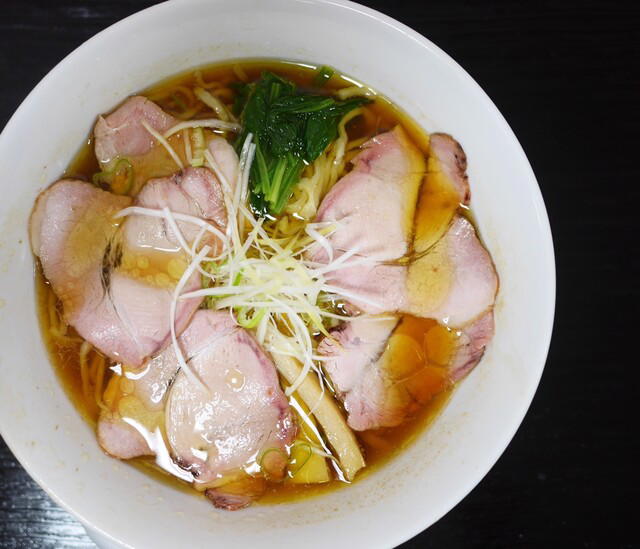
Teuchi Homura
Nasushiobara, Japan
Tabelog 100 Ramen EAST 2024–2025 honoree serving hand-pulled noodles and clear-broth ramen at under ¥1,000 per bowl. House-style seating accommodates families and solo diners; parking on-site. Arrive early; the shop closes when the day's batch sells out, often by mid-afternoon.
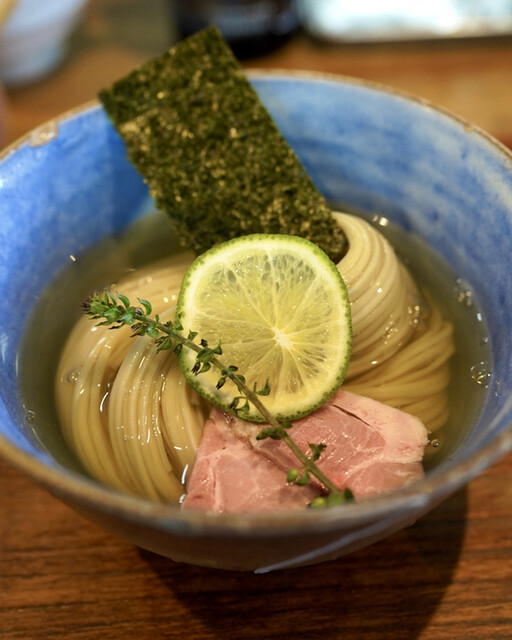
YOKOKURA STOREHOUSE
Oyama, Japan
Tabelog 100 Ramen EAST 2024 and 2025 recognition anchors this 17-seat warehouse ramen venue in Oyama, Tochigi. At JPY 1,000–1,999 per bowl, it delivers technical ramen credibility with counter and table seating, no reservations, and a calm, efficient vibe. Lunch draws bigger crowds; dinner slots stay easier. Walk-in only, ample parking, and a short bus ride from JR Oyama Station.
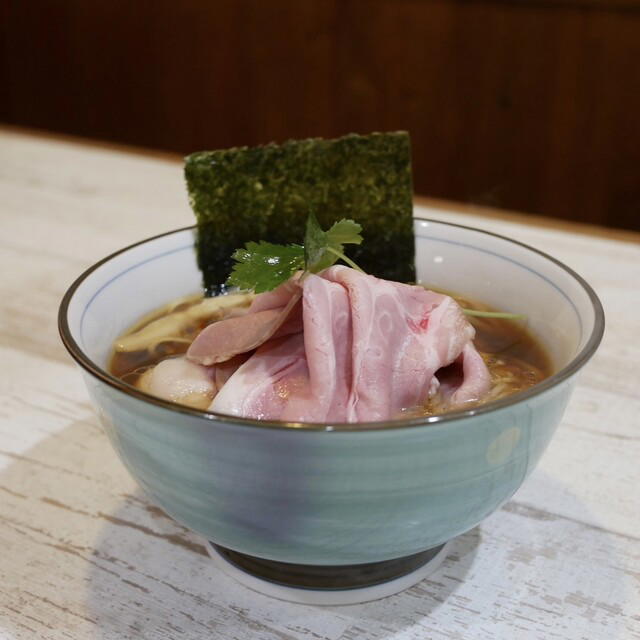
Chuka Soba Yotsuba
Hiki-gun, Japan
Eight-year Tabelog 100 ramen house in suburban Saitama serving chuka soba and tsukemen at JPY 1,000-1,999. The ticket-machine format and house-restaurant layout (40 seats, tatami and counter) suit families and solo diners equally. Walk-ins only, with parking for 20-30 cars and overflow nearby.
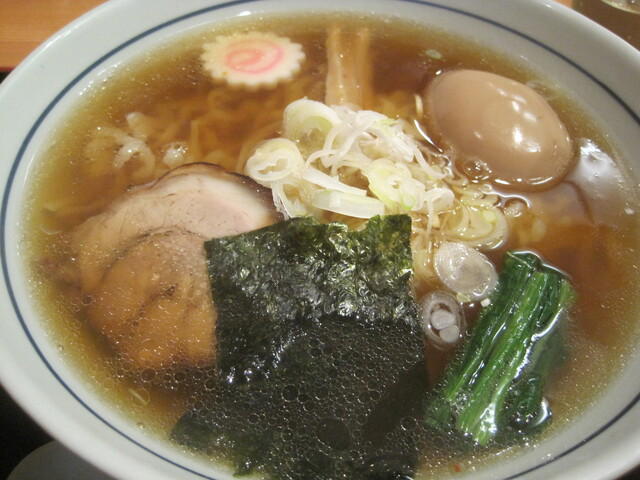
Ajitokoro Musashino
Matsudo, Japan
A residential ramen counter in Matsudo with eight consecutive Tabelog Ramen EAST 100 selections (2017–2025) and dinner-only hours. No reservations, JPY 1,000–1,999 per bowl, 12 seats split between counter and tatami. Open 6–9 PM Monday through Saturday, closed Sunday. Easier to visit than most Tabelog 100 ramen shops, but the bus-accessed location and evening-only format narrow its utility compared to lunch-service competitors near the station.
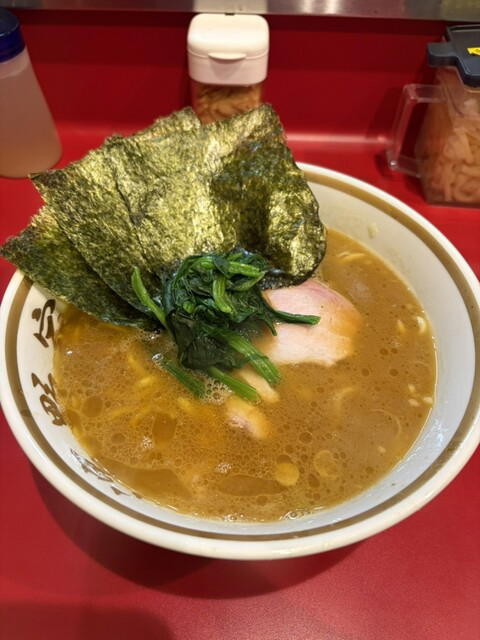
Ramen Hamano Ya
Ichihara, Japan
A Yokohama-style iekei ramen shop in Ichihara, Ramen Hamano Ya earned consecutive Tabelog 100 Ramen EAST selections in 2024 and 2025. The ten-seat space serves thick tonkotsu-shoyu bowls under JPY 1,000, with lineage tracing back to the iekei founding shop, Yoshimura-ya. Cash only, no reservations, and closed Monday and Sunday.
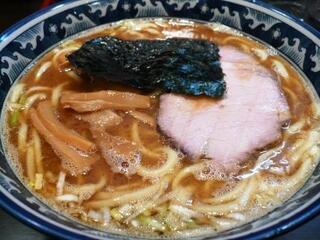
Tonikaku Matsudo honten
Matsudo, Japan
A no-reservations ramen counter four minutes from Matsudo Station, selected for Tabelog's Ramen EAST 100 every year since 2017. At JPY 1,000–1,999 per head, the 15-seat shop favors solo diners and pairs, with shorter queues before 11:30 AM or after 9 PM. Cash-only, counter seating only, and family-friendly despite the tight spacing.
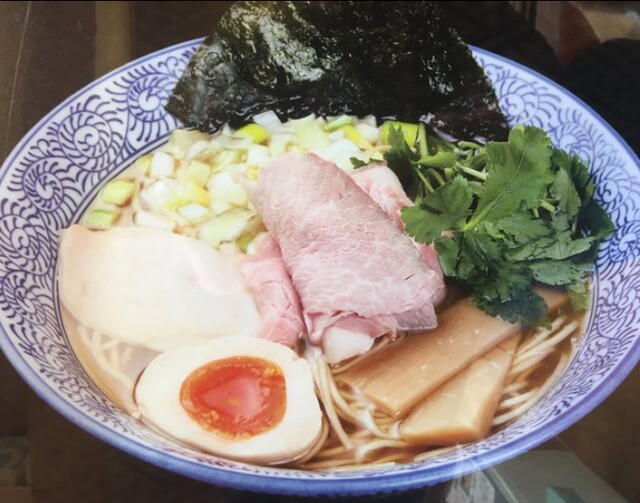
Chuka Soba Yoshikawa Ageo ten
Ageo, Japan
Chuka Soba Yoshikawa Ageo ten is a strong value pick for ramen-focused diners in Ageo: inexpensive, casual, and backed by Tabelog 100 recognition. Choose it for a quick solo or two-person meal rather than a formal occasion; cross-shop Kiseki Shokudo Ageo ten if the meal needs more of a celebration feel.
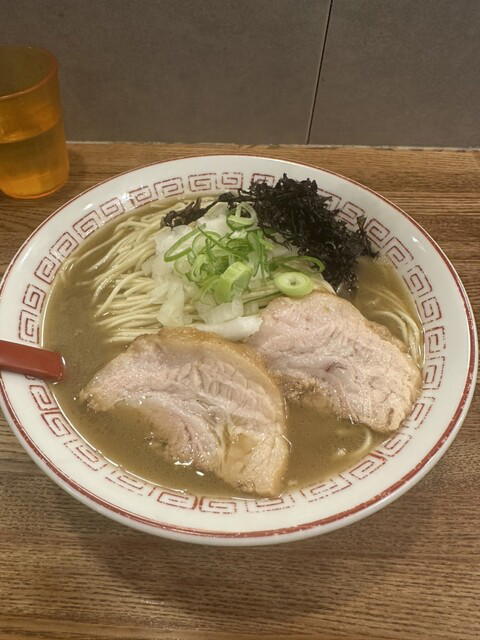
Niboshi Chuka Soba Senmon Niboshi Maru
Saitama, Japan
Tabelog 100 Ramen EAST 2025 selection serving niboshi chuka soba under JPY 1,000 at a 15-seat counter one minute from Omiya Station. The second location of Kawagoe's Nakamuraya Sohonzan, open since 2017, delivers award-recognized quality at budget pricing with no reservations accepted; arrive before 11:45 AM or after 1:30 PM to avoid peak waits.
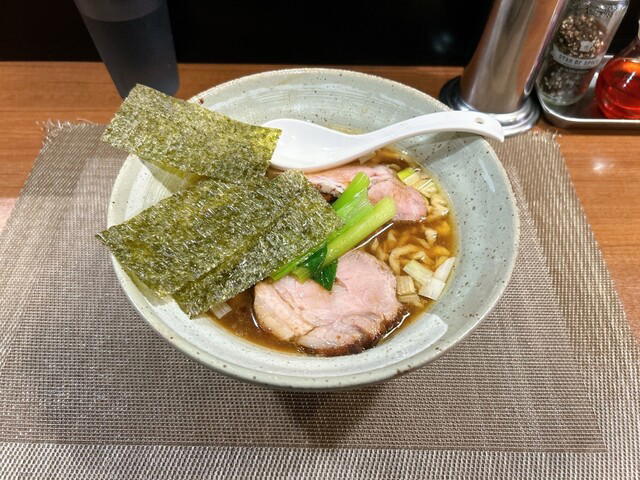
Mendokoro Harada
Saitama, Japan
An eight-seat ramen counter in Minami Urawa, selected for Tabelog Ramen EAST 100 in 2024 and 2025. No reservations, cash-only, and queues at peak times, but bowls run JPY 1,000–1,999 and deliver the technique that justifies the shop's national recognition. Worth the wait for solo diners who prize broth and noodle craft.
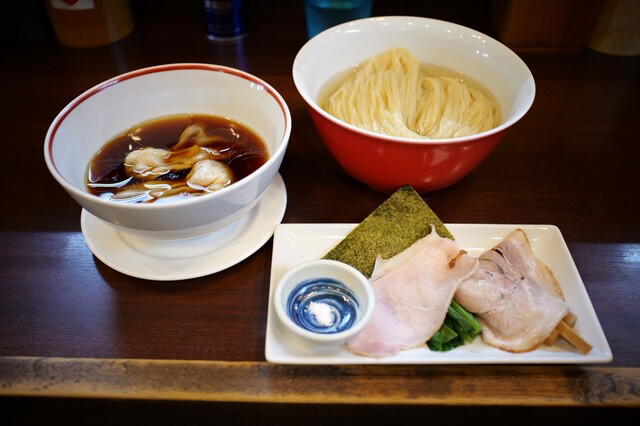
Tomonomoto
Funabashi, Japan
Tabelog 100 Ramen EAST selection two years running, operating lunch-only from a sixteen-seat Honcho space near Higashi Kaijin Station. At JPY 1,000–1,999 per bowl, it rewards early arrival; queues form before the 10 AM opening, and soup sells out by early afternoon on weekends. Counter seating suits solo diners and couples; families should aim for the two small tables. Cash-only, no reservations, closed Monday and Tuesday.
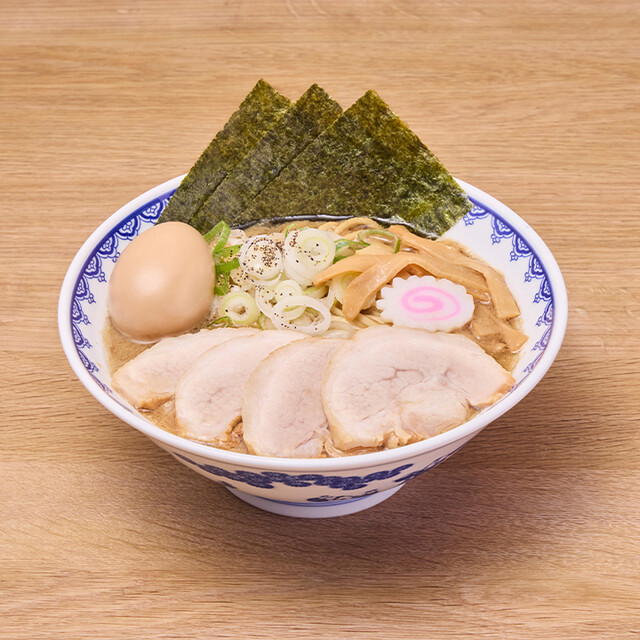
Jinenjo
Konosu, Japan
Tabelog 100-recognized tsukemen and ramen under 1,000 JPY in a Konosu house restaurant with daily hand-milled noodles. Cash-only, no reservations, 17-space lot. Expect weekend waits, but the award-backed value and thick, whole-grain noodles justify the line. Counter and table seating; family-friendly.
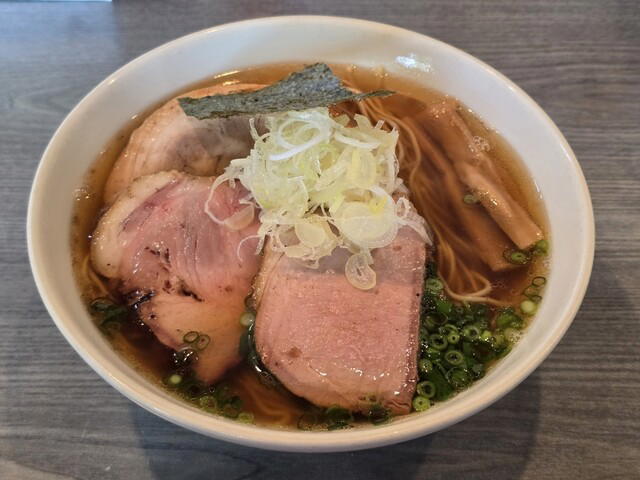
Ramen Kinoko
Tsukuba, Japan
House-restaurant in suburban Tsukuba serving ramen and tsukemen at JPY 1,000–1,999, with eight consecutive Tabelog 100 selections (2017–2025). Walk-in only, 18 seats, cash payment. Lunch weekdays and Saturdays, dinner weekdays only. Parking for twelve. Consistent execution in a low-key residential setting.
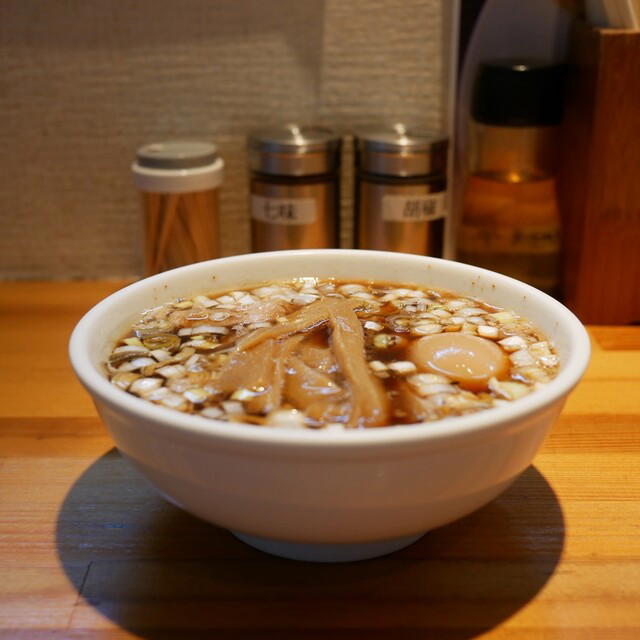
Rikidou
Gifu, Japan
Counter-only ramen specialist in Gifu with four consecutive Tabelog 100 placements (2022–2025). Eleven seats, no reservations, cash-only service at JPY 1,000–JPY 1,999. The format suits solo diners and pairs seeking technically precise bowls without Tokyo queues, though groups and evening walk-ins face tighter seating.
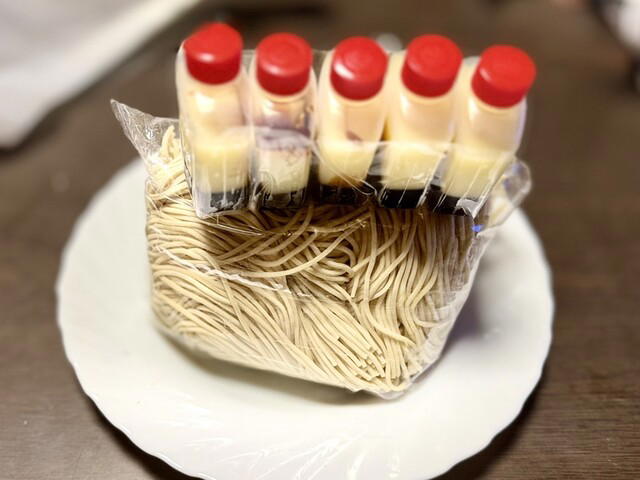
Koimen Kurage
Chiba, Japan
Koimen Kurage serves Tabelog 100-recognized ramen and tsukemen at JPY 1,000-1,999 in a six-seat counter format. Eight consecutive years of recognition (2018-2025) validate the quality, though irregular hours and no reservations make timing unpredictable. Solo diners or pairs willing to gamble on availability get award-level bowls at budget prices; bring cash and check social media before the walk from Higashi Chiba Station.
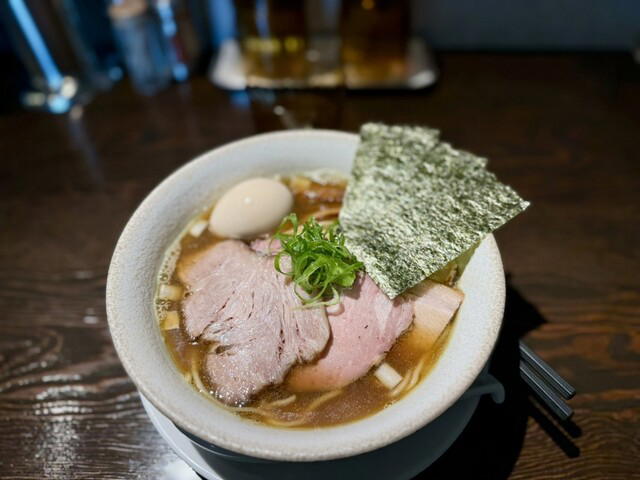
Chuka Soba Yanagi
Matsudo, Japan
Chuka Soba Yanagi is a focused Matsudo ramen pick with Tabelog 100 recognition in 2025 and a low JPY 1,000–1,999 price range. Go for a quick, technical chuka soba stop rather than a long group meal; it makes the strongest sense for solo diners, pairs, and return visitors building a food-focused day around Matsudo.
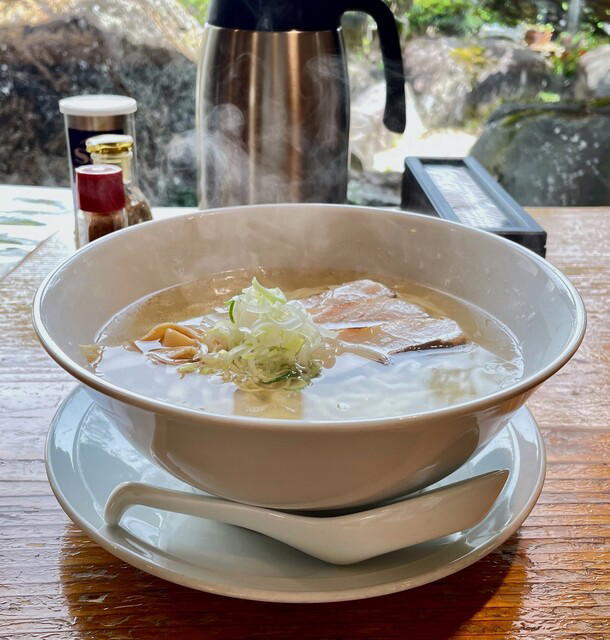
Kiichi
Kitakata, Japan
A Tabelog Ramen EAST "Tabelog 100" 2025 selection offering technically strong Kitakata-style bowls at under ¥1,000 in a converted-home setting. Open weekdays 9 AM to 2 PM until sold out, with counter and table seating for 27. Cash only, no reservations, 15-space parking lot on-site.
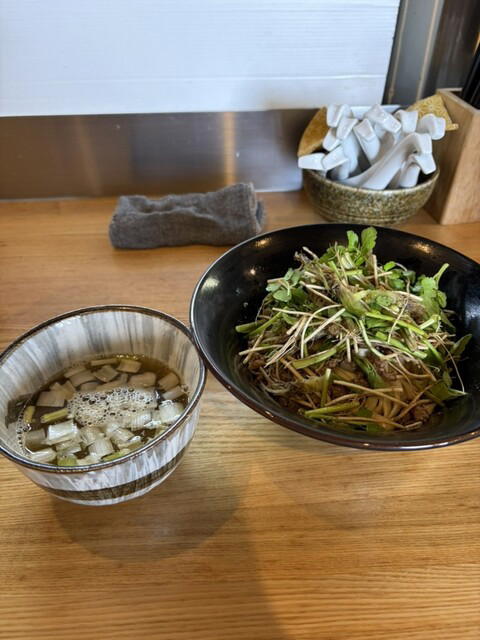
Men Kiiro
Hashima-gun, Japan
Men Kiiro works when the plan calls for a low-cost, casual Hashima-gun meal rather than a formal group dinner. Its 2025 Tabelog 100 placement adds credibility at a very accessible price point, but choose Yoshina, Kikyo En Honten, or Tonkatsu Keisui if the occasion needs more structure, comfort, or table time.
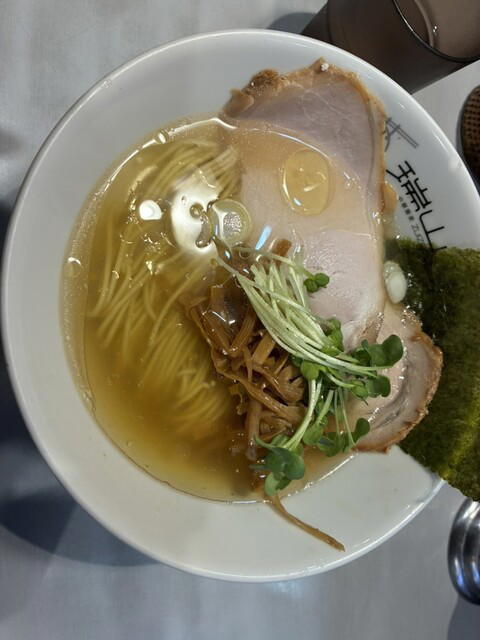
Chuka Soba Zuizan
Asaka, Japan
Chuka Soba Zuizan is a value-first Asaka pick for a focused chuka soba meal, especially if the goal is quick, inexpensive, and food-led. It is not the right choice for wine depth, long dining, or a polished special occasion; compare Chuka Soba Genroku if ramen is the priority and nearby bakeries if the stop is lighter.
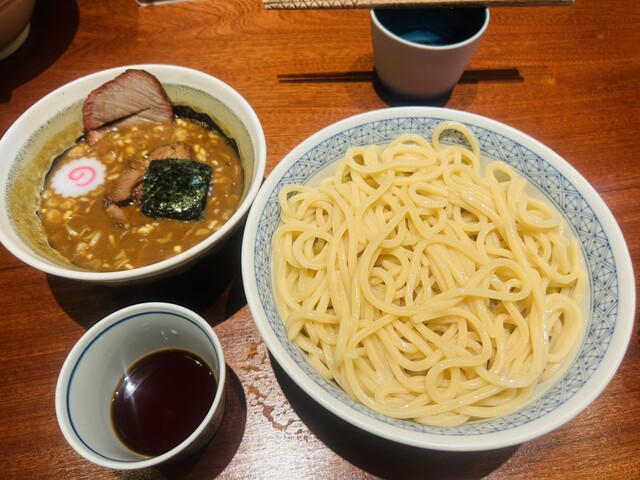
Tsuke Soba Ishii
Ichikawa, Japan
A six-seat tsukemen counter near Konodai Station, Tsuke Soba Ishii earned back-to-back Tabelog 100 selections (2024, 2025) for its technically precise dipping noodles at under JPY 2,000. Walk-ins only, cash-only, lunch-only; if you want conversation or a leisurely meal, go elsewhere. If you want quality ramen at a fair price in a no-frills setting, this delivers.
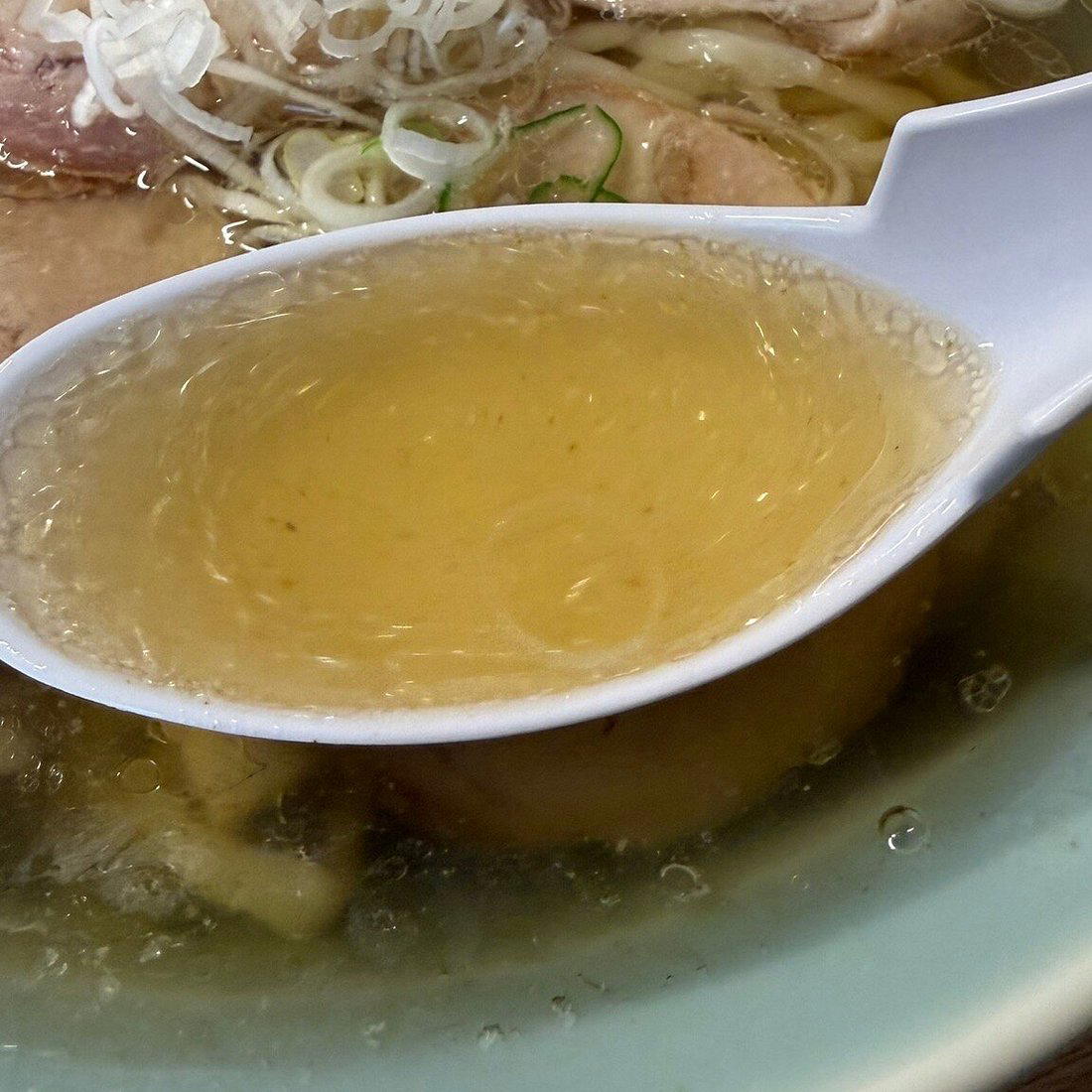
Ramen Ogane
Sano, Japan
A Tabelog 100 Ramen EAST repeat selection serving Sano-style ramen and handmade gyoza in a spacious, family-friendly room with 74 seats, wheelchair access, and parking for 50 cars. At JPY 1,000–1,999 per person, it balances award-tier execution with accessibility; walk-in only, cash-only, and steady turnover that keeps waits manageable even during weekend lunch rushes.
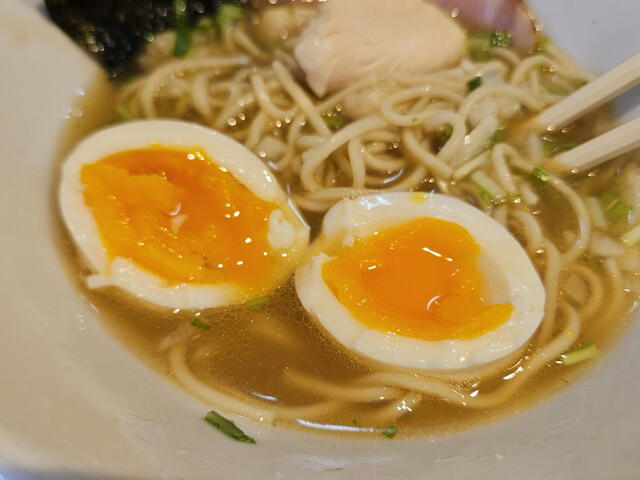
TOKU-TOKU
Yachiyo, Japan
A ten-seat ramen counter in suburban Yachiyo, earning Tabelog Ramen EAST 100 recognition for six consecutive years. Bowls run JPY 1,000–1,999, with no reservations and strict photography rules. Worth the trip for noodle completists willing to queue; expect waits after noon on weekends.
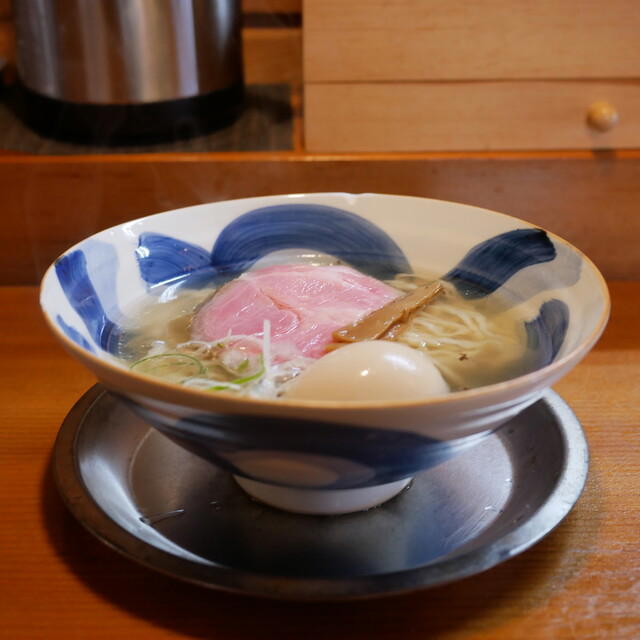
Sankuruge
Tamura, Japan
A Tabelog 100 EAST four-time honoree serving sub-JPY-1,000 ramen weekday mornings until sold out. The 13-seat shop near Kammata Station opened in 2019 and maintains a cash-only, walk-in format. Best for early arrivals seeking award-recognized quality without the dinner-rush crowds or fine-dining price tags common elsewhere in Fukushima Prefecture.
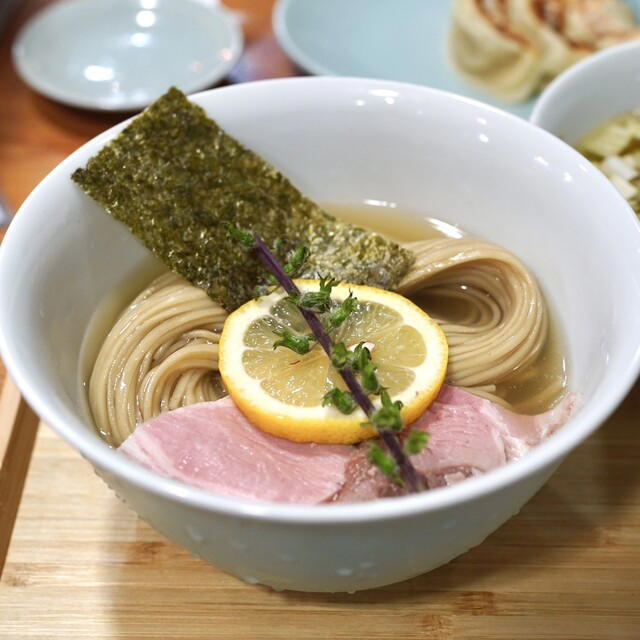
United Noodle Amenooto
Sano, Japan
A two-time Tabelog Ramen EAST 100 honoree in Sano, this walk-in-only shop delivers technically precise, aromatic ramen at under JPY 1,000. The kitchen's clean broth work and consistent execution make it a strong choice for diners who value clarity and balance over richness, with easy parking and family-friendly seating.
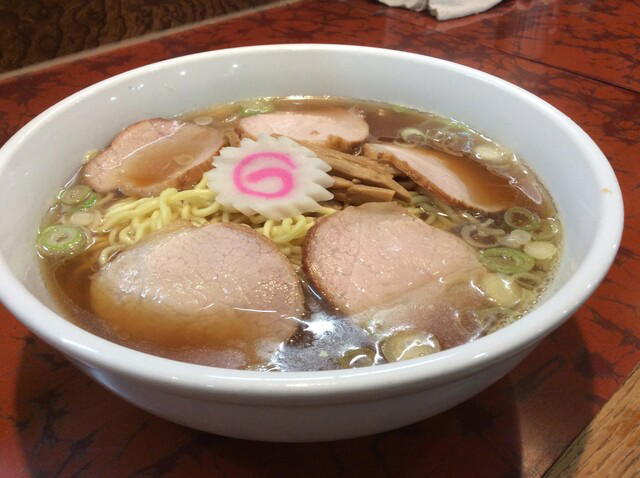
Akasaka Ajiichi
Funabashi, Japan
Akasaka Ajiichi is worth prioritizing for a low-cost Funabashi lunch, especially if value matters more than ceremony. It is better for solo diners, pairs, or a casual small celebration than for a dress-up dinner or larger group plan.
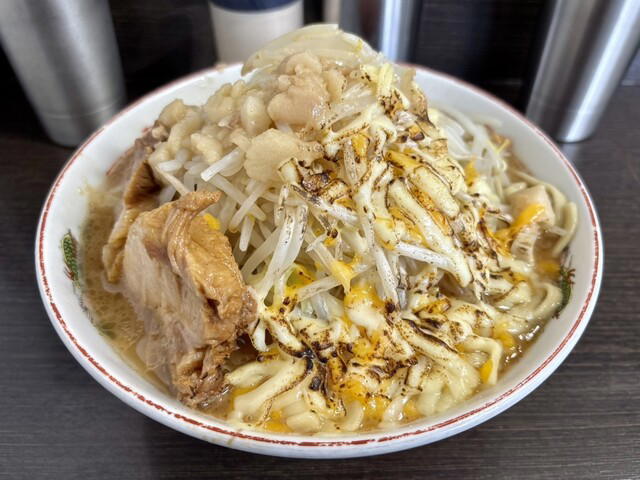
Ramen Jiro Kawagoe ten
Kawagoe, Japan
Named to Tabelog Ramen EAST 100 2025, this Kawagoe outpost of the Ramen Jiro chain serves towering bowls of thick noodles, fatty pork, and cabbage for under ¥1,000 at a 12-seat counter. Walk-ins only, cash-only, and fast turnover; expect queues at lunch and dinner, but shorter waits than Tokyo Jiro locations.
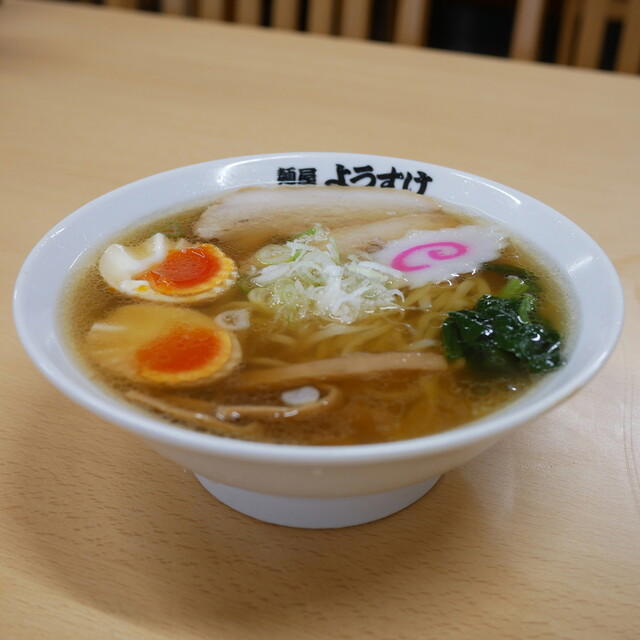
Menya Yosuke
Sano, Japan
Eight-time Tabelog 100 East selection serving bowls under ¥1,000 in a converted house near Tajima Station. Cash-only, walk-in format with 52 seats split between counter, tables, and tatami. Arrive early to beat sell-outs; lunch before 1 PM, dinner by 6 PM.
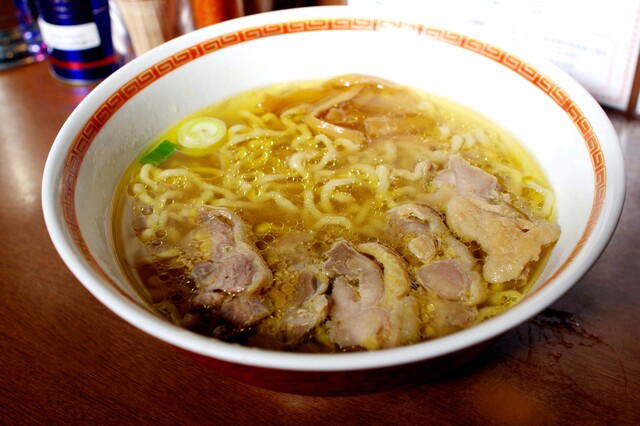
Sendai Chuka Soba Meiten Kaichi Kokubuncho ten
Sendai, Japan
Sendai Chuka Soba Meiten Kaichi Kokubuncho ten holds an nine-year Tabelog Ramen EAST 100 streak for chicken-broth ramen served at a 14-seat counter, all under ¥1,000. No reservations, lunch-only hours (closed Wednesday and Thursday), and a five-minute walk from Kotodai Koen station make it the easiest award-tier ramen decision in Sendai; arrive before noon to skip the queue.
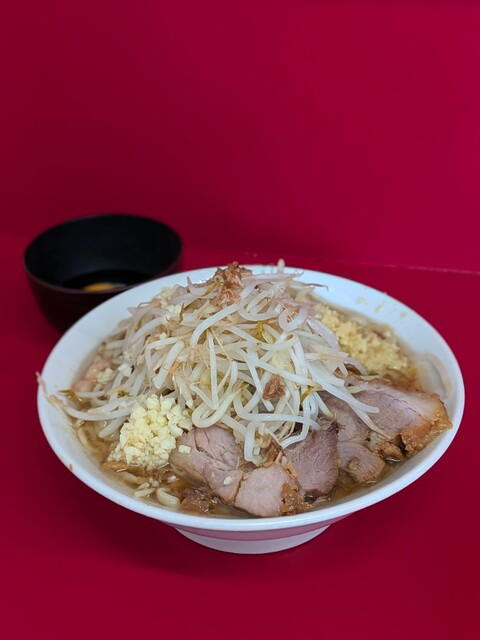
Ramen Jiro Oomiya kouen ekimae ten
Saitama, Japan
A 12-seat Jiro branch in Omiya Koen that's earned back-to-back Tabelog 100 EAST honors for dense, counter-served ramen at JPY 1,000–1,999. Walk-ins only, cash required, and best suited for solo diners who prefer heft over refinement. Consecutive recognition validates technical consistency, but the format and portion style won't suit groups or anyone seeking a quiet meal.
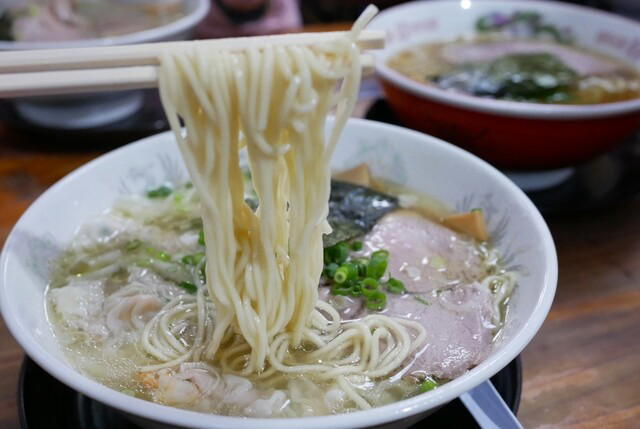
Dateya
Fukushima City, Japan
A 17-seat house-restaurant in Fukushima's Minamisawamata district offering Tabelog 100 Ramen EAST-recognized bowls at under 1,000 yen, open only 11 AM to 2:30 PM until sold out. Nine consecutive years of Tabelog recognition (2017-2025) validate the quality, but no reservations, cash-only payment, and limited weekly hours make timing critical. Worth the trip for ramen-focused travelers willing to arrive early and plan around a mid-afternoon close.
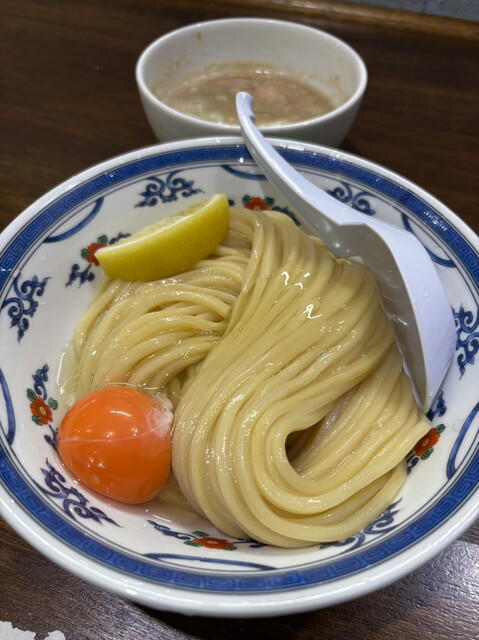
Golden Tiger
Kumagaya, Japan
A ticket-machine ramen shop in Kumagaya that earned a Tabelog 100 EAST nod for 2025, serving bowls under 1,000 yen at lunch and dinner. Counter seating only, no reservations, cash-only; six minutes' walk from Kumagaya Station and a solid stop for travelers on the Takasaki Line.
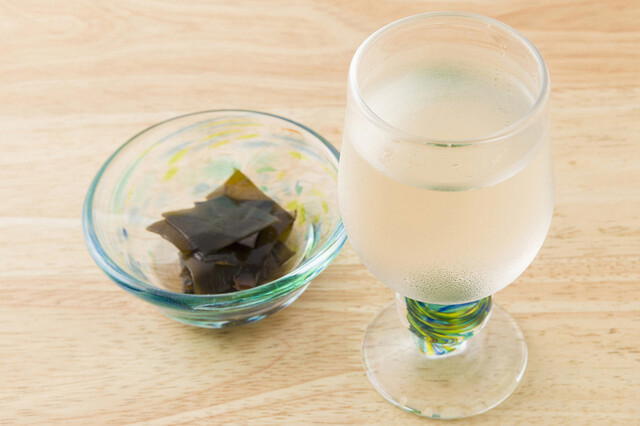
Chuka Soba Senmon Tonchibo
Hidaka, Japan
A smart pick for a focused Hidaka noodle lunch, especially if value and category depth matter more than a long dining-room experience. Chuka Soba Senmon Tonchibo is low-spend but recognized, making it worth planning around for travelers who want a specific Japanese noodle stop rather than a flexible group meal.
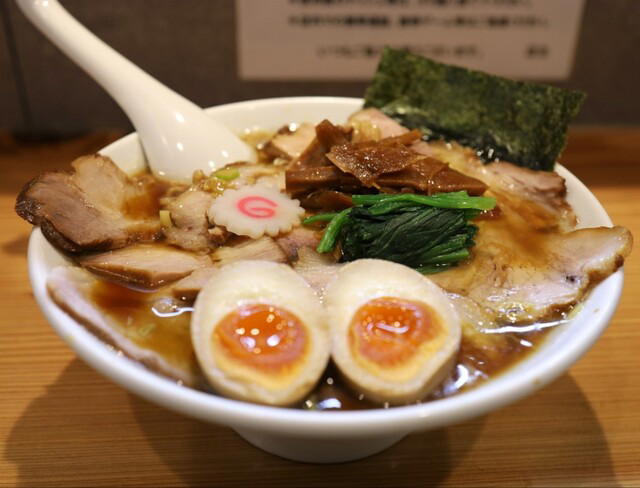
Holland Ken
Saitama, Japan
Holland Ken is an eight-seat ramen counter in Saitama that has earned Tabelog 100 Ramen EAST recognition every year since opening in 2022. At JPY 1,000–JPY 1,999 per bowl, it delivers consistent execution in a daily-sell-out format; book through TableCheck (JPY 500 fee) or arrive early, as the counter fills by 2 PM most days.
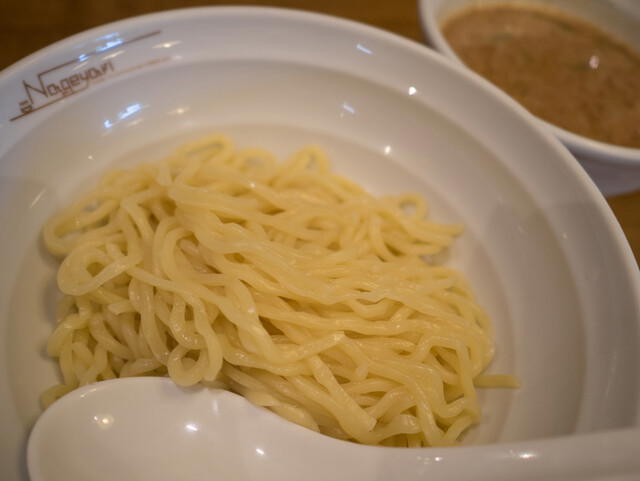
Ramen Nageyari
Kakamigahara, Japan
A Tabelog 100 Ramen EAST 2025 selection (nine years running) serving tsukemen and ramen at JPY 1,000–1,999 in a converted house with 29 seats. Cash-only, no reservations, counter and communal tables; lunch 11 AM–2 PM, dinner 5:45–8:45 PM (closed Tuesday–Wednesday). Worth the trek for format-focused dipping noodles in Gifu Prefecture.
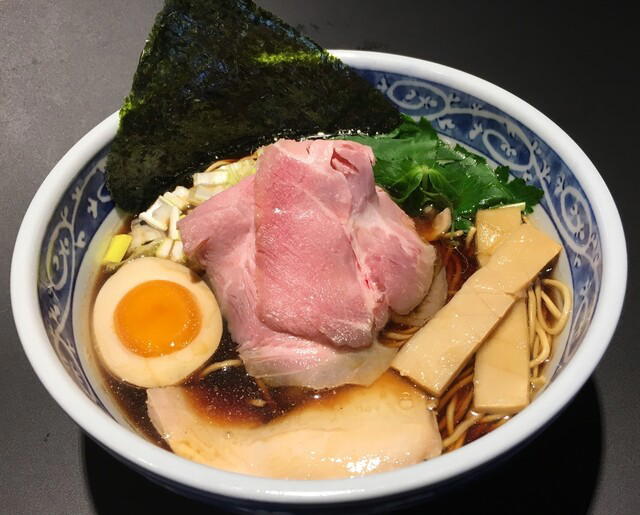
Kotobuki Seimen Yoshikawa Kawagoe ten
Kawagoe, Japan
A Tabelog 100 Ramen EAST selection since 2017, this Kawagoe shop serves ramen and tsukemen under JPY 999 with 20 seats, counter service, and a 25-unit parking lot. Open seven days a week, it draws families and regulars for reliable broths without the queues of central Tokyo's top-tier spots.
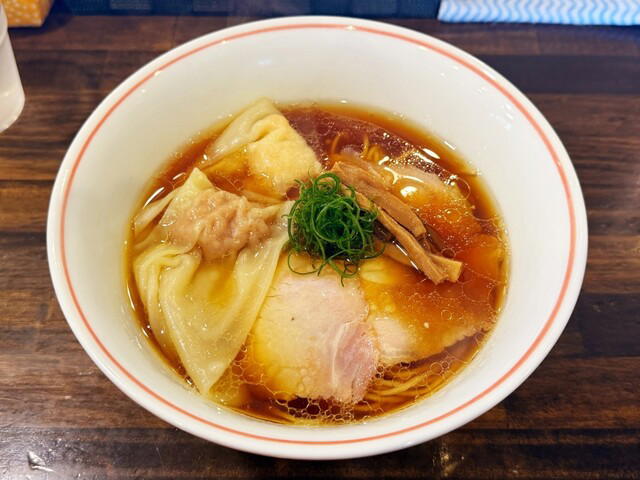
Ramen Mugi Hitotsubu
Nagano, Japan
Tabelog 100-recognized ramen in a Matsukawa house restaurant, serving technically strong bowls under ¥1,000. Open Wednesday through Sunday, 11 AM until soup sells out; typically mid-afternoon. Counter and table seating, family-friendly, parking available. Worth the detour if you're touring the Matsumoto–Hakuba corridor and the timing aligns.
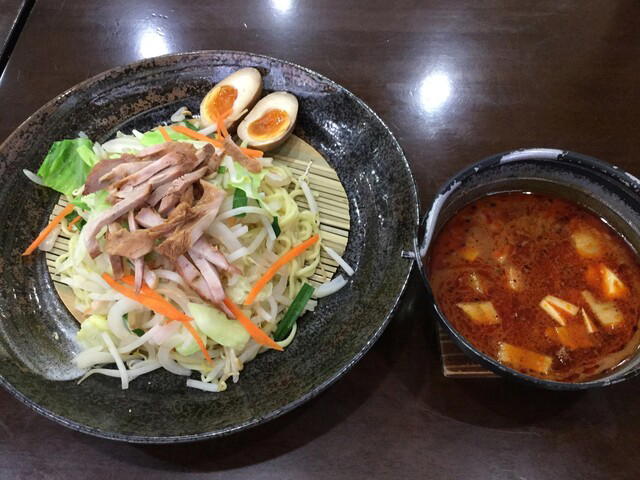
Ramen Sugita Ya Chiba yuukou ten
Chiba, Japan
Eight-time Tabelog 100 ramen-ya serving bowls under ¥1,000 from a 40-seat counter-and-table layout. Open 5:00 AM daily (closed Mondays), walk-in only, with parking for 19 cars. Technical consistency at noodle-shop pricing makes it a local fixture for breakfast through late-night service.
Menya Mitsuba Kurobā honten
Kuki, Japan
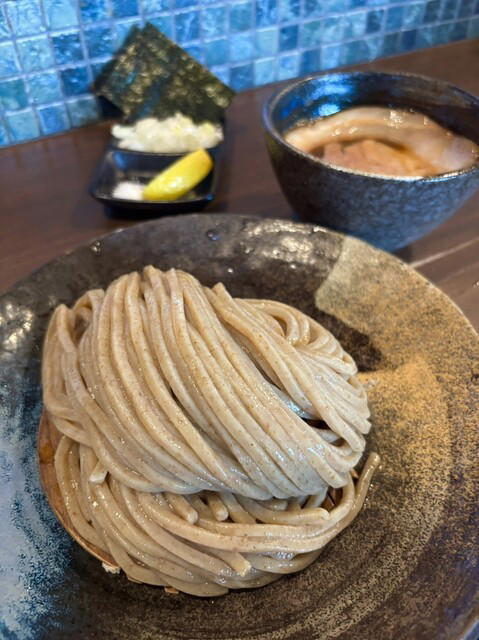
A 24-seat ramen and tsukemen specialist in Kuki, recognized on the Tabelog 100 Ramen EAST list for 2025. Bowls run JPY 1,000–1,999, seating fills fast at lunch, and the counter offers the clearest view of broth prep. No reservations, cash only, parking available.
Wafu Ramen Yondaime Hinodeya
Hasuda, Japan
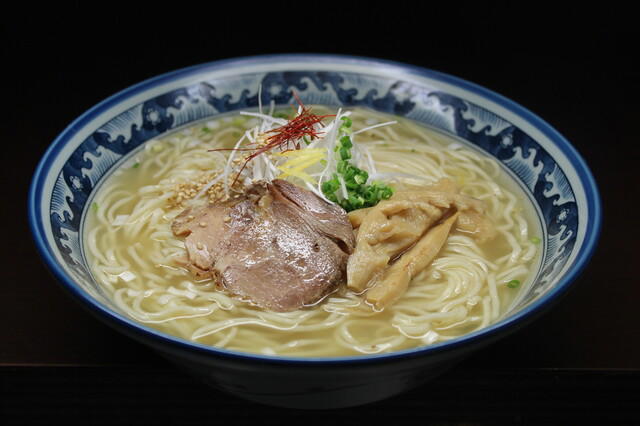
A Tabelog 100 East ramen shop since 2018, one minute from Hasuda Station, serving clam-based and house-blend ramen with straight low-hydration noodles. Under JPY 1,000 per bowl, no reservations, counter seating preferred. Late hours (until 10 PM most nights) make it a practical choice for post-dinner ramen without the Tokyo commute.
Ramen Jiro Chiba ten
Chiba, Japan
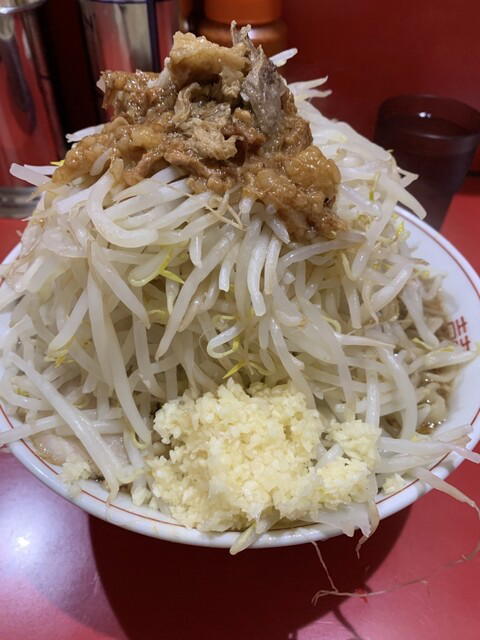
A 12-seat counter ramen shop near Yoshikawakoen, selected for Tabelog 100 (Ramen EAST) in 2025. Bowls run under JPY 1,000, cash only, with no reservations. The format rewards early or off-peak arrivals; weekday lunch after 12:30 PM sees lighter queues. Book if you want Tabelog-recognized ramen without the premium, skip if you need table seating or extended service.
Ramen Shibahama
Kiryu, Japan
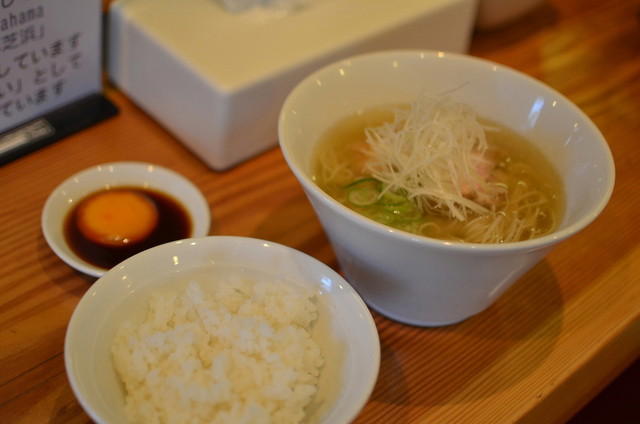
Ramen Shibahama is a morning-only ramen counter in Kiryu, open 7 AM to 1 PM weekdays and Sunday, with eight consecutive Tabelog 100 Ramen EAST selections. Bowls run under ¥1,000, the Utamaru set pairs ramen with a Wagyu hamburger rice bowl, and sellouts before noon are common. No reservations; walk-in only. Worth it if you can arrive before 10 AM on a weekday; otherwise, plan around <a href="https://joinpearl.co/restaurants/koundo-honten">Koundo Honten</a> or <a href="https://joinpearl.co/restaurants/chisou-ikadaya-10010117">Chisou Ikadaya</a> instead.
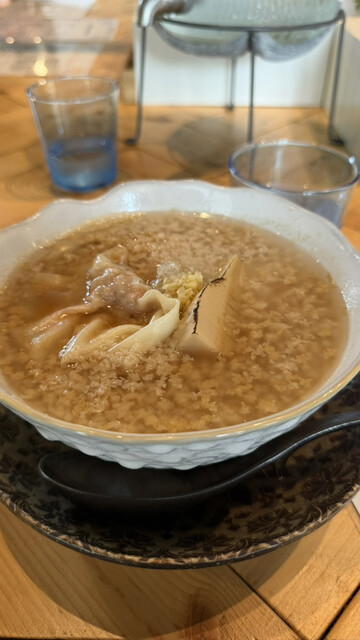
Kominka Noodle Kuroageha Morizumi
Oamishirasato, Japan
Tabelog 100 – Ramen EAST 2025 selection housed in a renovated traditional Japanese residence in suburban Chiba. The 19-seat room accommodates families and solo diners at JPY 1,000 to JPY 1,999 per head, operating walk-in only Tuesday through Sunday from 11 AM to 3 PM. Cash-only, parking available, and a quieter alternative to Tokyo's competitive ramen counters.
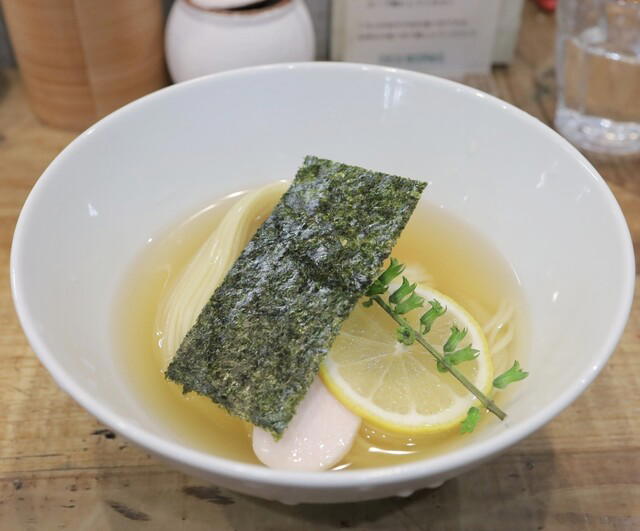
3931WORKS.
Kasukabe, Japan
3931WORKS. is a smart Kasukabe pick when the brief is a considered meal at a restrained spend, not a high-drama special occasion. Its Tabelog 100 recognition makes it more credible than a random neighborhood choice, while nearby peers like Niboshi Ranbu, Oak wood, and Kuriya Sawa help define whether to prioritize value, ease, or a bigger celebration feel.
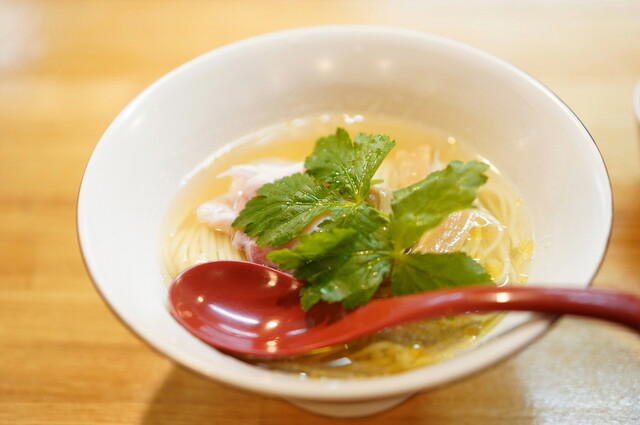
Jikaseimen Kuromatsu
Takasaki, Japan
Jikaseimen Kuromatsu is a ten-seat ramen counter in Takasaki recognized on the Tabelog 100 Ramen EAST list for 2024 and 2025, serving house-milled noodles and clear, sake-accented broths under JPY 1,000 per bowl. Cash-only, counter-only, and open until the soup sells out each afternoon, it suits solo diners and ramen enthusiasts seeking national-level execution at minimal cost.
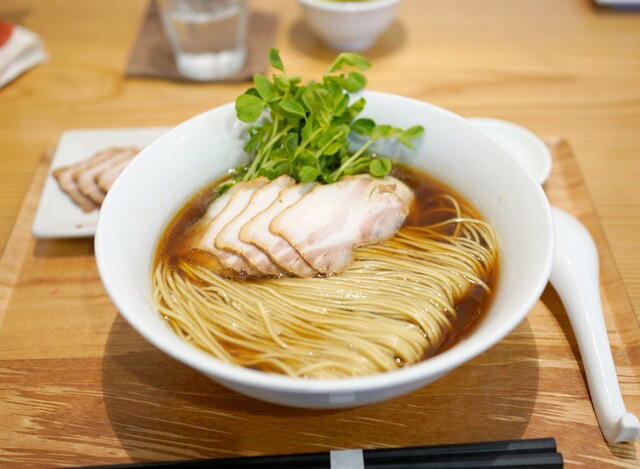
Ramen Le Dessin
Shimada, Japan
A Tabelog Ramen EAST 100 shop in Shimada, open mornings only since 2016, serving bowls at JPY 1,000–1,999. The 26-seat space offers counter and table seating, parking for 12 cars, and a family-friendly format. Walk-in only; arrive before 11:00 AM on weekends to avoid sell-outs. Worth a detour if you're driving the Tomei Expressway between Shizuoka and Hamamatsu.
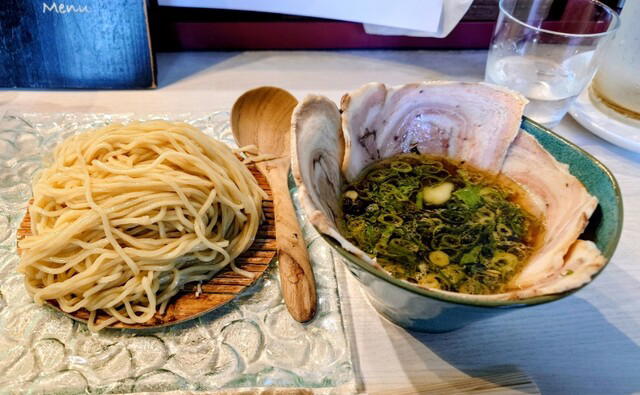
goden
Saitama, Japan
An 11-seat ramen counter near Kita-Urawa Station serving bowls under JPY 1,000 with a Tabelog 100 - Ramen - EAST 2025 nod. No reservations, cash-only, and frequent sellouts make timing essential. The owner's Chabuya training shows in clean broths and precise noodle work, with a sake selection that exceeds expectations for the price tier.
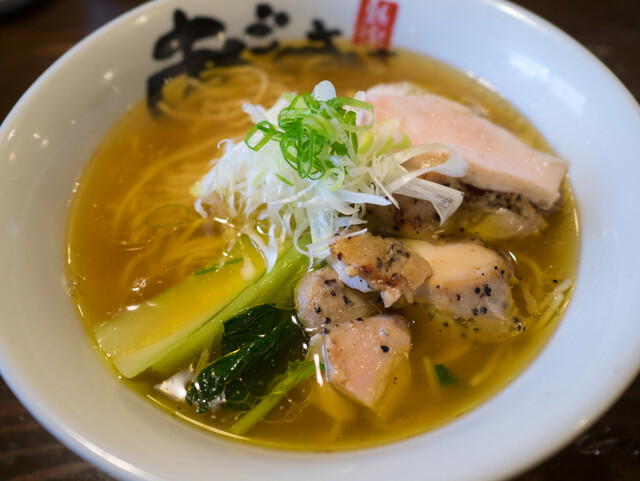
Menya Agosuke
Joetsu, Japan
Menya Agosuke is worth prioritizing in Joetsu when the brief is casual, affordable, and locally validated rather than formal. Its Tabelog 100 recognition gives it more pull than a default quick meal, while the low price point keeps it practical for lunch or an early dinner. Choose Gangitei instead for a higher-spend occasion.
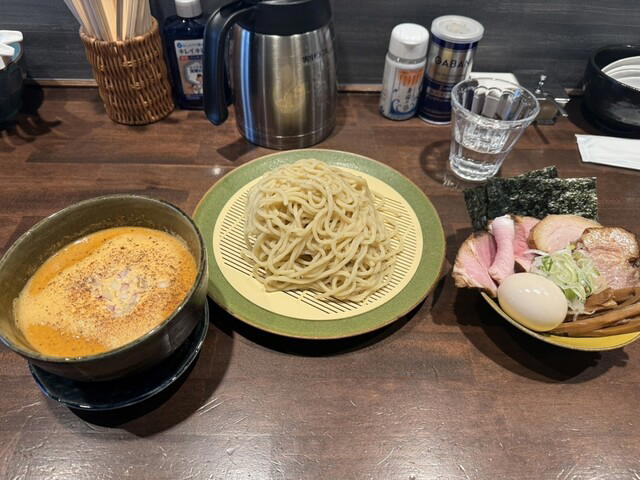
Chuka Soba Sakaeda
Kashiwa, Japan
Chuka Soba Sakaeda earned its 2025 Tabelog 100 Ramen EAST selection with focused chuka soba at JPY 1,000-1,999 per bowl. The eight-seat Kashiwa shop runs lunch-only service Wednesday through Sunday, delivering consistent soy-based broth and minimal wait times. Walk-ins only, cash-only payment, and three parking spaces make it an efficient stop for budget-conscious ramen seekers.
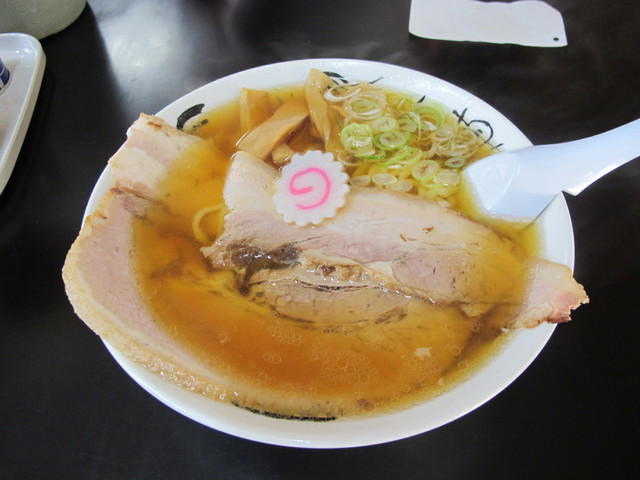
Shokudo Hasegawa
Kitakata, Japan
Walk-in-only shokudo 3 kilometers outside Kitakata, named to the Tabelog 100 Ramen EAST list for 2025. Service ends when the soup runs out, often before 3 PM on weekends. At JPY 1,000 to JPY 1,999, it delivers technically strong ramen in a family-friendly, no-frills setting; but only if you arrive early and accept the rural location.
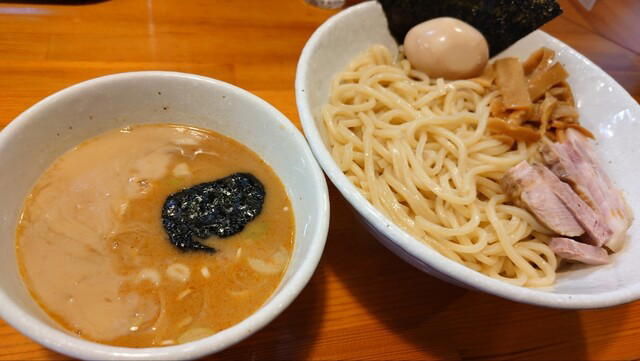
Menya Eita
Kawaguchi, Japan
Tsukemen-focused ramen counter in Kawaguchi, selected for Tabelog 100 – Ramen – EAST 2025. Seven seats, cash-only, walk-in format with JPY 1,000–1,999 lunch pricing. Converted house near Warabi Station; queue early on weekends, check X for sellout alerts.
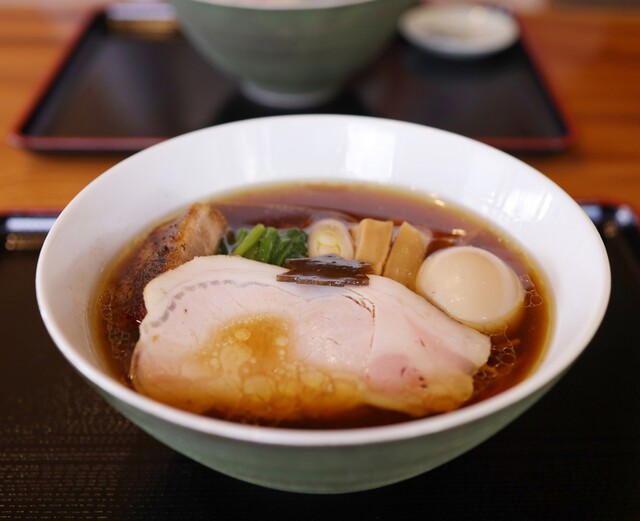
Jikitan Momiji
Kuki, Japan
This 21-seat ramen counter in Kuki holds four consecutive Tabelog 100 (Ramen – EAST) selections, serving bowls under ¥1,000 during a tight lunch-only window (11:00 AM–3:00 PM, until sold out). No reservations, cash only, and parking for 17; a solid choice for award-calibre ramen at budget pricing if you can manage the timing.
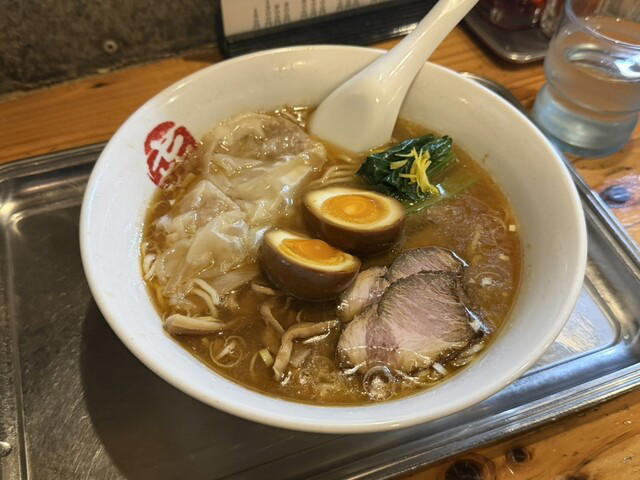
Chuka Soba Maruki
Matsudo, Japan
Nine-seat counter ramen shop in Matsudo earning Tabelog 100 recognition (2024–2025) for precise chuka soba execution under ¥1,000. No reservations, counter-only seating, and queues during the two-hour lunch window; arrive early or try the quieter dinner service. Traditional Tokyo shoyu broth and tsukemen dipping noodles anchor the concise menu. Eight-minute walk from Matsudo Station, cash only, closed Tuesday–Wednesday.
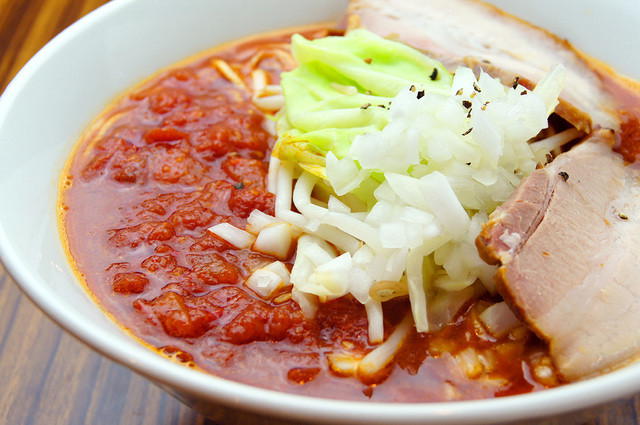
Ramen Kappa House
Tokorozawa, Japan
Tabelog 100 ramen shop in Tokorozawa serving tomato-based and seafood broths under 1,000 yen per bowl. Walk-ins only, 19 seats including sofa seating, homemade noodles, and a family-friendly format three minutes from Tokorozawa Station. Cash only, no reservations.
Jikaseimen Urota
Fukushima City, Japan
A 18-seat ramen shop 15 minutes from Fukushima Station that makes noodles in-house and holds a Tabelog 100 spot since 2018. At under ¥1,000 per bowl, it delivers fresh, chewy noodles across four formats; ramen, abura-soba, maze-soba, and tsukemen; with no reservations and cash-only payment. Best for solo diners and budget-conscious travelers seeking technical precision at a fraction of Tokyo prices.
Raa Men Men Soushin
Shimada, Japan
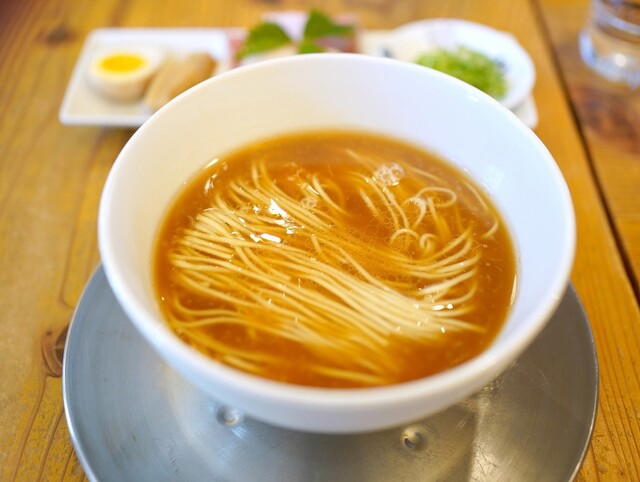
A Tabelog 100 ramen shop since 2018, serving house-made noodles without chemical seasonings for under JPY 2,000. The 16-seat counter opens at 9 AM Tuesday through Saturday, making it one of Shimada's most reliable morning-to-lunch options. Walk-in only, with 18 parking spaces; rare convenience for a venue of this caliber.
Ramen Shop Ushiku kessoku ten
Ushiku, Japan
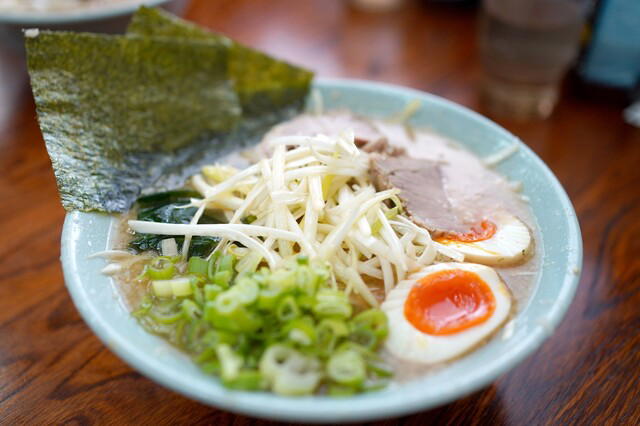
A 28-seat ramen counter in residential Ushiku serving bowls under ¥1,000, recognized in Tabelog 100 Ramen EAST for two consecutive years. The walk-in-only format and extended hours (10:40 AM–11:15 PM daily) suit families and local regulars; expect unfussy execution at a price tier where most competitors don't earn editorial recognition. Worth the detour if you're already in Ibaraki with a car.
Chuka Soba Narugami Shokudo
Takasaki, Japan
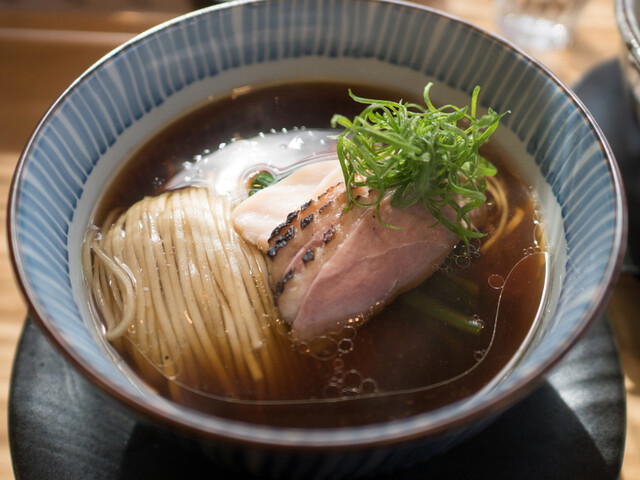
Chuka Soba Narugami Shokudo is the Takasaki pick for a focused, low-spend noodle lunch, backed by Tabelog 100 recognition in 2025. It makes more sense as a quick, planned daytime stop than as a special-occasion meal, wine-led booking, or dinner fallback.
Chuka Soba Uezu
Nakakoma-gun, Japan
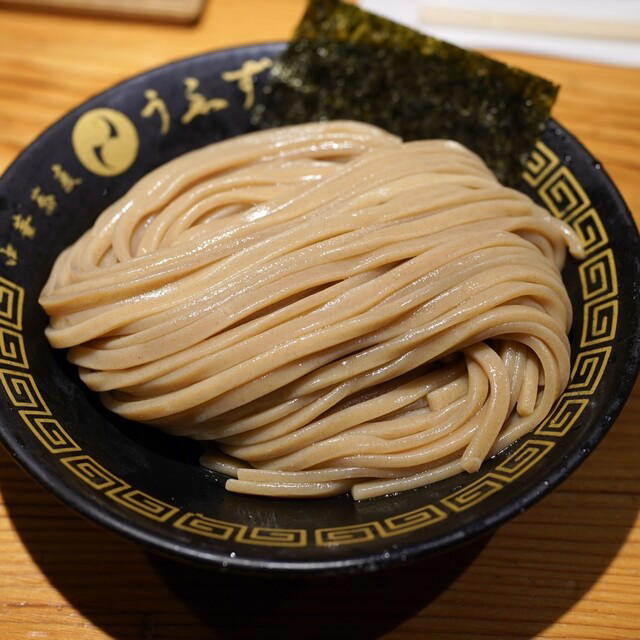
Counter-only ramen shop in Showa that earned Tabelog 100 Ramen EAST recognition four consecutive years (2022–2025) at under ¥2,000 per head. The 12-seat space serves chuka soba and tsukemen descended from Chiba's Tomita lineage, with lunch under ¥1,000 and brief evening hours Tuesday, Thursday, Friday, and Monday. Reserve ahead for Saturday's extended afternoon service.
Tomita Ramen
Matsudo, Japan
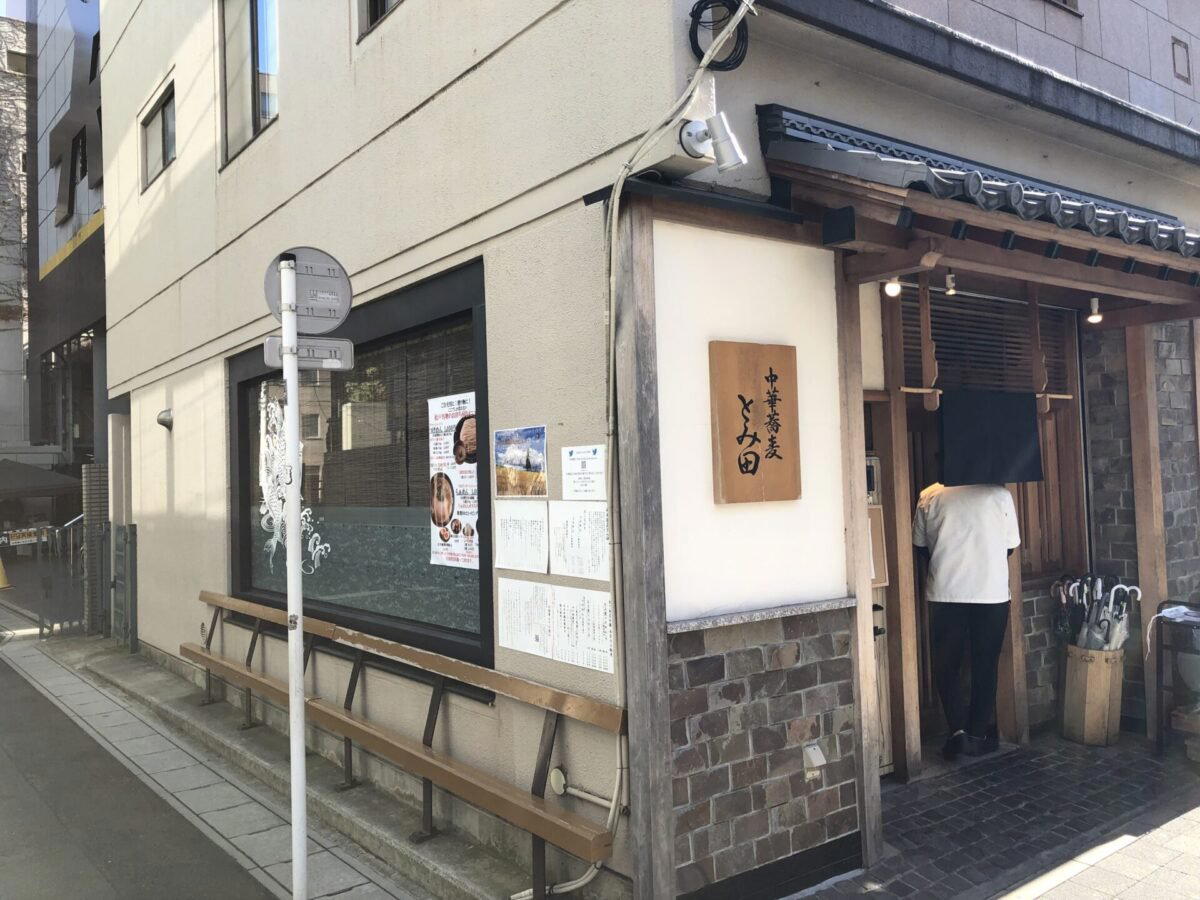
Tomita Ramen is the Matsudo choice for diners who want a focused, chef-led ramen lunch rather than a long celebration meal. It suits solo diners and pairs better than groups, especially if the plan is to make ramen the main event and keep the rest of the day flexible.
Chuka Soba Fukamidori
Higashimatsuyama, Japan
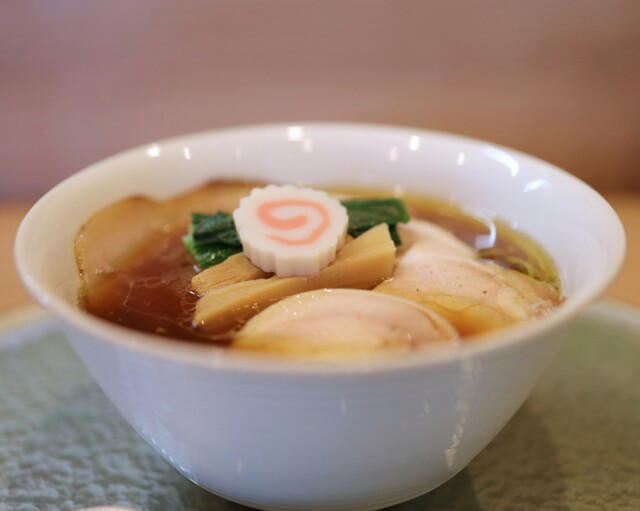
A smart pick for a focused chuka soba meal at a modest JPY 1,000–1,999 spend, with Tabelog 100 recognition in 2025 adding a real quality signal. Better for solo diners or pairs than groups, and not the right choice for cocktails, tasting-menu pacing, or a long dinner.
Chonan Montaichio
Ichikawa, Japan
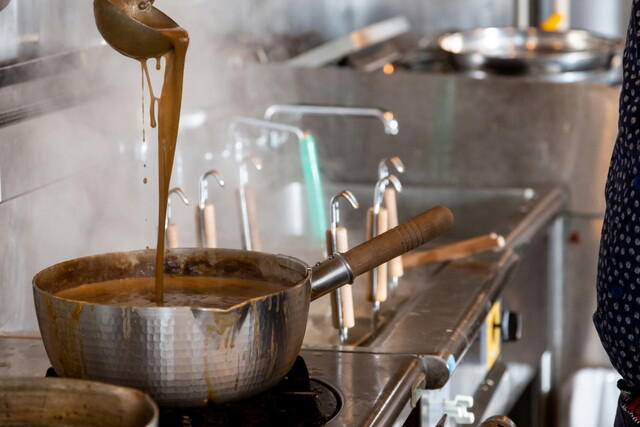
Nine-seat tsukemen counter near Keisei Yawata delivering three-day tonkotsu seafood dipping broth in the JPY 1,000–1,999 range. Tabelog 100 Ramen EAST 2025 selection with family-friendly infrastructure, fresh Asakusa noodles, and no-reservation walk-in access. Cash-only, open lunch and dinner most days, with Thursday abura soba and Monday curry tsukemen variants.
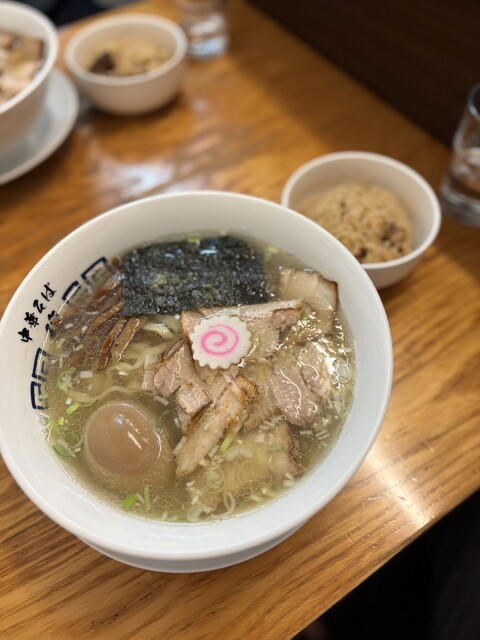
Chuka Soba Kaoru
Soka, Japan
A nine-seat ramen and tsukemen specialist in Soka that earned Tabelog's 100 Best Ramen (EAST) 2025 recognition while keeping bowls under ¥1,000. The format favours solo diners and pairs, with walk-in service six days a week and a cash-only policy that reflects its neighbourhood roots.
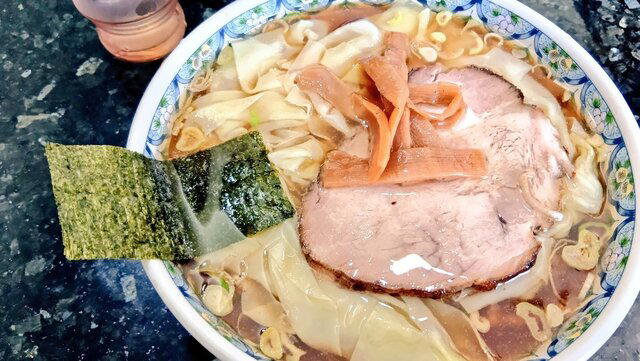
Harukiya Kooriyama bunten
Koriyama, Japan
Harukiya Kooriyama bunten delivers shoyu ramen and tsukemen at JPY 1,000-1,999 in a family-friendly setting with tatami rooms and counter seats. Recognized on the Tabelog 100 Ramen EAST list for 2025, the venue serves lunch only (closing at 2:30 PM) with no reservations, making it a reliable stop for travelers passing through Koriyama or locals seeking consistent ramen execution.
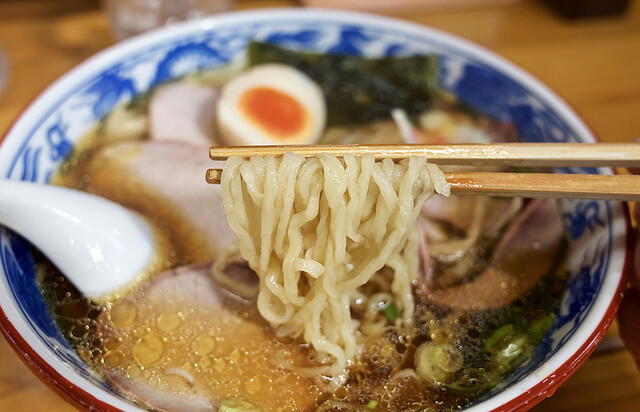
Tora Shokudo
Shirakawa, Japan
A Tabelog Ramen EAST 100 fixture for eight straight years, this rural Fukushima shop draws pilgrims willing to navigate numbered-ticket queues and limited transport for bowls under JPY 2,000. The lunch service offers more flexibility; the evening window is tight but less crowded. Cash-only, no reservations, and worth the detour if ramen credentials matter to you.
Overview
Tabelog 100 - Ramen - EAST - 2025 is a curated ranking of the top 100 ramen restaurants across East Japan, compiled by Tabelog, Japan’s leading restaurant review site. This list highlights the region’s best ramen destinations based on rigorous user reviews and expert evaluations, spotlighting culinary excellence and regional ramen diversity.
Since its inception, Tabelog has become Japan’s foremost platform for restaurant reviews, boasting millions of user-generated evaluations. The Tabelog 100 lists, segmented by cuisine and region, have garnered immense respect in Japan’s food scene. The 2025 East Japan ramen edition covers a vast territory from Tokyo through Tohoku and Hokuriku, showcasing everything from iconic Tokyo-style shoyu ramen to inventive regional variations. This list not only celebrates ramen mastery but also reflects Japan’s dynamic culinary landscape and regional identity, making it an essential guide for ramen aficionados and travelers.
For discerning diners and travelers eager to explore Japan’s vibrant ramen culture, the Tabelog 100 - Ramen - EAST - 2025 list is an indispensable resource. It distills thousands of local voices and expert palates into a definitive ranking of ramen’s finest expressions across East Japan. From bustling Tokyo neighborhoods to serene northern prefectures, this collection captures the artistry, innovation, and tradition that define Japan’s most beloved noodle dish.
Quick Facts
- Publisher
- Tabelog
- Year
- 2025
- Coverage
- East Japan (Tokyo, Tohoku, Hokuriku regions)
- Items
- 100 ramen restaurants
- Frequency
- Annual
About This Edition
The 2025 edition of the Tabelog 100 - Ramen - EAST list showcases notable shifts towards innovative broths and sustainable sourcing, reflecting changing consumer preferences. This year sees several new entries from emerging urban districts and northern prefectures, highlighting regional diversity and the rising prominence of craft ramen chefs. The list also underscores the enduring appeal of classic Tokyo-style ramen alongside fresh interpretations blending global influences.
Frequently Asked Questions
What is Tabelog 100 - Ramen - EAST - 2025?
How are honorees selected?
How often is this list updated?
How can I find these on Pearl?
How many of these have you visited?
Find out on Pearl and keep score across every place in Tabelog 100 - Ramen - EAST - 2025.