

Tabelog 100: Japanese Traditional Sweets & Cafes EAST 2023
Tabelog 100 (Hyakumeiten) Japanese traditional sweets / Japanese sweets cafe - EAST selection for 2023. Tabelog publishes these as source-ordered lists of 100 restaurants.

Venues on this list
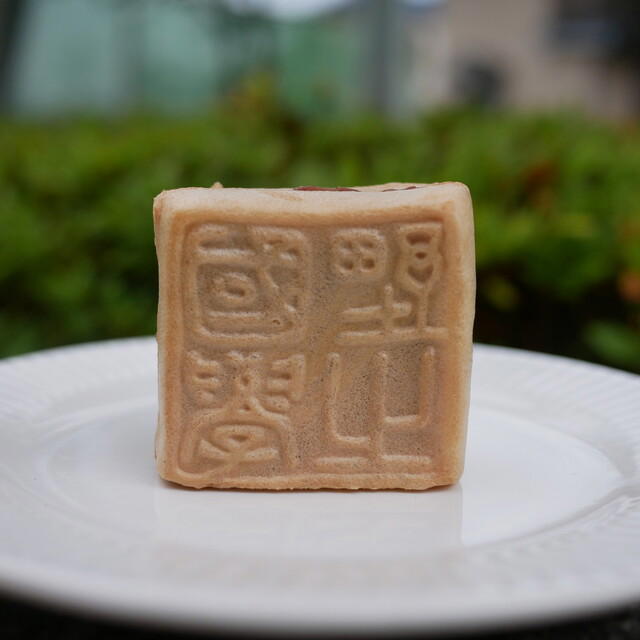
Koundo Honten
Ashikaga, Japan
Koundo Honten is a take-out-only wagashi shop in Ashikaga offering dorayaki, senbei, and traditional Japanese sweets at JPY 1,000 to JPY 1,999. Recognized on the Tabelog 100 list for eastern Japan (2023), it delivers consistent quality without the Tokyo or Kyoto premium. Open daily from 9:00 AM to 5:45 PM with on-site parking; a practical stop for portable sweets between sightseeing.
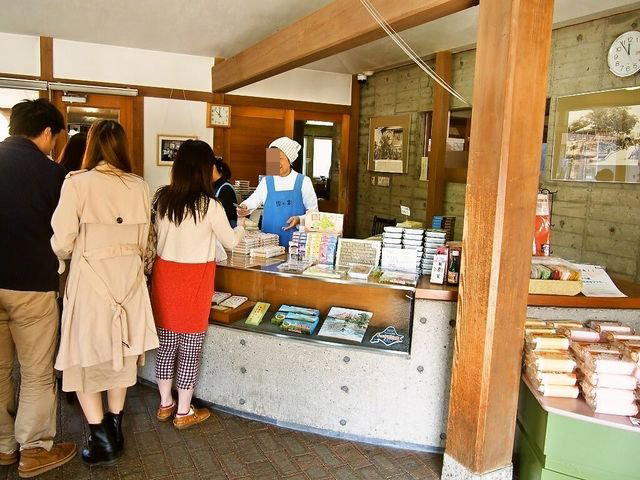
Numa no Ie
Sapporo, Japan
Tabelog 100-recognized sweets cafe beside Onuma Quasi-National Park, serving daifuku and soft mochi filled with Hokkaido-grown adzuki beans for under ¥1,000 per person. Open year-round from 8:30 AM until stock runs out, with parking and an open terrace facing the lake. Walk-ins succeed most mornings; reservations accepted by phone.
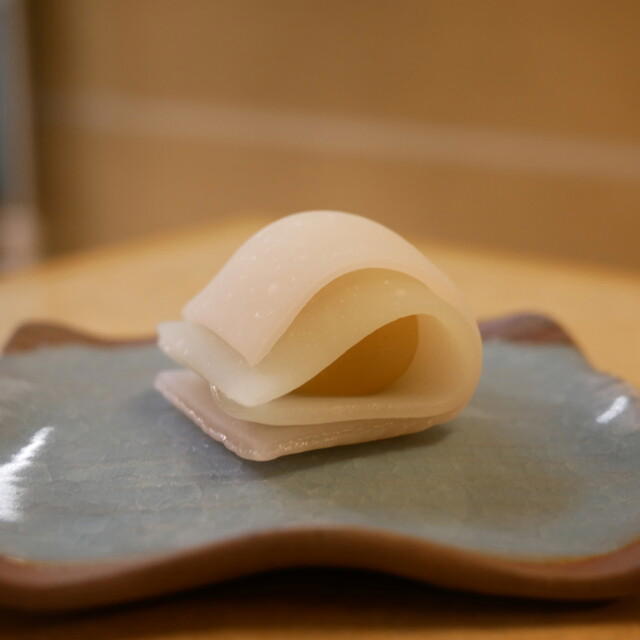
Uirou Ekimae chouzai yakkyoku
Odawara, Japan
A three-minute walk from Odawara Station, this Tabelog 100-recognized café-shop serves traditional Uirou steamed rice cakes and light kissa fare for under 1,000 JPY. Open daily 9 AM to 6 PM with 22 seats, it offers an accessible entry point to centuries-old regional confectionery without the formality or higher ticket of premium wagashi destinations.
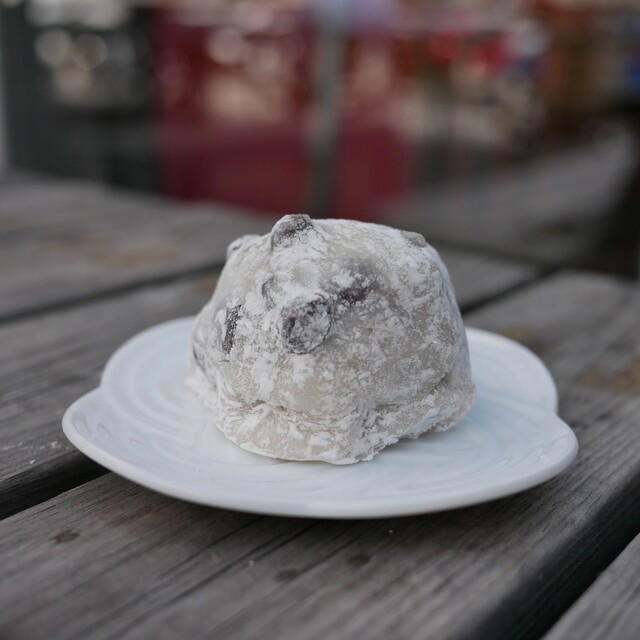
Miyoshiya
Kisarazu, Japan
A family-run take-out shop earning Tabelog 100 recognition for traditional daifuku and sekihan under 999 yen. Five minutes from Kisarazu Station, it delivers consistent mochi-based sweets at prices that make Tokyo's wagashi houses look overpriced. Cash only, closed Sundays, best visited weekday mornings for freshest inventory.
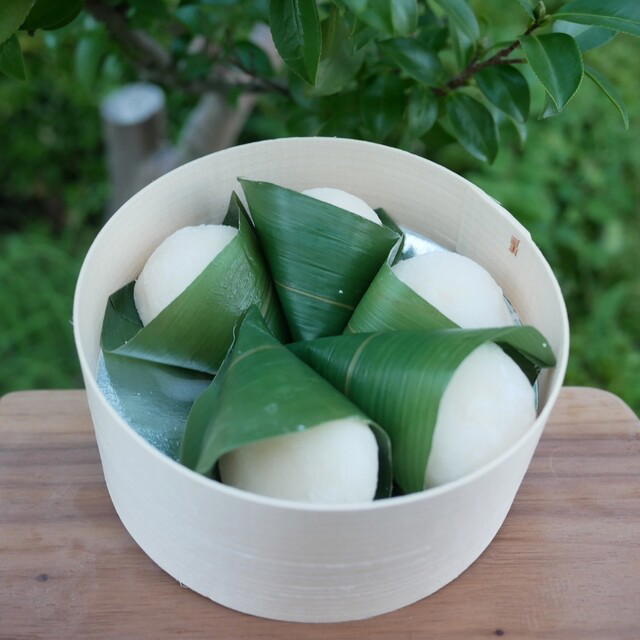
Kasho Shirotae Narashinodai honten
Funabashi, Japan
This Tabelog 100 Japanese sweets shop in Funabashi's Narashinodai neighborhood delivers award-recognized wagashi at sub-¥999 pricing through a take-out-only format. The early-morning selection is freshest, and the location 672 meters from Kita Narashino Station requires a 10-minute walk with no parking. Credit cards and IC transit cards accepted; closed Wednesdays.
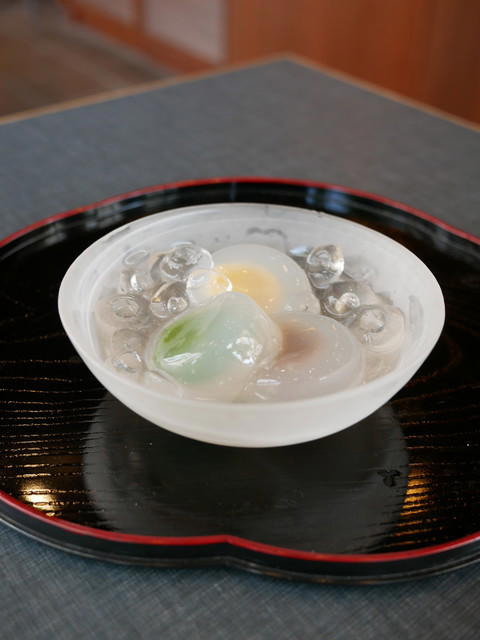
Kinchoen Sohonke Oogaki ekimae honten
Ogaki, Japan
Tabelog 100–recognized wagashi shop one minute from Ogaki Station, serving traditional sweets in a 10-seat café with takeaway emphasis. The format suits quick stops over leisurely tea service, and the under-1,000-yen price tier keeps it accessible for travelers passing through Gifu's castle district.
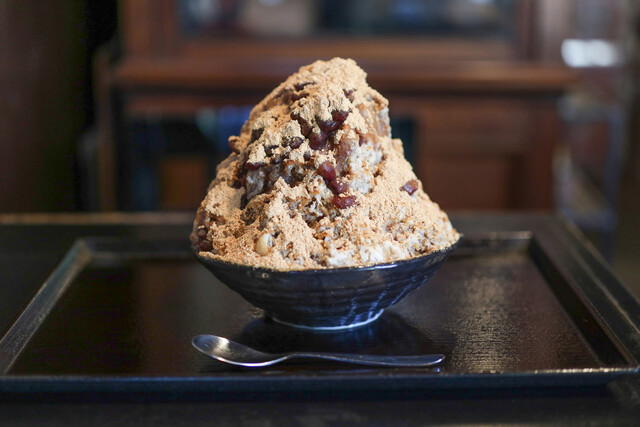
Kanmidokoro Shibafuku
Nagoya, Japan
A 24-seat café near Higashi Betsuin Station serving year-round kakigori and traditional wagashi at under JPY 999, recognized in Tabelog 100 EAST 2023. Walk-ins only, cash-only, open Wednesday through Sunday afternoons until 5 PM; arrive early to avoid waits, especially on weekends.
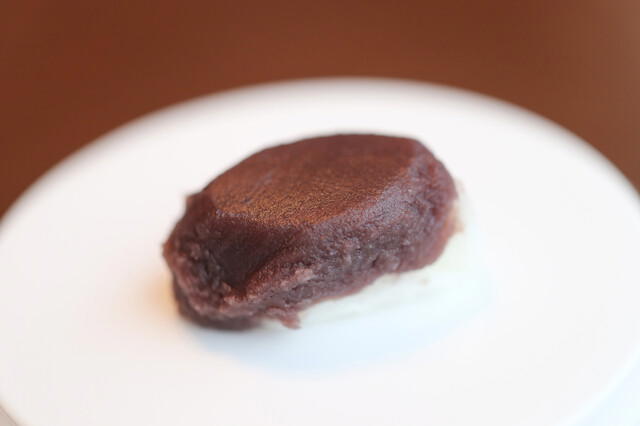
Chikara Mochi Ya
Kamakura, Japan
Kamakura's Tabelog 100-ranked mochi shop operates as a no-frills take-out counter three minutes from Hase Station, delivering traditional wagashi under JPY 1,000. The format prioritizes speed over atmosphere; no seating, no tea service; but the price-to-recognition ratio beats every nearby sweets competitor. Arrive before 11 AM on weekends to catch the full selection, or visit midweek mornings for a queue-free experience.
Minowa
Kamakura, Japan
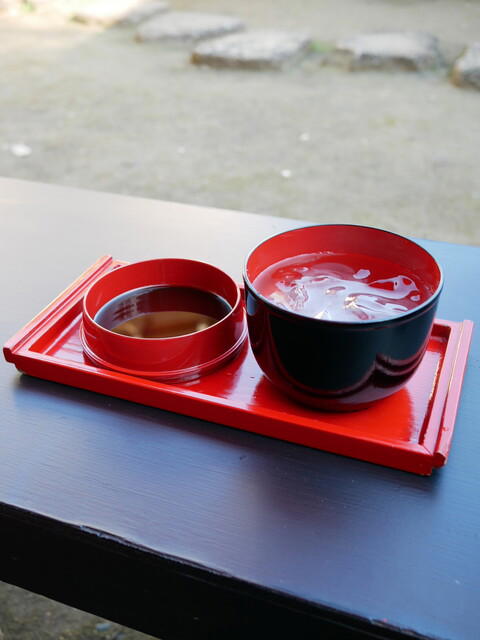
A traditional teahouse in Kamakura's hills, open only Wednesdays and Saturdays with no reservations accepted. Recognized on Tabelog's 100 Best list for Japanese sweets, the terrace overlooks wooded slopes and serves handmade <em>wagashi</em> in the JPY 1,000–1,999 range. Best for early arrivals willing to wait for a seat; cash-only, walk-in format suits patient visitors.
Kakuozan Kichi Imo Honten
Nagoya, Japan
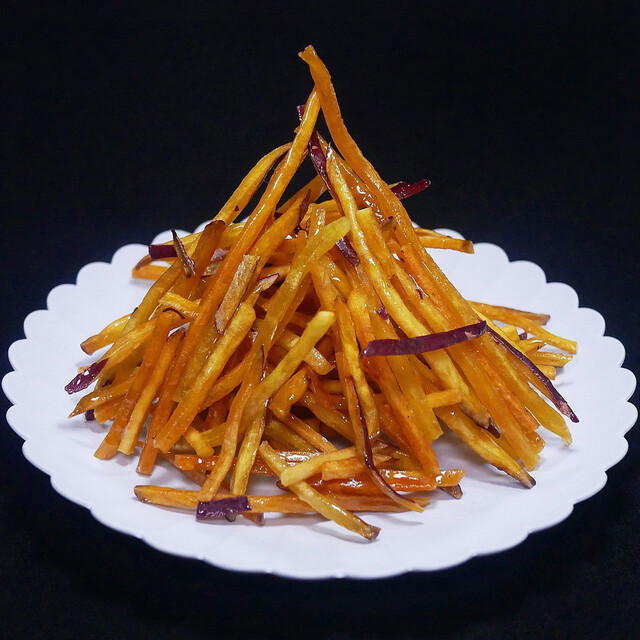
A takeaway-only sweet potato specialist operating since 1989, Kakuozan Kichi Imo Honten has earned four Tabelog 100 selections (2018–2023) for its focused yakiimo and daigakuimo execution. At under JPY 1,000, it's one of Nagoya's most accessible Tabelog-recognized sweets stops, though the cash-only, no-seating format suits grab-and-go browsing better than leisurely tasting.
Shintsuru Honten
Suwa-gun, Japan
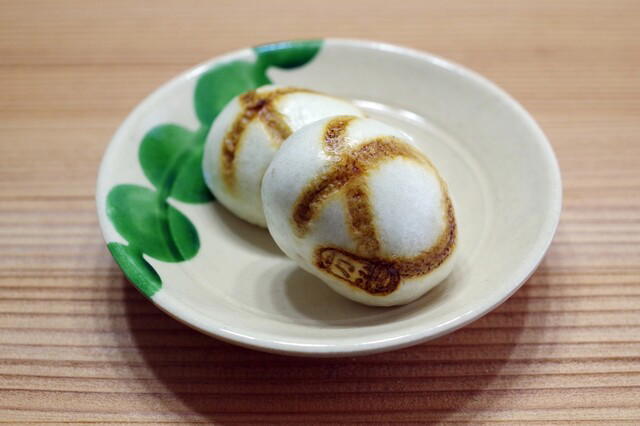
Tabelog 100 (2023) take-away wagashi shop in Shimo-Suwa, known for salt yōkan made with Lake Suwa water. Cash-only, no seating, reservation recommended for specialty lines. Competitive at JPY 2,000–2,999 per visit, with on-site parking; a practical stop for travelers touring the Nagano Alps.
Sabou Kirara
Kamakura, Japan
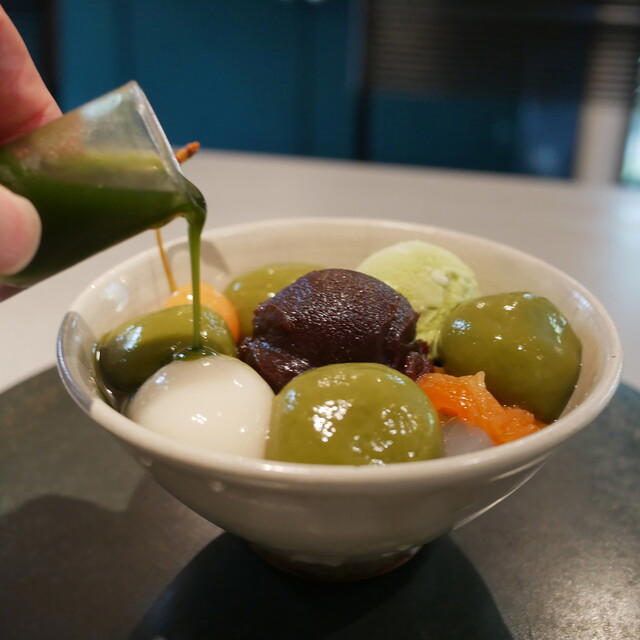
A Tabelog 100 wagashi café serving seasonal kakigōri, gelato, and traditional sweets in a quiet residential house. At JPY 1,000–1,999, it balances space and execution without kaiseki formality; best visited weekday mornings to avoid weekend waits.
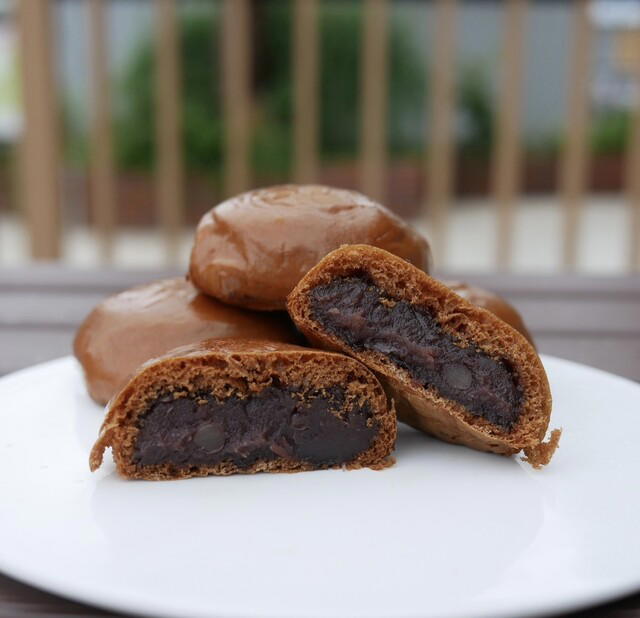
Matsumura Manju
Agatsuma-gun, Japan
Takeaway traditional sweets under JPY 1,000, recognized on Tabelog's 2023 Japanese Traditional Sweets East 100 list. Counter-service only, open six days a week in central Kusatsu Onsen, with parking and QR-code payment. Best for travelers prioritizing award-backed omiyage at the lowest price tier; no seating or on-site tasting.
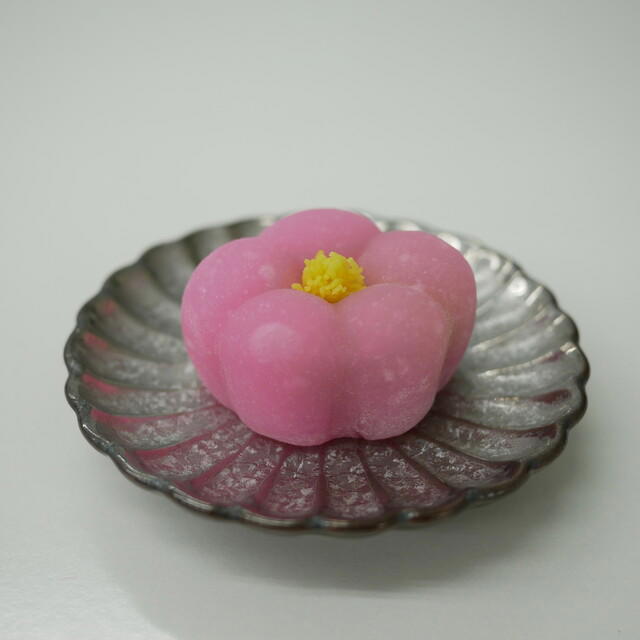
Baisaou
Sendai, Japan
Tatami-only wagashi shop in Sendai's Kasugamachi district, recognized on Tabelog's 2023 Japanese Traditional Sweets EAST 100 list. Seasonal sweets and tea service run JPY 1,000 to JPY 1,999, with reservations accepted for limited-edition items. A quieter alternative to the city's kaiseki and izakaya options, best suited for travelers looking to explore traditional Japanese sweets craft without formal tea-house pricing.
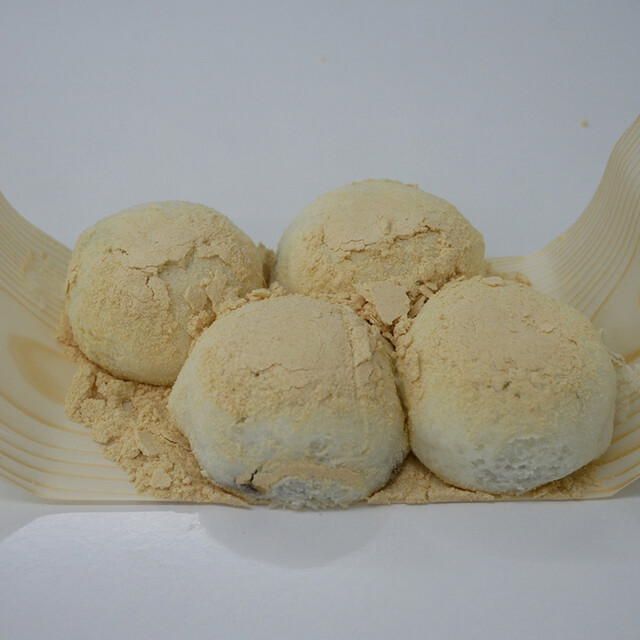
Pastry shop Tamagawa (Oiwake Bun)
Kawasaki, Japan
Cash-only take-out wagashi shop in residential Kawasaki, awarded Tabelog Hyakumeiten East 2023 status for traditional Japanese sweets. Under JPY 999 per visit, Tuesday–Sunday 9 AM–5 PM. No seating, no reservations; walk-in counter service only. Technical precision at everyday prices.
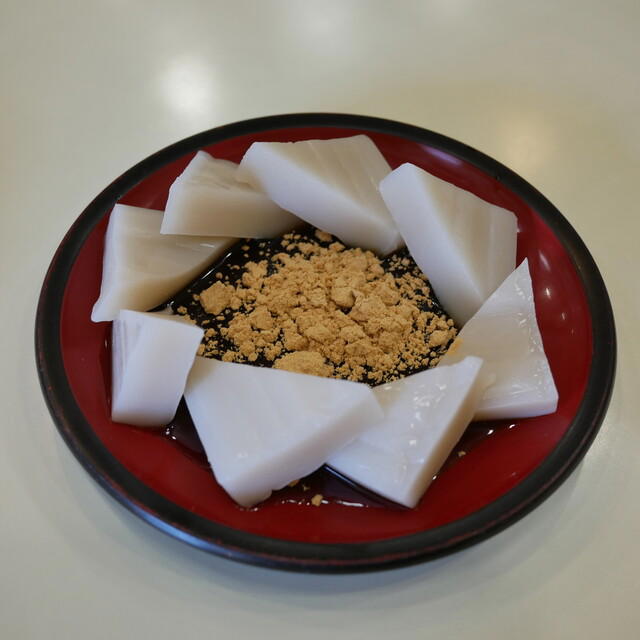
Sumiyoshiya Sohonten
Kawasaki, Japan
A no-reservation sweets counter and seven-table café near Kawasakidaishi Station, recognized in Tabelog's Japanese Traditional Sweets EAST 100 for 2023. Under ¥999 for kuzumochi takeaway or hot udon and soba bowls, with 8:30 AM opening ideal for temple-district visitors.
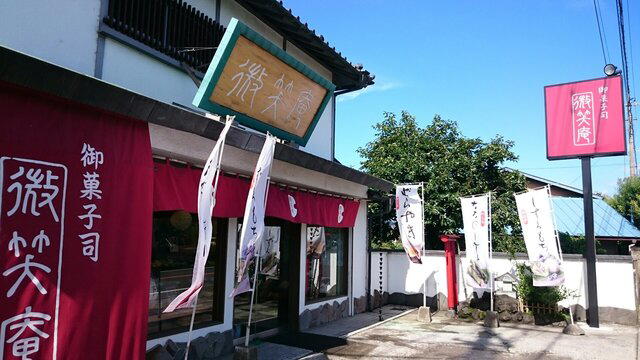
Mishoan
Takasaki, Japan
Tabelog 100-listed traditional Japanese sweets shop in Takasaki offering hand-crafted wagashi under ¥1,000. Open 9 AM–4 PM (closed Wednesdays), but popular items sell out mid-afternoon; arrive before noon for full selection. No reservations, no dine-in; grab-and-go format 20 minutes from JR Gumma Yawata Station. Worth the drive for wagashi purists; casual visitors should weigh sold-out risk against time investment.
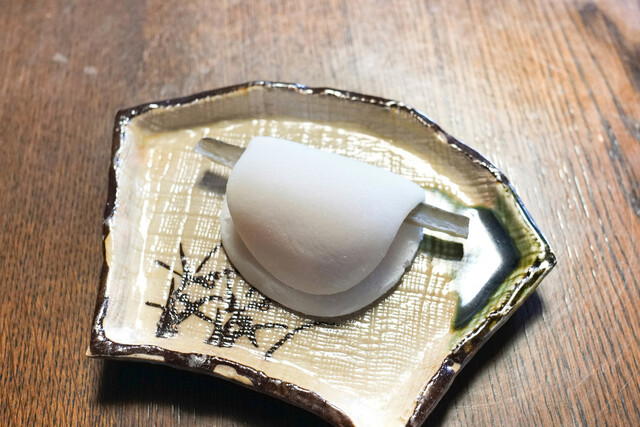
Minochu Honten
Nagoya, Japan
Tabelog 100 Best Sweets 2023 selection in Marunouchi, Minochu Honten delivers precision seasonal wagashi at JPY 1,000–1,999 per visit. The takeout-focused format suits special-occasion gifting and quick dessert stops without the premium of sit-down tea service, and the shop accepts reservations to avoid seasonal sell-outs.
Kikuzono
Chiba, Japan
Kikuzono is a traditional Japanese sweets shop in Chiba with Imperial Court heritage, offering meticulously crafted wagashi at under JPY 1,000. Named to Tabelog's 2023 EAST 100 list, the 12-seat retail counter delivers seasonal confections rooted in decades of court-ceremony precision. Go for takeaway sweets, not a sit-down tea-service experience.
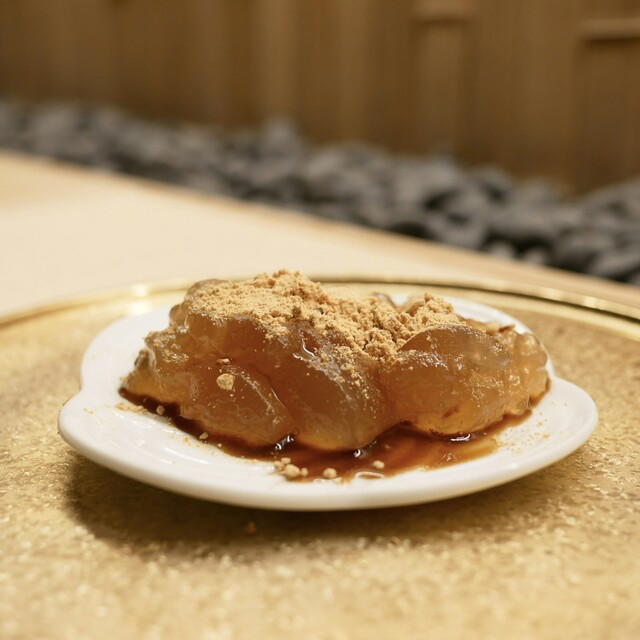
Iwaki
Takayama, Japan
A Tabelog 100-recognized take-out wagashi shop in Kamisannomachi, under JPY 1,000 per item, with a three-day shelf-life and a Monday-Thursday-Friday-Saturday-Sunday schedule. Worth the early visit for travelers who value craft over convenience and plan to consume within 72 hours.
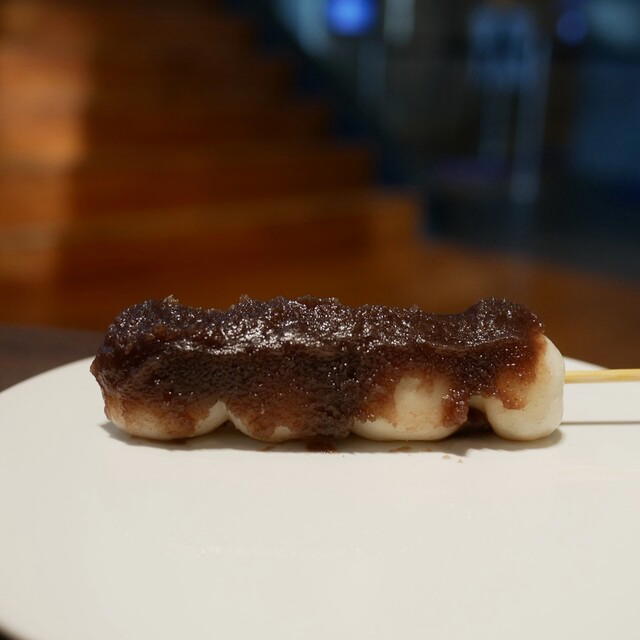
Yakidango Gingetsu
Hakodate, Japan
Charcoal-grilled yakidango under ¥1,000 in Hakodate's Yunokawa onsen district, recognized in Tabelog 100 Japanese Traditional Sweets EAST 2023. Take-out only, no reservations; shop closes Wednesdays and by 5:30 PM, making timing critical for visitors on tight schedules. Best for onsen-district guests seeking a portable, budget-friendly sweet between baths.
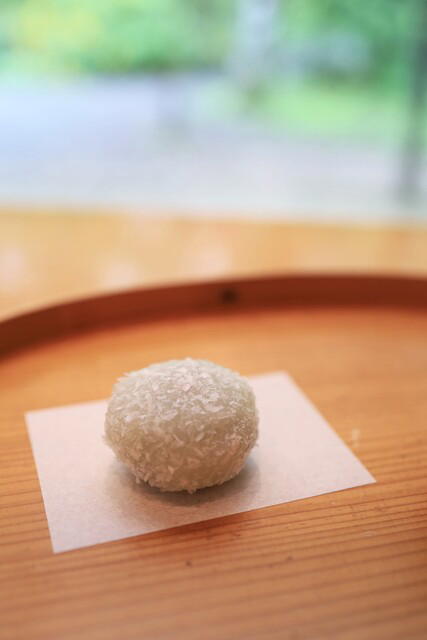
Toraya Kobo
Gotemba, Japan
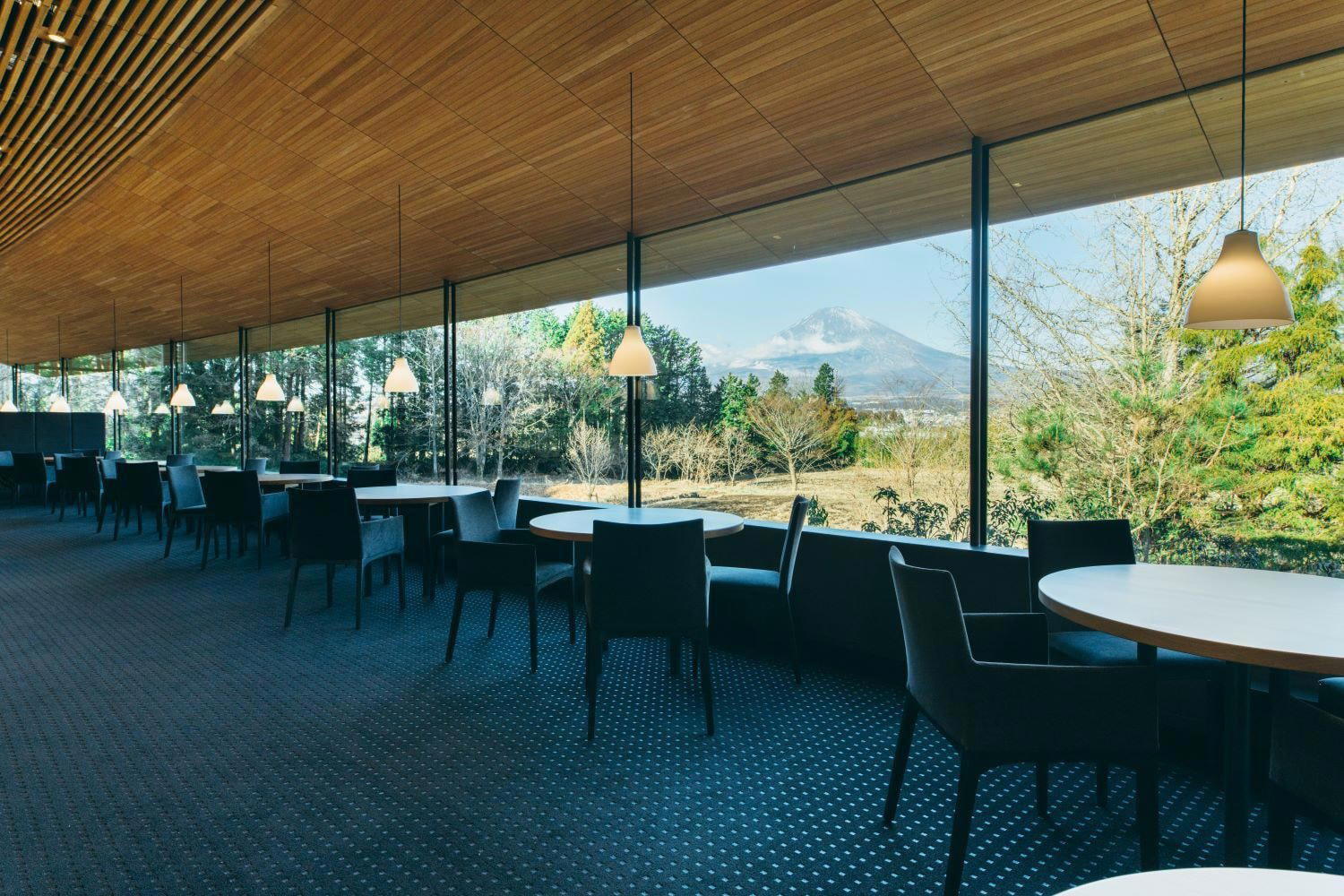
Tabelog 100–recognized Japanese sweets cafe in Gotemba offering seasonal wagashi and open-terrace seating. Walk-ins welcome, takeout available, and prices run JPY 1,000–1,999. Easy to book but closes by 5 PM (6 PM in summer), so plan for an afternoon stop. Best for travelers already in the area with a car.
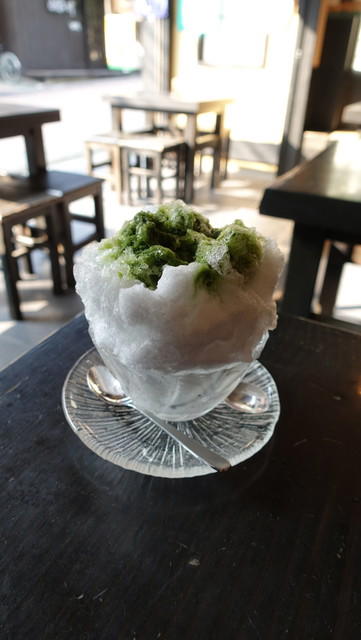
Chimoto Sohonten Karuizawa honten
Kitasaku-gun, Japan
Book Chimoto Sohonten Karuizawa honten as a casual daytime stop, not as the centerpiece of a special occasion. The modest JPY 1,000–1,999 range and Tabelog 100 #23 recognition make it a credible value play in Karuizawa, but guests seeking wine depth, ceremony, or a longer seated meal should cross-shop nearby peers.
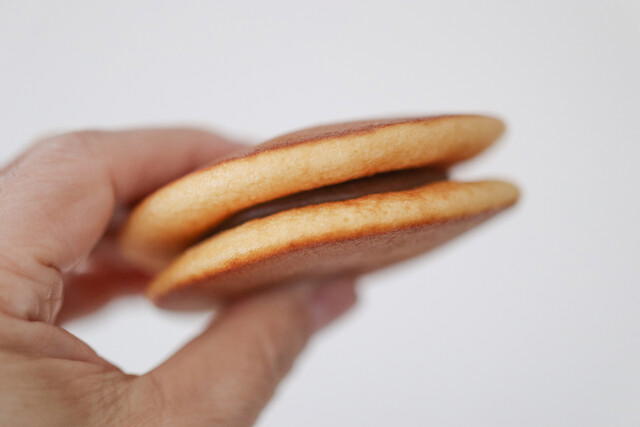
Shogetsu Do
Nakatsugawa, Japan
A Tabelog 100-recognized wagashi shop in Nakatsugawa offering seasonal Japanese traditional sweets at JPY 1,000–JPY 1,999. Four minutes from the station with online ordering and flexible payment options, it delivers reliable quality without the booking pressure or Tokyo-level pricing of higher-profile confectioners.
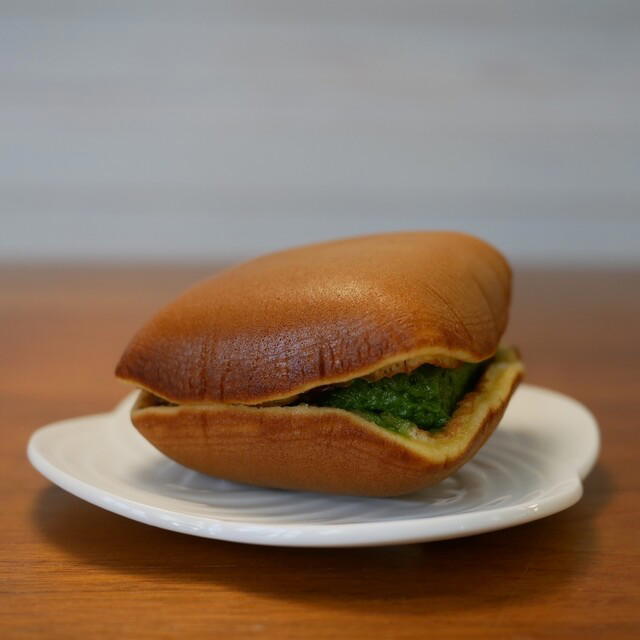
ankoya Ekimae ten
Sendai, Japan
Tabelog 100-ranked dorayaki specialist near JR Sendai Station, serving traditional bean-paste pancakes for under JPY 999. Cash-only, closed Sundays, and best as a quick take-away or gift stop between train connections rather than a sit-down destination.
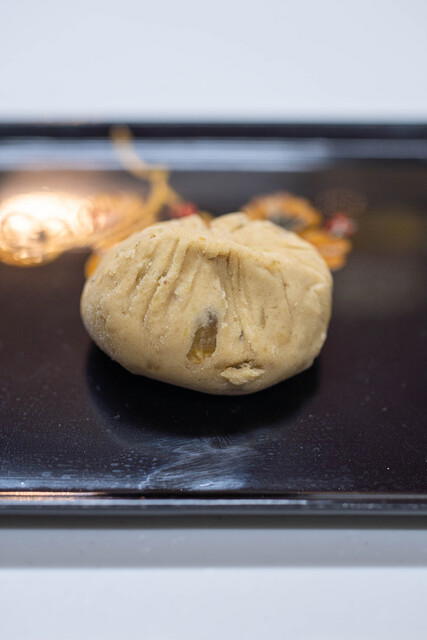
Kurimukinton Suya Jeiāru nagoya takashimaya
Nagoya, Japan
A Tabelog-recognized traditional sweets counter inside JR Nagoya Takashimaya, specializing in take-out kurimukinton and seasonal wagashi. Best for travelers seeking portable gifts or snacks at JPY 2,000–2,999; skip if you want a seated tea-and-sweets experience.
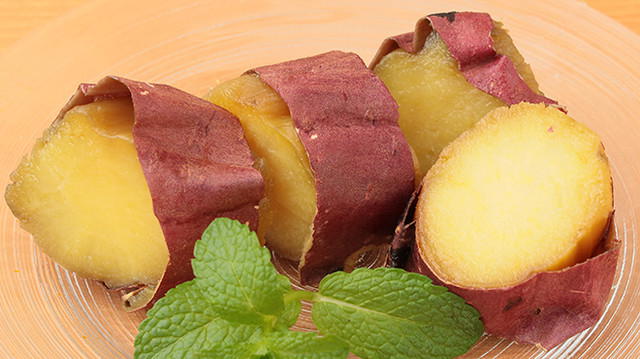
Yakiimo Maru Jun
Hekinan, Japan
Yakiimo Maru Jun is a Hekinan cafe specializing in roasted sweet potatoes, daigakuimo, and fruit-layered kakigōri for under JPY 1,000. Open six days a week with a pet-friendly terrace and 20-space parking lot, the cafe earned a Tabelog 100; Japanese traditional sweets / Japanese sweets cafe; EAST; 2023 selection for its vegetable-focused desserts. Walk-ins only; no reservations accepted for seating.
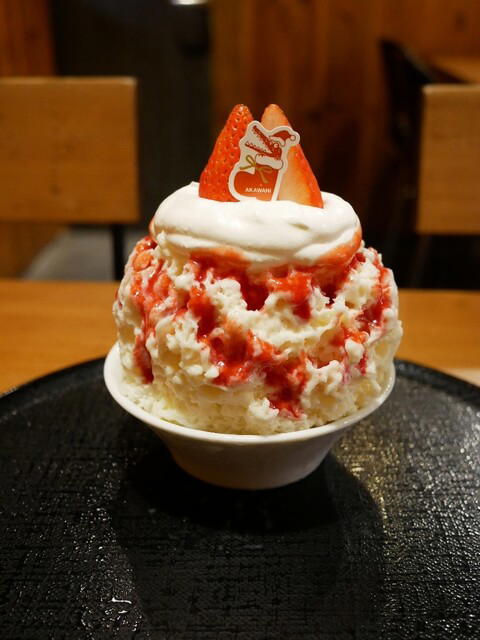
Chaya Akawani
Gifu, Japan
A Tabelog 100-recognized sweets cafe near Meitetsu Gifu Station, serving kakigōri, wagashi, and udon under JPY 1,000. No reservations, cash only, and afternoon hours (11:30–18:30) suit visitors seeking technically proficient traditional sweets without tourist premiums. Best for daytime breaks; closed Wednesdays.
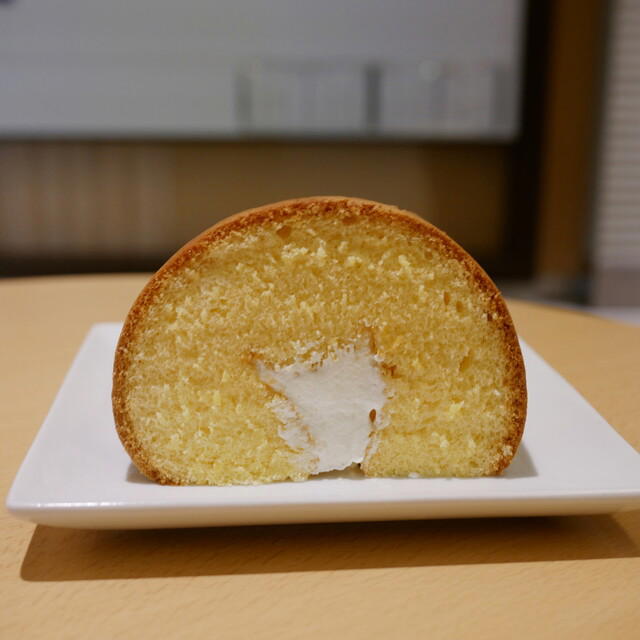
Hokkaido Gyunyu Castella
Chitose, Japan
Tabelog 100 EAST castella counter at New Chitose Airport delivers Hokkaido milk-forward sweets under ¥999. Ten-seat café with take-out service, open 9 AM to 8 PM daily. Walk-ins only, best for layover snacks or edible souvenirs rather than destination dining.
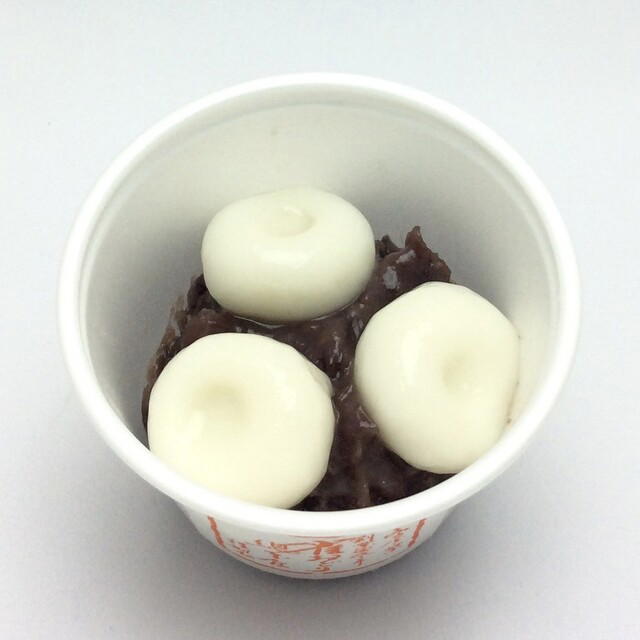
Suzume Odori Sohonten
Nagoya, Japan
A 160-year-old wagashi shop with a 43-seat café serving traditional Japanese sweets under ¥1,000. Walk-in only, no reservations. Recognized in Tabelog's 2023 Japanese Traditional Sweets & Café EAST 100. Best treated as a post-shopping stop in Sakae, not a destination dining experience.
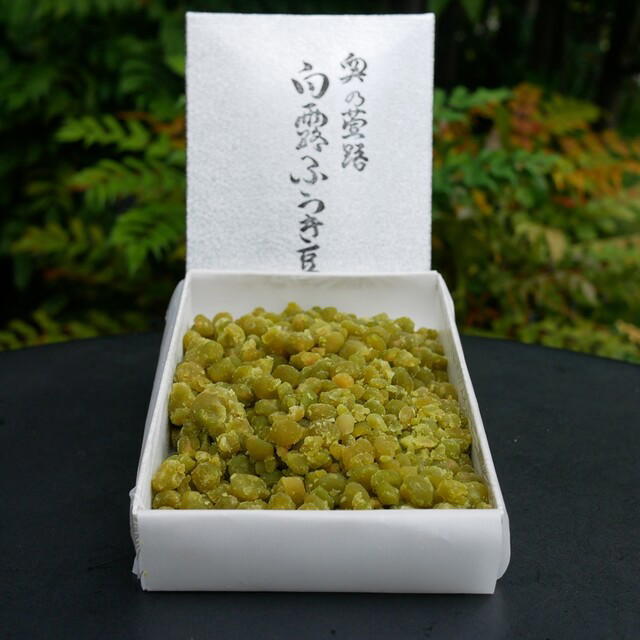
Yamada Ya
Yamagata, Japan
Founded in 1931, this takeaway-only sweets shop holds multi-year Tabelog 100 recognition (2018, 2020, 2022, 2023) for Japanese traditional sweets and dorayaki, all priced under JPY 1,000. No seating, no reservations, cash only; pick up what you want and go. A low-risk stop for travelers seeking locally trusted confectionery without a full dining commitment.
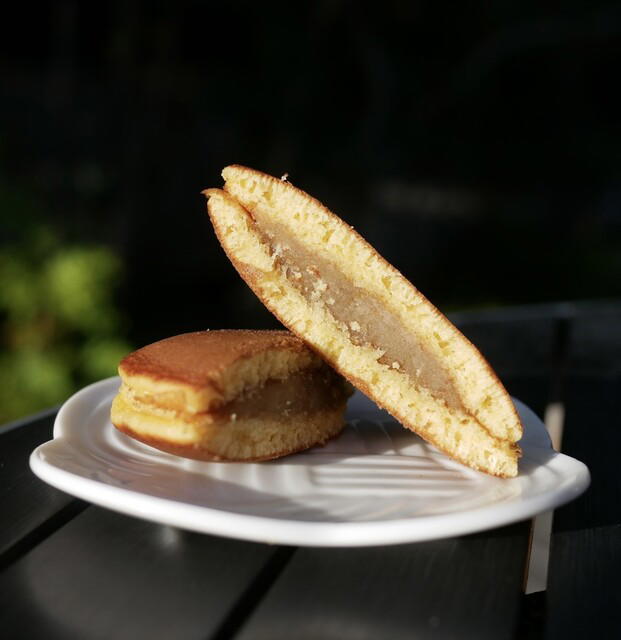
Sakurai Kanseido Honten
Kamitakai-gun, Japan
Tabelog 100-recognized traditional sweets shop in Obuse specializing in chestnut-based wagashi, with walk-in ease and eat-in space at JPY 1,000–1,999. Better technique than nearby Western pastry spots, though limited-time seasonal preparations sell out fast during autumn harvest weeks.
Kakkou Ya
Iwate, Japan
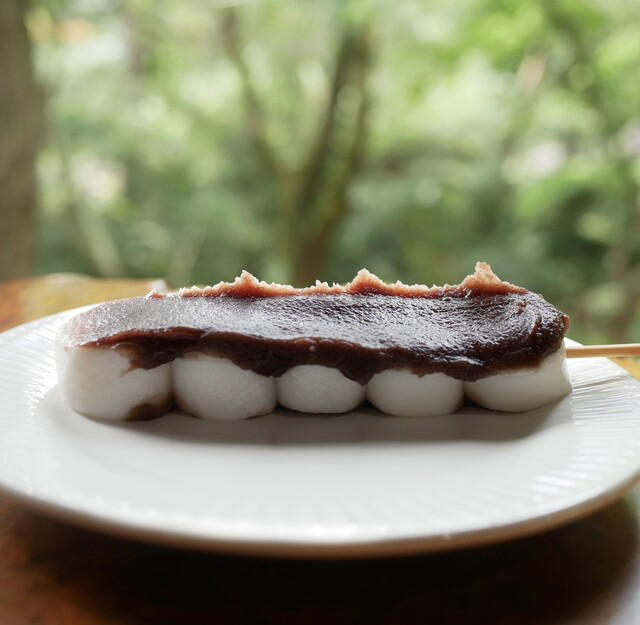
A Tabelog 100 EAST wagashi cafe near Genbikei Gorge, serving traditional Japanese sweets at under JPY 999. Walk-in only, cash-only, open 9:30 AM to 3:00 PM daily with winter closures. The house-style setting and gorge-view location make it a convenient stop for sightseeing families, but no reservations mean timing and availability depend on when you arrive.
Koike Kashiho
Kawanuma-gun, Japan
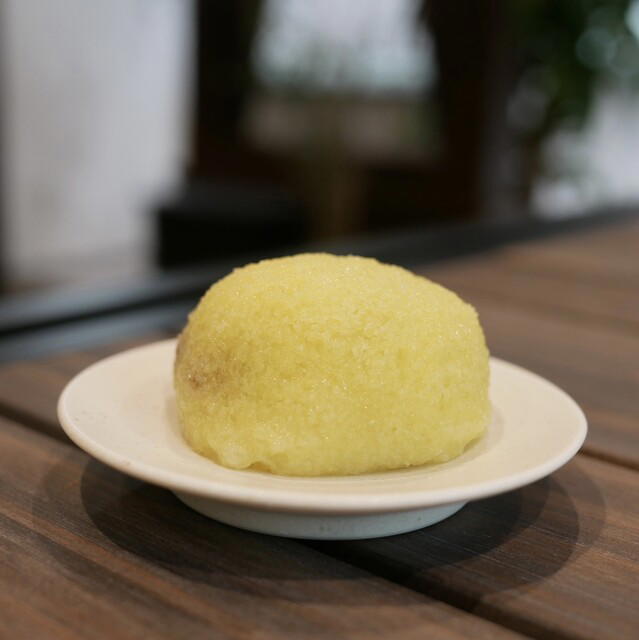
A 2023 Tabelog 100 wagashi shop in rural Fukushima, offering traditional Japanese sweets under ¥1,000. Counter-service format suits temple visitors and Tadami Line travelers. Walk-ins welcome, parking available, no ceremony required.
Yoshimitsu
Nagoya, Japan
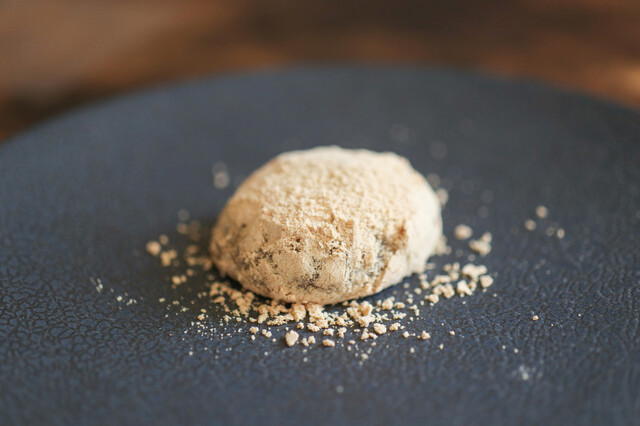
Tabelog 100 Sweets EAST wagashi shop in Nagoya's Shindeki neighborhood, offering handmade traditional confections at ¥1,000–¥1,999. Takeout-only format, limited daily batches that sell out by midday, and seasonal production calendar (no warabimochi July–September). Phone reservations recommended; cash only, four parking spaces on-site.
Taiyaki Namihei
Kamakura, Japan
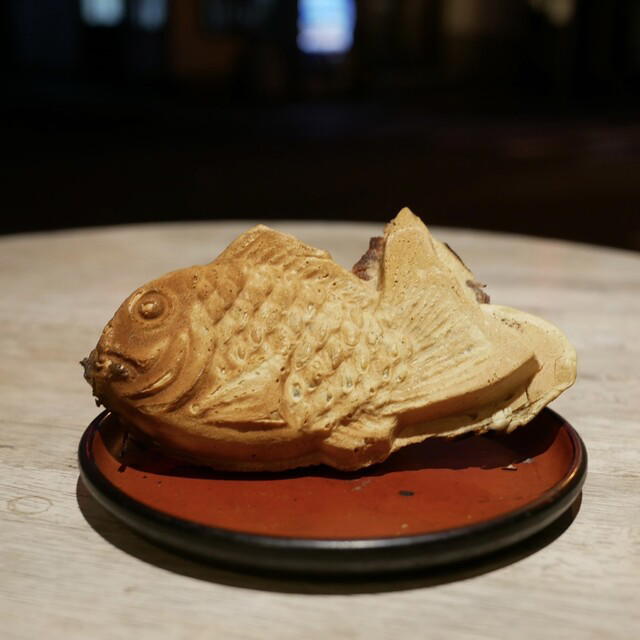
A cash-only taiyaki vendor three minutes from Yuigahama Station, recognized in Tabelog's 100 Japanese Traditional Sweets EAST selections for 2020, 2022, and 2023. Walk-in friendly with outdoor terrace seating and prices under 1,000 yen, open Tuesday through Sunday from 10:00 AM to 6:00 PM. Practical for a quick snack between Hase Temple visits, but no indoor seating or climate control.
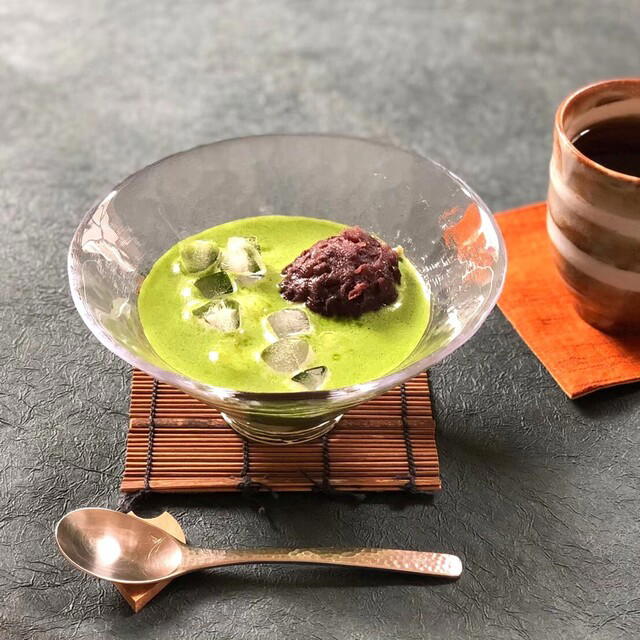
Cha no Chimoto
Ashigarashimo-Gun, Japan
A 12-seat café attached to a 75-year-old wagashi shop in Hakone Yumoto, offering seasonal Japanese sweets paired with Ashigara-grown tea and Kyoto matcha. Tabelog 100-listed for technical mochi craft, but the 40-minute seating limit and 4:30 PM weekday closure suit quick stops between sightseeing rather than leisurely breaks.
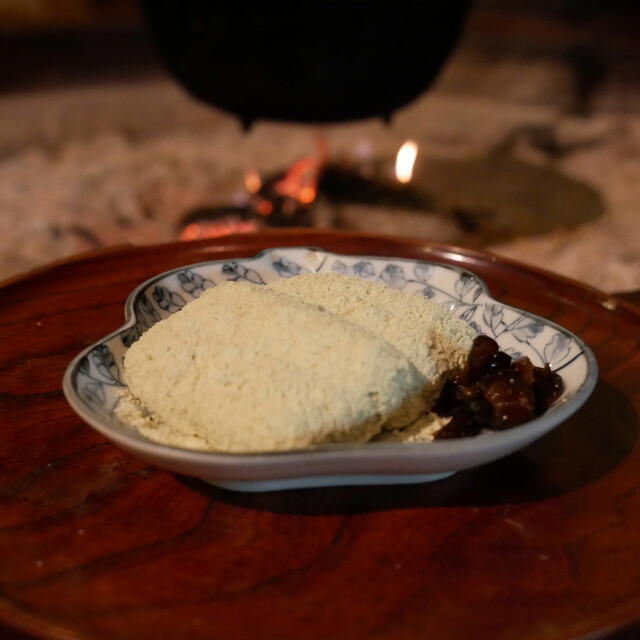
Amazake Chaya
Ashigarashimo-Gun, Japan
Amazake Chaya is the right call for a casual Hakone pause, not a full dining occasion. The value is strongest for solo visitors or pairs who want a low-spend, traditional-feeling stop between larger plans, with Tabelog 100 recognition adding a useful quality signal.
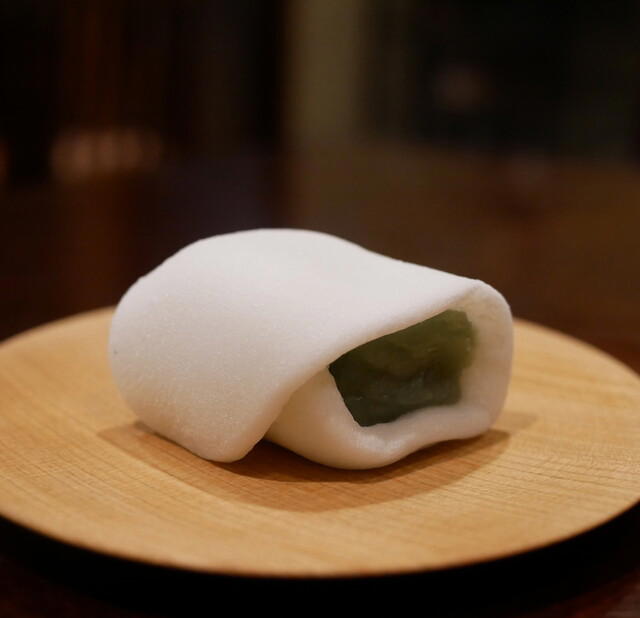
Matsuya Choshun
Inazawa, Japan
A Tabelog 100 EAST 2023 wagashi shop in Inazawa offering traditional Japanese sweets under JPY 999 via take-out only. Open until 6 PM Tuesday through Sunday; later than most artisan sweet-makers; with parking available and reservations accepted for large orders. The format is practical rather than experiential: no seating, cash only, and minimal English support, but the recognition and price point make it a reliable stop for locals and gift-buyers who know the category.
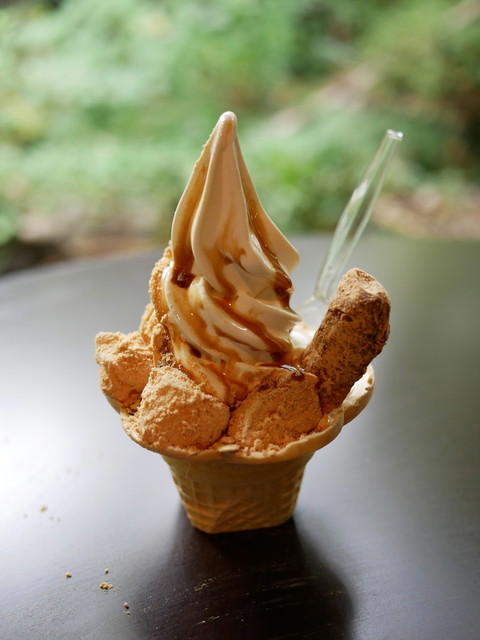
Kikyo Ya Honsha
Fuefuki, Japan
A Tabelog 100-recognized Japanese traditional sweets shop in Fuefuki, priced under JPY 999 for take-out only. Open daily 9 AM–5 PM with on-site parking near the Chuo Expressway. No reservations; easy logistics for wine-country day trips. Better for convenience than ceremony.
Baika Do
Nagoya, Japan
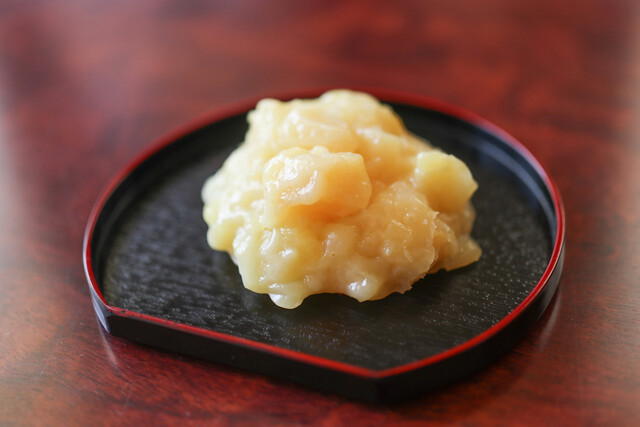
A Tabelog 100 Best wagashi specialist in Kakuozan operating take-away only, known for onigiri manju that sell out by mid-morning. Prices stay under JPY 999, quality rivals seated competitors, and the shop offers higher value per yen than nearby alternatives; provided you arrive before 10 AM and carry cash.
Toshimaya Karyo Hatokoji
Kamakura, Japan
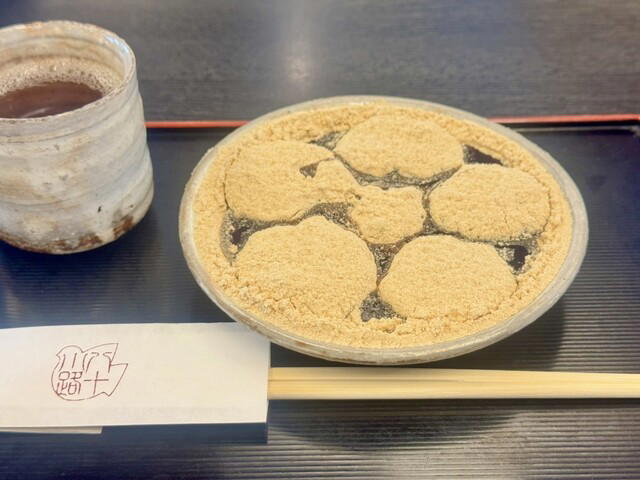
Toshimaya Karyo Hatokoji is a functional, family-friendly wagashi café three minutes from Kamakura Station, offering seasonal Japanese sweets and tea for under JPY 1,000. Recognized in Tabelog 100 Japanese traditional sweets / Japanese sweets cafe - EAST 2023, it delivers reliable quality in a spacious setting with an English menu. Walk-ins only; expect high turnover and efficient service rather than quiet tea ceremony ambiance.
Tsubameya Dainagoya birudingu ten
Nagoya, Japan
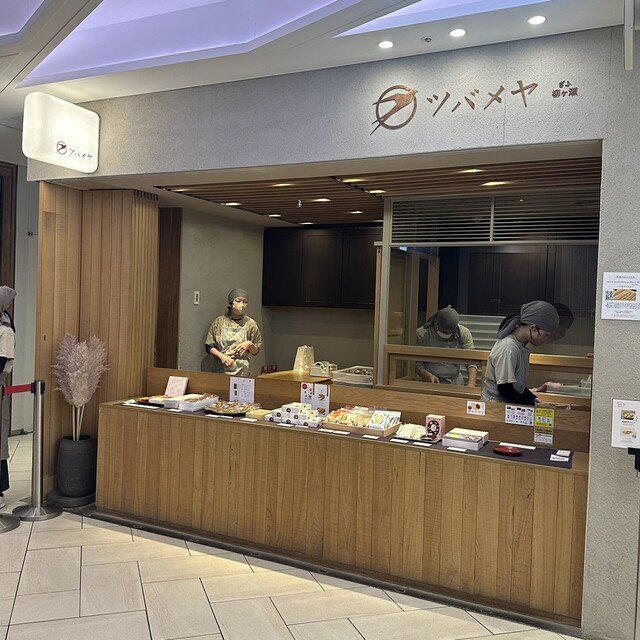
A take-out counter beneath Nagoya Station specializing in hand-cut warabi mochi, recognized in Tabelog 100 Japanese traditional sweets for 2023. No seating, no reservations required, and sweets best consumed the same day. At JPY 1,000 to JPY 1,999, it's a practical option for travelers passing through the station.
Seki Beya
Shizuoka, Japan
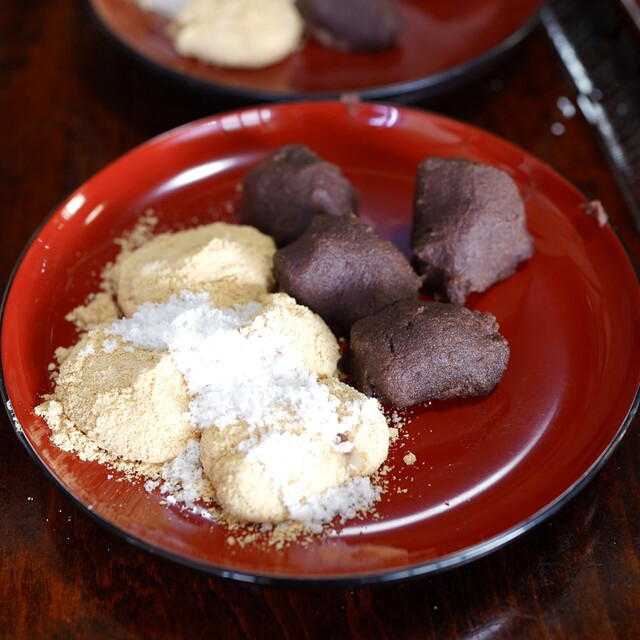
Tabelog 100-recognized wagashi shop in Shizuoka's Miroku district, offering traditional Japanese sweets for under ¥1,000 with tatami seating for up to twenty. Cash-only, walk-ins welcome, open 9 AM–4:30 PM six days a week. Best for casual regional sweets exploration rather than destination dining.
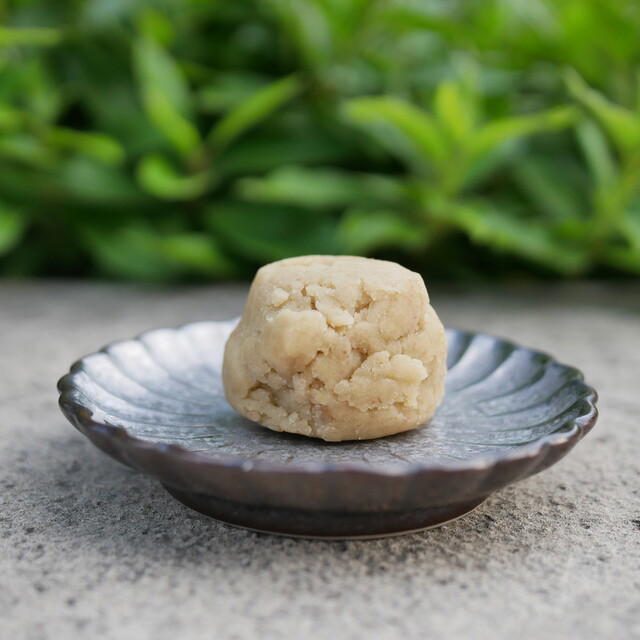
Benten Do
Gifu, Japan
Benten Do is a Tabelog 100-recognized takeaway wagashi counter in Kandamachi, ten minutes from Meitetsu Gifu station. With no seating and prices under JPY 1,000, it delivers focused traditional sweets craft without ceremony or service depth; walk-in accessibility and consistent technique over ambiance or experience design.
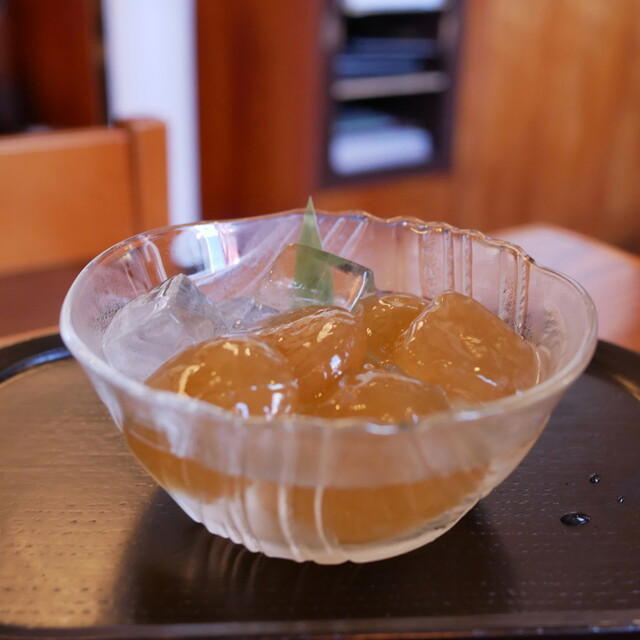
Uirou
Odawara, Japan
Edo-period wagashi shop selling rice-flour mochi confections and medicinal uirou in Odawara's Honcho district. Take-out only, cash only, closed Wednesdays. Tabelog 100 recognition for eastern Japan traditional sweets. Worth the 15-minute walk from the station if you're researching regional confectionery heritage; skip if you need convenience or seating.
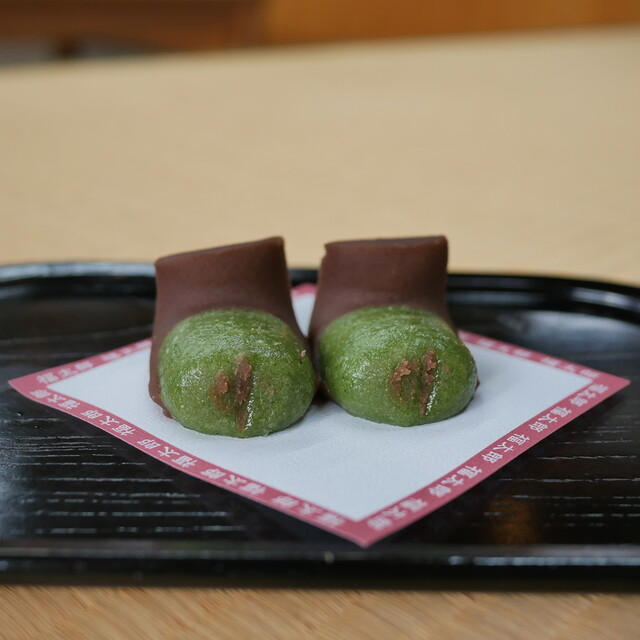
Fukutarou Honpo
Mishima, Japan
A Tabelog 100 Best (East) 2023 wagashi specialist within Mishima Taisha shrine grounds, offering traditional Japanese sweets for under JPY 1,000. Takeaway-focused with eat-in seating, open daily from 8 AM, and wheelchair-accessible. The quality-to-price ratio and shrine location make it a practical stop for travelers routing through Mishima toward Hakone or Izu.
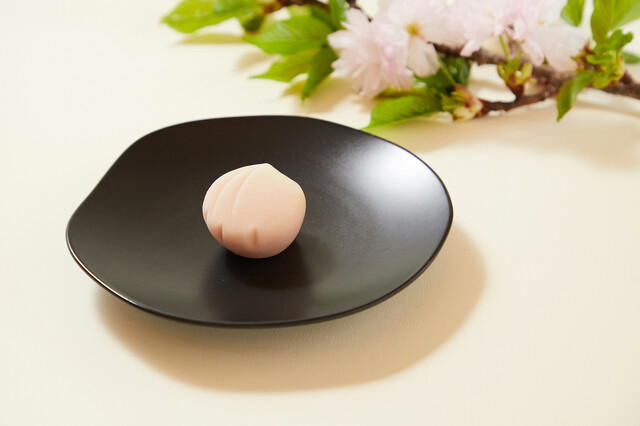
Chimoto Ekimae doori ten
Ashigarashimo-Gun, Japan
Chimoto Ekimae doori ten is a practical Hakone-Yumoto area pick for a low-cost daytime stop, with pricing at JPY 1,000–1,999 and a Tabelog 100 #51 listing from 2023. Choose it for convenience and casual credibility, not for a wine-led meal, formal dinner, or long special-occasion seating.
Fuhan
Kamakura, Japan
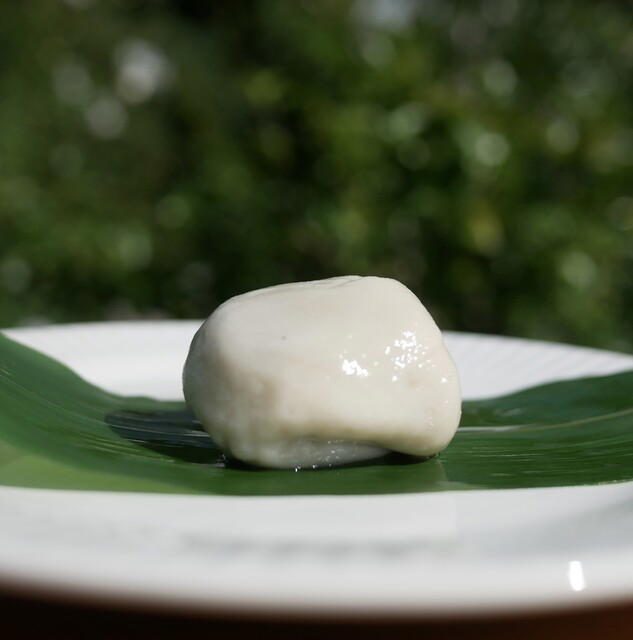
Tabelog 100-recognized traditional Japanese sweets shop in Hase, priced under JPY 999 and designed for temple-route snacking. Open Tuesday to Sunday until 5 PM or sellout, the counter handles quick takeout purchases between Yuigahama Station and Kamakura's major temple sites. Cash only, with a focus on mochi and seasonal confections crafted for same-day consumption.
Original Daifuku Okashi Dokoro Yoro Ken Honten
Kamo-gun, Japan
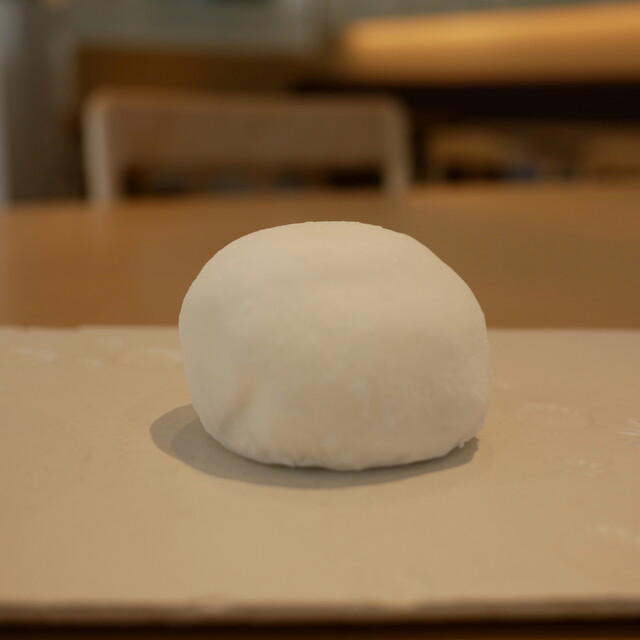
Tabelog-recognized daifuku specialist in rural Gifu operating as a take-out-only house shop with prices below ¥1,000. The mochi-wrapped red bean cakes are fresh, the format is quick, and parking is plentiful; a practical stop for travelers routing through Kamo-gun rather than a destination in itself.
Tsutsui Shogetsu
Nagoya, Japan
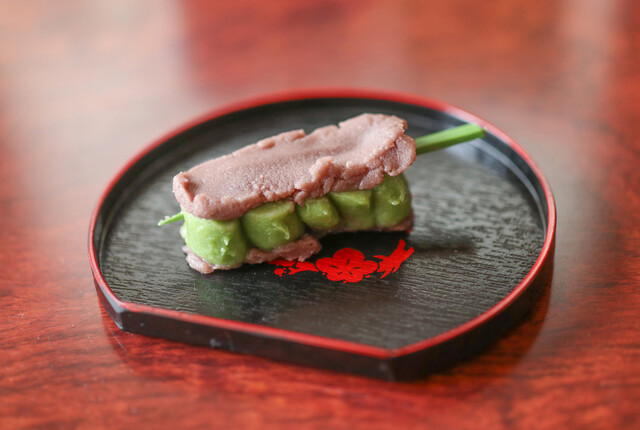
Tsutsui Shogetsu is a Tabelog 100-recognized wagashi shop in Nagoya's Higashi ward, offering handcrafted traditional Japanese sweets under JPY 999. Open Wednesday through Sunday for takeout only, it delivers neighborhood-specialist craft without the café overhead, making it worth the trip for those tracking down seasonal confectionery in residential Nagoya.
Murasakiya
Nagoya, Japan
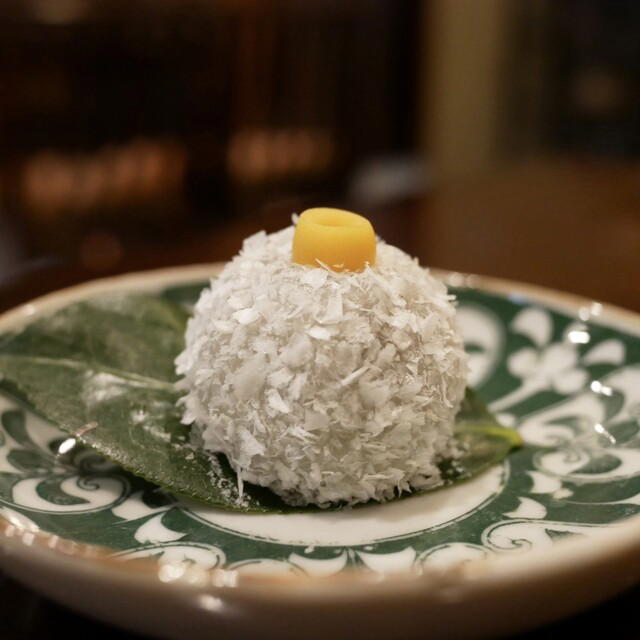
Tabelog-recognized wagashi café near Fushimi Station, serving seasonal Japanese confections and tea in a 15-seat space. At JPY 1,000–1,999, it offers accessible craft and take-out options without the ceremony of Kyoto's heritage houses. Open weekdays 9 AM–5 PM, Saturday until 3 PM; cash only.
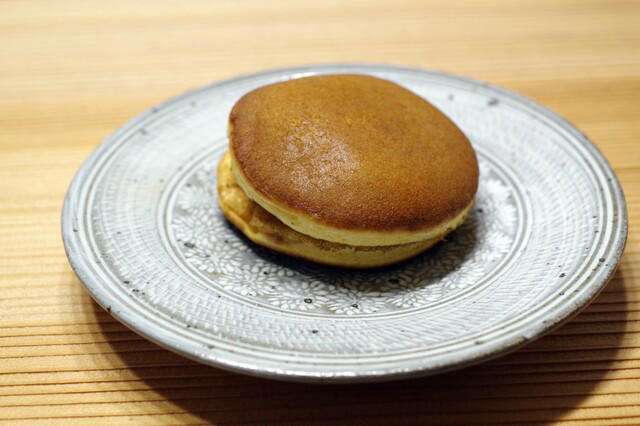
Eigyoku Do
Yamagata, Japan
A Tabelog 100-listed wagashi shop in Yamagata serving dorayaki, mochi, and seasonal Japanese sweets at under 1,000 yen per visit. The 24-seat cafe welcomes walk-ins Tuesday through Sunday, offering counter and table service with take-out options. Walk-ins work most days; parking available on-site.
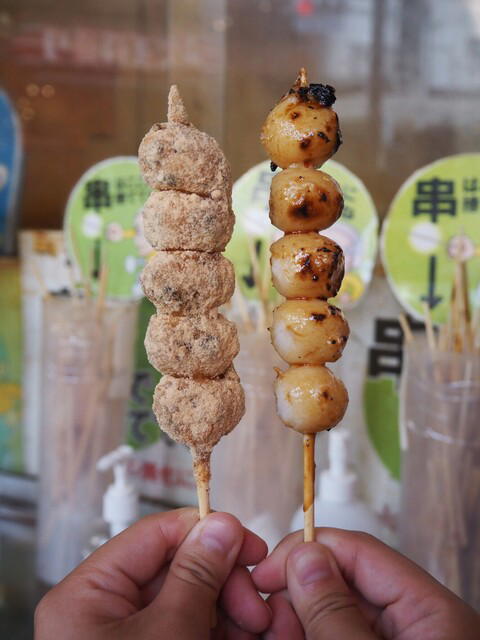
Shin Suzume Honten
Nagoya, Japan
Takeaway-only wagashi shop in Osu recognized by Tabelog 100 (2023, EAST) for traditional Japanese sweets under ¥999. No seating, no reservations; walk up, queue, and leave with your box. Best treated as a between-meals stop rather than a destination meal, with stock selling out by evening on busy days.
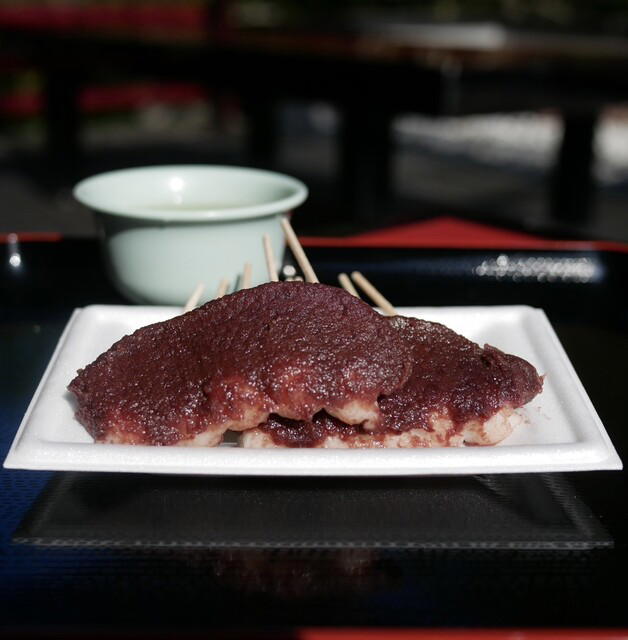
Hattasan Meibutsu Dango Kigyo Kumiai
Fukuroi, Japan
A temple-approach sweets cooperative near Hattasan, recognized on Tabelog's 2023 EAST region list for traditional dango. Prices stay under ¥999, walk-ins work year-round, and the format suits quick pilgrim refreshment stops rather than destination dining. Best timed with temple visits during spring or autumn for seasonal flavors.
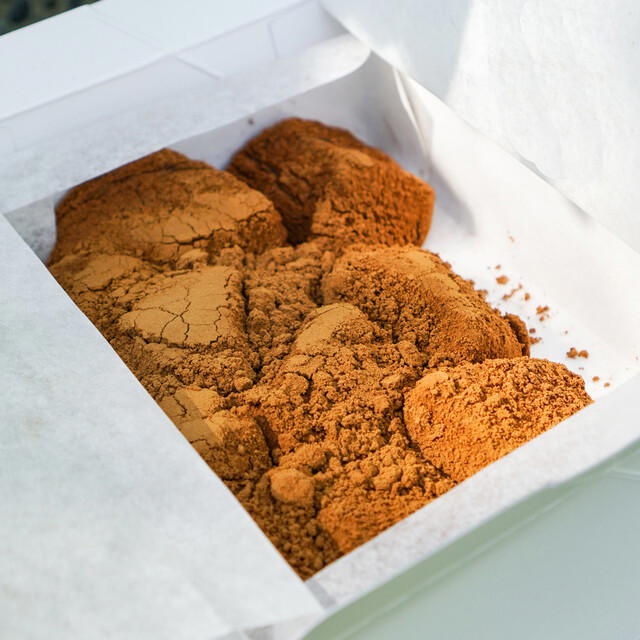
Koshikake An
Tendo, Japan
Tabelog Hyakumeiten sweets specialist in Tendo operating takeaway-only service Wednesday through Sunday, 9:30 AM to 5 PM. Recognized annually since 2017 for traditional wagashi and summer kakigōri, with most items under JPY 1,000. Sellouts common by early afternoon; reservations accepted for pickup. Car parking available for 16 vehicles; cash-only payments.
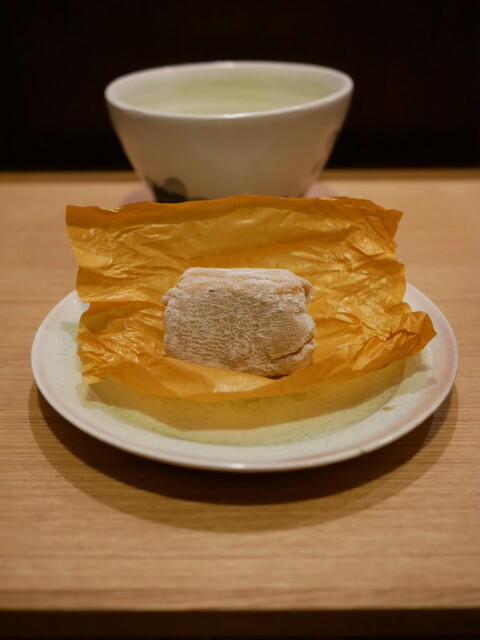
Wagashi Karyo ocobo
Nagoya, Japan
A 10-seat counter in Kakuozan serving traditional wagashi under JPY 999, recognized on Tabelog's 2023 sweets list. Dine-in runs Thursday through Sunday afternoons only, with last order at 4 PM. No reservations, cash-only, and closed Wednesdays. Best for solo travelers or pairs looking for an accessible intro to Nagoya's traditional sweets scene without evening-hour availability.
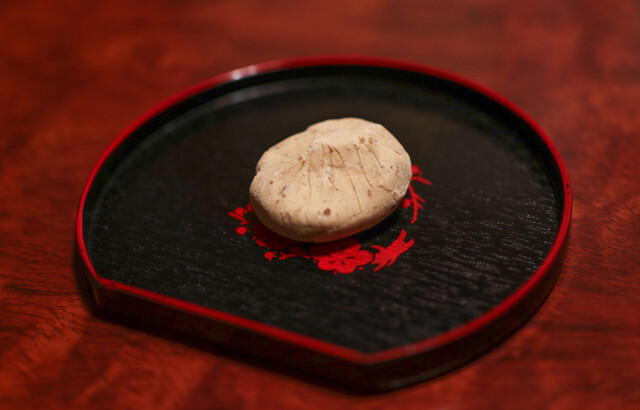
Kawakamiya Honten
Nakatsugawa, Japan
A take-out wagashi specialist in Nakatsugawa that has earned Tabelog 100 recognition for Japanese traditional sweets since 2019. Operating under ¥1,000 per transaction with efficient walk-in service, it offers a practical stop for travelers along the Nakasendō trail seeking regional confections without sit-down formality.
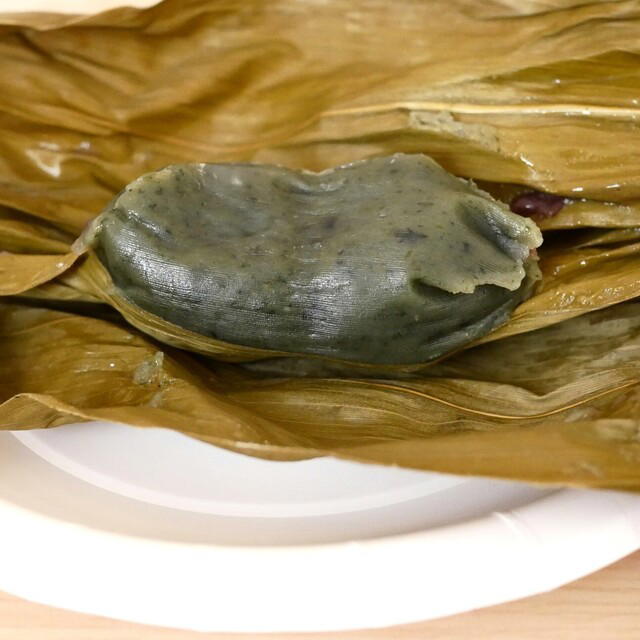
Sasagawa Mochiya
Niigata, Japan
A Tabelog 100 – Japanese traditional sweets / Japanese sweets cafe EAST 2023 shop in Chuo Ward, Sasagawa Mochiya has refined <em>sasa dango</em> since 1883. Under 1,000 yen per item, it's Niigata's most accessible award-winning <em>wagashi</em> counter; open 8 AM–5 PM, walk-ins welcome, and worth the early visit before stock runs out.
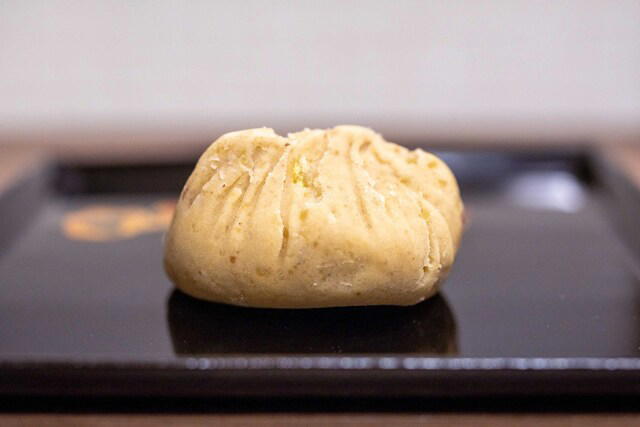
Kurinton Honke Suya Honten
Nakatsugawa, Japan
A practical Nakatsugawa sweets stop with an accessible JPY 1,000–1,999 spend and Tabelog 100 recognition from 2023. Book it into the day as a focused purchase or quick local-specialty stop, then compare it with Kawakamiya Honten, Suya Nishiki, or Shogetsu Do if you want a fuller read on the city's confectionery options.
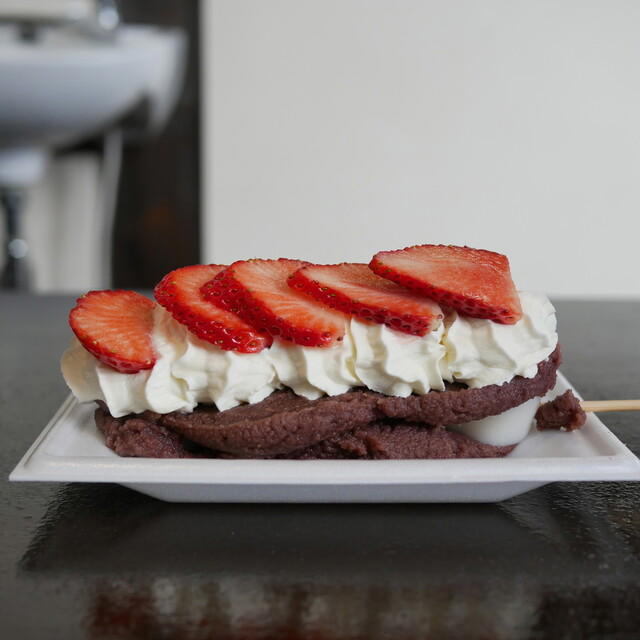
Yokocho Tofu Ten Mogami Gawa Senbon Dango
Kitamurayama-gun, Japan
A Tabelog 100 Best-listed traditional sweets and tofu shop in rural Yamagata, delivering award-level dango and wagashi at JPY 1,000–1,999. The hybrid take-out and sit-down format (28 seats across three zones) makes it workable for quick stops or leisurely visits, with daytime-only hours (9 AM–4:30 PM) and ample parking. Worth the detour if you're exploring Kitamurayama District and want regional craft without Tokyo crowds or prices.
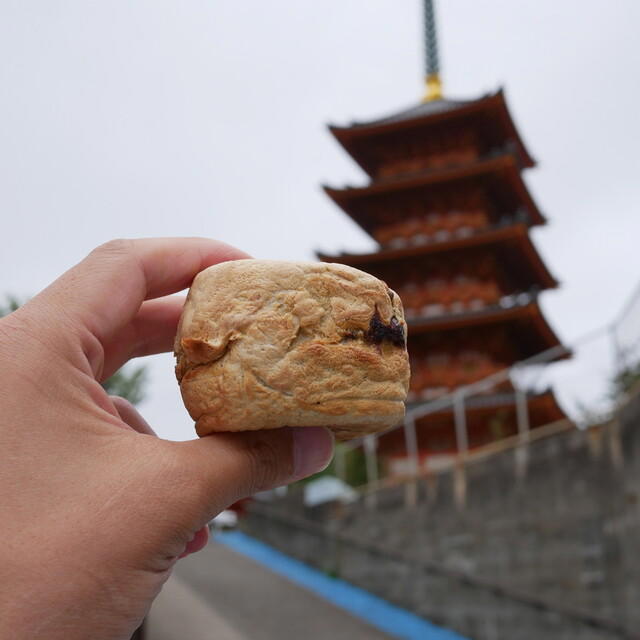
Sanoya Imagawayaki Ten
Choshi, Japan
Award-winning counter-service takeaway near Iinuma Kannon temple, recognized on Tabelog 100 for traditional obanyaki and taiyaki. Orders under 1,000 yen; no dine-in seating. Best for temple visitors seeking high-quality Japanese sweets to go, not a sit-down café experience.
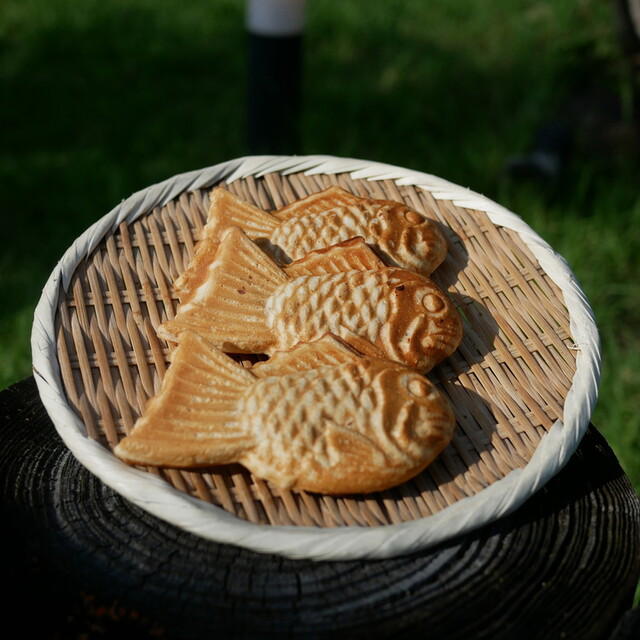
Taiyaki Murasakiya
Toyoake, Japan
A low-spend Toyoake stop that works best as a quick taiyaki visit, not a full meal plan. The value is easy to justify if you want a snack-sized detour, while Hana Ichi or the ramen peers make more sense for lunch or dinner.
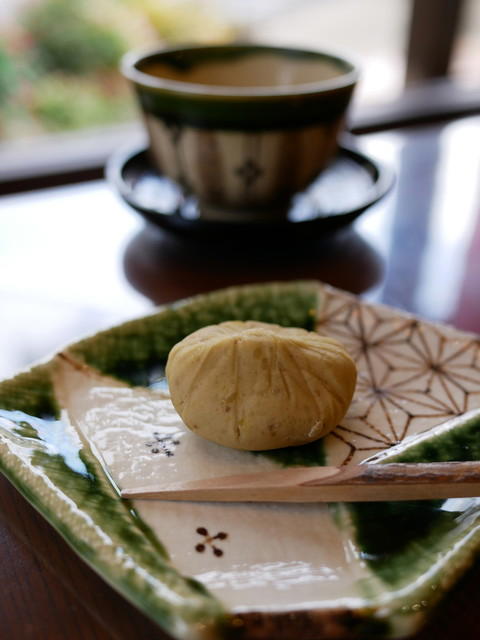
Shichifuku
Nakatsugawa, Japan
A Tabelog 100 Japanese sweets shop in Nakatsugawa specializing in kurikinton (chestnut paste confections) at under ¥999. The takeaway-only format and seasonal focus make it a practical stop during autumn rather than a year-round destination, though easy booking and budget pricing lower the barrier for a quick detour.
Midoriya Roho
Kamo-gun, Japan
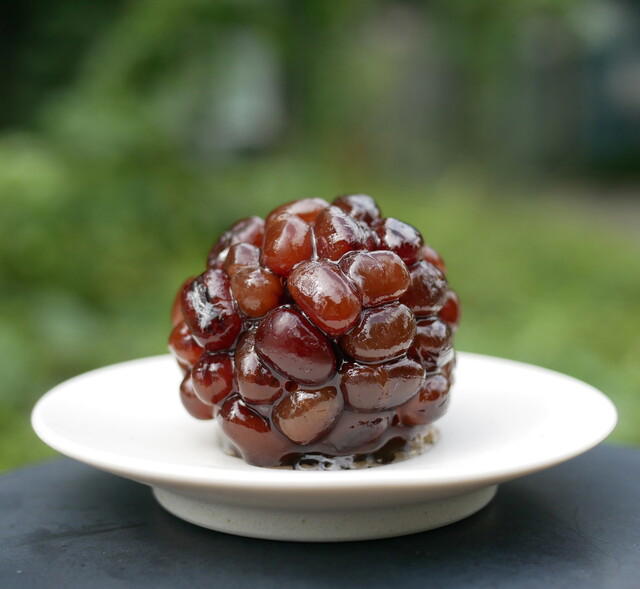
Tabelog 100-listed wagashi shop in Kamo-gun offering traditional Japanese sweets at JPY 1,000–1,999, with a takeout-focused format and small rest area. Reservations available only for kurikintou; most items sell out by early afternoon. A practical, low-stakes stop for travelers seeking Gifu's sweets tradition without premium cafe pricing.
Yamada Gohei Mochi Ten
Inuyama, Japan
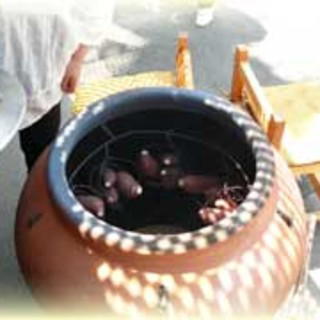
A 10-seat specialist shop in Inuyama grilling gohei mochi to order over charcoal, brushed with homemade walnut-sesame-miso sauce. Tabelog 100 recognition for Japanese sweets in 2023 brought longer weekend queues, but under ¥999 and no reservations keep the format accessible. Worth the walk from the castle if you arrive early.
Kikukawa Shoten
Ashigarashimo-Gun, Japan
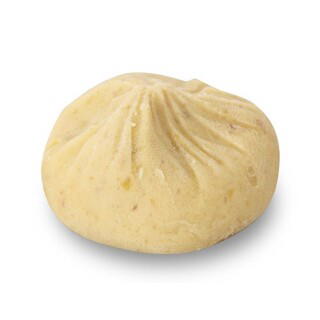
Tabelog 100-listed wagashi shop two minutes from Hakone Yumoto station, known for steamed Hakone manju made fresh from 10 AM until sold out. Under 1,000 JPY, take-out only, with a bench for immediate consumption. Arrive early; weekend mornings draw lines, and once the batch is gone, it's gone.
Kimura Ya Honten
Mito, Japan
Tabelog 100-recognized takeout wagashi shop serving traditional Japanese sweets under JPY 999, seven minutes from Mito Station. No seating keeps prices low and turnover fast; ideal for travelers, gift buyers, and solo snackers seeking award-level quality without sit-down service.

Numata Ya Honten
Tsukuba, Japan
A Tabelog 100 take-out wagashi shop in Tsukuba's Numata district, open daily 9 AM–6 PM with under-¥999 pricing and parking. Cash-only counter service suits quick stops for traditional sweets, though the no-seating format and December closure limit spontaneity. Worth the detour if you're driving to Mount Tsukuba or the research parks and want a budget-friendly omiyage stop.
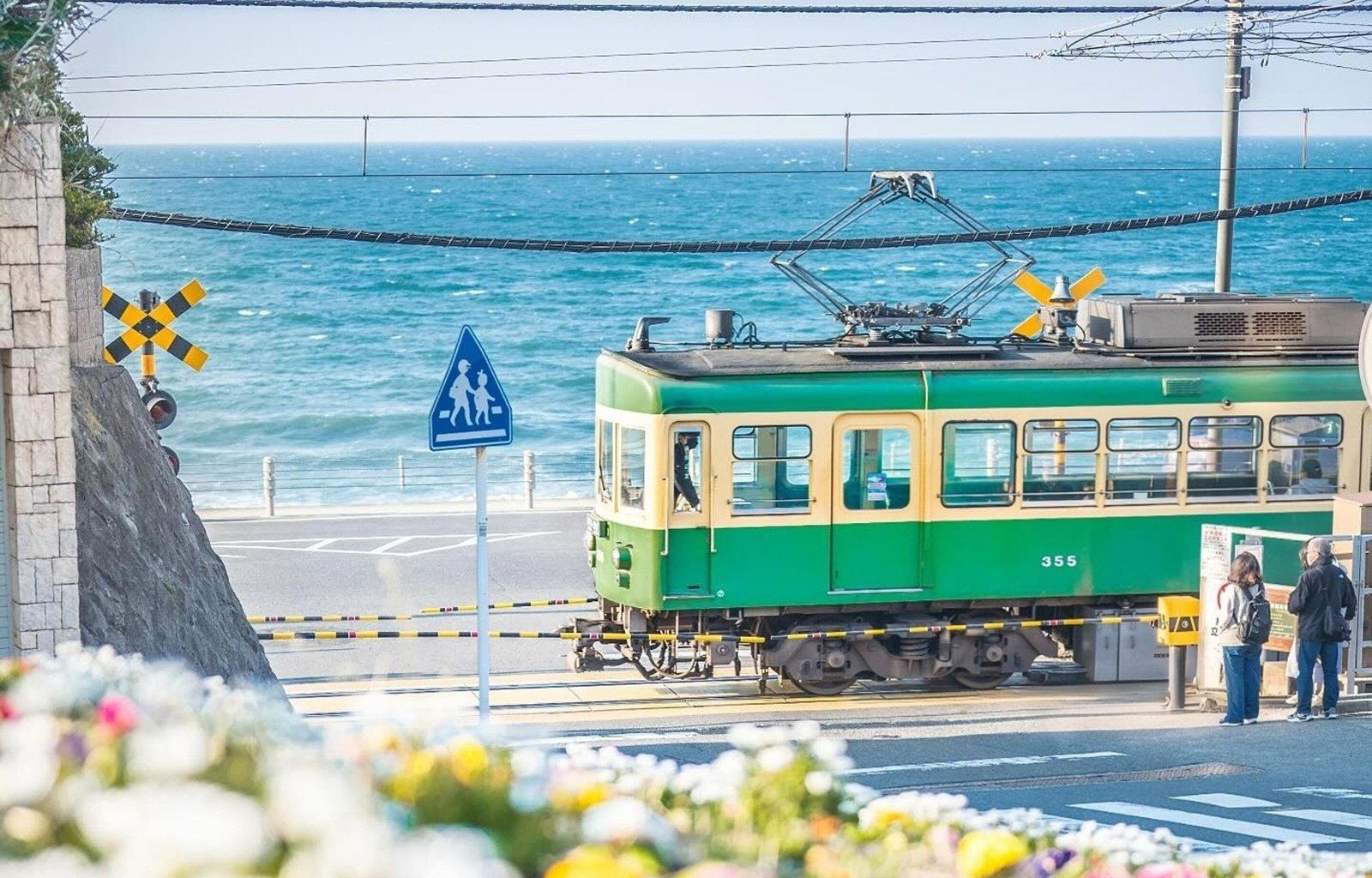
Asahi Honten
Fujisawa, Japan
Tabelog 100 takeout rice-cracker shop on Enoshima island, under JPY 999, specializing in whole grilled octopus senbei. No seating, no reservations; grab freshly grilled crackers between 9 AM and 6 PM (closed Thursdays and rainy days) as a portable snack during your shrine walk. Worth the stop if you're already on the island; skip if you need a sit-down meal.
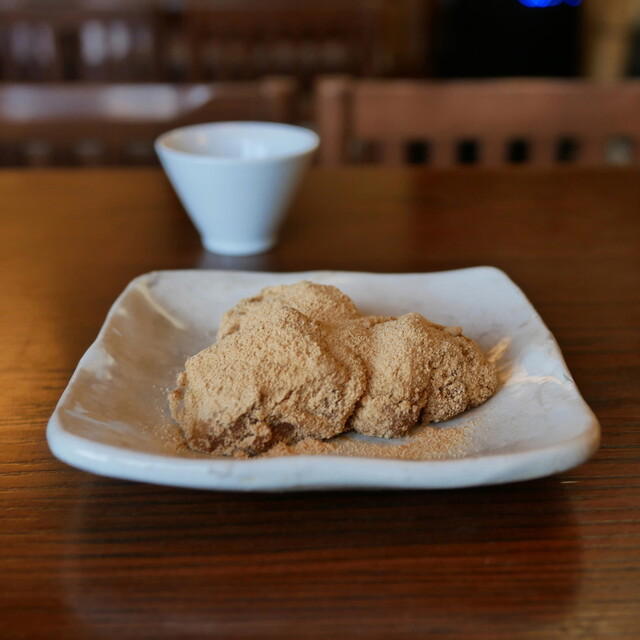
Hinode En
Miura-gun, Japan
A 26-seat wagashi café in Hayama that earned Tabelog 100 recognition in 2023 for shaved ice and Japanese sweets under JPY 1,000. No reservations, one-hour seating limits during busy periods, and a no-strollers policy during peak hours. Arrive by 11:30 AM on weekends to avoid the queue.
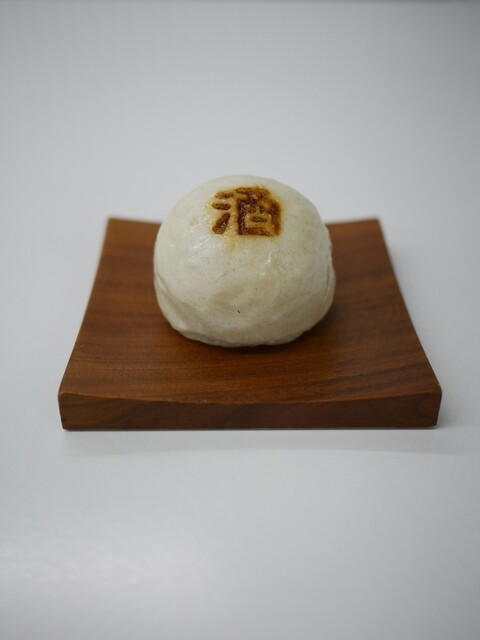
Hosoi
Kasukabe, Japan
Hosoi is a takeaway wagashi specialist in residential Kasukabe, recognized three times in the Tabelog 100 (EAST) for dorayaki and daifuku. At JPY 1,000–1,999, it delivers consistent traditional sweets at a price point below more elaborate dining options in the area. Daily batches sell out by mid-afternoon, so book ahead or arrive before 2 PM to secure full selection.
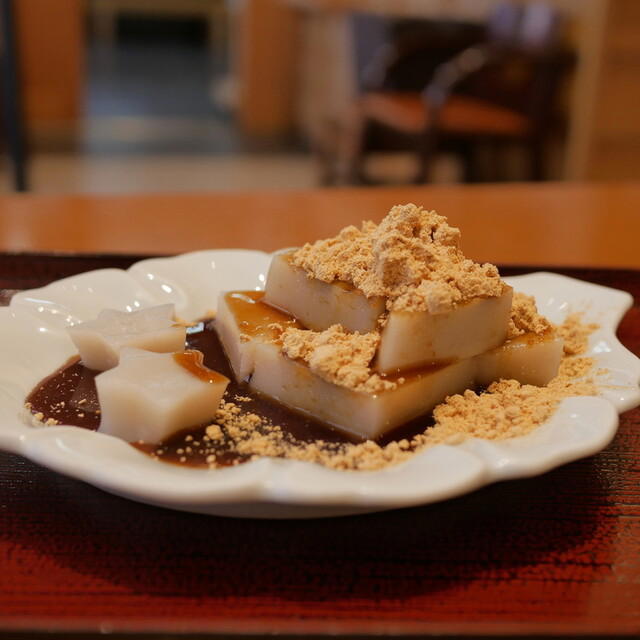
Kuzumochi Honpo Sumiyoshi
Kawasaki, Japan
Tabelog 100 wagashi café at Kawasaki Daishi gates, known for fermented kuzumochi that shifts texture by season. Under 1,000 yen, walk-in only, with monthly discount days (20th, 21st) dropping café service to 200 yen. Best for pilgrimage-route snacking and first-time wagashi tasting.
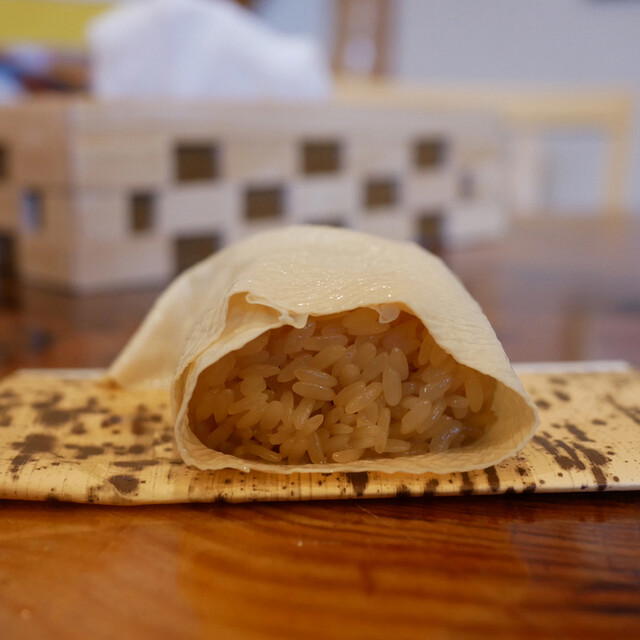
Fudaraku Honpo Ishiya chou ten
Nikko, Japan
Tabelog 100-recognized wagashi and onigiri shop open daily 9–5 with 16 seats and take-out service, priced under ¥999 and located seven minutes from Tobu Nikko Station. Walk-ins accepted; no reservations required. Credit cards not accepted; bring cash, electronic money, or QR payment.
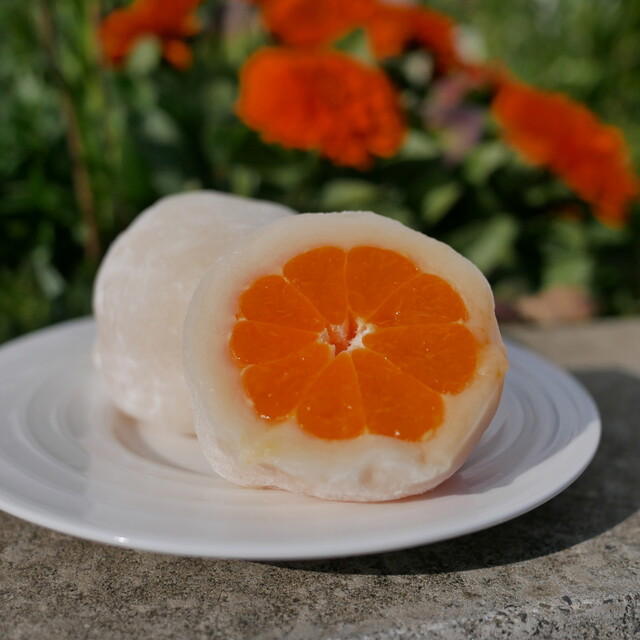
Okashi Shi Kadohachi Honten
Chosei-gun, Japan
Tabelog 100 wagashi shop in Ichinomiya offering daifuku and seasonal sweets under ¥1,000. Take-out only with 7 AM opening, parking, and wheelchair access. Two years of eastern Japan recognition for traditional confectionery at budget pricing, 363 meters from Kazusa Ichinomiya Station.
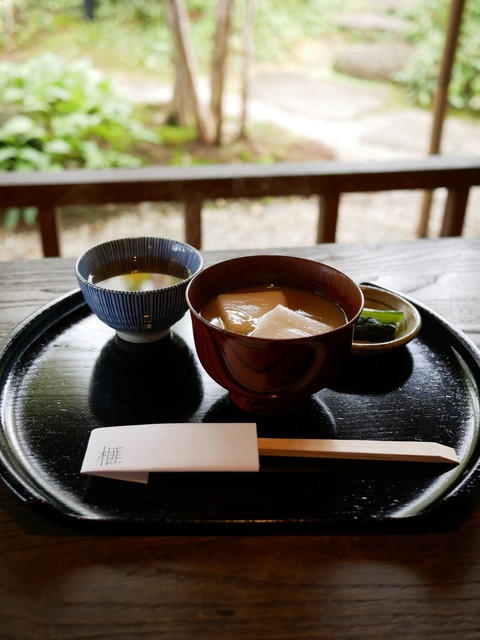
Suya Nishiki
Nakatsugawa, Japan
Suya Nishiki is a Tabelog 100-recognized wagashi café in Nakatsugawa (JPY 1,000–1,999), known for chestnut-based sweets sourced from the Kiso Valley. Six consecutive years of selection (2018–2023) confirm consistent quality. The café includes a terrace and tea room, parking is available, and the location works well as a half-day stop from Nagoya or en route to the Kiso Valley trail towns.
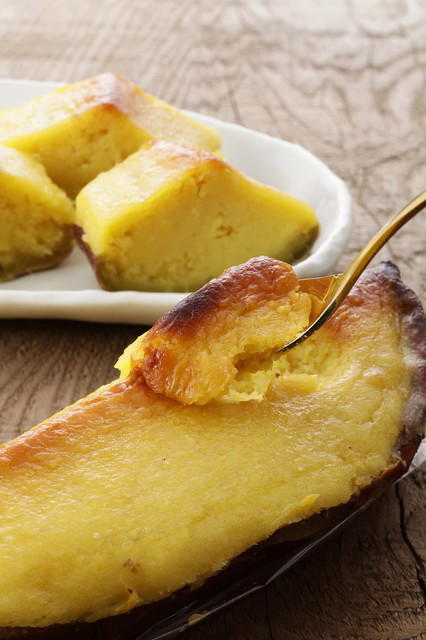
Kuradashi Yakiimo Kaitsu Ka Tsukuba ten
Tsukuba, Japan
Tabelog 100-recognized yakiimo specialist offering take-out roasted sweet potatoes, pies, and puddings at JPY 1,000–JPY 1,999. Open daily 10 AM–7 PM with 41-car parking and no reservations. Worth the drive from Tsukuba Station if you're chasing award-backed sweet potato execution over sit-down dining ambiance.
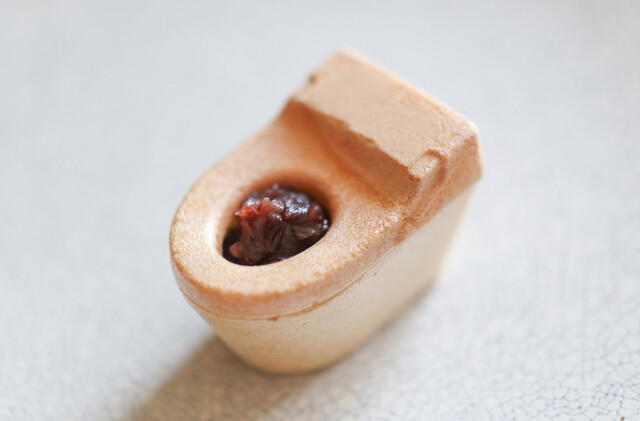
Okura Mochi Tokoname honten
Tokoname, Japan
A Tabelog 100-recognized wagashi shop in Tokoname offering traditional mochi and seasonal sweets under 2,000 yen. Takeout is the strength; boxes travel well and pricing is accessible; but the 50-seat cafe space prioritizes turnover over ambiance. Worth a stop if you're already in the area, though not a destination on its own.
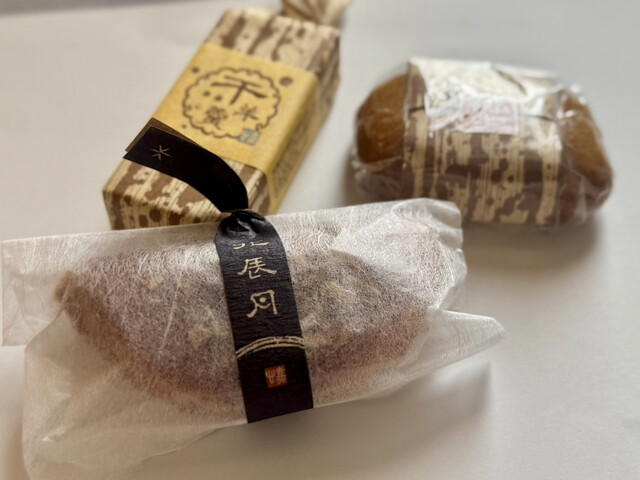
Yondai Kashin
Sapporo, Japan
A Tabelog 100-recognized wagashi shop in Sapporo's Chuo Ward, offering traditional Japanese sweets at under 1,000 yen. The take-out-focused format and cash-only policy reflect its neighborhood roots, but the Tabelog credential signals reliable craft. Best visited mid-week when selection is broadest; reservations help secure specific items during peak gift seasons.
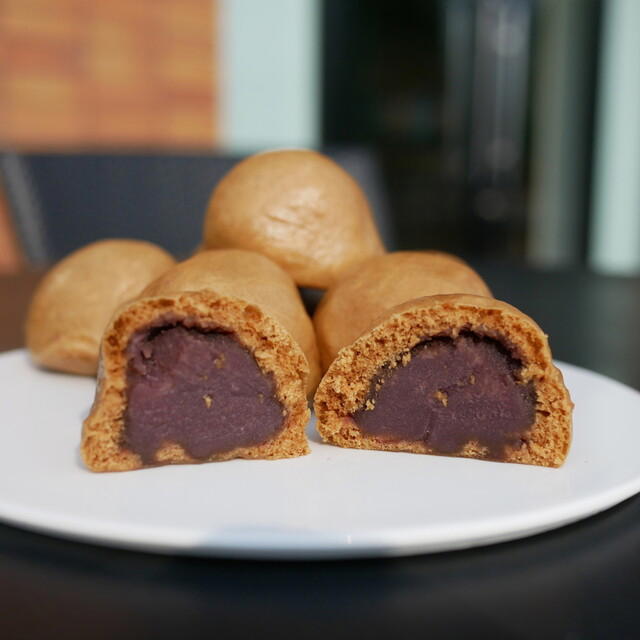
Shogetsu Do
Shibukawa, Japan
Take-out Japanese sweets counter in Ikaho Onsen charging under JPY 1,000 per item, recognized on Tabelog's 2023 East Japan wagashi list. No seating; grab a box of traditional confections as omiyage before returning to your ryokan or heading out of the hot-spring district. Open daily 9 AM to 6 PM, walk-in only.
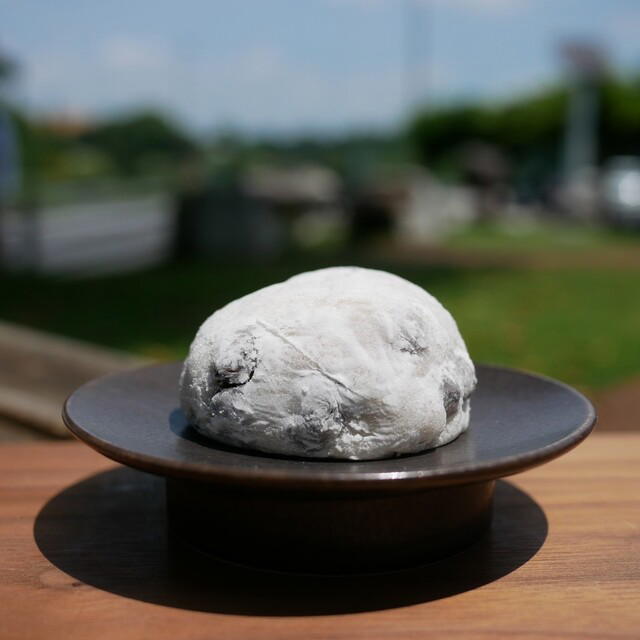
Ogura Ya
Mito, Japan
Ogura Ya is the value-led pick in Mito: low spend, easy booking expectations, and Tabelog 100 recognition make it a smart casual choice. Choose it when the priority is a credible, low-risk meal; look to Agni, Taverna Hamburg, marcador, Karma, or RESTAURANT Ohtsu if the occasion needs more structure or atmosphere.
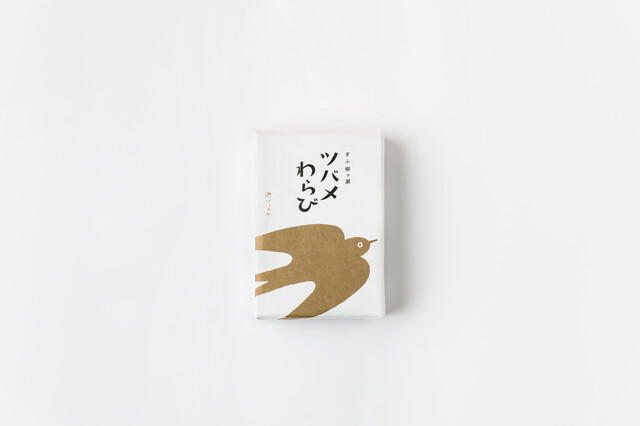
Tsubameya Yanagase honten
Gifu, Japan
Tsubameya Yanagase honten is a take-away wagashi specialist in Gifu's Yanagase district, recognized in Tabelog 100 EAST 2023 for its house-roasted kinako warabi mochi. The shop offers no seating and one core product, priced at JPY 1,000–1,999 per box, with queues common on weekend afternoons. Open Tuesday through Sunday, it's a quick stop for visitors willing to wait in line for soft, minimally sweet mochi dusted in fresh-toasted soybean flour.
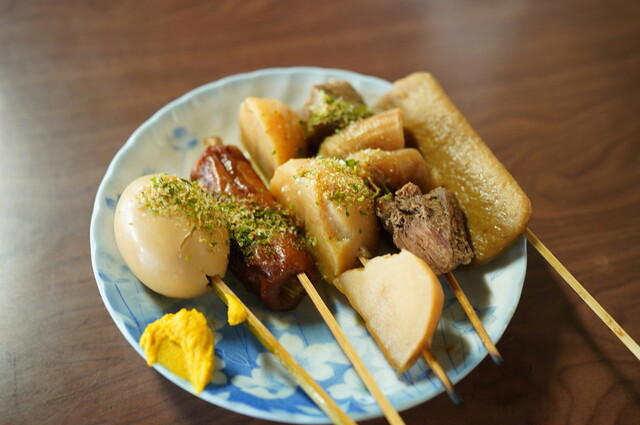
Ooyakiimo
Shizuoka, Japan
A Shizuoka café serving roasted sweet potato, onigiri, and oden at JPY 1,000–1,999, recognized on the Tabelog 100 – Japanese traditional sweets / Japanese sweets café EAST 2023 list. Open Wednesday through Sunday, 10:30 AM–4:30 PM, with 35 seats, tatami seating available, and 12 parking spaces. Cash only, reservations accepted.
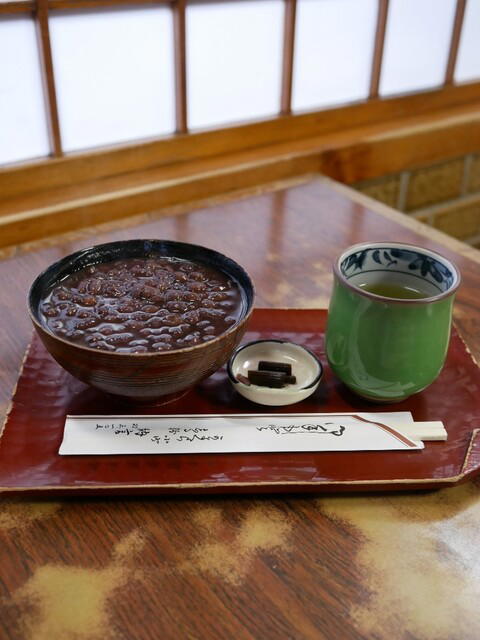
Nagon Shiruko Ten
Kamakura, Japan
A Komachi café serving traditional shiruko and kakigori under JPY 999, recognized four times by Tabelog 100 for disciplined execution of Japanese sweets. No reservations, 30 seats, five minutes from Kamakura Station. Best for midday temple-visit breaks; arrive after 2 PM to avoid lunch crowds.
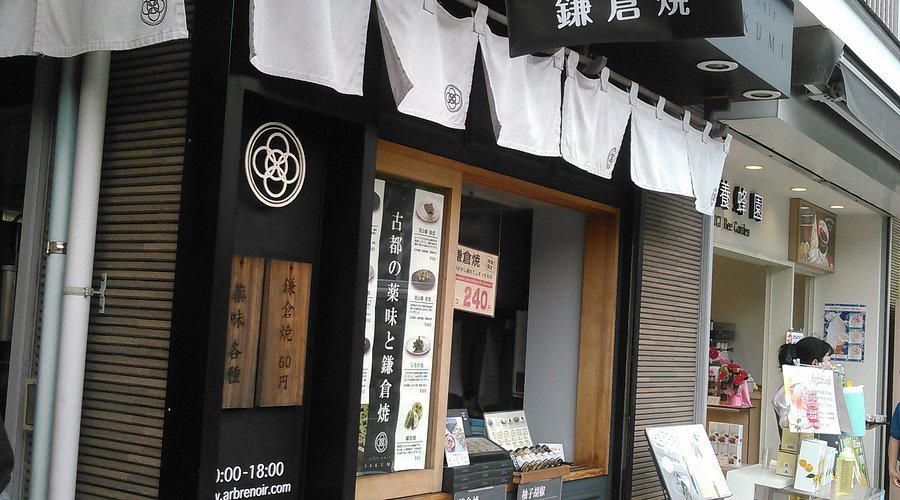
arbre noir YAKUMI
Kamakura, Japan
Tabelog 100-recognised wagashi shop five minutes from Kamakura Station, offering take-out traditional sweets under 999 JPY. Walk-in counter service with no reservations; best visited mid-morning or early afternoon on weekdays to avoid sold-out inventory and weekend queues. Technical craft at an accessible price, though the format suits grab-and-go temple tourists more than seated dessert seekers.
Daigahara Kinseiken Honten
Hokuto, Japan
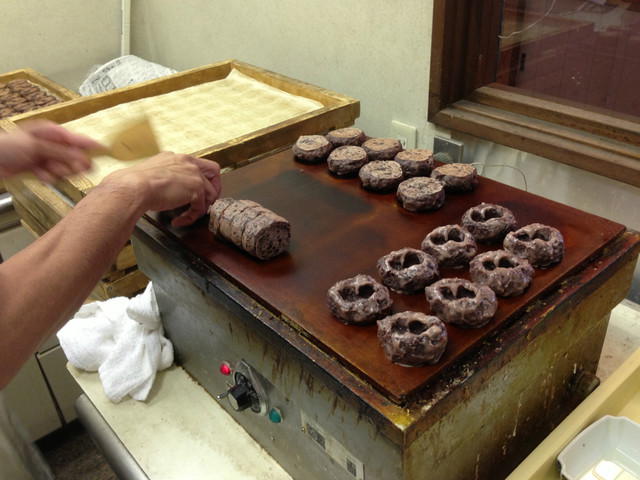
This century-old confectionery in Hokuto's highlands holds a 2023 Tabelog 100 EAST spot for traditional wagashi made with Southern Alps water, Hokuto rice, and no preservatives. At JPY 1,000–1,999, the takeaway-focused shop delivers better technique and ingredient integrity than most Yamanashi sweet stops, but the three-seat setup and 9 AM–5 PM hours (closed Thursdays) mean this is a purchase stop rather than a café destination.
Kawaguchi Ya
Nagoya, Japan
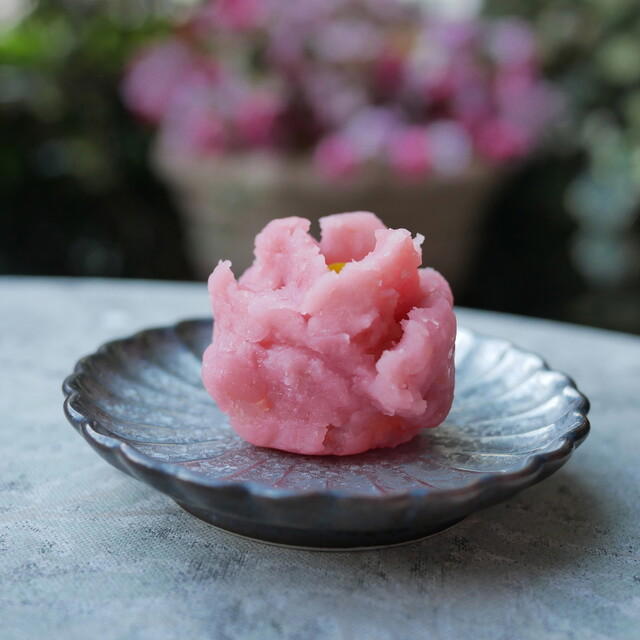
Award-recognized take-out wagashi counter in Nishiki with no seating and sub-JPY 999 pricing. Tabelog 100 Best honoree since 2018, focused entirely on grab-and-go traditional Japanese sweets. Walk-ins work most days; bring cash and plan for a quick transaction rather than a lingering experience.
Sakaeya
Nikko, Japan
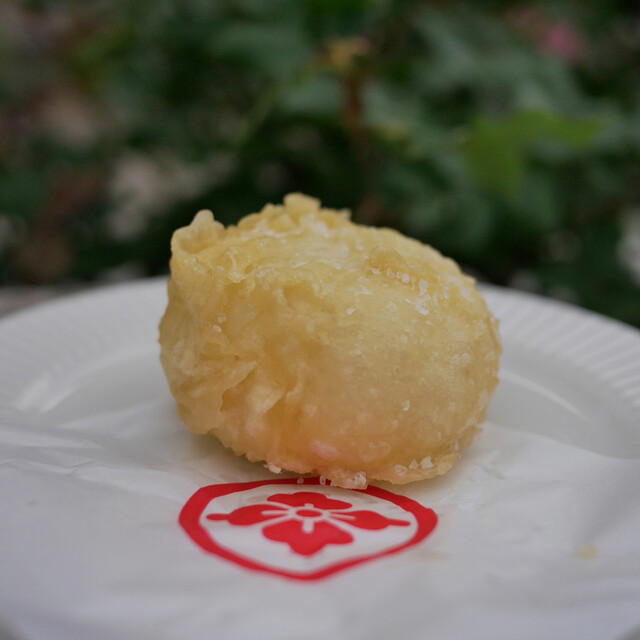
Sakaeya is an eight-seat yuba sweets shop near Tobu Nikko Station, recognized in Tabelog 100 for its fried yuba dango and shaved ice. Prices stay under 1,000 yen, and the shop closes once the dango sell out; usually mid-afternoon. Arrive early to avoid the queue.
Kamakura Naniwaya
Kamakura, Japan
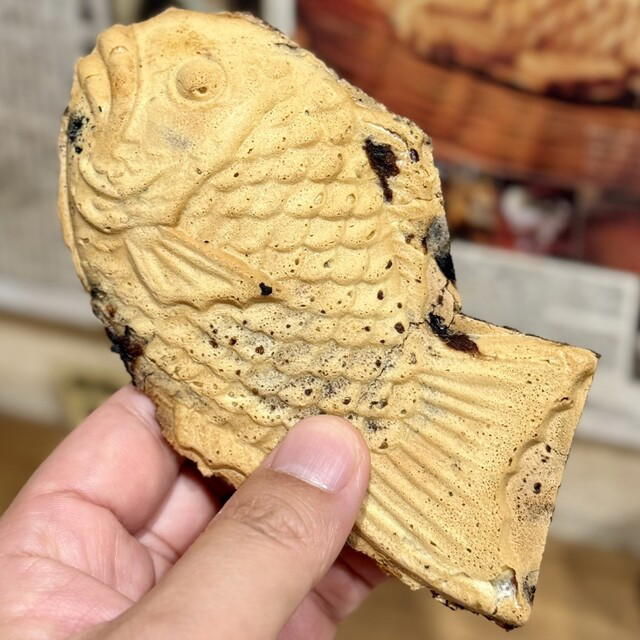
Kamakura Naniwaya is a five-seat counter shop specializing in made-to-order taiyaki and seasonal kakigōri, recognized on the Tabelog 100 – Japanese traditional sweets EAST 2023 list. At under ¥1,000 per item, it delivers serious wagashi technique in a casual, take-away-friendly format. Reserve taiyaki by phone and arrive early on weekends; kakigōri is walk-in only and sells out fast.
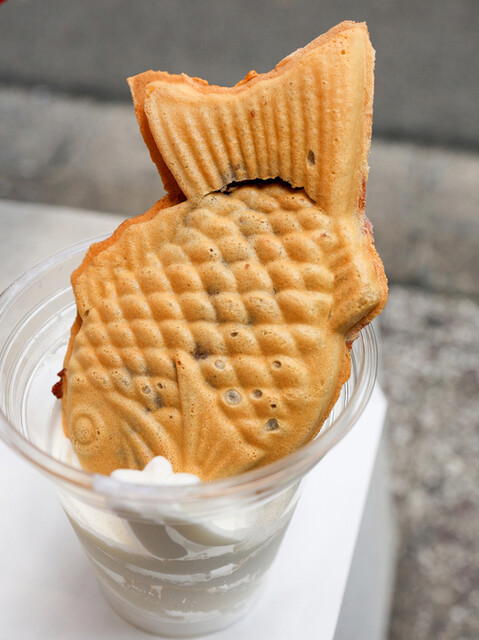
Tai Kichi Nakakechou ten
Sendai, Japan
Counter-service taiyaki and obanyaki shop near Sendai Station, recognized on Tabelog's 2023 Eastern Japan 100 for Japanese sweets. Priced under 999 JPY, it's a quick take-out stop for freshly filled pastries; reliable for morning or afternoon snacks without the formality or time commitment of sit-down wagashi shops. Walk-ins work, phone pre-orders available.
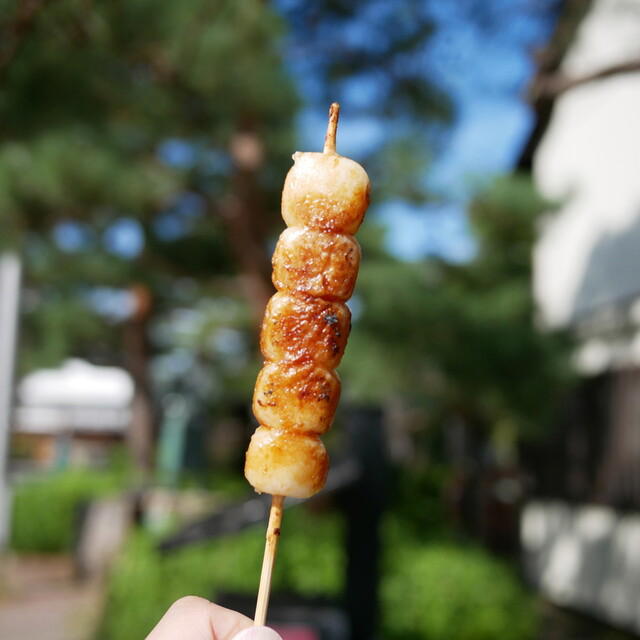
Jinya Dango Ten
Takayama, Japan
A Tabelog 100–recognized takeaway dango counter in Takayama's old town, open mornings and early afternoons only, with prices under JPY 999. The limited hours and no-seating format favor early-morning visitors willing to plan around daily stock, and the cash-only policy requires preparation. A practical stop for traditional sweets between market browsing and temple walks, not a destination meal.
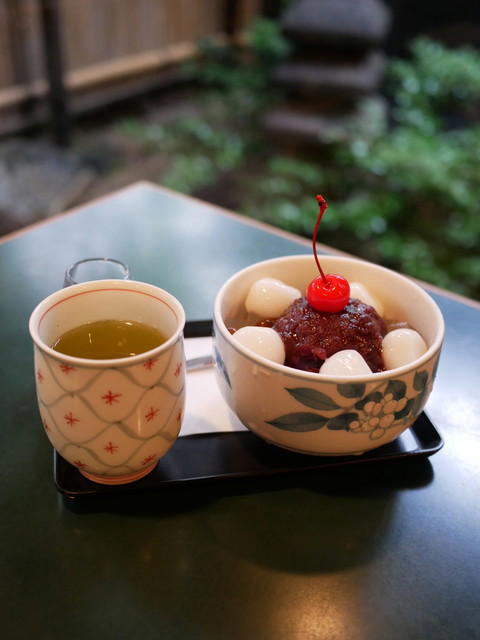
Kanmidokoro Hikoichi
Sendai, Japan
A walk-in-only wagashi cafe in central Sendai with Tabelog 100 recognition and sub-¥999 pricing. Sixty seats in a house-style space, no reservations, and a tendency to sell out before the posted 5:30 PM close. Best for flexible schedules and cash-carrying visitors who want traditional sweets without advance planning.
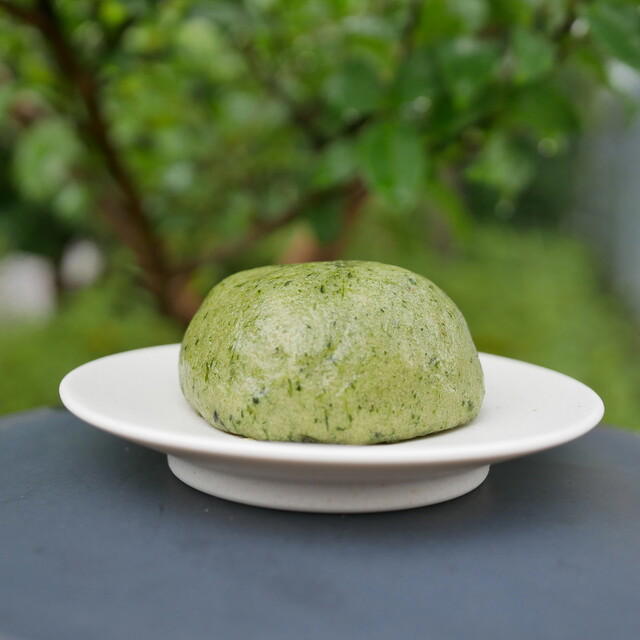
Manju Sohonzan Genraku Shuzenji honten
Izu, Japan
A long-established manju shop in Shuzenji selling traditional steamed buns with azuki bean paste. Named to the Tabelog 100 EAST list for 2023, it operates take-out only, with daily sell-outs by mid-afternoon. At JPY 1,000–1,999 per visit, it offers a low-cost stop for freshly made wagashi between onsen visits or as a portable snack for the train ride home.
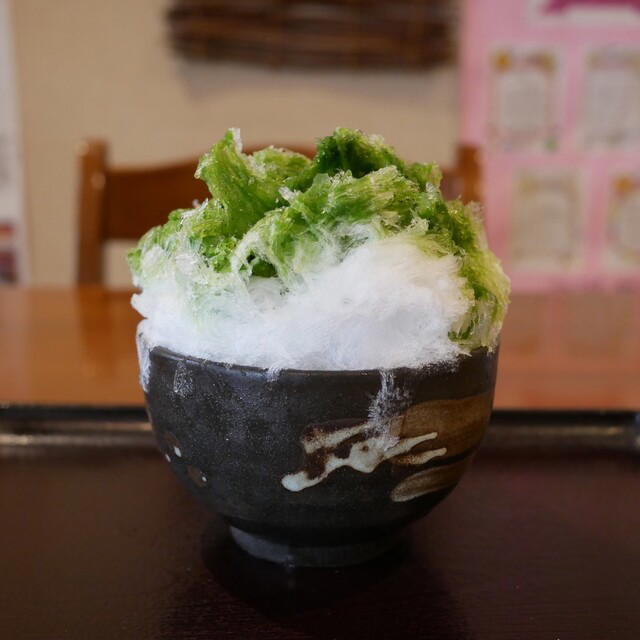
Kanmi Dokoro Kaede
Chiba, Japan
A 14-seat wagashi and kakigori café near Nishi-Chiba station, Kanmi Dokoro Kaede earned a spot on Tabelog's 2023 East Japan sweets list for consistent craft at under ¥1,000 per head. Walk-in only, cash-only, and often sold out by early evening; worth a quick stop if you're nearby, less compelling as a standalone destination from central Tokyo.
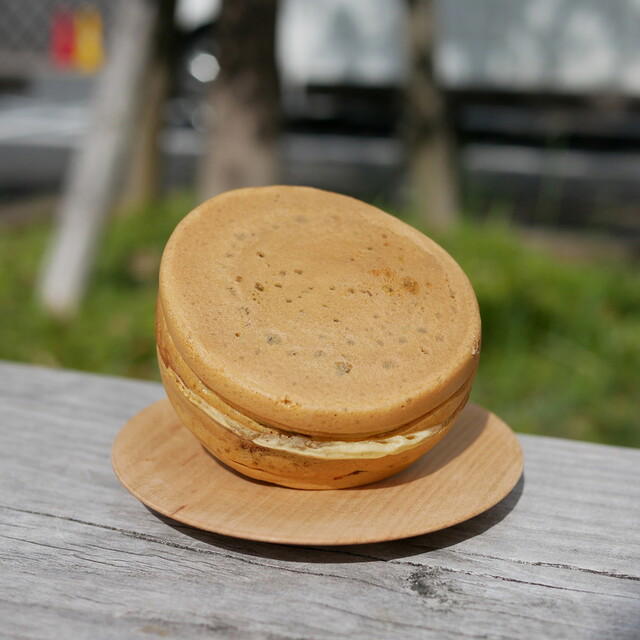
Kintoki no Amataro Yaki
Narita, Japan
Tabelog 100 takeaway wagashi stall five minutes from Narita Station, selling taiyaki and obanyaki under ¥1,000 daily until stock runs out. No seating, no reservations; just award-recognized sweets at pocket-change prices, ideal for transit stops or quick pre-train bites. Morning visits guarantee full selection and shorter queues.
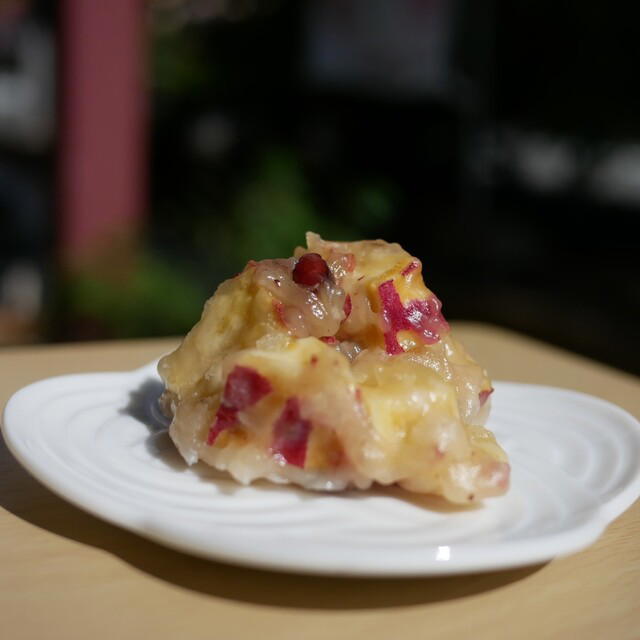
Mochi So
Ogaki, Japan
Tabelog 100 honoree serving traditional mochi and seasonal namagashi at under 1,000 yen per visit. Walk-in only, no reservations. Morning visits secure the widest selection before popular items sell out. Casual take-out format, 8-minute walk from Ogaki Station.
Overview
The Tabelog 100 - Japanese traditional sweets / Japanese sweets cafe - EAST - 2023 is an exclusive ranking of the top 100 confectionery establishments specializing in traditional Japanese sweets and sweets cafes in Eastern Japan. Compiled by Tabelog, Japan’s leading restaurant review platform, this list highlights the finest artisans and shops celebrated for excellence in wagashi and cafe culture.
Since its inception, Tabelog has become the definitive guide for Japan’s vibrant dining scene, aggregating millions of user reviews to rank eateries with precision. The Tabelog 100 for Japanese traditional sweets and sweets cafes in East Japan focuses on establishments that masterfully preserve and innovate the art of wagashi; delicate confections deeply embedded in Japanese culture. This list spans iconic Tokyo sweet shops, historic patisseries in Kanagawa, and hidden gems across Tohoku, illuminating the regional diversity and craftsmanship. Revered by gourmands and travelers alike, it offers a trusted compass for those seeking authentic and exceptional Japanese confectionery experiences.
For discerning sweet lovers and cultural travelers, the Tabelog 100 - Japanese Traditional Sweets & Cafes EAST 2023 list is an essential guide to the finest wagashi artisans and charming cafés across East Japan. From Tokyo’s refined tea houses to historic confectioners in the Kanto and Tohoku regions, this curated selection reveals where to experience authentic Japanese seasonal sweets and exquisite presentations. Whether seeking classic mochi, delicate yokan, or innovative interpretations, Pearl’s edition highlights the unparalleled craftsmanship and regional specialties that define Japan’s confectionery heritage.
Quick Facts
- Publisher
- Tabelog (Kakaku.com, Inc.)
- Year
- 2023
- Coverage
- Traditional Japanese sweets & sweets cafes in East Japan
- Items
- 100 top-rated establishments
- Frequency
- Annual
About This Edition
The 2023 edition of the Tabelog 100 for Japanese traditional sweets and sweets cafes in East Japan reflects evolving trends such as the resurgence of regional wagashi styles and the integration of modern aesthetics and ingredients. This year’s list introduces several newcomers from emerging craft patisseries in Sendai and Niigata, alongside stalwarts in Tokyo’s historic districts. The edition underscores a growing appreciation for seasonal, locally sourced ingredients and innovative presentations that respect tradition while embracing contemporary palates.
Frequently Asked Questions
What is Tabelog 100 - Japanese traditional sweets / Japanese sweets cafe - EAST - 2023?
How are honorees selected?
How often is this list updated?
How can I find these on Pearl?
How many of these have you visited?
Find out on Pearl and keep score across every place in Tabelog 100 - Japanese traditional sweets / Japanese sweets cafe - EAST - 2023.