Hotel in Yercaud, India
Tree of Life Shambala, Yercaud
150ptsPlantation-Integrated Retreat

About Tree of Life Shambala, Yercaud
Tree of Life Shambala sits in Yercaud, the quieter and less trafficked of Tamil Nadu's hill stations, where the Shevaroy Hills offer coffee plantations and cooler air without the crowds of Ooty or Kodaikanal. The property positions itself within India's boutique wellness-resort segment, drawing guests seeking a deliberate retreat from the plains below.
Arriving in the Hills: What Yercaud Offers Before You Unpack
The road to Yercaud climbs through 20 hairpin bends from Salem, gaining roughly 1,500 metres in elevation over a relatively short distance. By the time the gradient eases and coffee estates replace the scrubland of the lower slopes, the temperature has already dropped several degrees. This is the entry context for Tree of Life Shambala: a hill station that has remained, by the standards of South Indian tourism, genuinely overlooked. Ooty draws the crowds; Kodaikanal has its own well-worn circuit. Yercaud, perched in the Shevaroy Hills of eastern Tamil Nadu, operates at a different register entirely, closer to the quiet end of the hill-station spectrum.
For a broader picture of what the town offers across accommodation and dining, the EP Club Yercaud guide maps the full picture. What Tree of Life Shambala represents within that picture is a specific tier: boutique, wellness-adjacent, and physically designed to foreground the landscape rather than compete with it.
The Design Proposition: Retreating Into the Environment
India's premium boutique hotel segment has, over the past decade, split along a clear fault line. On one side sit the large-footprint heritage conversions and branded luxury towers that anchor their identity in grand public spaces. On the other sit smaller, design-conscious properties that treat the natural setting as the primary design material, where architecture defers to landscape rather than commanding it. Tree of Life Shambala belongs to the second category, consistent with the Tree of Life Hotels group's broader philosophy of placing its properties inside natural settings and building around them.
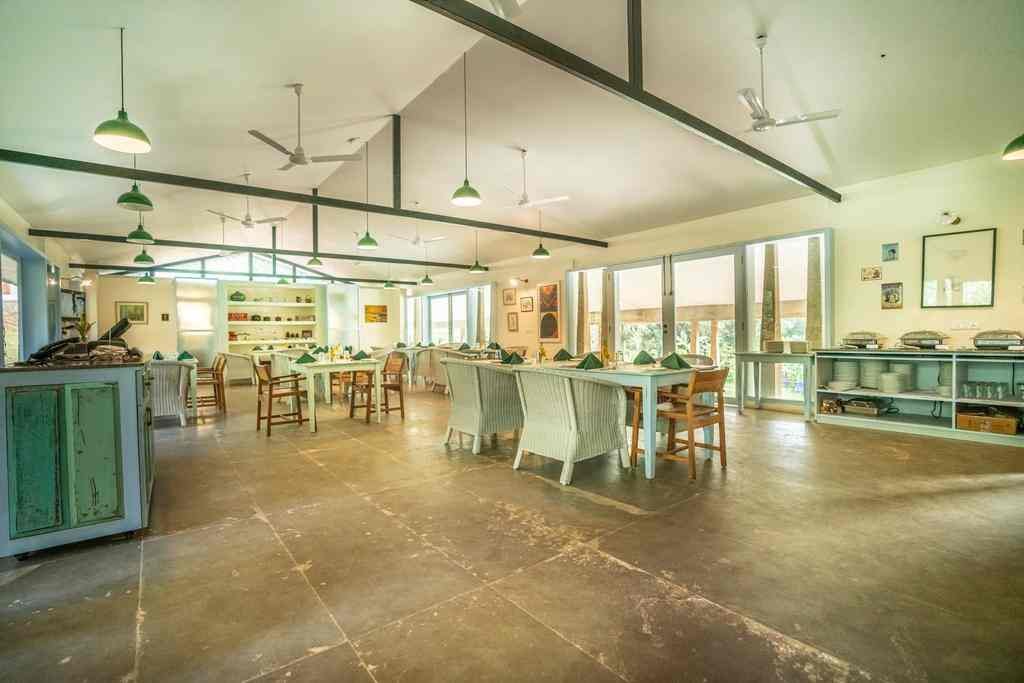
In the Shevaroy Hills, that approach has obvious logic. The terrain is the asset. Coffee and orange plantations create a textured canopy; the light at this elevation has a quality distinct from the Tamil plains; mist moves through the valley floor on most mornings. A property that competes visually with that environment would lose. The design choices here lean into materials and scale that let the setting carry weight: contained structures, orientation toward views, and an absence of the convention-hotel typology that tends to colonise hill destinations when luxury chains arrive at volume.
Across India's boutique wellness segment, properties that operate at this end of the market tend to share certain characteristics: low key counts, a degree of physical separation from the nearest town, and programming built around slowness rather than itinerary density. Ananda in the Himalayas set an early template for this in the north; Anantya by the Lake in the south operates on related principles. Tree of Life Shambala operates in that broader tradition, positioned at the quieter, less-celebrated end of the tier by geography if not by intent.
Placing It in the Competitive Field
India's hotel market offers several useful reference points for calibrating what Tree of Life Shambala is and is not. Properties like Amanbagh in Ajabgarh and Suján Jawai in Pali sit at the leading of the boutique-wilderness register, with price points and international recognition that place them in a global peer set. Alila Fort Bishangarh in Rajasthan anchors the heritage-conversion end of the same spectrum. Tree of Life Shambala is not in that bracket by scale or recognition, but it addresses a different question: what does a considered, nature-oriented retreat look like for a traveller whose destination is Tamil Nadu rather than Rajasthan, and whose preference is coffee-estate quiet over desert drama?
Within its own state, the comparable properties tend to cluster around Coorg and the Nilgiris. Yercaud's lower profile is part of what defines the stay here. The hill station has not attracted the branded luxury development that Ooty has; accommodation options remain relatively limited and largely independent in character. That structural fact shapes the experience as much as any individual design decision the property makes.
Wellness, Nature, and What the Setting Demands
Properties in the Tree of Life Hotels group have built their identity around nature-integrated programming: plantation walks, birdwatching, and the kind of scheduled stillness that urban guests arrive needing without always knowing how to ask for it. In Yercaud, that programming draws on what the Shevaroy Hills actually provide. The biodiversity of the Eastern Ghats at this elevation supports birding seriously enough that ornithologists use the region as a field site. Coffee and spice cultivation remain active across the surrounding estates, providing agricultural context that is not merely decorative. The town itself, small and unhurried, is navigable on foot in ways that hill stations with heavier tourism infrastructure are not.
For travellers comparing retreat formats across India, properties like Amaya in Solan in Himachal Pradesh and Aman-i-Khas in Ranthambore offer points of comparison for the low-key, environment-led model. Each is shaped entirely by its specific geography; the Shevároys are not the Aravallis, and the experience at Tree of Life Shambala reflects that specificity rather than importing a generic wellness format.
Getting There and Planning Considerations
Salem is the nearest major city, approximately 30 kilometres from Yercaud by road, with rail connections to Chennai, Bengaluru, and Coimbatore. Salem Airport handles limited domestic services; most travellers arriving from outside Tamil Nadu use rail or road connections via Salem or Coimbatore. From Bengaluru, the drive runs roughly four to five hours depending on traffic through the city's outer corridors. The leading months to visit generally fall between October and May, when post-monsoon clarity makes the views from the Shevaroy plateau particularly sharp and the temperature differential from the plains is most pronounced.
For those building a longer itinerary through South India, Hyatt House Bengaluru Devanahalli offers a practical transit base if routing through the city. Baale Resort Goa provides an entirely different coast-and-coast counterpoint if the itinerary extends west. For those drawing wider comparisons with India's northern properties before committing to a southern circuit, The Leela Palace New Delhi, The Taj Mahal Palace Mumbai, and The Oberoi Amarvilas in Agra anchor the formal luxury end of the market against which a property like Tree of Life Shambala defines itself by deliberate contrast.
Frequently Asked Questions
- What is the vibe at Tree of Life Shambala, Yercaud?
- The property sits within the Tree of Life Hotels group's nature-retreat format, which prioritises quiet, landscape integration, and low-pace programming over resort amenities or entertainment infrastructure. Yercaud itself is among the less-developed of South India's hill stations, which means the surrounding environment is genuinely low-traffic. Guests tend to arrive specifically for the combination of cooler temperatures, plantation scenery, and a degree of removal from city rhythms, rather than for proximity to cultural or culinary centres.
- What is the leading accommodation option at Tree of Life Shambala, Yercaud?
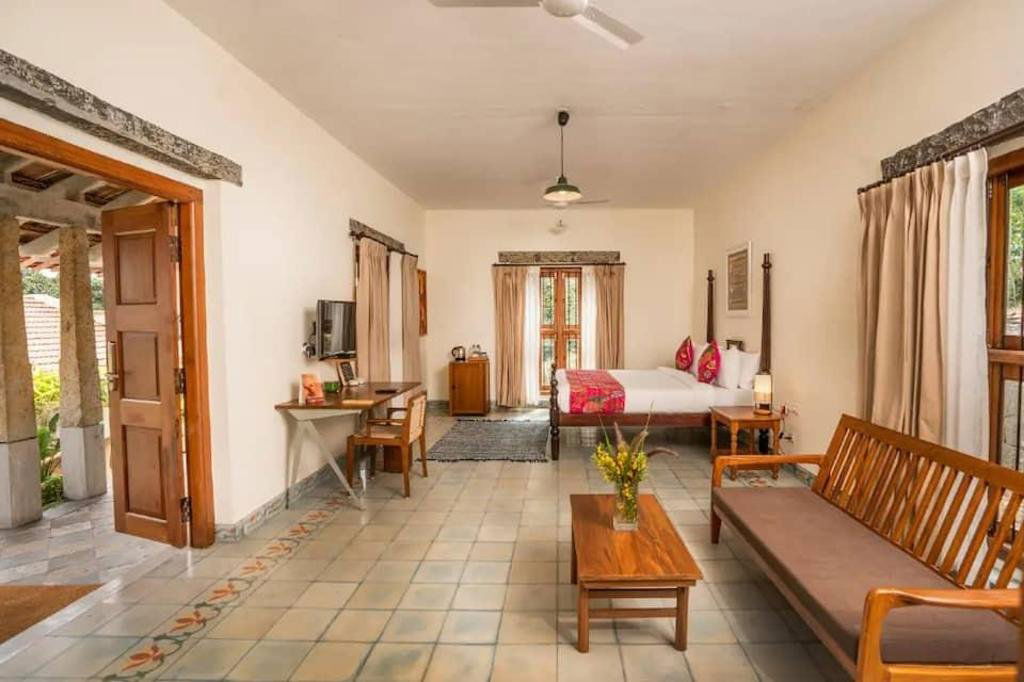
- The Tree of Life Hotels group typically structures its properties around a tiered room and suite offering, with the premium category oriented toward maximised landscape views and additional private space. At a property of this scale in the Shevaroy Hills, the upper-tier accommodations are most meaningfully distinguished by outlook and spatial privacy rather than by the hotel-tower amenities that characterise urban luxury. Booking enquiries for specific room categories are leading directed to the property directly.
- Why do people go to Tree of Life Shambala, Yercaud?
- The primary draw is Yercaud itself: a hill station that has not been heavily developed for tourism and therefore retains a quieter character than comparable South Indian destinations. Tree of Life Shambala offers a structured retreat format within that geography, combining nature-oriented programming with the cooler Shevaroy Hills climate. Visitors arriving from Chennai or Bengaluru use it as a counterweight to urban density rather than as a destination requiring onward sightseeing.
- How does Tree of Life Shambala differ from other Tamil Nadu hill station properties?
- Unlike the more commercially developed hill resorts around Ooty and Kodaikanal, Yercaud has attracted relatively little branded hotel investment, which positions Tree of Life Shambala as one of the more deliberately positioned boutique options in the Eastern Ghats rather than one entry among many in a saturated market. The Tree of Life group's focus on natural settings and plantation-adjacent locations gives the property a specific character that aligns with the Shevaroy Hills terrain, including coffee estate surroundings and endemic birdlife, rather than a generic resort template applied to a hill location.
Related editorial
- Best Fine Dining Restaurants in ParisFrom three-Michelin-star icons to the next generation of Parisian chefs pushing boundaries, these are the restaurants that define fine dining in the world's culinary capital.
- Best Luxury Hotels in RomeFrom rooftop terraces overlooking ancient ruins to Michelin-starred hotel dining, these are the luxury hotels that make Rome unforgettable.
- Best Cocktail Bars in KyotoFrom sleek lounges to hidden speakeasies, Kyoto's cocktail scene blends Japanese precision with global influence in ways you won't find anywhere else.
Save or rate Tree of Life Shambala, Yercaud on Pearl
Keep this venue in your Pearl passport, rate it after you visit, and track it alongside every other place you collect.