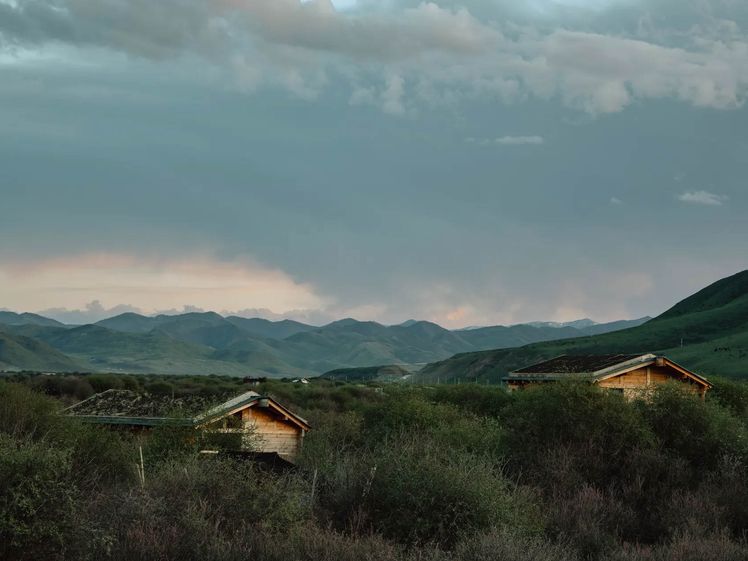

Norden Camp
Sangke Grasslands, Xiahe
Hotel in Xiahe, China
 Book with Pearl
Why go
Norden Camp is worth considering if Xiahe itself is the reason for the trip and you want a stay shaped by setting rather than big-brand resort infrastructure. It is less compelling for business travel, loyalty points, or amenity-led vacations; compare Rissai Valley or Conrad Jiuzhaigou if you want a more conventional luxury framework.
About Norden Camp
Treat Norden Camp as a Xiahe stay to evaluate on confirmed basics rather than assumptions about a broader resort program. Norden Camp is in Xiahe, has a casual dress code, and received Conde Nast Hot List Hotels recognition for 2026. Beyond that, confirm the practical details directly before building an itinerary around specific facilities, dining, or services.
The first decision is whether this style of stay suits the trip. Norden Camp may appeal to travelers specifically looking at Xiahe and comparing it with other regional options. Its Conde Nast Hot List Hotels recognition in 2026 is a clear trust signal, and the casual dress code points to an unfussy guest experience.
Choose it for Xiahe, with expectations confirmed in advance
The arrival logic is simple: book here when Xiahe is the destination you want. Because detailed public information can be limited, confirm details directly with the property rather than relying on assumptions about urban luxury-hotel norms, resort facilities, or a large on-site amenity program.
Compared with the wider regional set, Norden Camp is the Xiahe-specific choice. Rissai Valley, a Ritz-Carlton Reserve, Conrad Jiuzhaigou, InterContinental Resort Jiuzhai Paradise, Six Senses Qing Cheng Mountain, and Su Shien Valley are separate options to consider for different regional itineraries. Norden Camp is the relevant pick when the plan is centered on Xiahe itself.
Plan the stay around logistics and expectations
Dining details, room categories, pool, spa, transportation, and other facilities should be confirmed with the property before booking. That is especially important if the stay needs to satisfy a specific requirement rather than simply serve as a Xiahe base.
The stronger way to approach this stay is to decide first whether Norden Camp fits the Xiahe portion of the trip, then confirm the practical details that matter most. If you need a particular room setup, meal arrangement, accessibility feature, wellness facility, or service schedule, ask the property directly before locking travel plans.
Who should book, and who should look elsewhere
Book this if you want a Xiahe stay with a casual dress code and a clearly confirmed 2026 Conde Nast Hot List Hotels recognition. Look elsewhere if your trip depends on specific features such as a particular dining program, pool, spa, loyalty benefits, or business-hotel infrastructure, which you should confirm with the property. Norden Camp is worth considering for Xiahe, but the details that matter to your trip should be confirmed before you commit.
Planning details
- Location
- Sangke Brg, Xiahe County, 夏河 Gansu, China, 747100
- Website
- nordencamp.com
- Phone
- +86 151 0941 8170
The take
The Take
The Vibe
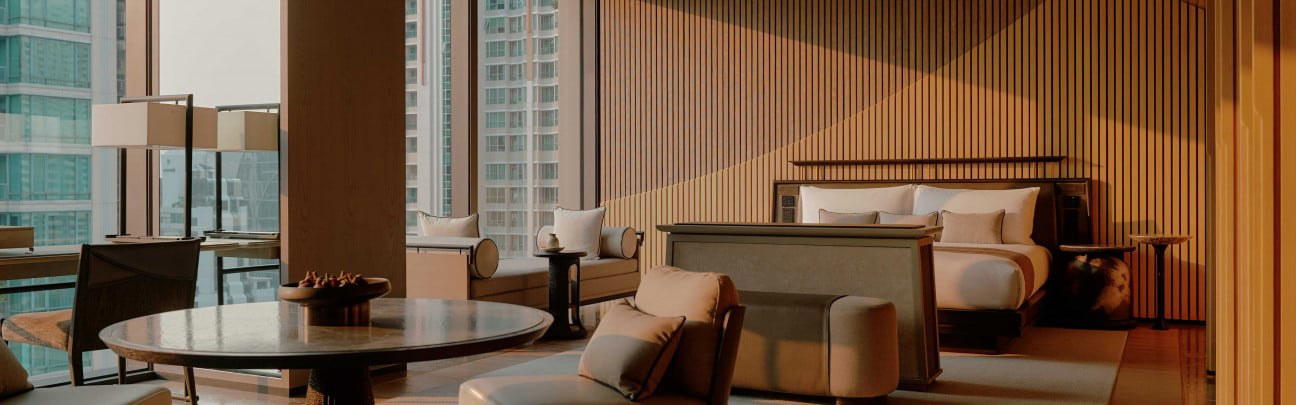
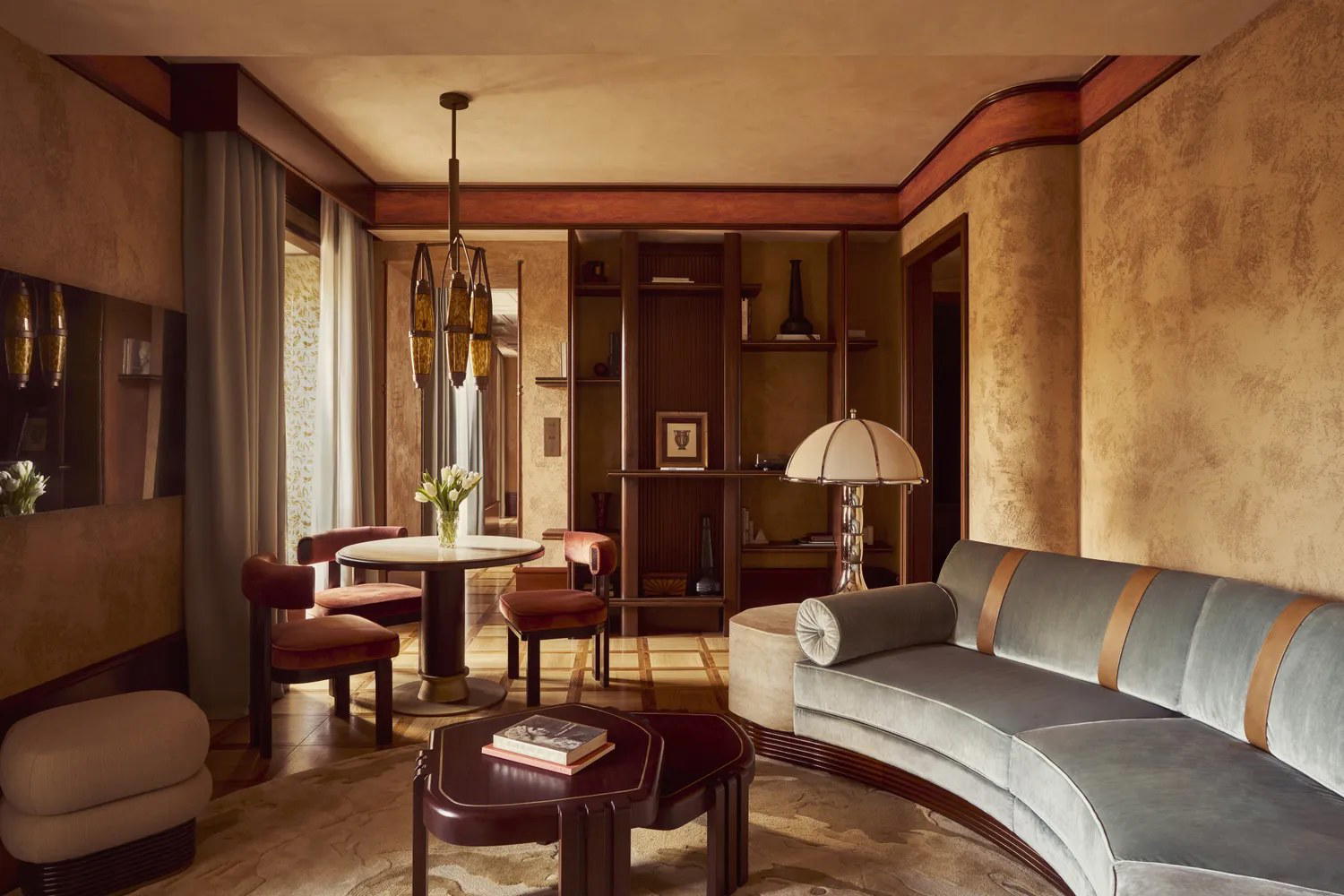
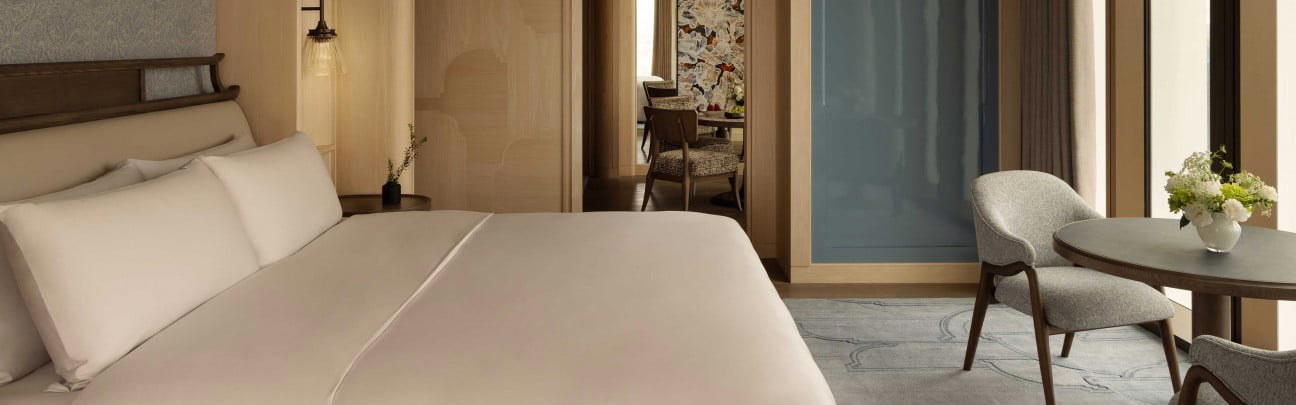
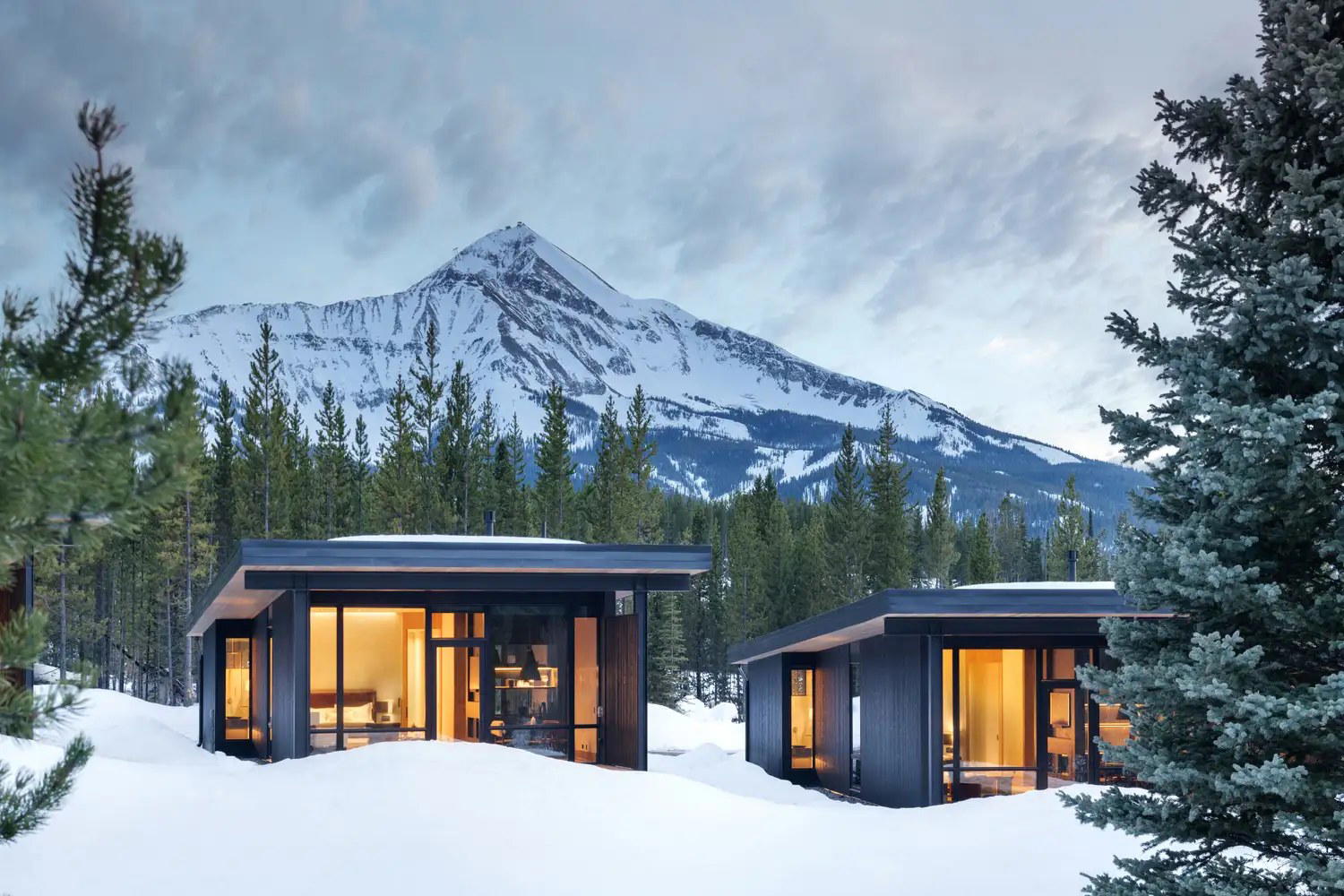
Norden Camp presents a restrained, design-forward retreat that foregrounds the Sangke grasslands. The nine low-profile cabins are rebuilt in a Tibetan vernacular that uses traditional joinery and reclaimed timber so the buildings read as if they grew from the landscape. Inside, a wabi-sabi aesthetic—twigs, river pebbles and Norlha yak-wool textiles—keeps finishes spare and tactile. The result is intimate and quietly sophisticated: a place that privileges horizon, light and the rhythms of the steppe over conventional urban luxury. The camp feels contemplative and calm, designed for people who come to be held by the land rather than entertained by it.
Best For
Norden Camp is best for travelers seeking a secluded, design-driven escape on the Tibetan plateau. Its small scale and intentional simplicity make it ideal for romantic getaways, wellness-oriented stays and short weekend escapes when the goal is restoration rather than activity. The setting—where the managed world ends and nomadic life continues—suits guests who want solitude, wide vistas and an immersive landscape experience. With only nine cabins and a strong architectural point of view, the camp favors slower itineraries: long walks on the grasslands, quiet evenings in simple, tactile rooms and time to watch yak herds move across the slopes.
Stay Tips
Keep logistics and scale in mind when planning a stay. The camp has just nine cabins and lists rates from $1,200 per night, so availability is inherently limited. The road into Xiahe and the property’s location at the plateau edge mean travel involves altitude changes—the text notes the air is thin—so allow time to acclimatize and plan transport carefully. Expect a pared-back, land-first service model rather than an urban amenity package; the cabins prioritize Tibetan joinery, reclaimed timber and Norlha yak-wool textiles, so pack for variable high-altitude weather and bring any specific comfort items you may need.
Venue details
Ambiance
Serene and tranquil atmosphere in untouched wilderness with natural lighting and peaceful grasslands serenity.
Tags
Vibe
Best For
Experience
Amenities
View
About the Stay
- Rooms
- 11
- Check-in
- 14:00
- Check-out
- 12:00
- Property Style
- Luxury Nomadic Tibetan Glamping with Eco Friendly Design.
- Design Style
- Traditional Tibetan Style Using Local Materials and Antique Furniture.
Know before you go
Know Before You Go
- Getting there
- Sangke Brg, Xiahe County, 夏河 Gansu, China, 747100
Planning details
Location
Recognition and awards

Also consider
Where to look if this is not the right fit
If the goal is a more polished luxury resort, choose Rissai Valley, a Ritz-Carlton Reserve. If the priority is a familiar brand structure and easier planning, compare Conrad Jiuzhaigou.
For a resort stay built more around wellness, Six Senses Qing Cheng Mountain is the cleaner cross-shop.
Hotel context
How It Compares
Norden Camp is the Xiahe-specific choice in this group: easier to book and better suited to travelers who want a setting-led stay rather than a large resort framework. Conrad Jiuzhaigou is the safer pick for travelers who prefer a recognizable international brand and a more predictable hotel structure, while Rissai Valley, a Ritz-Carlton Reserve is the stronger splurge if the priority is polished luxury in the Jiuzhaigou orbit.
InterContinental Resort Jiuzhai Paradise makes more sense for travelers who want a broader resort feel and less uncertainty around facilities. Su Shien Valley is the closer philosophical cross-shop if the brief is quiet, nature-forward travel rather than brand-led comfort. For wellness and resort programming, Six Senses Qing Cheng Mountain is the more obvious alternative.
The recommendation is clear: choose Norden Camp for a Xiahe itinerary where ambiance and place matter more than facility count. Choose Rissai Valley for the luxury splurge, Conrad Jiuzhaigou for brand familiarity, InterContinental Resort Jiuzhai Paradise for a larger resort setup, and Six Senses Qing Cheng Mountain when wellness is the main reason for the trip.
Explore Xiahe
Around this place
Discover more on Pearl
Unlock the full Norden Camp guide in Pearl, including awards, comparisons, FAQs, planning details, and nearby places.
Compare Norden Camp
| Venue | Location | Awards |
|---|---|---|
| Norden Camp | Xiahe | 2026 Conde Nast Traveler Hot List Hotels |
| Conrad Jiuzhaigou | Jiuzhaigou | 2026 Forbes 4-Star2025 Forbes 4-Star |
| Rissai Valley, a Ritz-Carlton Reserve | Jiuzhaigou | Tatler Best Hotels Asia-Pacific 20252025 Michelin 3 Keys |
| InterContinental Resort Jiuzhai Paradise | Jiuzhaigou | No published awards |
| Su Shien Valley | Dujiangyan | 2026 Relais Chateaux Hotels2025 Relais Chateaux Award |
| Six Senses Qing Cheng Mountain | Chengdu | 2026 Mr & Mrs Smith Luxury Hotels2025 Michelin 1 Key |




How Norden Camp Xiahe compares with similar nearby venues.
FAQ
Frequently Asked Questions
Is Norden Camp good for business travel?
Norden Camp is not specifically positioned as a business-first hotel. It is located in Xiahe, has a casual dress code, and received Conde Nast Hot List Hotels recognition for 2026. If business facilities, meeting space, or a specific work setup are essential, confirm those needs directly before booking.
Do loyalty programs work at Norden Camp?
Do not count on loyalty benefits unless the property confirms a program directly. Its Conde Nast Hot List Hotels recognition for 2026 is useful context, but this does not confirm points earning, status perks, or brand-program benefits.
How is the dining at Norden Camp?
Details on cuisine type, chef, menu format, or dining schedule are not available. Dining information should be confirmed directly with the property. If dining is a priority, ask for current meal arrangements before finalizing your stay.
Which room category is best at Norden Camp?
Specific room-category data is not available. The safest move is to ask Norden Camp directly about current room types, views, bedding, accessibility, and any other requirements that matter to your stay in Xiahe.
When is the best time to book Norden Camp?
Book once your Xiahe dates and requirements are clear. The property has Conde Nast Hot List Hotels recognition for 2026, but specific demand patterns are not available. If your plans depend on particular services or room features, confirm availability before booking.
How does Norden Camp compare to regional hotels?
Pick Norden Camp if your trip is centered on Xiahe and you are comfortable confirming key details directly. Conrad Jiuzhaigou, Rissai Valley, a Ritz-Carlton Reserve, InterContinental Resort Jiuzhai Paradise, Su Shien Valley, and Six Senses Qing Cheng Mountain are separate regional options to consider depending on itinerary and preferred hotel style. Norden Camp makes the most sense when Xiahe itself is the focus.