
West Baden Springs Hotel
West Baden Springs
Hotel in West Baden Springs, United States
 Book with Pearl
The Read
Atrium-Anchored Destination Resort
Price
$200–300per night
Why go
West Baden Springs Hotel is the right call for a celebration stay where the hotel setting is the main event. It is easier to justify for couples, families, and resort-weekend travelers than for guests who want dense dining, nightlife, or a city base.
About West Baden Springs Hotel
Should you consider West Baden Springs Hotel for a stay in West Baden Springs? Yes, if you are specifically looking at this property and want a hotel choice within West Baden Springs. The hotel is located in West Baden Springs, has a smart-casual dress code, and is recognized in the Preferred Hotels L.V.X. Collection for 2025.
Confirm specific room categories, dining formats, amenities, prices, hours, service style, or on-property facilities directly with the hotel before booking, especially if they matter to the purpose of the trip.
Book it for a West Baden Springs hotel stay
West Baden Springs Hotel is best framed simply as a hotel option in West Baden Springs. Do not treat it as a dining destination, nightlife base, spa stay, golf trip, or amenity-led resort plan unless you confirm those details directly with the property.
Its placement in the Preferred Hotels L.V.X. Collection for 2025 can be useful context for travelers comparing premium hotel options. This recognition does not imply any specific perk, program benefit, room feature, or service standard.
Who should choose it, and who should cross-shop
Choose West Baden Springs Hotel if the trip is centered on staying in West Baden Springs and you want to compare a recognized hotel within that destination. Cross-shop French Lick Springs Hotel if you are also considering another hotel option. Cross-shop Graduate by Hilton Bloomington if the trip is built around Bloomington rather than West Baden Springs.
For Louisville, the decision changes. 21c Museum Hotel, Louisville is a comparison for travelers considering a Louisville stay. The Grady and Proof On Main are separate comparisons to research on their own terms rather than as West Baden Springs options.
Use other West Baden Springs dining and hotel research to fill in the rest of the trip, and confirm any practical details directly before booking. Quick reference: West Baden Springs Hotel is in West Baden Springs, has a smart-casual dress code, and is recognized in the Preferred Hotels L.V.X. Collection for 2025.
Planning details
- Location
- 8538 W Baden Ave, West Baden Springs, IN 47469
- Website
- frenchlick.com/hotels/westbaden
- Phone
- +1 855-286-5859
The take
The Take
The Vibe
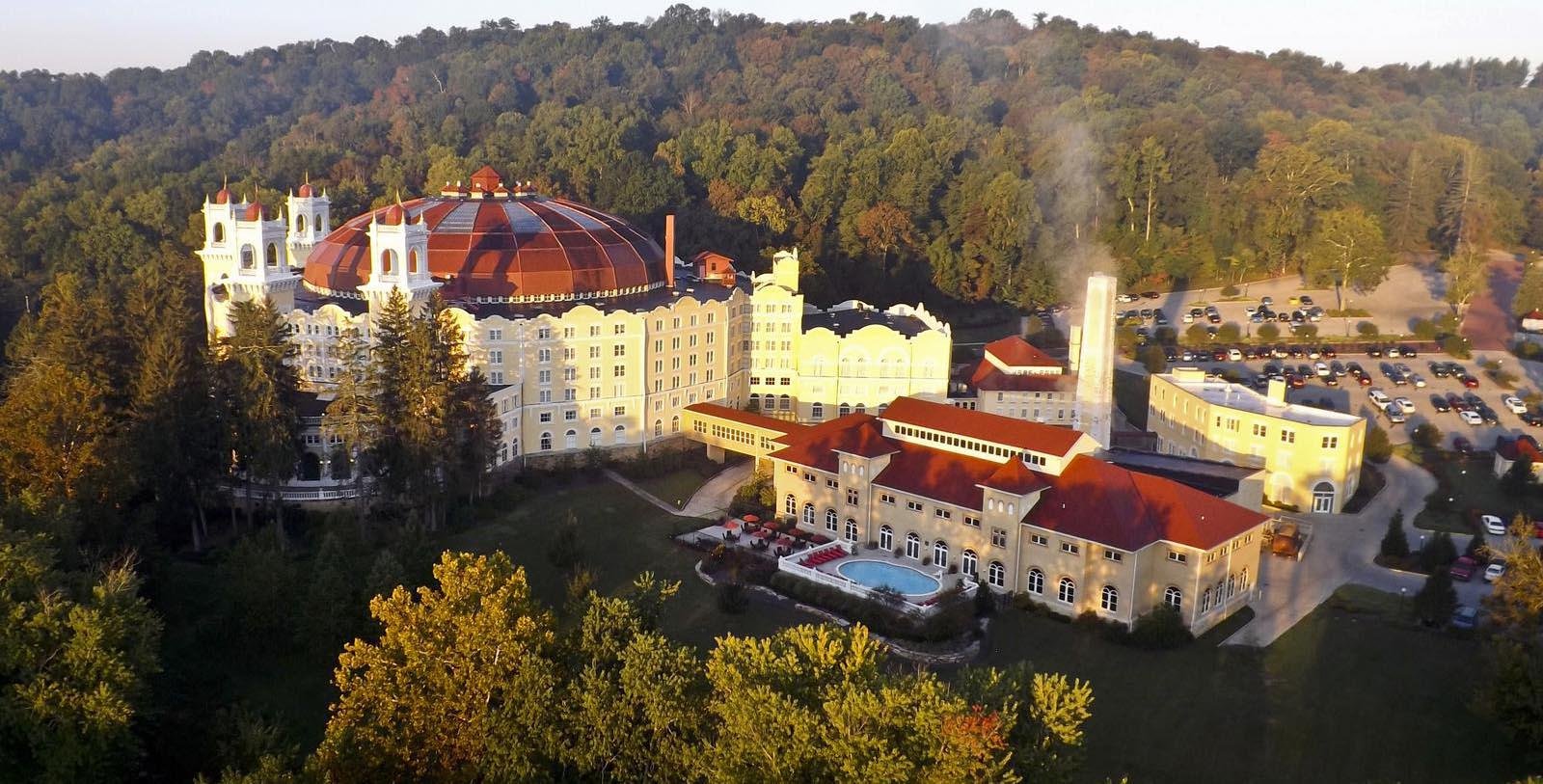
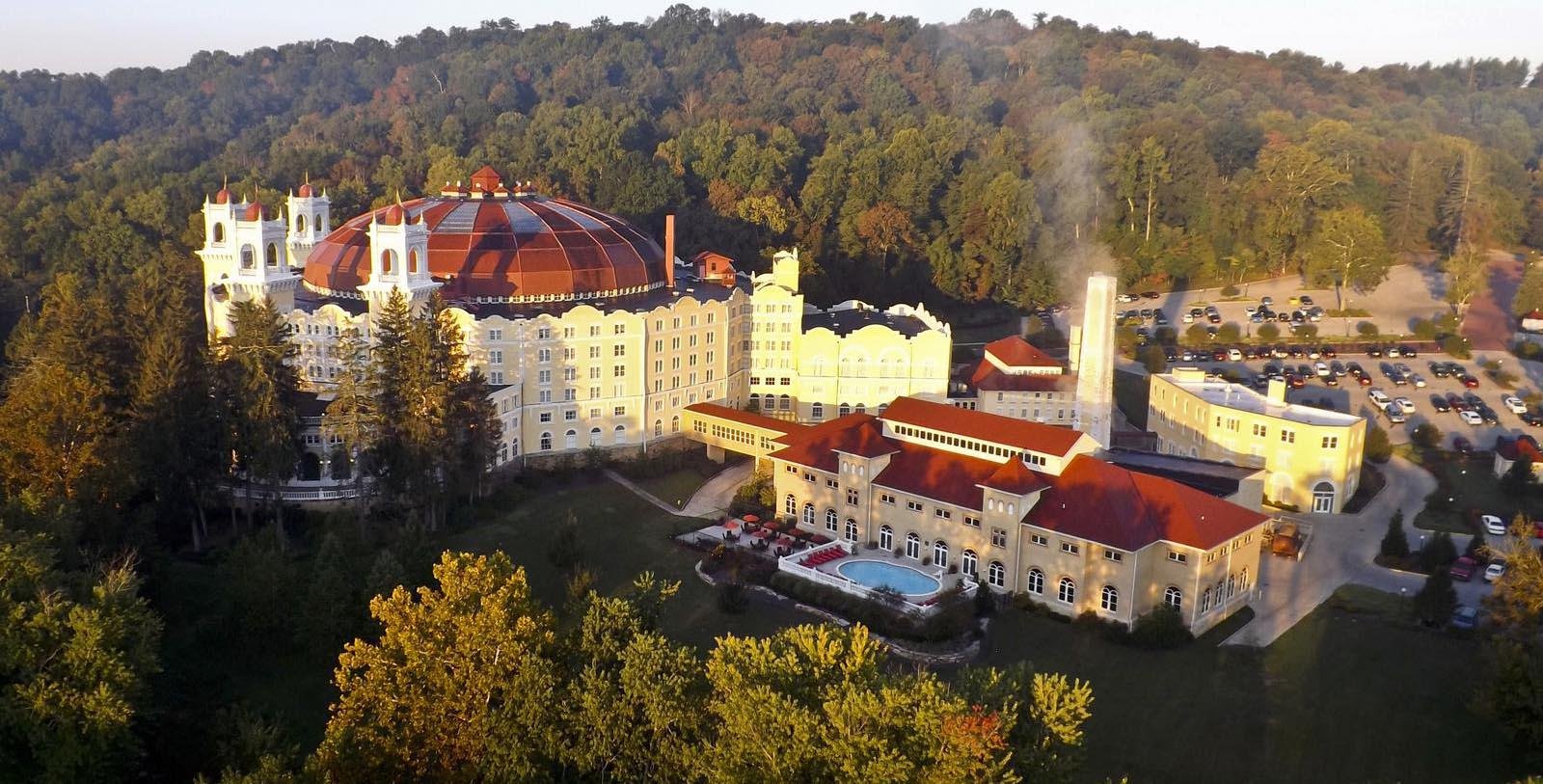
West Baden Springs Hotel reads like an architectural showpiece. Visitors are arrested by a 200-foot-diameter dome and a colonnaded rotunda that foreground structure, light and scale; the building’s presence feels deliberate and theatrical. The copy frames the property as a Gilded Age statement that imposes itself on a rural valley rather than receding into the surrounding landscape, creating an experience that is at once grand and historically saturated. The hotel’s character derives less from amenities than from the physical drama of its atrium and the layered history visible in its proportions and detailing.
Best For
The hotel is best for travelers drawn to architecture, history and dramatic settings. It suits romantic getaways and anniversaries that favor a memorable setting, families and groups seeking a distinctive weekend escape, and celebratory trips that prize an iconic place to convene. Because the hotel's appeal is largely its built form and sense of occasion, it also works for group retreats that want a visually singular meeting point. The property feels like a destination in itself rather than a typical resort stop along a coastal luxury circuit.
Venue details
Ambiance
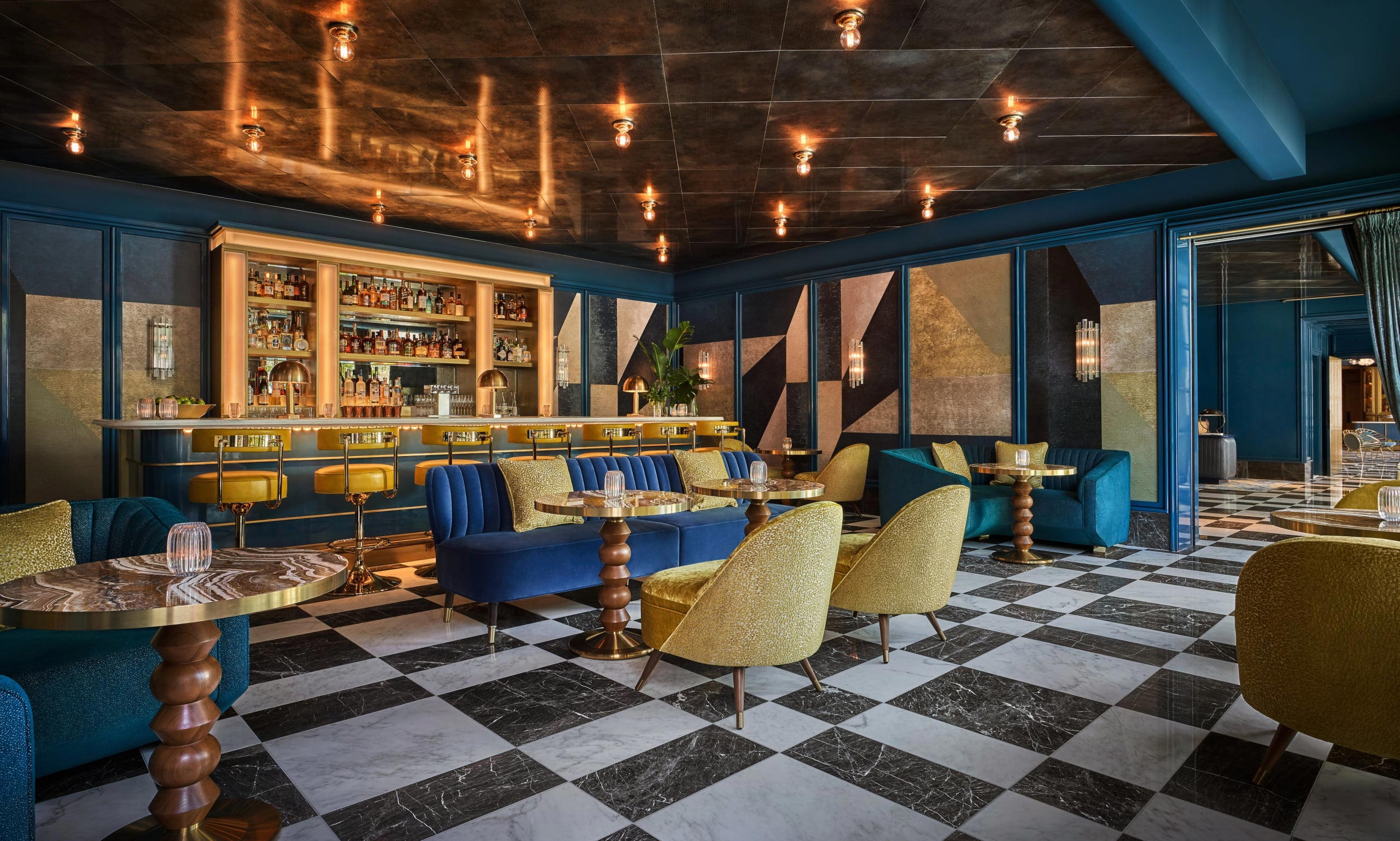
Elegant and festive atmosphere with comfortable lighting in the stunning atrium, seasonal decorations, live music, and spacious, immaculate rooms offering atrium or countryside views.
Tags
Vibe
Best For
Experience
Amenities
View
Accessibility
About the Stay
- Rooms
- 243
- Check-in
- 16:00
- Check-out
- 11:00
- Property Type
- Heritage hotel
- Property Style
- Historic Luxury Resort with Modern Amenities in Hoosier National Forest
- Design Style
- Classic Opulent Architecture Featuring a Massive Free Spanning Atrium Dome
- Airport Transfer
- Available
- Pool
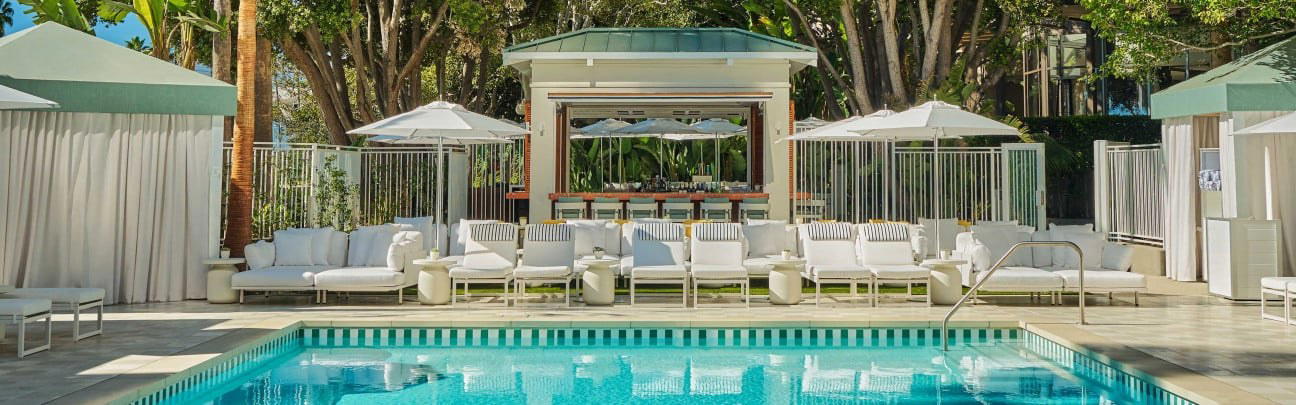
- Yes
- Spa
- Yes
- Pets
- Allowed
- Families
- Welcome
- Cancellation
- Strict
Know before you go
Know Before You Go
- Getting there
- 8538 W Baden Ave, West Baden Springs, IN 47469
Planning details
Location
8538 W Baden Ave, West Baden Springs, IN 47469 · Directions
Recognition and awards
Also consider
Also Consider
- French Lick Springs Hotel, Notable alternative
- Graduate by Hilton Bloomington, Notable alternative
- 21c Museum Hotel, Louisville, Notable alternative
- Proof On Main, Notable alternative
- The Grady, Notable alternative
Hotel context
How it compares
West Baden Springs Hotel is the atmosphere-led choice in this group. French Lick Springs Hotel is the closest cross-shop for a nearby resort stay, and it is the first alternative to check if availability, room style, or package fit is better there. For a special occasion centered on the hotel itself, West Baden has the clearer design-and-arrival appeal.
Graduate by Hilton Bloomington is better when the trip belongs to Bloomington rather than the resort area. 21c Museum Hotel, Louisville and The Grady are stronger for a city weekend with more dining and cultural options close by. Choose Louisville if walking out to restaurants matters more than staying in a self-contained resort setting.
Proof On Main is the better comparison if the meal is the anchor of the trip. West Baden Springs Hotel is the easier recommendation when the room, public spaces, and slower resort pace are the reason for going; Proof On Main makes more sense when dinner drives the decision.
Explore West Baden Springs
Around this place
Discover more on Pearl
Unlock the full West Baden Springs Hotel guide in Pearl, including awards, comparisons, FAQs, planning details, and nearby places.
Compare West Baden Springs Hotel
| Venue | Location | Awards |
|---|---|---|
| West Baden Springs Hotel | West Baden Springs | Preferred Hotels L.V.X. Collection 2025 |
| French Lick Springs Hotel | French Lick | Preferred Hotels Member 2025 |
| Graduate by Hilton Bloomington | Bloomington | No published awards |
| 21c Museum Hotel, Louisville | Louisville | No published awards |
| Proof On Main | Louisville | No published awards |
| The Grady | Louisville | 2026 Michelin Guide New Hotels2025 Michelin Selected HotelsSmall Luxury Hotels Member 2025 |


How West Baden Springs Hotel compares with similar nearby venues.
FAQ
Frequently Asked Questions
Is West Baden Springs Hotel family-friendly?
Details on family-specific amenities are not provided. If traveling with children or a multigenerational group, confirm room setup, services, and policies directly with West Baden Springs Hotel before booking. For a different city base, Graduate by Hilton Bloomington is a separate comparison in Bloomington.
How is the dining at West Baden Springs Hotel?
Specific dining details, including cuisine, menu format, hours, prices, or service style, are not provided. Confirm current dining options directly with the hotel. If the meal itself is the main focus of the trip, Proof On Main is a separate comparison to research on its own terms.
How is the pool and spa at West Baden Springs Hotel?
Pool and spa details are not provided. If those amenities are important, confirm availability, access rules, and booking requirements directly with West Baden Springs Hotel before planning around them. The Grady is a separate comparison rather than a West Baden Springs option.
Do loyalty programs work at West Baden Springs Hotel?
West Baden Springs Hotel is listed in the Preferred Hotels L.V.X. Collection for 2025, but specific loyalty benefits, rates, upgrades, or program terms are not provided. Check directly with the hotel or the relevant booking channel before relying on any benefit. 21c Museum Hotel, Louisville is a separate Louisville comparison.
Which room category is best at West Baden Springs Hotel?
Specific room categories, views, layouts, and upgrade details are not provided. Choose only after confirming current options directly with West Baden Springs Hotel. If you are comparing hotel choices, French Lick Springs Hotel is another option to research separately.
What is check-in like at West Baden Springs Hotel?
Check-in details are not provided. The location is West Baden Springs, so confirm arrival timing, parking, identification requirements, and any group-arrival needs directly with the hotel. Graduate by Hilton Bloomington is a separate comparison for a Bloomington stay.
When is the best time to book West Baden Springs Hotel?
Specific booking difficulty, seasonal demand, and rate patterns are not provided. If your dates matter, compare availability directly and confirm cancellation terms before booking. Graduate by Hilton Bloomington is a separate option to research if the trip is based in Bloomington.