

Five Spring Resort The Shirahama
Shirahama-cho, Nishimuro-gun, Wakayama
Hotel in Wakayama, Japan
 Book with Pearl
The Read
Coastal Onsen Immersion
Why go
Book Five Spring Resort The Shirahama for a quiet Wakayama resort stay, especially if the trip is a celebration and the room category will matter. Suite-level spend is easiest to justify for couples planning real time on property; business travelers and city-first itineraries should compare Osaka options before committing.
About Five Spring Resort The Shirahama
Five Spring Resort The Shirahama is a Wakayama hotel listed as a Small Luxury Hotels of the World Member for 2025 and as a MICHELIN Guide Hotels Selected property for 2025. Before booking, check current room categories, dining details, prices, hours, and service inclusions directly with the hotel.
Evaluate the property as a Wakayama stay where its hotel credentials matter more than assumptions about format or amenities. If the trip depends on a particular room setup, meal plan, transport arrangement, or on-property service, confirm those details with the hotel rather than relying on inferred resort expectations.
Book for Wakayama, with details confirmed in advance
Five Spring Resort The Shirahama is in Wakayama. Before locking in plans, check street-level location details, pricing, room inventory, dining format, and transport guidance with the hotel.
For planning around the region, start with Wakayama hotel research, then fill the trip with other local options through the Wakayama restaurants guide, plus general Wakayama bar, winery, and experience research.
Who should upgrade, and who should not
Any upgrade decision should be based on information confirmed at booking. Ask what the higher category includes, whether it changes the stay in a meaningful way, and whether the difference is worth it for the purpose of the trip.
If Wakayama is one stop in a broader Japan itinerary, compare the setting against Osaka Marriott Miyako Hotel for an Osaka city stay, Centara Grand Hotel Osaka for another Osaka hotel option, and Kumano-bettei NAKANOSHIMA or Hotel New Awaji for other hotel comparisons. Five Spring Resort The Shirahama is the relevant choice when the booking needs to be centered on Wakayama.
Know Before You Go
- Recognition: Small Luxury Hotels of the World Member, 2025; MICHELIN Guide Hotels Selected, 2025.
- Dress code: casual.
- Location: Wakayama.
- Dining call: do not book on dining assumptions alone; check restaurant, menu, cuisine, price, and meal-service details directly before booking.
- Upgrade logic: confirm room categories, inclusions, and pricing directly before deciding whether a higher category is worth it.
Planning details
- Location
- 300-2, Shirahama, Nishimuro District, Wakayama 649-2211
- Website
- fivehotel-shirahama.com
- Phone
- +81 739-43-5500
The take
The Take
The Vibe
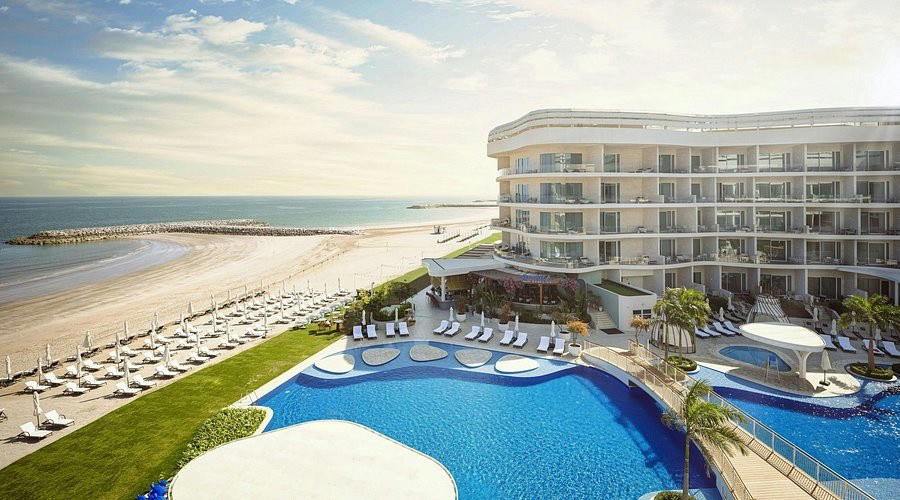
Five Spring Resort The Shirahama presents a quietly sophisticated coastal retreat that foregrounds design and local geology. The property anchors itself in the long history of Shirahama — from Nara‑period references to the Kumano Kodo pilgrimage routes — while treating contemporary art and interior curation as a central part of the guest experience. The resort’s identity is closely tied to five natural hot springs and its position on the Kumano Sea, producing a calm, seaside atmosphere that balances historical depth with clean, design-forward architecture. It reads as an elegant, serene place for travelers who value thoughtful design and coastal calm.
Best For
This resort is suited to travelers seeking a peaceful, design‑led coastal getaway anchored by thermal springs and regional history. Couples and honeymooners will appreciate the secluded seaside setting and the sense of occasion that comes from staying where the hot‑spring sources define the property. Wellness‑minded visitors and those drawn to architecture and contemporary interiors find the design focus compelling, while culturally inclined guests can use the resort as a base for exploring the Kumano Kodo routes and nearby Koyasan. Its two‑hour rail proximity to Osaka makes it a manageable weekend escape from Kansai hubs.
Stay Tips
Plan travel time into your reservation: the description notes that the Kuroshio limited express connects Shirahama to Osaka in around two hours, so scheduling arrivals and departures around train times helps maximize your stay. The property's identity is tied to five natural hot springs, so build time into your itinerary to experience the onsen‑related offerings. For travelers aiming to explore the broader Kii Peninsula, allow additional days to visit the Kumano Kodo pilgrimage routes and nearby cultural sites; the resort functions well as a base for regional sightseeing and restorative coastal time.
Venue details
Ambiance
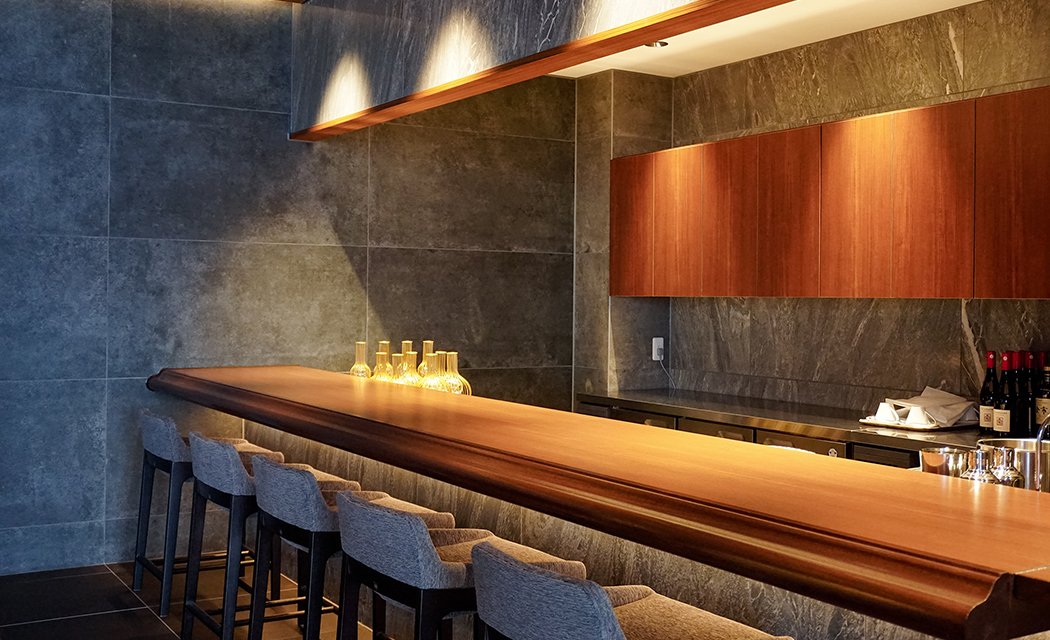
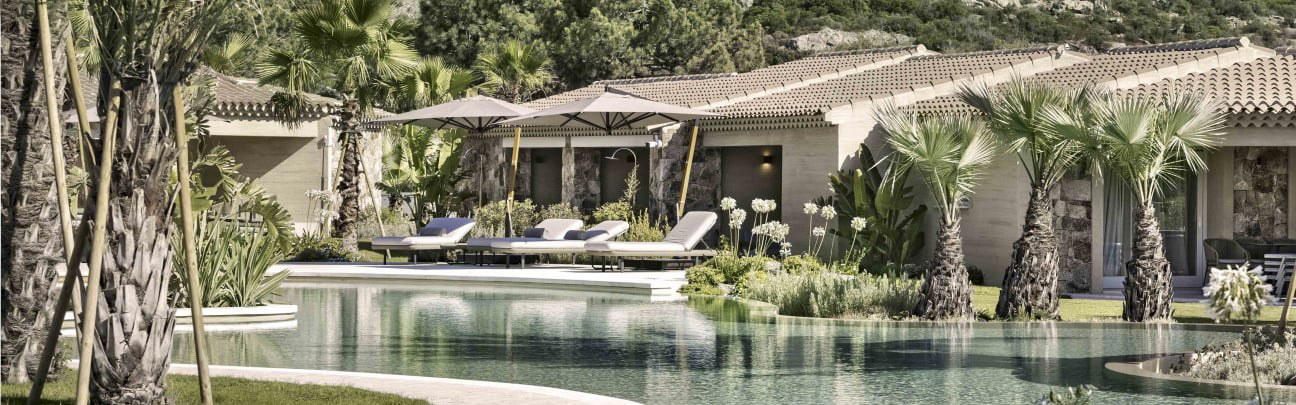
Modern minimalist aesthetic with coastal textures and forest accents, serene and spa-like with soft lighting designed for relaxation and wellness.
Tags
Vibe
Best For
Experience
Amenities
View
Accessibility
About the Stay
- Rooms
- 18
- Check-in
- 15:00
- Check-out
- 11:00
- Property Style
- Contemporary Luxury Resort with Classical Japanese Ryokan Hospitality Foundations, Featuring All Inclusive Amenities and Modern Design.
- Design Style
- Modern Minimalist with Coastal Textures, Forest Color Accents, and Clean Aesthetic Blending Natural Surroundings with Contemporary Architecture.
Know before you go
Know Before You Go
- Getting there
- 300-2, Shirahama, Nishimuro District, Wakayama 649-2211
Planning details
Location
300-2, Shirahama, Nishimuro District, Wakayama 649-2211 · Directions
Recognition and awards

Also consider
If You Can't Book Here
Try Kumano-bettei NAKANOSHIMA if the trip is still meant to feel like a destination retreat rather than a city break. For travelers who need easier access to restaurants, rail, and meetings, Osaka Marriott Miyako Hotel is the more practical fallback.
Hotel context
How It Compares
Against Kumano-bettei NAKANOSHIMA and Hotel New Awaji, Five Spring Resort The Shirahama is the cleaner pick for a Shirahama-focused special occasion where booking ease and a calmer resort base matter. Kumano-bettei NAKANOSHIMA reads as the stronger cross-shop for a more retreat-led escape, while Hotel New Awaji makes sense for travelers prioritizing a broader resort-hotel feel.
Compared with Osaka Marriott Miyako Hotel, Centara Life Namba Hotel Osaka, and Centara Grand Hotel Osaka, this is not the practical choice for urban convenience. Osaka Marriott Miyako Hotel is better for transport efficiency, Centara Life Namba Hotel Osaka is the easier city-value play, and Centara Grand Hotel Osaka is the stronger Osaka leisure base. Choose Five Spring Resort The Shirahama when Wakayama itself is the point of the trip.
Explore Wakayama
Around this place
Discover more on Pearl
Unlock the full Five Spring Resort The Shirahama guide in Pearl, including awards, comparisons, FAQs, planning details, and nearby places.
Compare Five Spring Resort The Shirahama
| Venue | Location | Awards |
|---|---|---|
| Five Spring Resort The Shirahama | Wakayama | 2025 Michelin Selected HotelsSmall Luxury Hotels Member 2025 |
| Kumano-bettei NAKANOSHIMA | Nachikatsuracho, Higashimuro Gun | No published awards |
| Hotel New Awaji | Sumoto | No published awards |
| Osaka Marriott Miyako Hotel | Osaka | No published awards |
| Centara Life Namba Hotel Osaka | Osaka | No published awards |
| Centara Grand Hotel Osaka | Osaka | No published awards |
How Five Spring Resort The Shirahama compares with similar nearby venues.
FAQ
Frequently Asked Questions
How does Five Spring Resort The Shirahama compare to other hotels?
Five Spring Resort The Shirahama is a Wakayama hotel with 2025 recognition from Small Luxury Hotels of the World and the MICHELIN Guide hotel selection. For a different city context, compare it with Osaka Marriott Miyako Hotel or Centara Grand Hotel Osaka; for other hotel comparisons, consider Hotel New Awaji or Kumano-bettei NAKANOSHIMA.
Is Five Spring Resort The Shirahama good for business travel?
If the trip is business-led, confirm practical requirements such as meeting facilities, transport convenience, and work-focused amenities directly with the hotel; Osaka Marriott Miyako Hotel may be a more relevant comparison for an Osaka city stay.
How is the location of Five Spring Resort The Shirahama?
How is the dining at Five Spring Resort The Shirahama?
Check restaurant, menu, cuisine, price, and meal-service details directly with the hotel. Its listed credentials are hotel-related: Small Luxury Hotels of the World Member and MICHELIN Guide Hotels Selected in 2025.