



Borgo Pignano
Volterra
Hotel in Volterra, Italy
 Book with Pearl
The Read
Agrarian Estate Retreat
Why go
Borgo Pignano is a strong pick for a first Volterra countryside stay if you want the hotel to do more than provide a bed. Its Preferred Hotels, Virtuoso, MICHELIN Guide Hotels Selected, and La Liste Top Hotels recognition make it the safer choice for travelers who value service support and a polished rural base over town-center convenience.
About Borgo Pignano
Borgo Pignano is a hotel in Volterra with several confirmed luxury-travel recognitions. The profile is strongest on affiliations and selection signals rather than on public details about rooms, dining, facilities, or service format. Travelers considering it should treat the confirmed hotel recognition as the main grounded reason to keep it on a Volterra shortlist.
The confirmed recognitions include Preferred Hotels Member status for 2025, Virtuoso Luxury Hotel Partner status for 2026, MICHELIN Guide, Hotels Selected for 2025, and La Liste Top Hotels 2026 with a 91.5-point listing. The dress code is smart casual. Those signals support considering Borgo Pignano as a premium hotel option in Volterra, while any specifics about cuisine, room categories, facilities, prices, or transport should be checked directly with the property before booking.
Book it for a luxury-hotel profile in Volterra
The location detail is Volterra. Beyond that, the available record here does not support a street address, neighborhood claim, or landmark-based description, so the booking decision should be framed around whether Borgo Pignano fits your Volterra itinerary and hotel expectations.
Strongest grounded case is recognition-based. Borgo Pignano is listed as a Preferred Hotels Member, a Virtuoso Luxury Hotel Partner, a MICHELIN Guide, Hotels Selected property, and a La Liste Top Hotels entry. That does not verify every operational detail a traveler may care about, but it does place the hotel in a premium consideration set for Volterra.
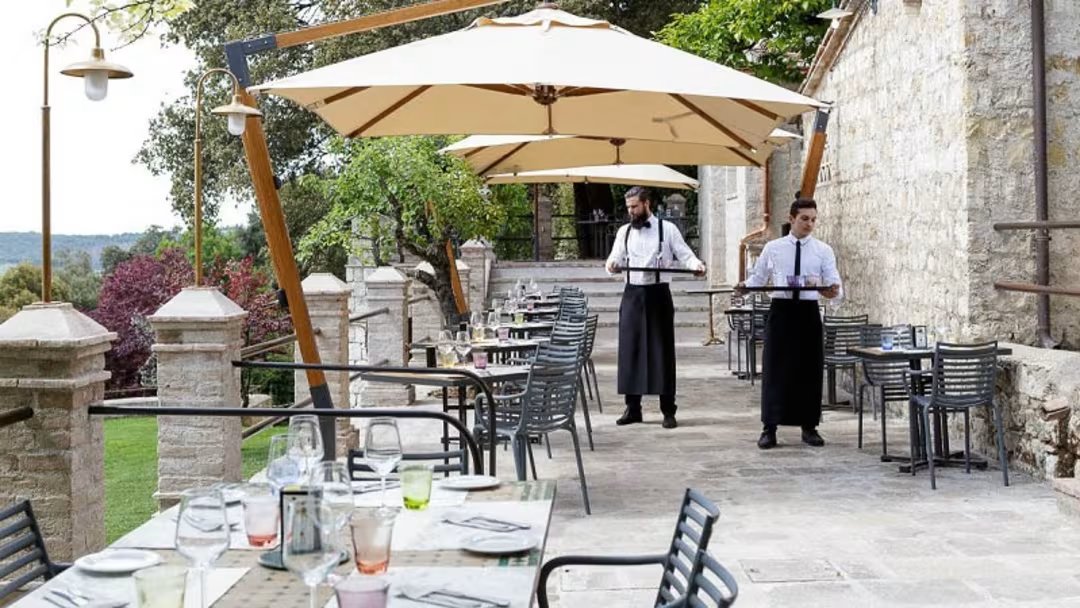
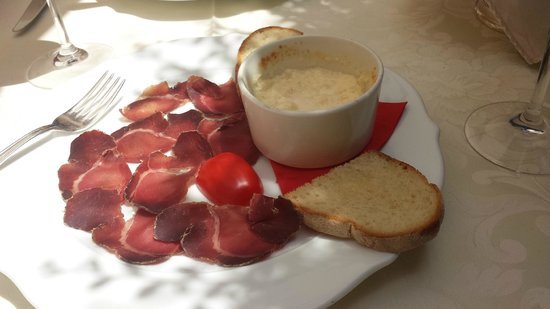
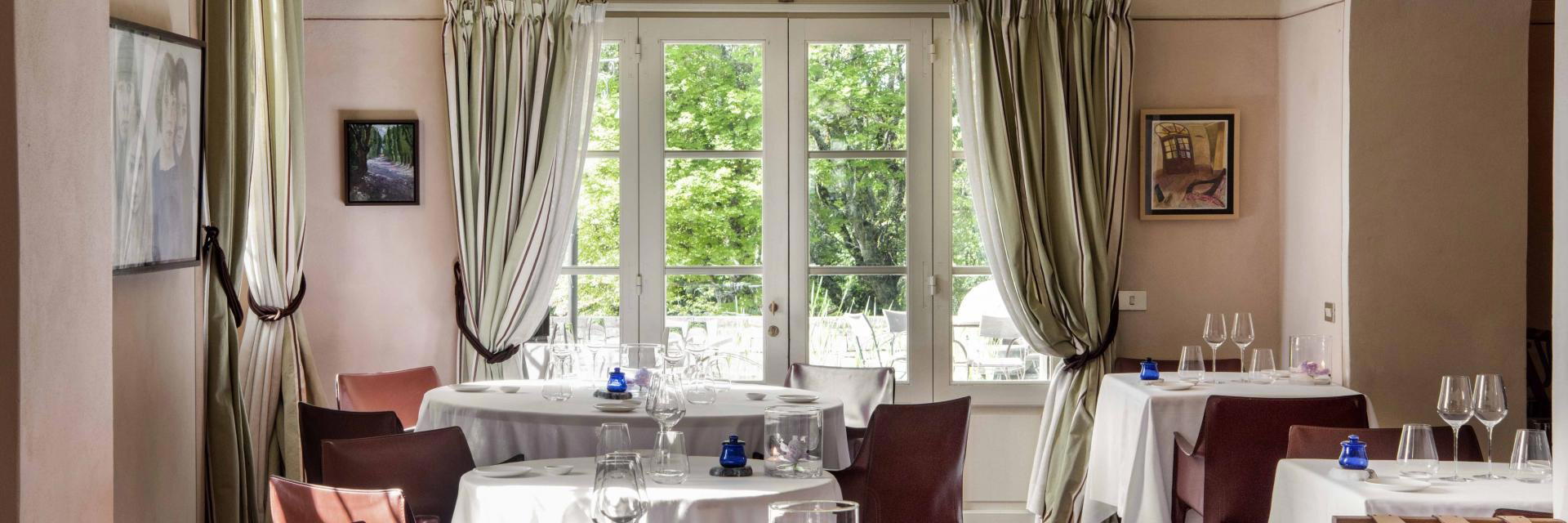
Dining should be treated cautiously in planning. If dining is central to the trip, confirm current options directly with the hotel and use other dining in Volterra generically for additional planning. For broader planning, see our full Volterra restaurants guide.
Who should choose it, and who should cross-shop
Choose Borgo Pignano if the confirmed hotel affiliations and guide recognition are important to your decision. It is a less complete fit on paper for travelers who need specifics about room types, facilities, dining format, or exact location details before narrowing a shortlist, because those details are not established in the record here.
For comparison, travelers can also look at Borgo Pignano alongside Castelfalfi, Castello di Casole, A Belmond Hotel, Tuscany, La Collegiata, Locanda Le Piazze, and Monteriggioni. Treat those as separate hotel or destination options rather than as interchangeable Volterra properties, and confirm current details directly before booking.
Inside Borgo Pignano
Planning details
- Location
- Localita' Pignano, 6, 56048 Volterra PI
- Website
- borgopignano.com/en/volterra
- Phone
- +39 0588 35032
The take
The Take
The Vibe
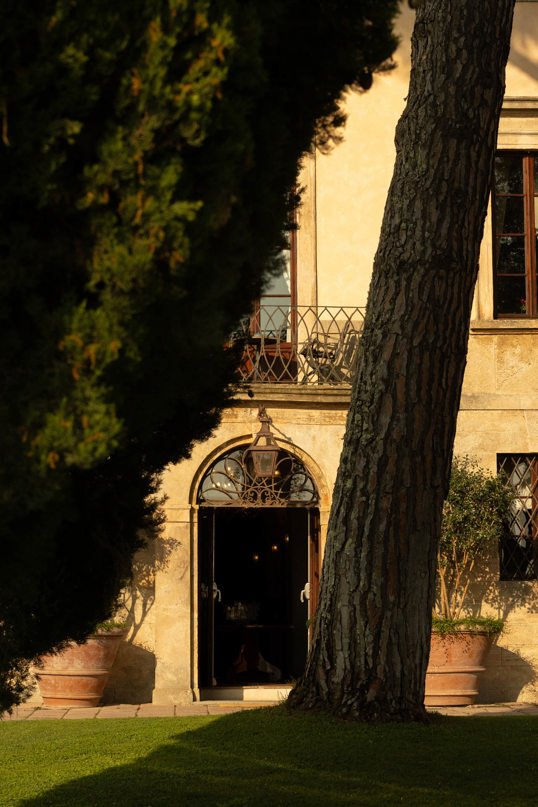
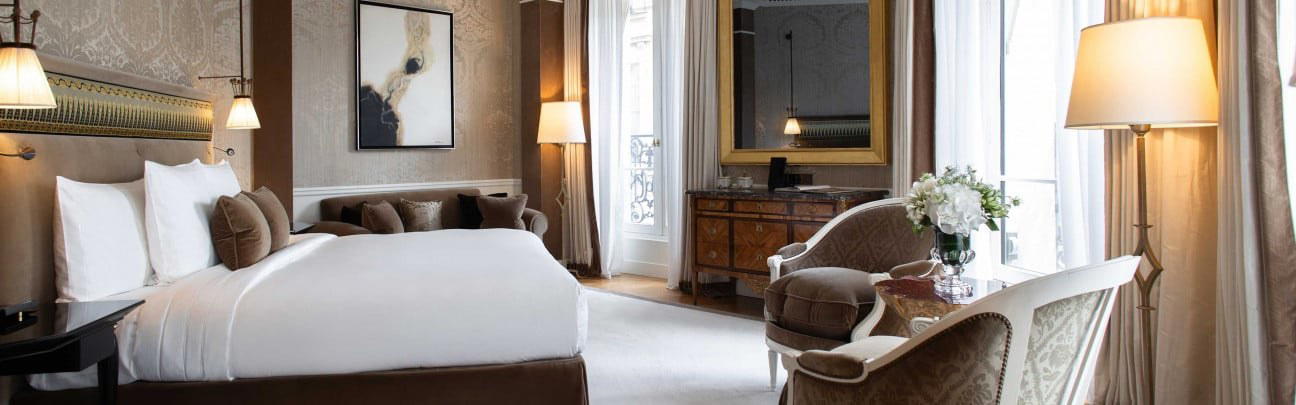
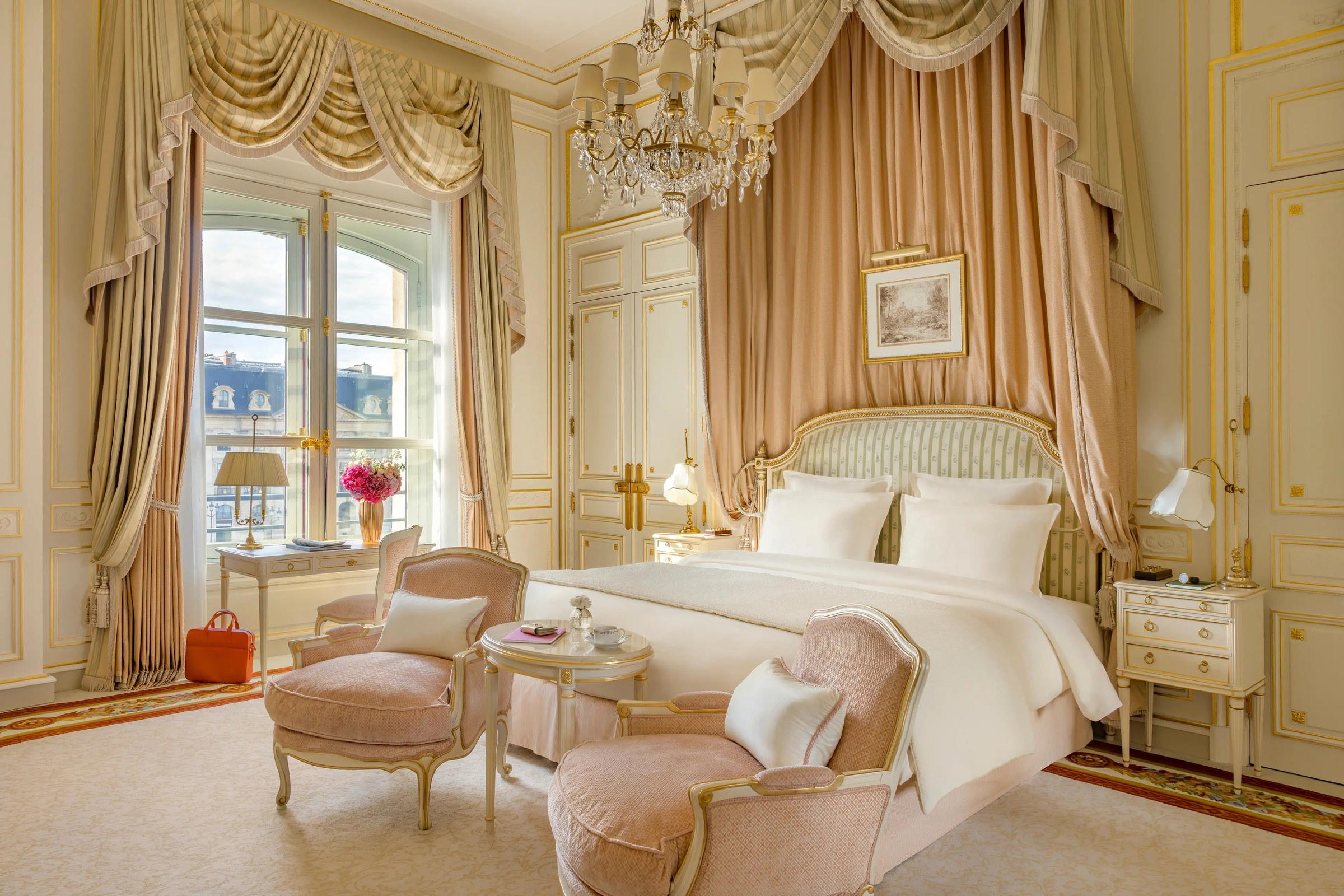
Borgo Pignano reads as a place shaped by time: Etruscan beginnings, an 18th-century villa phase and careful restoration form the estate’s character. Original vaulted ceilings, hand-laid floors and structural masonry are treated as primary materials rather than set dressing, so contemporary comforts sit quietly within an older spatial logic. The result is a warm, intimate retreat across extensive Tuscan hill country—an estate that feels less like a staged farmhouse and more like a living historical ensemble, where restraint in intervention emphasizes authenticity and material warmth.
Best For
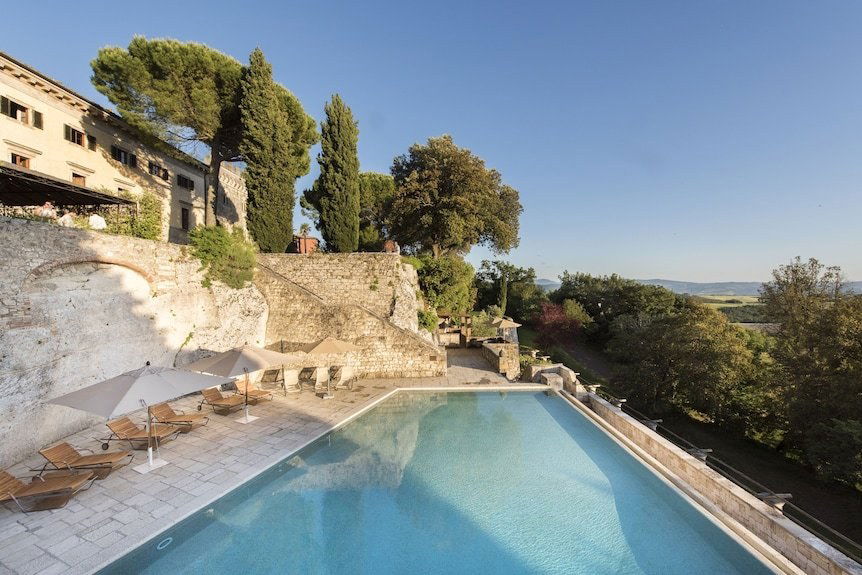
This estate is best for travelers seeking a quietly luxurious, historically grounded escape. The deliberately small accommodation inventory makes it well suited to couples and intimate parties who value privacy and solitude; the extensive grounds and sweeping views across Val di Cecina appeal to guests after a restorative weekend or a wellness-oriented stay. History lovers and anyone drawn to authentic, low-intervention restorations will appreciate the building fabric and the sense that the architecture grew from the land itself.
Stay Tips
Because the property emphasizes a small, deliberately limited inventory, plan and book accommodations well in advance to secure the specific room or villa you prefer. When reserving, mention an interest in rooms with views across Val di Cecina if that matters to you—views and placement on the estate are a defining part of the experience. Expect a rural, estate-style setting rather than resort-scale amenities; prioritize time on the grounds to appreciate the terraces, olive groves and long-distance vistas described in the property copy.
Venue details
Ambiance
Romantic and serene with natural lighting from gardens and vineyards, historic interiors featuring vaulted ceilings and frescoes, and a peaceful countryside atmosphere.
Tags
Vibe
Best For
Experience
Amenities
View
Accessibility
About the Stay
- Rooms
- 16
- Check-in
- 15:00
- Check-out
- 11:00
- Property Style
- 18th Century Villa and Farm Stay on 750 Acre Organic Estate
- Design Style
- Classical Tuscan with Individually Decorated Rooms Featuring Vaulted Ceilings, Frescoes, and Rustic Charm
Know before you go
Know Before You Go
- Getting there
- Localita' Pignano, 6, 56048 Volterra PI
Planning details
Location
Recognition and awards


Also consider
Also Consider
- La Collegiata, Notable alternative
- Castello di Casole, A Belmond Hotel, Tuscany, Notable alternative
- Castelfalfi, Notable alternative
- Monteriggioni, Notable alternative
- Locanda Le Piazze, Notable alternative
Hotel context
How It Compares
La Collegiata is the easier cross-shop if you want a more classic Tuscan hotel feel without committing to Borgo Pignano's stronger luxury-hotel positioning. Borgo Pignano is the better call when service infrastructure matters, especially for a first trip where staff support can smooth out transport, meals, and downtime.
Castello di Casole, A Belmond Hotel, Tuscany and Castelfalfi are the natural alternatives for travelers who want a larger resort-style Tuscan stay. Pick them if the brief is a fuller resort environment; pick Borgo Pignano if the goal is a quieter countryside base with recognized luxury credentials and less of a big-property feel.
Monteriggioni and Locanda Le Piazze make more sense for travelers prioritizing a different village base or a simpler hotel rhythm. Borgo Pignano is the stronger choice when the stay itself is the main event, while those peers are better fallback options if location, availability, or a lighter-touch ambience matters more.
Explore Volterra
Around this place
Discover more on Pearl
Unlock the full Borgo Pignano guide in Pearl, including awards, comparisons, FAQs, planning details, and nearby places.
Compare Borgo Pignano
| Venue | Location | Awards |
|---|---|---|
| Borgo Pignano | Volterra | 2026 Virtuoso Luxury Hotel Collection2026 La Liste Top Hotels2025 Michelin Selected HotelsPreferred Hotels Member 2025 |
| La Collegiata | San Gimignano | No published awards |
| Castello di Casole, A Belmond Hotel, Tuscany | Casole d'Elsa | 2026 Forbes 4-Star2026 Virtuoso Luxury Hotel Collection2026 La Liste Top Hotels2025 Michelin 2 Keys2025 Forbes 4-Star2024 Michelin 2 Keys |
| Castelfalfi | Montaione | 2026 Virtuoso Luxury Hotel Collection2026 Forbes 5-Star2026 La Liste Top HotelsConde Nast Gold List 20262025 Travel + Leisure 100 Favorite Hotels in the World · #172025 Michelin 2 Keys2025 Forbes 5-StarPreferred Hotels Member 20252024 Michelin 2 Keys |
| Monteriggioni | Monteriggioni | No published awards |
| Locanda Le Piazze | Castellina in Chianti | No published awards |





How Borgo Pignano Volterra compares with similar nearby venues.
FAQ
Frequently Asked Questions
When is the best time to book Borgo Pignano?
The record does not establish a best booking window. If Borgo Pignano is a priority for your Volterra stay, check live availability and booking terms directly with the hotel or your travel advisor, especially if you want to book through Preferred Hotels or Virtuoso channels.
How is the location of Borgo Pignano?
Borgo Pignano is in Volterra. The record here does not support a street address, neighborhood, landmark, or walkability claim, so confirm the exact location and transport logistics directly before booking.
Which room category is best at Borgo Pignano?
The record does not establish specific room categories or which one is best. Choose based on the current room descriptions, cancellation terms, and any preferences confirmed directly by the hotel.
How does Borgo Pignano compare to other options?
Borgo Pignano has confirmed recognition from Preferred Hotels, Virtuoso, MICHELIN Guide Hotels Selected, and La Liste Top Hotels. Travelers can also compare it with Castelfalfi, Castello di Casole, A Belmond Hotel, Tuscany, La Collegiata, Locanda Le Piazze, and Monteriggioni, while checking each option's current location, services, and availability directly.
How is the dining at Borgo Pignano?
The record does not establish a cuisine type, signature dishes, chef, meal periods, or restaurant format. The dress code is smart casual. Treat dining details as something to confirm directly with Borgo Pignano before relying on them for the trip.
How is the pool and spa at Borgo Pignano?
The record here does not establish pool or spa details. If those facilities are important, confirm the current offering, access rules, and seasonal availability directly with the hotel.
Do loyalty programs work at Borgo Pignano?
Borgo Pignano is a Preferred Hotels Member and a Virtuoso Luxury Hotel Partner. The record does not establish specific benefits, so confirm eligible rates, inclusions, and booking-channel requirements before reserving.