

Le Prieuré
Villeneuve-lès-Avignon
Hotel in Villeneuve-lès-Avignon, France
 Book with Pearl
The Read
Priory-Scale Provençal Retreat
Why go
Book Le Prieuré if you want a polished Villeneuve-lès-Avignon base with a serious hospitality signal: Michelin 1 Key recognition in 2024 and a Relais Chateaux Award in 2025. It is the better fit for couples and returning Provence travellers than for guests who need a large-resort setup or easy last-minute availability.
About Le Prieuré
In Villeneuve-lès-Avignon, Le Prieuré is a premium stay with Michelin 1 Key recognition in 2024 and a Relais Chateaux Award in 2025. It is worth considering if you want a stay in Villeneuve-lès-Avignon with notable recognition. The dress code is smart casual.
Focus on its recognition and Villeneuve-lès-Avignon location as the core reasons to book. For any trip-specific needs, confirm details such as room setup, dining arrangements, accessibility, and family requirements directly before booking.
Book for Villeneuve-lès-Avignon and notable recognition
The grounded case for Le Prieuré is simple: it is in Villeneuve-lès-Avignon, carries Michelin 1 Key recognition from 2024, and has a Relais Chateaux Award from 2025. For broader planning, use our full Villeneuve-lès-Avignon hotels guide, then check dining separately through our full Villeneuve-lès-Avignon restaurants guide.
Do not choose it based on assumptions about facilities, room categories, service format, cuisine, or specific amenities. Choose it if its location and recognition fit the kind of stay you want, and confirm practical details directly before committing.
Where to cross-shop before committing
If the booking window is tight, compare Le Prieuré with Le Prieuré Baumanière, La Suite, La Mirande, La Divine Comédie, and Mas de Capelou. The cleaner decision is to keep Le Prieuré on the shortlist for Villeneuve-lès-Avignon, then compare the other properties according to your preferred location, atmosphere, and booking terms.
For trip-building beyond the hotel, keep the local research separate: our full Villeneuve-lès-Avignon bars guide, our full Villeneuve-lès-Avignon wineries guide, and our full Villeneuve-lès-Avignon experiences guide are more useful than overloading the hotel decision.
Inside Le Prieuré
Planning details
- Location
- 7 Pl. du Chapitre, 30400 Villeneuve-lès-Avignon
- Website
- leprieure.com
- Phone
- +33 4 90 15 90 15
The take
The Take
The Vibe
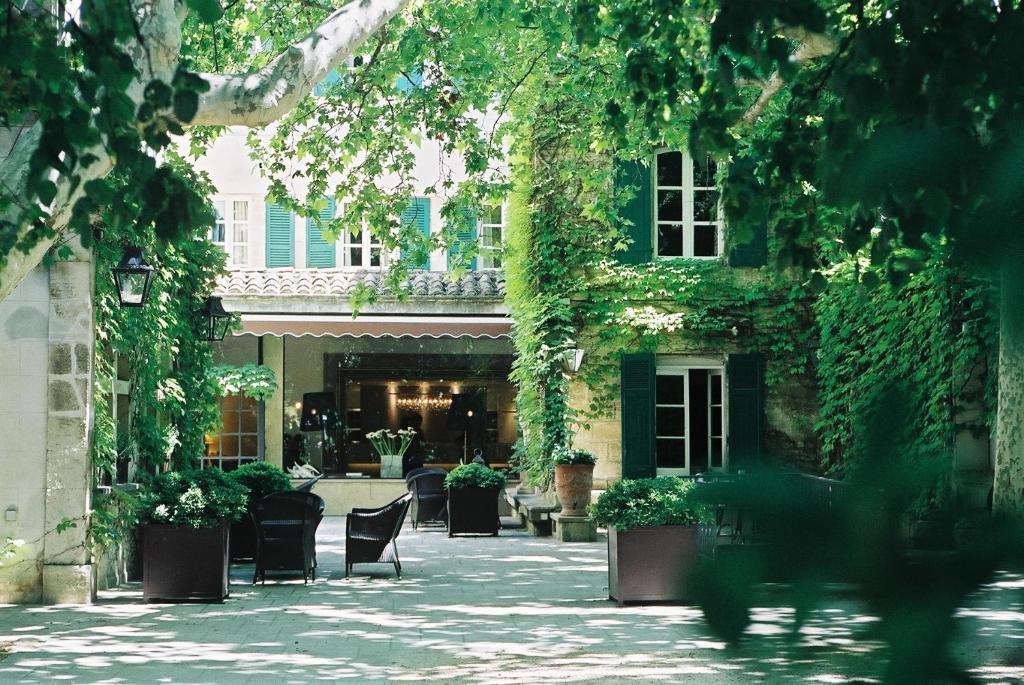
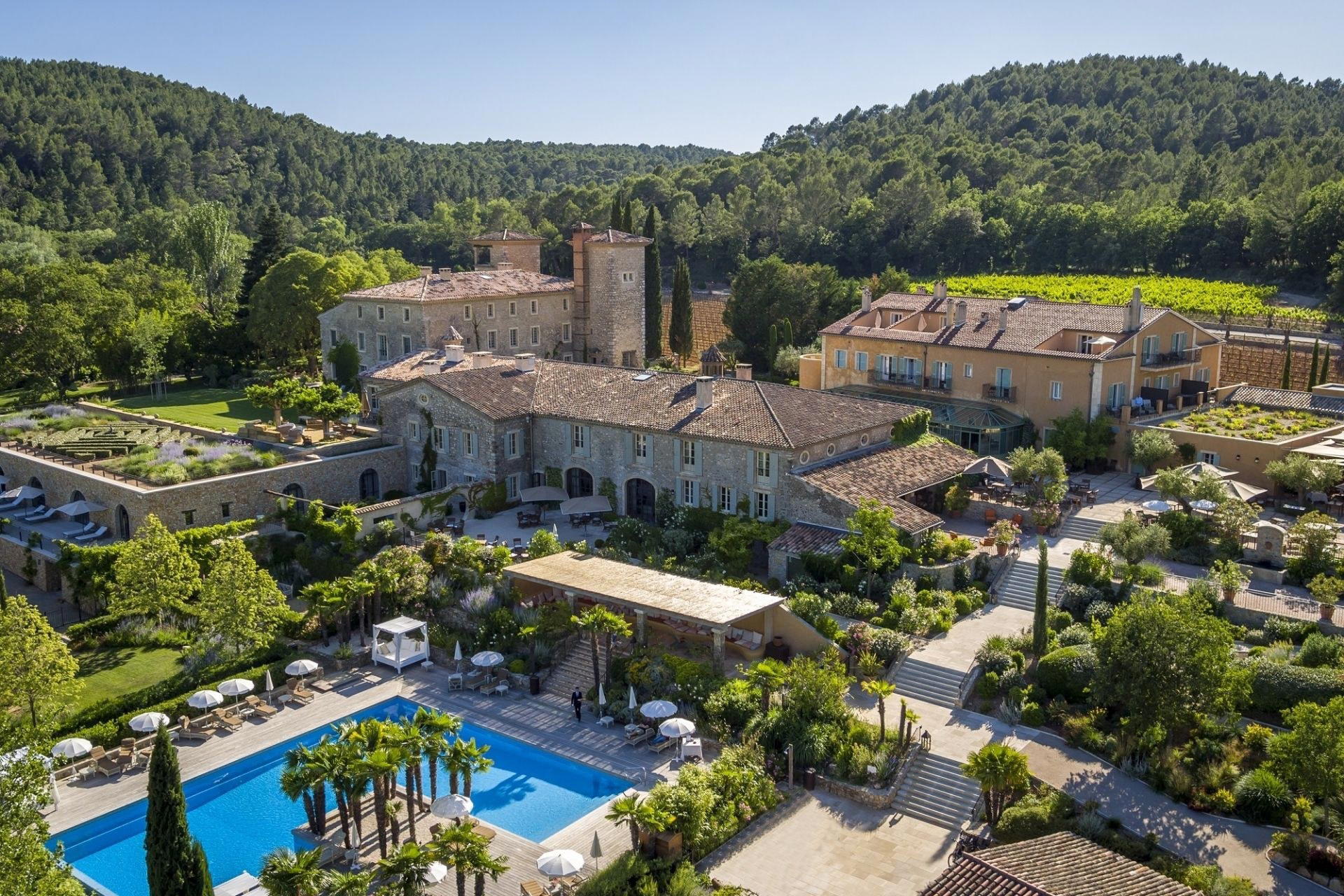
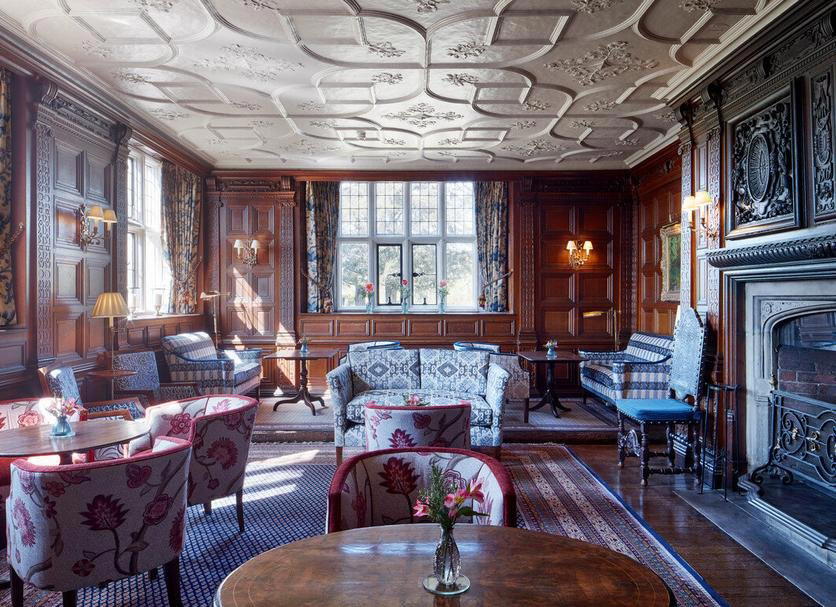
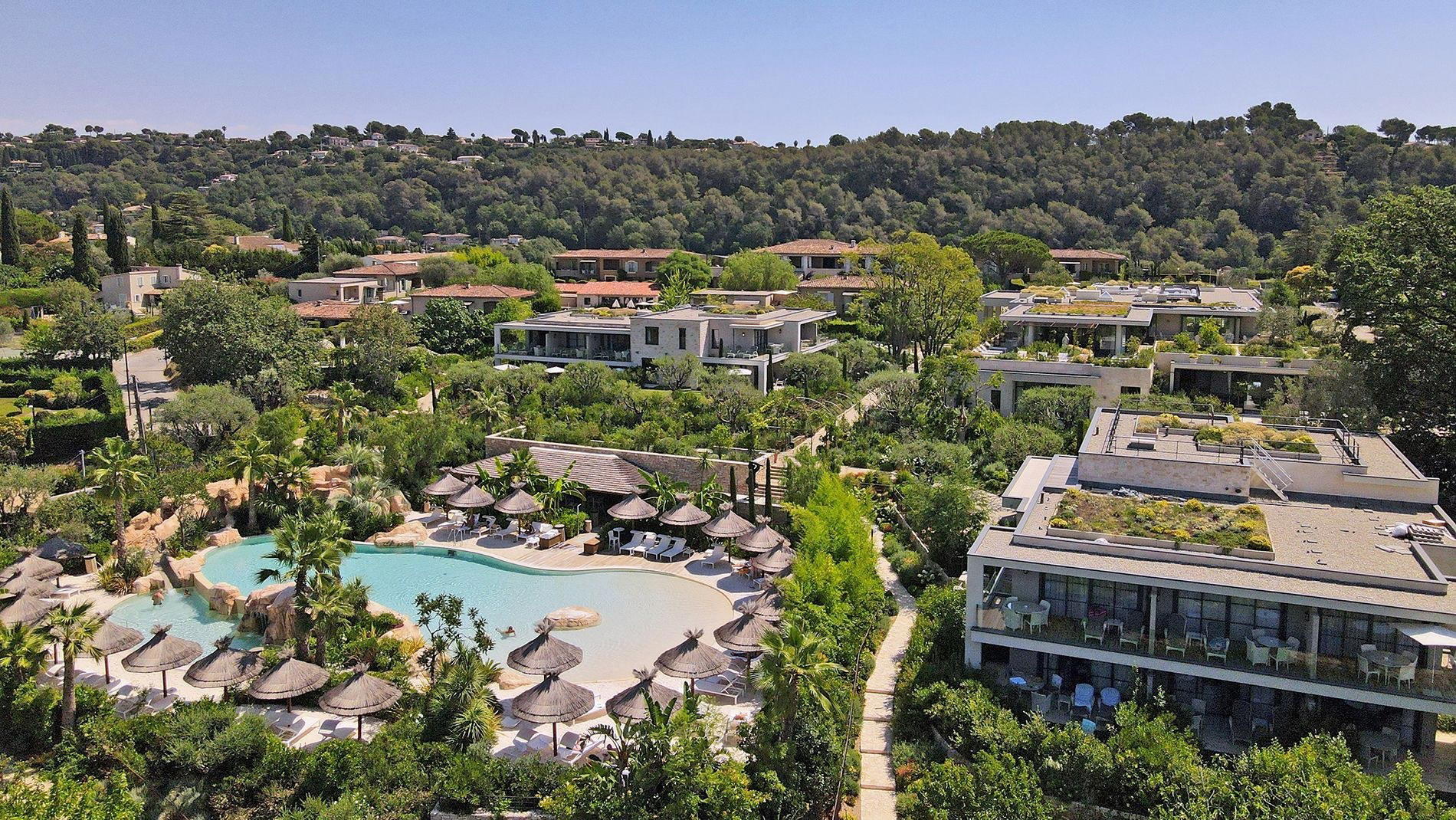
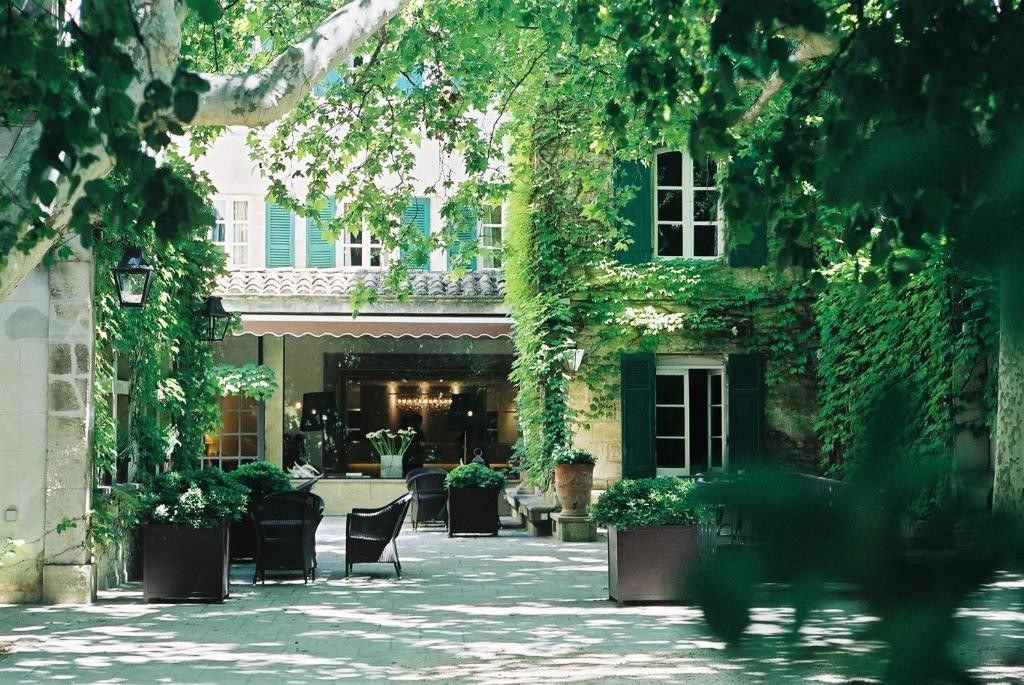
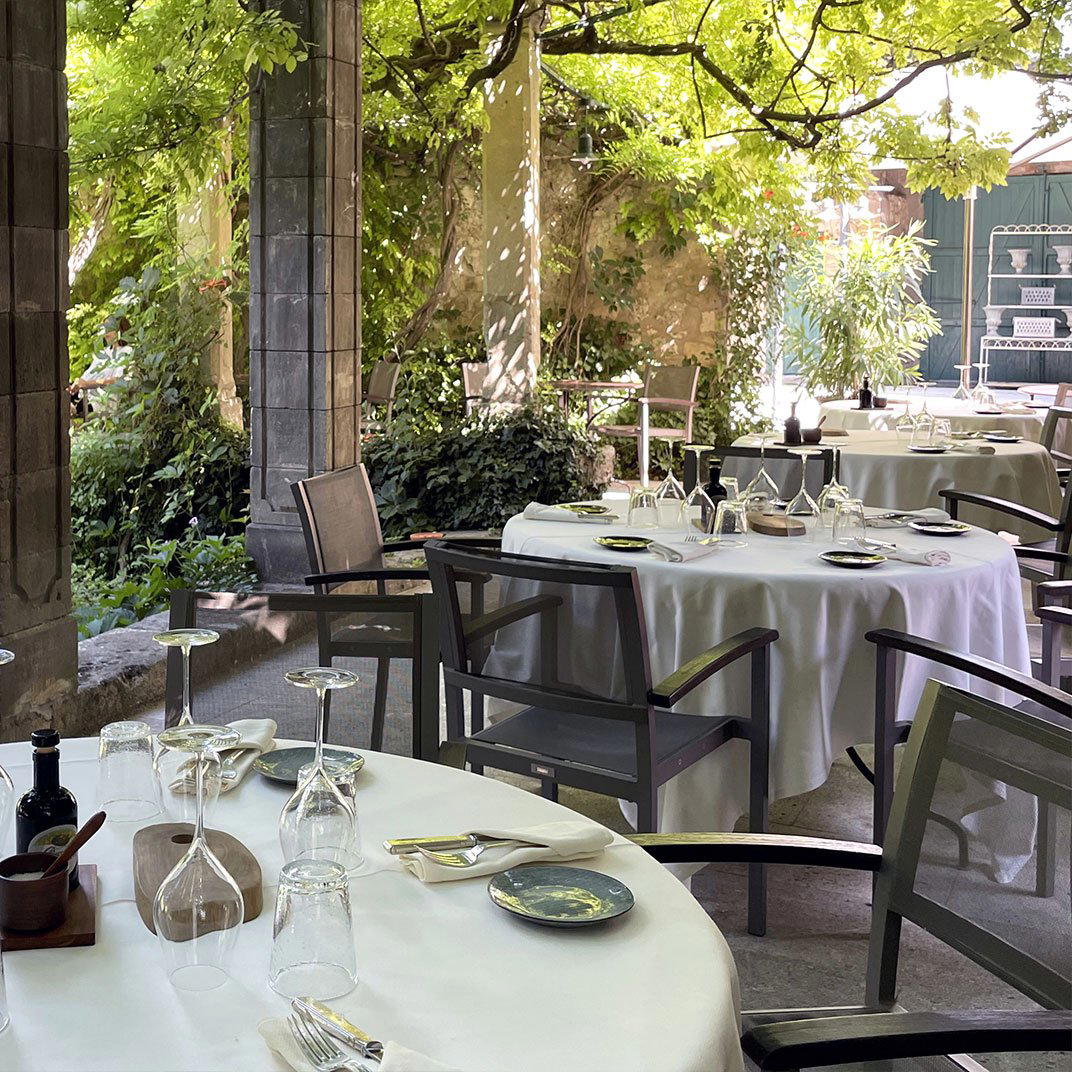
Le Prieuré feels like a pause built in stone. A 14th-century priory, its facade is still claimed by ivy and its gardens by wisteria; medieval arches and thick walls impart a palpable sense of history. The hotel stages that history thoughtfully: older guest rooms lean into the priory’s stonework, while a renovated annex frames modern suites around a courtyard and pool. The overall tenor is unhurried and quietly refined — architecture serves as the primary amenity, and the property’s position across the Rhône keeps festival clamor at bay, reinforcing a contemplative, restorative mood.
Best For
This is a stay for travelers who prize history, discretion and a slow pace. The priory’s age and intimate scale make it well suited to romantic getaways and anniversaries, and its quieter village setting is ideal for weekend escapes that want proximity to Avignon without the city’s bustle. It also functions as a discreet base for exploring the papal city: close enough to be convenient but far enough to avoid festival-season noise. Guests seeking a serene, picturesque retreat — rather than a bustling resort — will find the property especially rewarding.
Stay Tips
Choose between two distinct experiences when booking: book a room in the original priory if you want medieval stonework, heft and a historical atmosphere that doesn’t try to modernize the architecture; opt for the annex if you prefer larger formats, contemporary comforts and rooms arranged around the courtyard and pool. Many annex suites come with private balconies, so request one explicitly if exterior-facing space or garden views matter to you. Keep the hotel’s quiet position in mind when planning visits to Avignon — it offers a calmer, more restorative base.
Venue details
Ambiance
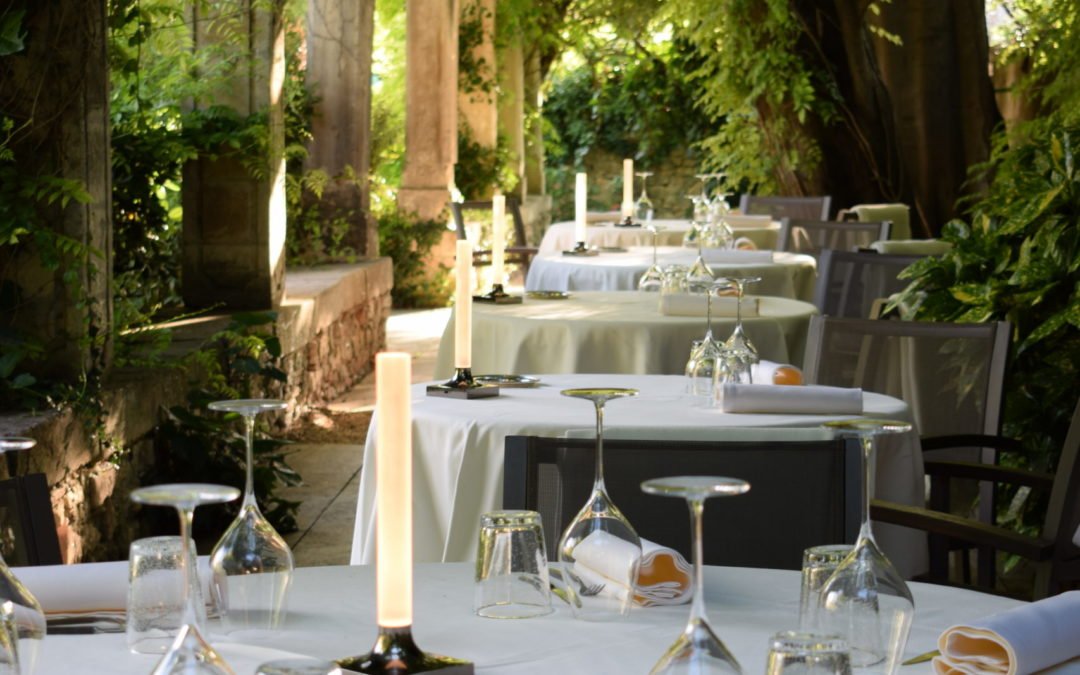
Serene and elegant with shaded gardens, historic stone walls blended with contemporary furnishings, and a peaceful, Provençal charm atmosphere.
Tags
Vibe
Best For
Experience
Amenities
View
About the Stay
- Rooms
- 37
- Check-in
- 15:00
- Check-out
- 12:00
- Property Style
- 14th Century Priory in a Lush Provençal Garden Setting
- Design Style
- Contemporary Furnishings with Original Stone Walls and Provençal Charm
Know before you go
Know Before You Go
- Getting there
- 7 Pl. du Chapitre, 30400 Villeneuve-lès-Avignon
Planning details
Location
Recognition and awards

Also consider
Also Consider
- Le Prieuré Baumanière, Notable alternative
- La Suite, Notable alternative
- La Mirande, Notable alternative
- La Divine Comédie, Notable alternative
- Mas de Capelou, Notable alternative
Hotel context
Against Le Prieuré Baumanière and La Suite, Le Prieuré is the safer pick when the brief is a polished historic stay in Villeneuve-lès-Avignon with a harder-to-book feel. Choose La Suite if a smaller, simpler base is the goal; choose Le Prieuré when service confidence and a more established hospitality signal matter more than chasing value.
La Mirande is the stronger cross-shop for travellers who want the Avignon side of the trip to dominate. Le Prieuré makes more sense for guests who prefer the quieter Villeneuve-lès-Avignon rhythm and do not need to be in the busier city core. For ambiance, the choice is less about luxury level and more about setting: village calm here, city-historic immersion at La Mirande.
La Divine Comédie and Mas de Capelou are better alternates if Le Prieuré is full or if the trip calls for a different scale. La Divine Comédie suits guests who want a more intimate Avignon stay; Mas de Capelou is the better direction for a quieter, more spread-out feel. If availability is open, Le Prieuré remains the clearest pick for a refined Villeneuve-lès-Avignon hotel decision.
Explore Villeneuve-lès-Avignon
Around this place
Discover more on Pearl
Unlock the full Le Prieuré guide in Pearl, including awards, comparisons, FAQs, planning details, and nearby places.
Compare Le Prieuré
| Venue | Location | Awards |
|---|---|---|
| Le Prieuré | Villeneuve-lès-Avignon | 2025 Relais Chateaux AwardMichelin 1 Key 20252025 Michelin 1 Key2024 Michelin 1 Key |
| Le Prieuré Baumanière | Villeneuve lez Avignon | No published awards |
| La Suite | Villeneuve Les Avignons | No published awards |
| La Mirande | Avignon | Star Wine Lists 20262026 Virtuoso Luxury Hotel Collection2026 Vogue Best Hotels in Provence2026 La Liste Top Hotels2025 Michelin 2 Keys2025 Gault & Millau Exceptional Hotel2024 Michelin 2 Keys |
| La Divine Comédie | Avignon | No published awards |
| Mas de Capelou | Avignon | No published awards |






How Le Prieuré Villeneuve-lès-Avignon compares with similar nearby venues.
FAQ
Frequently Asked Questions
Is Le Prieuré family-friendly?
Le Prieuré is in Villeneuve-lès-Avignon and has Michelin 1 Key recognition from 2024 plus a Relais Chateaux Award from 2025. Families should confirm room setup, occupancy rules, and any child-specific needs directly before booking.
How is the dining at Le Prieuré?
If dining is central to your stay, confirm current cuisine, menu format, meal periods, and restaurant service arrangements directly with Le Prieuré and compare other Villeneuve-lès-Avignon dining options separately.
How does Le Prieuré compare to nearby hotels?
Le Prieuré is a Villeneuve-lès-Avignon option with Michelin 1 Key recognition from 2024 and a Relais Chateaux Award from 2025. La Mirande, La Divine Comédie, La Suite, Le Prieuré Baumanière, and Mas de Capelou are useful properties to compare depending on your preferred location, style, and booking terms.
Do loyalty programs work at Le Prieuré?
Le Prieuré has Michelin 1 Key recognition from 2024 and a Relais Chateaux Award from 2025. Travelers who prioritize points or status benefits should check booking terms directly.
What is check-in like at Le Prieuré?
Before booking, confirm current check-in timing, procedure, and arrival services directly with Le Prieuré, especially if you are arriving early, late, or with specific accessibility needs.