



Vidago Palace
Vidago
Hotel in Vidago, Portugal
 Book with Pearl
The Read
Thermal Heritage Hospitality
Price
$100–200per night
Why go
Vidago Palace is worth booking when the hotel itself needs to carry the trip: formal service, a park setting, and luxury-hotel recognition make it a stronger fit for occasion stays than for a vineyard-first itinerary. Cross-shop Douro quinta hotels if wine-country immersion matters more than staffed palace-hotel polish.
About Vidago Palace
Do not treat Vidago as only a pass-through; the safer read is as a place where the hotel choice may shape the stay. Vidago Palace is a fit for travelers who want a polished luxury-hotel setting in Vidago. Book it when the trip calls for a recognized hotel base in town.
The useful question is whether that positioning fits the trip. Guests who value a recognized luxury-hotel setting should keep it high on the list. Travelers mainly comparing different styles of stays should cross-shop carefully before deciding.
Choose it for recognized luxury-hotel polish
The strongest reason to book is the confidence created by its luxury-hotel affiliations and 2025 hotel-award recognition. Vidago Palace is a Leading Hotels of World member for 2025 and has 2025 World Luxury Hotel Awards recognition as both a continent winner and a regional winner. It is also listed as a Virtuoso Luxury Hotel Partner for 2026. The dress code is smart casual.
Use Our full Vidago hotels guide when deciding whether to stay in town, then check Our full Vidago restaurants guide to see how much of the trip you want built around the immediate area.
Who should book, and who should cross-shop
Book this for an itinerary where the hotel is part of the reason for traveling. If the priority is comparing different property styles, look at Ventozelo Hotel & Quinta, Q.ta da Corte, Quinta Nova Winery House, Quinta Nova de Nossa Senhora do Carmo, and Torel Quinta da Vacaria - Douro Valley. The trade-off should be based on the kind of stay you want: Vidago Palace is the Vidago choice with luxury-hotel recognition, while the other properties may suit travelers seeking a different setting.
For a wider hotel shortlist, use Vidago Palace as a recognized Vidago option, then compare it with other hotels that match the style of trip you want: city stay, resort break, countryside base, or another type of itinerary.
Inside Vidago Palace
Planning details
- Location
- Parque de Vidago, Apartado 16, 5425-307 Vidago
- Website
- vidagopalace.com
- Phone
- +351 276 990 920
The take
The Take
The Vibe
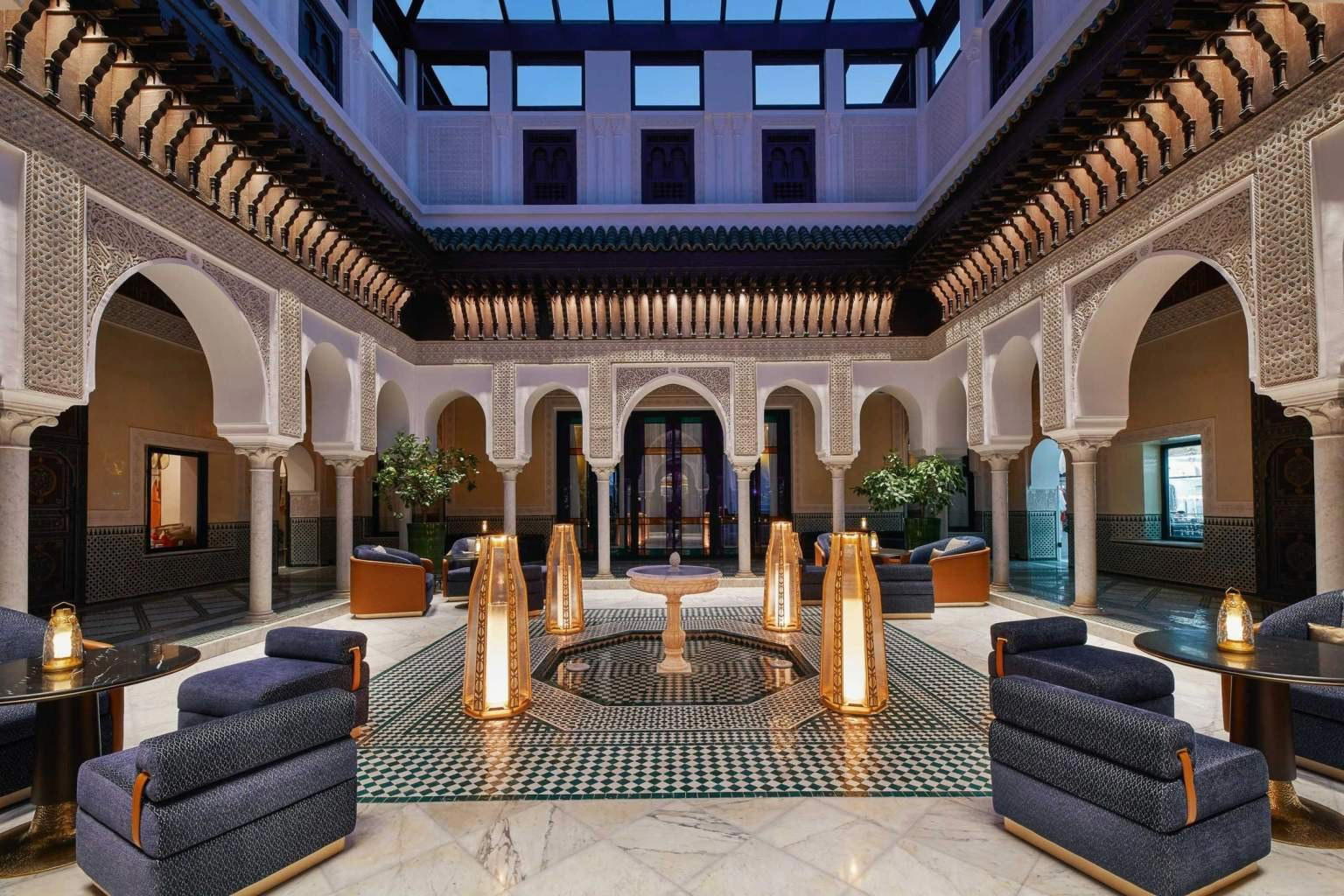
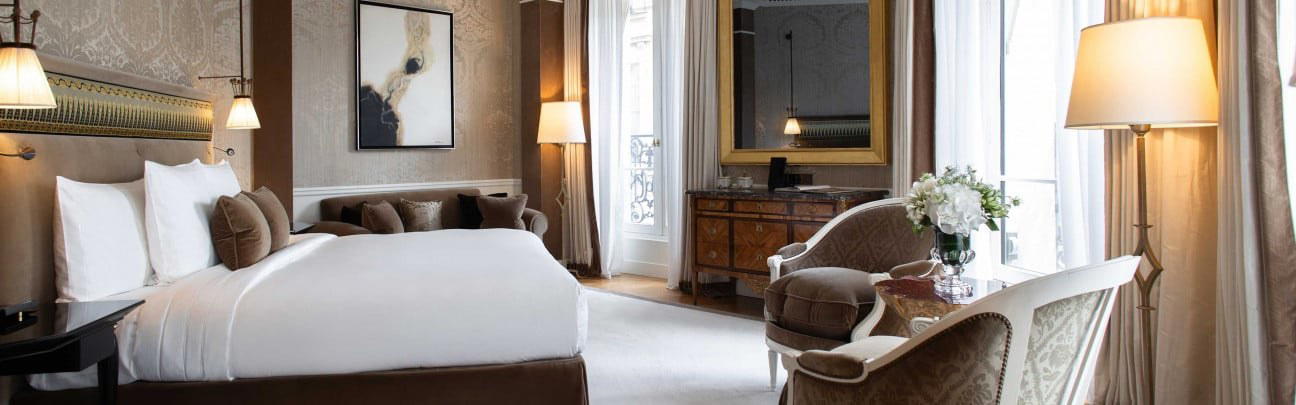
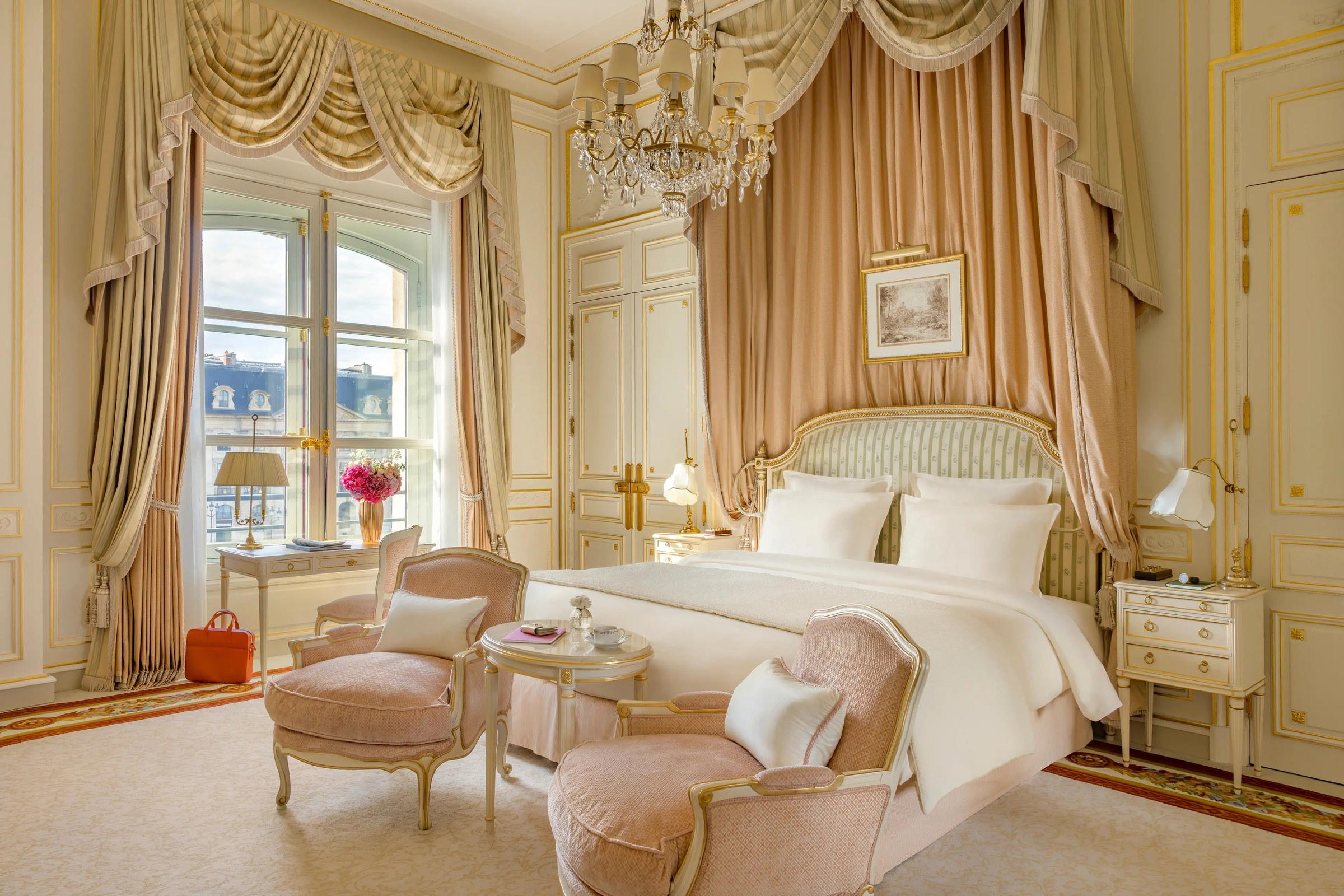
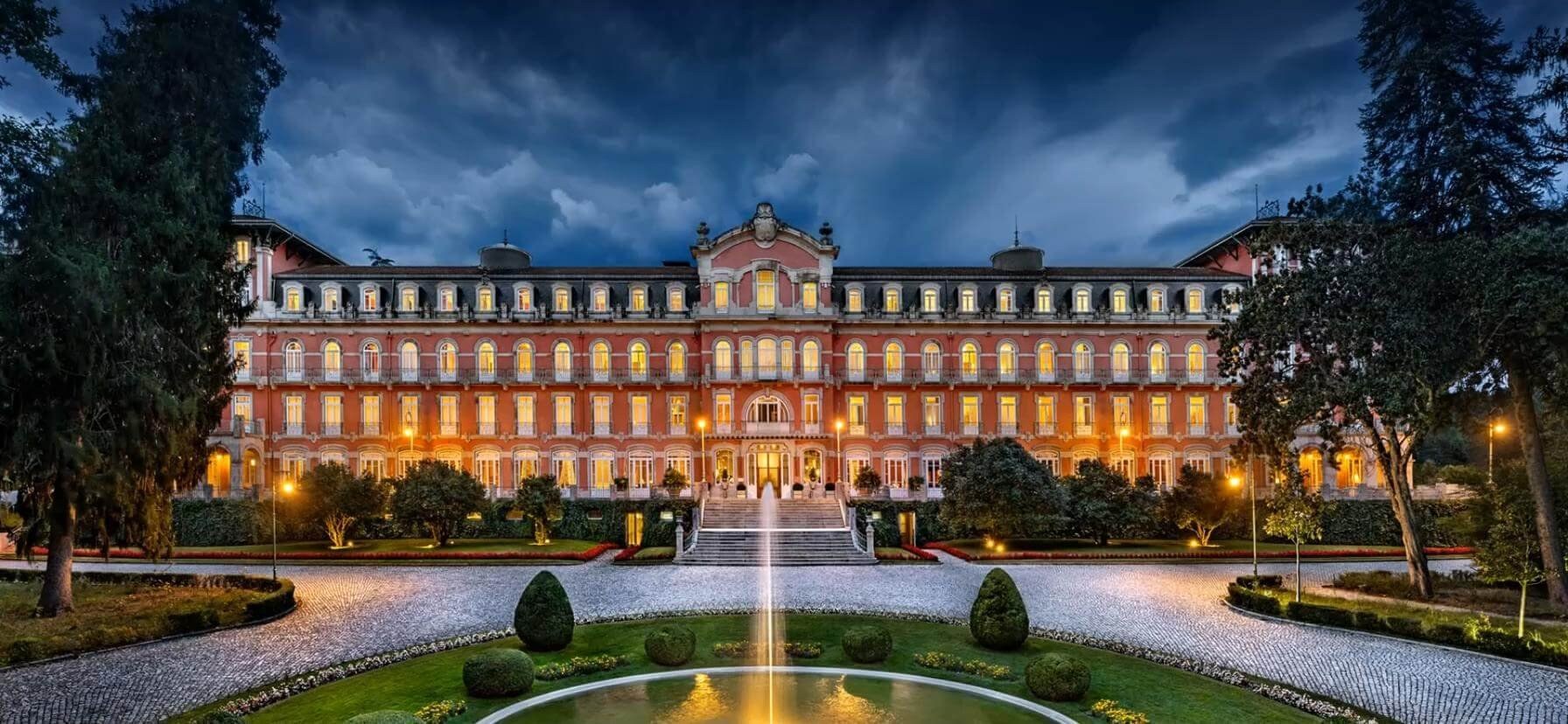
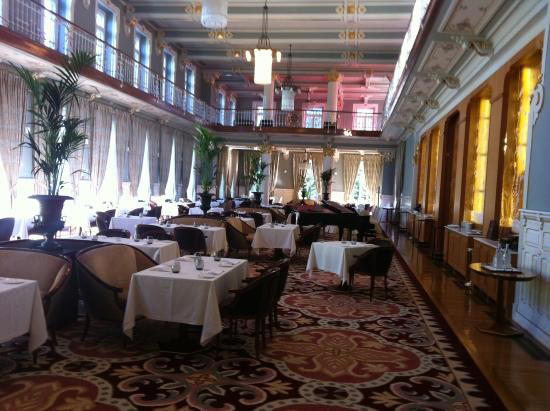
Vidago Palace presents as a restored Belle Époque landmark that foregrounds period elegance and architectural ambition. Inside, rich drapery, silk wallpaper, Venetian chandeliers, marble staircases and colorful mosaic floors reconstruct an aristocratic late-Edwardian hospitality; the interiors read as curated archaeology rather than pastiche. That historic opulence intentionally collides with a spare, contemporary spa and clubhouse by Álvaro Siza Vieira, so the overall atmosphere balances ornate, museum‑quality rooms and restrained modern interventions. Approached through a wooded park, the property feels deliberate, composed and measured — an experience rooted in history and design-minded restraint rather than casual, contemporary hotel tropes.
Best For
Vidago Palace is best for travelers seeking a restorative, design-forward escape steeped in history. The site’s long association with thermal springs and the presence of a newly designed spa make it an obvious choice for wellness-focused stays. Its grand public rooms, refined materials and intimate, aristocratic scale also suit romantic getaways and milestone stays such as honeymoons or anniversaries. At roughly an hour from Porto, it functions well as a short, luxurious weekend retreat for couples and design‑minded visitors who appreciate carefully restored historic architecture paired with contemporary spa facilities.
Stay Tips
Plan travel logistics in advance: Vidago Palace sits about an hour from Porto, so factor in transit time when arranging arrivals and departures. Reserve spa treatments ahead of your stay — the text highlights a purpose-built Spa and Clubhouse by a noted architect, indicating that wellness programming is a central feature. Allow unstructured time to walk the estate’s wooded park and to take in the restored public rooms; the restoration emphasizes material detail and finishes, so slow, exploratory time enhances the stay. If visiting for a special occasion, book early, as the property trades on a long‑standing reputation.
Venue details
Ambiance
Opulent Belle Époque interiors with marble staircases, silk wallpaper, Venetian chandeliers, and elegant lighting creating a timeless, regal atmosphere.
Tags
Vibe
Best For
Experience
Amenities
View
Accessibility
About the Stay
- Rooms
- 70
- Check-in
- 15:00
- Check-out
- 12:00
- Property Type
- Palace hotel
- Property Style
- Historic Belle Époque Palace Blending Grandeur with Modern Luxury
- Design Style
- Classic Elegance with Opulent Interiors, Marble, Silk Wallpaper, and Antique Furnishings
- Airport Transfer
- Available
- Pool
- Yes
- Spa
- Yes
- Families
- Welcome
- Cancellation
- Moderate
Know before you go
Know Before You Go
- Getting there
- Parque de Vidago, Apartado 16, 5425-307 Vidago
Planning details
Location


Also consider
Also Consider
- Ventozelo Hotel & Quinta, Notable alternative
- Q.ta da Corte, Notable alternative
- Quinta Nova Winery House, Notable alternative
- Quinta Nova de Nossa Senhora do Carmo, Notable alternative
- Torel Quinta da Vacaria - Douro Valley, Notable alternative
Hotel context
How It Compares
Vidago Palace is the more formal choice in this set, with easier booking and stronger luxury-hotel signals than the vineyard-led alternatives. Choose it when service polish, arrival experience, and a larger hotel rhythm matter. Ventozelo Hotel & Quinta and Q.ta da Corte are better fits for travelers who want the stay to feel more tied to wine-country terrain and estate atmosphere.
Quinta Nova Winery House and Quinta Nova de Nossa Senhora do Carmo should be higher on the list for vineyard immersion, especially if the trip is built around wine rather than spa-town quiet. The trade-off is that they read as destination quinta stays, while Vidago Palace reads as a staffed luxury hotel with more ceremony around the stay.
Torel Quinta da Vacaria - Douro Valley is the sharper cross-shop for guests who want a Douro Valley mood but still prefer a designed hotel experience. Pick Vidago Palace for easier logistics and more formal service expectations; pick the Douro peers when ambiance and wine-country context outweigh the need for a palace-hotel base.
Explore Vidago
Around this place
Discover more on Pearl
Unlock the full Vidago Palace guide in Pearl, including awards, comparisons, FAQs, planning details, and nearby places.
Compare Vidago Palace
| Venue | Location | Awards |
|---|---|---|
| Vidago Palace | Vidago | 2026 Virtuoso Luxury Hotel CollectionLeading Hotels of the World 20262026 Michelin 2 KeysWorld Luxury Hotel Awards 2025Michelin 2 Keys 20252025 Michelin 2 Keys |
| Ventozelo Hotel & Quinta | Ervedosa Do Douro | No published awards |
| Q.ta da Corte | Valenca Do Douro | No published awards |
| Quinta Nova Winery House | Sabrosa | 2026 Relais Chateaux Hotels2025 Relais Chateaux Award |
| Quinta Nova de Nossa Senhora do Carmo | Sabrosa | No published awards |
| Torel Quinta da Vacaria - Douro Valley | Peso da Régua | Tablet Hotels Design Awards 2026: Best New Hotel Designs (Europe)2026 Michelin 1 Key2025 Michelin 1 Key |




How Vidago Palace Vidago compares with similar nearby venues.
FAQ
Frequently Asked Questions
Is Vidago Palace good for business travel?
business-travel details are not available here. Vidago Palace may suit travelers who want a polished luxury-hotel setting in Vidago. Its 2025 Leading Hotels of World membership and 2025 World Luxury Hotel Awards recognition support that positioning. If you only need a simple stop, compare other options before booking.
How is the location of Vidago Palace?
Vidago Palace is in Vidago, so it works well if you want Vidago as the base. If you want to compare different styles of stays, Quinta Nova Winery House or Quinta Nova de Nossa Senhora do Carmo are other options to review.
Do loyalty programs work at Vidago Palace?
Vidago Palace is a Virtuoso Luxury Hotel Partner for 2026. That makes it relevant for travelers considering preferred-partner style bookings, though specific booking benefits should be checked before reserving. Ventozelo Hotel & Quinta is another option to compare.
What is check-in like at Vidago Palace?
check-in details are not available here. What can be said is that Vidago Palace has a polished luxury-hotel positioning, with 2025 Leading Hotels of World membership and 2025 World Luxury Hotel Awards recognition. Torel Quinta da Vacaria - Douro Valley is another stay to compare if you are building a broader shortlist.
How is the dining at Vidago Palace?
dining details are not available here, so do not make the restaurant the only reason to book without checking the venue's official channels. If you are comparing different stay styles, Quinta Nova Winery House or Q.ta da Corte may also be worth reviewing.
How does Vidago Palace compare to other hotels?
Vidago Palace is a choice for a recognized luxury-hotel experience in Vidago. Ventozelo Hotel & Quinta, Torel Quinta da Vacaria - Douro Valley, Quinta Nova Winery House, and Quinta Nova de Nossa Senhora do Carmo are other properties to compare depending on the kind of setting you want. For a polished base in Vidago itself, this is one to shortlist.