
La Barchessa di Villa Pisani
Bagnolo di Lonigo, Vicenza
Hotel in Vicenza, Italy
 Book with Pearl
The Read
Palladio-Authenticated Estate Stay
Why go
La Barchessa di Villa Pisani is worth booking if the point of the trip is a design-led Veneto stay outside central Vicenza, with Michelin 1 Key recognition adding a credible hotel-quality signal. Skip it if convenience, loyalty benefits, or walkable city access matter more than atmosphere and setting.
About La Barchessa di Villa Pisani
La Barchessa di Villa Pisani is a Vicenza venue with one distinction: Michelin 1 Key recognition in 2024. Use that as the main trust signal for considering it, while avoiding assumptions about specific rooms, services, dining formats, prices, or amenities unless you confirm them directly before booking.
A Vicenza venue with a Michelin Key
The recognition is Michelin 1 Key in 2024. That makes La Barchessa di Villa Pisani relevant for travelers comparing options in and around Vicenza, but it should not be read as proof of any particular room category, restaurant style, service model, or itinerary fit beyond the accolade itself.
The dress code is smart casual. For practical planning, that is the safest wardrobe guidance to rely on; any more specific expectations should be checked with the venue before arrival.
Book with the facts in mind
Choose La Barchessa di Villa Pisani if a Michelin-recognized Vicenza venue is the priority and the details you need fit your dates. If the trip depends on specific dining plans, accessibility needs, transfers, or room preferences, verify those points directly rather than relying on assumptions.
If the trip is restaurant-led, cross-check Vicenza restaurant options before committing. For broader comparisons, consider La Barchessa di Villa Pisani alongside other options such as Agriturismo Delo, Butterfly Verona, Magari Estates Hotel, Relais Balcone di Giulietta, and Vista Verona, keeping each venue's actual location and offer in mind.
The cleanest way to frame La Barchessa di Villa Pisani is simple: a Vicenza venue with Michelin 1 Key recognition in 2024 and a smart casual dress code. Anything more specific should be treated as a booking question, not a settled fact.
Inside La Barchessa di Villa Pisani
Planning details
- Location
- di Lonigo, Via Risaie, 1/3, 36045 Bagnolo VI
- Website
- labarchessadivillapisani.it
- Phone
- +39 0444 831207
The take
The Take
The Vibe
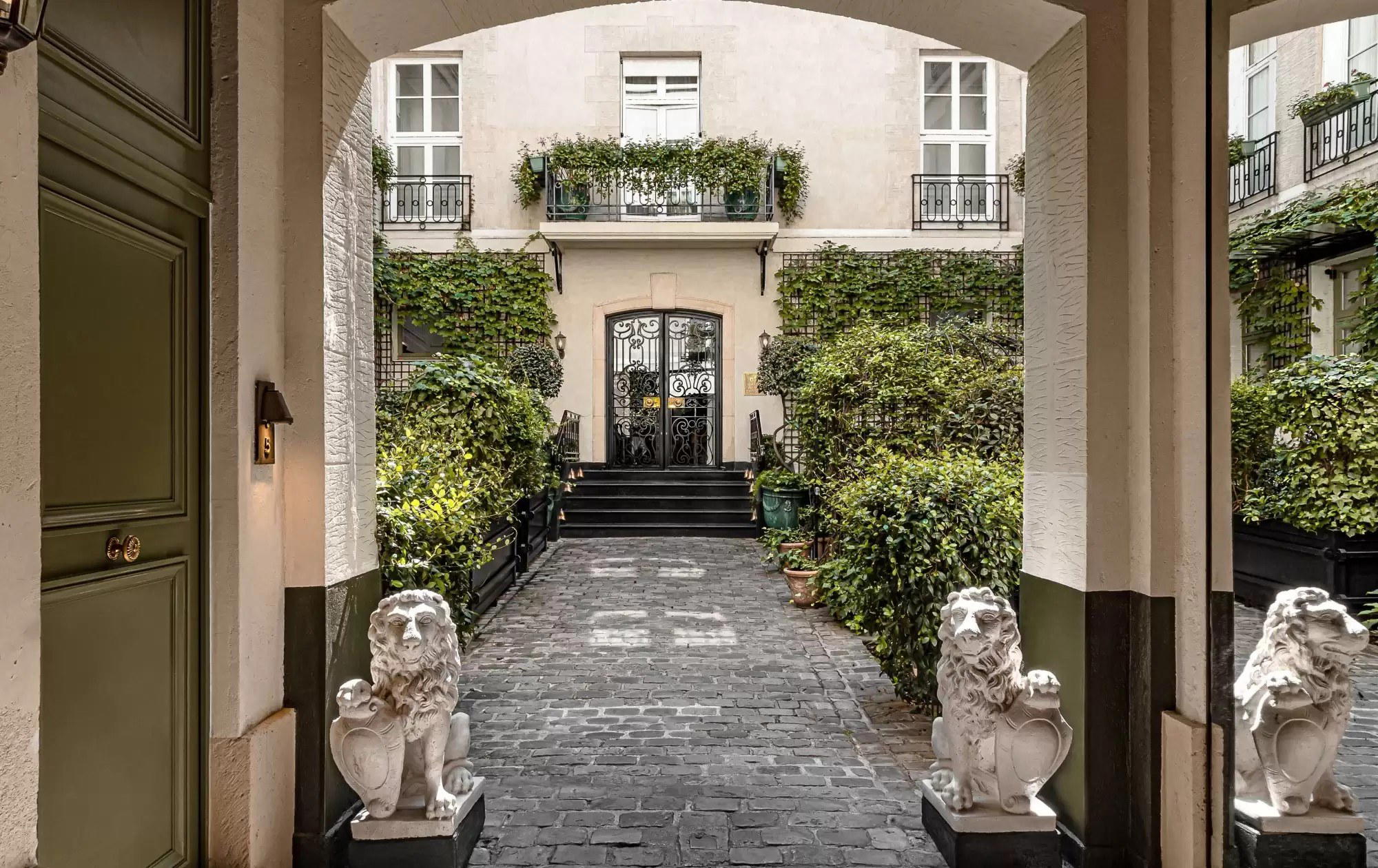
La Barchessa di Villa Pisani reads as an exercise in architectural restraint and classical order. Housed in a restored 19th-century barchessa that flanks a Palladian villa, the property foregrounds proportion, symmetry and the quiet rigor of classical design. Interiors and exteriors are framed by that historical vocabulary, so the experience feels measured rather than decorative: you notice harmonic proportions and the dialogue between contemporary interventions and the original shell. With just 16 rooms, the hotel projects a small-scale, intimate elegance — a serene, contemplative place where architecture is the principal attraction.
Best For
This is a hotel for travelers who prize architecture, history and quiet refinement. It suits couples seeking a discreet romantic escape, celebratory stays such as anniversaries, and short weekend getaways centered on slow appreciation of place. The property’s small size and attentive restoration make it less appropriate for large groups or lively nightlife-focused trips; instead it rewards visitors who want to linger over façades, colonnades and proportion, or who plan to explore Palladian villas across the Veneto as a primary reason for their trip.
Venue details
Ambiance
Quiet, elegant, and relaxing atmosphere with personal service, chic and informal vibe, peaceful surroundings praised in guest reviews.
Tags
Vibe
Best For
Experience
Amenities
View
Accessibility
About the Stay
- Rooms
- 15
- Check-in
- 15:00
- Check-out
- 12:00
- Property Type
- Heritage hotel
- Property Style
- Historic Country House in Palladian Villa Park with Traditional Architecture
- Design Style
- Rustic Chic with Individually Furnished and Decorated Rooms Preserving Original Structure
- Pool
- Yes
- Pets
- Allowed
Know before you go
Know Before You Go
- Getting there
- di Lonigo, Via Risaie, 1/3, 36045 Bagnolo VI
Planning details
Location
Recognition and awards
Also consider
Also Consider
- Magari Estates Hotel, Notable alternative
- Agriturismo Delo, Notable alternative
- Vista Verona, Notable alternative
- Butterfly Verona, Notable alternative
- Relais Balcone di Giulietta, Notable alternative
Hotel context
How it compares
La Barchessa di Villa Pisani is the pick when ambiance and a villa-country setting matter more than being in the middle of a city. Compared with Magari Estates Hotel and Agriturismo Delo, it reads as the more design-led choice for a quieter Veneto stay, while the agriturismo-style option is likely to suit travelers who want a more rural, casual base.
For travelers who want Verona energy, Vista Verona, Butterfly Verona, and Relais Balcone di Giulietta are better cross-shops. They make more sense for restaurant-heavy evenings, shorter stays, or guests who do not want to manage transport from a quieter address. La Barchessa di Villa Pisani is more persuasive for a slower itinerary where the hotel setting is part of the trip.
Booking difficulty should be treated as high for the target property, so have a backup. If the priority is a comparable countryside mood, try Agriturismo Delo first. If the trip cannot work without city access, move the search to Vista Verona or Relais Balcone di Giulietta rather than forcing a rural base into an urban itinerary.
Explore Vicenza
Around this place
Discover more on Pearl
Unlock the full La Barchessa di Villa Pisani guide in Pearl, including awards, comparisons, FAQs, planning details, and nearby places.
Compare La Barchessa di Villa Pisani
| Venue | Location | Awards |
|---|---|---|
| La Barchessa di Villa Pisani | Vicenza | 2026 Michelin 1 KeyMichelin 1 Key 20252025 Michelin 1 Key2024 Michelin 1 Key |
| Magari Estates Hotel | Colognola ai Colli | No published awards |
| Agriturismo Delo | Verona | No published awards |
| Vista Verona | Verona | 2026 Michelin 1 KeyWorld Luxury Hotel Awards 20252025 Michelin 1 KeySmall Luxury Hotels Member 2025 |
| Butterfly Verona | Verona | No published awards |
| Relais Balcone di Giulietta | Verona | No published awards |



How La Barchessa di Villa Pisani Vicenza compares with similar nearby venues.
FAQ
Frequently Asked Questions
How is the location of La Barchessa di Villa Pisani?
La Barchessa di Villa Pisani is in Vicenza. Specific street-address details are not provided, so confirm the exact arrival point with the venue before travel. The recognition is Michelin 1 Key in 2024.
Is La Barchessa di Villa Pisani family-friendly?
Information about family-specific services is not available. If you are booking with children, confirm room setup, policies, and any practical requirements directly with the venue before reserving.
When is the best time to book La Barchessa di Villa Pisani?
Seasonal or day-of-week booking guidance is not available. Book based on your travel dates and confirm availability directly. The distinction to note is Michelin 1 Key recognition in 2024.
Which room category is best at La Barchessa di Villa Pisani?
Room-category guidance is not available. If the room choice matters, ask the venue directly which category best fits your preferences before booking.
How does La Barchessa di Villa Pisani compare to other venues?
La Barchessa di Villa Pisani is a Vicenza venue with Michelin 1 Key recognition in 2024. For comparison, you can also look at options such as Agriturismo Delo, Butterfly Verona, Magari Estates Hotel, Relais Balcone di Giulietta, and Vista Verona, without assuming they serve the same location, style, or purpose.
Do loyalty programs work at La Barchessa di Villa Pisani?
Information about loyalty-program participation is not available. Confirm any points, benefits, or membership privileges directly before booking. The trust signal is Michelin 1 Key recognition in 2024.
What is check-in like at La Barchessa di Villa Pisani?
Specific check-in details are not available. Confirm arrival time, access instructions, and any required documents directly with the venue before travel. The dress code is smart casual.