

The Venice Venice Hotel
Venice Beach, Venice
Hotel in Venice, United States
 Book with Pearl
The Read
Post-Venetian Palazzo Disruption
Why go
A strong pick for travelers who want a more selective Venice stay with serious hotel recognition, not a default points-and-resort booking. Suite-level spend is worth considering for longer stays or work-leisure trips, but standard rooms make more sense for quick overnights unless the upgrade gap is modest.
About The Venice Venice Hotel
The profile for The Venice Venice Hotel is deliberately limited: it is a hotel in Venice with a casual dress code and two confirmed recognition points, Condé Nast Gold List (2026) and MICHELIN Guide, Hotels Selected (2025). Beyond those facts, travelers should avoid assuming specific room types, service breadth, dining details, pricing, loyalty benefits, or operational features unless they are confirmed directly at booking.
Use this page as a conservative booking-fit check rather than a full hotel review. The confirmed accolades support treating the property as a recognized hotel option in Venice, but the practical decision should still come from current rates, cancellation terms, room descriptions, and any services that matter for the trip.
Choose this for confirmed recognition, then verify the stay details
The strongest case is recognition: Condé Nast's 2026 Gold List and MICHELIN's 2025 hotel selection both point to meaningful hotel credibility. What is not here is the full scope of amenities, dining format, service model, or brand-style benefits, so travelers should compare the live booking details carefully before relying on any specific feature.
If the trip requires a broader or different hotel setup, compare current information with Hotel Erwin Venice Beach, The Ritz-Carlton, Marina del Rey, Casa del Mar, Shutters on the Beach, and Viceroy Santa Monica. The right choice depends less on reputation alone and more on what is confirmed for the exact dates: room description, rate flexibility, included services, and any practical needs the stay must cover.
Room-category value depends on the current booking details
No room-category or pricing details are available here, so category value should not be assumed in advance. If considering a higher category, judge it against the current rate difference and the officially listed room details. A premium may make sense when confirmed extra space or features will materially improve the stay; otherwise, avoid upgrading on reputation alone.
Business and leisure travelers should apply the same standard: the hotel has confirmed recognition, but this guide does not verify meeting facilities, loyalty-program benefits, dining specifics, or other operational details. Confirm those directly if they are important.
Quick reference: book for a Venice hotel with confirmed Condé Nast Gold List 2026 and MICHELIN Guide 2025 hotel recognition; verify room, service, and rate details before choosing a higher category.
Planning details
- Location
- Sestiere Cannaregio, 5631, 30121
The take
The Take
The Vibe
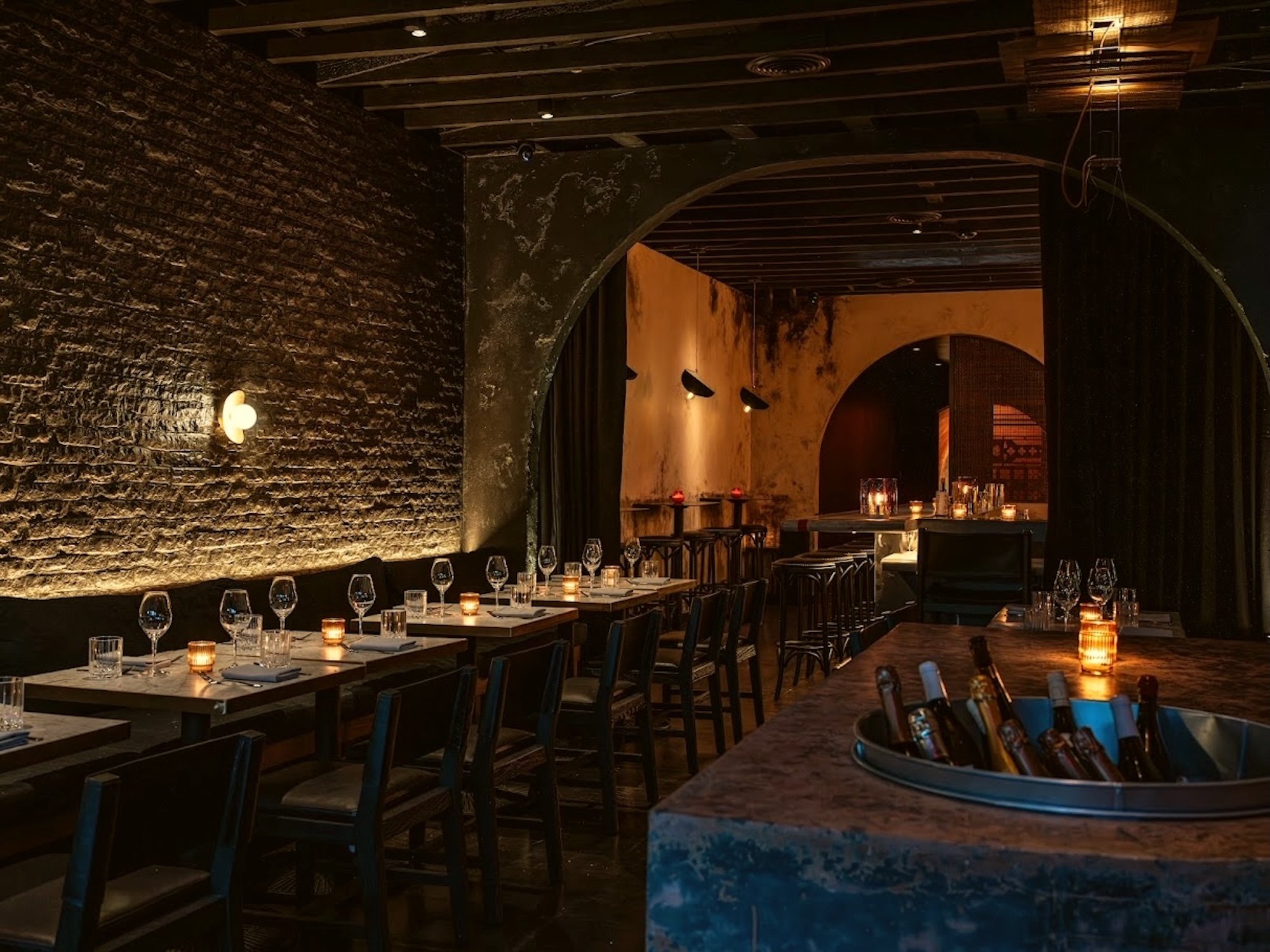
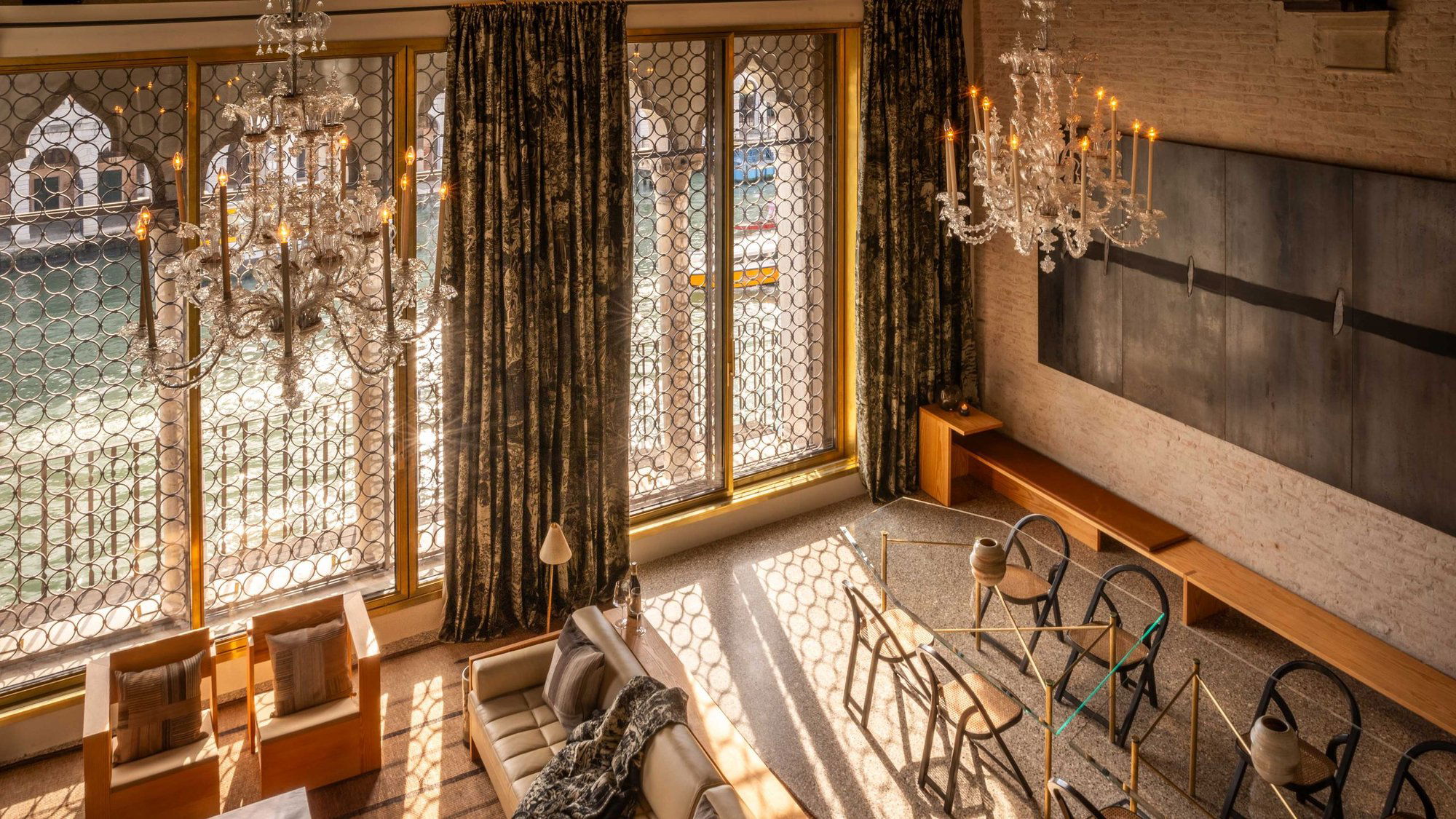
The Venice Venice Hotel lives in deliberate tension: a thirteenth-century Venetian-Byzantine palazzo on the Grand Canal becomes the frame for a deliberately contemporary, post-Venetian interior. The editorial voice here prizes provocation over preservation, swapping museum-like reverence for bold design interventions and contemporary art. Guests encounter historic masonry and facade while the interiors stage collisions between old fabric and new ideas, positioning the hotel as a sophisticated, scenic hideaway that reads as both a landmark and a modern statement. It feels measuredly luxurious rather than antiquarian—an articulate counterpoint to Venice’s more deferential palazzi.
Best For
This hotel suits travelers who prize design thinking as much as location. With one of Venice’s oldest palazzi repurposed through a post-Venetian design programme, it appeals to visitors seeking contemporary artful interventions rather than period-accurate interiors. The Grand Canal address makes it attractive for those who want central, scenic access to Venice’s waterways while staying in a property that explicitly rejects museum-like quietude. It’s a compelling pick for culture-minded solo explorers or couples looking for a refined, provocative stay within the premium hotel tier.
Stay Tips
When booking, prioritize the canal-front provenance described in the property's profile: occupying Ca' da Mosto directly on the Grand Canal suggests that canal-facing accommodations or views are central to the experience. Expect an emphasis on contemporary design rather than restored period rooms—if you prefer historic-authentic interiors, this hotel intentionally leans the other way. Given its positioning in the premium tier and its architectural pedigree, reserve early and confirm room orientation with the hotel to secure the most scenic placement on the canal.
Venue details
Ambiance
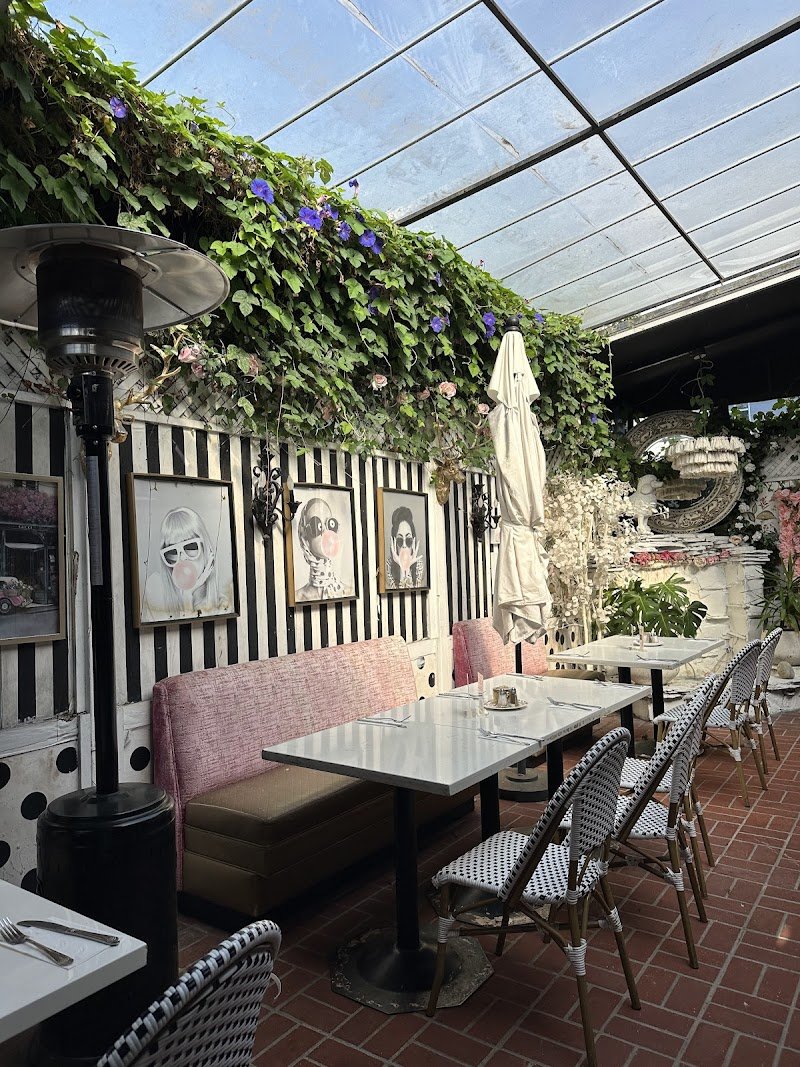
Soulful blend of historic period details and modern amenities with bohemian, artistic, and skater-themed rooms, rooftop deck offering stunning beach sunsets.
Tags
Vibe
Best For
Experience
Amenities
View
Accessibility
About the Stay
- Rooms
- 0
- Property Type
- Boutique hotel
- Property Style
- Beachfront Lifestyle Boutique in Reimagined Historic Landmark
- Design Style
- Eclectic Bohemian and Artistic with Local Venice Influences
- Pets
- Allowed
Know before you go
Know Before You Go
- Getting there
- Sestiere Cannaregio, 5631, 30121
Planning details
Location
Sestiere Cannaregio, 5631, 30121 · Directions
Recognition and awards

Also consider
Where to look if this does not fit
If suite pricing feels hard to justify, cross-shop Hotel Erwin Venice Beach first for a simpler Venice-area stay. If the trip needs business-ready service structure or loyalty certainty, The Ritz-Carlton, Marina del Rey is the cleaner backup.
Hotel context
How It Compares
Choose The Venice Venice Hotel if the goal is a more selective, design-led stay with strong recognition signals. Hotel Erwin Venice Beach is the more obvious Venice Beach comparison for travelers who want an easier, more casual beach-area base, while this hotel makes more sense when atmosphere matters more than plug-and-play convenience.
The Ritz-Carlton, Marina del Rey is the safer choice for travelers who want a larger luxury-hotel framework, especially for business needs or loyalty expectations. Casa del Mar and Shutters on the Beach are stronger fits when the trip is built around classic coastal hotel comfort and beach-facing polish.
Viceroy Santa Monica is the better cross-shop for travelers who want Santa Monica energy with a more familiar luxury-hotel setup. The Venice Venice Hotel is the sharper pick for repeat visitors who already know the area and want the stay itself to feel more considered.
Explore Venice
Around this place
Discover more on Pearl
Unlock the full The Venice Venice Hotel guide in Pearl, including awards, comparisons, FAQs, planning details, and nearby places.
Compare The Venice Venice Hotel
| Venue | Location | Awards |
|---|---|---|
| The Venice Venice Hotel | Venice | Conde Nast Gold List 20262025 Michelin Selected Hotels |
| Hotel Erwin Venice Beach | Los Angeles | No published awards |
| The Ritz-Carlton, Marina del Rey | Los Angeles | 2026 Forbes 4-StarStar Wine Lists 20262025 Forbes 4-Star |
| Casa del Mar | Los Angeles | 2026 Virtuoso Luxury Hotel Collection2026 Forbes 4-StarStar Wine Lists 20262026 Michelin 1 Key2025 Michelin 1 Key2025 Forbes 4-StarPreferred Hotels Member 20252024 Michelin 1 Key |
| Shutters on the Beach | Los Angeles | 2026 Virtuoso Luxury Hotel Collection2026 Forbes 4-StarStar Wine Lists 20262026 Michelin 1 Key2025 Michelin 1 Key2025 Forbes 4-StarPreferred Hotels Member 20252024 Michelin 1 Key |
| Viceroy Santa Monica | Los Angeles | 2026 Forbes RecommendedStar Wine Lists 20262026 Mr & Mrs Smith Luxury Hotels2025 Michelin Selected Hotels2025 Forbes Recommended |






How The Venice Venice Hotel Venice compares with similar nearby venues.
FAQ
Frequently Asked Questions
Is The Venice Venice Hotel good for business travel?
It may be a fit if you want a recognized hotel in Venice, but this guide does not verify meeting facilities, loyalty benefits, or business-specific services. The confirmed signals are Condé Nast Gold List (2026), MICHELIN Guide, Hotels Selected (2025), and a casual dress code. Confirm practical work needs directly before booking.
When is the best time to book The Venice Venice Hotel?
No booking window or seasonal pricing pattern is available here. Book based on current rates, cancellation terms, and room descriptions, then compare the stay against options like Shutters on the Beach or Casa del Mar if your dates and priorities are flexible.
How is the dining at The Venice Venice Hotel?
This guide does not verify a specific restaurant, chef, cuisine, menu format, or dining service at The Venice Venice Hotel. Treat dining details as something to confirm directly with the hotel; the information here is hotel recognition and casual dress code, not a dining program.
Do loyalty programs work at The Venice Venice Hotel?
No loyalty-program information is available here. If earning, redeeming, or receiving status benefits matters, confirm the policy directly and compare with another option such as Viceroy Santa Monica.
Which room category is best at The Venice Venice Hotel?
No room-category details are available here. Choose based on the hotel's current room descriptions, rate differences, and cancellation terms. If you want to compare against another hotel option, The Ritz-Carlton, Marina del Rey is a useful reference point.