
Il Palazzo Experimental
Dorsoduro, Venice
Hotel in Venice, Italy
 Book with Pearl
The Read
Cocktail-Forward Canal Hotel
Why go
Il Palazzo Experimental is worth booking if you want a design-led Venice stay on the Dorsoduro side rather than a grand-palace hotel near the busiest sights. Michelin 1 Key recognition in 2024 and a Mr & Mrs Smith Seal of Approval in 2026 add useful confidence, but the main reason to choose it is location and mood, not resort-scale amenities.
About Il Palazzo Experimental
Il Palazzo Experimental is a Venice hotel with Michelin 1 Key recognition for 2024 and a Mr & Mrs Smith Seal of Approval for 2026. The dress code is smart-casual.
That makes the booking question direct: consider Il Palazzo Experimental if those recognitions matter to you and the hotel fits your Venice plans. For anything more specific, such as room configuration, amenities, restaurant details, or arrival logistics, check the hotel directly before booking.
A Venice base with premium recognition
Il Palazzo Experimental has Michelin 1 Key recognition for 2024 and the Mr & Mrs Smith Seal of Approval for 2026. Those are useful signals for travelers comparing premium hotels in Venice. For specific facilities, dining formats, or neighborhood details, check directly before booking.
If the trip is mainly restaurants or bars, build the hotel decision around your own itinerary and booking details. You can also use Our full Venice restaurants guide and Our full Venice bars guide when planning time in the city.
Who should book it, and who should cross-shop
Book Il Palazzo Experimental if you want a Venice hotel with premium recognition and you are comfortable checking practical details directly with the property. Cross-shop Nani Mocenigo Palace, Hilton Molino Stucky Venice, Ca' Pisani Hotel, Ca' Pisani Deco Design Hotel, and Palazzina Grassi if you are comparing different Venice hotel styles before committing.
For a wider Venice hotel shortlist, keep the comparison focused on your needs: dates, budget, room type, cancellation terms, and any amenities that matter to your trip. Do not assume specific dining, spa, pool, loyalty, or location details without checking the hotel directly.
Planning details
- Location
- Fondamenta Zattere Al Ponte Lungo, 1411, 30123 Venezia VE
- Website
- palazzoexperimental.com
- Phone
- +39 041 098 0200
The take
The Take
The Vibe
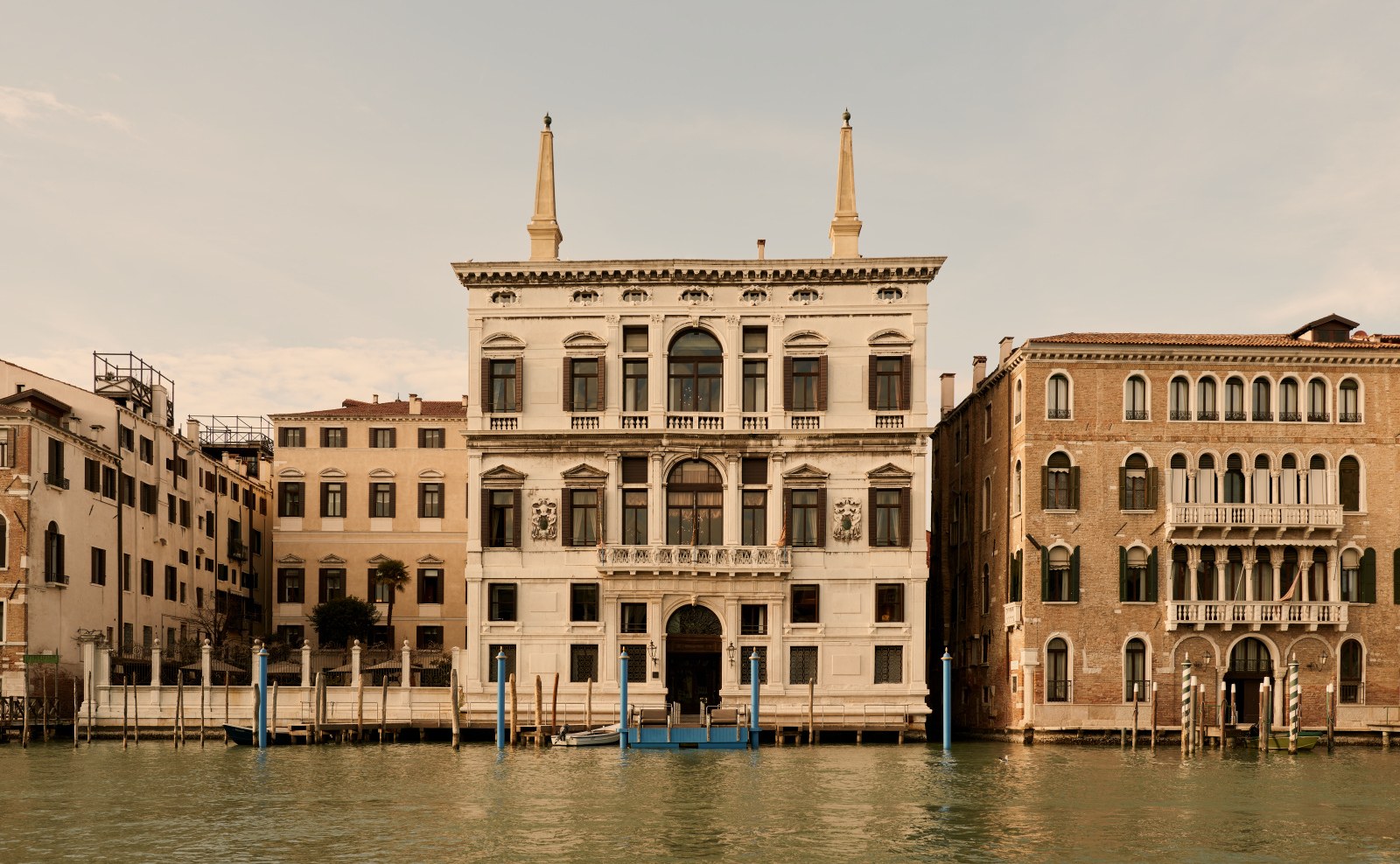
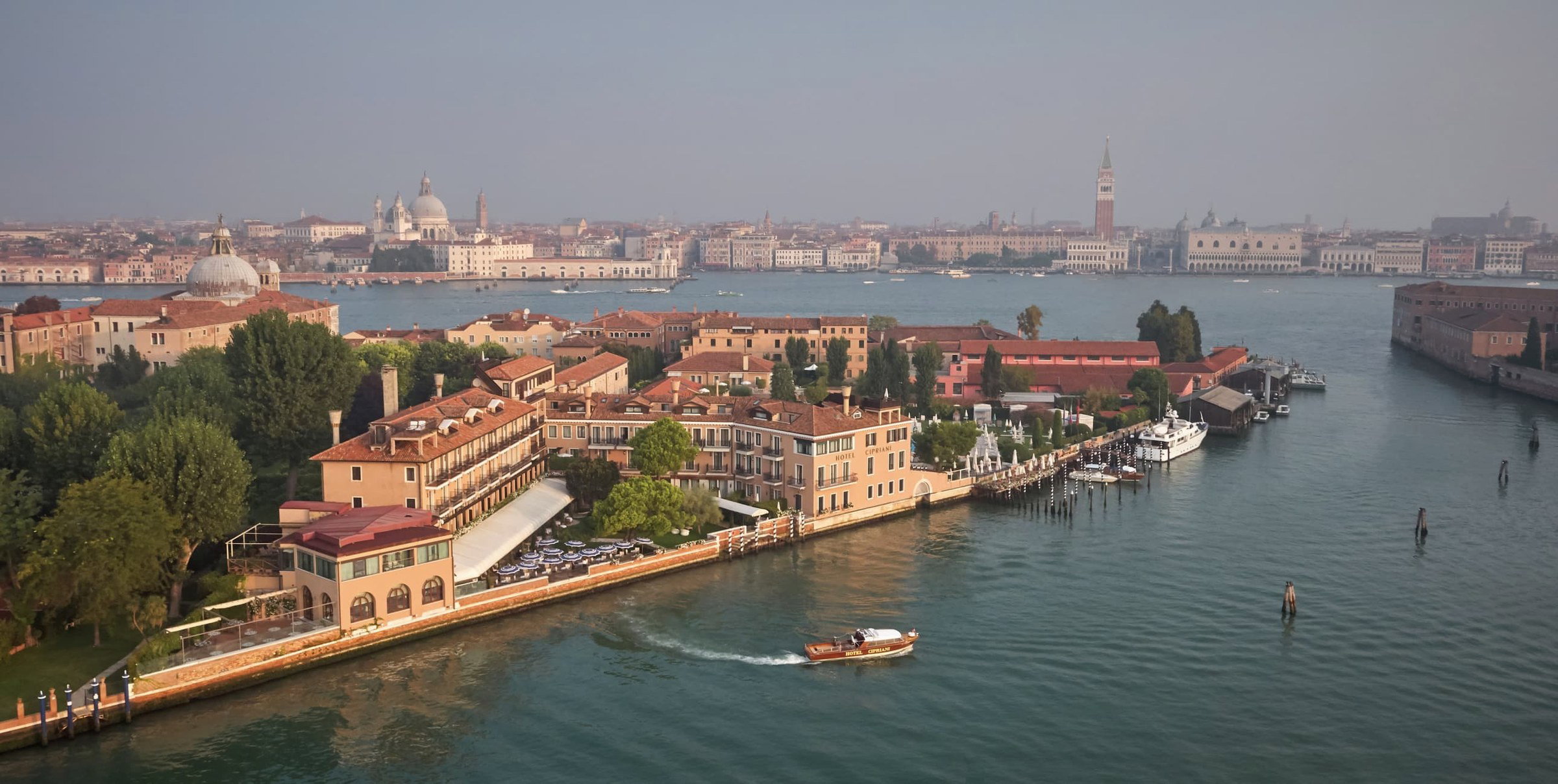
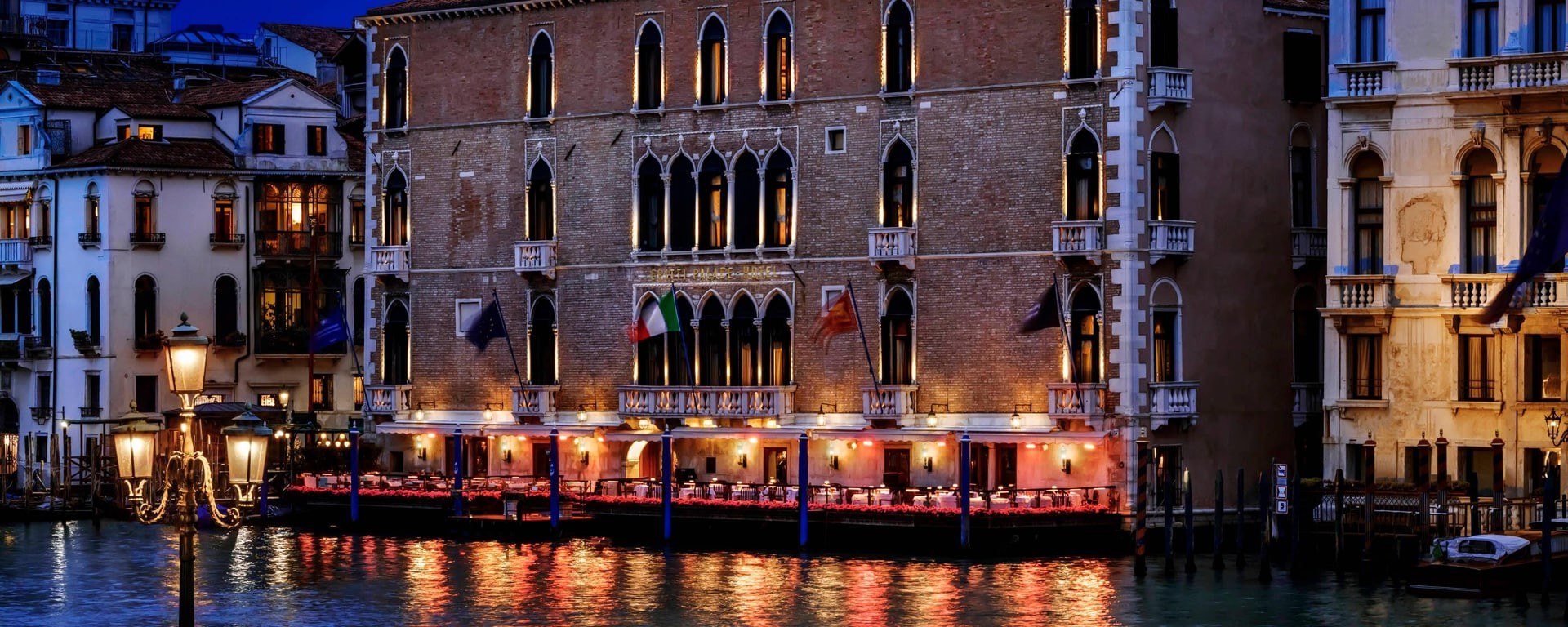
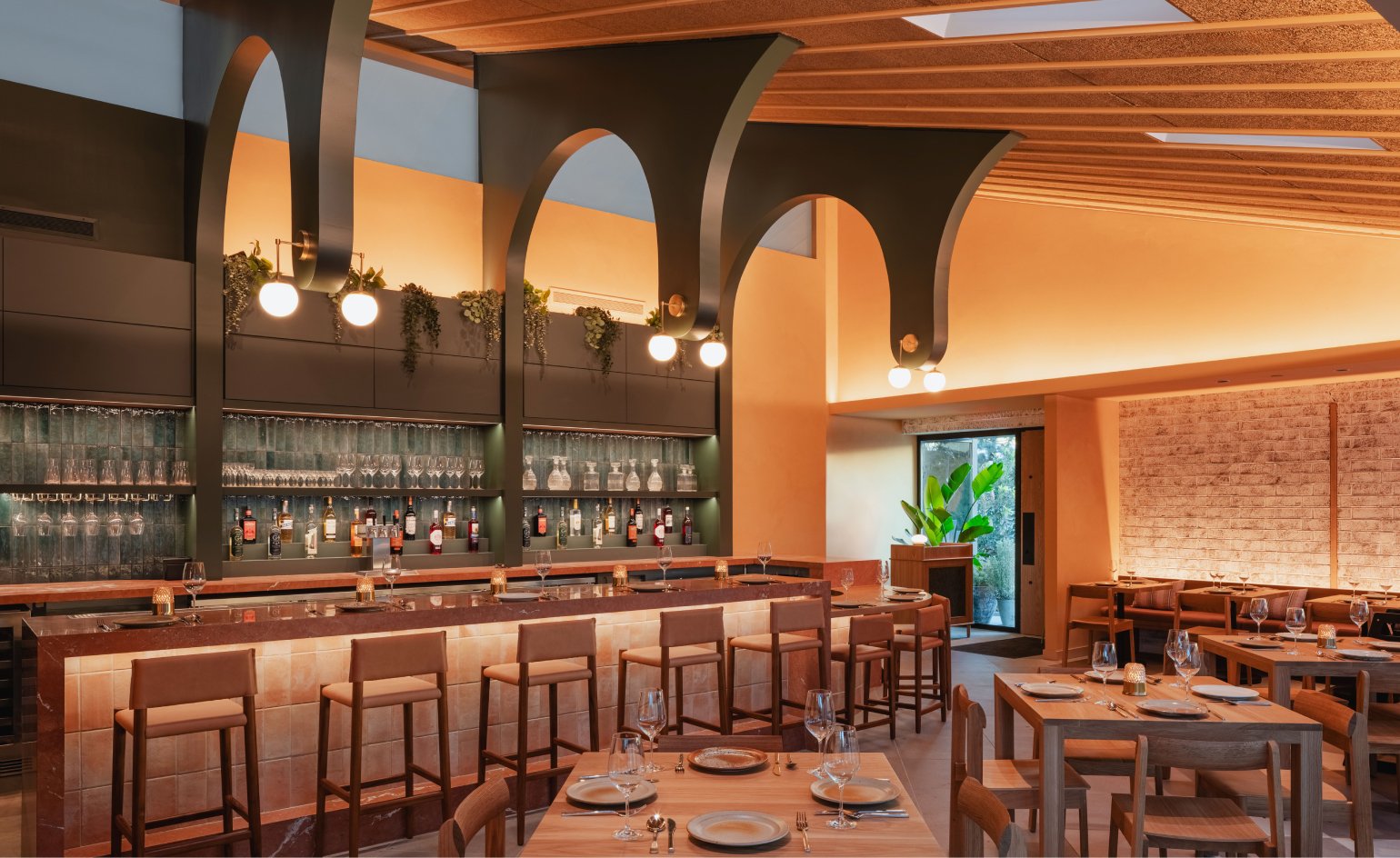
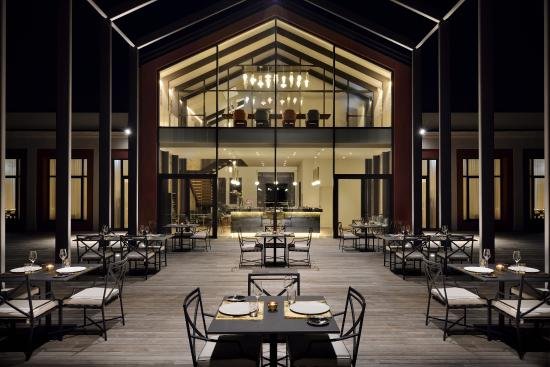
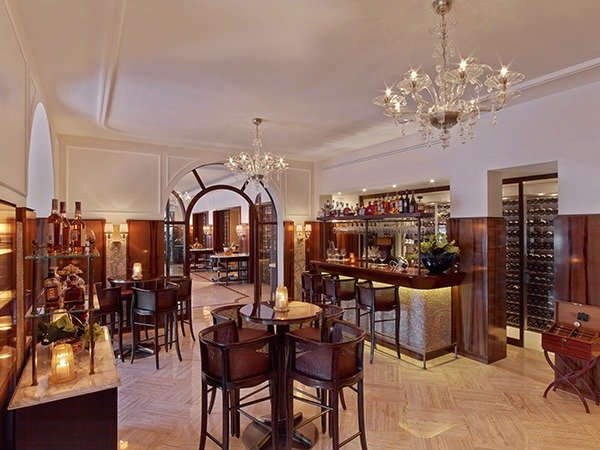
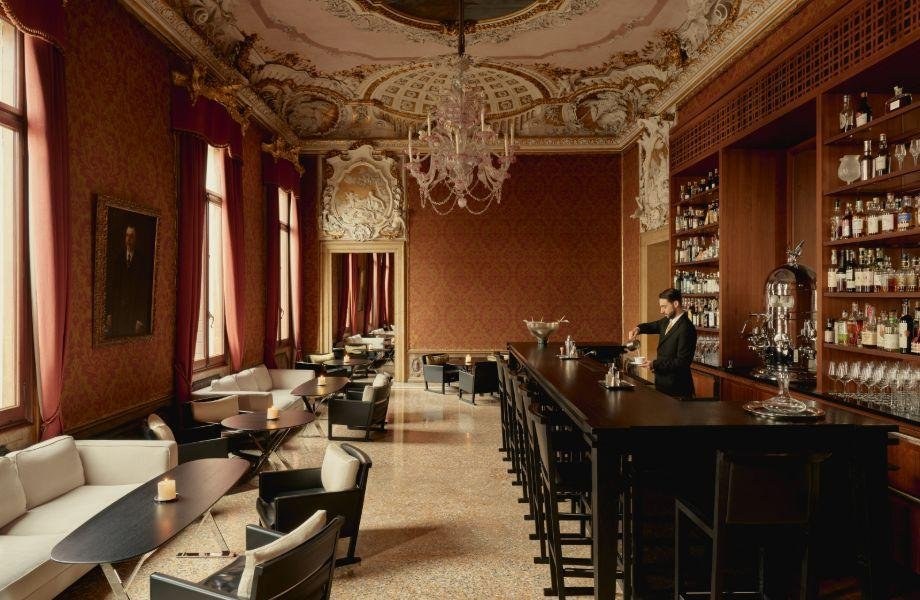
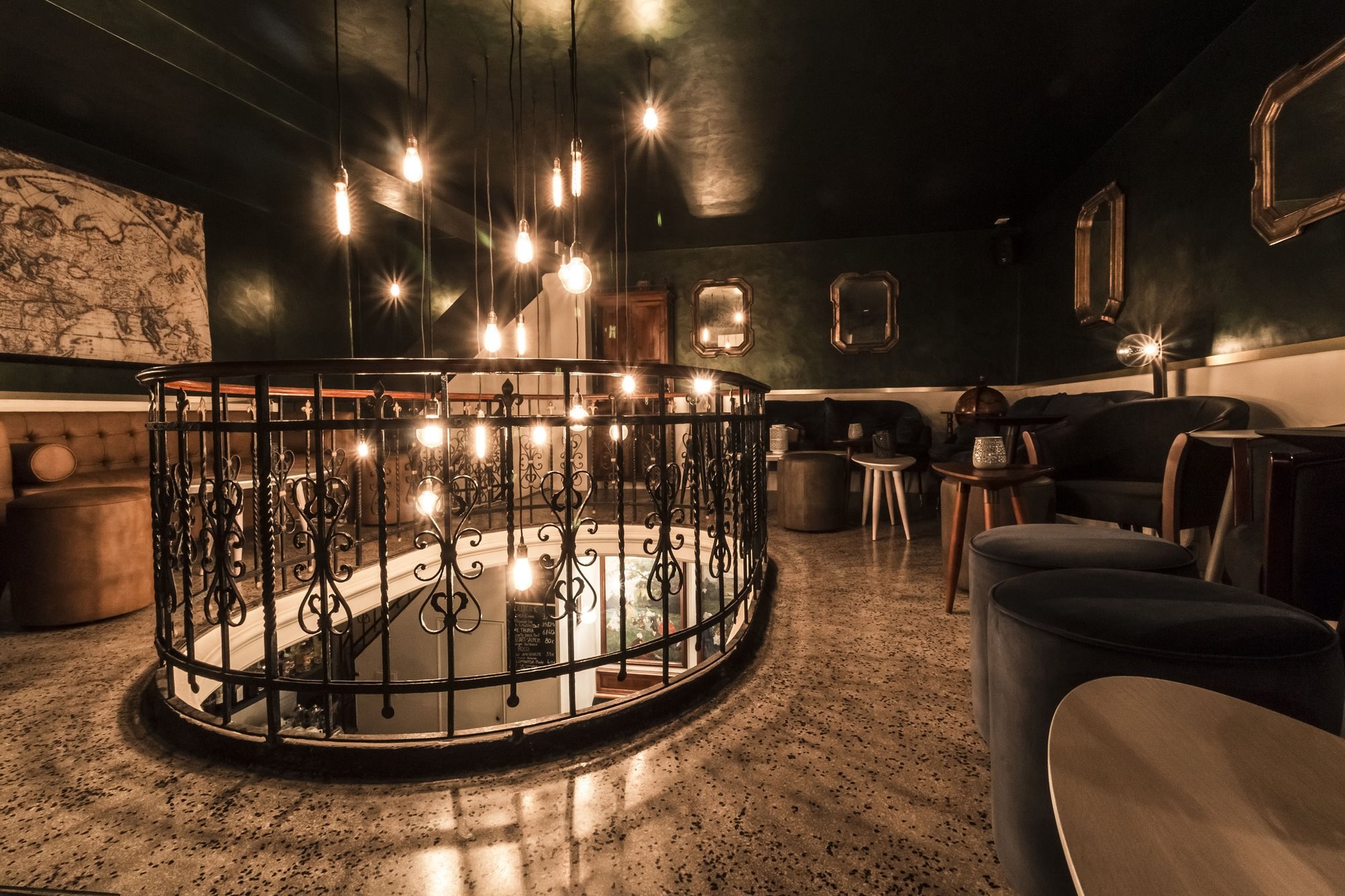
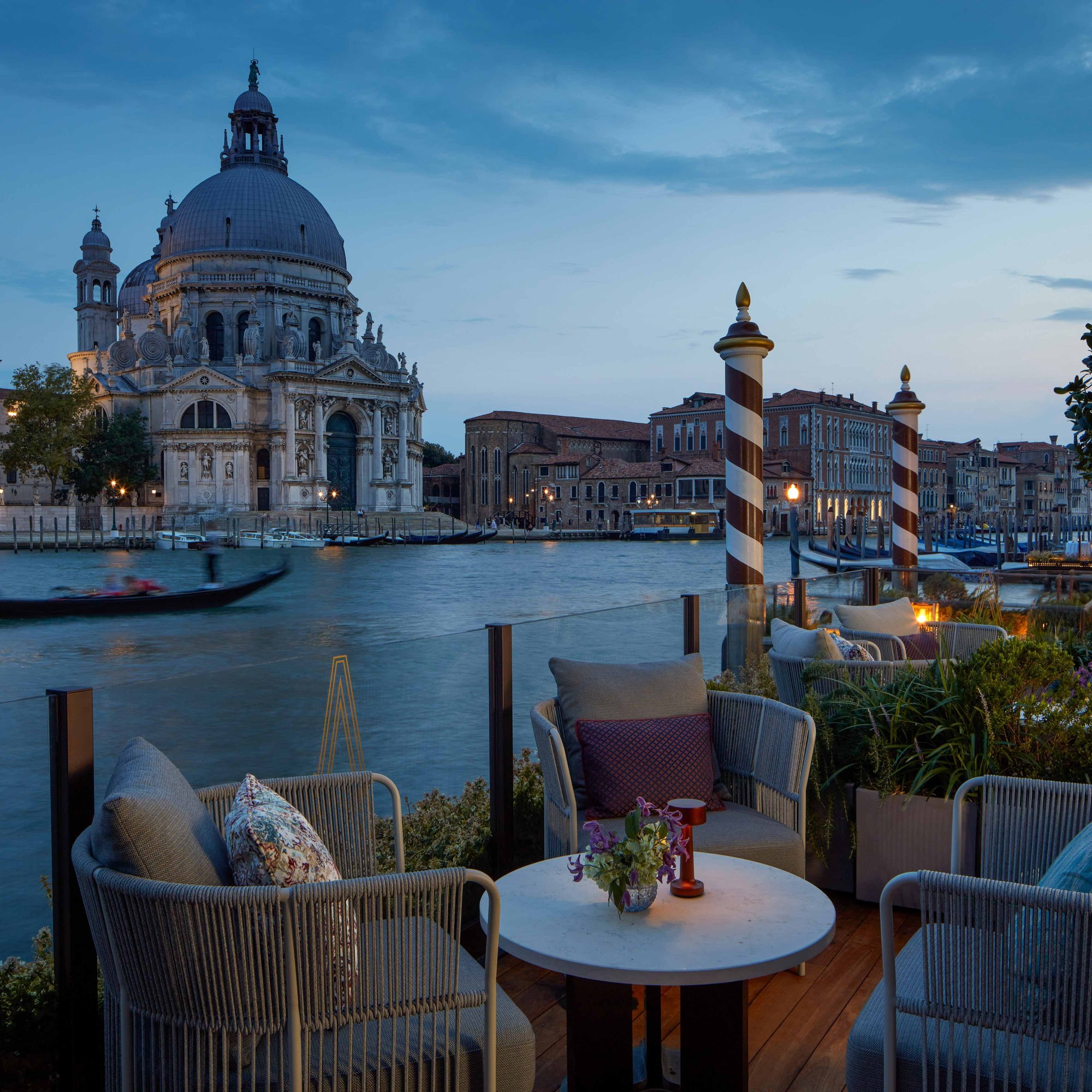
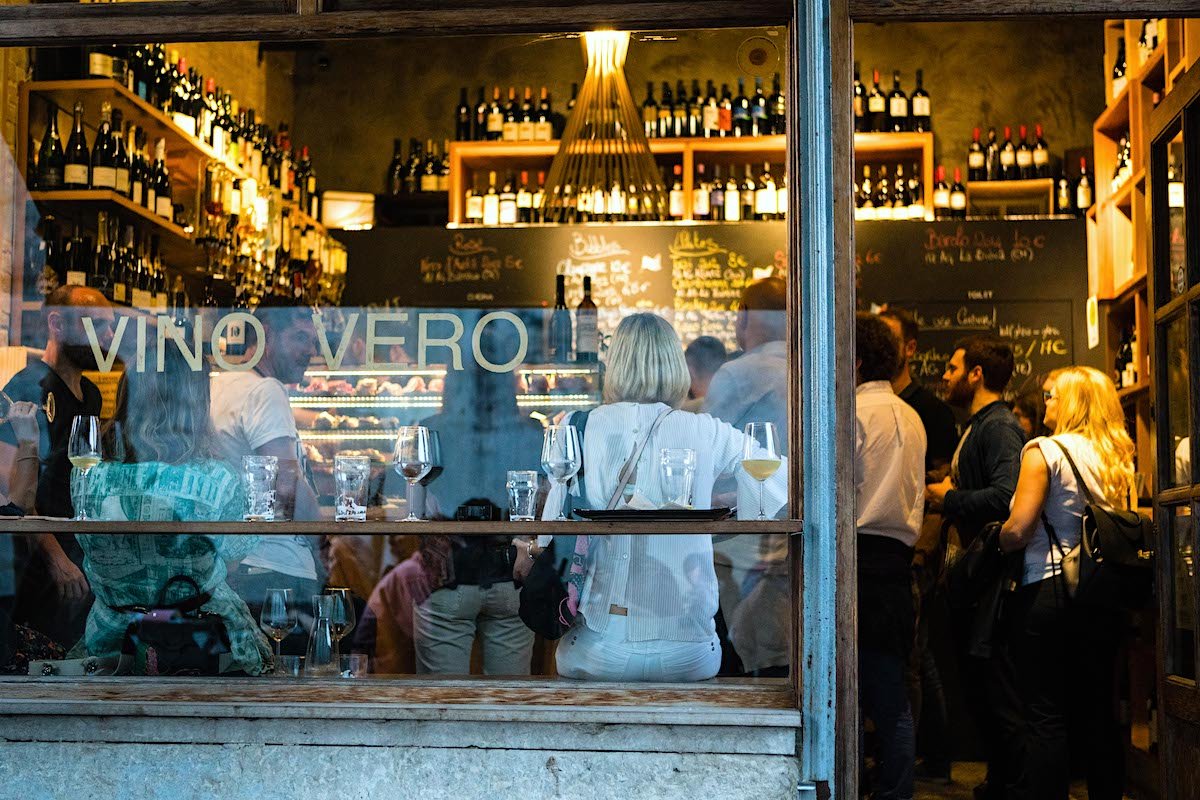
Il Palazzo Experimental arrives in Venice with a distinctly bar-first personality: a compact, design-forward hotel where the Experimental Cocktail Club functions as the property's organizing principle. The 32-room house situates itself on the Zattere, facing the Giudecca Canal, and deliberately sidesteps the tourist-thronged corridors of San Marco and the Rialto. That choice creates a boutique, purpose-built energy—more focused on late-night social life and carefully crafted drinks than on conventional luxury checklists. The atmosphere reads as stylish and current, the kind of place that feels like a city cocktail bar transplanted into an intimate Venetian palazzo.
Best For
This hotel is best for travelers who prioritize cocktail culture and waterfront atmosphere over sprawling resort amenities. It appeals to couples and small groups looking for an evening-focused stay—think date nights, late-night cocktails, and short weekend escapes rooted in design and drink craft. With just 32 rooms and a bar program that the brand built its reputation on, Il Palazzo Experimental suits visitors who want to be based on the Zattere, close to Venetian rhythms but slightly removed from the busiest tourist circuits. It’s a destination for people who come for the cocktails as much as for the canals.
Stay Tips
Treat the bar as the main draw: visit in the evening to experience the Experimental Cocktail Club’s program, which the hotel foregrounds as central to its identity. Opt for classic-to-contemporary cocktails and let the bartenders guide you through the menu if you want a curated experience. Because the property emphasizes nightlife in a city that otherwise quiets down after dark, plan your evening around the bar rather than the hotel restaurant. Keep in mind the hotel’s small scale—arriving earlier in the night can help secure a favorable spot at the bar.
Venue details
Ambiance
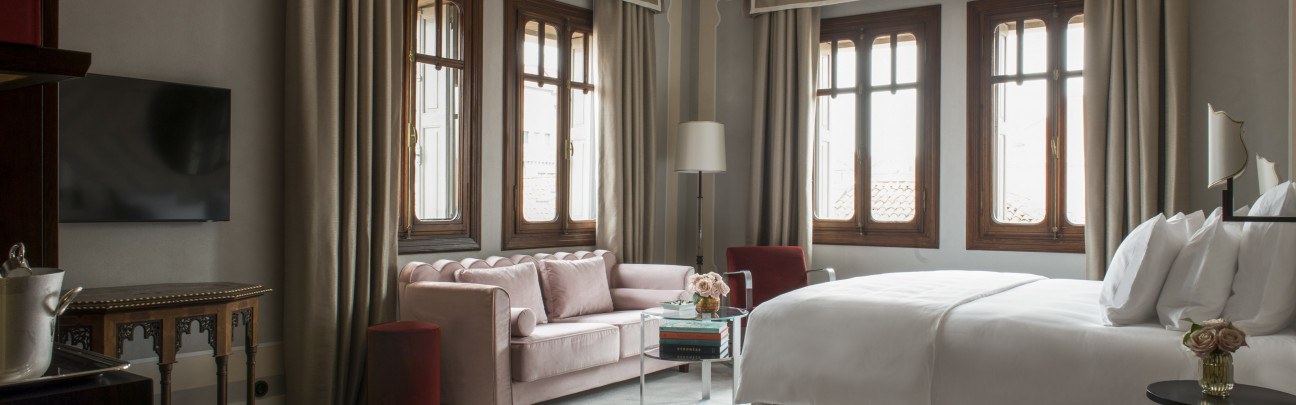
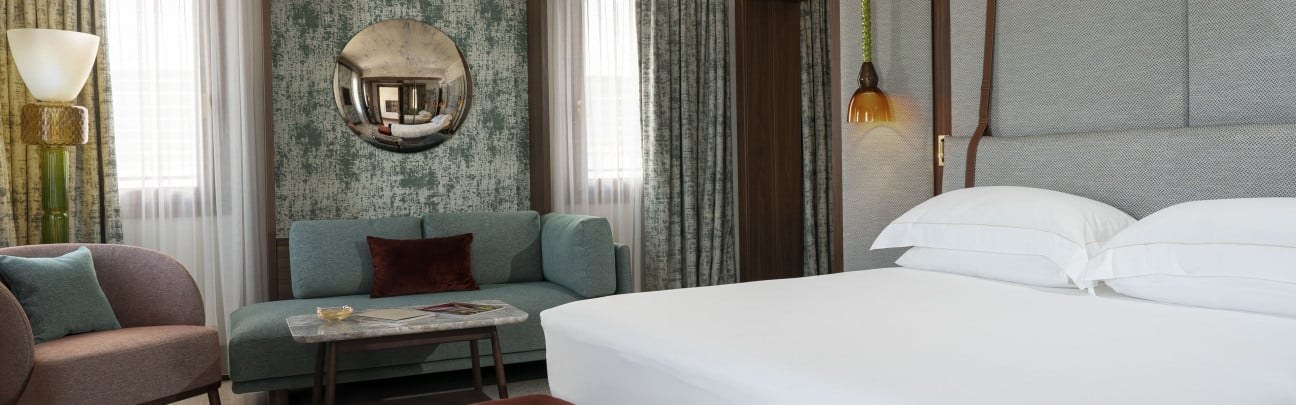
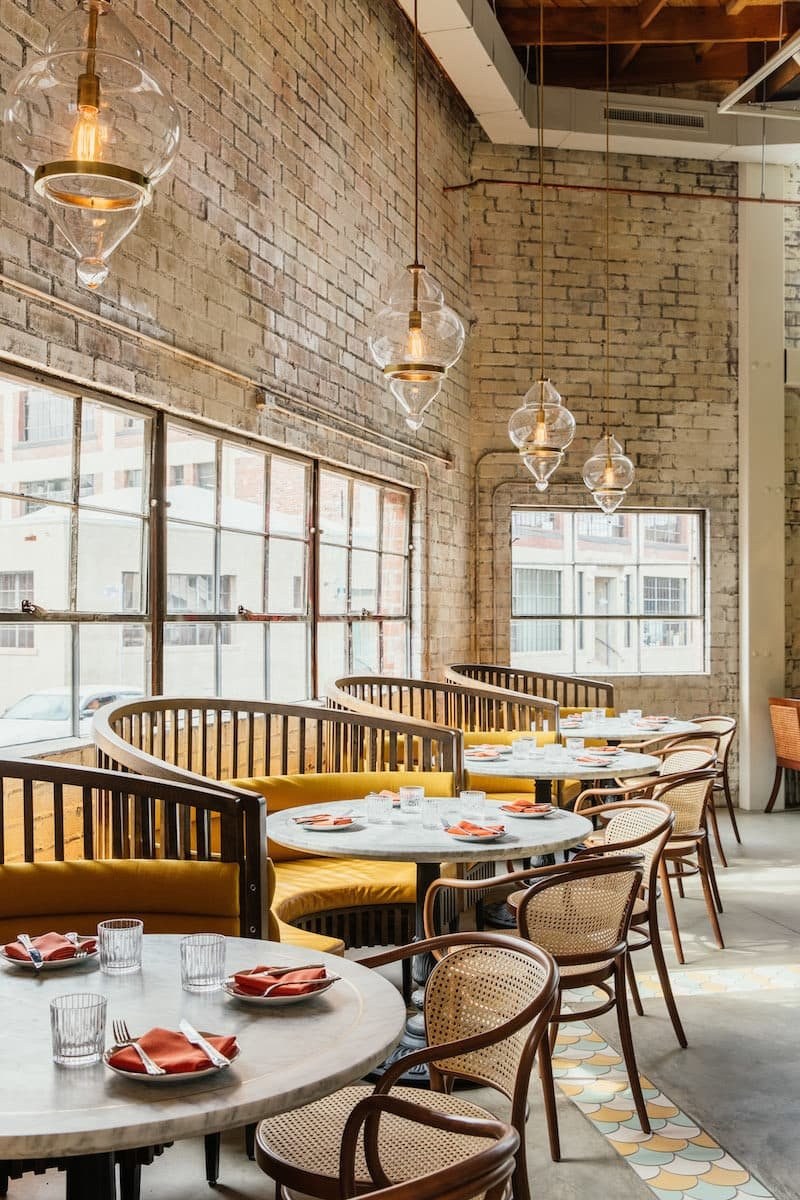
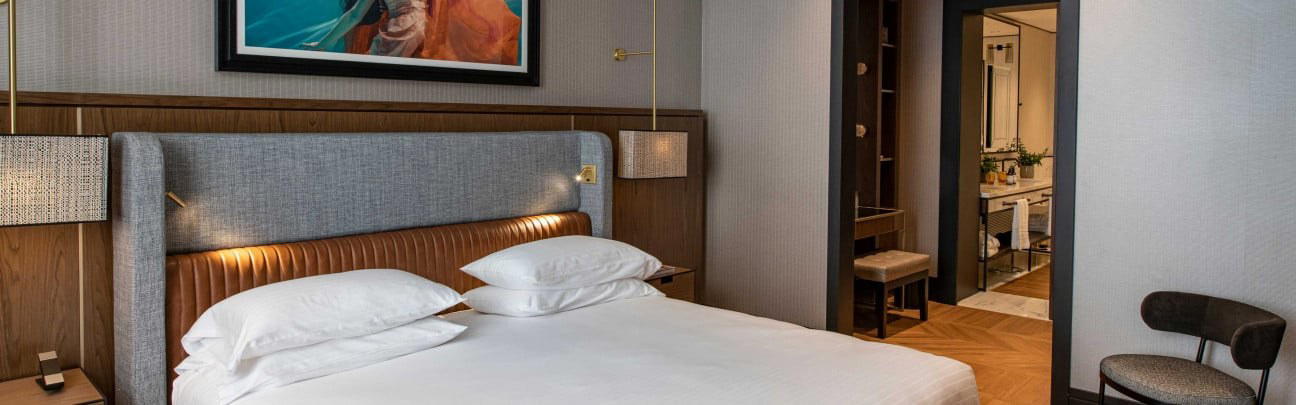
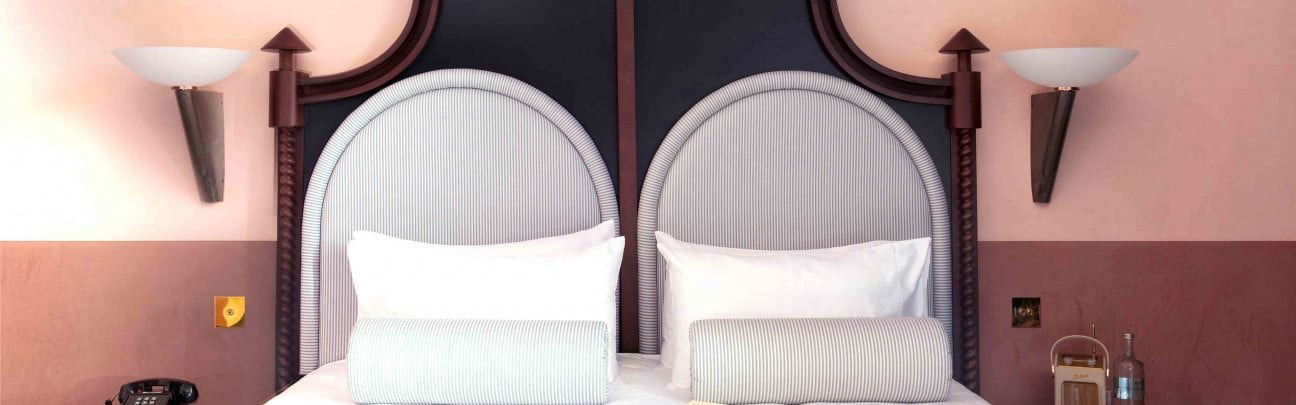
Refined and tranquil with sunlit interiors in terra cotta and soft blues, lush garden retreat, and intimate cocktail bar evoking understated elegance.
Tags
Vibe
Best For
Experience
Amenities
View
Accessibility
About the Stay
- Rooms
- 32
- Check-out
- 12:00
- Property Style
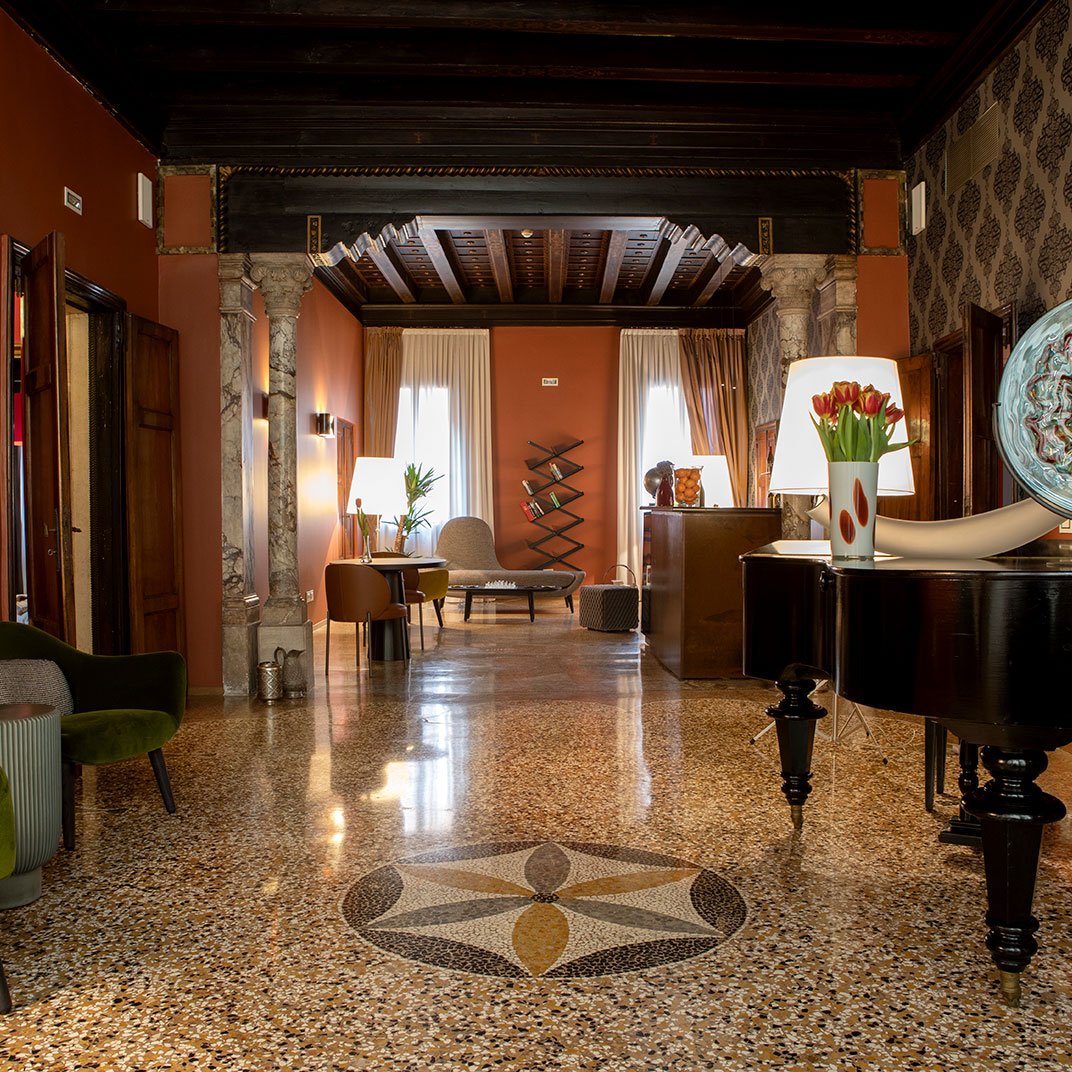
- Historic Renaissance Palazzo Reimagined as a Modern Boutique Hideaway
- Design Style
- Contemporary Venetian with Custom Tiles, Brass, Marble, and Color Blocked Palettes in Earthy Tones
Know before you go
Know Before You Go
- Getting there
- Fondamenta Zattere Al Ponte Lungo, 1411, 30123 Venezia VE
Planning details
Location
Fondamenta Zattere Al Ponte Lungo, 1411, 30123 Venezia VE · Directions
Recognition and awards
Also consider
If you cannot book it
Try Ca' Pisani Hotel first if the goal is to stay in the Dorsoduro orbit without changing the trip's walking plan. Try Nani Mocenigo Palace if you want a more classic Venetian mood and are less focused on the Experimental design angle.
Hotel context
How it compares in Venice
Choose Il Palazzo Experimental over Hilton Molino Stucky Venice if you want a smaller, design-led stay and plan to spend most of the trip walking through Dorsoduro and nearby cultural stops. Choose Hilton Molino Stucky Venice instead if scale, loyalty-program familiarity, and a more self-contained hotel setup matter more than neighborhood intimacy.
Nani Mocenigo Palace is the better cross-shop for travelers who want a more traditional Venetian feel, while Ca' Pisani Hotel and Ca' Pisani Deco Design Hotel keep you in a similar Dorsoduro decision set with a different design emphasis. If the priority is a sharper high-style hotel experience, compare rates with Palazzina Grassi before locking in.
Booking difficulty is hard enough that this should not be treated as a fallback. If your dates are fixed, price-check the full set early and let room availability decide between Il Palazzo Experimental, Nani Mocenigo Palace, and the Ca' Pisani options. If flexibility is low and loyalty benefits matter, Hilton Molino Stucky Venice is the safer practical move.
Explore Venice
Around this place
Discover more on Pearl
Unlock the full Il Palazzo Experimental guide in Pearl, including awards, comparisons, FAQs, planning details, and nearby places.
Compare Il Palazzo Experimental
| Venue | Location | Awards |
|---|---|---|
| Il Palazzo Experimental | Venice | 2026 Mr & Mrs Smith Luxury Hotels2026 Michelin 1 KeyMichelin 1 Key 20252025 Michelin 1 Key2024 Michelin 1 Key |
| Nani Mocenigo Palace | Venice | No published awards |
| Hilton Molino Stucky Venice | Venice | No published awards |
| Ca' Pisani Hotel | Venice | No published awards |
| Ca' Pisani Deco Design Hotel | Venice | No published awards |
| Palazzina Grassi | Venice | No published awards |

How Il Palazzo Experimental Venice compares with similar nearby venues.
FAQ
Frequently Asked Questions
Do loyalty programs work at Il Palazzo Experimental?
Il Palazzo Experimental has Michelin 1 Key recognition for 2024 and a Mr & Mrs Smith Seal of Approval for 2026. If loyalty earnings or redemptions matter, verify directly before booking; Hilton Molino Stucky Venice may also be worth comparing.
When is the best time to book Il Palazzo Experimental?
For Venice, compare your dates, rates, cancellation terms, and room availability directly. Ca' Pisani Hotel and Ca' Pisani Deco Design Hotel are worth checking alongside it if you are comparing Venice hotel options.
How is the location of Il Palazzo Experimental?
How is the dining at Il Palazzo Experimental?
If dining matters to the trip, check current restaurant details directly with the hotel and compare the overall stay with Palazzina Grassi or other Venice options.
How does Il Palazzo Experimental compare to other Venice hotels?
Il Palazzo Experimental is a Venice hotel with Michelin 1 Key recognition for 2024 and a Mr & Mrs Smith Seal of Approval for 2026. Nani Mocenigo Palace, Hilton Molino Stucky Venice, Ca' Pisani Hotel, Ca' Pisani Deco Design Hotel, and Palazzina Grassi are useful Venice hotels to compare depending on your priorities.