

Hotel in Valladolid, Spain
Castilla Termal Monasterio de Valbuena
475Pearl PointsMonastery base


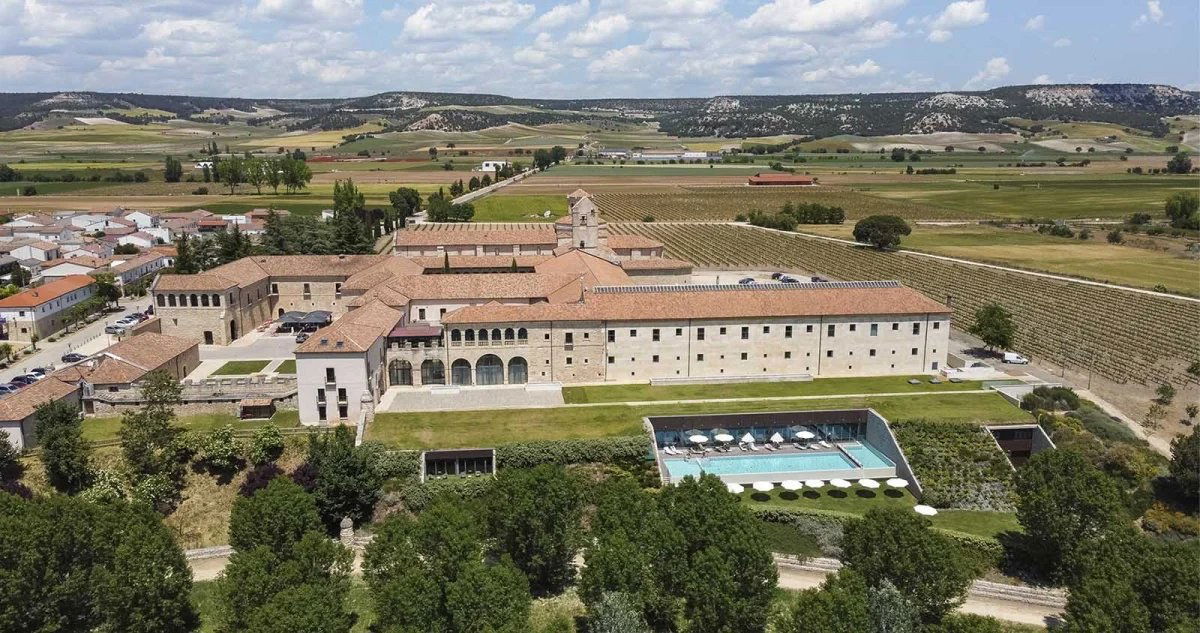
About Castilla Termal Monasterio de Valbuena
A strong Valladolid-area choice if you want a calm monastery stay rather than a city hotel. Castilla Termal Monasterio de Valbuena is better suited to wine-country downtime and heritage atmosphere than nightlife or walkable urban plans, with 2025 recognition from Small Luxury Hotels of the World and the MICHELIN Guide hotel selection adding credibility.
Castilla Termal Monasterio de Valbuena is a Valladolid hotel with two clearly verified signals for 2025: membership in Small Luxury Hotels of the World and selection in the MICHELIN Guide hotels list. For travelers comparing premium stays in and around Valladolid, those confirmations make it a credible shortlist option without needing to invent details about rooms, dining, spa facilities, or services that are not verified here.
The decision is mainly about fit. The verified information supports a smart-casual, premium hotel choice in Valladolid, but it does not confirm specific menus, prices, room categories, facilities, transfers, or on-property programming. For broader planning around the area, use our full Valladolid hotels guide, then cross-check food and drink separately through our full Valladolid restaurants guide, our full Valladolid bars guide, our full Valladolid wineries guide, and our full Valladolid experiences guide.
A recognized Valladolid hotel for premium-stay shortlists
The strongest grounded case for considering Castilla Termal Monasterio de Valbuena is its hotel recognition: Small Luxury Hotels of the World Member in 2025 and MICHELIN Guide Hotels Selected in 2025. Those are useful markers if you want a premium stay in Valladolid and are comparing it with other notable options rather than choosing only on location or brand familiarity.
For travelers weighing alternatives, compare it naturally with properties such as Abadia Retuerta LeDomaine, Abadía Retuerta LeDomaine, Eurostars Convento Capuchinos, AC Hotel Burgos, and NH Collection Palacio de Burgos. Do not assume they serve the same trip style or city logistics; use each hotel's confirmed location, facilities, and policies before booking.
Book for confirmed recognition, then verify practical details
The verified data does not establish specific dining, wellness, room, price, or service details for Castilla Termal Monasterio de Valbuena. That means the safest way to plan is to treat the hotel as a premium Valladolid option with confirmed 2025 recognition, then verify the practical details directly before committing.
If the hotel's name and recognition are the appeal, it belongs on the shortlist. If your decision depends on exact facilities, meals, room layouts, accessibility, transfers, or loyalty benefits, confirm those points with the hotel rather than relying on assumptions.
The recommendation: consider booking if you want a recognized premium hotel in Valladolid and the confirmed 2025 Small Luxury Hotels of the World and MICHELIN Guide hotel-selection signals matter to you. Compare other options carefully if city logistics, specific amenities, or a particular service style are the deciding factors.
Frequently Asked Questions
How is the location of Castilla Termal Monasterio de Valbuena?
Castilla Termal Monasterio de Valbuena is in Valladolid. Use the hotel's current booking information for exact arrival details, because only the city is verified here.
When is the best time to book Castilla Termal Monasterio de Valbuena?
Book once your Valladolid dates are fixed, especially if its confirmed 2025 Small Luxury Hotels of the World membership and MICHELIN Guide hotel selection are important to your choice.
Which room category is best at Castilla Termal Monasterio de Valbuena?
No specific room category is verified here. Choose based on the hotel's current descriptions, your budget, and any needs you confirm directly before booking.
How does Castilla Termal Monasterio de Valbuena compare to other hotels?
It is best compared as a recognized premium hotel in Valladolid, with confirmed 2025 Small Luxury Hotels of the World membership and MICHELIN Guide hotel selection. For alternatives, look at options such as AC Hotel Burgos, NH Collection Palacio de Burgos, Abadía Retuerta LeDomaine, Abadia Retuerta LeDomaine, and Eurostars Convento Capuchinos, checking each hotel's location and confirmed services before deciding.
Do loyalty programs work at Castilla Termal Monasterio de Valbuena?
No loyalty-program detail is verified here. Treat loyalty benefits as something to confirm directly with the hotel or booking channel; the confirmed recognition is Small Luxury Hotels of the World membership and MICHELIN Guide hotel selection in 2025.
How is the pool and spa at Castilla Termal Monasterio de Valbuena?
Specific pool and spa details are not verified here. If those facilities are central to your stay, confirm the current offering, access rules, and any booking requirements directly with the hotel.
What is check-in like at Castilla Termal Monasterio de Valbuena?
Specific check-in details are not verified here. Confirm arrival times and procedures directly with the hotel before traveling to Valladolid.
Location
C. Murallas, s/n, 47359 San Bernardo, Valladolid
Valladolid, Spain
Compare Castilla Termal Monasterio de Valbuena
| Venue | Booking Difficulty |
|---|---|
| Castilla Termal Monasterio de Valbuena | Easy |
| Abadía Retuerta LeDomaine | Unknown |
| Abadia Retuerta LeDomaine | Unknown |
| Eurostars Convento Capuchinos | Unknown |
| AC Hotel Burgos | Unknown |
| NH Collection Palacio de Burgos | Unknown |
How Castilla Termal Monasterio de Valbuena compares with nearby options at a similar price tier.
Also Consider
- Abadía Retuerta LeDomaine, Notable alternative
- Abadia Retuerta LeDomaine, Notable alternative
- Eurostars Convento Capuchinos, Notable alternative
- AC Hotel Burgos, Notable alternative
- NH Collection Palacio de Burgos, Notable alternative
How it compares in and around Valladolid
Castilla Termal Monasterio de Valbuena is the calmer heritage pick: book it when the hotel should shape the trip, not just support it. Abadía Retuerta LeDomaine and Abadia Retuerta LeDomaine are the closer cross-shop for a more wine-estate-led stay; choose those if the property itself needs to feel like the main event and you are willing to plan around a more destination-style experience.
Eurostars Convento Capuchinos is the better fit for travelers who want a converted religious building feel with easier urban sightseeing patterns. Castilla Termal Monasterio de Valbuena makes more sense when quiet and regional access matter more than stepping straight into a city itinerary.
AC Hotel Burgos and NH Collection Palacio de Burgos are more practical fallbacks for a simpler city stay, especially if booking ease and predictable logistics beat atmosphere. Pick Castilla Termal Monasterio de Valbuena for a slower rural base; pick the Burgos options when the hotel needs to be efficient, central, and secondary to the day's plans.
Recognized By


Explore Valladolid
Save or rate Castilla Termal Monasterio de Valbuena on Pearl
Keep this venue in your Pearl passport, rate it after you visit, and track it alongside every other place you collect.