
Royal Hainaut
heart of Valenciennes, Valenciennes
Hotel in Valenciennes, France
 Book with Pearl
The Read
18th-Century Civic Conversion
Price
$200–300per night
Why go
Royal Hainaut is the smart Valenciennes choice when a work trip needs a polished hotel rather than a basic overnight. Its Michelin 1 Key recognition gives it a stronger quality signal than typical local alternatives, but travelers focused on loyalty benefits or Lille-based plans should compare the regional options before committing.
About Royal Hainaut
For a stay in Valenciennes, Royal Hainaut is a notable lodging option. Its Michelin 1 Key recognition in 2024 gives travelers an external marker of distinction.
The strongest case for choosing Royal Hainaut is simple: stay here when the trip is centered on Valenciennes and the hotel itself matters. The recommendation should stay focused: Royal Hainaut is in Valenciennes, carries a Michelin 1 Key, and has a smart casual dress code.
A serious Valenciennes base for trips that need polish
Choose Royal Hainaut if you want a Valenciennes hotel with a Michelin 1 Key rather than a more generic stay. It is a sensible fit for travelers who value a recognized property and want the reassurance of a Michelin distinction.
For travelers comparing the wider region, there are other hotel options, while Valenciennes is the right focus if the stay needs to be in the city itself. That is the main decision: stay with Royal Hainaut when Valenciennes is the priority; look toward another city only if the itinerary makes that practical.
Who should choose it, and who should look elsewhere
Book Royal Hainaut for a short stay or a Valenciennes trip where the hotel needs a credible hospitality signal. The Michelin Key matters because it gives a third-party quality marker.
Look elsewhere if the trip is not centered on Valenciennes, or if you need a specific hotel feature settled before booking. In the wider region, Hôtel Barrière Lille, L'Arbre Voyageur, L'Hermitage Gantois - Autograph Collection, Mama Shelter Lille, and Le Grand Duc may be relevant comparison points depending on where the itinerary is based.
Inside Royal Hainaut
Planning details
- Location
- 6 Pl. de l'Hôpital Général, 59300 Valenciennes
- Website
- royalhainaut.com/fr
- Phone
- +33 3 27 35 15 15
The take
The Take
The Vibe
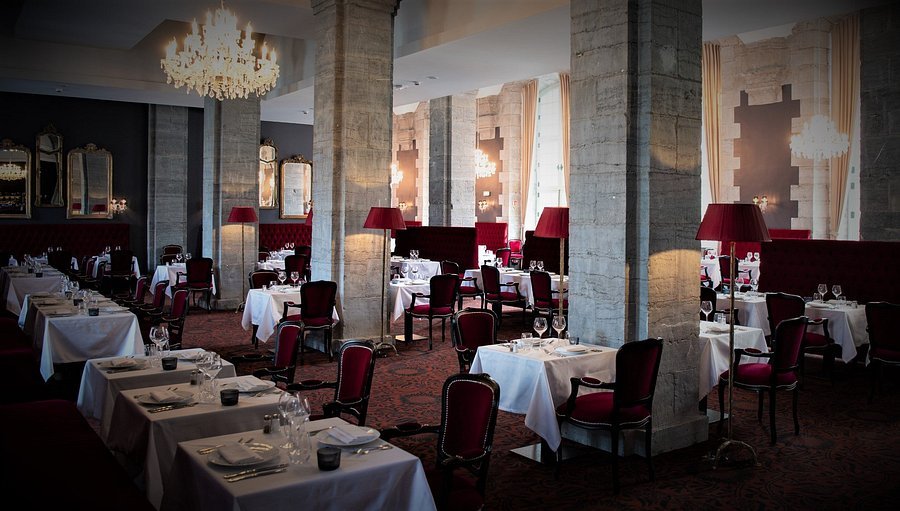
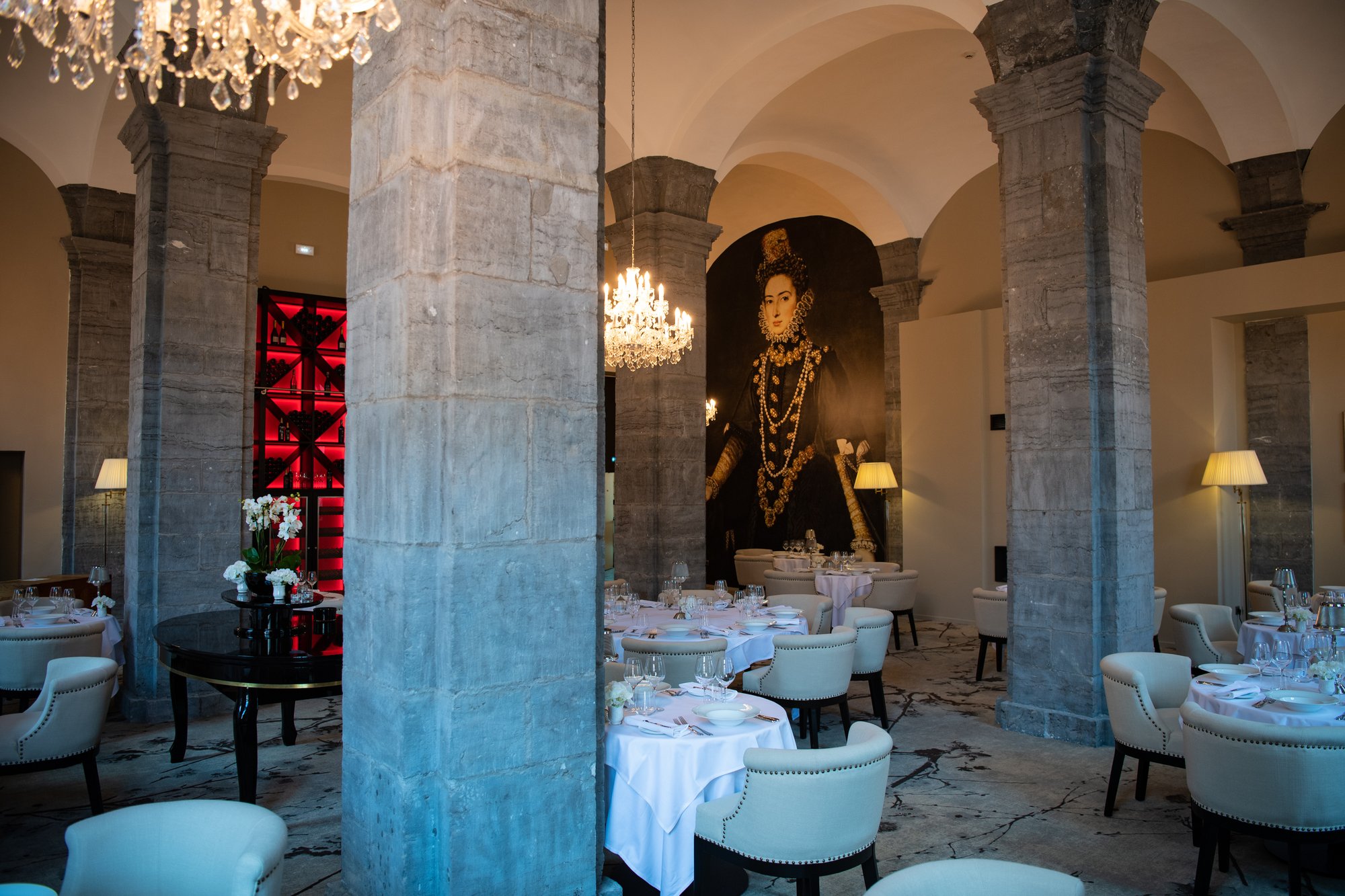
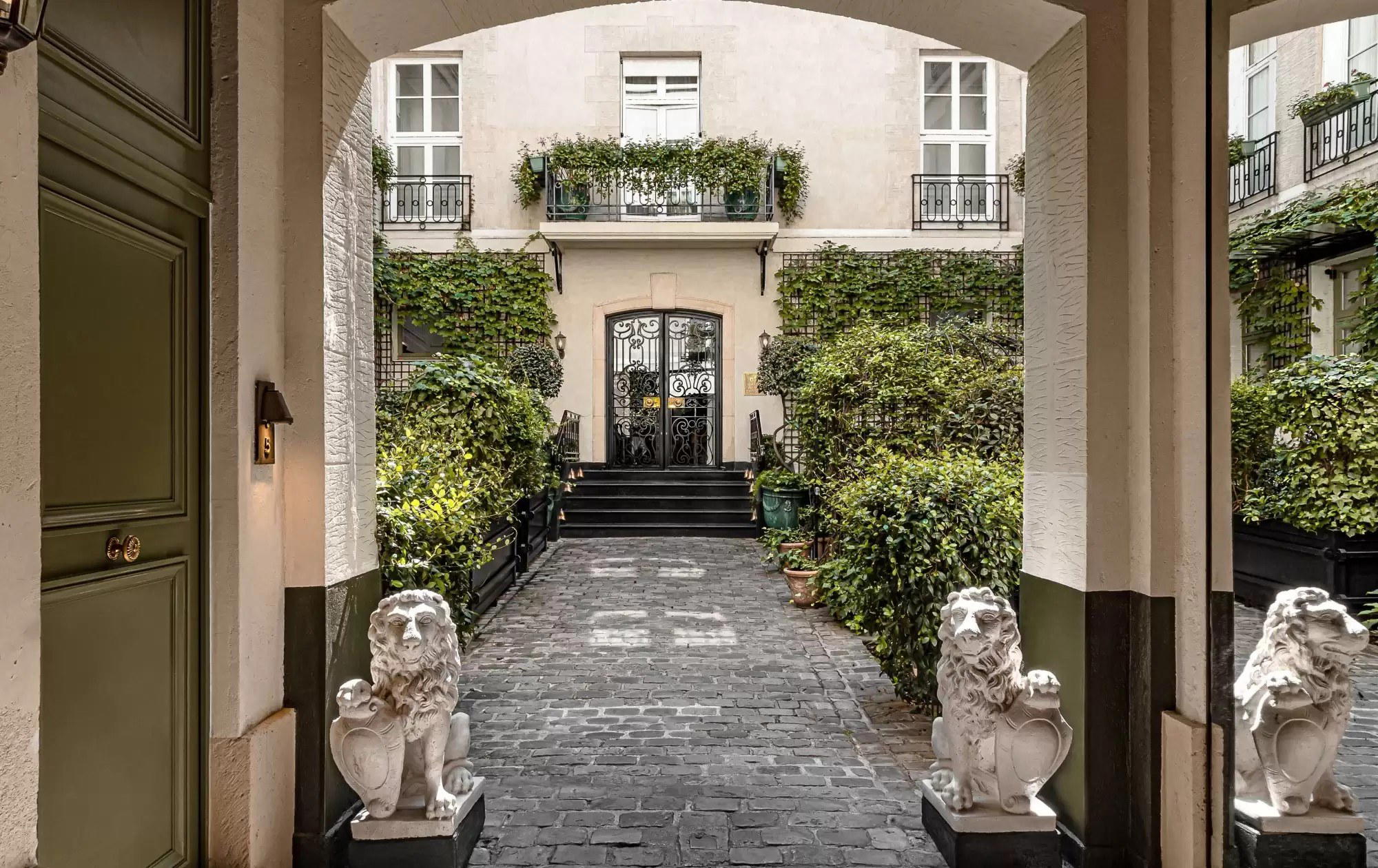
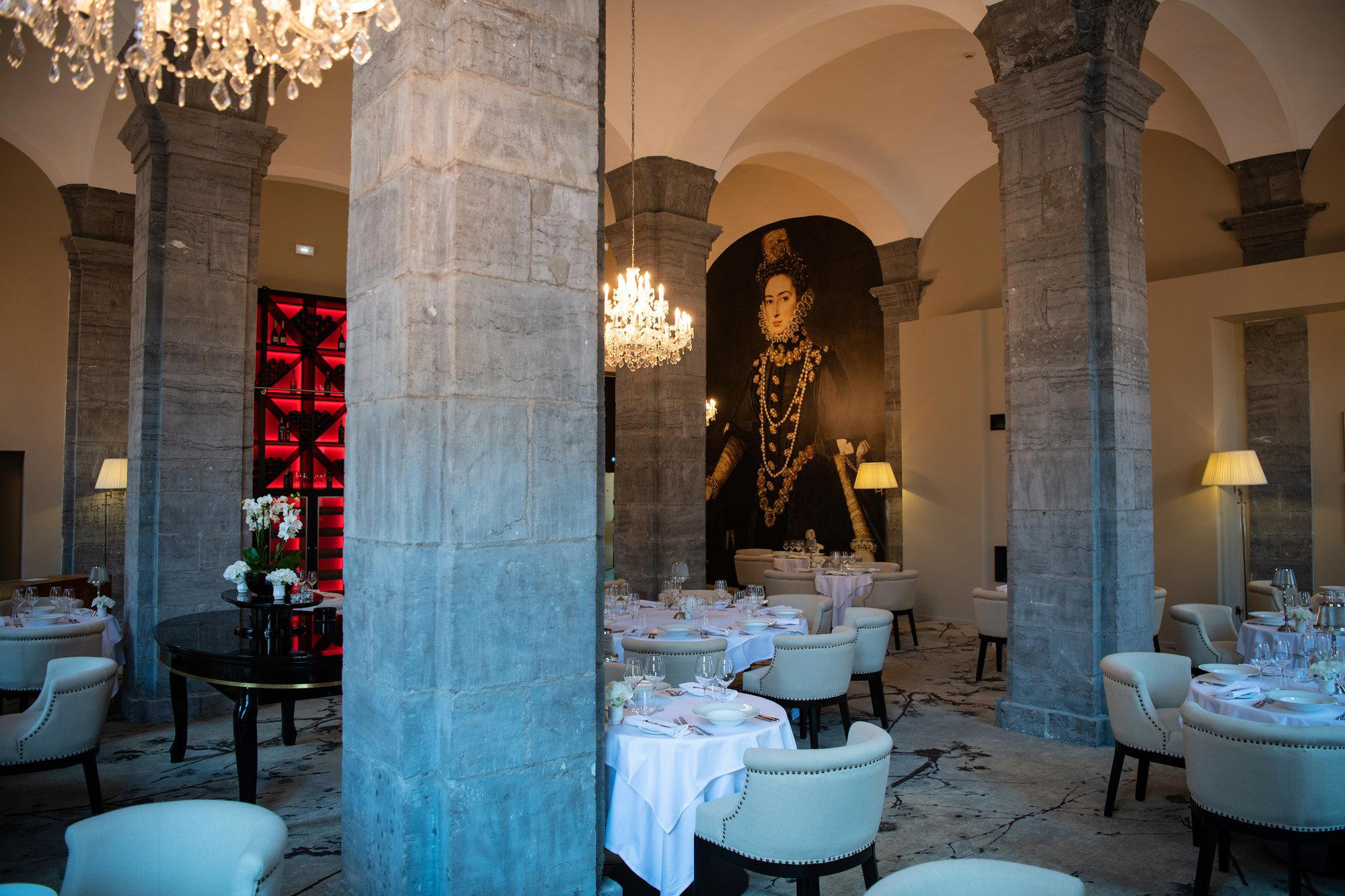
Royal Hainaut reads first and foremost as architecture. Housed in a monumental 1751 hospital, the hotel preserves the institutional scale of its origins: a Cour d'Honneur, generous stone façades and seven‑metre‑high ceilings that alter light, verticality and acoustics. The adaptive‑reuse approach treats the building’s spatial grammar as the primary luxury, so interiors feel less like decoration and more like an encounter with history. That emphasis on form and proportion is why the property earned a Michelin Key in 2024 — the classification rewards hotels where the physical experience, not just food or service, defines the stay.
Best For
This is a stay for travelers who prize architectural gravity and heritage: design‑minded visitors, history buffs and anyone drawn to the drama of large, deliberately composed spaces. The hotel’s Michelin Key signals that its value lies in spatial quality as much as hospitality, making it a strong pick for short cultural getaways and weekend escapes where the building itself is the destination. It also suits travelers on business who prefer a quietly distinguished base in the heart of Valenciennes.
Venue details
Ambiance
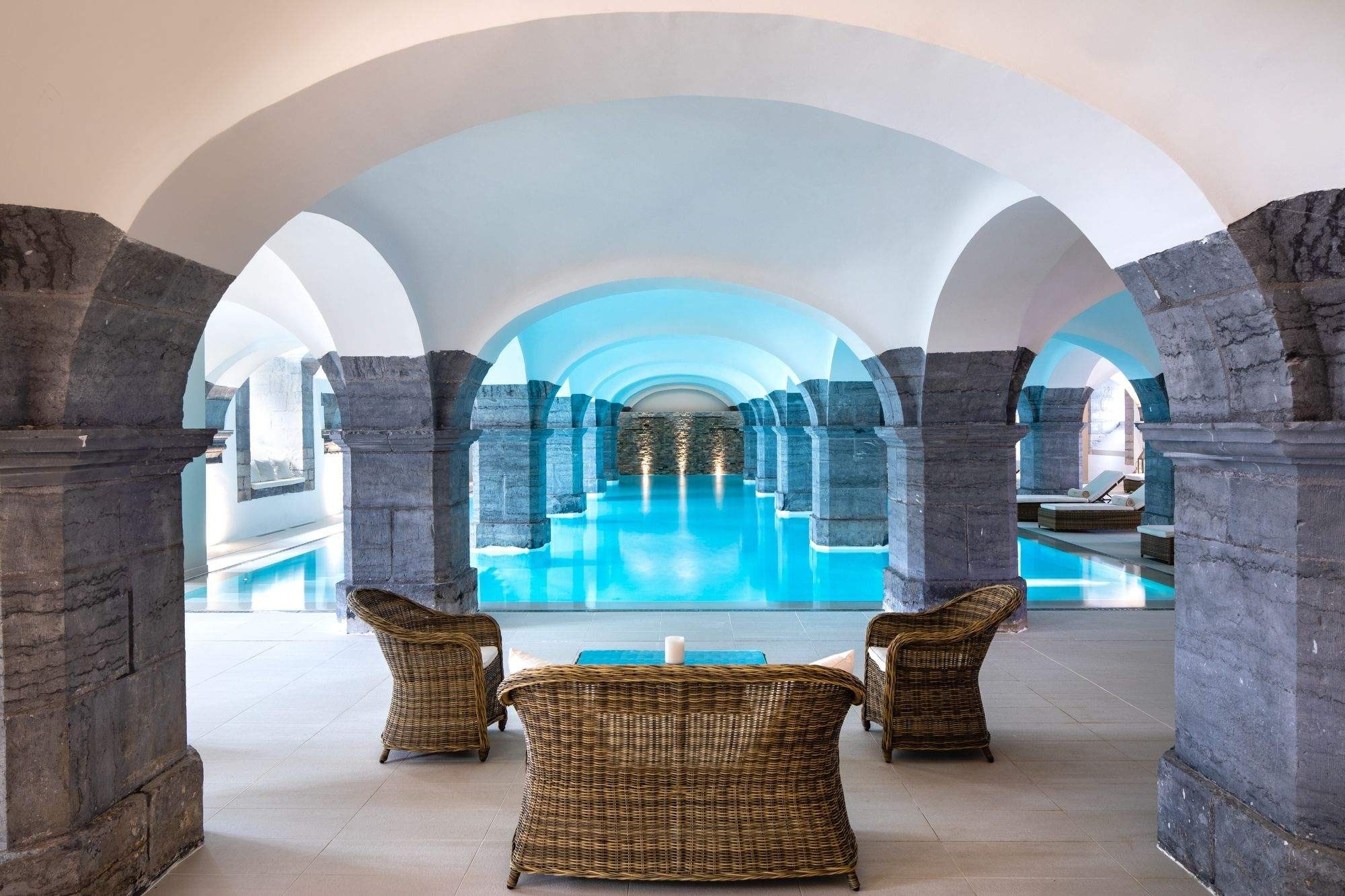
Refined baroque chic with high ceilings, elegant lighting, and serene spa atmosphere praised for peace and luxury.
Tags
Vibe
Best For
Experience
Amenities
Accessibility
About the Stay
- Rooms
- 79
- Check-in
- 16:00
- Check-out
- 12:00
- Property Type
- Heritage hotel
- Property Style
- Historic 18th Century Hospital Renovated Into a 4 Star Museum Hotel
- Design Style
- Baroque Chic with Classical Elegance and Contemporary Touches
- Pool
- Yes
- Spa
- Yes
- Cancellation
- Moderate
Know before you go
Know Before You Go
- Getting there
- 6 Pl. de l'Hôpital Général, 59300 Valenciennes
Planning details
Location
Recognition and awards
Also consider
Where to look if it is not available
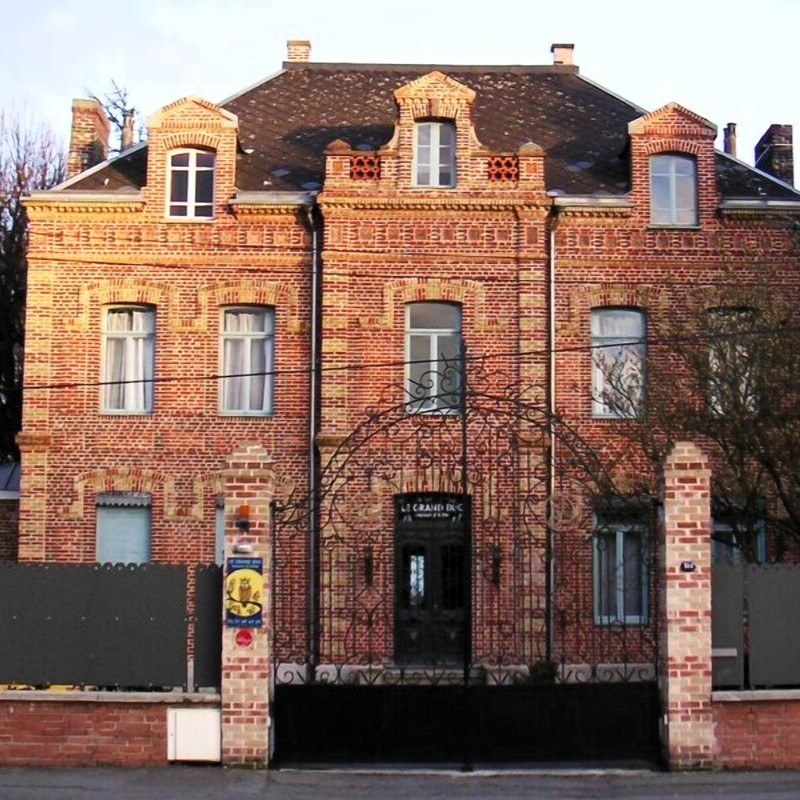
If Valenciennes location still matters, try Le Grand Duc first. If the trip can shift toward Lille, compare L'Hermitage Gantois - Autograph Collection for a more formal stay or Mama Shelter Lille for a more casual city base.
Hotel context
How It Compares
Royal Hainaut is the stronger pick if the trip is actually in Valenciennes: it keeps the stay local and carries a Michelin 1 Key signal, which gives it a clearer quality marker than Le Grand Duc. Choose Le Grand Duc only if availability, price, or a simpler local stay matters more than third-party recognition.
Against the Lille options, the decision is location versus range. Hôtel Barrière Lille and L'Hermitage Gantois - Autograph Collection make more sense when the work schedule, dining plans, or transport needs point to Lille. Royal Hainaut is the better fit when commuting back from Lille would add friction to a Valenciennes-centered trip.
Mama Shelter Lille is the easier casual choice for travelers who want a lighter, social hotel mood, while L'Arbre Voyageur suits readers who want Lille access without going as formal. Royal Hainaut is the more serious booking for a client-facing stay or a short regional itinerary built around Valenciennes.
Explore Valenciennes
Around this place
Discover more on Pearl
Unlock the full Royal Hainaut guide in Pearl, including awards, comparisons, FAQs, planning details, and nearby places.
Compare Royal Hainaut
| Venue | Location | Awards |
|---|---|---|
| Royal Hainaut | Valenciennes | 2026 Michelin 1 KeyMichelin 1 Key 20252025 Michelin 1 Key2024 Michelin 1 Key |
| Le Grand Duc | Valenciennes | No published awards |
| Hôtel Barrière Lille | Lille | 2025 Michelin Selected Hotels2025 Gault & Millau Exceptional Hotel |
| L'Hermitage Gantois - Autograph Collection | Lille | 2025 Michelin Selected Hotels2025 Gault & Millau Exceptional Hotel |
| Mama Shelter Lille | Lille | No published awards |
| L'Arbre Voyageur | Lille | No published awards |



How Royal Hainaut Valenciennes: Michelin 1 Key Hotel compares with similar nearby venues.
FAQ
Frequently Asked Questions
Which room category is best at Royal Hainaut?
Do loyalty programs work at Royal Hainaut?
Check the booking channel before you commit if points, elite status, or member rates are important.
Is Royal Hainaut family-friendly?
It may suit some family stays in Valenciennes, but travelers should confirm bedding, room configuration, and any child-related needs directly.
How does Royal Hainaut compare to other hotels?
Pick Royal Hainaut when you want a Valenciennes hotel with a Michelin 1 Key (2024). Le Grand Duc is another comparison point, while Hôtel Barrière Lille, L'Arbre Voyageur, L'Hermitage Gantois - Autograph Collection, and Mama Shelter Lille are broader regional options.