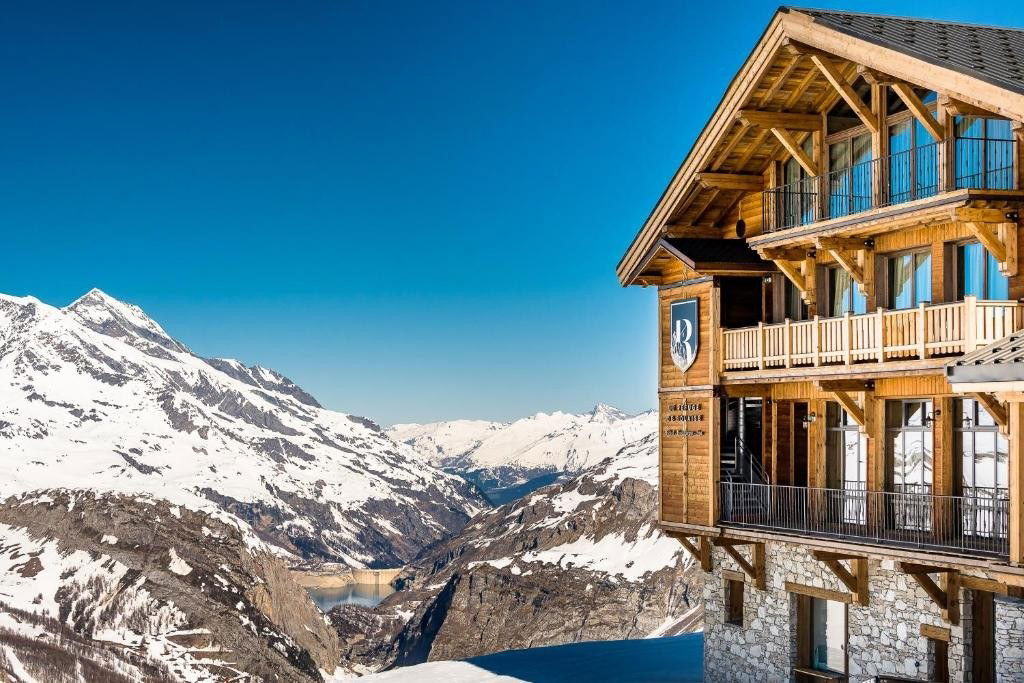


Le Refuge de Solaise
Solaise Mountain, Val-d'Isère
Hotel in Val-d'Isère, France
 Book with Pearl
The Read
Cable-Car Altitude Hospitality
Why go
Book Le Refuge de Solaise if the family trip is built around skiing and staying close to the mountain rather than dipping in and out of Val-d'Isère village. Its Solaise cable car address is the main reason to choose it; travellers who want easier evening wandering should compare central hotels first.
About Le Refuge de Solaise
Le Refuge de Solaise is a hotel in Val-d'Isère with a smart-casual dress code and hotel recognition: Gault & Millau Exceptional Hotel (2025), with 5pts, and selection in the MICHELIN Guide Hotels (2025).
That makes it a fit-driven choice rather than a hotel to overread from specifics. If you are comparing hotels in Val-d'Isère, the most reliable case for Le Refuge de Solaise is its recognised status, along with the practical details that matter for your stay.
Book it for a recognised Val-d'Isère hotel stay
First-time visitors should start with the facts that matter: Le Refuge de Solaise is in Val-d'Isère, its dress code is smart casual, and it has hotel recognition from Gault & Millau and the MICHELIN Guide. Those are useful quality signals, but they do not tell the full story of room layouts, family facilities, restaurant details, transfer logistics, or booking difficulty.
If your trip depends on a particular setup, confirm it before committing. That includes sleeping arrangements, dining availability, access details, luggage handling, accessibility needs, and any child-related requirements. The safer approach is to use the awards as a starting point, then check the operational details that matter for your stay.
Families should prioritise layout and logistics over cachet
For families, the key question is not the accolade list alone. It is whether the hotel can provide the right room configuration, storage, timing, and practical support for the specific trip. Those details should be checked directly rather than assumed from the hotel's recognition.
Dining should be handled the same way. The recognised facts support the overall hotel-quality case, including selection in the MICHELIN hotel guide and a Gault & Millau hotel distinction. They do not, by themselves, confirm a specific menu, cuisine, meal period, drinks program, dietary policy, or child-friendly setup.
Use a full Val-d'Isère hotels guide if the choice is still unresolved, especially against other options such as Avancher, Airelles Val d'Isère, and Le K2 Chogori. The short version: consider Le Refuge de Solaise for a recognised Val-d'Isère hotel stay, and confirm the practical details before treating it as the right match for your itinerary.
Planning details
- Location
- Téléphérique de Solaise, 73150 Val-d'Isère
- Website
- lerefuge-valdisere.com/?y_source=1_MjU3NjI1MzQtNzE1LWxvY2F0aW9uLndlYnNpdGU%3D
- Phone
- +33 4 58 83 00 90
The take
The Take
The Vibe
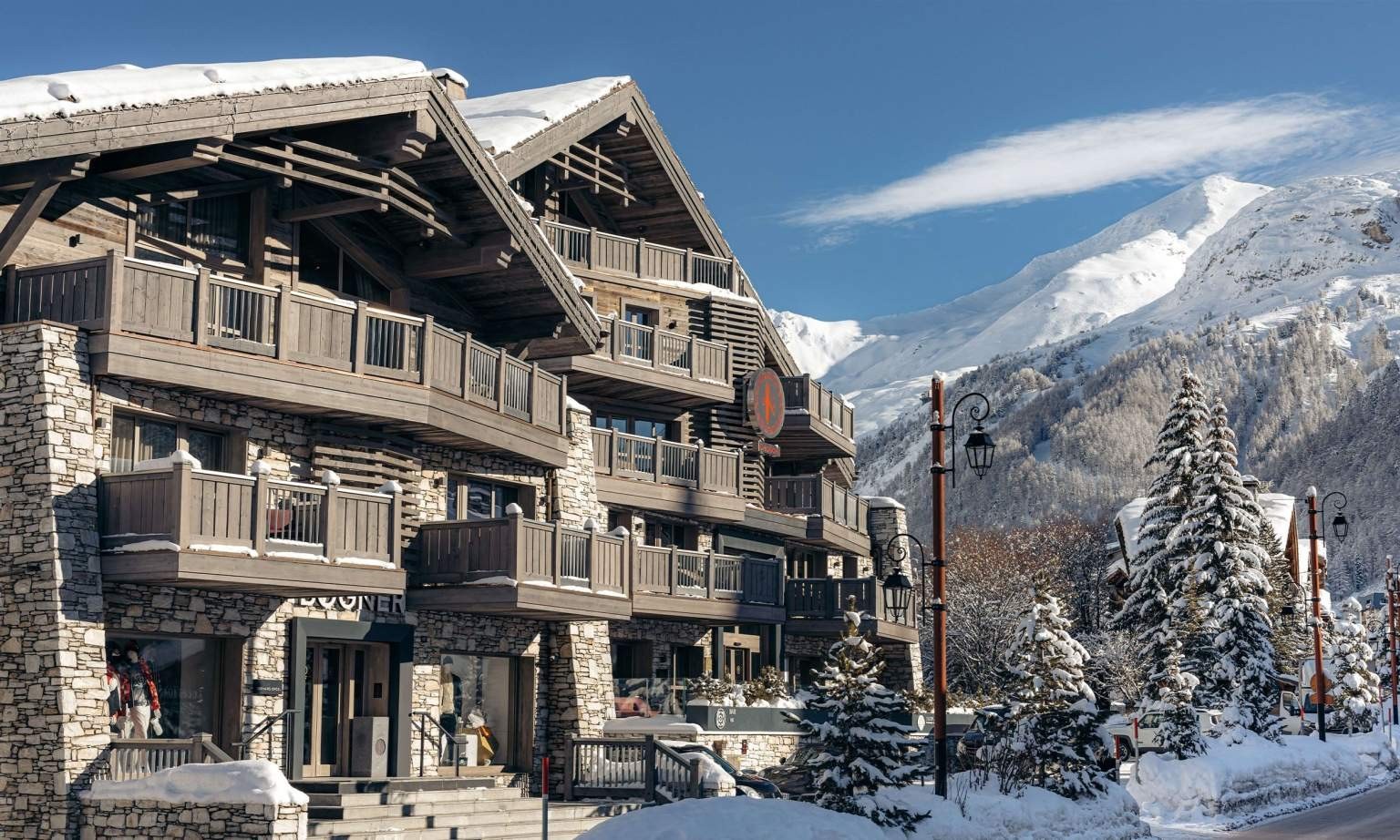
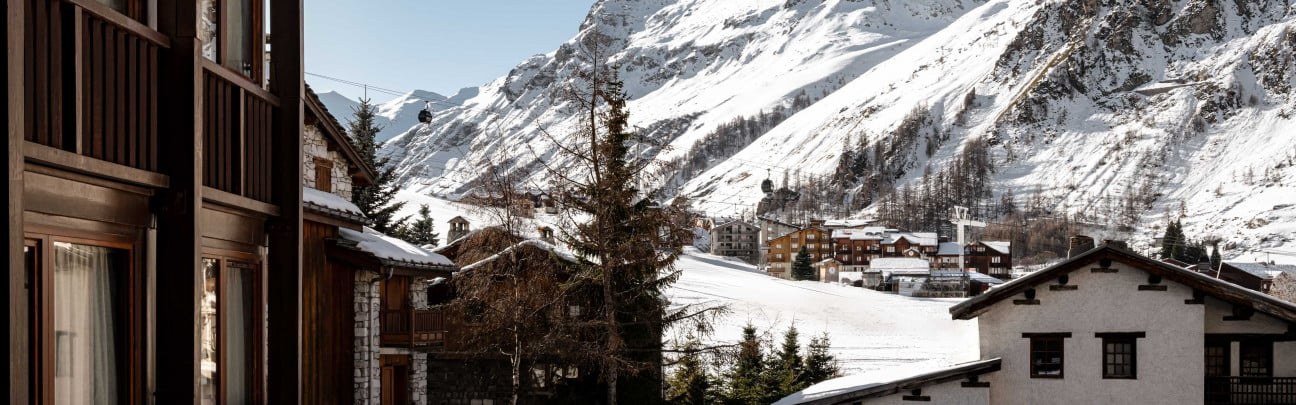
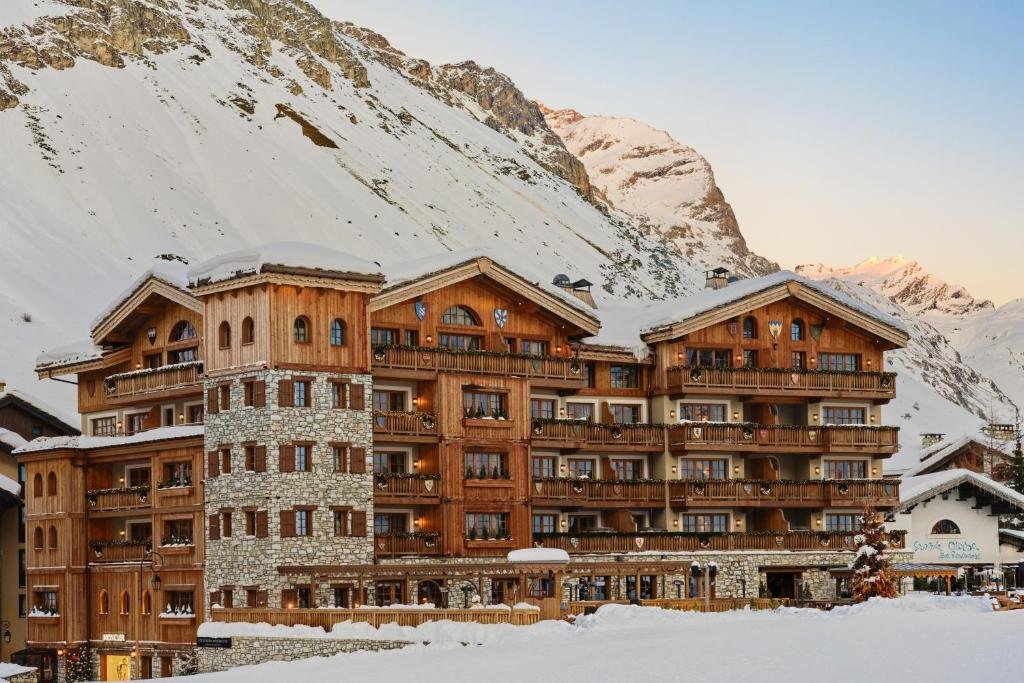
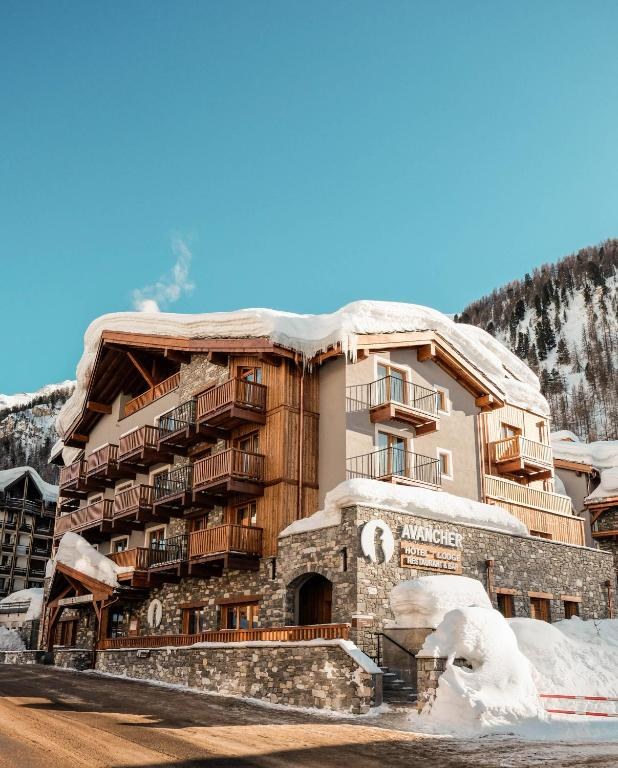
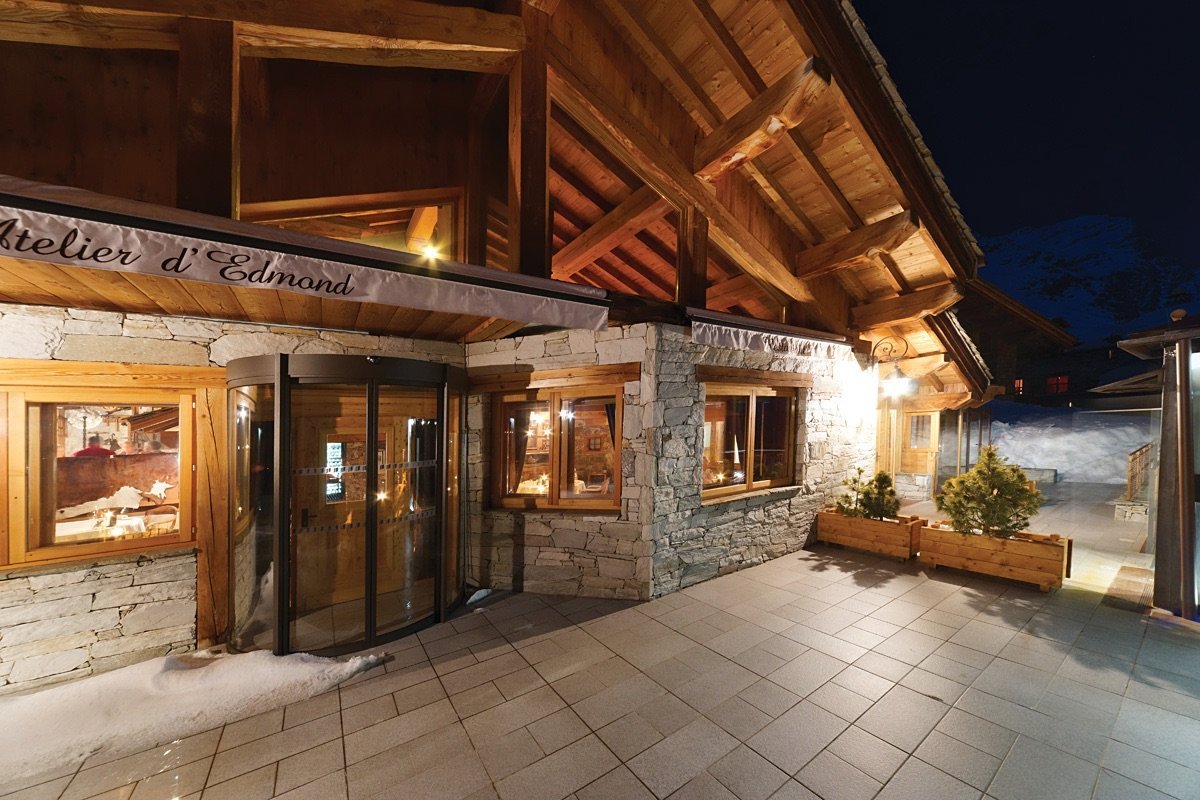
Le Refuge de Solaise presents a stripped-back, alpine kind of luxury where the mountain itself is the principal character. Guests arrive by the Téléphérique de Solaise and step directly into high-altitude quiet: no cars, no street noise, and a clarity of setting that feels deliberately secluded. The property emphasizes immersion in the massif rather than proximity to village bustle; isolation is treated as an amenity. That focus, together with recognition from Gault & Millau, frames the hotel as an intimate, serene refuge for travelers who prize dramatic alpine scenery and calm over the resort’s social scene.
Best For
This hotel is best for travelers who want the mountain to be the trip’s center rather than the village nightlife. It suits couples seeking an intimate alpine escape, skiers and outdoor enthusiasts who value immediate access to high-altitude terrain, and families or groups who prioritize peaceful, scenic surroundings over being in the resort hub. Because the property deliberately distances guests from Val-d'Isère’s dining and après-ski circuit, it’s less appropriate for those wanting to be in the thick of village social life and more appropriate for people after solitude, views, and a focused mountain experience.
Stay Tips
Plan logistics around the téléphérique: check operating hours and timing, because the hotel is accessed by cable car rather than by road. Expect no direct vehicle arrival or street-level drop-off; arrivals are immediate from the gondola. Factor in the distance from village services and dining—Le Refuge intentionally trades proximity to Val-d'Isère’s social circuit for altitude and isolation—so schedule any village outings or transfers in advance. Finally, treat the isolation as part of the experience: arrive prepared for a stay that centers on mountain immersion rather than easy access to resort amenities.
Venue details
Ambiance
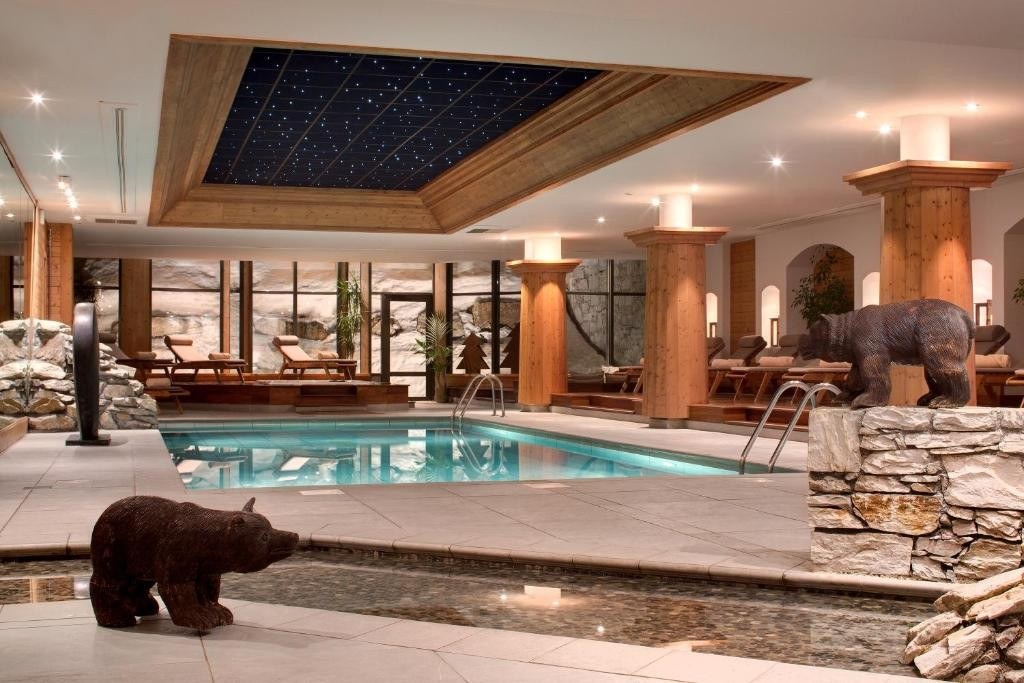
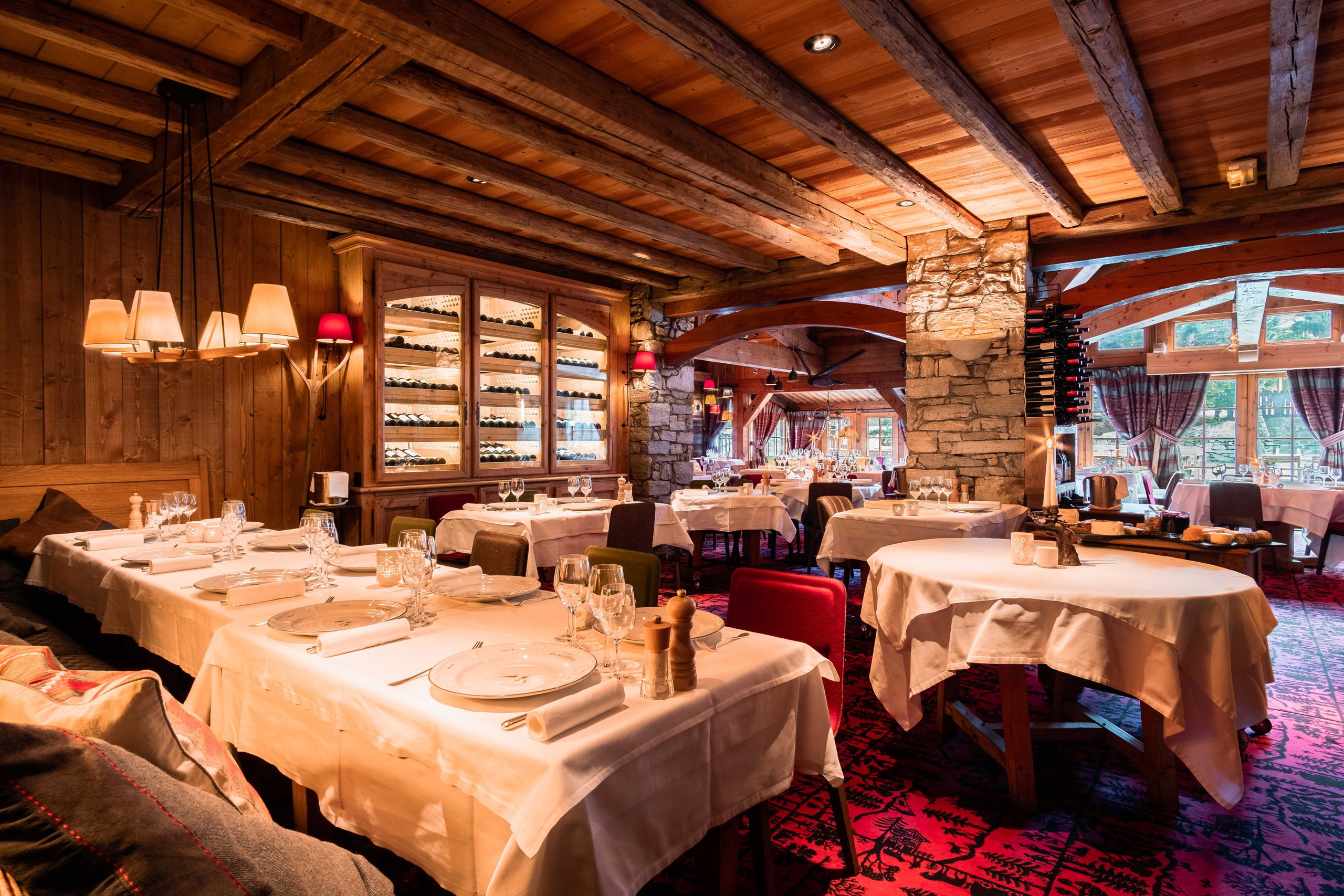
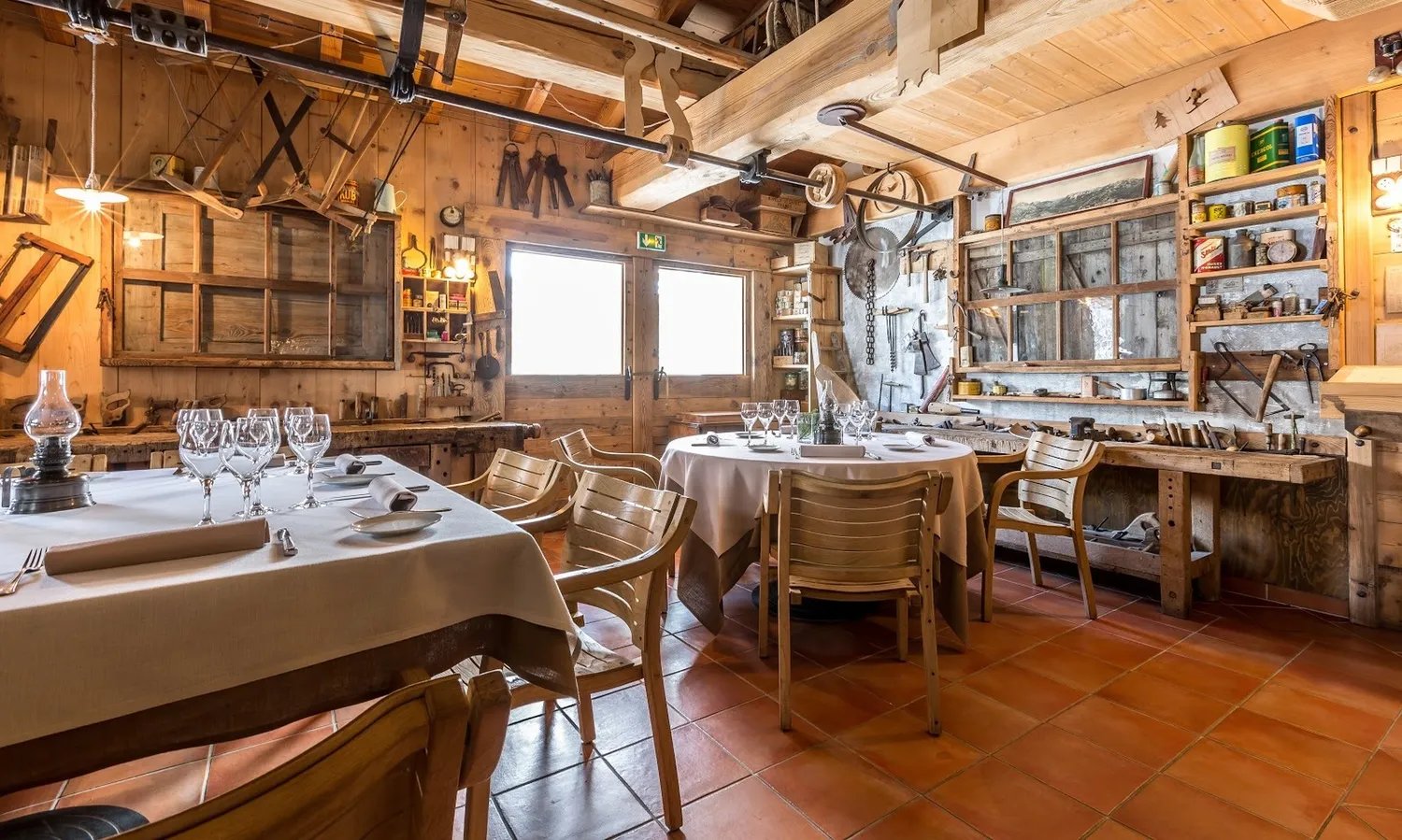
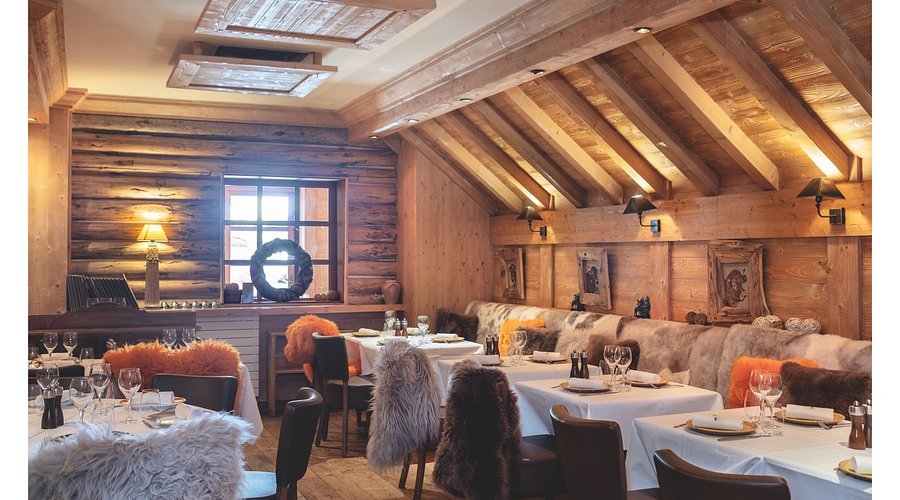
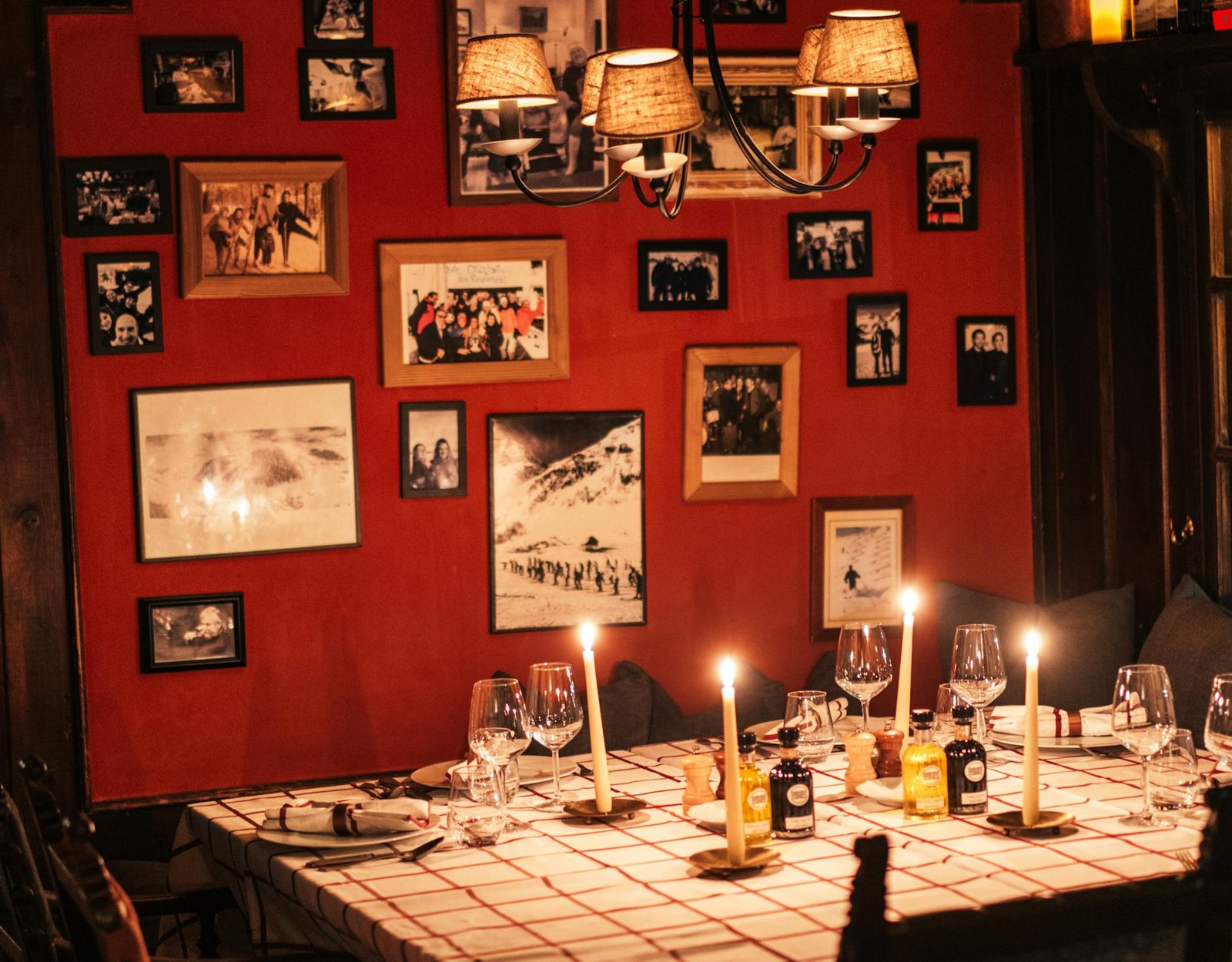
Rustic-chic with warm wooden interiors, panoramic windows framing breathtaking sunrises and sunsets, cozy lighting, and a serene high-altitude atmosphere.
Tags
Vibe
Best For
Experience
Amenities
View
Accessibility
About the Stay
- Rooms
- 20
- Check-in
- 15:00
- Check-out
- 11:00
- Property Style
- High Altitude Mountain Refuge Blending Luxury and Alpine Seclusion
- Design Style
- Rustic Chic with Natural Woods and Contemporary Polish
Know before you go
Know Before You Go
- Getting there
- Téléphérique de Solaise, 73150 Val-d'Isère
Planning details
Location
Téléphérique de Solaise, 73150 Val-d'Isère · Directions
lerefuge-valdisere.com/?y_source=1_MjU3NjI1MzQtNzE1LWxvY2F0aW9uLndlYnNpdGU%3D
Recognition and awards

Also consider
Also Consider
- Avancher, Notable alternative
- Silverstone, Notable alternative
- Airelles Val d'Isère, Notable alternative
- Airelles, Val d'Isere, Notable alternative
- Le K2 Chogori, Notable alternative
Hotel context
How It Compares
Choose Le Refuge de Solaise over Avancher if the priority is a mountain-first stay with a stronger sense of separation from the village. Avancher is the safer cross-shop for travellers who want a more town-oriented base and less friction around meals, strolling, and evening plans.
Airelles Val d'Isère and Le K2 Chogori are the more obvious picks for guests who want a polished luxury-hotel feel in the resort mix. Le Refuge de Solaise is more compelling when the location itself is the reason for booking, especially for families who want days organised around the slopes rather than the village.
Silverstone makes sense as a comparison if the trip is focused on a more private, residence-style stay. For a first Val-d'Isère trip, Le Refuge de Solaise is easier to justify when everyone in the group is aligned on the high-altitude setting; if half the group wants nightlife and restaurant flexibility, book closer to the centre.
Explore Val-d'Isère
Around this place
Discover more on Pearl
Unlock the full Le Refuge de Solaise guide in Pearl, including awards, comparisons, FAQs, planning details, and nearby places.
Compare Le Refuge de Solaise
| Venue | Location | Awards |
|---|---|---|
| Le Refuge de Solaise | Val-d'Isère | 2025 Gault & Millau Exceptional Hotel2025 Michelin Selected Hotels |
| Avancher | Val-d'Isère | No published awards |
| Silverstone | Val-d'Isère | 2025 Gault & Millau Exceptional Hotel |
| Airelles Val d'Isère | Val-d'Isère | No published awards |
| Airelles, Val d'Isere | Val-d'Isère | No published awards |
| Le K2 Chogori | Val-d'Isère | Leading Hotels of the World 20262026 La Liste Top Hotels2026 Michelin 2 Keys2025 Gault & Millau Exceptional Hotel2025 Michelin 2 Keys2024 Michelin 2 Keys |




How Le Refuge de Solaise Val-d'Isère Hotel Guide compares with similar nearby venues.
FAQ
Frequently Asked Questions
How does Le Refuge de Solaise compare to other hotels?
Le Refuge de Solaise has recognised status as a Gault & Millau Exceptional Hotel (2025), with 5pts, and as a MICHELIN Guide Hotels Selected property (2025). Compare it with other options such as Avancher and Silverstone based on the practical details that matter to your stay, including room setup, services, and availability.
How is the dining at Le Refuge de Solaise?
Dining is best checked directly with the hotel before booking. The property’s hotel recognition does not by itself confirm a specific cuisine, menu format, meal period, drinks program, or dietary policy.
What is check-in like at Le Refuge de Solaise?
How is the location of Le Refuge de Solaise?
Le Refuge de Solaise is in Val-d'Isère. Compare it with an option such as Airelles, Val d'Isere only after confirming the access and setting that suit your trip.
When is the best time to book Le Refuge de Solaise?
If your dates, room setup, or services are important, contact the hotel or booking channel directly and reserve when the confirmed terms suit your trip.
Which room category is best at Le Refuge de Solaise?
Choose only after confirming the room layout, occupancy, storage, and any specific needs directly with the hotel.