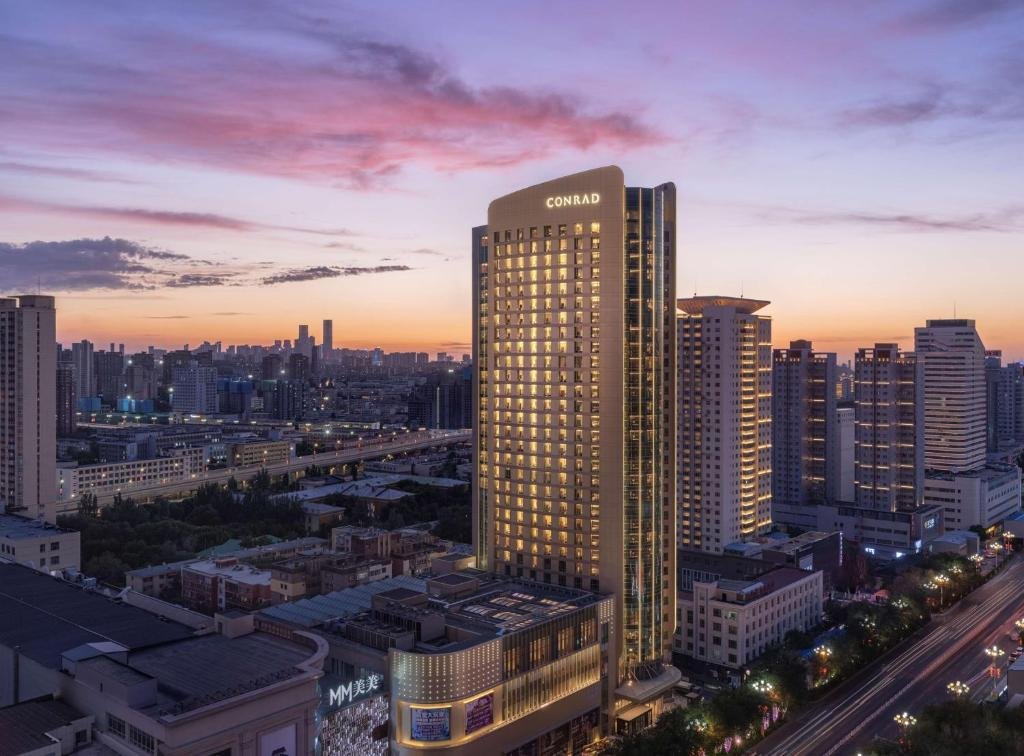


Conrad Urumqi
Shayibake District, Urumqi
Hotel in Urumqi, China
 Book with Pearl
Why go
Book Conrad Urumqi for a business-first Urumqi stay where reliability matters more than resort character. The clearest trust signals are Forbes Recommended (2026) and Star Wine List (2026), which make it a safer choice for client-facing stays and wine-aware dining than an unvetted city hotel. It is less useful if the trip hinges on confirmed leisure amenities or a highly specific room style.
About Conrad Urumqi
During Urumqi’s 2026 business travel season, the common mistake is treating the hotel as a sightseeing decision. For many work trips in the city, the better test is quieter: will the property reduce friction between meetings, meals, and recovery time?
Conrad Urumqi is worth booking when the stay needs reliability over discovery. This is the sensible call for client-facing travel, senior colleagues, or a return trip where experimenting with a less predictable stay would add work rather than save time. If the trip is leisure-led and the hotel itself needs to carry the whole itinerary, be more selective before committing.
A controlled base for repeat business travelers
If you have stayed once before, the smarter repeat play is not to overcomplicate the booking. Use this property when the day is packed, when meeting locations may shift, or when the hotel needs to work as a reset point between obligations. That is a different decision from choosing a design-led escape or a resort-style stay, and it is where this address makes the clearest sense.
The atmosphere to look for here is calm utility, not nightlife energy. For business travelers, that matters: a lobby, room, and dining setup that feels composed can be more valuable than a louder hotel with more personality. It is also the reason solo travelers and pairs on a work schedule are a cleaner fit than groups building the trip around leisure facilities.
The decision hinges on reliability, dining confidence, and rate discipline
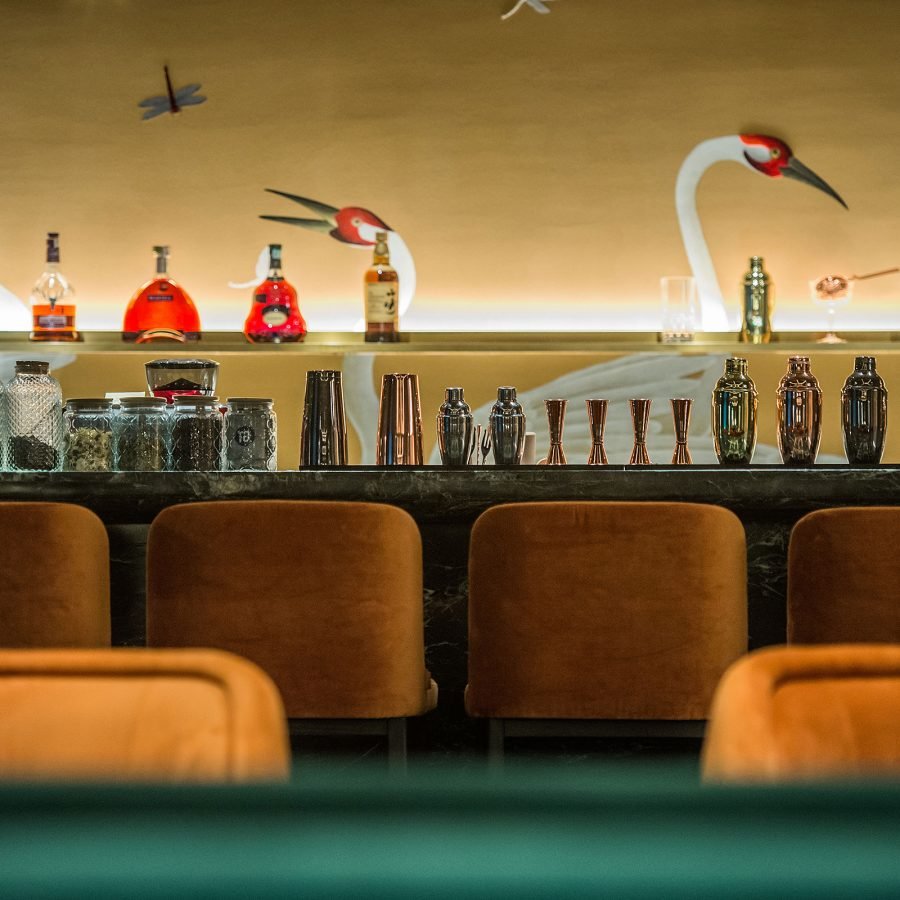
The strongest trust signals are practical ones. Forbes Recommended (2026) gives the property external validation for a safer high-end stay, while Star Wine List (2026) makes dining more credible for a client dinner or a low-effort evening after meetings. Do not treat that as a promise of a dining-led getaway; treat it as a risk filter for a work trip.
Rate discipline still matters. Without a published price band here, the right move is to judge it against the purpose of the stay. If the nightly rate on your dates feels like a premium, it is easier to justify when the trip includes hosting, late arrivals, or a schedule where fewer moving parts have real value. If the hotel is only a place to sleep between casual sightseeing days, the case is weaker.
For wider planning around the stay, Pearl’s Urumqi hotels guide is the natural next stop. If the trip needs meals, drinks, or downtime around the booking, pair it with the Urumqi restaurants guide, Urumqi bars guide, Urumqi experiences guide, and Urumqi wineries guide.
Planning details
- Location
- No. 669, Youhao North Road, Shaybak District, Urumqi
- Website
- hilton.com/en/hotels/urccici-conrad-urumqi
- Phone
- 86-991-699-9999
The take
The Take
The Vibe
Conrad Urumqi reads as a purposeful, city-centered luxury hotel that foregrounds context over architectural showmanship. The copy frames the property at the intersection of Silk Road history and modern Chinese interior sensibilities, so guests feel the layering of Han and Uyghur presence, Soviet-era urban logic and contemporary tower blocks. The dominant impression is institutional weight and reliable, business-hotel execution: high standards delivered without theatrical site-specific design. That pragmatic, context-aware stance makes the hotel feel rooted in Urumqi’s commercial and civic fabric rather than as an isolated leisure destination.
Best For
This Conrad is best for travelers who prioritize dependable international standards in the heart of Urumqi’s civic and commercial district. The text repeatedly positions the property for business delegations and government-adjacent visitors, so it suits corporate travelers, officials and anyone visiting for meetings or administrative business. It also works for guests who want a straightforward, well-run base from which to explore the city’s cultural layering—rather than those seeking a dramatically site-driven resort experience—because the hotel trades theatrical design for consistent service and location.
Stay Tips
Book Conrad Urumqi when you need a predictable, internationally branded option in the Shaybak District: the property sits on Youhao North Road, a primary commercial and civic corridor. The profile points out that Urumqi remains relatively underserved by luxury hotels given its economic role, so reserving early is prudent for peak business periods and delegation travel. Prioritize room availability around official events or trade visits and expect a business-hotel rhythm—reliable execution and brand standards rather than experimental, site-specific amenities.
Venue details
Ambiance
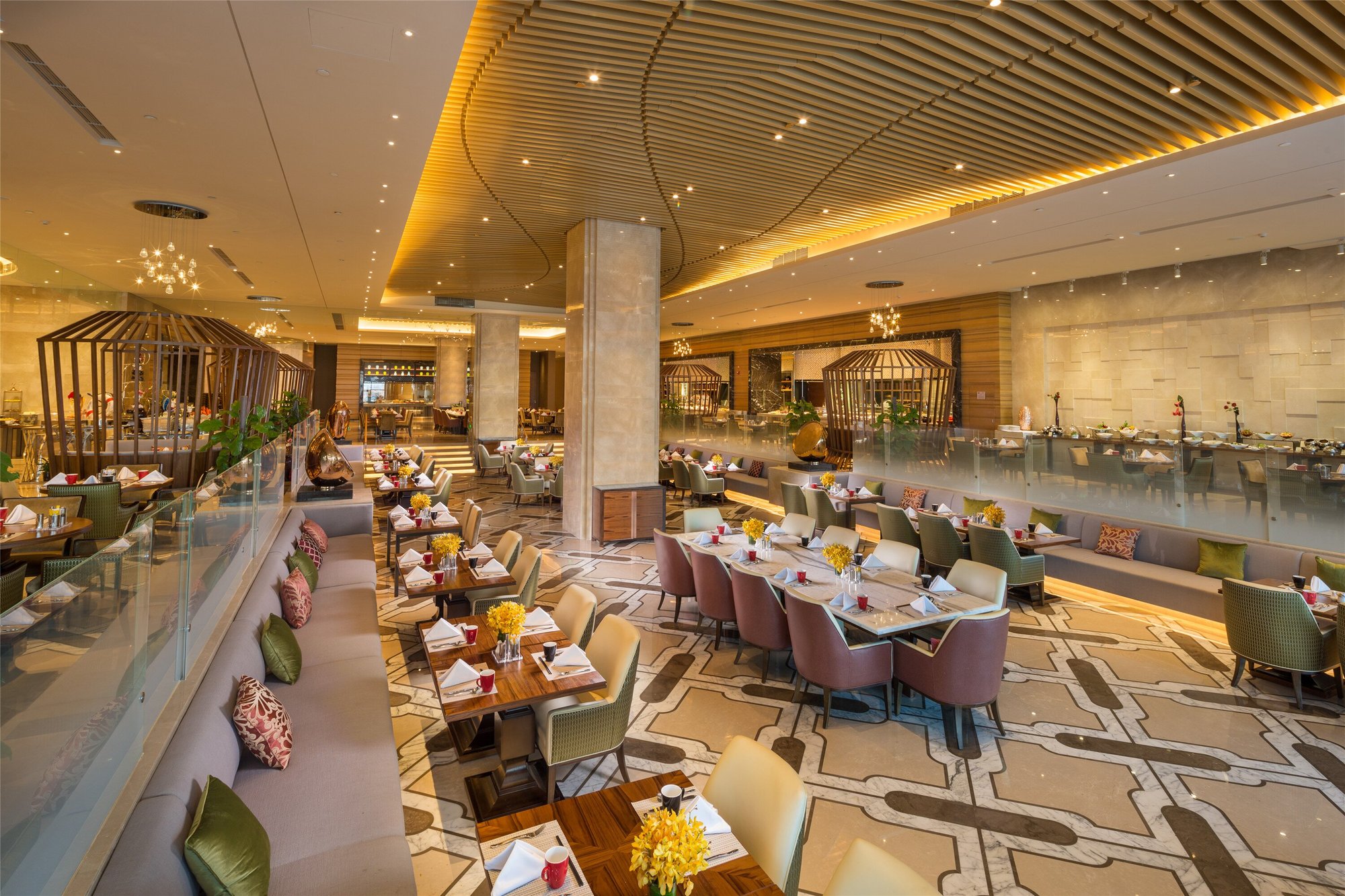
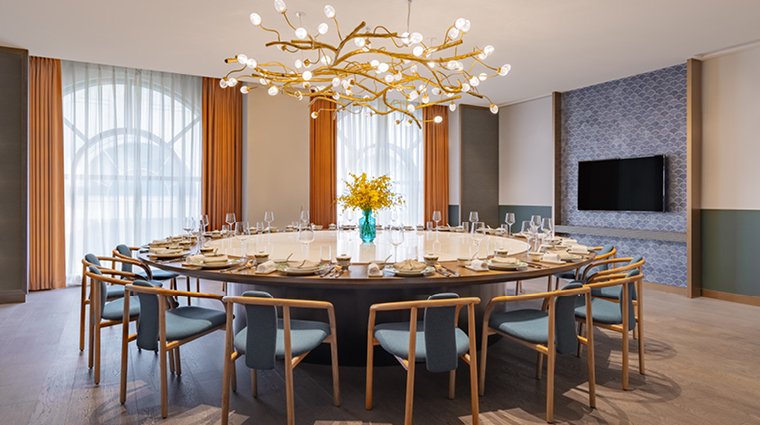
Luxurious and contemporary, with a bright sky-lobby feel, regional Xinjiang-inspired details, warm desert tones, and expansive city-and-mountain views.
Tags
Vibe
Best For
Experience
Amenities
View
Accessibility
About the Stay
- Rooms
- 230
- Check-in
- 15:00
- Check-out
- 12:00
- Property Type
- Design hotel
- Property Style
- Luxury Urban Hotel with a Sky Lobby Concept and Regional Cultural Design Cues.
- Design Style
- Modern Luxury with Art Deco Influence and Xinjiang Inspired Regional Motifs, Including Marble, Lattice Work, and Warm Desert Toned Interiors.
- Pool
- Yes
- Families
- Welcome
- Cancellation
- Moderate
- Opened
- 2021
Know before you go
Know Before You Go
- Getting there
- No. 669, Youhao North Road, Shaybak District, Urumqi
Planning details
Location
No. 669, Youhao North Road, Shaybak District, Urumqi · Directions
Recognition and awards


Explore Urumqi
Around this place
Discover more on Pearl
Unlock the full Conrad Urumqi guide in Pearl, including awards, comparisons, FAQs, planning details, and nearby places.
FAQ
Frequently Asked Questions
When is the best time to book Conrad Urumqi?
Book as soon as your dates are fixed if you need a specific room type or are arriving for business in Urumqi. The Forbes Recommended (2026) label suggests a property people will choose with purpose, so last-minute flexibility may be limited.
Do loyalty programs work at Conrad Urumqi?
Yes, loyalty matters here if you are staying within a hotel program, since a Conrad-branded property in Urumqi usually makes sense for repeat stays and status use. The practical value comes from pairing that with the Forbes Recommended (2026) signal, which points to a safer pick for work trips.
What is check-in like at Conrad Urumqi?
Expect a standard full-service hotel check-in rather than anything casual or boutique. If you are arriving to No. 669, Youhao North Road in Shaybak District on a tight schedule, this is the kind of address that suits a direct, low-friction arrival.
How is the dining at Conrad Urumqi?
Dining should matter here, because Star Wine List (2026) is a useful signal that the beverage program is being taken seriously. If your priority is a hotel with credible wine handling in Urumqi, this reads stronger than a property with no such recognition.
How does Conrad Urumqi compare to nearby hotels?
Choose Conrad Urumqi when you want a more dependable full-service stay in Shaybak District, backed by Forbes Recommended (2026) and Star Wine List (2026). If another nearby hotel is cheaper but lacks those signals, Conrad is the safer call for a work trip or an important overnight.
Is Conrad Urumqi good for business travel?
Yes, this is the kind of hotel that makes sense for business travel in Urumqi. The address on Youhao North Road, plus the Forbes Recommended (2026) recognition, points to a property built for reliability rather than experiment.