    Hotel in Uppsala, Sweden

    Akademihotellet - Clason House Rooms

    150Pearl Points

    Academic-House Lodging

    Akademihotellet - Clason House Rooms, Hotel in Uppsala

    About Akademihotellet - Clason House Rooms

    Akademihotellet - Clason House Rooms belongs to Uppsala’s quieter lodging tradition: academic, compact, and shaped by the city’s historic scale rather than resort theatre. With no public award, price, or room-category data in the available record, the sensible read is architectural and contextual, a stay to assess against location, building character, and the practical needs of a university-city visit.

    Uppsala's academic hotel grammar

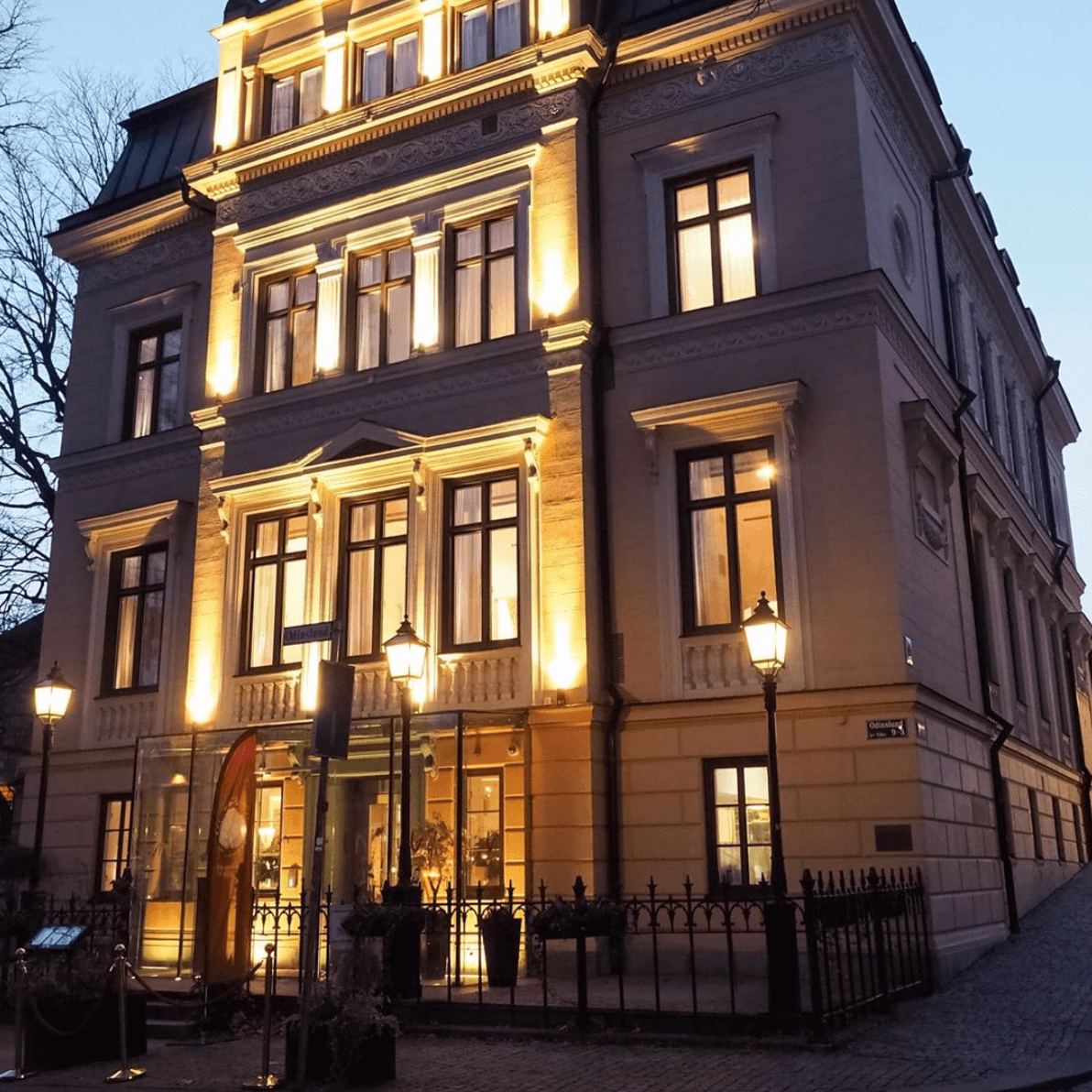
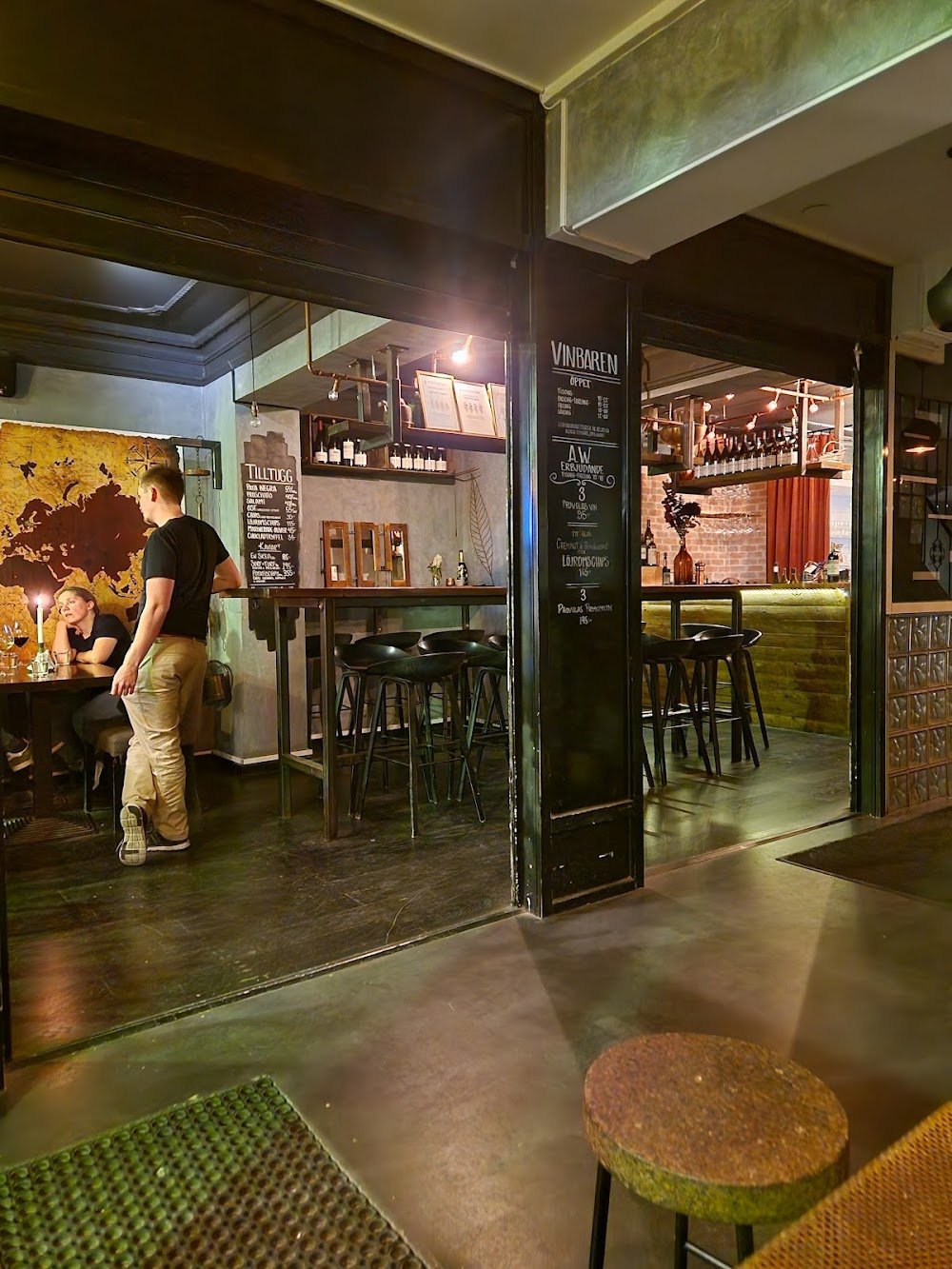
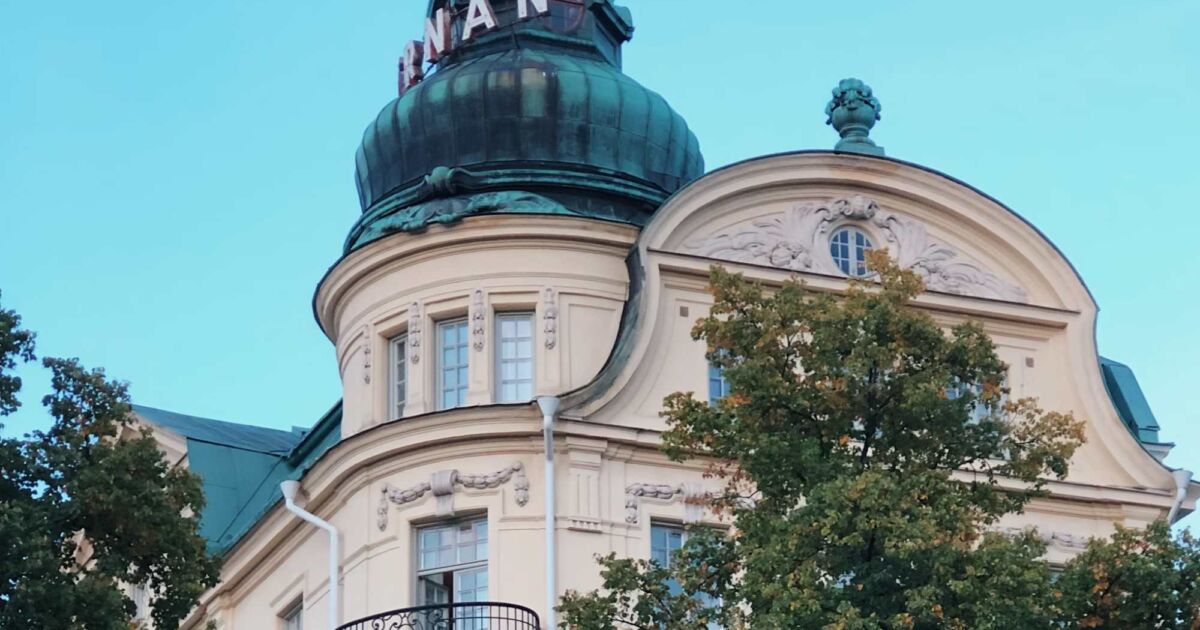
    Approaching a small Uppsala hotel is rarely about grand arrival. The city’s lodging character is quieter: university façades, cathedral sightlines, modest streets, and a rhythm set by lectures, archives, visiting families, conferences, and short cultural weekends. In that setting, Akademihotellet - Clason House Rooms reads less as a resort proposition than as part of a northern European academic city tradition, where the building’s presence and the surrounding civic fabric matter as much as the service script.

    Uppsala is not Stockholm in miniature. Its hotel scene has a different job. The capital can absorb large lifestyle properties, international brands, and high-design conversions aimed at weekend spectacle; Uppsala’s accommodation market tends to be more functional, more locally scaled, and closer to institutional life. That distinction matters when judging a place like this. This is a 3-star hotel in Uppsala with 13 rooms, and its value should be read through city context, architectural setting, and planning discipline rather than through claimed luxury signals.

    Uppsala works well when hotel choice is tied to purpose. A research trip, a university visit, a cathedral weekend, and a restaurant-focused stopover ask different things from a room.

    Design first, amenities second

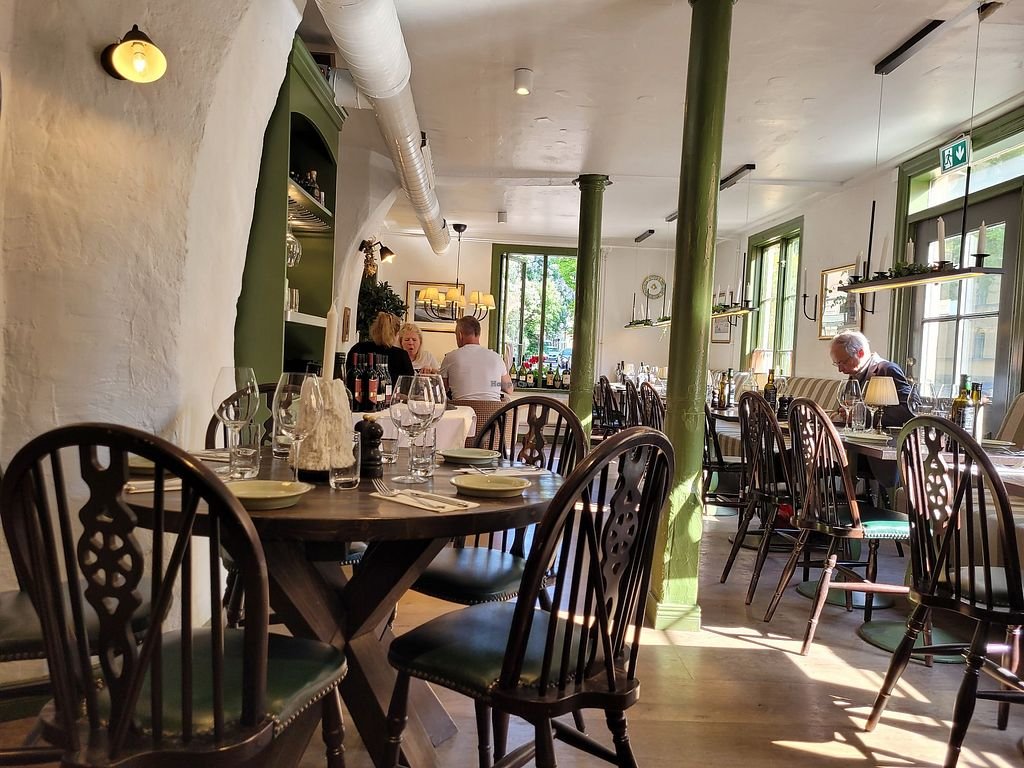
    The design question in an academic city is not simply whether a room photographs well. It is whether the building makes sense in its surroundings. Uppsala’s appeal comes from scale and continuity: stone, brick, old institutional corridors, seasonal light, and the compact distances between scholarly, religious, and civic life. Hotels that work here tend to understand restraint. They do not need a lobby that behaves like a nightclub or a breakfast room trying to imitate a metropolitan members’ club. They need proportion, quiet circulation, dependable rooms, and an address that lets the city do some of the decorative work.

    With this property, no verified architect, design studio, style category, or renovation date is available in the record. That limitation should not be disguised. It changes the way a serious traveller evaluates the booking. Instead of relying on claims about interiors, the practical test becomes photographic evidence, room-specific descriptions, cancellation terms, and the building’s relationship to the part of Uppsala a guest needs to use. A property can be charming on a listing page and still be inconvenient for a late arrival, an early train, or a two-night academic visit with meetings across town.

    Sweden’s stronger small hotels often succeed because they choose a clear architectural lane. In Stockholm, Ett Hem in Stockholm uses the private-house model to create intimacy rather than scale. Görvälns Slott in Järfälla works from estate-house drama, where history is part of the stay. Hotel Flora Göteborg in Gothenburg belongs to a city-hotel mode, more urban and compact. These comparisons are useful not because Uppsala should copy them, but because they show how Swedish hotels often declare their value through building type before they declare it through amenities.

    The Uppsala comparison set

    Uppsala’s hotel market sits between practical business accommodation and heritage-adjacent lodging. The city attracts conference delegates, university guests, domestic travellers, families, and visitors pairing a short stay with Stockholm. That mix produces a different kind of demand from a pure leisure destination. Midweek pressure can come from institutional calendars; weekends can depend on graduations, events, and seasonal travel. Without verified rate data for Akademihotellet - Clason House Rooms, price should be treated as a moving variable rather than a fixed identity.

    The more useful comparison is category rather than number. A guest choosing a small Uppsala property is usually trading away some big-hotel certainty in exchange for scale, setting, or quieter character. That trade can be attractive when the room is well located and clearly described. It becomes weaker when arrival instructions, bathroom configuration, lift access, breakfast details, or noise exposure are vague. In older buildings across Scandinavia, room variation can be meaningful, so the absence of room-category information is a planning point, not a minor omission.

    Across Sweden, architectural identity has become a stronger hotel signal. Story Studio Malmö in Malmö points toward the serviced-stay and studio format in a southern city; Sibbjäns in Burgsvik suggests a more rural, place-led model; Vyn Restaurant in Ostra Nobbelov shows how restaurant-led travel can pull lodging into a broader hospitality itinerary. Uppsala’s version is more academic and civic. It rewards travellers who care about the texture of the city rather than those measuring a hotel only by facilities.

    What the limited data says

    The verified record for Akademihotellet - Clason House Rooms is sparse: name, city, star rating, and room count are available; address, phone, website, awards, hotel group, style, price range, public reviews, and booking method are not listed. That is an editorial trust signal of a different kind. The page should not pretend to know what the database does not contain. No Michelin-style hotel key, national classification, critic citation, or EP Club rating is attached. No chef, cuisine, restaurant format, or signature dishes are attached either, so food should not be treated as a defining reason to stay.

    For a traveller, limited data does not automatically weaken a property, but it changes the due diligence. A well-run small hotel may have modest public information; a poorly documented listing may also hide operational friction. The right response is not suspicion, but verification. Confirm the exact room type, arrival process, cancellation window, breakfast inclusion if relevant, and transport fit before committing. In a city such as Uppsala, those basics shape the stay more than decorative language.

    Scandinavian lodging also has a seasonal dimension. Winter light, snow, and early darkness put more pressure on room comfort and arrival logistics. Late spring and early summer shift attention toward walking routes, university events, and outdoor city life. Academic calendars can affect availability around ceremonies and conferences. Those patterns are general to Uppsala rather than verified policies of this hotel, but they are practical when planning a stay where the public record does not provide rates or booking rules.

    Architecture as the reason to look closer

    The strongest argument for considering this listing is not a trophy claim. It is the fit between a small hotel format and an old university city. Uppsala rewards lodging that lets the guest inhabit the city at street level, with a sense of proximity to institutional and cultural life. Large properties can be convenient, but they can also flatten the experience into anywhere-hotel neutrality. Smaller room-led properties, when well handled, preserve a closer relationship between building, neighbourhood, and daily rhythm.

    That is where architectural scrutiny matters. Before choosing a room, examine whether the available imagery shows generous daylight, clear storage, desk space if working, and bathrooms that suit the traveller’s tolerance for compact Scandinavian layouts. For older or converted buildings, ask about stairs, lift access, street-facing rooms, and internal noise. These are not fussy details; they are the difference between character and inconvenience. A building with age can add atmosphere, but only when the operational basics keep pace.

    Within Sweden, the design-led field ranges widely. Stora Hotellet in Umeå leans into historic seafaring references; Huskvarna Stadshotell in Huskvarna works through a town-hotel lens; Arctic Bath in Harads uses architecture as destination theatre; Marstrands Kurhotell in Marstrand draws on coastal wellness language. Uppsala’s better fit is calmer: a stay anchored by intellectual and historic surroundings rather than spectacle.

    Who should choose this style of stay

    This kind of Uppsala hotel makes sense for travellers who value location, quiet, and the atmosphere of a university city over resort-like breadth. It is likely to appeal to guests with meetings, campus business, museum plans, cathedral visits, or short cultural itineraries. It is less suitable for travellers who require a confirmed full-service environment unless those services are verified before arrival. With no public amenities listed in the record, assumptions should be kept to zero.

    That caution is especially relevant for travellers arriving late, travelling with heavy luggage, or needing accessibility details. The record does not provide address, phone, website, hours, or booking method, so planning should happen through the live booking source. For premium travellers, the right question is not whether the place sounds charming. The right question is whether the exact room and arrival conditions match the trip.

    For a broader Swedish comparison, Hjortviken Country Club in Hindas and Fjällbacka in Fjällbacka occupy leisure-led territory, while Steam Hotel in Västerås turns industrial scale into a hospitality concept. ICEHOTEL in Jukkasjarvi and Copperhill Mountain Lodge in Åre are destination properties where the building or landscape is the trip’s headline. Akademihotellet - Clason House Rooms belongs to a subtler category, where the city remains the lead actor.

    Planning the stay

    Advance planning is sensible, especially around university terms, graduation periods, conferences, and popular weekend dates. Since the record does not include a website, phone number, booking method, rate band, or cancellation policy, travellers should verify those details before relying on the stay for a fixed itinerary. Ask for the precise room category, bed configuration, bathroom setup, floor level, access route, breakfast status, and check-in procedure. If the trip involves work, confirm desk space and reliable internet through current listing details rather than assuming them.

    Room choice should be guided by function. A short solo academic visit can tolerate a smaller room if the desk, light, and arrival process work. A couple staying two or three nights should prioritise space and noise control over decorative appeal. A winter arrival favours clear instructions and minimal transfer friction. A summer weekend puts more emphasis on walkability and the relationship between the room and the city’s outdoor life. Those are general Uppsala planning rules, but they are especially useful when venue-specific data is incomplete.

    Travellers building a Sweden-wide itinerary can use Uppsala as a lower-key counterpoint to larger hotel statements elsewhere. Eco by StrandNara in Morbylanga frames lodging through an ecological island setting; Maryhill Estate in Glumslöv works from estate hospitality; internationally, The Fifth Avenue Hotel in New York City, Hôtel de Paris Monte-Carlo in Monte Carlo, and Badrutt's Palace Hotel in St. Moritz show how historic buildings can operate at a far more formal luxury register. Uppsala asks for a different lens: less theatre, more fit.

    Editorial verdict

    Akademihotellet - Clason House Rooms is a property to evaluate through architecture, city purpose, and verified logistics rather than through awards or celebrity markers. The available record attaches no public rating, review count, awards, or opening-year detail.ward, chef, restaurant identity, hotel group, or rate category, so any claim beyond context would be overreach. Its appeal lies in the possibility of a small-scale stay aligned with Uppsala’s academic character. The booking case becomes strong when current room information confirms comfort, access, and location for the specific trip.

    The sensible reader should treat this as a considered Uppsala option, not a trophy booking. If the goal is a quiet base in a university city, the format makes sense. If the trip depends on full-service guarantees, published amenities, or a clearly ranked luxury tier, compare against other Uppsala hotels with more complete public data before deciding.

    Location

    Uppsala, Sweden

    Explore Uppsala

    Keep this place

    Save or rate Akademihotellet - Clason House Rooms on Pearl

    Keep this venue in your Pearl passport, rate it after you visit, and track it alongside every other place you collect.