

TAGO Tulum
Tulum
Hotel in Tulum, Mexico
 Book with Pearl
The Read
Jungle-to-Sea Immersion
Price
$300–500per night
Why go
TAGO Tulum is a practical beach-zone pick for couples and special-occasion trips that need atmosphere without a heavy party-hotel feel. Its Small Luxury Hotels of the World membership adds a useful trust signal, and the easy booking profile makes it less stressful than higher-friction Tulum stays.
About TAGO Tulum
TAGO Tulum is a Tulum venue listed as a Small Luxury Hotels of the World Member for 2025. Travelers should avoid assuming specific amenities, dining formats, beach details, room counts, pricing, or service inclusions unless they confirm them directly with the property.
For guests comparing premium stays in Tulum, the practical question is whether TAGO Tulum fits the tone of the trip and the details needed for the dates in question. The dress code is smart casual, which is useful for packing and arrival expectations, but other trip-shaping details should be checked before booking.
A Tulum option with limited public detail
TAGO Tulum is a Small Luxury Hotels of the World member in 2025. That recognition may make it relevant for travelers who are already considering boutique or premium hotels in Tulum, but travelers should not assume it confirms any specific amenity, restaurant offering, rate level, or stay format.
Design-led travelers and celebration planners should keep the comparison practical. TAGO Tulum can sit on a shortlist with Papaya Playa Project, Amansala Resort |Beachclub | Spa, Hotelito Azul Tulum, Ana y Jose Hotel & Spa Tulum, and Delek Tulum, but the final choice should come down to current details for the exact travel dates rather than assumptions about style, programming, or inclusions.
Who should book it, and who should cross-shop
Consider TAGO Tulum if you want a Tulum stay and its Small Luxury Hotels of the World membership is a meaningful trust signal for you. It is also worth noting the smart casual dress code when planning what to pack. Before committing, confirm the current amenities, dining options, cancellation rules, and any on-property services directly with the hotel.
Cross-shop if your decision depends on a specific feature. Travelers who need spa facilities, family arrangements, dining details, group spaces, or a particular price point should compare TAGO Tulum with Ana y Jose Hotel & Spa Tulum, Hotelito Azul Tulum, Delek Tulum, Amansala Resort |Beachclub | Spa, and Papaya Playa Project, then confirm the details directly with each property.
For broader planning, use Our full Tulum hotels guide, then compare stays against dining and nightlife plans in Our full Tulum restaurants guide and Our full Tulum bars guide.
Planning details
- Location
- Carretera Federal, Carr. Tulum-Boca Paila Km 6, Tulum Beach, Zona Hotelera, 77766 Tulum, Q.R.
- Website
- tagotulum.com
- Phone
- +52 984 871 1310
The take
The Take
The Vibe
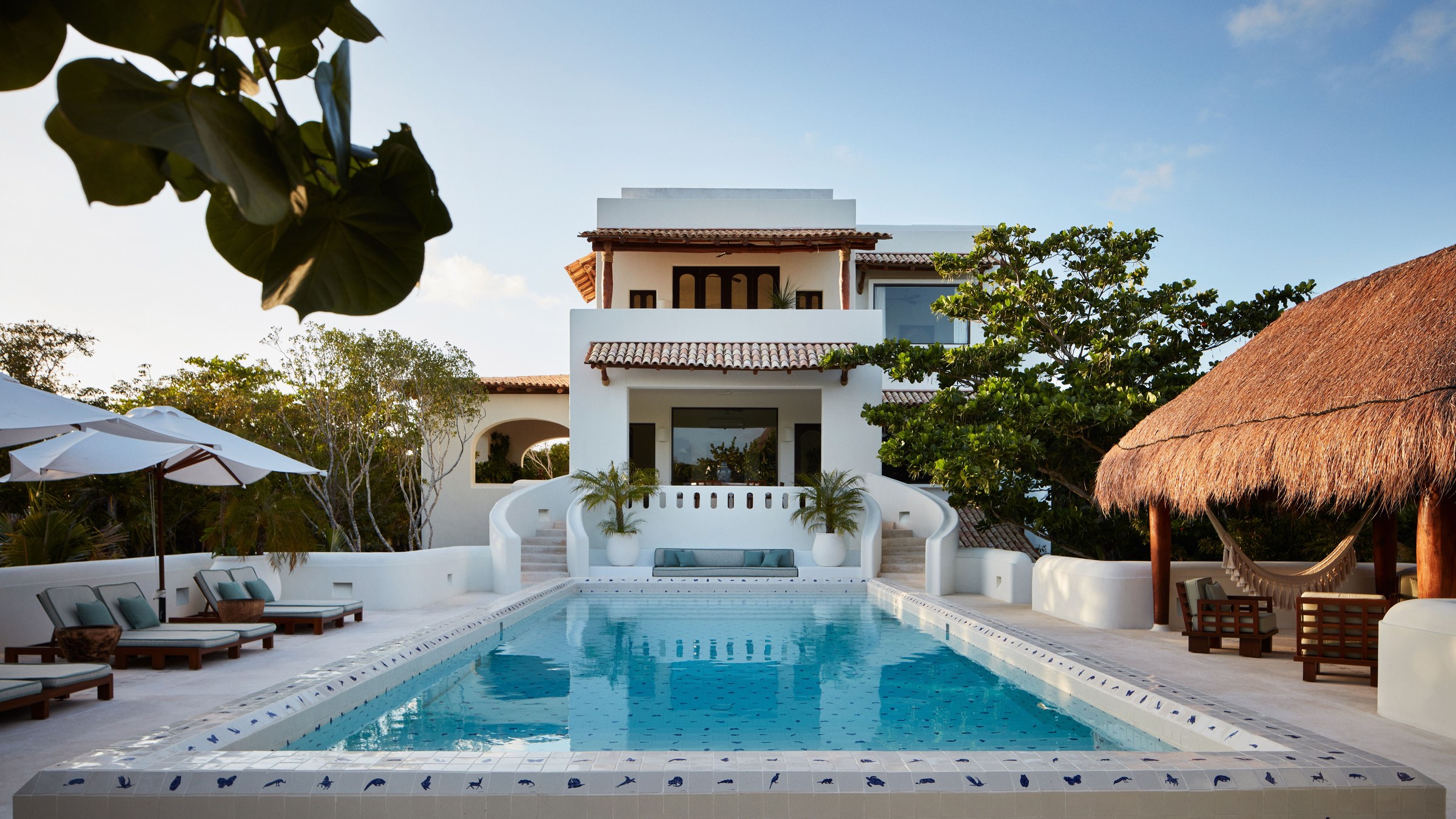
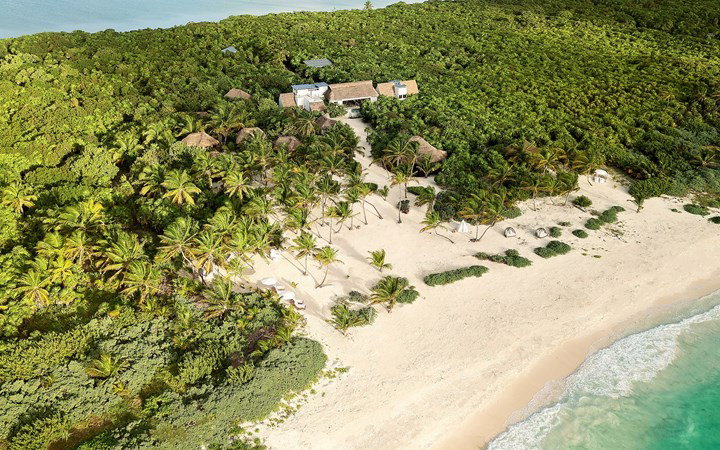
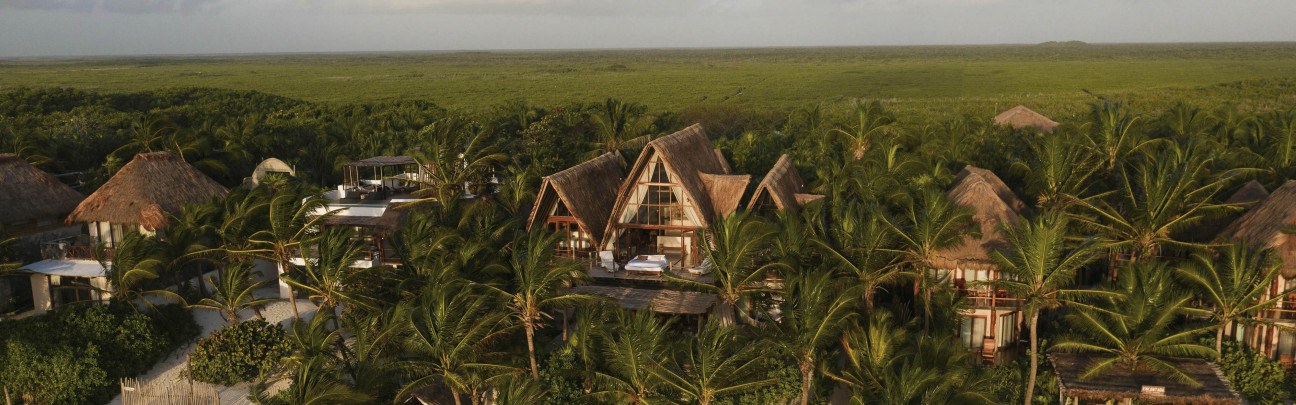
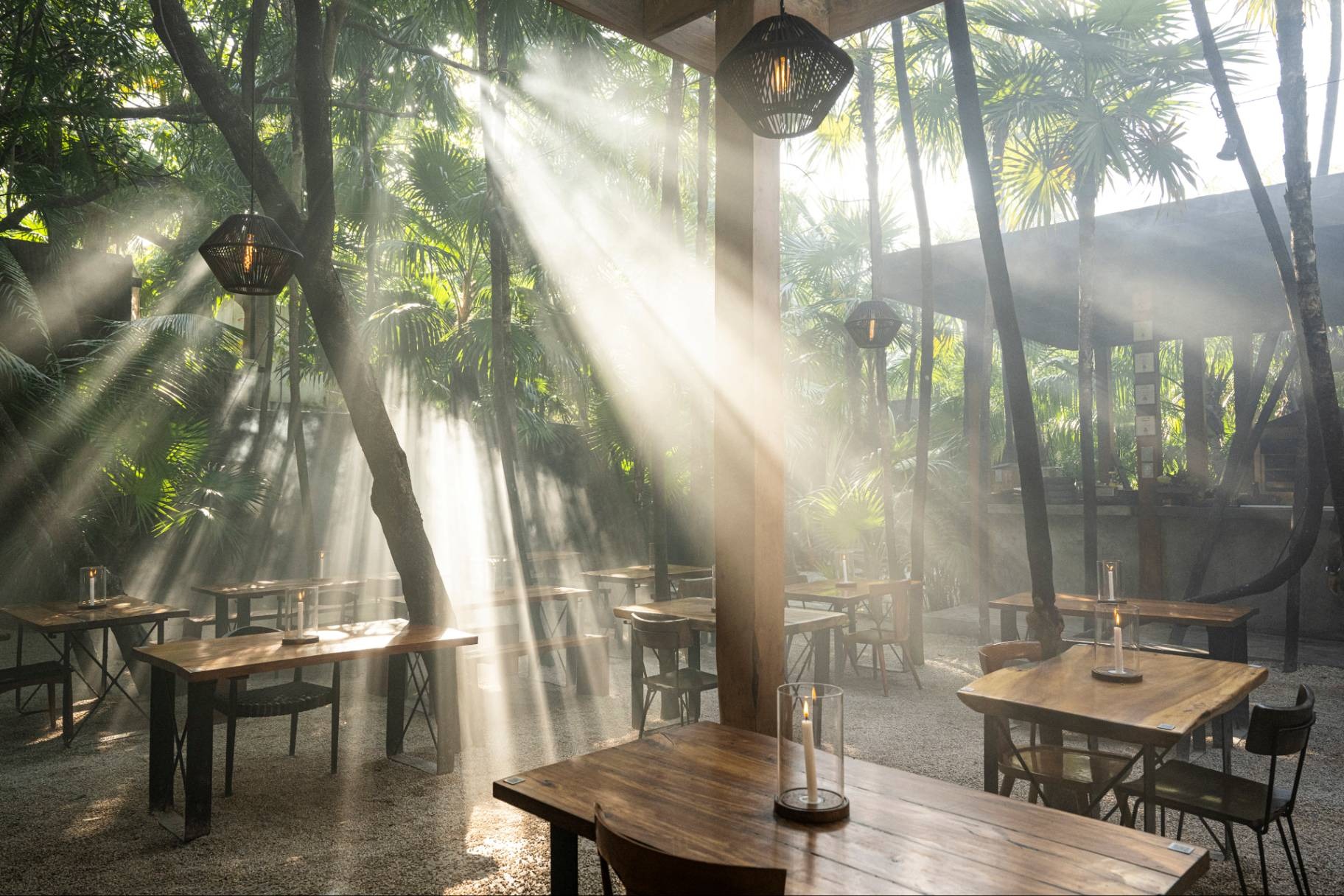
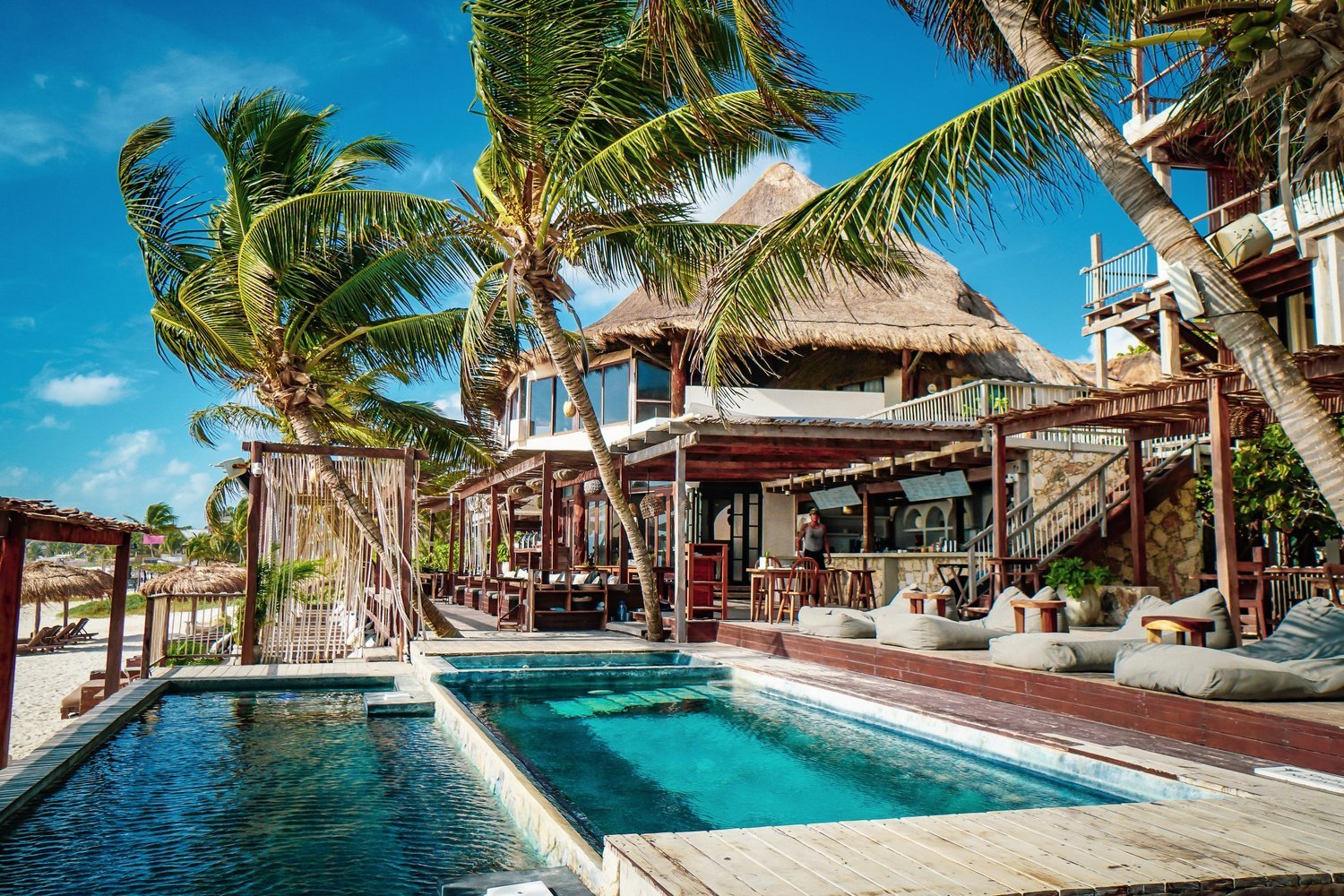
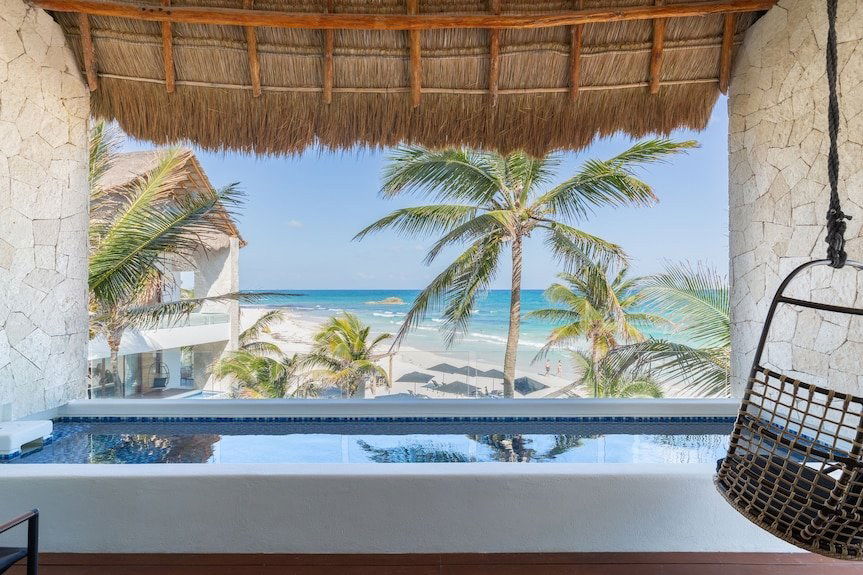
TAGO Tulum reads as a calm, seaside retreat defined by its setting more than flashy amenities. Located at Km 6 of the coastal strip, the hotel sits where development thins and the beach widens, so the built form is bookended by white sand and a jungle tree line. That geography shapes the property's personality: it emphasizes seaside quiet and natural edges rather than the denser, more trafficked hotel clusters farther north. The tone is understated and restorative, offering guests a place where the rhythm of the shoreline and the presence of the jungle feel like the principal design gestures.
Best For
TAGO is best for travelers who prioritize setting and a quieter stretch of beach over proximity to Tulum’s busiest zones. The description stresses direct Caribbean frontage and a position on the southern, less developed end of the hotel strip, making the property suited to visitors seeking seaside calm and easy access to white sand. Those comparing stays along the road will find TAGO appealing when proximity to water, the interplay between palms and shore, and reduced roadside bustle are the primary selection criteria rather than a hotel’s centrality to archaeological sites or town nightlife.
Stay Tips
When choosing accommodation at TAGO, focus your questions on room placement and beach access: the write-up highlights that market tier and guest experience here are strongly tied to proximity to the water and distance from the road. Ask which rooms face the sea and whether particular units have direct sand access, since the property’s quieter character stems from its position where the beach widens and palms grow close to the shore. If tranquility is your goal, confirm that your reservation places you on the seaward side of the structure rather than rooms nearer the road or denser development.
Venue details
Ambiance
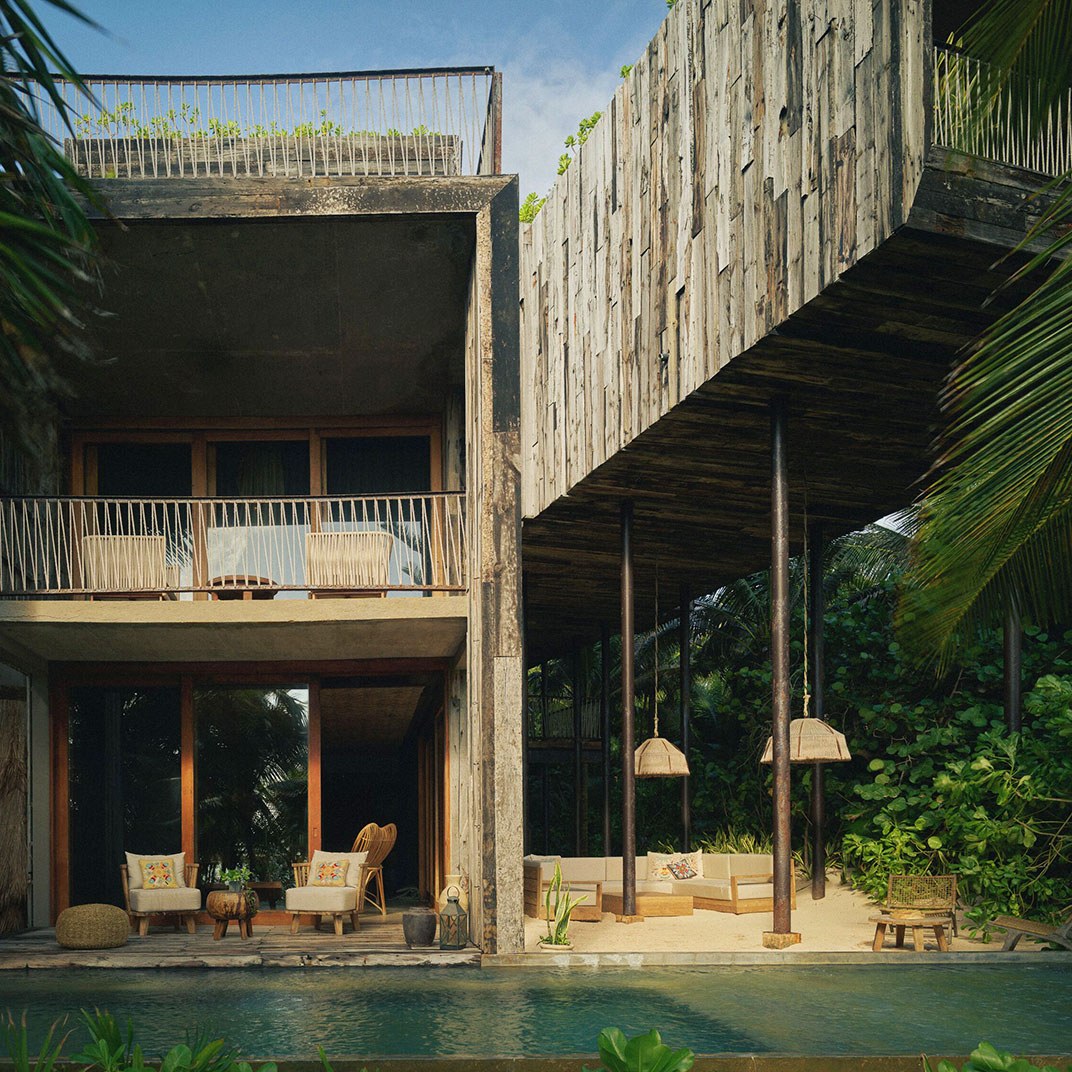
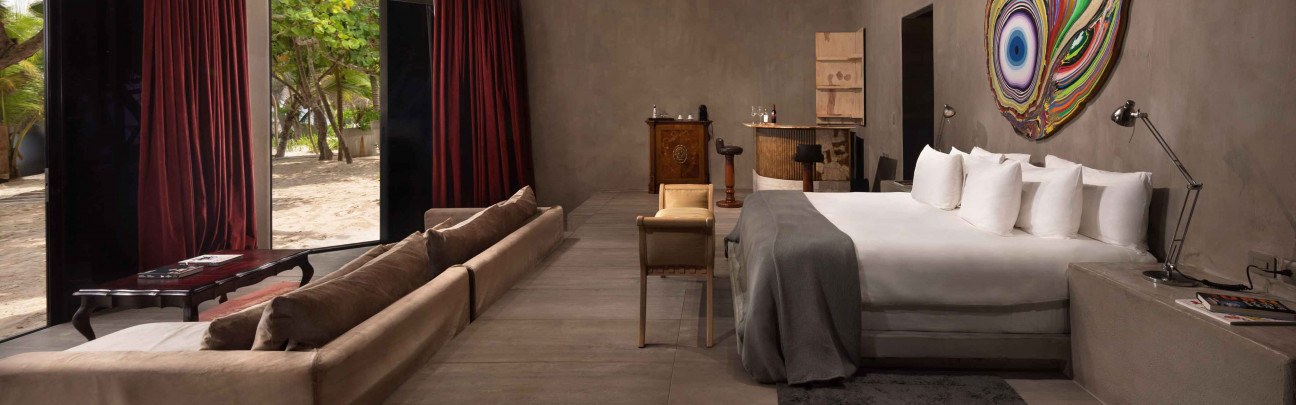
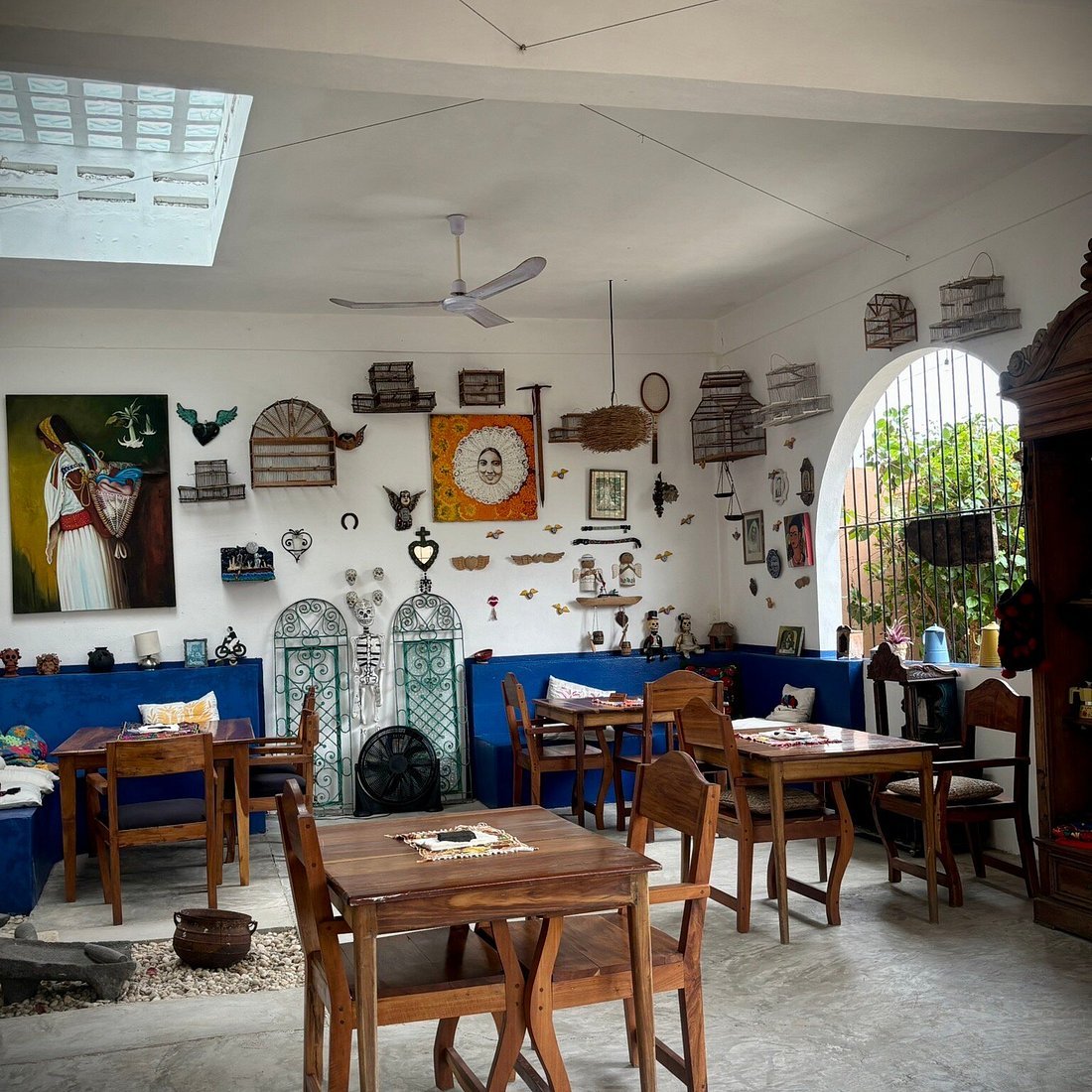
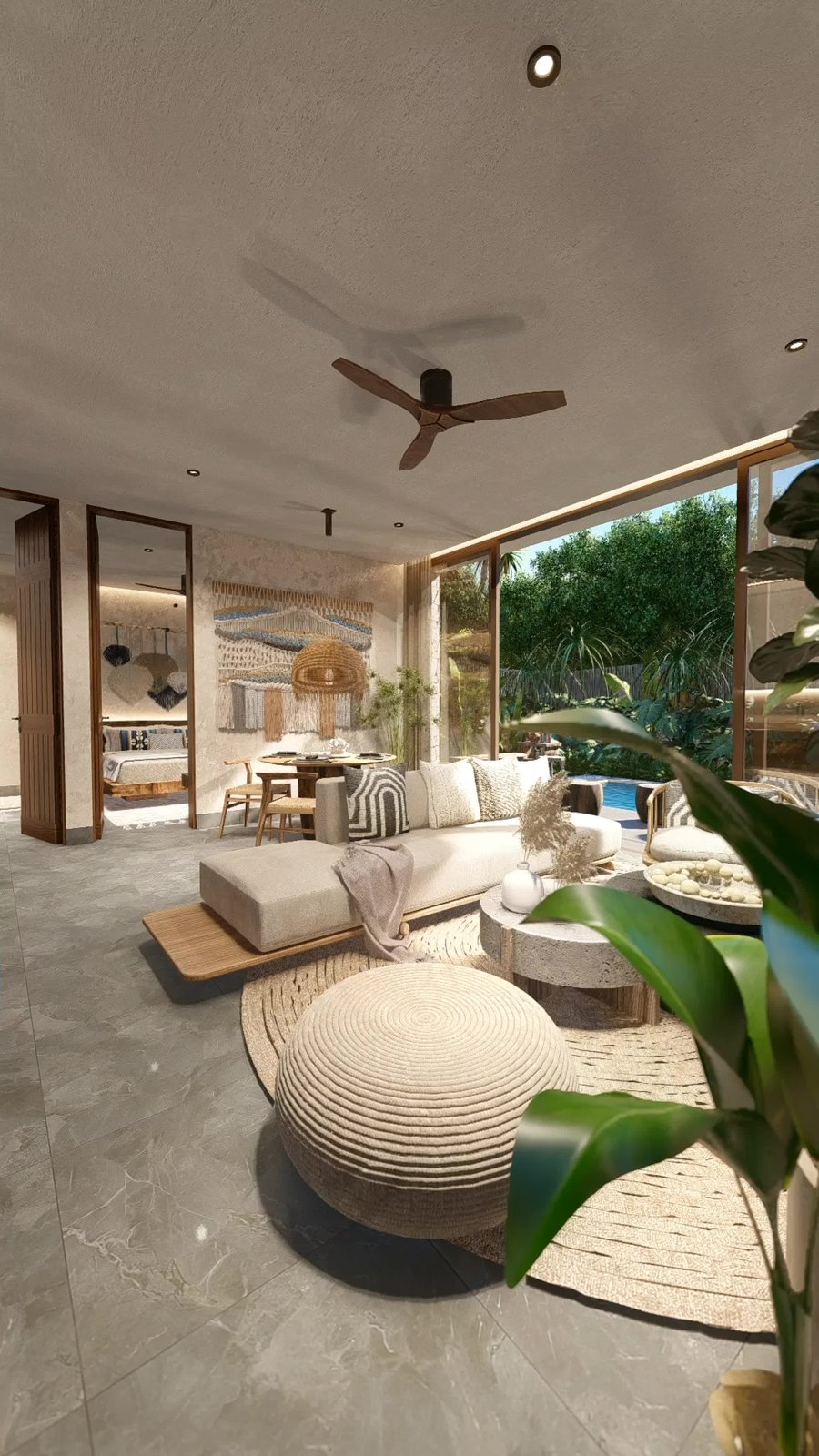
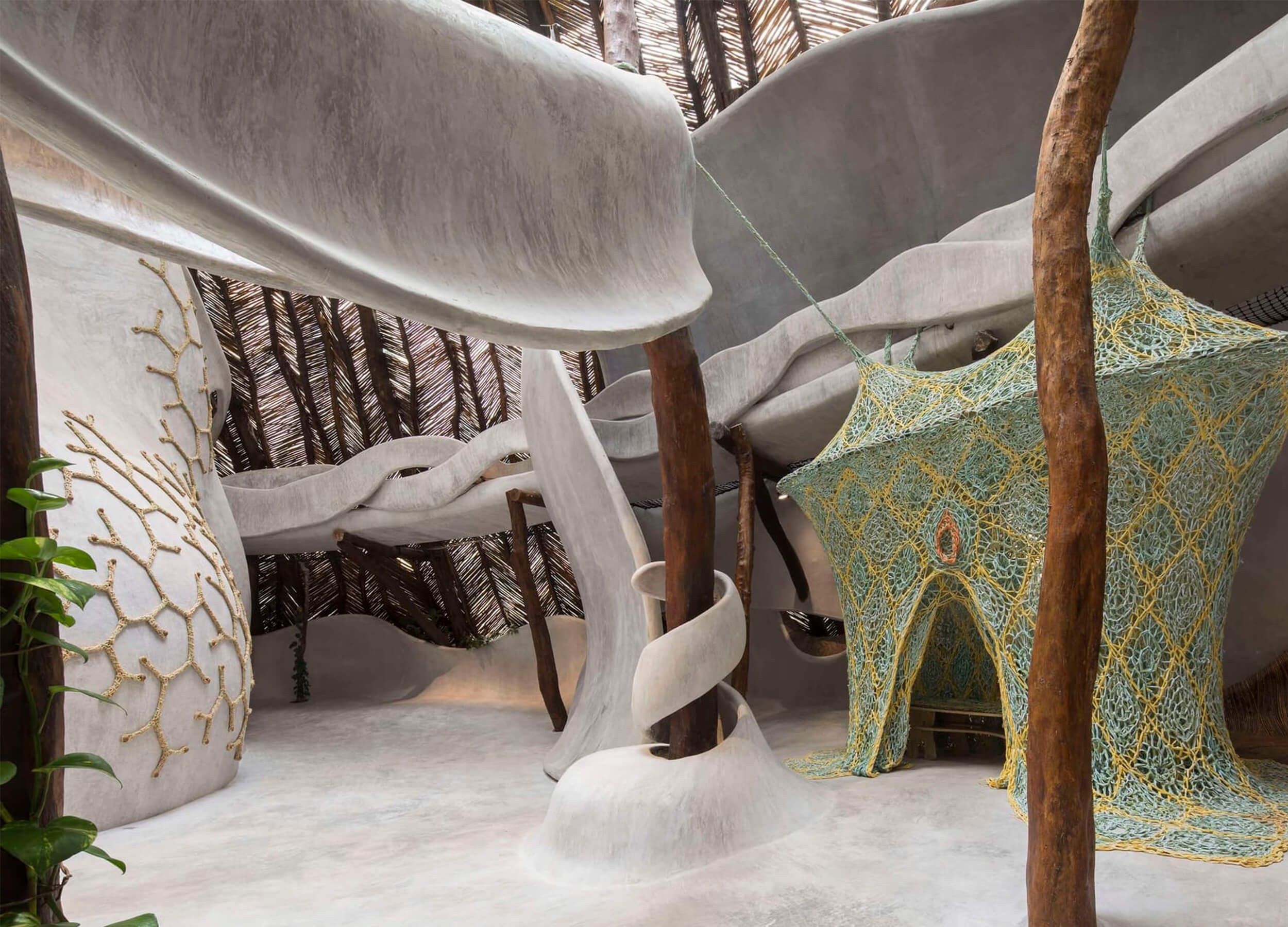
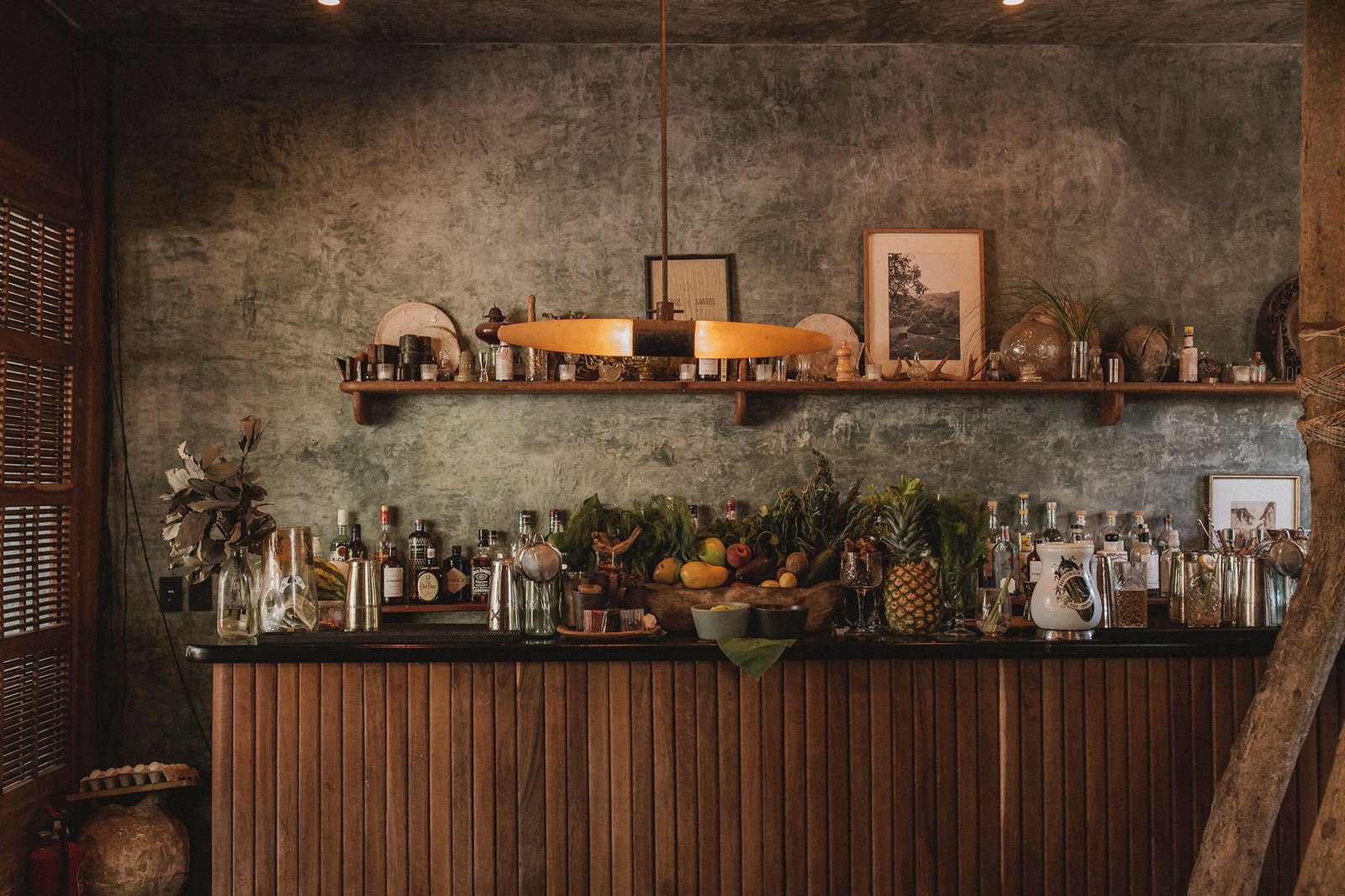
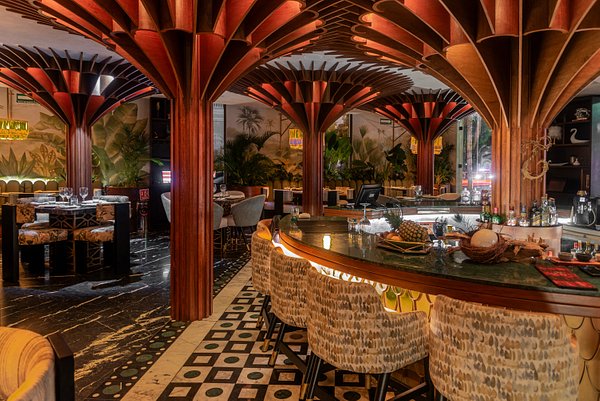
Serene and sophisticated with natural lighting, neutral color palettes, and organic integration with tropical surroundings; designed for relaxation and sensory immersion.
Tags
Vibe
Best For
Experience
Amenities
View
Accessibility
About the Stay
- Rooms
- 20
- Check-in
- 15:00
- Check-out
- 11:00
- Property Type
- Boutique hotel
- Property Style
- Eco Conscious Luxury Boutique Hotel Blending Contemporary Design with Authentic Mayan Architectural Elements and Natural Materials.
- Design Style
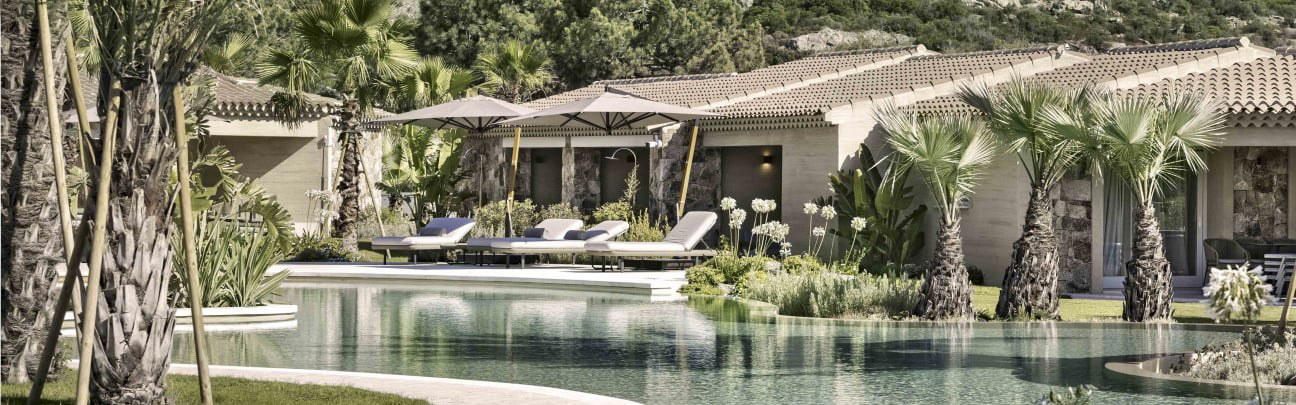
- Modern Mayan Aesthetic with Thatched Roofs, Kumaru Wood Floors, Neutral Color Palettes, Wicker Furnishings, and Organic Integration with Jungle and Beachfront Landscape.
- Airport Transfer
- Available
- Pool
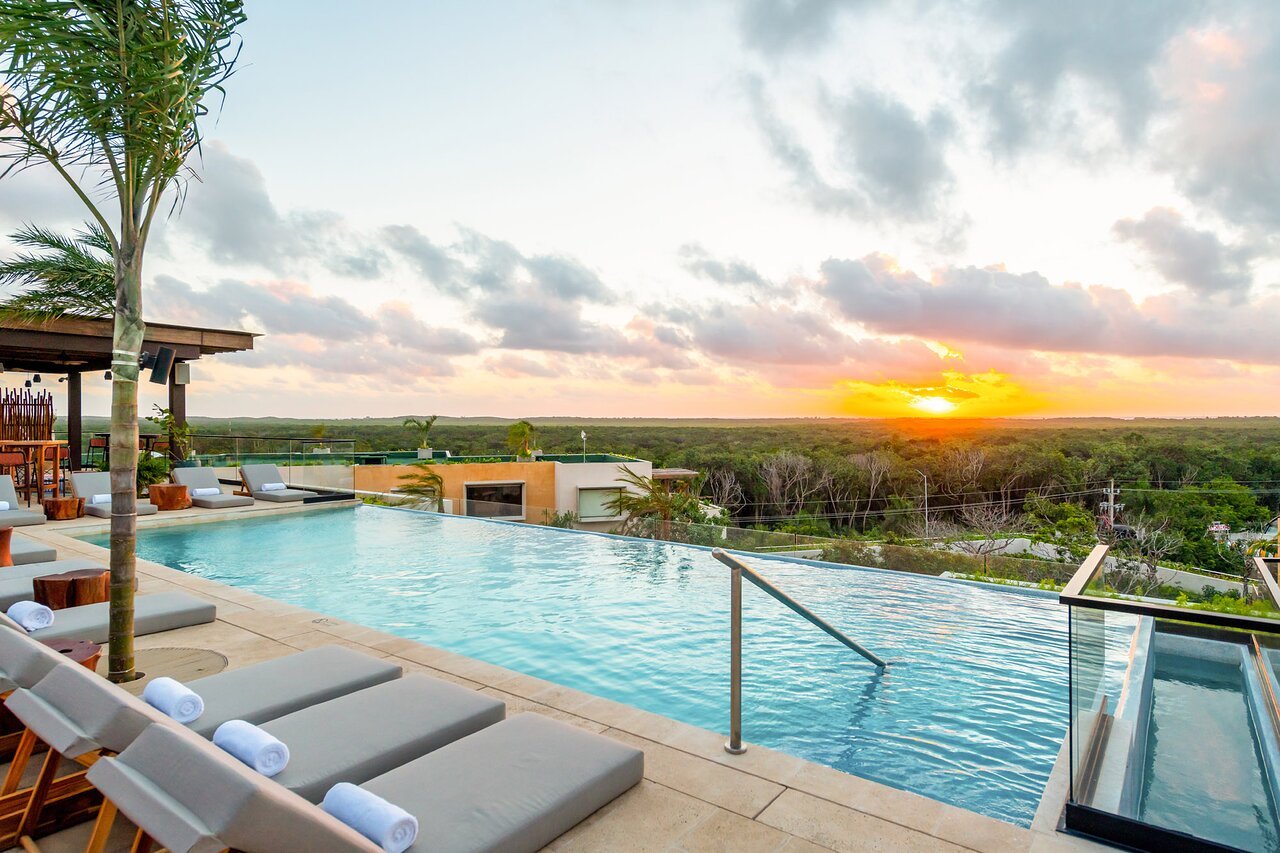
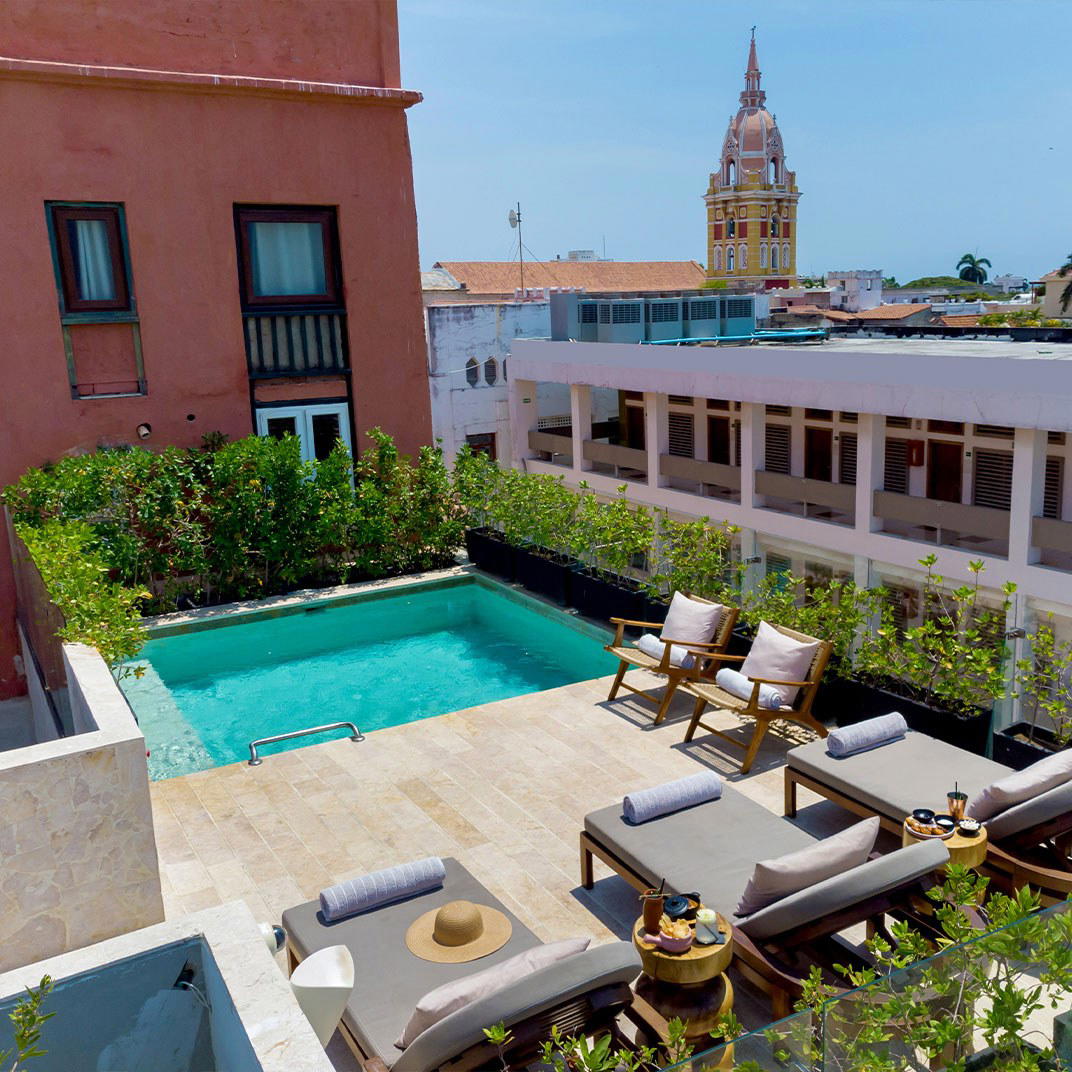
- Yes
- Spa
- Yes
- Cancellation
- Moderate
Know before you go
Know Before You Go
- Getting there
- Carretera Federal, Carr. Tulum-Boca Paila Km 6, Tulum Beach, Zona Hotelera, 77766 Tulum, Q.R.
Planning details
Location
Carretera Federal, Carr. Tulum-Boca Paila Km 6, Tulum Beach, Zona Hotelera, 77766 Tulum, Q.R. · Directions
Recognition and awards

Also consider
Also Consider
- Amansala Resort |Beachclub | Spa, Notable alternative
- Hotelito Azul Tulum, Notable alternative
- Papaya Playa Project, Notable alternative
- Ana y Jose Hotel & Spa Tulum, Notable alternative
- Delek Tulum, Notable alternative
Hotel context
How TAGO Tulum compares in Tulum
Choose TAGO Tulum if the priority is a calmer beach-zone stay with a celebration-friendly mood and relatively easy booking. Papaya Playa Project is the stronger choice for travelers who want a more social, event-led atmosphere, but it is less suited to a quiet date weekend.
Amansala Resort |Beachclub | Spa is the better cross-shop for wellness-leaning travelers who want the trip to revolve around beach club and spa time. Hotelito Azul Tulum is worth checking when value and availability matter more than a polished boutique-hotel feel.
For a more classic Tulum beach-hotel comparison, look at Ana y Jose Hotel & Spa Tulum and Delek Tulum. Ana y Jose is the safer family-oriented cross-shop, while Delek is better for travelers who want a more relaxed beach stay without pushing into the party side of the hotel zone.
Explore Tulum
Around this place
Discover more on Pearl
Unlock the full TAGO Tulum guide in Pearl, including awards, comparisons, FAQs, planning details, and nearby places.
Compare TAGO Tulum
| Venue | Location | Awards |
|---|---|---|
| TAGO Tulum | Tulum | 2025 Michelin Selected HotelsSmall Luxury Hotels Member 2025 |
| Amansala Resort |Beachclub | Spa | Tulum | No published awards |
| Hotelito Azul Tulum | Tulum | No published awards |
| Papaya Playa Project | Tulum | No published awards |
| Ana y Jose Hotel & Spa Tulum | Tulum | No published awards |
| Delek Tulum | Tulum | No published awards |
How TAGO Tulum compares with similar nearby venues.
FAQ
Frequently Asked Questions
When is the best time to book TAGO Tulum?
How does TAGO Tulum compare to nearby hotels?
Use TAGO Tulum's Small Luxury Hotels of the World membership in 2025 as one trust signal, then compare current details with Amansala Resort |Beachclub | Spa, Papaya Playa Project, Hotelito Azul Tulum, Ana y Jose Hotel & Spa Tulum, and Delek Tulum before booking.
Do loyalty programs work at TAGO Tulum?
TAGO Tulum is a Small Luxury Hotels of the World Member for 2025. Confirm directly with the hotel or booking channel whether any specific points, benefits, or stay privileges apply to your reservation.
Is TAGO Tulum family-friendly?
Family-specific facilities and policies vary. If you are traveling with children, confirm room setup, services, and any age-related policies directly with TAGO Tulum before booking.
How is the dining at TAGO Tulum?
How is the pool and spa at TAGO Tulum?
Specific pool and spa details vary. If those amenities matter for your trip, confirm the current setup directly with TAGO Tulum and compare with Ana y Jose Hotel & Spa Tulum or other Tulum options as needed.