
Sierra Grande, A Ted Turner Retreat
Truth or Consequences, Truth Or Consequences
Hotel in Truth Or Consequences, United States
 Book with Pearl
The Read
Price
$200–300per night
Why go
A strong choice for a calm Truth Or Consequences stay, especially if the trip is centered on hot-springs downtime rather than a large resort scene. Book it for an easier town-based retreat; choose Armendaris, A Ted Turner Reserve if the priority is a more remote reserve experience.
About Sierra Grande, A Ted Turner Retreat
For a first visit to Truth Or Consequences, Sierra Grande, A Ted Turner Retreat is best framed as a venue in Truth Or Consequences, with a casual dress code and a listing as a Virtuoso Luxury Hotel Partner for 2026.
The main decision is whether you want Sierra Grande itself or another style of stay. If being in Truth Or Consequences matters, Sierra Grande keeps the trip centered on the town. If the goal is a broader Ted Turner Reserve comparison, consider Armendariz, A Ted Turner Reserve or Ladder, A Ted Turner Reserve instead.
A Truth Or Consequences choice works better when the city is the priority
Book this if the appeal is staying at Sierra Grande, A Ted Turner Retreat in Truth Or Consequences with a casual dress code and a recognized luxury-travel affiliation. Do not assume specifics such as a particular dining format, price range, room count, service style, or amenity list.
Compared with Armendariz, A Ted Turner Reserve, Sierra Grande is the more direct choice when the trip is centered on Truth Or Consequences. Armendariz, A Ted Turner Reserve is a better comparison for travelers considering a different Ted Turner Reserve setting, while Sierra Grande keeps the decision focused on this venue and this city.
Who should book, and who should cross-shop
The right guest is someone who wants Sierra Grande, A Ted Turner Retreat specifically and is comfortable with a casual dress code. Travelers who need details on dining, prices, room categories, or specific amenities should verify those directly before booking.
The Virtuoso Luxury Hotel Partner recognition for 2026 is the clearest external trust signal available here. That recognition should be treated as a useful marker, not as proof of any specific amenity, dining program, room type, or service format.
For comparison, Stanton House and The Plaza Hotel Pioneer Park are alternative cross-shops, while Bear Mountain Lodge offers another lodging point of reference. Ladder, A Ted Turner Reserve and Armendariz, A Ted Turner Reserve are natural comparisons for travelers who are specifically looking at Ted Turner Reserve properties.
Planning details
- Location
- 501 McAdoo Street
- Website
- sierragrande.tedturnerreserves.com
The take
The Take
The Vibe
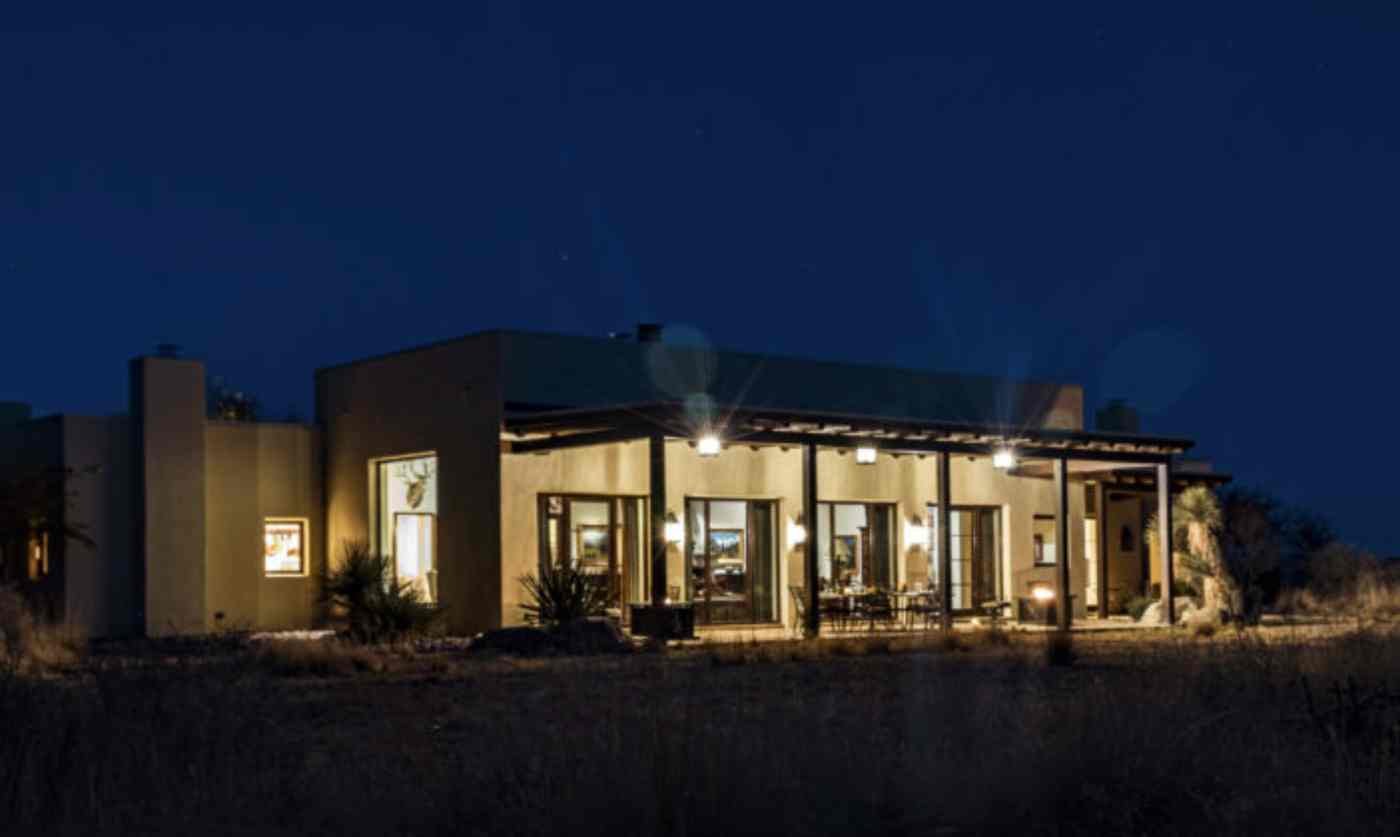
Sierra Grande reads like a quietly grand Southwestern lodge: an architecturally substantial 1929 property that carries nearly a century of regional hospitality. It emphasizes restorative calm and landscape access over flash, positioning itself as a self-contained refuge in a small hot-springs town. The property balances classic lodge gravitas with a pared-back serenity—less about spectacle and more about considered comfort, natural light and the slow rhythms of the desert valley. Guests find a composed, intimate setting that foregrounds the environment and the soothing, low-key character of Truth or Consequences.
Best For
This retreat is best for travelers seeking a restorative, low-key escape rather than a bustling resort experience. It suits wellness-focused stays and couples looking for a secluded romantic getaway, especially those who want to base themselves at a property with on-site programming and dining. The lodge’s self-contained approach makes it an appealing weekend escape: guests can use the geothermal-springs context and the hotel’s offerings as the core of a short, recharging trip without needing to leave the property for most of their time.
Stay Tips
The hotel’s dining programme is framed to anchor your stay, so plan to eat several meals on-site rather than expecting a separate destination restaurant or abundant off-property options. Menus are described as guest-centric and rooted in regional pantry and rhythm, so expect thoughtful, place-driven offerings that complement the restorative programming. If you prioritize a cohesive stay—spa or springs time plus evening meals—reserve dining with the hotel as part of your booking to ensure a smooth, integrated retreat experience.
Venue details
Ambiance
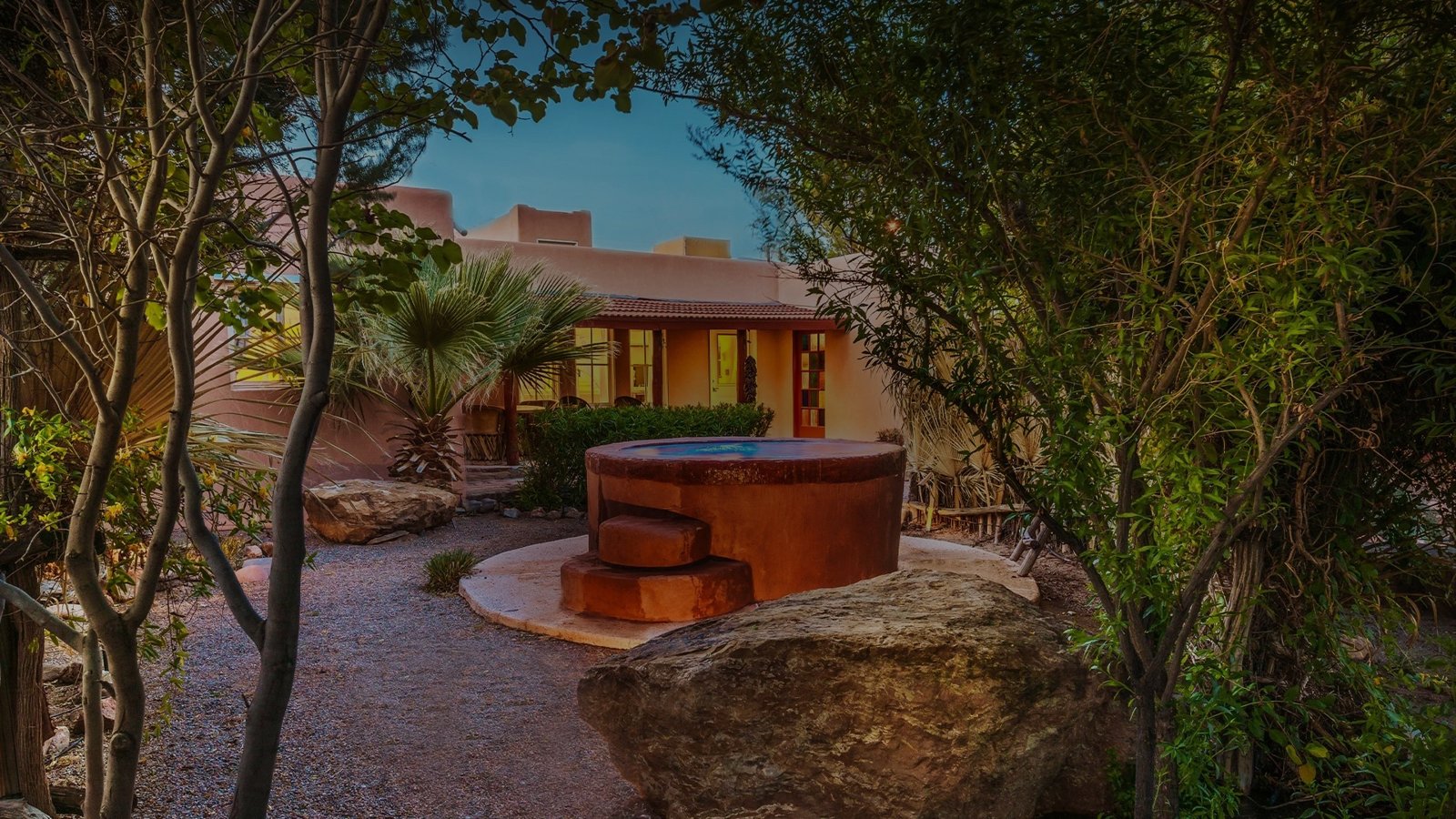
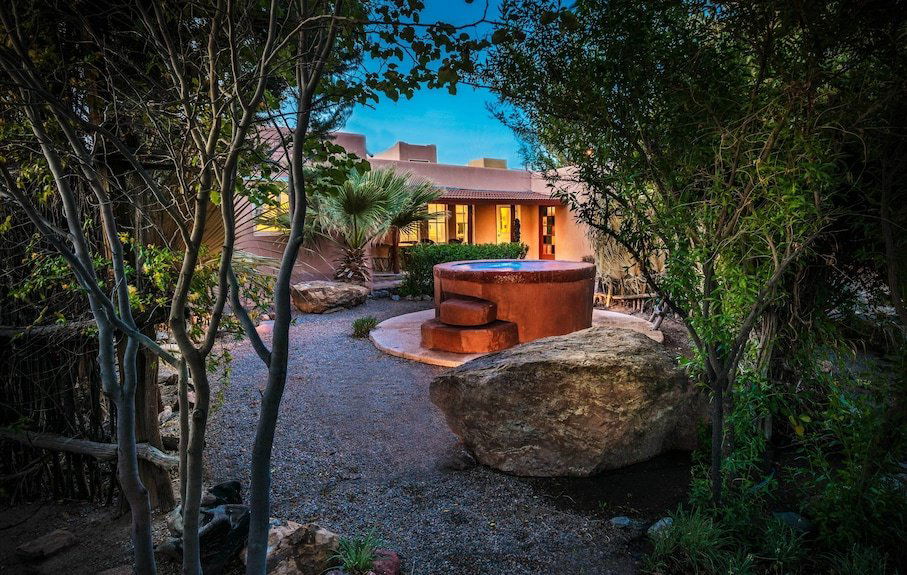
Serene and tranquil with soft lighting in spa areas, adobe-style architecture with earthy tones, natural stone finishes, and desert-inspired design that blends seamlessly with surrounding mesas and high desert landscape.
Tags
Vibe
Best For
Experience
Amenities
View
Accessibility
About the Stay
- Rooms
- 18
- Property Type
- Boutique hotel
- Property Style
- Historic Adobe Style Lodge with Southwest Inspired Architecture Featuring Hand Carved Wood Furnishings, Exposed Ceiling Beams, and Vibrant Regional Textiles Blended with Rustic Luxe Contemporary Comfort.
- Design Style
- Southwestern Rustic with Earthy Adobe Tones, Natural Stone, Timber Beams, Wrought Iron Accents, Local Artwork, and Vintage Early 20th Century Details Integrated with Modern Spa Amenities.
- Breakfast
- Included
- Spa
- Yes
- Pets
- Allowed
Know before you go
Know Before You Go
- Getting there
- 501 McAdoo Street
Planning details
Location
501 McAdoo Street · Directions
Recognition and awards

Also consider
Where to look if this is not the right fit
Choose Armendaris, A Ted Turner Reserve if the trip should feel more remote and reserve-led. Choose The Plaza Hotel Pioneer Park if a city hotel base with more urban infrastructure is a better match.
Hotel context
How it compares
Sierra Grande, A Ted Turner Retreat is the practical choice if the trip needs to stay anchored in Truth Or Consequences. Armendaris, A Ted Turner Reserve is better for travelers who want the Ted Turner reserve experience to define the whole itinerary, while Sierra Grande is the easier fit for a shorter stay, spa reset, or first visit to town.
Ladder, A Ted Turner Reserve should be treated as a more remote, experience-led alternative rather than a like-for-like hotel swap. Bear Mountain Lodge is the cross-shop for a quieter lodge mood outside the immediate Truth Or Consequences setup, while Sierra Grande has the advantage if minimizing transit friction matters.
For travelers willing to base in El Paso instead, The Plaza Hotel Pioneer Park and Stanton House make more sense for an urban hotel stay with a city backdrop. Pick Sierra Grande for retreat atmosphere and town access; pick the El Paso hotels if dining, nightlife, and a more conventional city-hotel experience are the point.
Explore Truth Or Consequences
Around this place
Discover more on Pearl
Unlock the full Sierra Grande, A Ted Turner Retreat guide in Pearl, including awards, comparisons, FAQs, planning details, and nearby places.
Compare Sierra Grande, A Ted Turner Retreat
| Venue | Location | Awards |
|---|---|---|
| Sierra Grande, A Ted Turner Retreat | Truth Or Consequences | 2026 Virtuoso Luxury Hotel Collection |
| Ladder, A Ted Turner Reserve | Caballo | No published awards |
| Armendaris, A Ted Turner Reserve | Truth Or Consequences | No published awards |
| Bear Mountain Lodge | Silver City | No published awards |
| The Plaza Hotel Pioneer Park | El Paso | 2026 Michelin 1 Key2025 Michelin 1 Key2024 Michelin 1 Key |
| Stanton House | El Paso | No published awards |


How Sierra Grande, A Ted Turner Retreat in Truth Or Consequences compares with similar nearby venues.
FAQ
Frequently Asked Questions
What is check-in like at Sierra Grande, A Ted Turner Retreat?
Check-in details should be confirmed directly with Sierra Grande, A Ted Turner Retreat before booking or traveling. The confirmed location information is Truth Or Consequences, and the dress code is casual.
Are pool or spa details for Sierra Grande, A Ted Turner Retreat?
Pool and spa details should be confirmed directly with Sierra Grande, A Ted Turner Retreat rather than assumed.
How is the dining at Sierra Grande, A Ted Turner Retreat?
The dress code is casual. If dining is central to the trip, verify current offerings directly and compare with other Truth Or Consequences dining options generically.
How does Sierra Grande, A Ted Turner Retreat compare to other stays?
Sierra Grande, A Ted Turner Retreat is the relevant choice when you want to stay in Truth Or Consequences and are considering a venue with 2026 Virtuoso Luxury Hotel Partner recognition. Stanton House and The Plaza Hotel Pioneer Park are alternative comparisons, while Ladder, A Ted Turner Reserve and Armendariz, A Ted Turner Reserve are useful comparisons for travelers looking at Ted Turner Reserve properties.
Which room category is best at Sierra Grande, A Ted Turner Retreat?
Choose based on current availability and the details provided directly by Sierra Grande, A Ted Turner Retreat, especially if space, views, or amenities are important to the stay.