
The Postcard on the Arabian Sea, Maravanthe Beach
Trasi
Hotel in Trasi, India
 Book with Pearl
Why go
Book this for a slower coastal stay near Trasi, not for a high-velocity business base. The Postcard on the Arabian Sea, Maravanthe Beach has 2025 World Travel Awards recognition in the boutique beach-hotel lane, so the value case is strongest when the beach setting and quieter pace are part of the reason for booking.
About The Postcard on the Arabian Sea, Maravanthe Beach
For a trip through Trasi, The Postcard on the Arabian Sea, Maravanthe Beach is worth shortlisting if the location itself is central to the stay. It is a Trasi hotel associated with Maravanthe Beach; details on rates, rooms, dining, or amenities are not available.
Better for a Trasi beach stay than an information-heavy booking
The value case depends on what the traveler needs from the stay. If the trip requires confirmed details on transfers, nearby services, dining, room types, or amenities before committing, those points should be checked directly with the property. If the plan is to prioritize a Trasi stay associated with Maravanthe Beach, the property may be relevant to consider.
Its main trust signal is clear: World Travel Awards 2025 recognition for Leading Boutique Beach Hotel and Leading Boutique Hotel. That does not answer every practical question, but it does place the property in a boutique-hotel lane rather than leaving it entirely without third-party recognition. Price details are not available, so judge value by how much the Trasi location and boutique-hotel recognition matter to the trip.
How to think about booking it
Details on rates, room categories, dining, service format, or amenities are not available, so the safest approach is to confirm current practical information directly before booking. For a broader scan, compare it with other Trasi stays and dining options generically, or consider established alternatives such as Alila Diwa Goa, Evolve Back Coorg, Kahani Paradise, Novotel Goa Panjim, or Taj Holiday Village Resort and Spa, Goa depending on the wider itinerary.
Planning details
- Location
- MJPW+558, Trasi Proper, Karnataka 576247, India
- Website
- postcardresorts.com/hotels/the-postcard-arabian-sea
The take
The Take
The Vibe
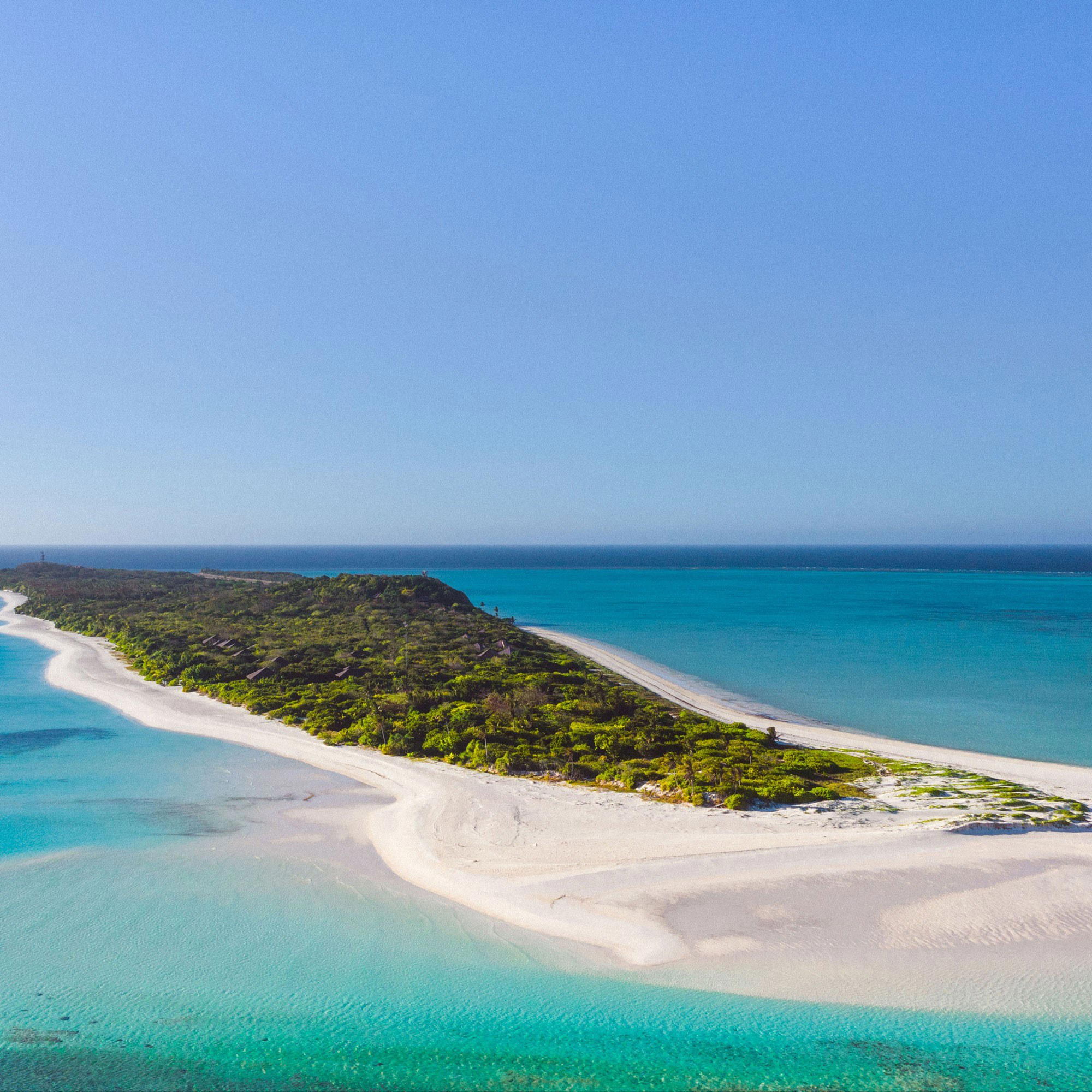
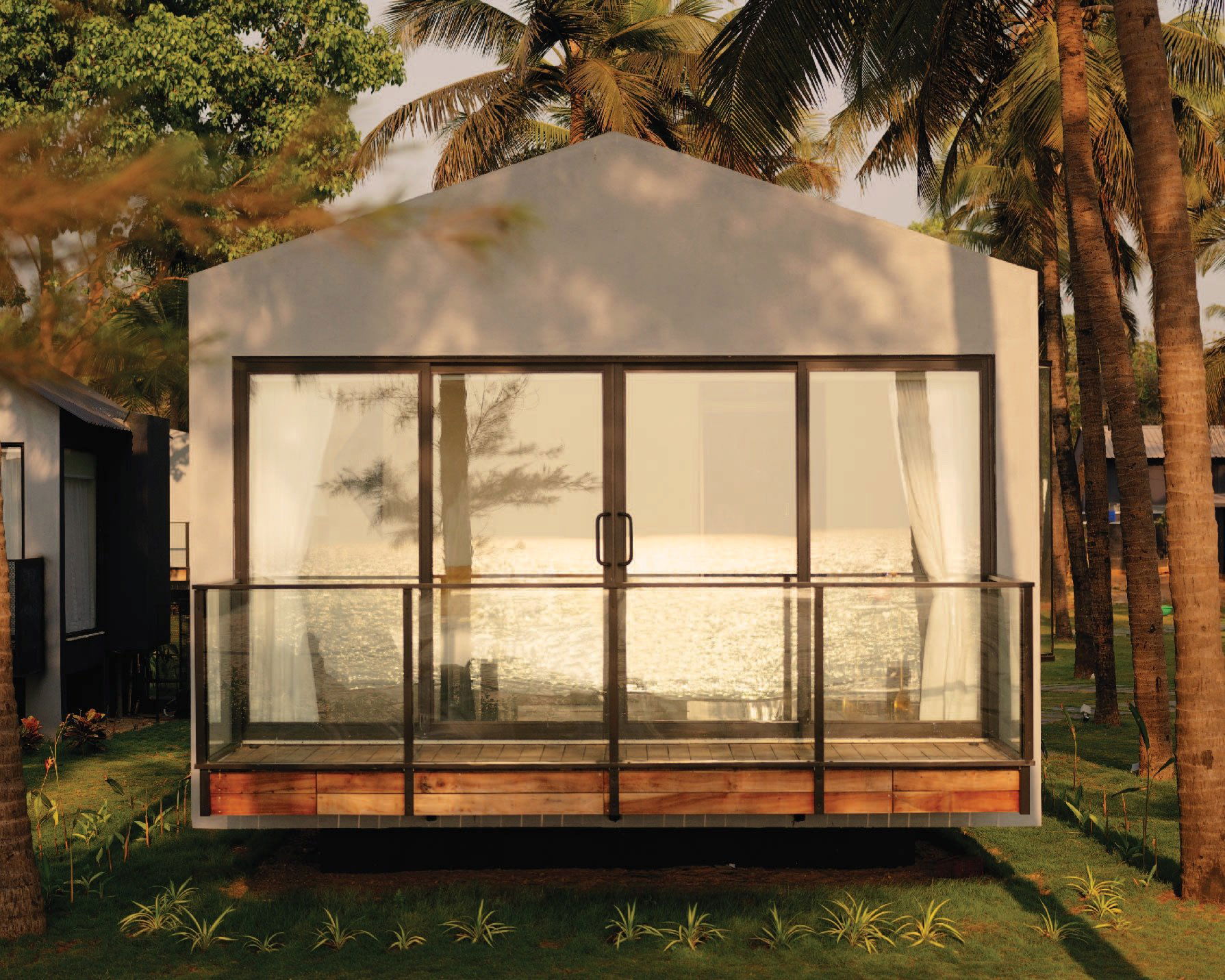
The Postcard on the Arabian Sea reads as a quietly confident coastal retreat that privileges sensitivity over spectacle. It sits on a narrow ribbon of land where the Arabian Sea and the Souparnika River run side by side, producing a setting that feels both expansive and intimate. The architecture leans on laterite and timber traditions of the Konkan, favoring grounded, vernacular materials and restrained detailing rather than decorative flourish. That design clarity and the property's small scale create a rustic, charming atmosphere that feels curated for calm contemplation rather than busy, branded resort energy.
Best For
This property suits travelers who prize a low-key, site-specific coastal escape and who are curious about regional architecture and materials. Because Maravanthe has avoided heavy resort development and the hotel intentionally stays small and attentive, it attracts visitors seeking tranquility, design-minded stays, and uncrowded shoreline access. The location between Mangaluru and Gokarna also makes it a good base for people exploring this quieter stretch of Karnataka coast rather than those seeking a high-amenity, all-inclusive resort experience.
Stay Tips
Expect a boutique, deliberately low-key experience and plan logistics accordingly. The description notes an absence of a nearby major airport and a room count that encourages attentiveness, so allow extra travel time and book well in advance given limited capacity. Embrace the local design focus—laterite and timber are integral to the property’s character—rather than anticipating standardized, chain-style amenities. If access and solitude matter to you, confirm arrival details ahead of time and prepare for a calm, site-driven stay rather than a high‑traffic beach resort.
Venue details
Ambiance
Tranquil and serene with soothing sea breezes, muted cozy tones in rooms, and a peaceful atmosphere enhanced by the sound of waves and beach proximity.
Tags
Vibe
Best For
Experience
Amenities
View
About the Stay
- Rooms
- 9
- Check-in
- 12:00
- Check-out
- 14:00
- Property Type
- Boutique hotel
- Property Style
- Intimate Luxury Beach Retreat Focused on Privacy and Nature.
- Design Style
- Cozy Aesthetic with Sea Inspired Mosaic Tiles and Muted Tones.
- Breakfast
- Included
- Pool
- Yes
- Spa
- Yes
- Pets
- Allowed
- Families
- Welcome
- Cancellation
- Moderate
Know before you go
Know Before You Go
- Getting there
- MJPW+558, Trasi Proper, Karnataka 576247, India
Planning details
Location
MJPW+558, Trasi Proper, Karnataka 576247, India · Directions
Recognition and awards

Also consider
Where to Look If This Is Not the Right Fit
If the priority is Goa infrastructure rather than a quieter Trasi beach stay, cross-shop Alila Diwa Goa or Taj Holiday Village Resort and Spa, Goa. If the trip needs a more city-practical base, Novotel Goa Panjim is the cleaner fallback.
Hotel context
How It Compares
The Postcard on the Arabian Sea, Maravanthe Beach is the Trasi pick when the trip is built around quiet coastal time and an easier booking path. Kahani Paradise is the more remote-feeling alternative, better for a hideaway mood than a practical work-trip base.
For Goa, Alila Diwa Goa and Taj Holiday Village Resort and Spa, Goa make more sense if the traveler wants a broader resort setup and more surrounding infrastructure. Novotel Goa Panjim is the pragmatic choice for a city-leaning Goa schedule, with less of the boutique beach-hotel positioning.
Evolve Back Coorg is the cross-shop for travelers who would trade the Arabian Sea setting for an inland escape. Choose Trasi for coast and quieter booking pressure; choose Coorg when the trip is more retreat than beach stay.
Explore Trasi
Around this place
Discover more on Pearl
Unlock the full The Postcard on the Arabian Sea, Maravanthe Beach guide in Pearl, including awards, comparisons, FAQs, planning details, and nearby places.
Compare The Postcard on the Arabian Sea, Maravanthe Beach
| Venue | Location | Awards |
|---|---|---|
| The Postcard on the Arabian Sea, Maravanthe Beach | Trasi | World Travel Awards 2025 · #1 |
| Kahani Paradise | Belekan | 2026 Mr & Mrs Smith Luxury Hotels2026 La Liste Top Hotels |
| Alila Diwa Goa | Goa | No published awards |
| Evolve Back Coorg | Coorg | No published awards |
| Novotel Goa Panjim | Goa | No published awards |
| Taj Holiday Village Resort and Spa, Goa | Candolim | 2026 La Liste Top Hotels |

How The Postcard on the Arabian Sea, Maravanthe Beach compares with similar nearby venues.
FAQ
Frequently Asked Questions
When is the best time to book The Postcard on the Arabian Sea, Maravanthe Beach?
Choose timing based on your travel dates and confirm availability directly with the property. It is in Trasi and has World Travel Awards 2025 recognition for Leading Boutique Beach Hotel and Leading Boutique Hotel. Compared with Novotel Goa Panjim, this is better framed as a Trasi stay rather than a city-hotel choice.
What is check-in like at The Postcard on the Arabian Sea, Maravanthe Beach?
A specific check-in process or street address is not available; the location is Trasi. This makes it best to confirm arrival logistics directly before travel, especially if the schedule is tight. Kahani Paradise is another boutique comparison for travelers weighing a stay elsewhere.
Which room category is best at The Postcard on the Arabian Sea, Maravanthe Beach?
Specific room categories, views, layouts, or preferred room types are not identified. If the setting is central to the trip, ask the property directly which category best fits that priority before booking. Alila Diwa Goa is another comparison for a Goa itinerary; this property is best evaluated as a Trasi boutique beach hotel.