
Anantara Sahara Tozeur Resort
Tozeur
Hotel in Tozeur, Tunisia
 Book with Pearl
The Read
Sahara-Immersed Luxury
Why go
A practical desert-resort pick for travelers who want space, quiet, and an easy-to-book Tozeur base. The value is strongest when rates are lower outside peak holiday windows; choose it for Sahara access and resort downtime, not for a walkable city-hotel setup or a documented destination dining program.
About Anantara Sahara Tozeur Resort
The dress code is smart casual. For planning around the wider area, pair it with our full Tozeur hotels guide.
Choose it with confirmed details, not assumptions
Shortlist Anantara Sahara Tozeur Resort after checking the specific details that matter for your trip: room category, facilities, dining availability, booking terms, and transport. Do not assume a particular restaurant style, price level, service format, or amenity set unless the hotel confirms it for your dates.
If the Tozeur stay is part of a broader Tunisia trip, compare Anantara Sahara Tozeur Resort with The Mora Sahara Tozeur and Dar HI. For other Tunisian hotel options, you may also compare it with La Badira, Maison Dedine, and The Residence Tunis. Use the comparison to decide whether Anantara Sahara Tozeur Resort fits your itinerary, then check current details directly with the hotel.
Planning details
- Location
- 2200 Route Mrah Lahwar, Tozeur
- Website
- themora.com/sahara-tozeur
- Phone
- +216 70 100 800
The take
The Take
The Vibe
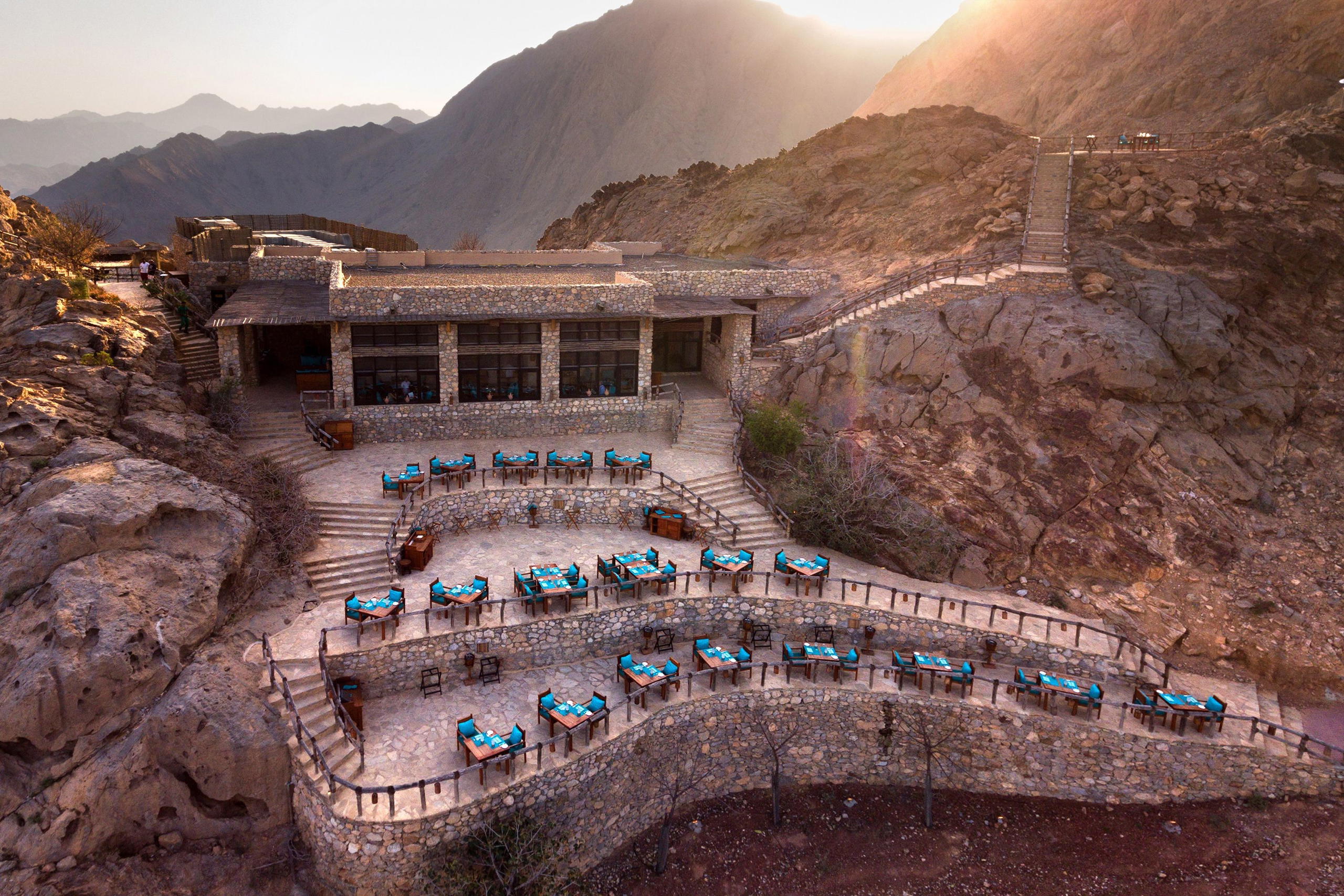
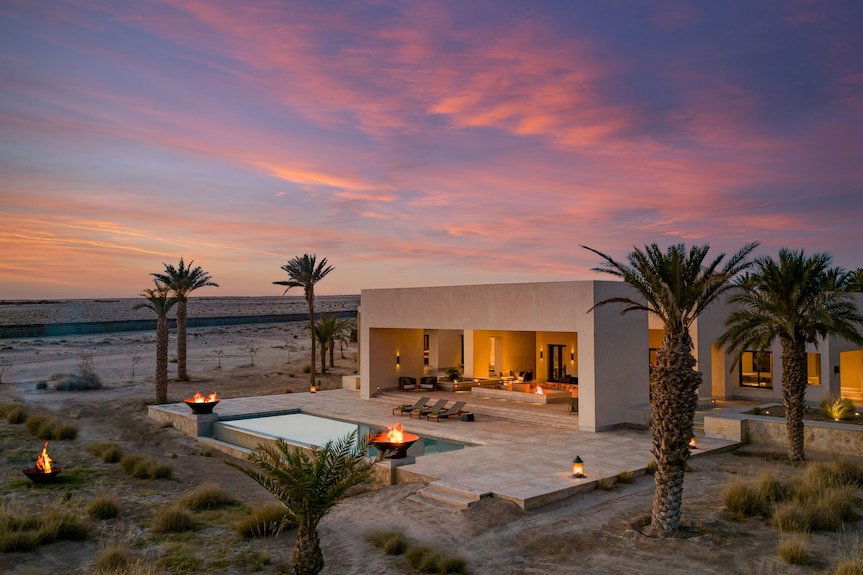
Anantara Sahara Tozeur reads as a restrained, design-forward luxury resort that treats the desert as a collaborator rather than a backdrop. Moorish arches, Berber craft vocabularies and references to traditional southern Tunisian geometry are woven into a minimalist-luxe language so the property feels regionally rooted rather than generic. The writing stresses silence, handcraft detail and a careful balance between local materiality and global luxury, producing a serene, historically resonant atmosphere that suits travelers who appreciate considered architecture and quiet, contemplative surroundings.
Best For
This resort suits travelers seeking a luxurious, design-minded escape in a singular landscape: honeymooners and couples on romantic getaways, families looking for a distinctive regional stay, and guests arriving for wellness-focused rest all find fitting conditions here. The property’s emphasis on local craft and architectural interpretation also appeals to travelers who prioritize culture and place in their stays. In short, it’s best for anyone after a high-end, thoughtfully designed desert retreat rather than a bustling commercial resort experience.
Venue details
Ambiance
Elegant and opulent with desert-inspired décor, marble floors, North African furnishings, and a peaceful oasis atmosphere.
Tags
Vibe
Best For
Experience
Amenities
View
Accessibility
About the Stay
- Rooms
- 93
- Property Style
- Contemporary Luxury Desert Retreat with Lush Palm Oases Amid the Sahara.
- Design Style
- Desert Inspired with Marble Floors, North African Furnishings, and Opulent Interiors.
Know before you go
Know Before You Go
- Getting there
- 2200 Route Mrah Lahwar, Tozeur
Planning details
Location
Recognition and awards
Also consider
Also Consider
- The Mora Sahara Tozeur, Notable alternative
- Dar HI, Notable alternative
- La Badira, Notable alternative
- Maison Dedine, Notable alternative
- The Residence Tunis, Notable alternative
Hotel context
How It Compares
Against The Mora Sahara Tozeur, Anantara Sahara Tozeur Resort is the safer pick for travelers who want a resort-format desert stay with easy booking and a quieter schedule. The Mora Sahara Tozeur is the direct cross-shop if the goal is to stay in Tozeur but compare ambiance and rate before committing.
Dar HI is the better alternative for travelers who want a smaller, more design-led Nefta stay rather than a larger resort base. If the trip is about coast, sea air, and a longer resort rhythm, La Badira is the stronger fit, while Maison Dedine suits travelers prioritizing a more intimate Sidi Bou Said setting.
The Residence Tunis is the practical choice if Tunis access matters more than desert scenery. For value, book Anantara Sahara Tozeur Resort when the rate reflects its remote-resort strengths; if prices climb close to coastal luxury levels, cross-shop La Badira or The Residence Tunis before locking it in.
Explore Tozeur
Around this place
Discover more on Pearl
Unlock the full Anantara Sahara Tozeur Resort guide in Pearl, including awards, comparisons, FAQs, planning details, and nearby places.
Compare Anantara Sahara Tozeur Resort
| Venue | Location | Awards |
|---|---|---|
| Anantara Sahara Tozeur Resort | Tozeur | 2025 Michelin Selected Hotels2025 Michelin 1 Key |
| The Mora Sahara Tozeur | Tozeur | No published awards |
| Dar HI | Nefta | No published awards |
| La Badira | Hammamet | Leading Hotels of the World 20262025 Michelin Selected Hotels |
| Maison Dedine | Sidi Bou Said | 2026 Michelin Guide New Hotels2025 Michelin Selected HotelsSmall Luxury Hotels Member 2025 |
| The Residence Tunis | Tunis | No published awards |



How Anantara Sahara Tozeur Resort compares with similar nearby venues.
FAQ
Frequently Asked Questions
How is the location of Anantara Sahara Tozeur Resort?
When is the best time to book Anantara Sahara Tozeur Resort?
Which room category is best at Anantara Sahara Tozeur Resort?
Choose based on the current room descriptions, prices, and policies shown by the hotel for your dates.
Is Anantara Sahara Tozeur Resort family-friendly?
How does Anantara Sahara Tozeur Resort compare to other Tunisia hotels?
Compare it with The Mora Sahara Tozeur if you are focused on Tozeur. If you are considering a wider Tunisia itinerary, you can also compare it with Dar HI, La Badira, Maison Dedine, and The Residence Tunis. Check current details for each property before deciding.