

Lupaia
Torrita di Siena
Hotel in Torrita di Siena, Italy
 Book with Pearl
The Read
Hillside Organic Agriturismo
Why go
Book Lupaia if the trip is about a polished countryside stay rather than a cheap Tuscan base. Its Michelin 1 Key, Small Luxury Hotels of the World membership, and Mr & Mrs Smith approval make the location premium easier to justify for couples and celebration travel; business travelers should be more cautious.
About Lupaia
Lupaia is a venue in Torrita di Siena with useful signals for deciding whether to book. The recognition includes: Michelin 1 Key in 2024, Small Luxury Hotels of the World membership in 2025, and a Mr & Mrs Smith Seal of Approval in 2026. The dress code is smart casual.
The safest way to evaluate Lupaia is to focus on what is known rather than assume details about rooms, dining, services, pricing, or setting. Treat the awards and memberships as quality signals, then confirm any trip-specific needs directly before booking.
Book for the recognition, not for assumed amenities
Lupaia is in Torrita di Siena, and its strongest booking case is the outside recognition attached to the property. A Michelin 1 Key, Small Luxury Hotels of the World membership, and Mr & Mrs Smith Seal of Approval all point to a stay that has been noticed by established travel selectors.
No specific cuisine, chef, menu format, room category, price, service style, check-in process, or transport detail is available. If any of those details are central to the trip, confirm them before treating Lupaia as the right fit.
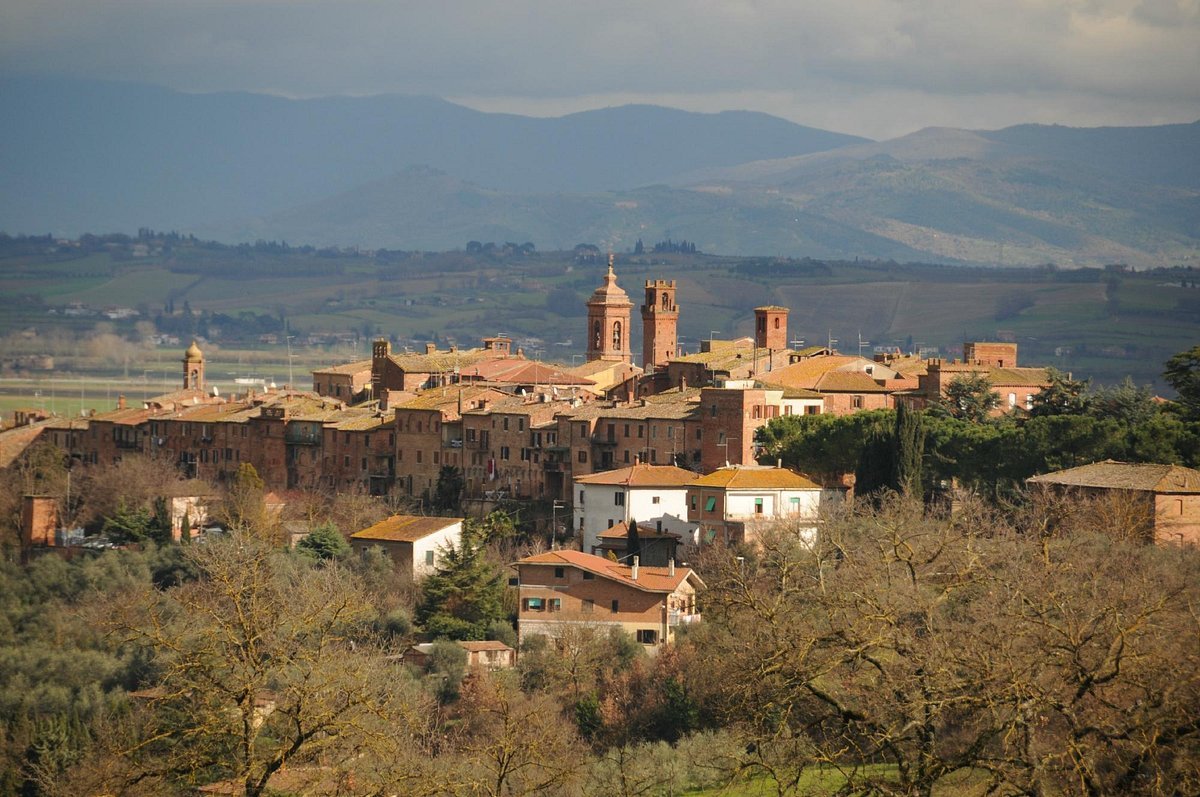
The location decision should start with Torrita di Siena
For any itinerary, the first practical question is whether Torrita di Siena is the right base. Lupaia may make sense if you are specifically looking at Torrita di Siena and want a venue with hospitality recognition. If your plans depend on a particular dining format, business setup, family facility, or transport arrangement, those points need direct confirmation.
Food-focused travelers should separate the hotel decision from the dining decision. The hotel has meaningful hospitality credentials, but no specific cuisine, chef, menu format, or price is listed, so do not book only on an assumed restaurant experience. Use our full Torrita di Siena restaurants guide for dinner planning, and compare dining options separately from the stay.
How to decide against other options
If Lupaia is unavailable, compare it with other options only on details relevant for your own dates. Follonico Suite B&B; is another named option to consider, while Bed and Breakfast Val d'Orcia, Casa Newton, VILLA POGGIANO, and Villa Cicolina may also be relevant depending on the type of stay you want. For Lupaia itself, key facts include its Torrita di Siena location, smart casual dress code, and the listed recognition.
Inside Lupaia
Planning details
- Location
- Località Lupaia, 74, 53049 Torrita di Siena SI
- Website
- lupaia.com
- Phone
- +39 0577 191 7066
The take
The Take
The Vibe
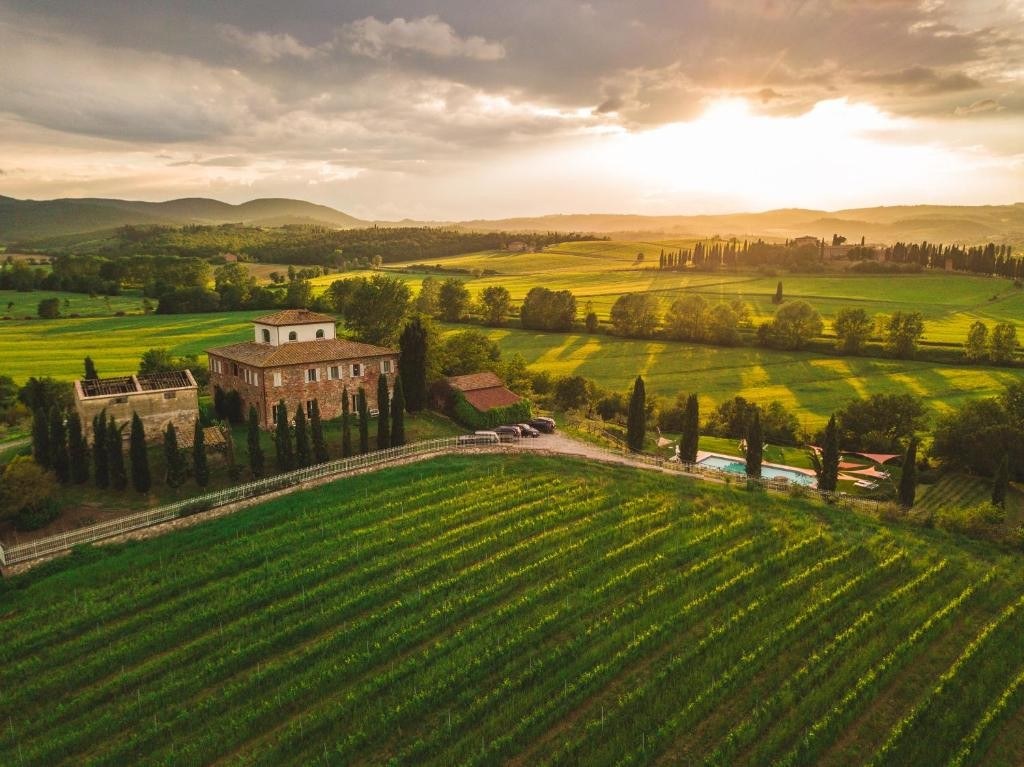
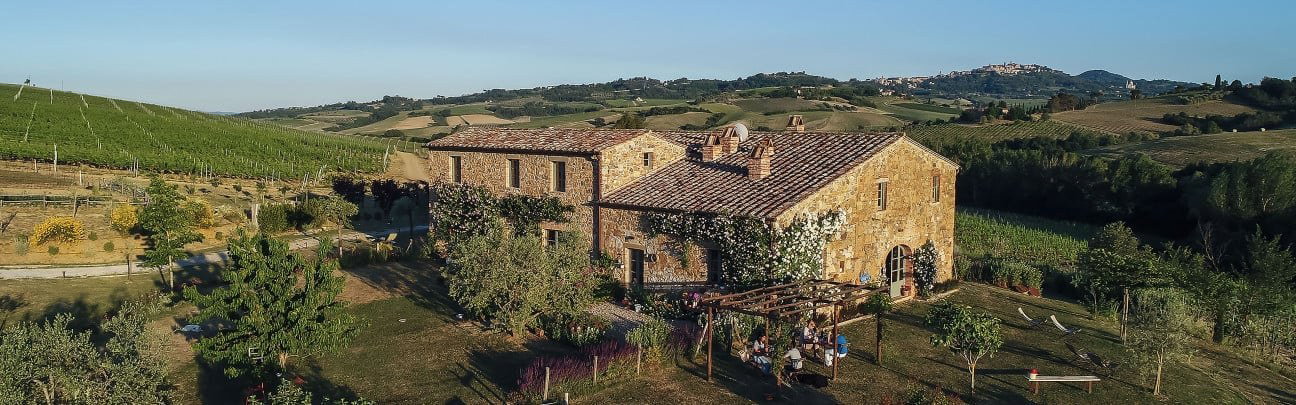
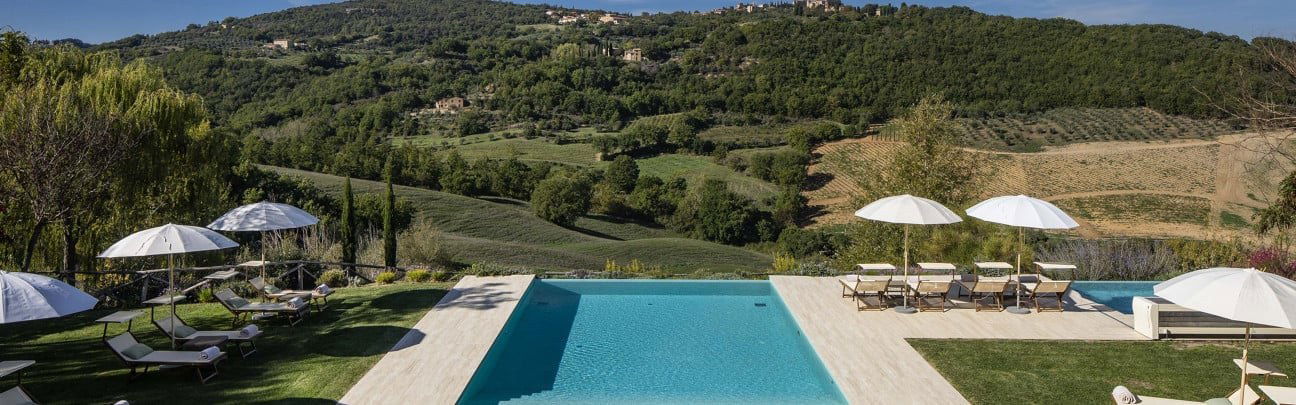
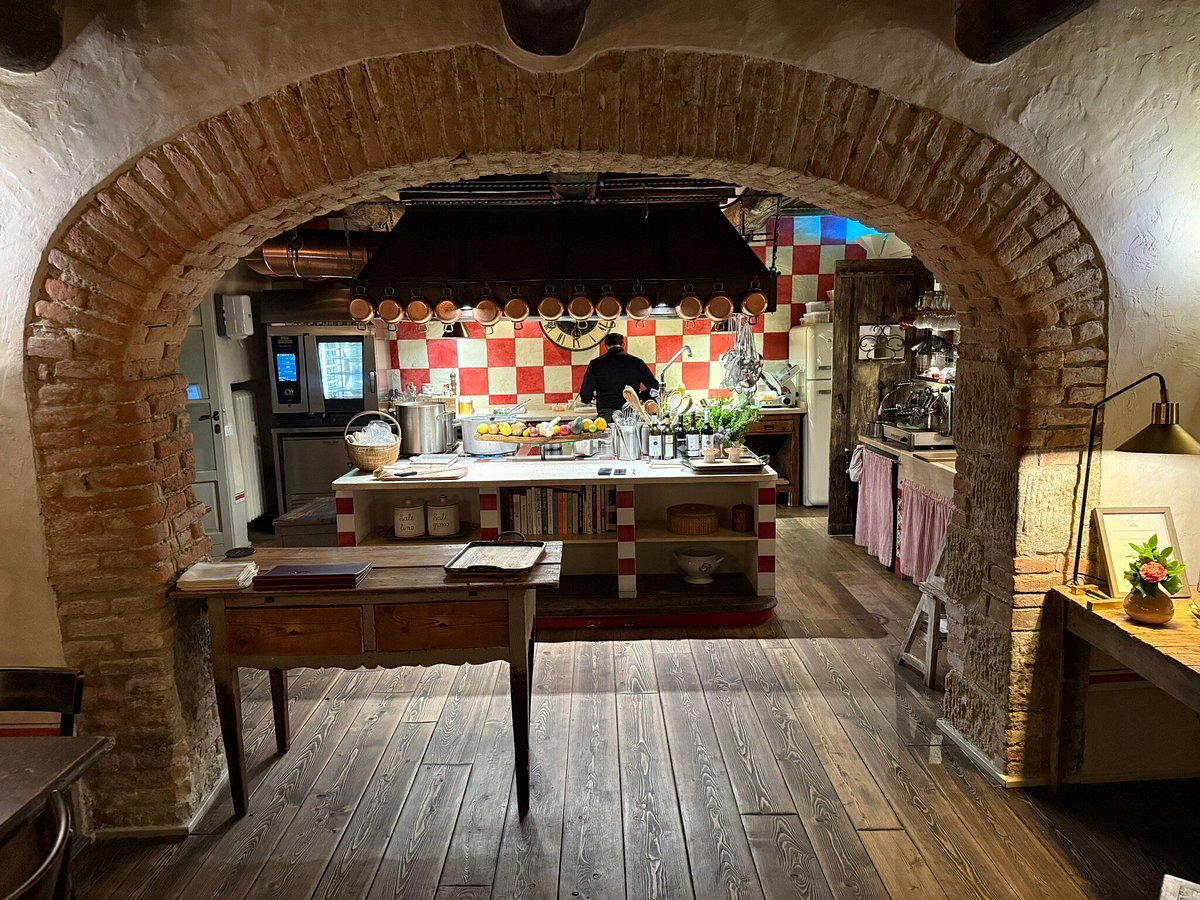
Lupaia reads as a considered, small-scale agriturismo where the farm operation and hospitality are genuinely intertwined. Perched on a hillside above the Val di Chiana, the property frames rolling vineyards and olive groves as its primary architectural gesture, and the view reaches across the valley to Montepulciano. Its eleven rooms reinforce a discreet, attentive service model—quiet and intimate rather than theatrical—which, together with a garden-driven kitchen and a recent Michelin hotel key, gives the place a quietly sophisticated, quintessentially Tuscan character.
Best For
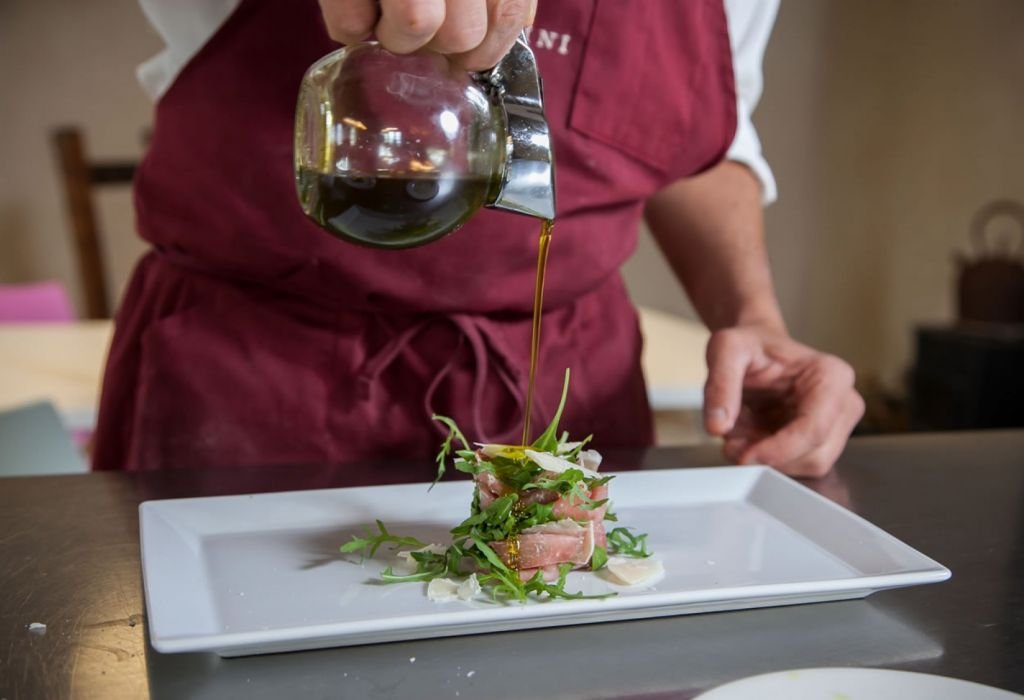
This is a destination for couples and travellers who prize thoughtful rural hospitality, farm-to-table dining and proximity to serious wine country. The small eleven-room scale and serene hillside setting suit romantic getaways, anniversaries and relaxed weekend escapes. Food-focused visitors will appreciate the emphasis on the kitchen and garden produce, while wine-minded guests benefit from easy access to Montepulciano and neighboring estates. The property works best for those seeking a restful base for tasting itineraries and slow meals rather than for noisy group celebrations.
Stay Tips
Book early—Lupaia's eleven rooms and focused dining programme mean availability fills quickly, especially for dinner. Reserve the evening meal when you book accommodation to secure a seat for the garden-to-table menu, and ask staff about how the kitchen sources produce from the estate. If wine exploration is on your agenda, plan tastings or visits to nearby Montepulciano estates in advance; the property’s hillside location makes it a convenient base for curated wine-focused excursions.
Venue details
Ambiance
Serene and picturesque with lush gardens, jasmine-scented cottages, and enchanting hill views, creating a romantic and homely atmosphere.
Tags
Vibe
Best For
Experience
Amenities
View
Accessibility
About the Stay
- Rooms
- 12
- Check-in
- 15:30
- Check-out
- 12:00
- Property Style
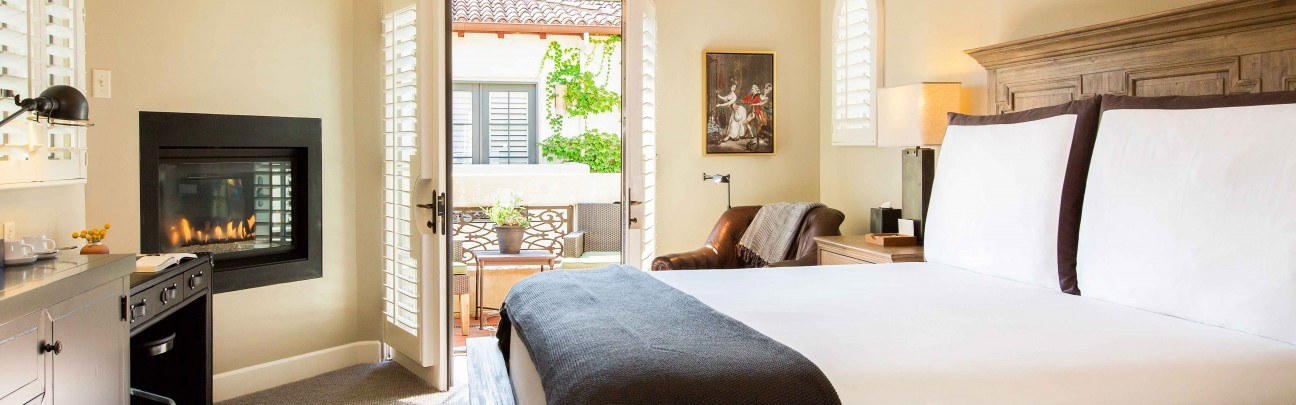
- Restored Historic Agriturismo with Rustic Farmhouses.
- Design Style
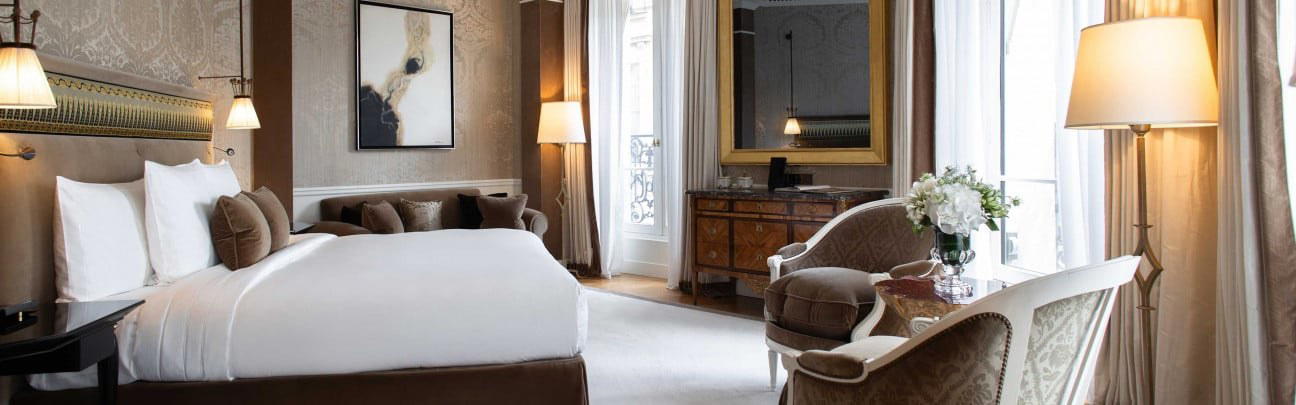
- Traditional Tuscan with Exposed Beams, Tiles, Antique Furnishings, and Modern Comforts.
Know before you go
Know Before You Go
- Getting there
- Località Lupaia, 74, 53049 Torrita di Siena SI
Planning details
Location
Recognition and awards

Also consider
Where to look if Lupaia is unavailable
Try Follonico Suite B&B; first if staying in Torrita di Siena matters. If the trip can stretch beyond the immediate area, compare Villa Cicolina and VILLA POGGIANO for a similar countryside-hotel decision.
Hotel context
How Lupaia compares in Torrita di Siena
Lupaia is the stronger splurge choice in this set if outside recognition matters. Its Michelin 1 Key, Small Luxury Hotels of the World membership, and Mr & Mrs Smith approval give it a clearer quality signal than Follonico Suite B&B;, Casa Newton, Villa Cicolina, VILLA POGGIANO, or Bed and Breakfast Val d'Orcia from the information available here.
For value, start with Follonico Suite B&B; or Bed and Breakfast Val d'Orcia if the priority is a simpler base in the area. For a more villa-style comparison, check VILLA POGGIANO and Villa Cicolina. Lupaia makes more sense when the hotel experience is part of the reason for the trip, not just the place to sleep.
Booking difficulty is the practical watchout. If Lupaia is tight on dates, cross-shop Casa Newton and Follonico Suite B&B; first, then widen to the out-of-metro options if the itinerary can handle extra movement.
Explore Torrita di Siena
Around this place
Discover more on Pearl
Unlock the full Lupaia guide in Pearl, including awards, comparisons, FAQs, planning details, and nearby places.
Compare Lupaia
| Venue | Location | Awards |
|---|---|---|
| Lupaia | Torrita di Siena | 2026 Mr & Mrs Smith Luxury HotelsMichelin 1 Key 20252025 Michelin 1 KeySmall Luxury Hotels Member 20252024 Michelin 1 Key |
| Follonico Suite B&B | Torrita di Siena | 2026 Mr & Mrs Smith Luxury Hotels2025 Michelin Selected Hotels2024 Michelin 1 Key |
| VILLA POGGIANO | Montepulciano | No published awards |
| Casa Newton | Pienza | 2026 Mr & Mrs Smith Luxury HotelsTablet Hotels Design Awards 2026: Best New Hotel Designs (Europe)2025 Michelin 1 Key |
| Villa Cicolina | Montepulciano | No published awards |
| Bed and Breakfast Val d'Orcia | Pienza | No published awards |


How Lupaia Torrita di Siena compares with similar nearby venues.
FAQ
Frequently Asked Questions
What is check-in like at Lupaia?
Lupaia is in Torrita di Siena, but specific check-in procedures or arrival times are not known. Confirm check-in details directly before travel.
Do loyalty programs work at Lupaia?
The recognition for Lupaia includes Michelin 1 Key (2024), Small Luxury Hotels of the World Member (2025), and Mr & Mrs Smith Seal of Approval (2026). No specific points, loyalty, or benefits program is listed.
Is Lupaia good for business travel?
How is the location of Lupaia?
Lupaia is in Torrita di Siena. No more specific location detail is available, so use Torrita di Siena as the location when planning.
Which room category is best at Lupaia?
How is the dining at Lupaia?
No specific cuisine, chef, menu format, meal service, or price is listed. If dining is important to the trip, confirm current details directly and compare with other Torrita di Siena dining options.
Is Lupaia family-friendly?
Family-specific facilities or policies are not listed. Lupaia is in Torrita di Siena and has a smart casual dress code, but family suitability should be confirmed directly for your dates.