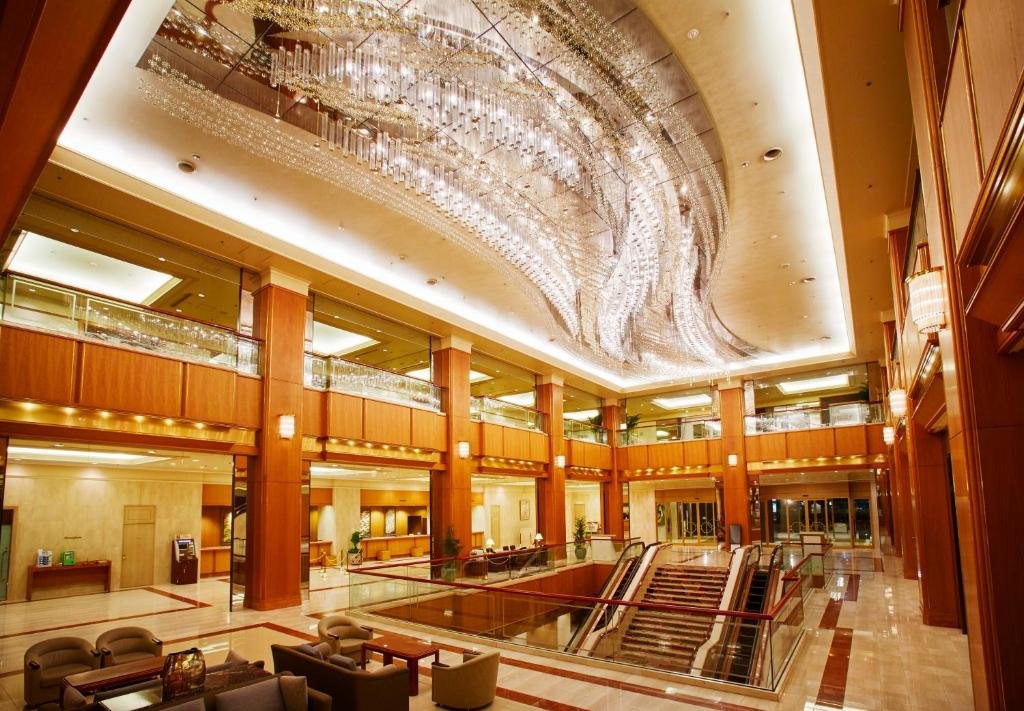

Royal Park Hotel
Chūō, Tokyo
Hotel in Tokyo, Japan
 Book with Pearl
The Read
Nihonbashi Commercial-District Lodging
Why go
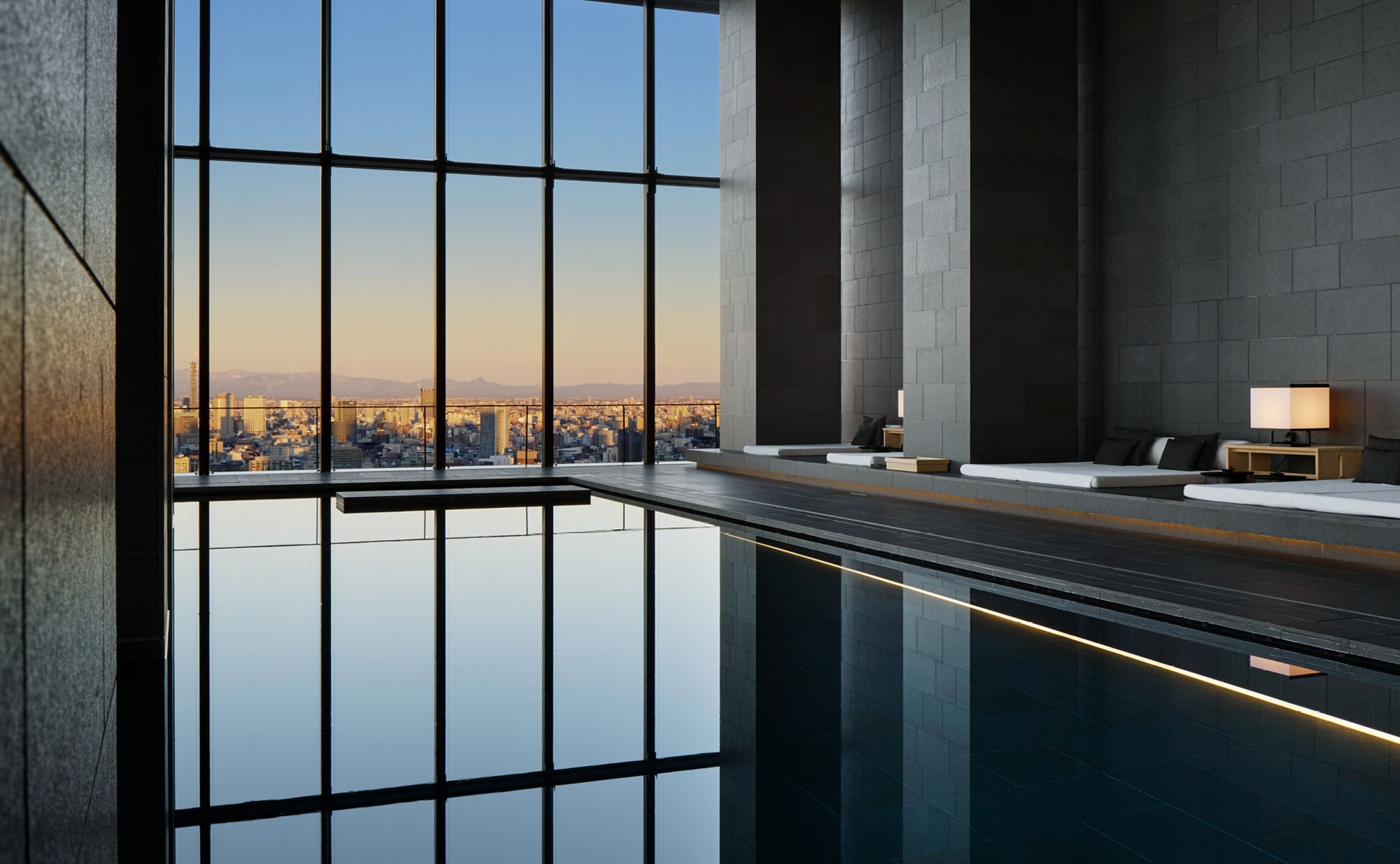
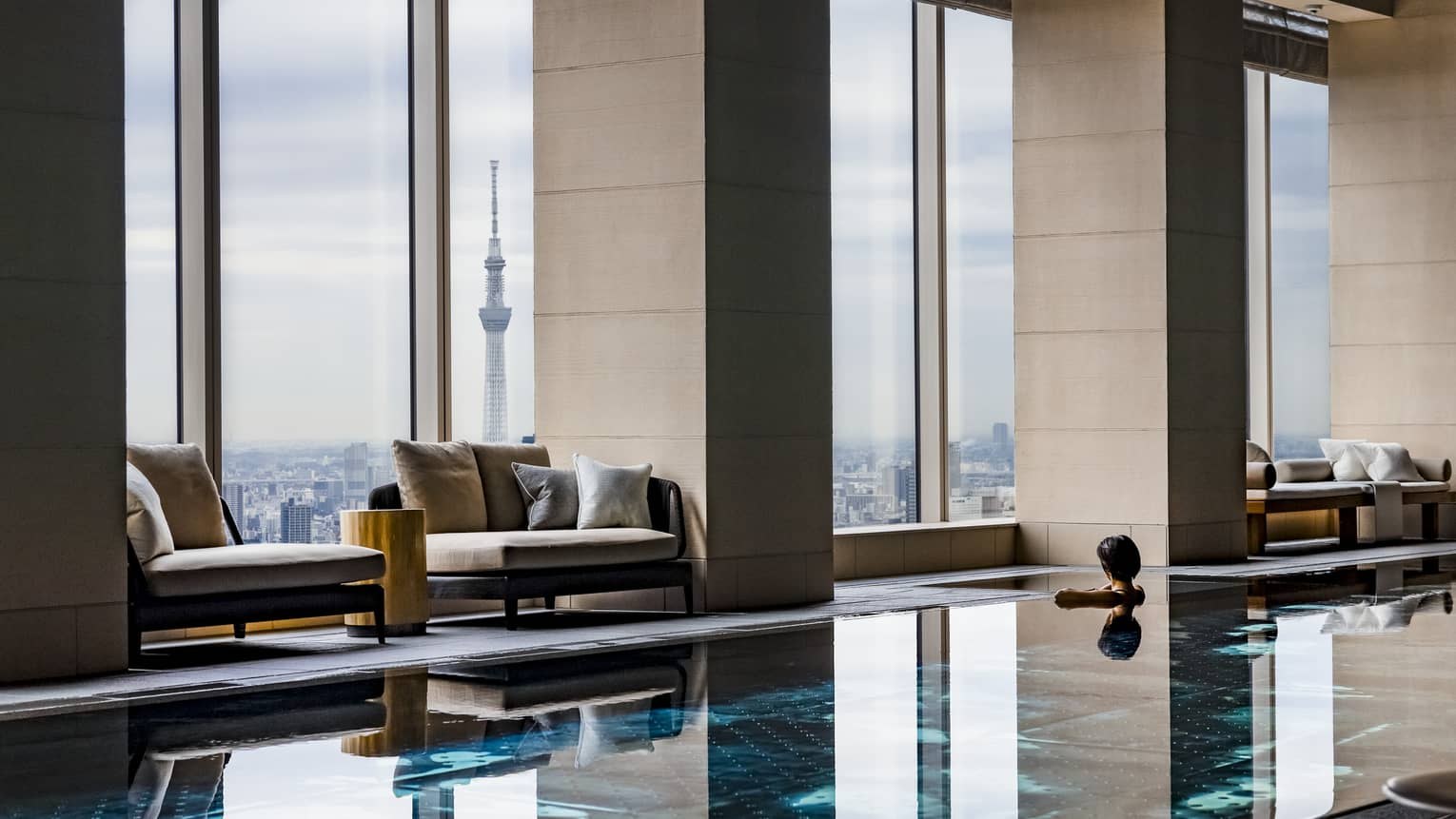
Book Royal Park Hotel if you want a calm, full-service Nihonbashi base with strong business and family utility. The value is in soundproofed rooms, broad on-site dining, indoor wellness facilities, and reliable central Tokyo access rather than trend-driven design or nightlife proximity.
About Royal Park Hotel
Royal Park Hotel in Tokyo is a $$$ hotel best evaluated on the few confirmed details available: its Tokyo setting, smart casual dress code, and Preferred Hotels Member recognition for 2025. Beyond those points, specific claims about rooms, facilities, dining formats, services, or exact location details should be confirmed directly with the hotel before booking.
Tokyo works if your plan values a city base
The location information for Royal Park Hotel is Tokyo. More specific neighborhood, transit, landmark, or address claims are not confirmed here, so build plans around the city-level location and check current access details directly before committing.
For broader planning, use Our full Tokyo hotels guide alongside Our full Tokyo restaurants guide and Our full Tokyo bars guide. Those are useful if the hotel is only one part of a wider Tokyo itinerary.
The confirmed positioning is premium and smart casual
Royal Park Hotel is listed at a $$$ price point, so it should be considered a premium-leaning option rather than a budget stay. The dress code is smart casual, which is useful context for guests planning how formal the hotel environment may feel.
Recognition is limited but relevant
The confirmed recognition available for Royal Park Hotel is Preferred Hotels Member status in 2025. That is the only accolade reflected here, and it should be treated as a general positioning signal rather than proof of any specific service, dining, wellness, or room feature.
For a booking decision, use the confirmed facts as a starting point: Tokyo location, $$$ pricing, smart casual dress code, and Preferred Hotels Member recognition. For anything more specific, including dining, wellness, family services, business services, accessibility, and current policies, confirm directly with the hotel before reserving.
Planning details
- Location
- 2-chōme-1-1 Nihonbashikakigarachō, Chuo City, Tokyo 103-8520
- Website
- rph.co.jp
- Phone
- +81 3-3667-1111
The take
The Take
The Vibe
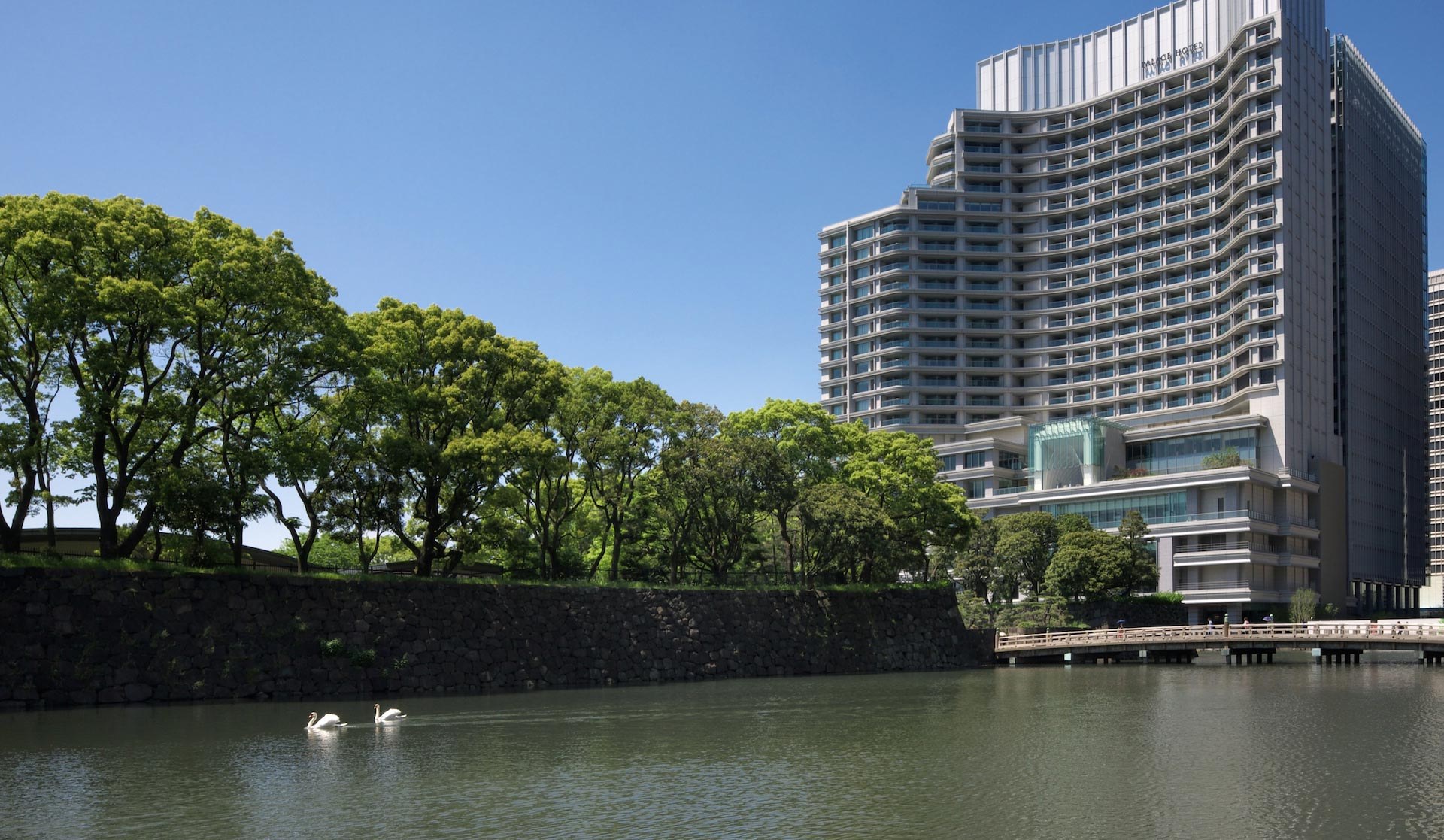
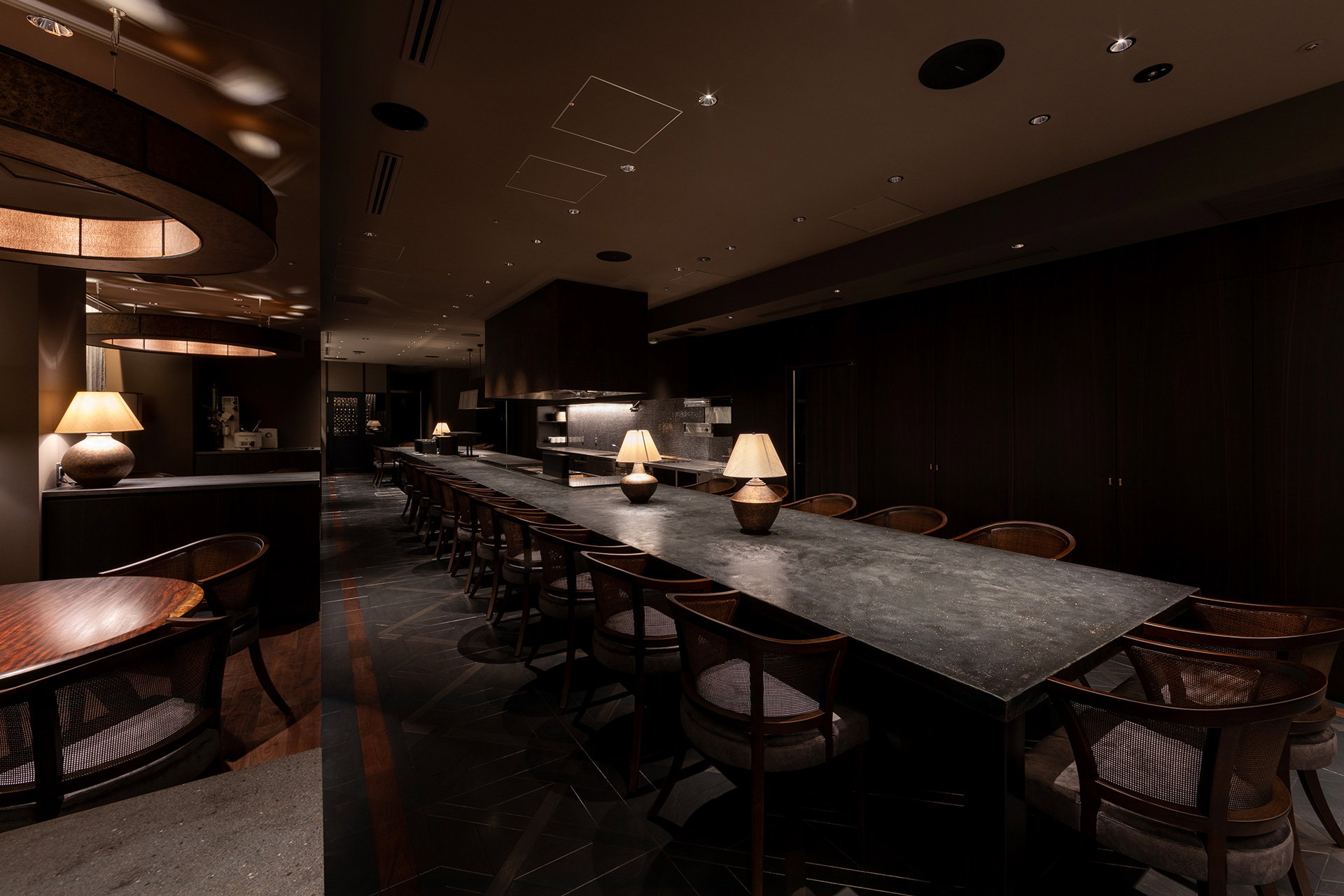
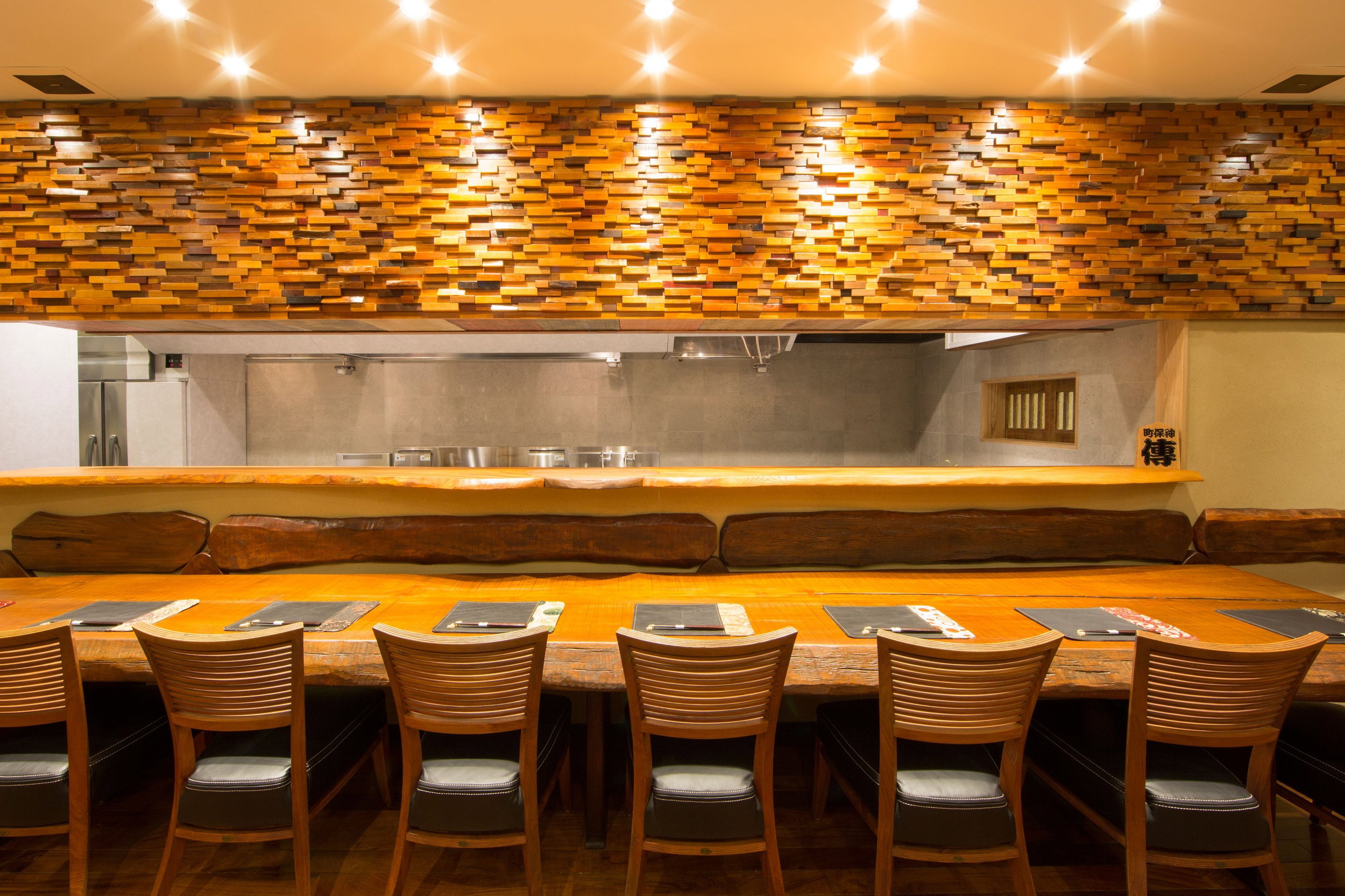
Royal Park Hotel reads as a large, full-service city property that foregrounds reliable infrastructure and a rooted Tokyo address. At 408 rooms it operates on scale rather than scarcity, offering the sorts of multiple food-and-beverage outlets and operational depth that business and leisure guests expect from a major urban hotel. Its location in Nihonbashi gives the property a historically grounded personality: guests feel connected to longstanding department stores, craft shops and museums rather than the more overtly tourist districts. The overall impression is institutional and steady, with an undercurrent of local character coming from the neighbourhood.
Best For
This hotel suits travelers who prioritize convenience, consistent service and access to Tokyo’s financial and cultural nodes. Business travelers benefit from proximity to the financial quarter and meeting-ready infrastructure, while leisure guests looking for an authentic Nihonbashi base can tap nearby museums, department stores and traditional dining. It is less appropriate for those seeking a boutique, design-led escape built around scarcity and singular architecture; instead, Royal Park is best for guests who want dependable amenities, multiple in-house dining options and a central platform for exploring Chuo City.
Stay Tips
Think of Royal Park Hotel as a practical, well-equipped base rather than a boutique statement. When choosing this address, prioritize what matters to your trip—access to the financial district, nearby cultural institutions, or a hotel with several in-house dining choices. The description highlights scale and multiple food-and-beverage outlets, so review the hotel’s F&B lineup ahead of time to match restaurants to your plans. If you prefer a very small or architecturally idiosyncratic property, consider alternatives; if you want service breadth and a classic Tokyo neighbourhood location, Royal Park is a strong pick.
Venue details
Ambiance
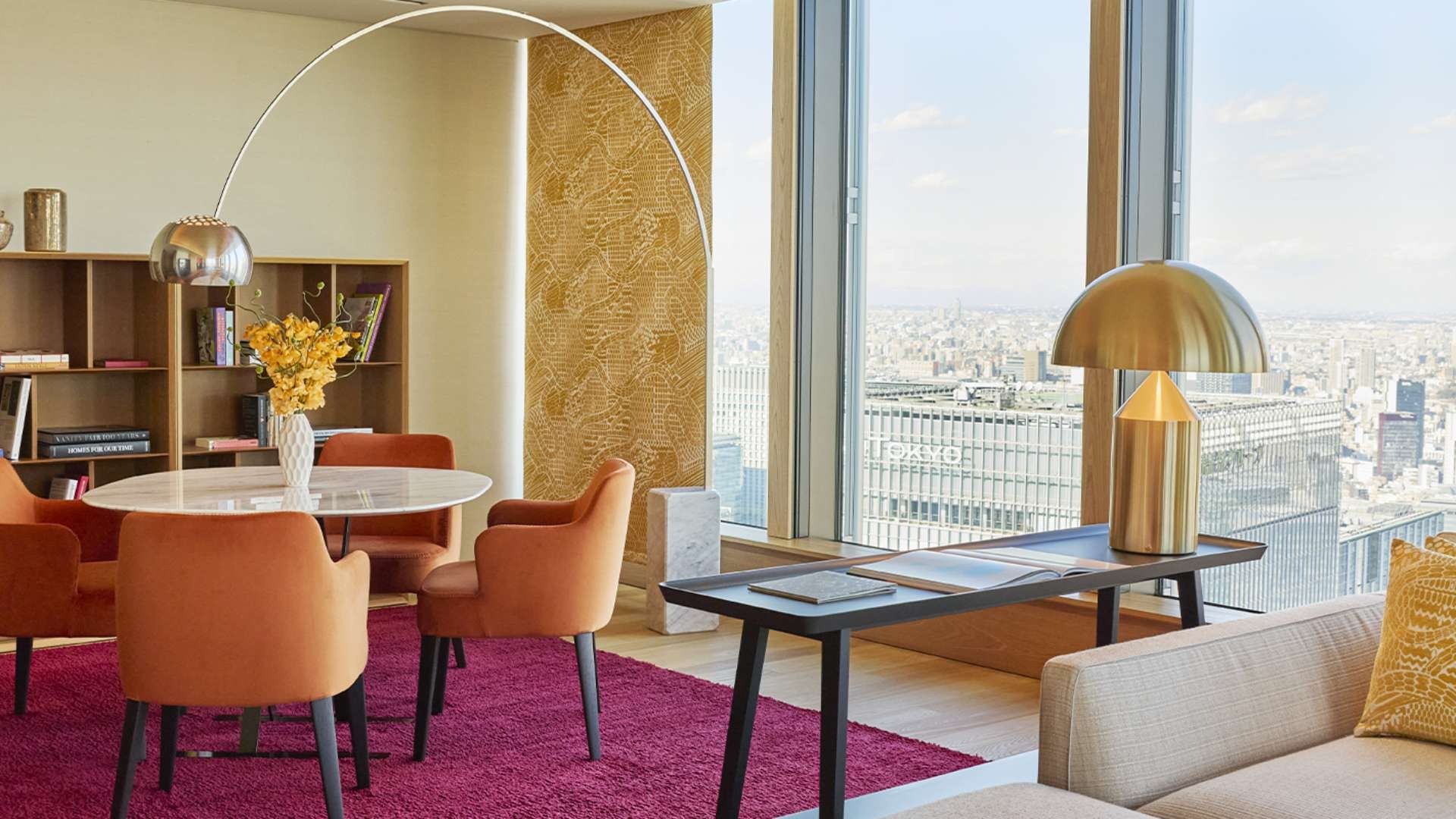
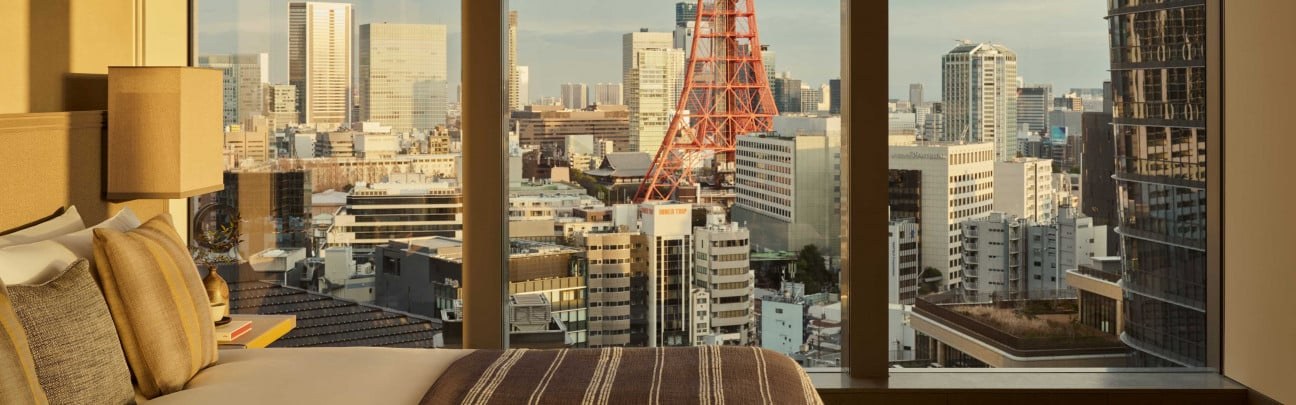
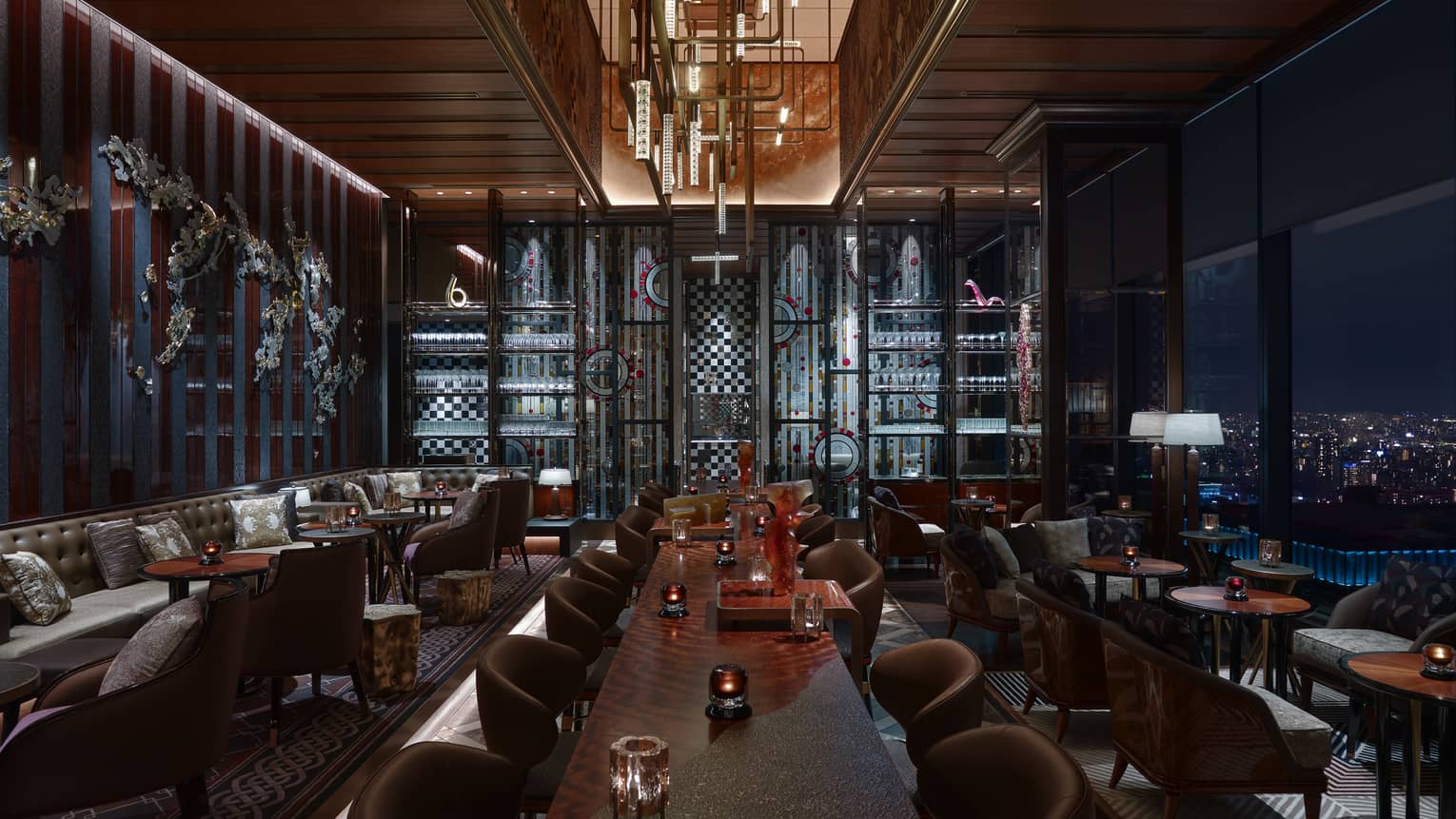
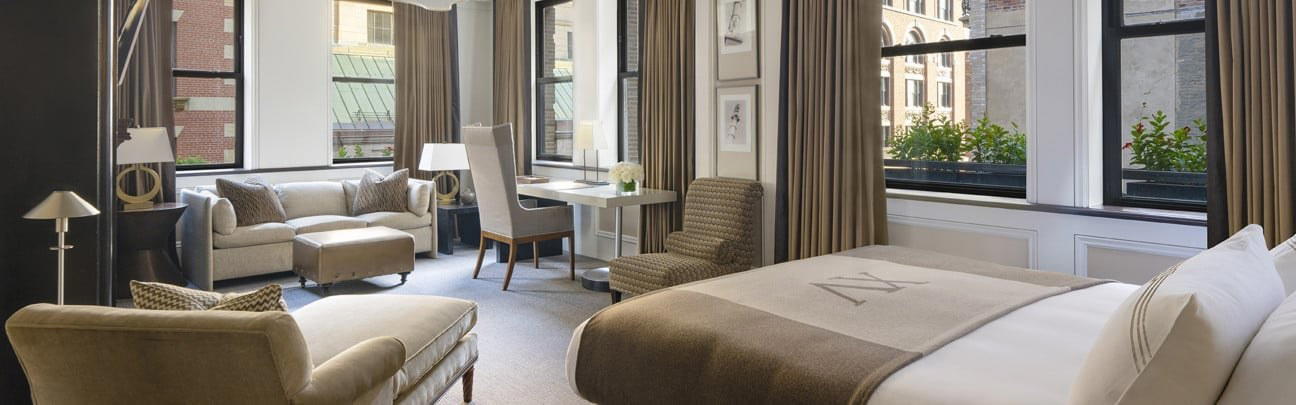
Soundproofed rooms create a serene atmosphere with elegant, modern lighting and premium bedding for sophisticated comfort.
Tags
Vibe
Best For
Experience
Amenities
View
Accessibility
About the Stay
- Rooms
- 419
- Property Style
- Modern High Rise Urban Hotel with Executive Floors
- Design Style
- Elegant Contemporary Japanese Minimalism
Know before you go
Know Before You Go
- Getting there
- 2-chōme-1-1 Nihonbashikakigarachō, Chuo City, Tokyo 103-8520
Planning details
Location
Recognition and awards
Explore Tokyo
Around this place
Discover more on Pearl
Unlock the full Royal Park Hotel guide in Pearl, including awards, comparisons, FAQs, planning details, and nearby places.
FAQ
Frequently Asked Questions
When is the best time to book Royal Park Hotel?
Book once your Tokyo dates are fixed and you are comfortable with a $$$ hotel.
Is Royal Park Hotel family-friendly?
Royal Park Hotel is a Tokyo hotel at a $$$ price point, but travelers with children should confirm room configuration, bedding, and any family services directly before booking.
How is the pool and spa at Royal Park Hotel?
Which room category is best at Royal Park Hotel?
Choose based on the hotel’s current room descriptions, your budget, and whether the $$$ positioning fits your trip.
Is it worth upgrading rooms at Royal Park Hotel?
Upgrade value cannot be assessed from the facts available here. Before paying more, compare the hotel’s current room descriptions and inclusions directly.
How is the dining at Royal Park Hotel?
The confirmed dress code is smart casual, but guests should check directly with the hotel for current dining details.