

K5
Chūō, Tokyo
Hotel in Tokyo, Japan
 Book with Pearl
The Read
Nordic-Japanese Adaptive Reuse
Why go
Book K5 if you want a design-led Nihonbashi base rather than a large Tokyo luxury tower. It is strongest for repeat visitors, couples, and business travelers who value Chuo City access and a quieter mood; choose a bigger hotel if pool, spa, views, or deep concierge support are the priority.
About K5
K5 is a Tokyo hotel with a smart casual dress code and a Michelin 1 Key distinction for 2024. It is also listed by Tatler in Best Hotels Asia-Pacific 2025 and holds a Mr & Mrs Smith Seal of Approval for 2026.
Treat the practical booking decision carefully. Check room count, amenities, dining, service format, prices, and neighborhood positioning directly with the hotel or your booking channel for the current stay experience.
Book it for recognition, then check the details
The strongest case for K5 is its recognition profile: Michelin 1 Key in 2024, Tatler Best Hotels Asia-Pacific listing in 2025, and Mr & Mrs Smith Seal of Approval in 2026. Those signals support considering it for a Tokyo stay, but they do not by themselves define the full stay experience.
If you are choosing between Tokyo hotels, use those accolades as a starting point rather than a complete verdict. Travelers who need specific facilities, loyalty benefits, dining arrangements, accessibility features, or family requirements should confirm those details with K5 before booking.
Tokyo is the practical frame
K5 is in Tokyo. Plan precise logistics through the hotel or your booking channel.
For wider Tokyo planning, use Our full Tokyo hotels guide, Our full Tokyo restaurants guide, Our full Tokyo bars guide, and Our full Tokyo experiences guide.
Who should choose something else
Choose another Tokyo hotel if you need particular amenities, room categories, dining options, loyalty benefits, or service features settled before committing. K5 may still be a strong fit, with a decision shaped by its Tokyo location, smart casual dress code, and recognized hotel accolades.
Inside K5
Planning details
- Location
- 〒103-0026 Tokyo, Chuo City, Nihonbashikabutochō, 3−5 K5ビル 1階
- Website
- k5-tokyo.com
- Phone
- +81 3-5962-3485
The take
The Take
The Vibe
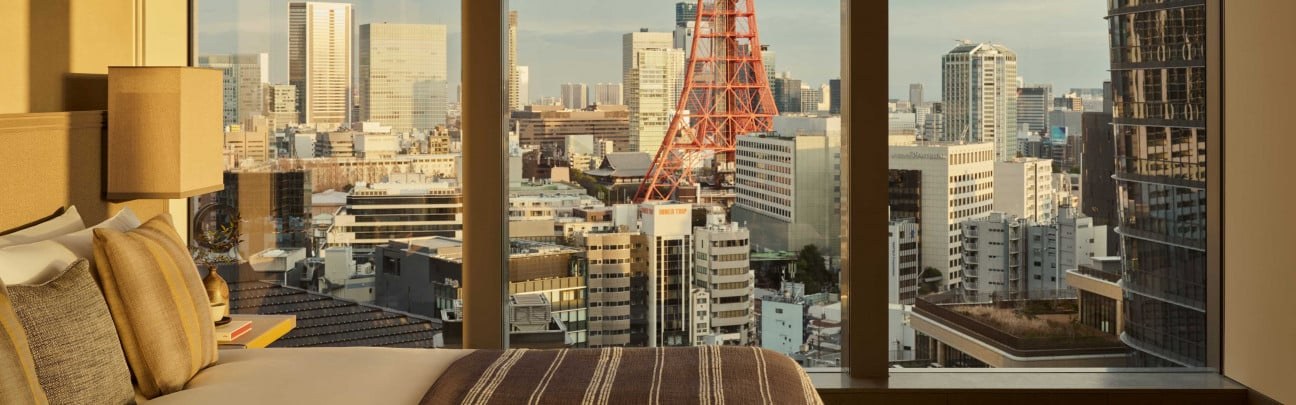
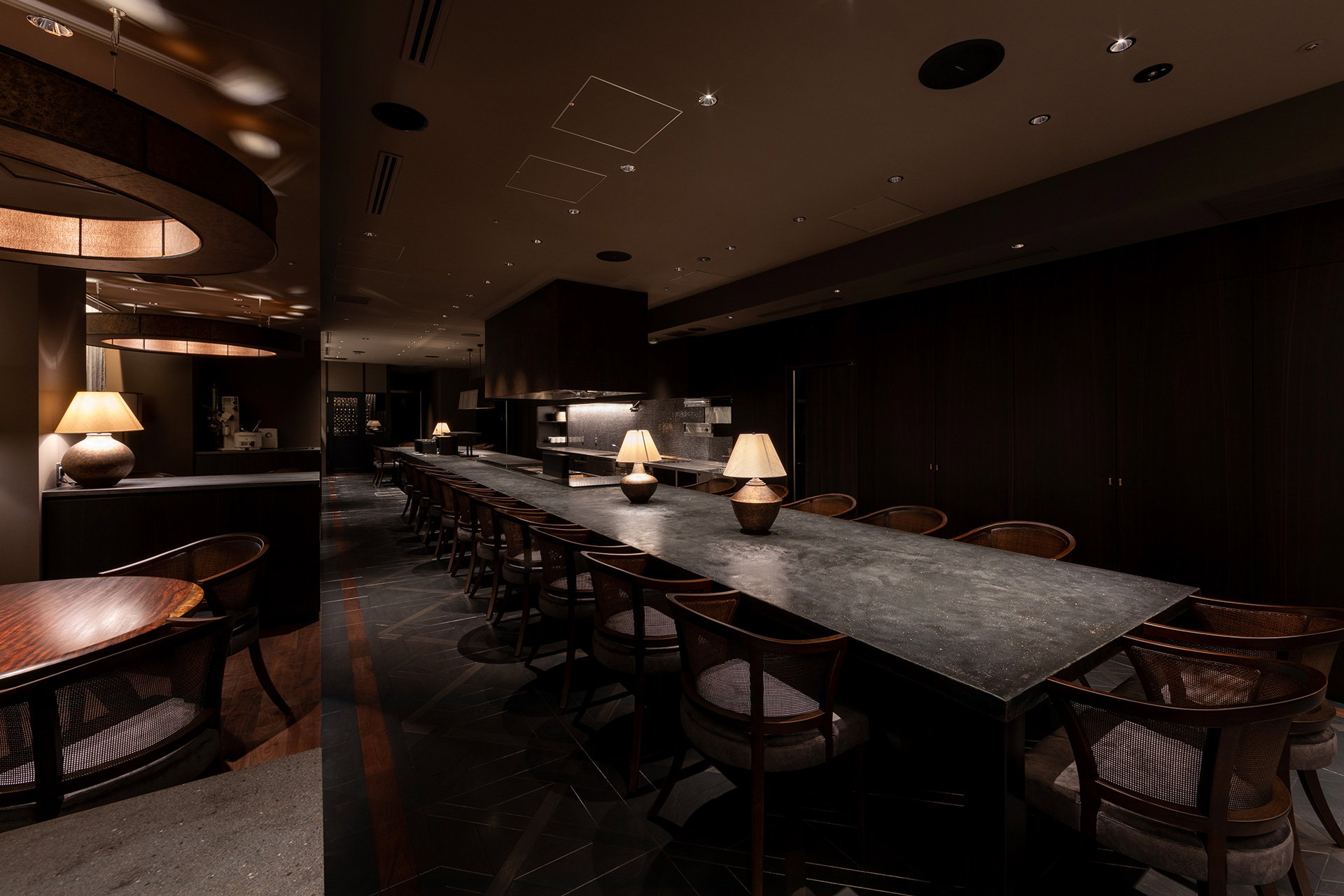
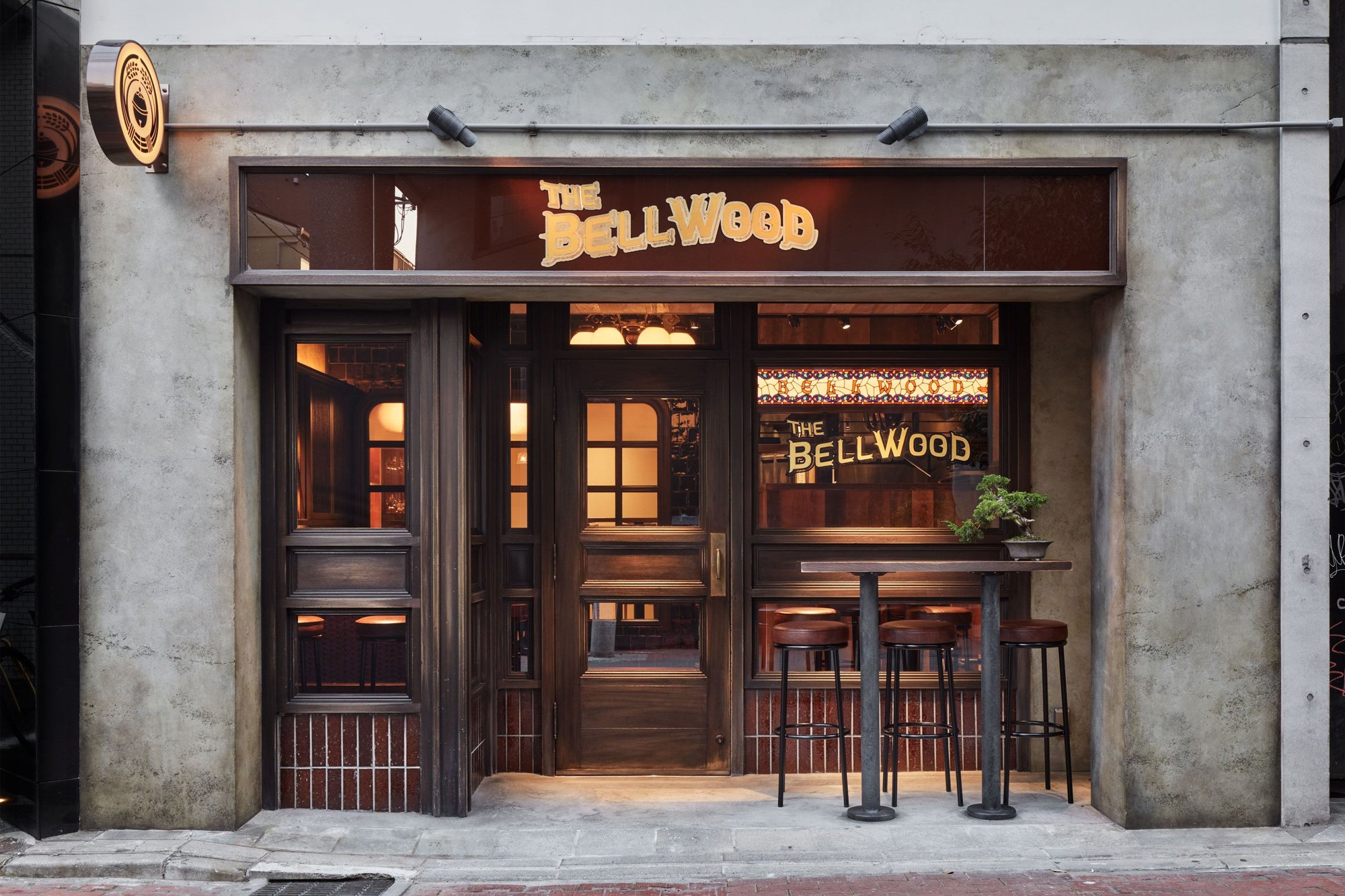
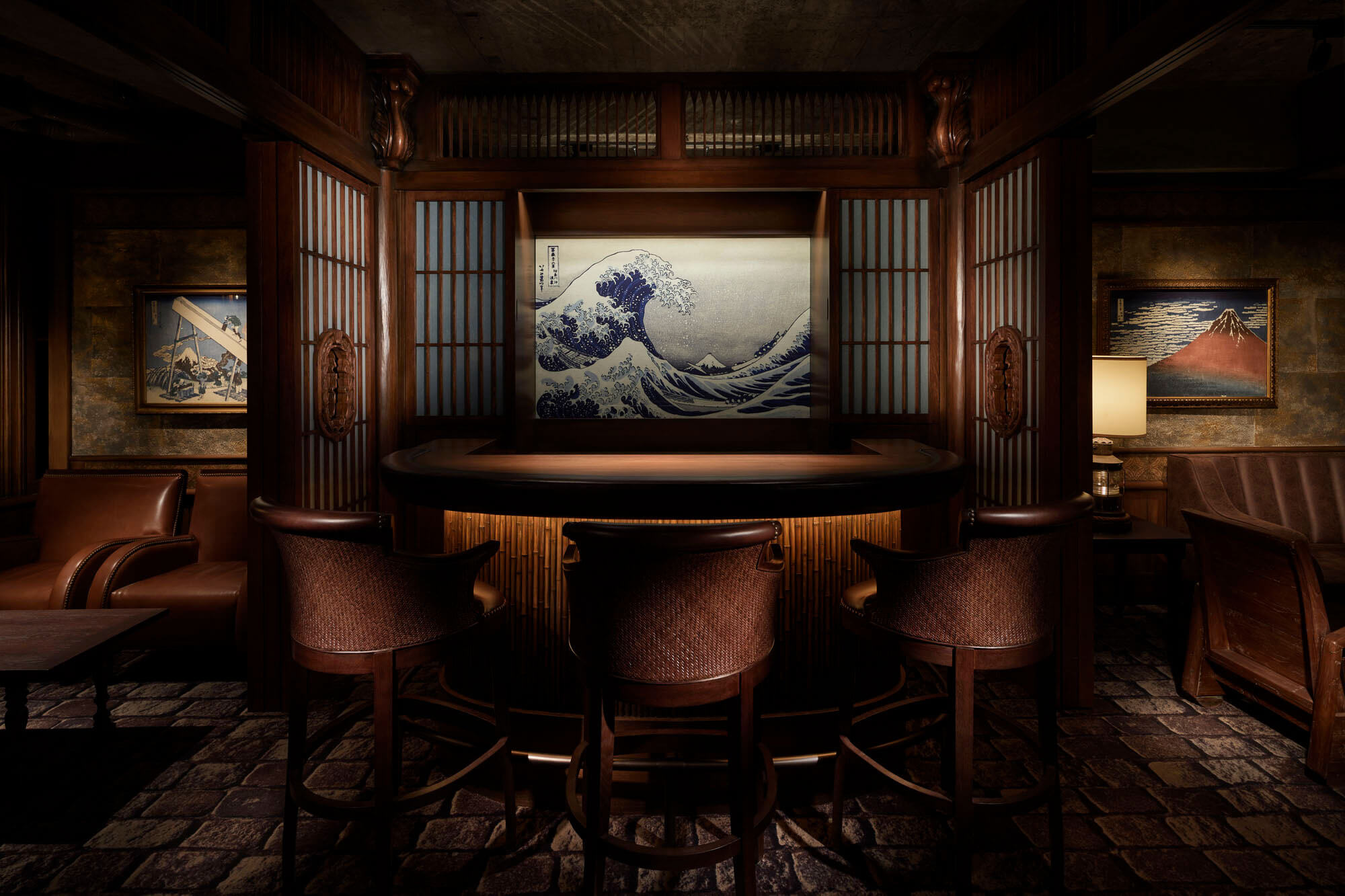
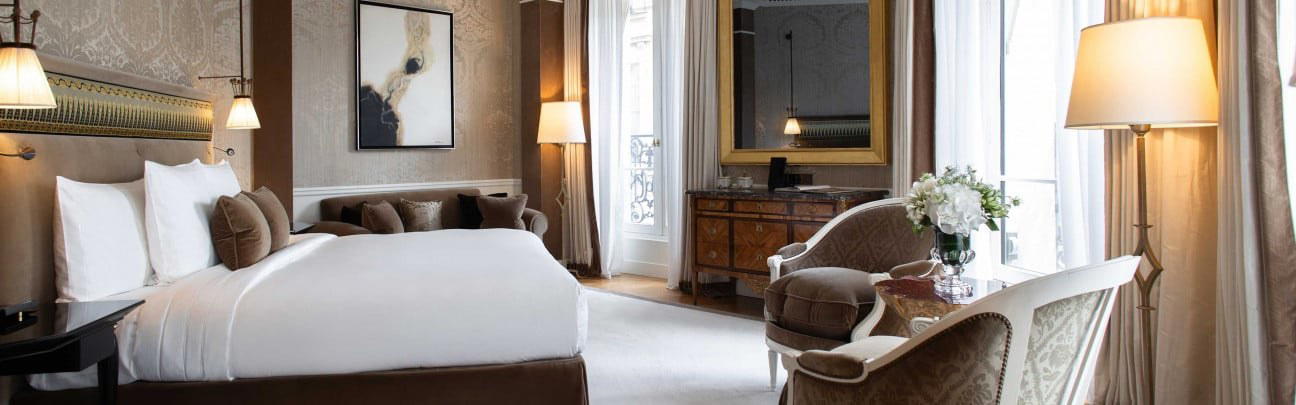
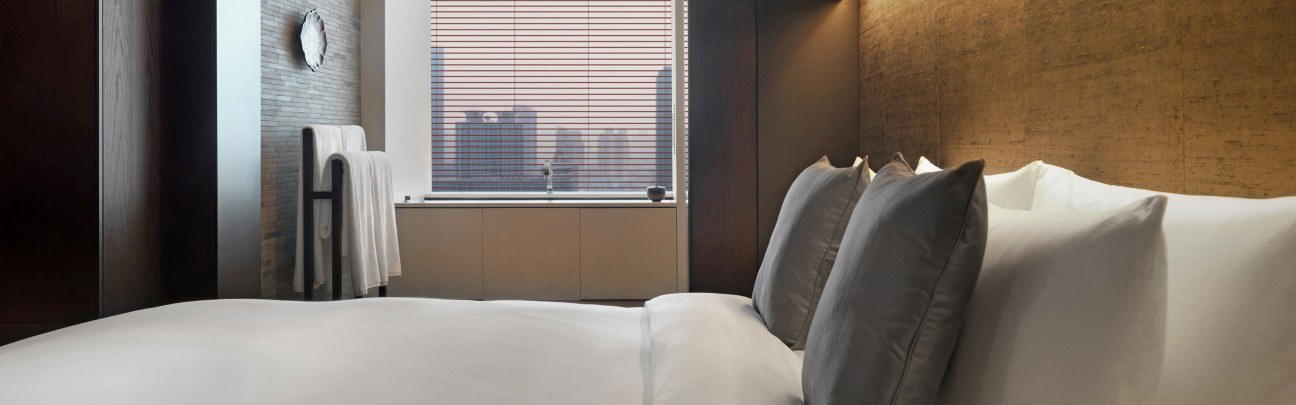
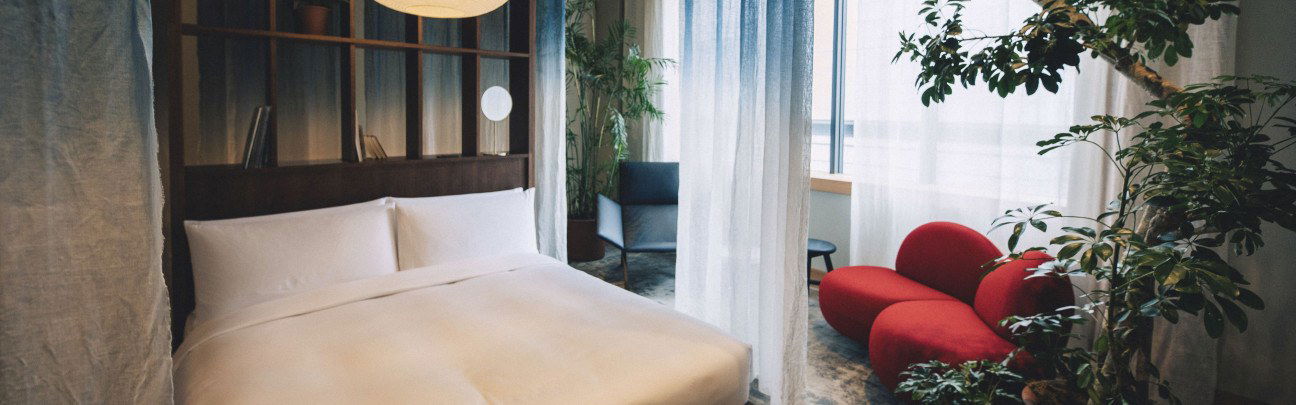
K5 occupies a 1920s bank repurposed into a quietly powerful design hotel. The conversion by Claesson Koivisto Rune keeps the building’s civic-scale proportions — thick stone envelopes, tall ceilings and load-bearing structure — while layering a warm, Scandinavian material palette. The result reads as restrained and thoughtful rather than flashy: spaces feel deliberate and measured, with billowing textiles and preserved architectural volumes that emphasize substance over spectacle. Recognition such as a Michelin One Key in 2024 and inclusion on Tatler’s Leading Hotels Asia–Pacific list underline a hospitality approach that prizes craft, calm and the dramatic humility of old urban architecture.
Best For
K5 suits travelers who prize architecture and considered design as much as location. Set in Nihombashi Kabutochō east of Tokyo Station, it naturally aligns with business stays in the historical financial district while also serving as a weekend base for design-minded visitors exploring central Tokyo. The hotel’s preserved bank volumes and material-led interiors make it appealing for guests seeking a quiet, cultured stay — those who prefer measured, atmospheric spaces to typical downtown spectacle. It’s less about nightlife bustle and more about inhabiting an urbane, architecturally rich environment.
Stay Tips
The property’s design credentials and a Michelin One Key distinction suggest limited, curated services and demand for reservations; confirm dining availability when you book. If the architectural experience matters, ask at reservation or check-in about rooms or suites that emphasize the building’s original volumes — high ceilings and preserved spatial features are central to the hotel’s appeal. Because the hotel is a careful restoration rather than a conventional new build, expect a focus on material detail and atmosphere; plan time to move slowly through the public spaces to appreciate the conversion.
Venue details
Ambiance
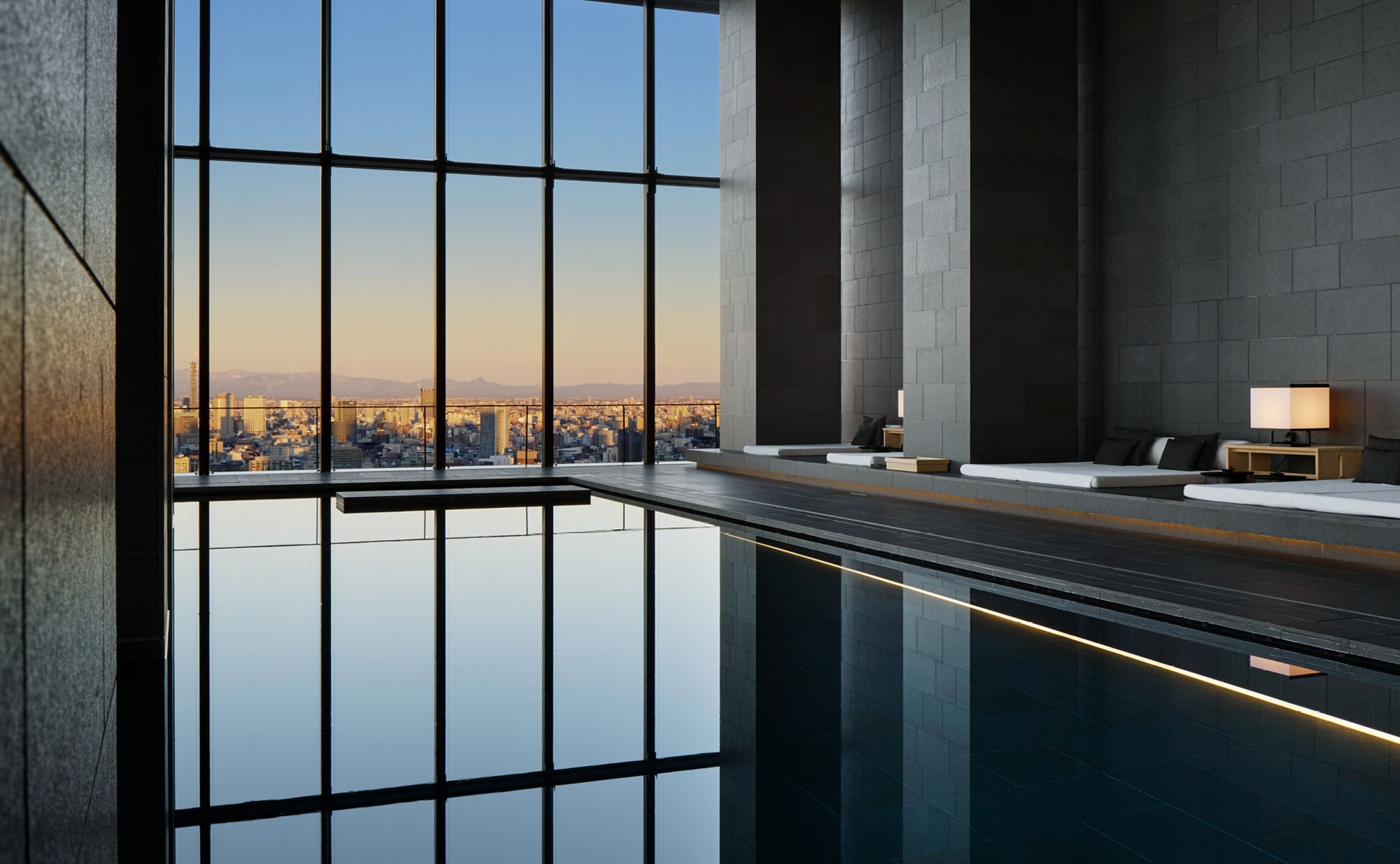
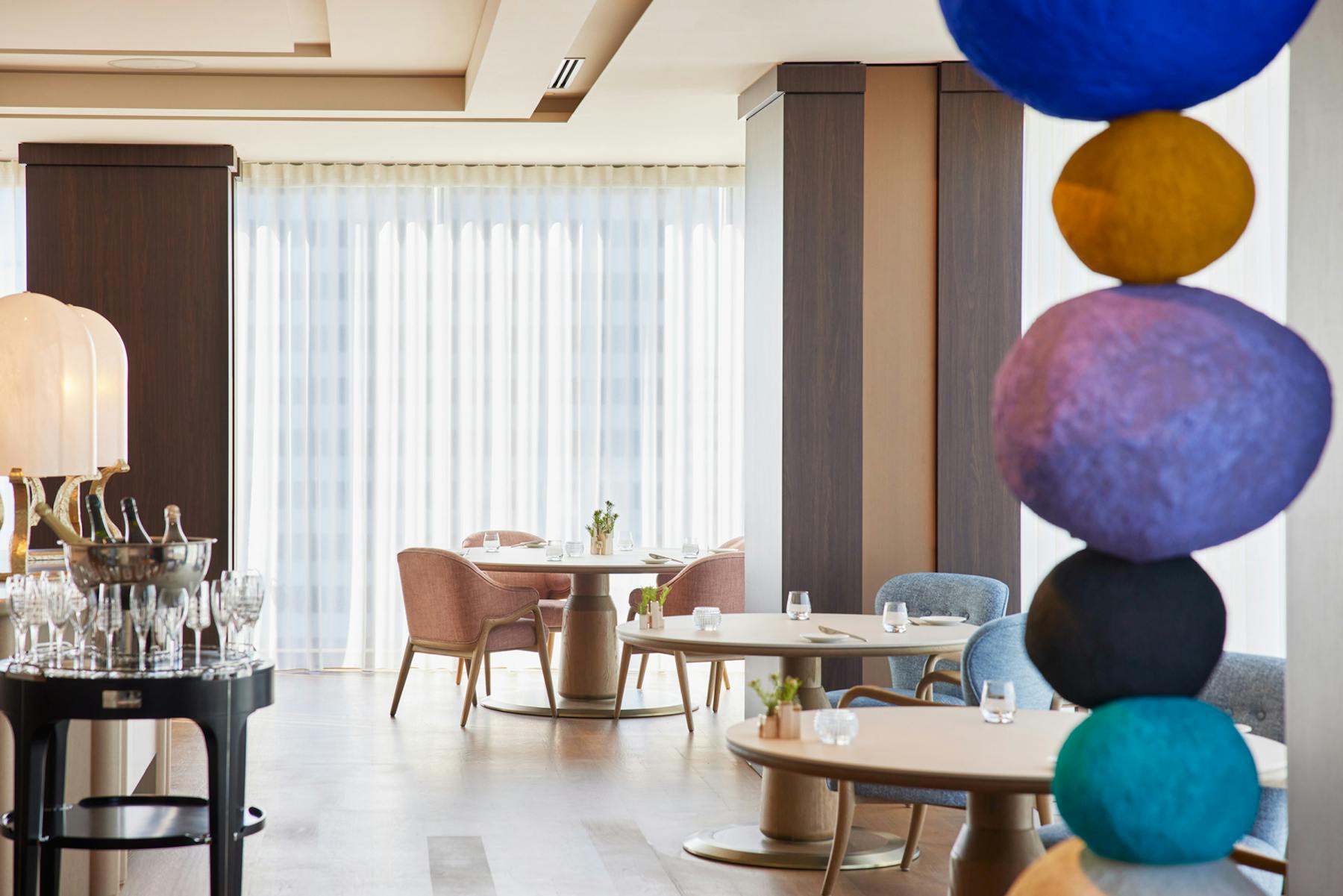
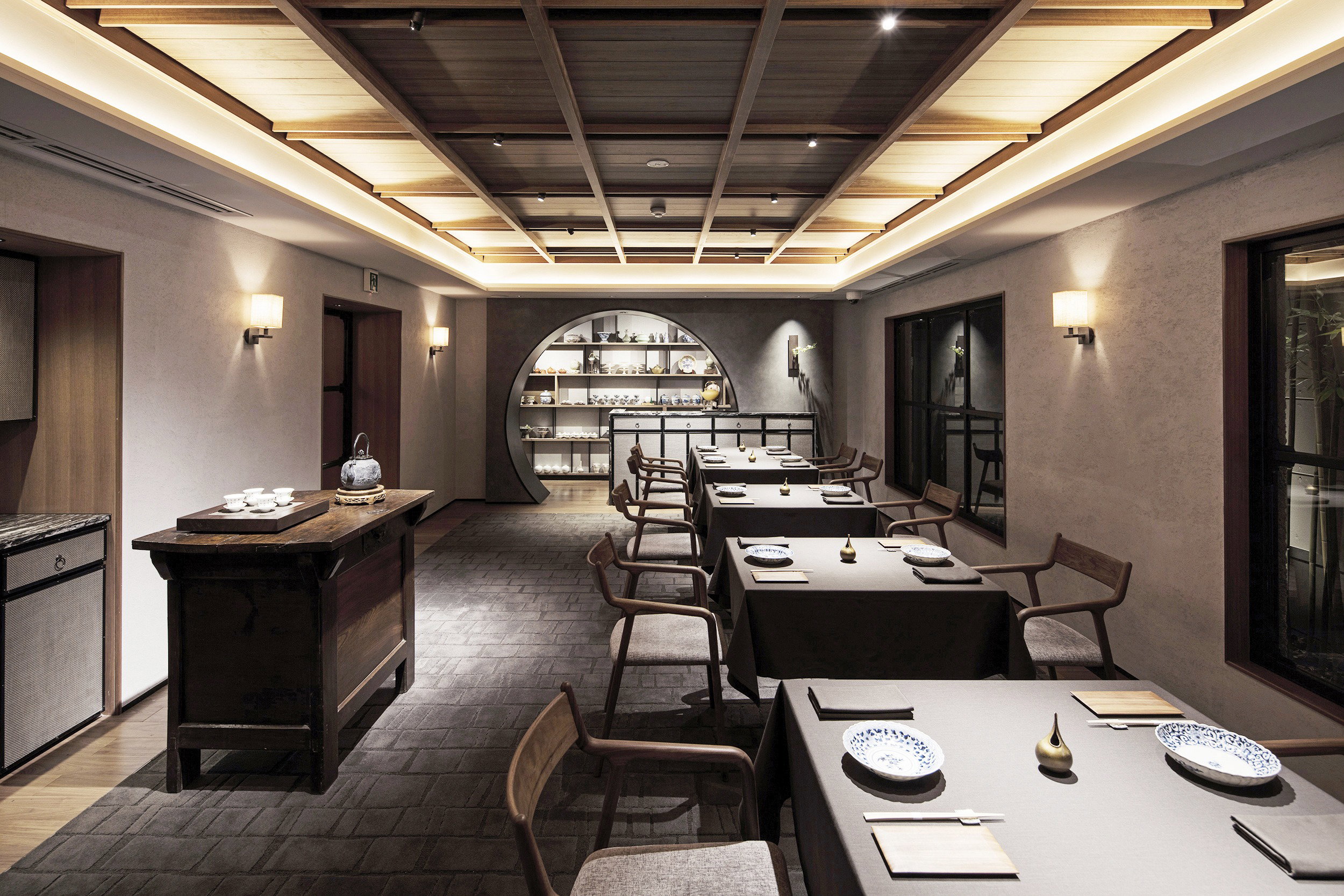
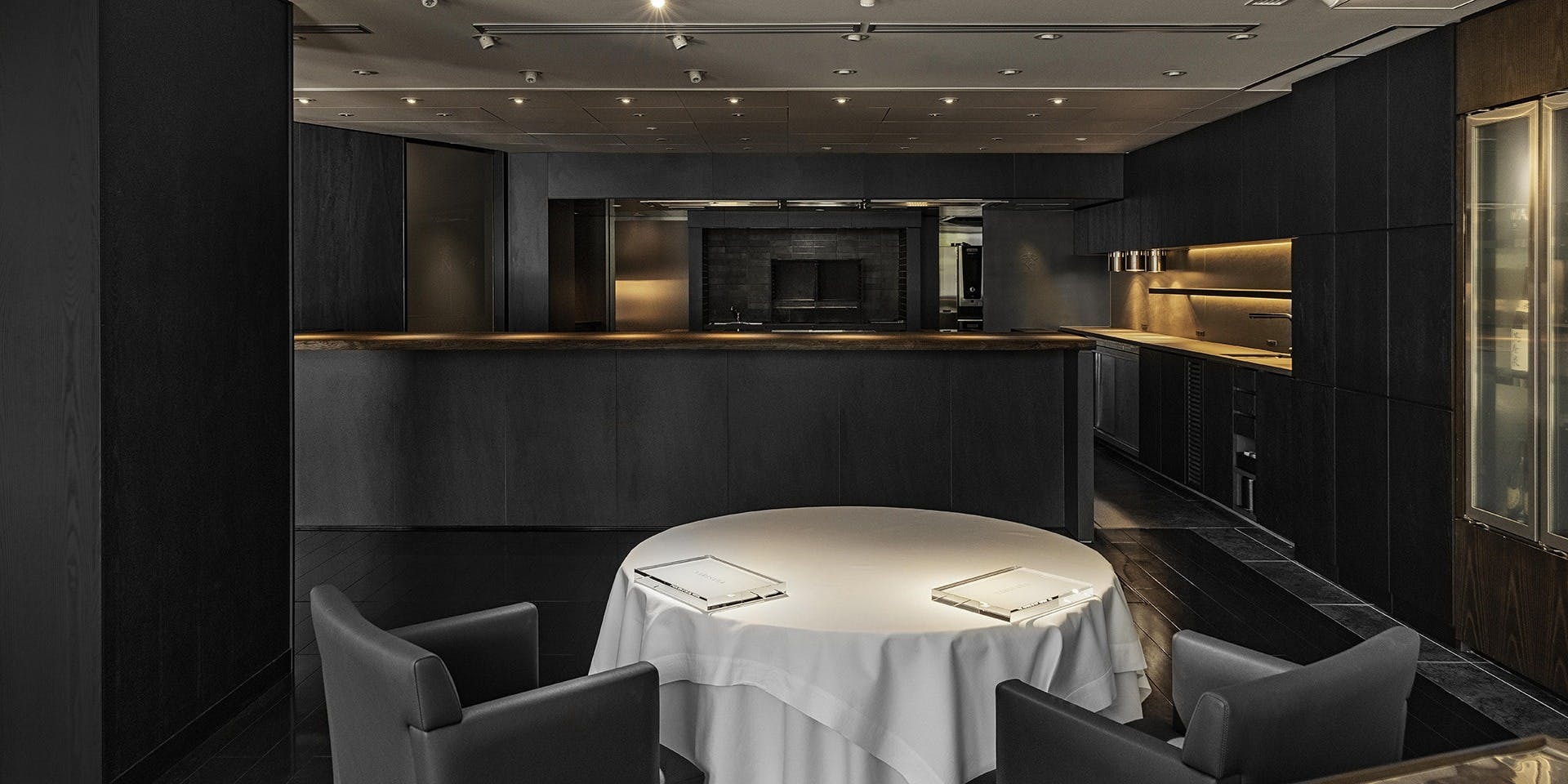
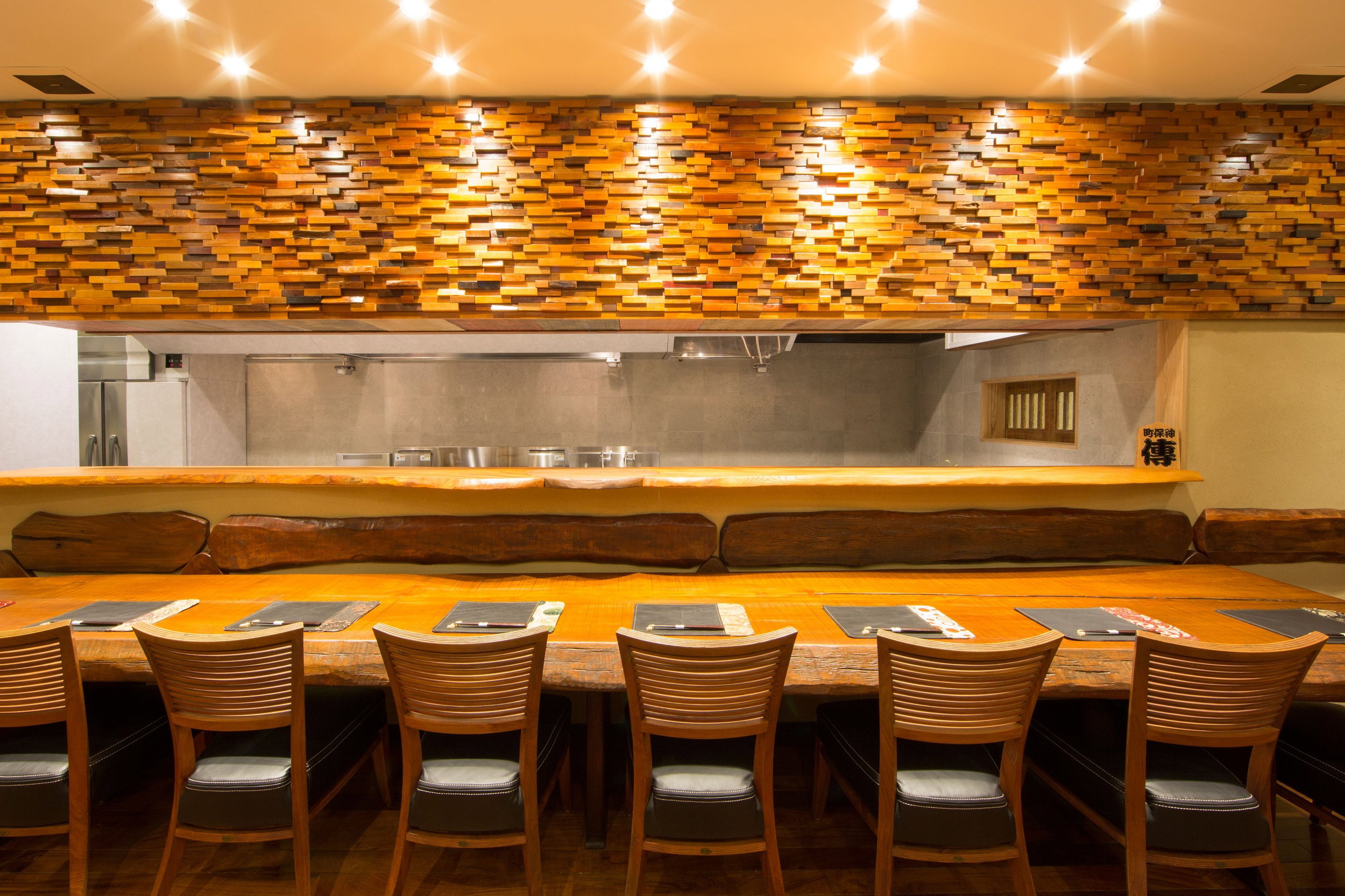
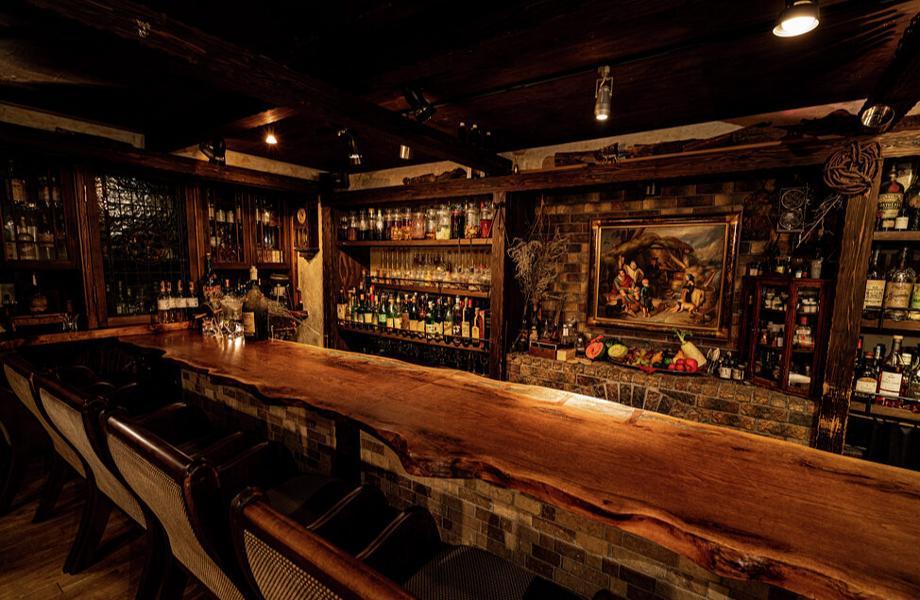
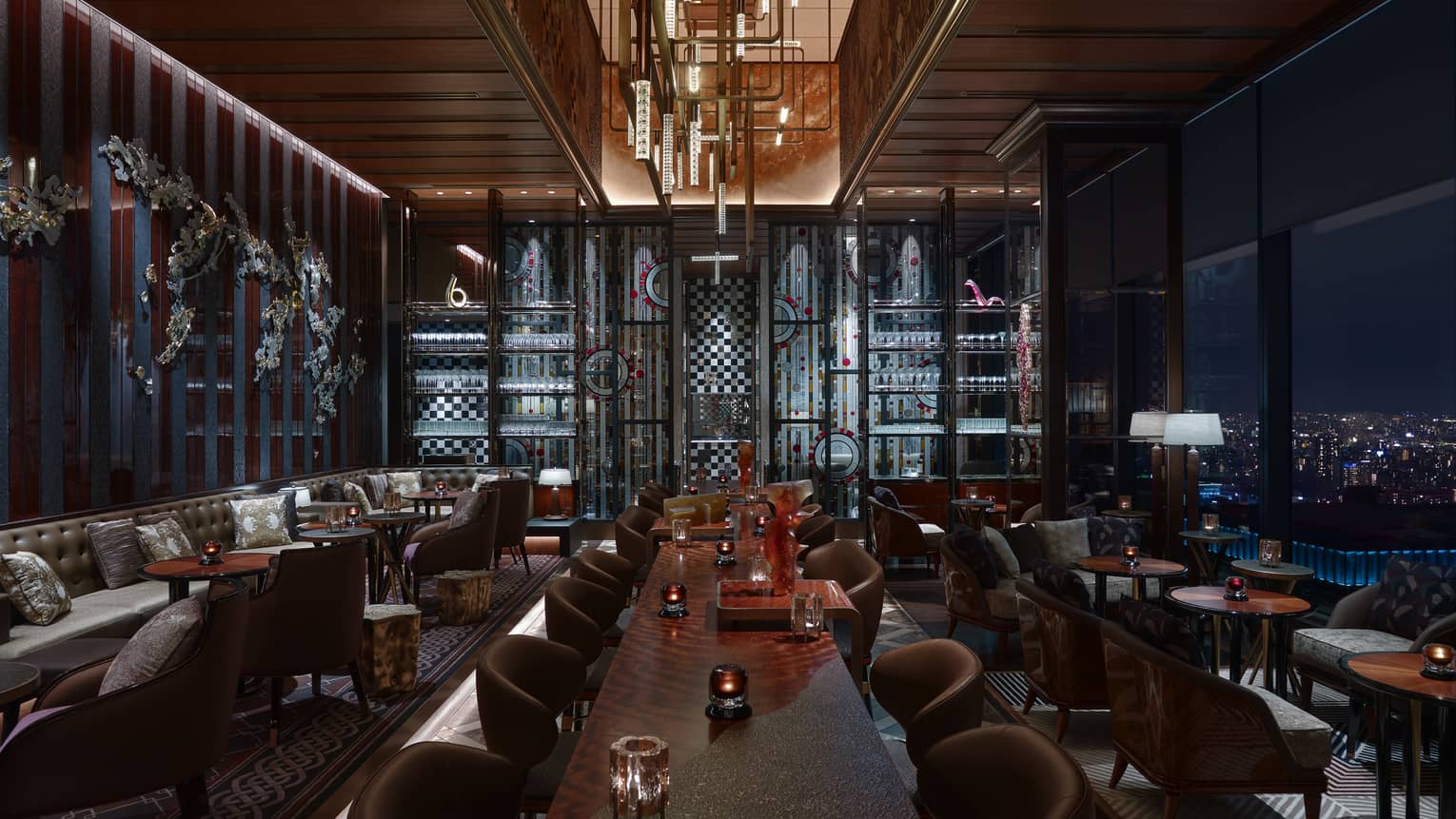
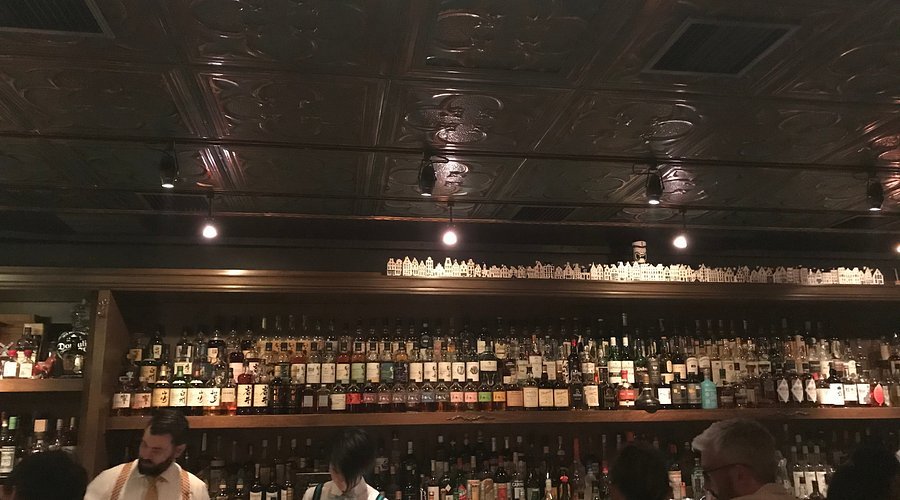
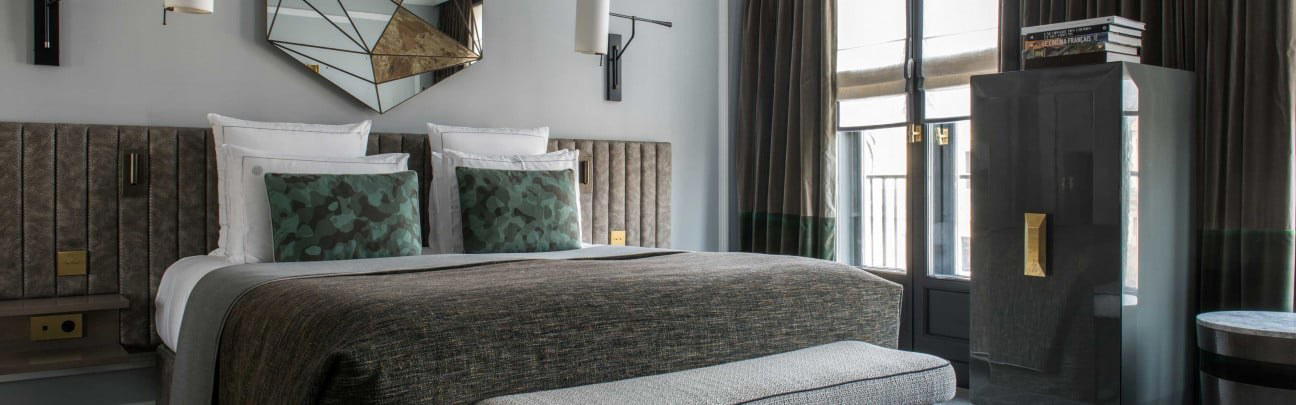
Calm and tasteful with mood lighting, plants, and a blend of industrial chic Scandi-Japanese aesthetics creating a quiet, sensory-stimulating retreat.
Tags
Vibe
Best For
Experience
Amenities
About the Stay
- Rooms
- 20
- Check-in
- 15:00
- Check-out
- 12:00
- Property Style
- Renovated Historic Bank with Contemporary Sensory Experiences.
- Design Style
- Scandi Japanese Minimalist Industrial Chic.
Know before you go
Know Before You Go
- Getting there
- 〒103-0026 Tokyo, Chuo City, Nihonbashikabutochō, 3−5 K5ビル 1階
Planning details
Location
〒103-0026 Tokyo, Chuo City, Nihonbashikabutochō, 3−5 K5ビル 1階 · Directions
Recognition and awards
Also consider
Where to look if K5 is full
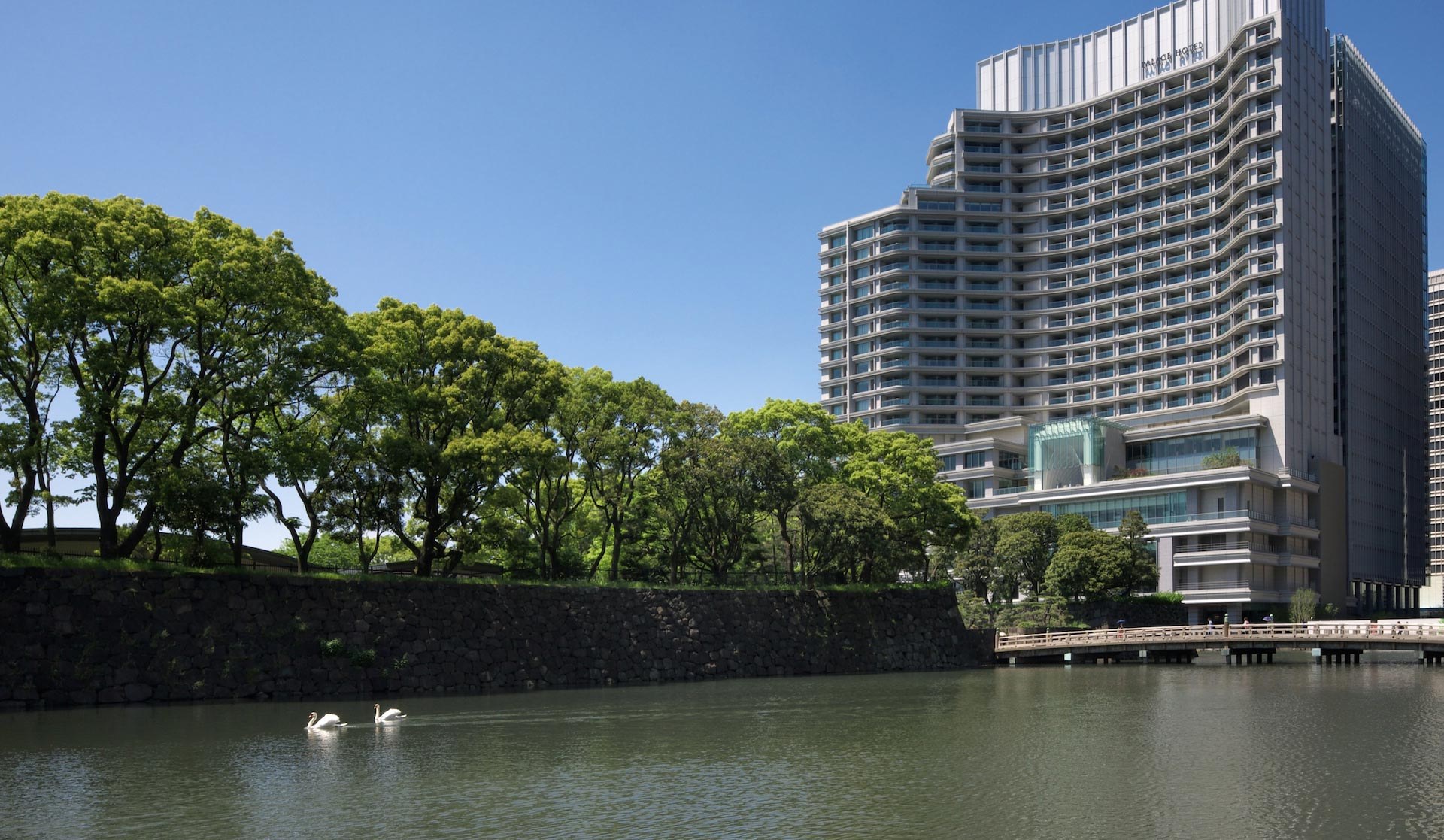
Try Mandarin Oriental Tokyo if the priority is luxury-hotel depth near Nihonbashi and Marunouchi. Try Royal Park Hotel if the trip needs a practical Chuo City base more than a boutique mood.
Hotel context
How It Compares
K5 is the sharper choice for travelers who want a smaller Nihonbashi stay with a more residential feel. Mandarin Oriental Tokyo is the safer luxury-hotel pick if service depth and tower-hotel polish matter more, while Shangri-La Tokyo is better for guests who want immediate Tokyo Station convenience and a more conventional high-end setup.
For design value, compare it with BnA_WALL: BnA_WALL is the more art-forward, casual-feeling alternative, while K5 is the more grown-up choice for business-adjacent travel or a quieter couple trip. Royal Park Hotel is the practical cross-shop if location and predictability matter more than boutique atmosphere.
Bvlgari Hotel Tokyo sits in a different decision bracket: choose it when the point is a high-spend luxury stay with a more conspicuous sense of occasion. Choose K5 when the trip benefits from restraint, neighborhood texture, and a lower-key arrival.
Explore Tokyo
Around this place
Discover more on Pearl
Unlock the full K5 guide in Pearl, including awards, comparisons, FAQs, planning details, and nearby places.
Compare K5
| Venue | Location | Awards |
|---|---|---|
| K5 | Tokyo | 2026 Mr & Mrs Smith Luxury HotelsTatler Best Hotels Asia-Pacific 2025Michelin 1 Key 20252025 Michelin 1 Key2024 Michelin 1 Key |
| Mandarin Oriental Tokyo | Tokyo | 2026 Virtuoso Luxury Hotel Collection2026 Forbes 5-Star2026 Robb Report Best Luxury Hotels in Tokyo2026 La Liste Top Hotels2025 Michelin 1 Key2025 Forbes 5-Star2024 Michelin 1 KeyPearl Recommended Hotels |
| BnA_WALL | Tokyo | No published awards |
| Royal Park Hotel | Tokyo | Preferred Hotels Member 2025 |
| Shangri-La Tokyo | Tokyo | 2026 Forbes 4-Star2026 Virtuoso Luxury Hotel Collection2026 La Liste Top Hotels2025 Michelin 1 Key2024 Michelin 1 Key |
| Bvlgari Hotel Tokyo | Tokyo | 2026 World’s 50 Best Hotels 1-50 · #242026 Forbes 5-Star2026 Virtuoso Luxury Hotel Collection2026 Robb Report Best Luxury Hotels in Tokyo2026 La Liste Top Hotels2025 World’s 50 Best Hotels · #15Tatler Best Hotels Asia-Pacific 20252025 Michelin 3 Keys2024 World's 50 Best Hotels · #22 |










How K5 Tokyo compares with similar nearby venues.
FAQ
Frequently Asked Questions
Is K5 family-friendly?
K5 is a Tokyo hotel with a smart casual dress code and hotel recognition, but travelers with family requirements should confirm room setup, space, and services directly before booking. Royal Park Hotel and Shangri-La Tokyo are other Tokyo options to compare.
When is the best time to book K5?
Once your Tokyo dates are fixed, check K5 directly or through your booking channel for current availability and terms.
Do loyalty programs work at K5?
Confirm any points, status benefits, or booking-channel perks before reserving. Mandarin Oriental Tokyo and Shangri-La Tokyo are other Tokyo hotels travelers may compare when loyalty benefits matter.
Which room category is best at K5?
Choose based on the current room descriptions, policies, and pricing shown by K5 or your booking channel, especially if space or layout matters.
How does K5 compare to nearby hotels?
K5 has recognition including Michelin 1 Key 2024, Tatler Best Hotels Asia-Pacific 2025, and Mr & Mrs Smith Seal of Approval 2026. For a Tokyo hotel comparison, you may also look at Mandarin Oriental Tokyo, Shangri-La Tokyo, Bvlgari Hotel Tokyo, Royal Park Hotel, and BnA_WALL, then compare the current details each property publishes.
Is K5 good for business travel?
Business-travel suitability depends on the specific location, facilities, and services you need. K5 is in Tokyo; confirm details such as meeting facilities, workspaces, and loyalty benefits before booking.
How is the dining at K5?
Check K5's official channels for current restaurant, bar, breakfast, and service information before making plans around on-property dining.