

Oyado The Earth
Ijika-cho, Toba-shi
Hotel in Toba-shi, Japan
 Book with Pearl
The Read
Private Onsen, National Park Setting
Why go
Oyado The Earth is worth booking if the Ise-Shima coastal setting is the main reason for the trip. Michelin 1 Key recognition and a 2025 World Luxury Hotel Awards continent win make it a credible splurge, but value-seekers should choose it for privacy and place rather than city convenience or loyalty-program efficiency.
About Oyado The Earth
Oyado The Earth is a premium stay in Toba-shi. The recognition is the clearest public signal for shortlisting it: Michelin 1 Key in 2024 and a 2025 World Luxury Hotel Awards continent win. Beyond those confirmed accolades and the Toba-shi location, travelers should avoid assuming specific cuisine, service format, room style, amenities, pricing, or access details unless confirmed directly at booking.
Use this page as a cautious planning note rather than a full operational profile. Oyado The Earth can belong on a luxury-hotel shortlist for Toba-shi, but the practical decision should come from current availability, the property's own booking terms, and the kind of stay you want. If the trip depends on particular meals, dietary needs, transport timing, or loyalty benefits, verify those details directly before committing.
Worth it when the confirmed recognition is the reason to shortlist it
The strongest case for Oyado The Earth is its award profile: Michelin 1 Key in 2024 and a 2025 World Luxury Hotel Awards continent win. That makes it relevant for travelers comparing notable premium stays, including Amanemu, Shima Kanko Hotel The Bay Suites, The Hiramatsu Hotels & Resorts Kashikojima, and Gamagori Classic Hotel.
Plan around details, not assumptions
Before booking, confirm the current rate, meal plan, arrival logistics, cancellation terms, and any special requests directly with the property or booking channel. The supplied data does not establish a cuisine type, chef, seat count, specific service style, lunch or dinner format, loyalty-program value, or family policy, so those points should not be treated as confirmed.
Planning details
- Location
- 〒517-0026 Mie, Toba, Ijikachō, 中ノ山龍の栖
- Website
- the-earth.in
- Phone
- +81 599-21-8111
The take
The Take
The Vibe
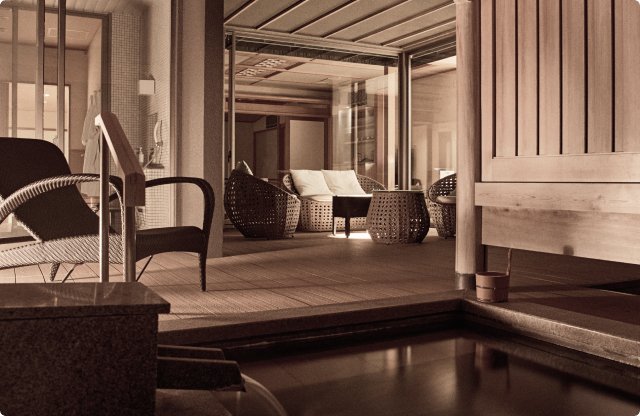
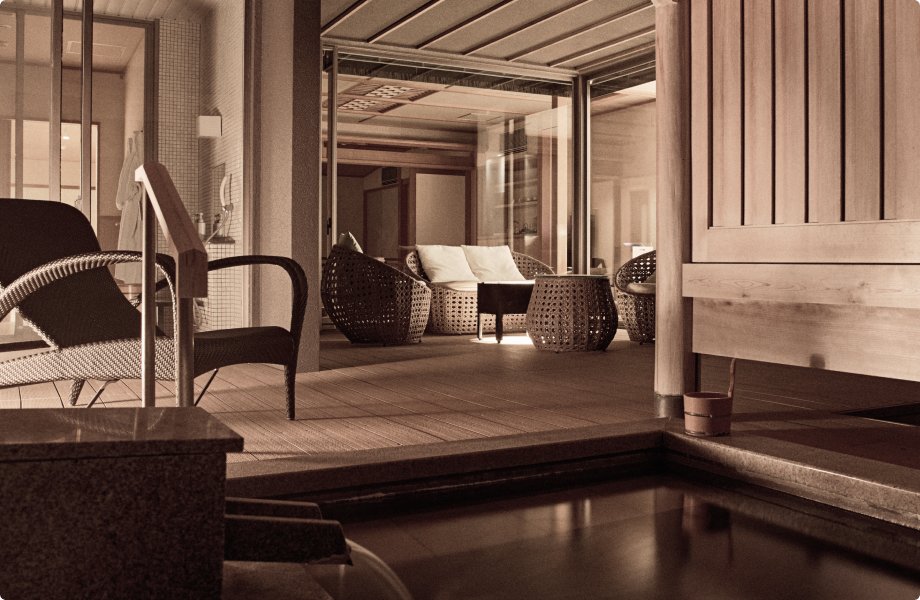
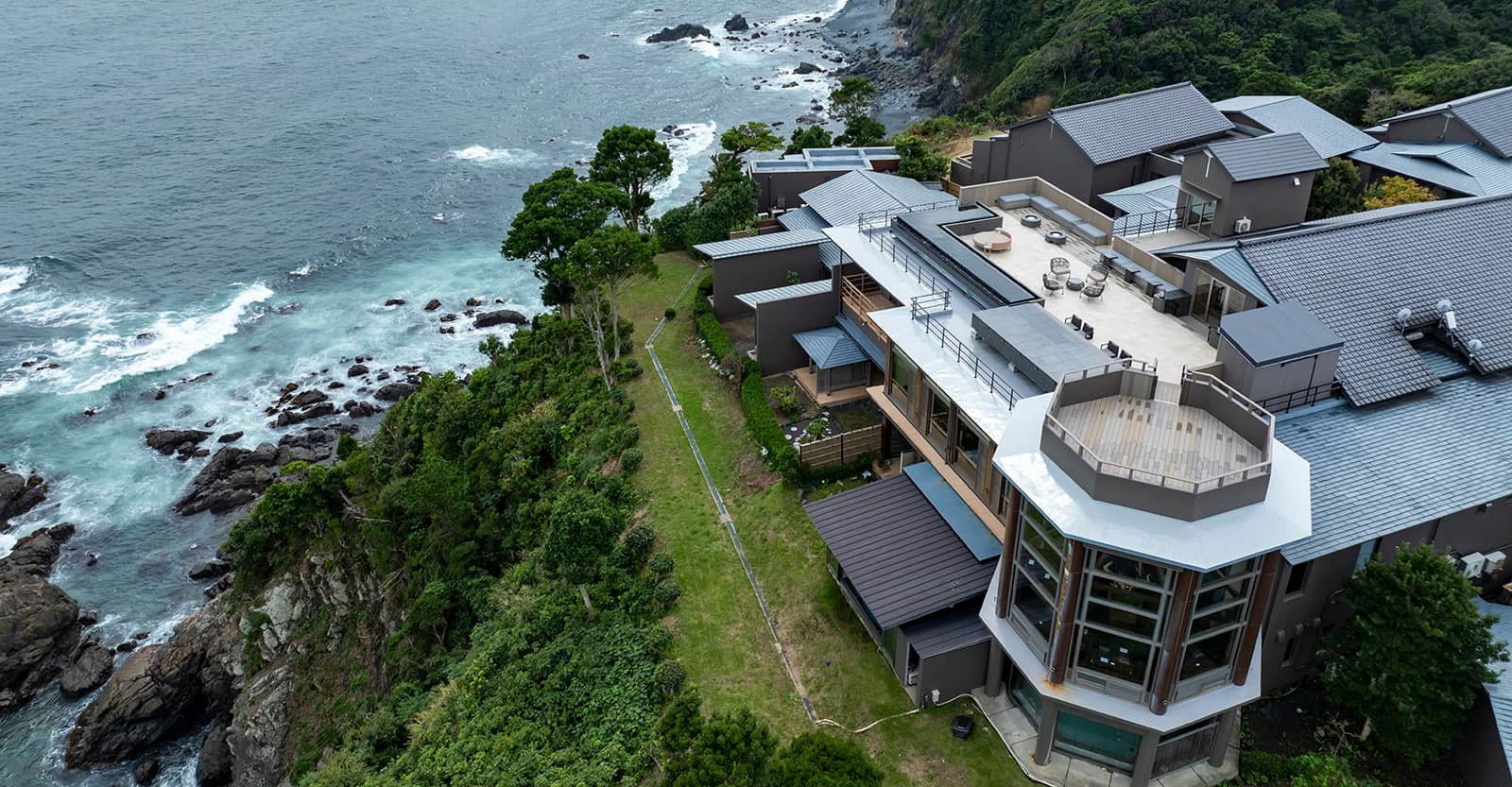
Oyado The Earth operates as a small, landscape-first luxury ryokan that treats the national park as the primary design element. With just sixteen suites, architecture and interiors defer to primeval woodland, the Pacific coastline and distant islands rather than competing with them. Bathing is central: communal springs are available, but every suite also includes a private open-air bath, reinforcing a quiet, intimate rhythm. The result is a serene, romantic and sophisticated retreat that leans into traditional Japanese hospitality while keeping the experience understated and deeply focused on the surrounding scenery.
Best For
This is a property for travelers who prioritize immersion in nature and the ritual of onsen bathing. Couples and small-party guests seeking a honeymoon, anniversary or a romantic getaway will appreciate the private rotenburo attached to every suite and the low guest density. Visitors interested in wellness retreats will find the emphasis on water source and bath architecture central to the offering. The scale and design make it less suited to large groups and more suited to reflective stays that center on landscape, solitude and bathing rituals.
Stay Tips
Rooms are limited—there are only sixteen suites—so book well in advance to secure dates, especially for special-occasion stays. Bathing is the core experience: allow ample time in your itinerary for both the sex-segregated communal hot springs and the private open-air bath that comes with each suite. If a specific view matters, mention the property's focus on framing the bay and islands when booking; the design intentionally orients rooms toward the surrounding coastline and woodland to maximize landscape immersion.
Venue details
Ambiance
Serene and elegant with tatami common areas, soft natural lighting from ocean views, and a soothing atmosphere enhanced by hot springs and unobtrusive service.
Tags
Vibe
Best For
Experience
Amenities
View
Accessibility
About the Stay
- Rooms
- 0
- Check-in
- 15:00
- Check-out
- 11:00
- Property Style
- Luxury Japanese Onsen Ryokan Blending Tradition with Modern Comfort
- Design Style
- Traditional Japanese Tatami Aesthetics with Contemporary Hotel Style Bedrooms
Know before you go
Know Before You Go
- Getting there
- 〒517-0026 Mie, Toba, Ijikachō, 中ノ山龍の栖
Planning details
Location
Recognition and awards
Also consider
Also Consider
- The Hiramatsu Hotels & Resorts Kashikojima, Notable alternative
- Shima Kanko Hotel The Bay Suites, Notable alternative
- Amanemu, Notable alternative
- Amanemu, Notable alternative
- Gamagori Classic Hotel, Notable alternative
Hotel context
How it compares in the Ise-Shima orbit
Choose Oyado The Earth when privacy and a remote-feeling coastal stay matter more than resort breadth. Amanemu is the cleaner cross-shop for travelers who want a more expansive luxury-resort frame, while Oyado The Earth reads as the more intimate, location-led bet.
The Hiramatsu Hotels & Resorts Kashikojima is the better comparison for guests weighing a polished hotel stay with a stronger dining-hospitality association. Shima Kanko Hotel The Bay Suites is a stronger fit for travelers who want a larger, more established resort base around Shima rather than a tucked-away Toba-shi escape.
Gamagori Classic Hotel is the more sensible alternative if historic atmosphere and easier regional routing matter more than seclusion. If Oyado The Earth is unavailable, cross-shop Amanemu first for luxury depth, then Shima Kanko Hotel The Bay Suites for a more conventional resort stay.
Explore Toba-shi
Around this place
Discover more on Pearl
Unlock the full Oyado The Earth guide in Pearl, including awards, comparisons, FAQs, planning details, and nearby places.
Compare Oyado The Earth
| Venue | Location | Awards |
|---|---|---|
| Oyado The Earth | Toba-shi | World Luxury Hotel Awards 2025Michelin 1 Key 20252025 Michelin 1 Key2024 Michelin 1 Key |
| The Hiramatsu Hotels & Resorts Kashikojima | Shima | 2025 Michelin 1 Key2024 Michelin 1 Key |
| Shima Kanko Hotel The Bay Suites | Ise-Shima | 2025 Michelin Selected HotelsSmall Luxury Hotels Member 2025 |
| Amanemu | Mie | 2026 Virtuoso Luxury Hotel Collection2026 Mr & Mrs Smith Luxury Hotels2026 La Liste Top HotelsMichelin 3 Keys 20252025 Michelin 3 Keys2024 Michelin 3 KeysAman Hotels |
| Amanemu | Shima | 2026 Virtuoso Luxury Hotel Collection2026 Mr & Mrs Smith Luxury Hotels2026 La Liste Top HotelsMichelin 3 Keys 20252025 Michelin 3 Keys2024 Michelin 3 KeysAman Hotels |
| Gamagori Classic Hotel | Gamagori | No published awards |






How Oyado The Earth Toba-shi compares with similar nearby venues.
FAQ
Frequently Asked Questions
What is check-in like at Oyado The Earth?
Oyado The Earth is a hotel stay in Toba-shi, but the data here does not specify check-in procedures or arrival services. Confirm the current check-in time and any arrival instructions directly with the property before travel.
When is the best time to book Oyado The Earth?
The data does not provide booking difficulty, seasonality, or availability patterns. If your dates are fixed, check availability early and confirm terms directly, especially if you are also comparing Amanemu or Shima Kanko Hotel The Bay Suites for the same trip.
How is the dining at Oyado The Earth?
The supplied venue data does not list a cuisine type, chef, menu format, or meal service details. Treat dining as something to verify directly with Oyado The Earth rather than assuming a specific restaurant concept; for broader trip planning, you can also compare other premium stays such as Amanemu or The Hiramatsu Hotels & Resorts Kashikojima.
Is Oyado The Earth family-friendly?
The data does not state a family policy, child policy, activity program, or room configuration. Travelers with children should confirm suitability, room rules, and meal arrangements directly before booking.
How does Oyado The Earth compare to other premium hotels?
Oyado The Earth is a Toba-shi hotel with Michelin 1 Key recognition in 2024 and a 2025 World Luxury Hotel Awards continent win. For a broader premium-hotel shortlist, compare it with Amanemu, Shima Kanko Hotel The Bay Suites, The Hiramatsu Hotels & Resorts Kashikojima, and Gamagori Classic Hotel, while checking each property's current location, rates, and stay details directly.
Is Oyado The Earth good for business travel?
The data does not establish business facilities, meeting spaces, workspace quality, or transport convenience. Business travelers should confirm logistics and required services directly, and may also compare Gamagori Classic Hotel or Shima Kanko Hotel The Bay Suites depending on itinerary needs.