
Toca da Coruja
Praia da Pipa, Tibau Do Sul
Hotel in Tibau Do Sul, Brazil
 Book with Pearl
The Read
Canopy-Set Bungalow Retreat
Why go
Toca da Coruja is the Tibau do Sul pick for travelers who want Pipa atmosphere over a large resort setup. Its Michelin 1 Key recognition gives it a credible quality signal, but the smarter decision frame is this: book for the setting and town access, then plan dining separately if the meal is the main event.
About Toca da Coruja
Toca da Coruja is a hotel in Tibau Do Sul with Michelin 1 Key recognition for 2025. Specific public-facing details should be checked directly with the property before booking.
Toca da Coruja's Michelin 1 Key (2025) recognition in Tibau Do Sul makes it a strong contender for your shortlist.
Book it for a Michelin Key stay in Tibau Do Sul
Toca da Coruja has a clear signal: Michelin 1 Key in 2025. Details such as room categories, dining format, amenities, service style, and policies should be confirmed with the hotel before making plans.
For a broader hotel shortlist, you can also compare it with Carmel Charme Resort, Hotel Jaguarindia Village, Hotel Vila Selvagem, Kenoa Exclusive Beach & Spa Resort, and Pousada Do Toque. Quick reference: choose Toca da Coruja when you want to consider a Michelin 1 Key hotel in Tibau Do Sul, and confirm practical details directly before booking.
Planning details
- Location
- Av. Baía dos Golfinhos, 464 - Pipa, Tibau do Sul - RN, 59178-000
- Website
- tocadacoruja.com.br
- Phone
- +55 84 3246-2226
The take
The Take
The Vibe
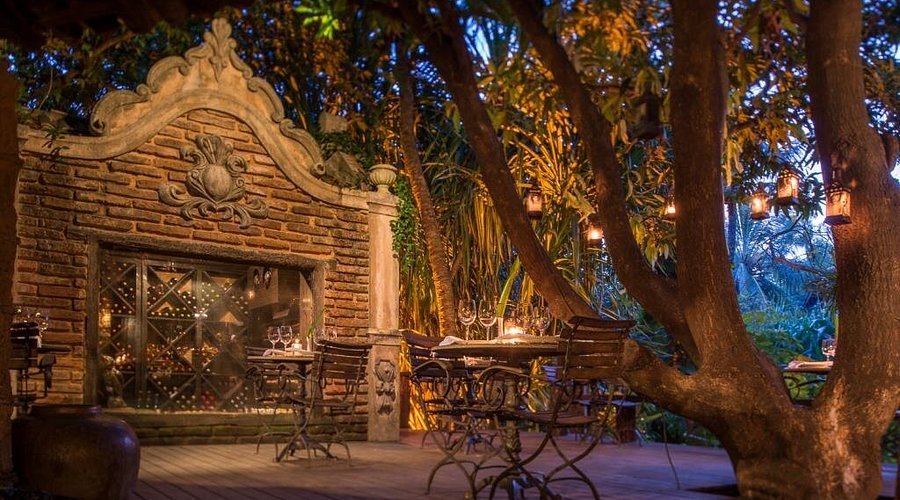
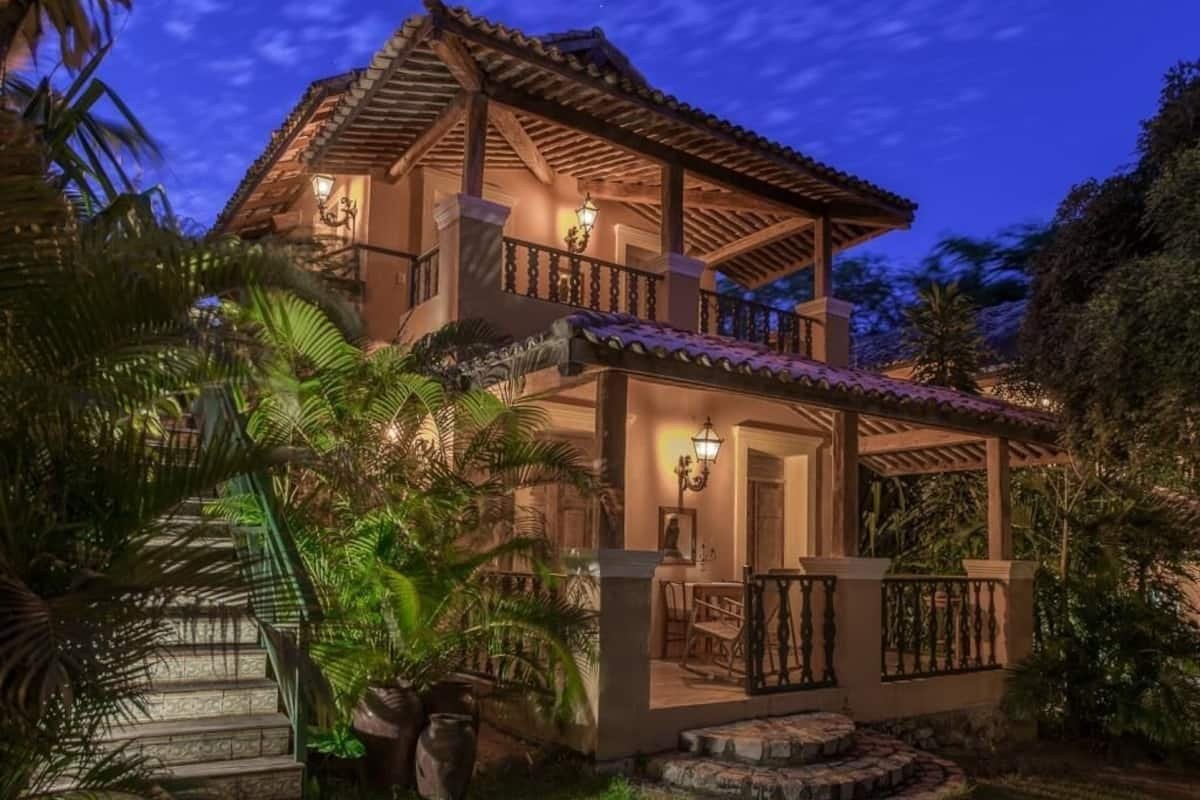
Toca da Coruja presents a quietly intimate retreat set in a canopy of mature tropical vegetation. The property deliberately disperses 28 two-storey bungalows across a wooded lot, so the dominant sight lines favor trees and private patios rather than corridors or photographed pool terraces. Refined wooden walkways thread the site, preserving the sense that the development has grown into the land. The effect is serene and low-key: it feels like a small village of distinct, privately scaled accommodations where privacy and proximity to nature shape the daily experience.
Best For
This hotel suits travelers seeking privacy and a nature-forward escape without giving up access to Pipa’s social life. Honeymooners and couples on romantic getaways value the vertical privacy of the two-storey bungalows and the deluxe units’ terraces, hammocks and outdoor tubs. Guests looking for a wellness-minded pause or a short weekend escape appreciate the property’s quiet, forested setting and the feeling of seclusion that still keeps the village and its restaurants within easy reach. Solo travelers who want restorative solitude also find this layout appealing.
Stay Tips
When booking, prioritize the deluxe bungalows if you want maximum outdoor living: the description notes that deluxe units add furnished terraces, hammocks and outdoor tubs, while ground-floor patios are standard across all categories. Choose a bungalow that emphasizes terrace space if you plan to linger outdoors; otherwise, any unit benefits from the property’s dispersed layout and wooden walkways, which enhance privacy and the sense of being immersed in the canopy. Consider the proximity to the main avenue if you want quicker access to Pipa’s restaurants and bars.
Venue details
Ambiance
Peaceful and relaxing with natural surroundings, soft lighting in cozy bungalows, and serene garden atmosphere praised for tranquility.
Tags
Vibe
Best For
Experience
Amenities
View
Accessibility
About the Stay
- Rooms
- 28
- Check-in
- 15:00
- Check-out
- 11:00
- Property Style
- Rustic Luxury Retreat Integrated Into Tropical Gardens
- Design Style
- Modern Design with Rustic Charm and Traditional Handicrafts
Know before you go
Know Before You Go
- Getting there
- Av. Baía dos Golfinhos, 464 - Pipa, Tibau do Sul - RN, 59178-000
Planning details
Location
Av. Baía dos Golfinhos, 464 - Pipa, Tibau do Sul - RN, 59178-000 · Directions
Recognition and awards
Also consider
Also Consider
- Pousada Do Toque, Notable alternative
- Hotel Jaguarindia Village, Notable alternative
- Hotel Vila Selvagem, Notable alternative
- Kenoa Exclusive Beach & Spa Resort, Notable alternative
- Carmel Charme Resort, Notable alternative
Hotel context
How Toca da Coruja compares in Tibau do Sul
Choose Toca da Coruja if Pipa access and a more intimate mood matter more than a large resort footprint. Against Pousada Do Toque, it is the better fit for travelers who want town energy close by; Pousada Do Toque is the cross-shop for a quieter coastal escape.
Hotel Jaguarindia Village and Hotel Vila Selvagem make more sense for guests who want a simpler beach-hotel decision with less emphasis on Pipa's center. Toca da Coruja is harder to replace when the goal is atmosphere plus location rather than scale.
For a resort-led trip, compare it with Kenoa Exclusive Beach & Spa Resort and Carmel Charme Resort. Those are stronger candidates for travelers prioritizing facilities and a more self-contained stay; Toca da Coruja is the sharper choice for a Pipa-focused itinerary.
Explore Tibau Do Sul
Around this place
Discover more on Pearl
Unlock the full Toca da Coruja guide in Pearl, including awards, comparisons, FAQs, planning details, and nearby places.
Compare Toca da Coruja
| Venue | Location | Awards |
|---|---|---|
| Toca da Coruja | Tibau Do Sul | Michelin 1 Key 20252025 Michelin 1 Key |
| Pousada Do Toque | Sao Miguel Dos Milagres | No published awards |
| Hotel Jaguarindia Village | Fortim | No published awards |
| Hotel Vila Selvagem | Fortim | No published awards |
| Kenoa Exclusive Beach & Spa Resort | Barra de São Miguel | 2026 Virtuoso Luxury Hotel Collection2025 Michelin 1 KeySmall Luxury Hotels Member 2025 |
| Carmel Charme Resort | Ceará | No published awards |


How Toca da Coruja Tibau Do Sul compares with similar nearby venues.
FAQ
Frequently Asked Questions
How does Toca da Coruja compare to other hotels?
Toca da Coruja has Michelin 1 Key (2025) recognition in Tibau Do Sul. For comparison, you may also look at Carmel Charme Resort, Hotel Jaguarindia Village, Hotel Vila Selvagem, Kenoa Exclusive Beach & Spa Resort, and Pousada Do Toque, depending on your broader trip plans. Confirm current amenities and policies directly with each property.
When is the best time to book Toca da Coruja?
How is the location of Toca da Coruja?
Toca da Coruja is in Tibau Do Sul. Use the hotel's official channels for exact arrival information.
Is Toca da Coruja good for business travel?
Which room category is best at Toca da Coruja?
Ask Toca da Coruja directly about current room types, layout, views, privacy, and any accessibility needs before choosing.
Do loyalty programs work at Toca da Coruja?
Do not plan around earning or redeeming points unless Toca da Coruja confirms the relevant program and terms before booking.