
Hotel Spedition Thun
city center, Thun
Hotel in Thun, Switzerland
 Book with Pearl
The Read
Price
$100–200per night
Why go
Hotel Spedition Thun is the practical design-led pick in Thun when easy booking and city access matter more than resort facilities. Its 2026 Design Hotels membership gives it a clear credibility signal, but suite upgrades need caution unless extra room space is the main reason for the stay.
About Hotel Spedition Thun
Hotel Spedition Thun is a Thun hotel with the distinction of being a 2026 Design Hotels member. That recognition is a strong reason to keep it on a shortlist for travelers comparing stays in and around Thun.
Book for a design-hotel signal
The strongest hook for Hotel Spedition Thun is its 2026 Design Hotels Member status. If room categories, amenities, pricing, service format, dining, or wellness facilities matter to your stay, review those details through the hotel's official channels before booking.
For the suite question, upgrade only if the room details you receive from the hotel make the added space or features worthwhile. Compare the current options directly before committing.
Use it as a Thun option, then cross-shop for atmosphere
Hotel Spedition Thun is best considered alongside other hotels in the region rather than through assumptions about amenities or style. Boutique Hotel Schlossberg is another option to compare; Hotel Eden Spiez is a separate regional alternative if Spiez suits the trip better. For a different kind of stay, The Aarburg Hotel & Café is also worth checking.
Quick reference: choose Hotel Spedition Thun if its Thun location and 2026 Design Hotels Member status fit your plans; compare carefully if you need specific room types, wellness features, dining details, or a more resort-oriented stay. For wider planning, see Thun restaurants and other local travel resources.
Planning details
- Location
- Gewerbestrasse 4, Thun 3600, Switzerland
The take
The Take
The Vibe
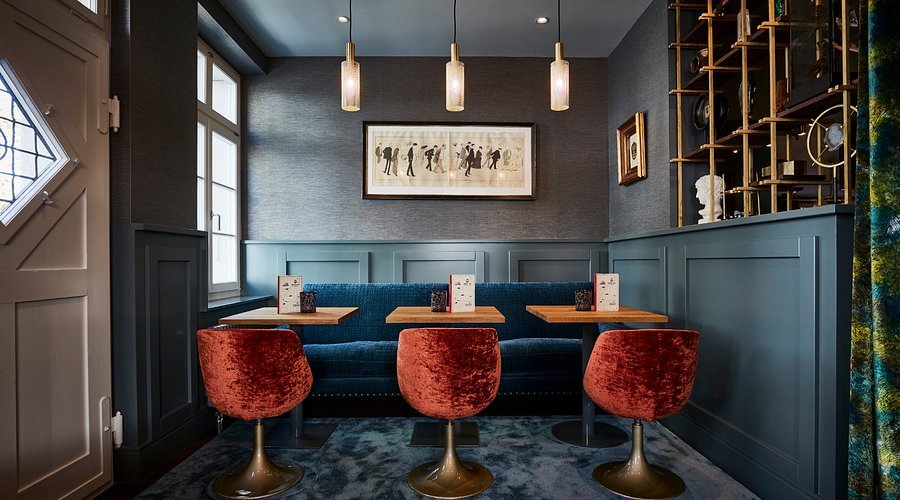
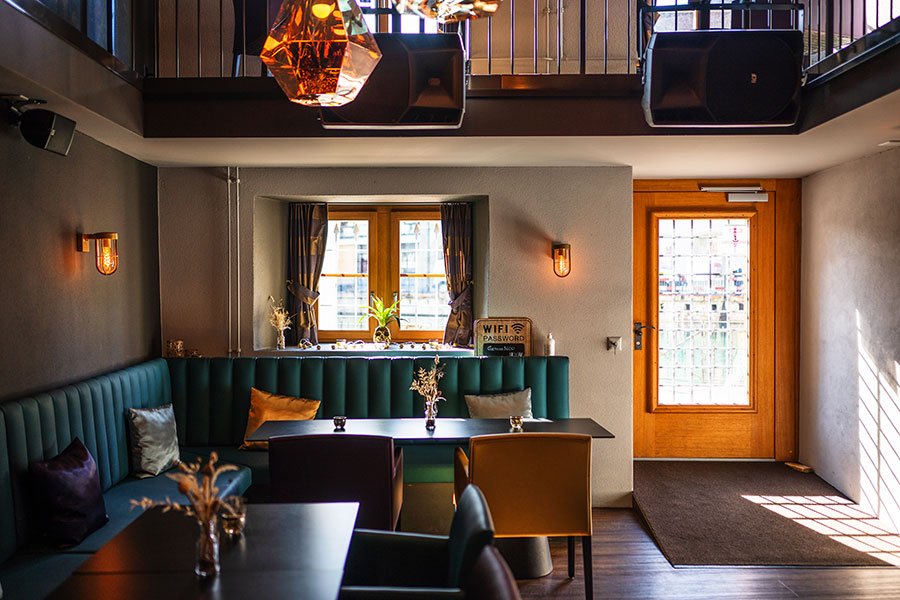
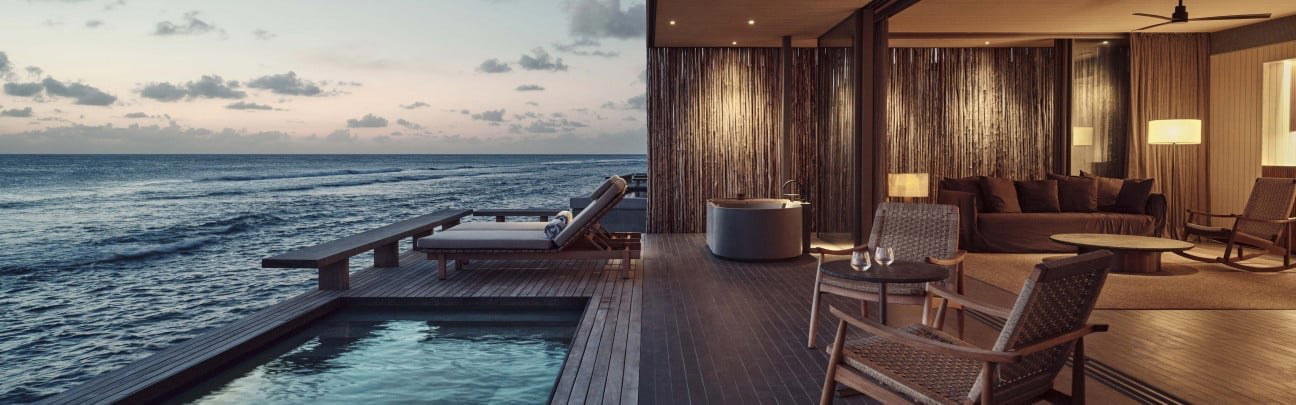
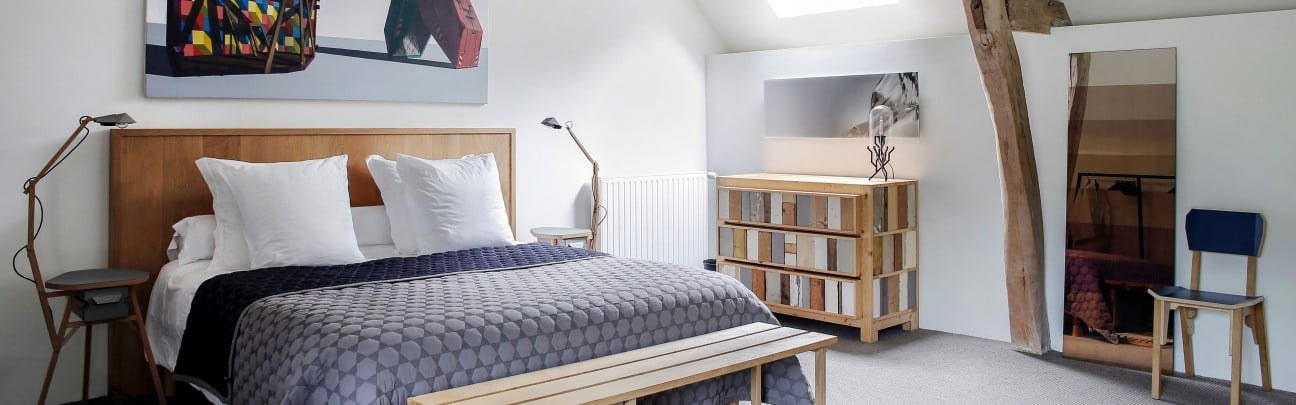
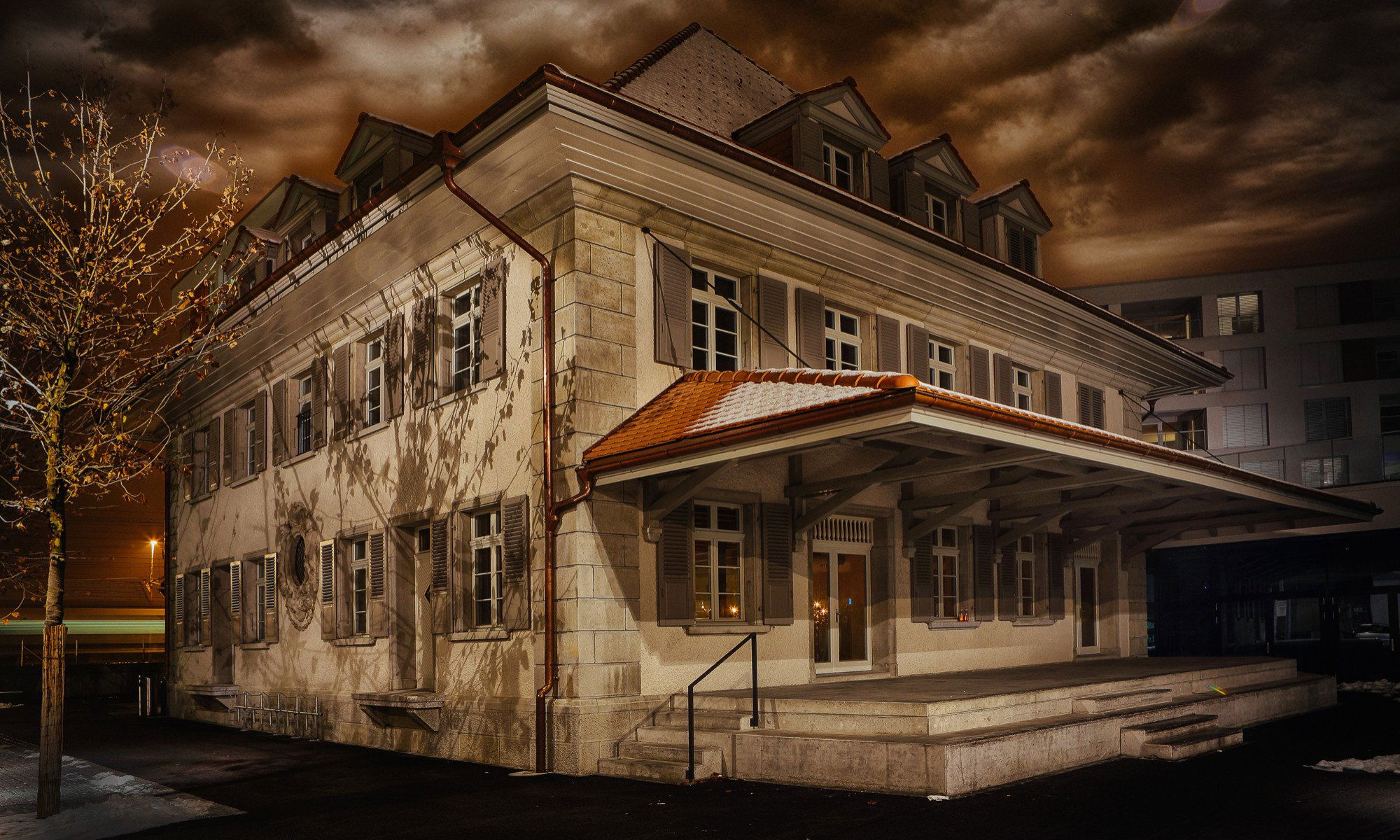
Hotel Spedition Thun leans into its industrial past, presenting a design-forward hospitality project that foregrounds original materials rather than erasing them. The rooms and public spaces are defined by exposed, century-old oak beams and Victorian-era structural elements, while midcentury accents and careful interventions create a deliberate tension between eras. The result reads as a refined, locally rooted conversion: more warehouse-to-boutique than alpine chalet, with an honest materiality and a quietly distinctive personality that stands out in the Bernese Oberland.
Best For
This is a smart pick for travelers who prize architecture and considered design: couples seeking a romantic getaway, professionals on business trips, and weekend visitors looking for something distinct from the region’s lakeside palaces and chalet hotels. Situated in the city center, the property offers an urban, design-led alternative to typical Swiss hospitality archetypes, making it especially appealing to visitors who want a compact, characterful base from which to explore Thun.
Venue details
Ambiance
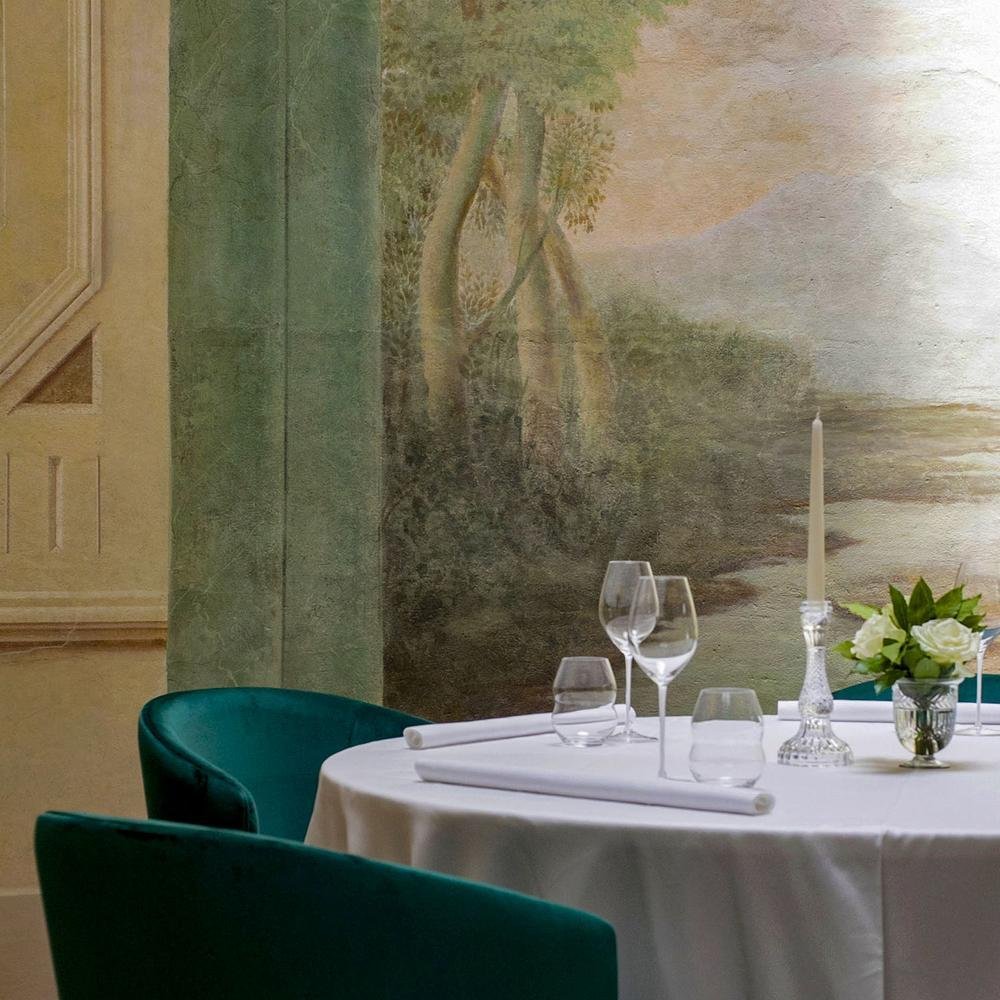
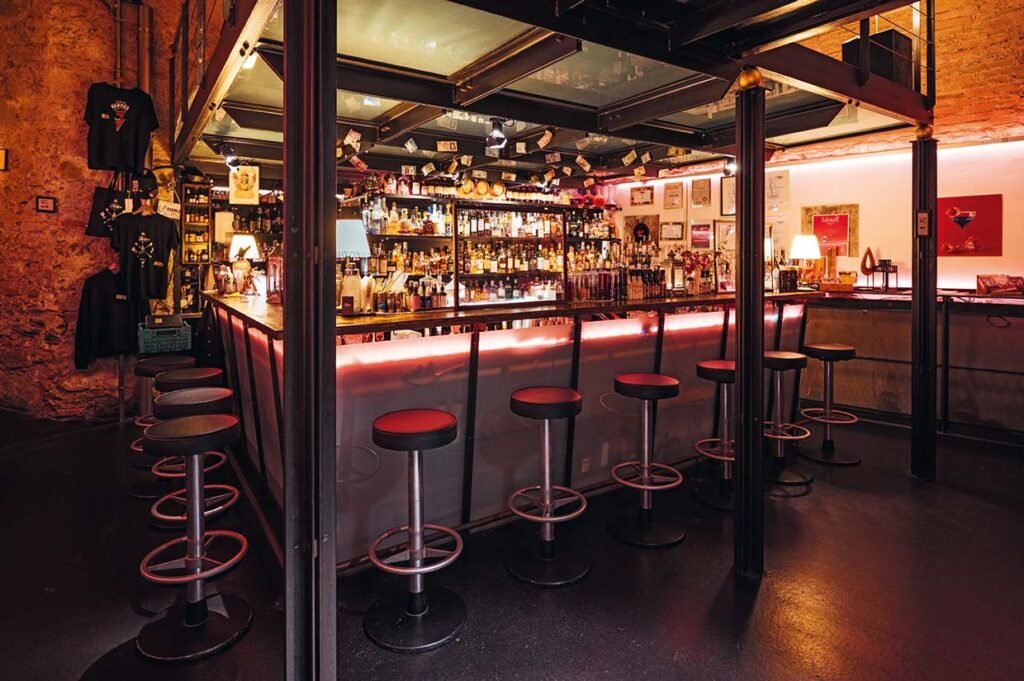
Moody lighting with warm, cozy colors creating a relaxing, intimate atmosphere despite the open layout.
Tags
Vibe
Best For
Experience
Amenities
View
Accessibility
About the Stay
- Rooms
- 15
- Check-in
- 15:00
- Check-out
- 11:00
- Property Type
- Boutique hotel
- Property Style
- Historic Building with Contemporary Boutique Renovations
- Design Style
- Moody Dark Academia with Mid Century Modern and Industrial Elements
- Breakfast
- Included
- Pets
- Allowed
- Cancellation
- Moderate
Know before you go
Know Before You Go
- Getting there
- Gewerbestrasse 4, Thun 3600, Switzerland
Planning details
Location
Gewerbestrasse 4, Thun 3600, Switzerland · Directions
Recognition and awards
Also consider
Where to look if this is not the right fit
If the room needs more atmosphere, try Boutique Hotel Schlossberg. If the trip needs a stronger leisure-hotel feel, check Hotel Eden Spiez before upgrading room category here.
Hotel context
How it compares in and around Thun
Hotel Spedition Thun is the sensible choice if availability, design credibility, and city access are the brief. Boutique Hotel Schlossberg is the better fit for old-town atmosphere, while The Aarburg Hotel & Café suits travelers who want a lighter, café-driven stay rather than a design-hotel feel.
If the trip is built around the lake, Hotel Eden Spiez is the more natural cross-shop. For a bigger spa-and-grand-hotel experience, Victoria-Jungfrau Grand Hotel & Spa plays in a different tier and is the stronger splurge candidate. Jamming Corner belongs on the list for travelers prioritizing a simpler, less formal base.
Explore Thun
Around this place
Discover more on Pearl
Unlock the full Hotel Spedition Thun guide in Pearl, including awards, comparisons, FAQs, planning details, and nearby places.
Compare Hotel Spedition Thun
| Venue | Location | Awards |
|---|---|---|
| Hotel Spedition Thun | Thun | 2026 Design Hotels Collection |
| Boutique Hotel Schlossberg | Thoune | No published awards |
| Hotel Eden Spiez | Spiez | No published awards |
| Jamming Corner | Unterseen | No published awards |
| The Aarburg Hotel & Café | Unterseen | No published awards |
| Victoria-Jungfrau Grand Hotel & Spa | Interlaken | 2026 Virtuoso Luxury Hotel CollectionLeading Hotels of the World 20262026 La Liste Top Hotels2026 Michelin 2 KeysMichelin 2 Keys 20252025 Michelin 2 Keys2024 Michelin 2 Keys |





How Hotel Spedition Thun compares with similar nearby venues.
FAQ
Frequently Asked Questions
How is the pool and spa at Hotel Spedition Thun?
If wellness facilities are important to the trip, compare the latest information from Hotel Spedition Thun with regional options such as Hotel Eden Spiez or Victoria-Jungfrau Grand Hotel & Spa. Check each venue's official channels for the latest details.
When is the best time to book Hotel Spedition Thun?
Book when your Thun travel dates are fixed and after confirming the current room options, rates, and policies directly with Hotel Spedition Thun.
What is check-in like at Hotel Spedition Thun?
Confirm arrival times, access instructions, and any special requirements directly with the hotel before travel. If you want to compare the overall feel of different stays, Boutique Hotel Schlossberg is another option to review.
How does Hotel Spedition Thun compare to nearby hotels?
Choose Hotel Spedition Thun if you want a Thun hotel with 2026 Design Hotels Member status. Boutique Hotel Schlossberg and The Aarburg Hotel & Café are other options to compare, while Hotel Eden Spiez and Victoria-Jungfrau Grand Hotel & Spa are regional alternatives for different trip plans. Jamming Corner may be worth reviewing separately if it fits your plans.