
Monwana Game Lodge
Thornybush Game Reserve
Hotel in Thornybush Game Reserve, South Africa
 Book with Pearl
The Read
Price
$2,500+per night
Why go
Monwana Game Lodge is a good Thornybush choice for travelers who want a calm safari base with luxury-network validation rather than a large-camp feel. Book it for the reserve setting and full-stay rhythm; cross-shop Jabulani Safari or Malewane Lodge at Royal Malewane if you want a more statement-led luxury safari.
About Monwana Game Lodge
Monwana Game Lodge is in Thornybush Game Reserve and holds Virtuoso Luxury Hotel Partner recognition for 2026. Evaluate it as a Thornybush Game Reserve venue rather than as a standalone dining stop or service-led city hotel.
The confirmed dress code is smart casual. If meals, service style, room amenities, dietary handling, or other stay details are important to your trip, check the lodge's current official information before booking.
Book for the reserve setting, not for a standalone restaurant detour
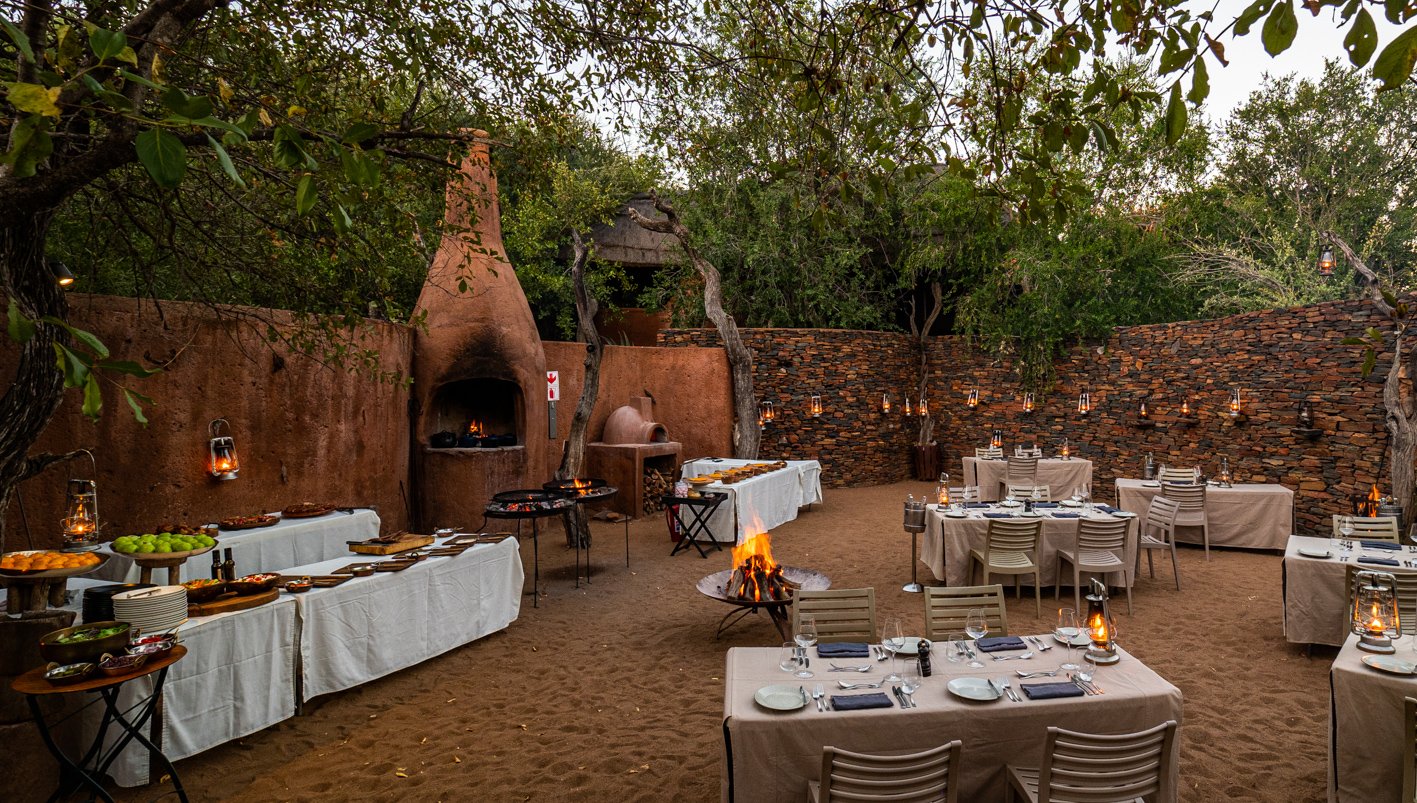
For dining, treat Monwana Game Lodge as part of the overall venue decision, not as a restaurant to judge independently. There is no cuisine style, chef name, menu format, or pricing to assess it like a destination dining room. If dining is the deciding factor, ask about the current meal format before committing, especially for dietary needs or longer stays.
For comparison, Thornybush Game Lodge, Jabulani Safari, and Malewane Lodge at Royal Malewane are relevant options to review alongside Monwana Game Lodge. The right choice depends on the overall experience you want, not on restaurant credentials alone.
Thornybush location keeps the decision reserve-first
Monwana Game Lodge is in Thornybush Game Reserve, which keeps the decision focused on the reserve setting. That is useful if your priority is being in Thornybush Game Reserve rather than planning around independent restaurants.
Use the key details as the baseline: Monwana Game Lodge is in Thornybush Game Reserve, has smart casual dress code guidance, and carries Virtuoso Luxury Hotel Partner recognition for 2026. If value, atmosphere, or overall style is the concern, compare it with Masiya's Camp, Makanyi Private Game Lodge | Luxury Safari South Africa, Thornybush Game Lodge, Jabulani Safari, and Malewane Lodge at Royal Malewane before committing.
Planning details
- Location
- Thornybush Main Gate, Gurnsey Road
The take
The Take
The Vibe
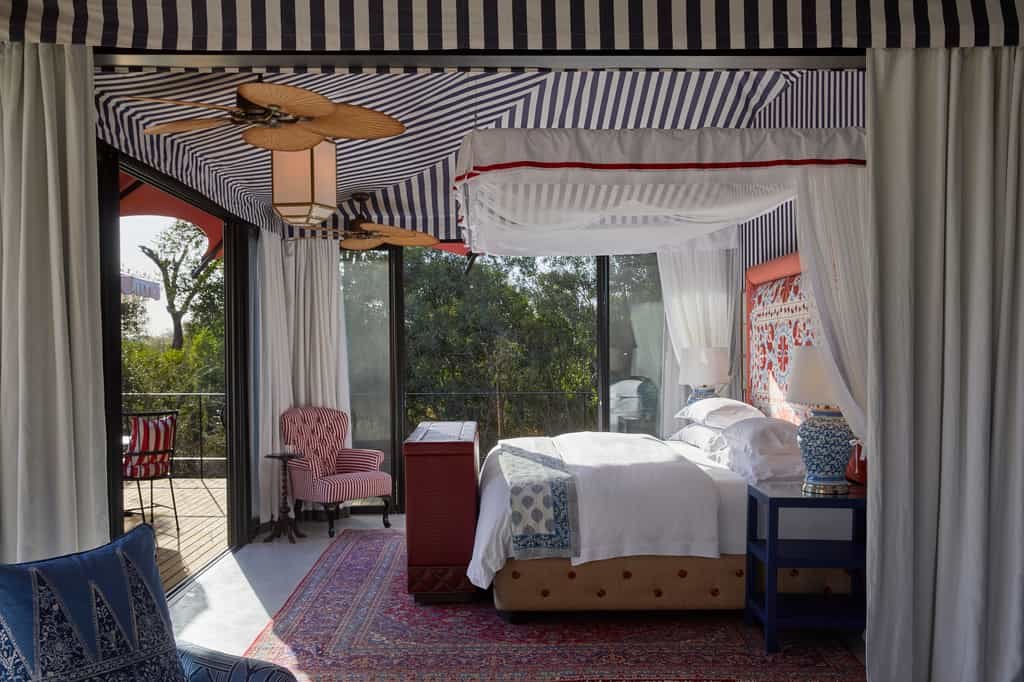
Monwana Game Lodge sits quietly within Thornybush Nature Reserve, and the lodge’s atmosphere is shaped first and foremost by the surrounding wilderness. The reserve’s low-density, unhurried approach creates a relaxed, intimate bush feeling rather than a showy, hotel-driven one. Architecture and service lean into a contained, bush-integrated register rather than grand visual drama: the experience privileges proximity to wildlife and a measured pace. Expect a warm, cozy sensibility that feels at home in the scrub and trees—an understated, charming safari lodge where the land and the animals set the tone.
Best For
Monwana is best for travellers who prioritise wildlife encounters and guide-led game drives over urban-style hotel amenities. The lodge suits couples on honeymoons or romantic getaways, families and anniversaries seeking focused safari time, and guests who want an immersive, private-reserve experience. Because the property sits on an unfenced boundary with Kruger and emphasizes sustained, unpredictable game movement, it particularly rewards repeat drives and serious safari itineraries. Guests looking for dramatic lodge theatrics or city-level luxury should recalibrate expectations toward the reserve’s strength: concentrated wildlife viewing and expert guiding.
Stay Tips
Book multiple game drives and allow consecutive safari outings: the reserve shares an unfenced boundary with Kruger, and staff note that wildlife movement is sustained and unpredictable, so back-to-back drives often produce different encounters. Prioritise options that maximise time in the reserve and the guide-led components of a stay—Monwana’s position in Thornybush favours wildlife density and guiding quality over hotel-standard bells and whistles. If flexibility is possible, plan the itinerary to lean into morning and late-afternoon drives when animal activity is typically higher.
Venue details
Ambiance
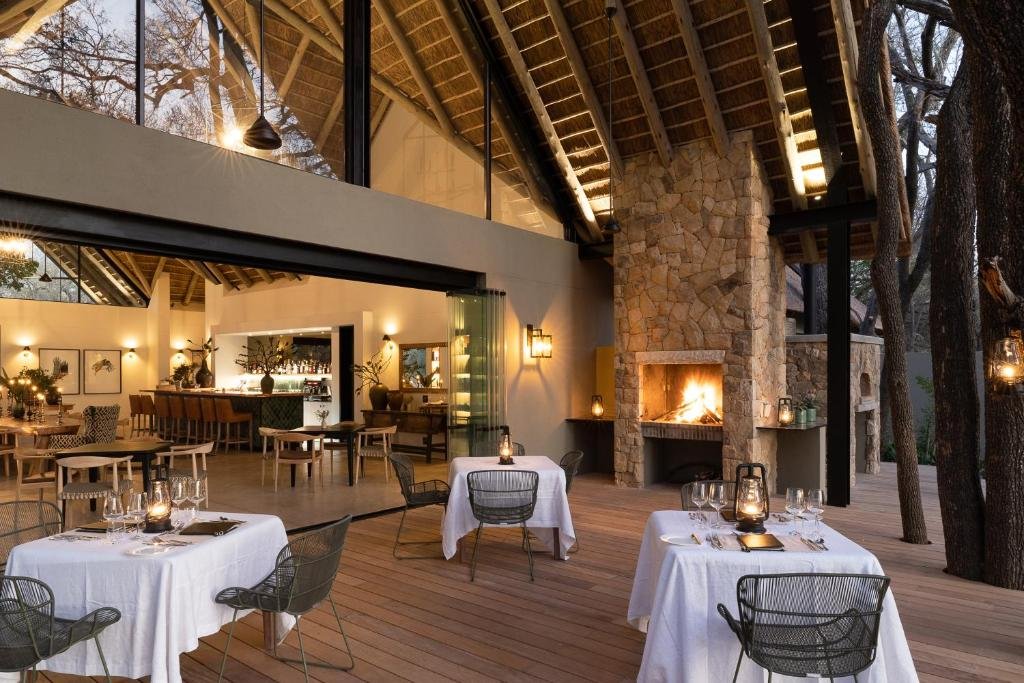
Spacious design with high ceilings, large cathedral windows blending indoor luxury with the wild African bush, creating a serene and immersive natural atmosphere.
Tags
Vibe
Best For
Experience
Amenities
About the Stay
- Rooms
- 7
- Property Type
- Eco-lodge
- Property Style
- Intimate Luxury Safari Lodge Designed for Immersion in the African Wilderness with Modern African Inspired Decor.
- Design Style
- Modern African Inspired with Natural Elements, Soft Earthy Tones, Stylish Furniture, and Open Spaces Maximizing Bush Views.
- Breakfast
- Included
- Airport Transfer
- Available
- Pool
- Yes
- Spa
- Yes
- Families
- Welcome
Know before you go
Know Before You Go
- Getting there
- Thornybush Main Gate, Gurnsey Road
Planning details
Location
Thornybush Main Gate, Gurnsey Road · Directions
Recognition and awards

Also consider
Also Consider
- Thornybush Game Lodge, Notable alternative
- Jabulani Safari, Notable alternative
- Makanyi Private Game Lodge | Luxury Safari South Africa, Notable alternative
- Masiya's Camp, Notable alternative
- Malewane Lodge at Royal Malewane, Notable alternative
Hotel context
How it compares in and around Thornybush
Monwana Game Lodge is the safer pick for travelers who want a polished Thornybush stay with recognized luxury credentials and an easy booking profile. Thornybush Game Lodge is the more classic comparison for guests who prefer a broader lodge feel, while Masiya's Camp is the practical cross-shop if value matters more than luxury positioning.
Jabulani Safari is the better fit for travelers looking for a more distinctive, statement-style safari stay, and Malewane Lodge at Royal Malewane is the sharper comparison for a high-touch luxury brief. Monwana sits between those poles: less about spectacle, more about a calm lodge base inside the safari routine.
Makanyi Private Game Lodge is the nearest peer for readers who want a private-lodge atmosphere and are comparing ambiance rather than brand scale. If the trip depends on dining detail, ask each lodge about current meal format before choosing; if the priority is low-friction Thornybush access and a quieter stay, Monwana stays firmly in the conversation.
Explore Thornybush Game Reserve
Around this place
Discover more on Pearl
Unlock the full Monwana Game Lodge guide in Pearl, including awards, comparisons, FAQs, planning details, and nearby places.
Compare Monwana Game Lodge
| Venue | Location | Awards |
|---|---|---|
| Monwana Game Lodge | Thornybush Game Reserve | 2026 Virtuoso Luxury Hotel Collection |
| Thornybush Game Lodge | Bushbuckridge | No published awards |
| Jabulani Safari | Hoedspruit | 2026 Virtuoso Luxury Hotel Collection2026 Relais Chateaux Hotels2026 Michelin 2 Keys2025 Michelin 2 Keys2025 Relais Chateaux Award |
| Makanyi Private Game Lodge | Luxury Safari South Africa | Hoedspruit | 2026 La Liste Top Hotels |
| Masiya’s Camp | Thornybush Game Reserve | No published awards |
| Malewane Lodge at Royal Malewane | Hoedspruit | 2026 La Liste Top Hotels |




How Monwana Game Lodge compares with similar nearby venues.
FAQ
Frequently Asked Questions
How does Monwana Game Lodge compare to other options?
Monwana Game Lodge is a Thornybush Game Reserve option with Virtuoso Luxury Hotel Partner recognition for 2026. It belongs in a shortlist with Thornybush Game Lodge and Malewane Lodge at Royal Malewane, depending on the overall experience you want.
How is the location of Monwana Game Lodge?
Monwana Game Lodge is in Thornybush Game Reserve. That makes it a reserve-focused location rather than a location to choose for independent restaurant-hopping.