
The Travancore Heritage
Adimalathura, Thiruvananthapuram District, Thiruvananthapuram
Hotel in Thiruvananthapuram, India
 Book with Pearl
The Read
Price
$200–300per night
Why go
A practical heritage-hotel choice near Thiruvananthapuram for travelers who want coastal atmosphere without turning the trip into a long Kerala detour. Book it for sense of place and a slower resort rhythm; compare The Leela Kovalam for a more polished coastal stay and Kumarakom or Munnar options if the trip is built around backwaters or hills.
About The Travancore Heritage
The Travancore Heritage is a Thiruvananthapuram hotel with a casual dress code and recognition from the World Travel Awards 2025 as a Leading Heritage Hotel.
For a wider scan before committing, use our full Thiruvananthapuram hotels guide.
Book for a heritage-hotel choice in Thiruvananthapuram
The clearest reason to consider The Travancore Heritage is its heritage-hotel positioning, supported by its World Travel Awards 2025 recognition as a Leading Heritage Hotel. Confirm any details that matter to your stay, including architecture, grounds, room views, restaurant offerings, family facilities, or pricing.
That makes the decision direct: choose it if you are specifically comparing heritage-led hotel options in Thiruvananthapuram.
Who should choose it over a bigger Kerala resort
The Travancore Heritage makes the most sense when the brief is a heritage-hotel stay in Thiruvananthapuram. For travelers comparing it with other premium Kerala stays, The Leela Kovalam A Raviz Hotel, Kumarakom Lake Resort, and SpiceTree Munnar may fit different trip plans, while The Travancore Heritage keeps the focus on Thiruvananthapuram.
Use the comparison according to itinerary rather than assumptions about amenities or service style. If dining, bars, wineries, or activities will shape the stay, cross-check our full Thiruvananthapuram restaurants guide, our full Thiruvananthapuram bars guide, our full Thiruvananthapuram wineries guide, and our full Thiruvananthapuram experiences guide before locking the hotel around the rest of the itinerary.
Planning details
- Location
- Poovar - Vizhinjam Rd, Adimalathura, Chowara, Kottukal, Kerala 695501, India
- Website
- thetravancoreheritage.com
The take
The Take
The Vibe
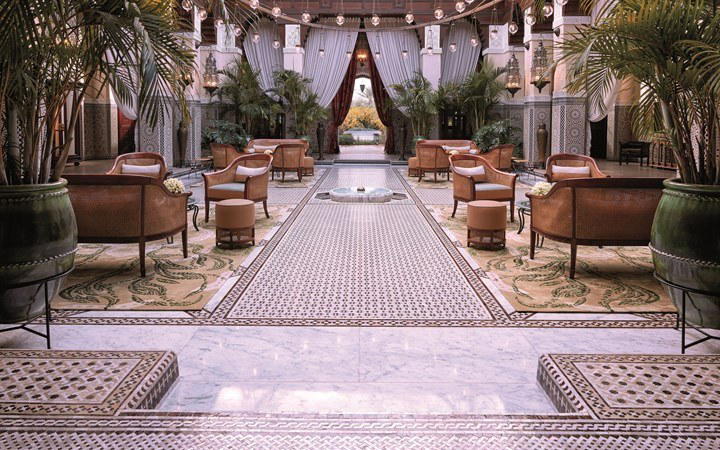
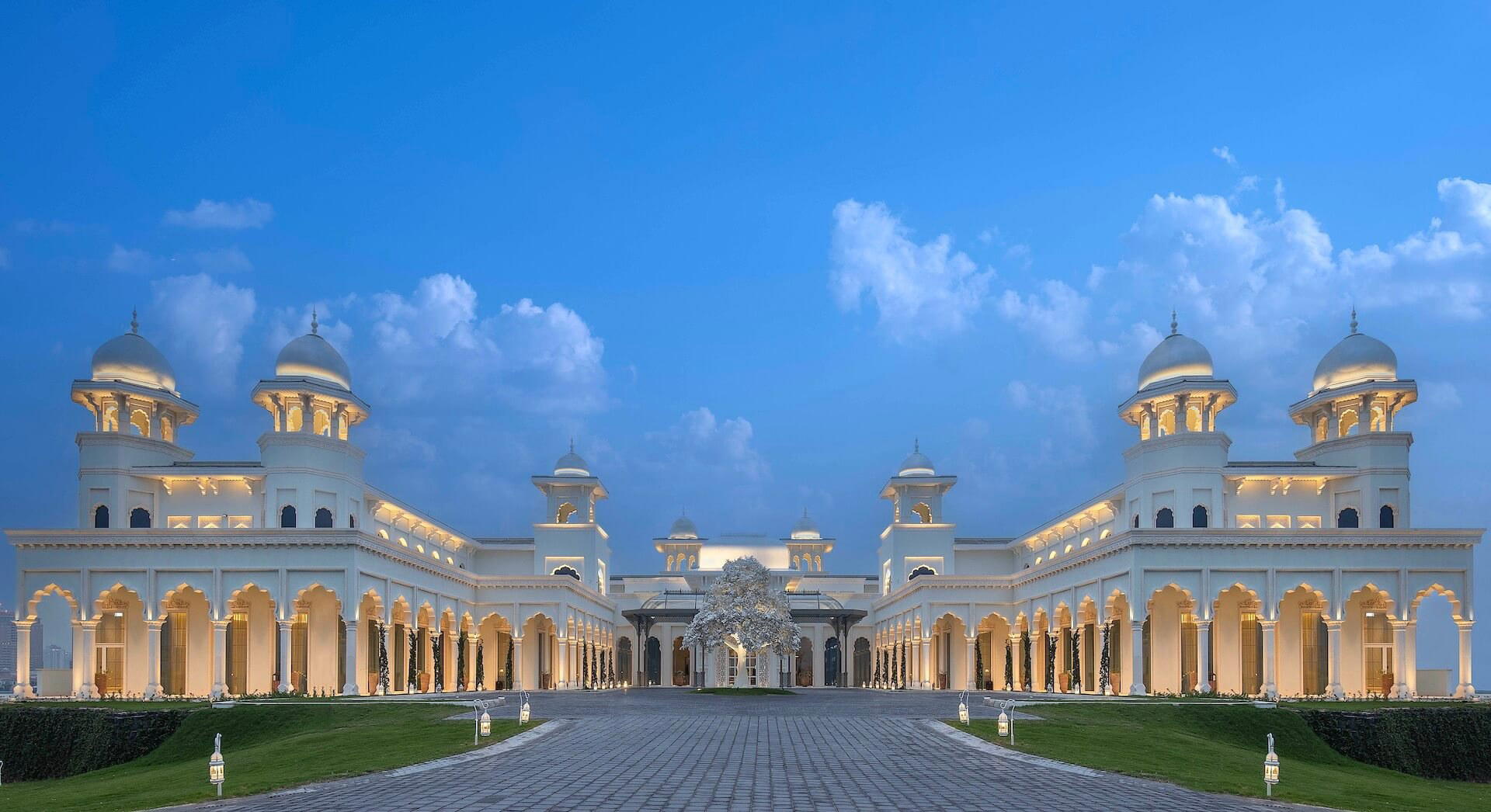
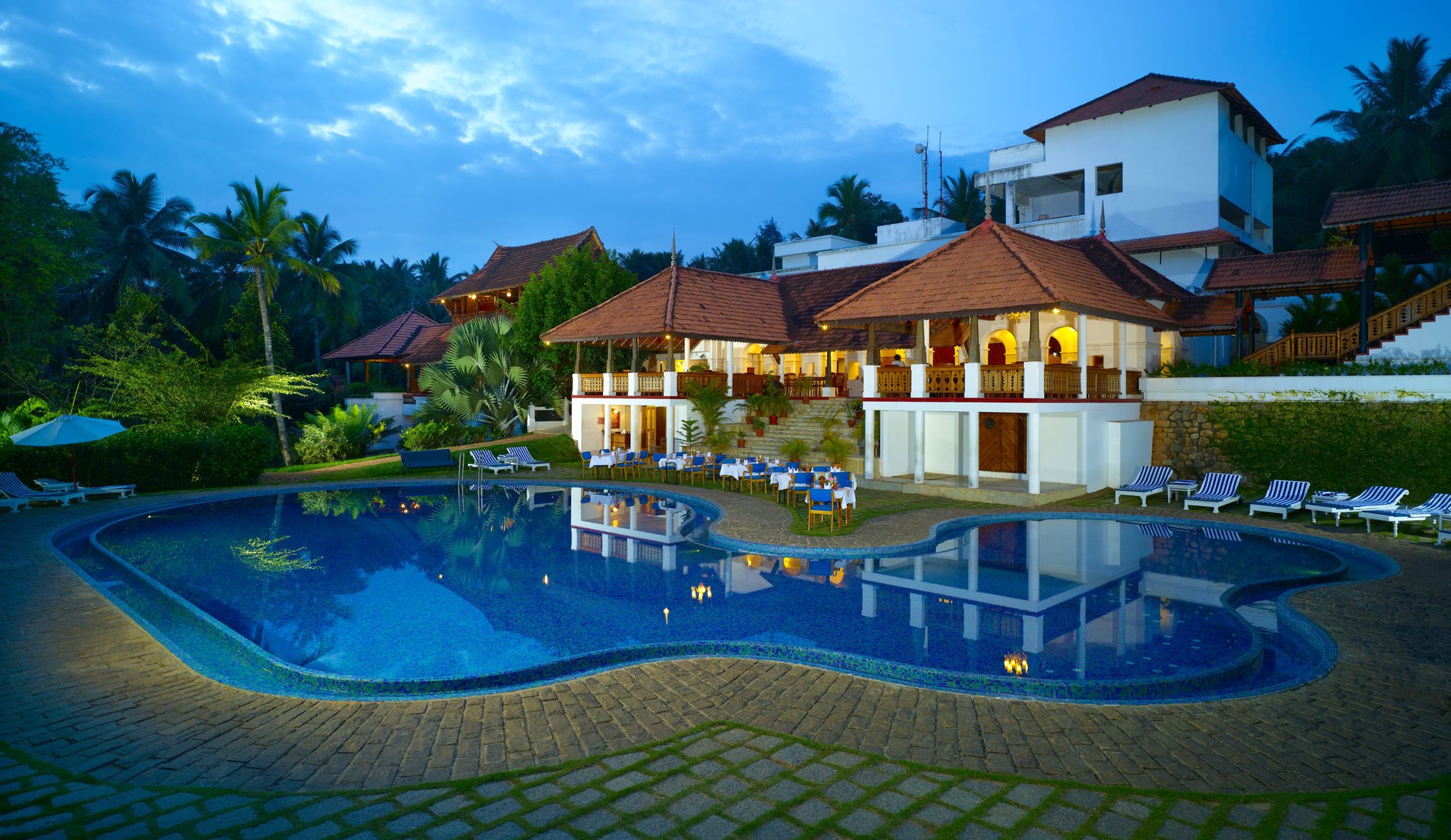
The Travancore Heritage reads as an architectural statement as much as a place to stay. Its design anchors itself in regional building traditions (sloped terracotta roofs, load-bearing timber columns, laterite stonework and deep overhangs) so rooms and public spaces feel like thoughtful continuations of a living craft. Open verandas face the sea corridor, drawing in the coastal breeze and dappled light that define the property’s calm interior quality. The hotel’s award recognition and commitment to vernacular logic give it a quietly authoritative presence: refined, historically rooted and quietly picturesque rather than showy.
Best For
This hotel suits travelers who prize architecture and a relaxed coastal tempo. It works especially well for couples and small groups seeking a heritage-focused escape, and for anyone who wants a deliberately quiet stay that emphasizes place and materiality over flashy amenities. The property’s location along the Poovar–Vizhinjam corridor makes it a good base for short walks along the shore and slow exploration of the local backwater landscapes. As an upper-tier heritage property, it also lends itself to milestone stays and weekend retreats where atmosphere and authenticity matter.
Venue details
Ambiance
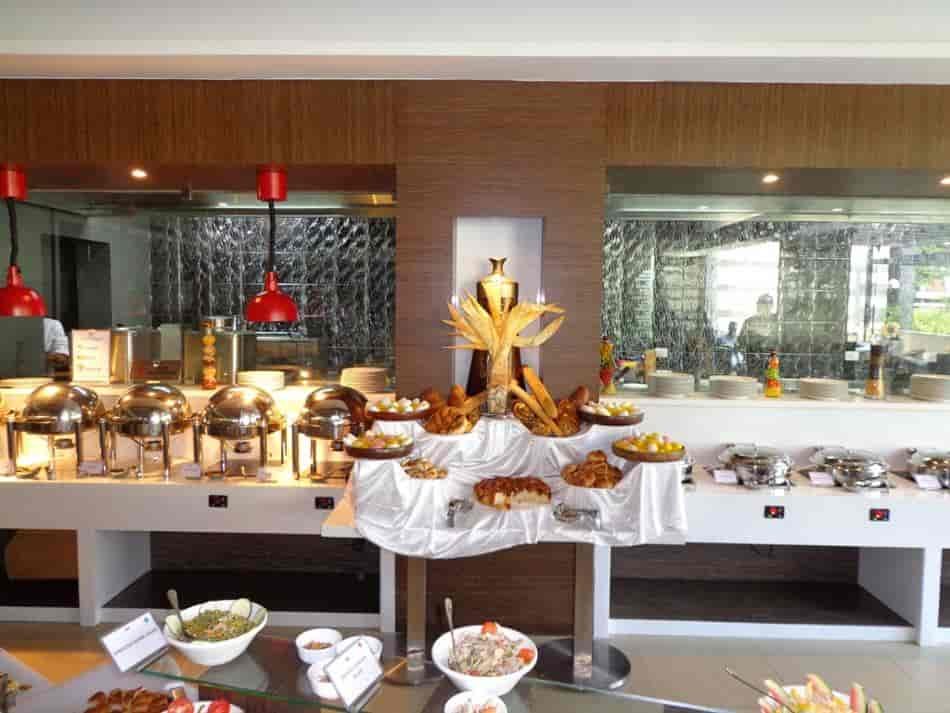
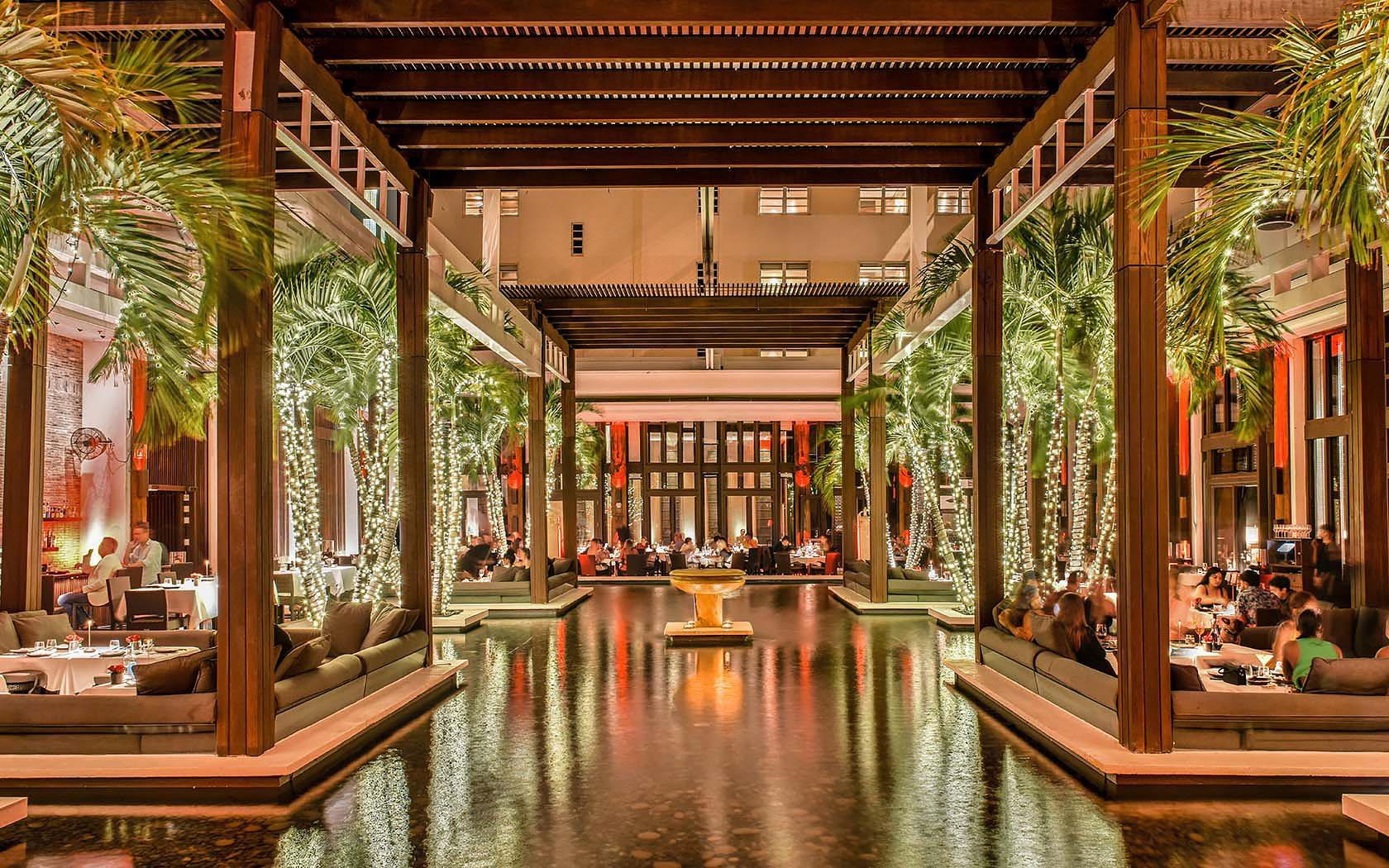
Serene and peaceful with well-maintained gardens, natural materials, and ocean views; guests describe it as a tranquil escape where time moves slowly, enhanced by evening entertainment and soft lighting from terraces overlooking pools and gardens.
Tags
Vibe
Best For
Experience
Amenities
View
Accessibility
About the Stay
- Rooms
- 90
- Property Type
- Heritage hotel
- Property Style
- Traditional Kerala Architecture with Modern Luxury; Quaint Tile Roofed Timber Houses Integrated Into Natural Landscape on Clifftop Setting.
- Design Style
- Eco Friendly Heritage Design Blending Natural Materials (wood, Stone, Metal) with Contemporary Comforts; Lush Gardens with Coconut Palms and Sea Views.
- Breakfast
- Included
- Airport Transfer
- Available
- Pool
- Yes
- Spa
- Yes
- Families
- Welcome
Know before you go
Know Before You Go
- Getting there
- Poovar - Vizhinjam Rd, Adimalathura, Chowara, Kottukal, Kerala 695501, India
Planning details
Location
Poovar - Vizhinjam Rd, Adimalathura, Chowara, Kottukal, Kerala 695501, India · Directions
Recognition and awards

Also consider
Also Consider
- The Leela Kovalam A Raviz Hotel, Notable alternative
- Anantya By The Lake, Notable alternative
- Kumarakom Lake Resort, Notable alternative
- SpiceTree Munnar, Notable alternative
- The Postcard Mandalay Hall, Notable alternative
Hotel context
How it compares with Kerala peers
The Leela Kovalam A Raviz Hotel is the stronger choice for travelers who want a more polished coastal resort experience near Thiruvananthapuram. The Travancore Heritage is the better fit when heritage atmosphere and a quieter value equation matter more than resort scale.
Anantya By The Lake and Kumarakom Lake Resort make more sense for guests building the trip around water, slower days, and a destination-resort feel outside the city orbit. Choose The Travancore Heritage when the plan still needs Thiruvananthapuram access; choose those peers when the hotel is the main reason for the route.
SpiceTree Munnar is the hill-country alternative, while The Postcard Mandalay Hall suits travelers prioritizing a smaller heritage-style city stay elsewhere in South India. For the easiest Kerala coastal decision near the capital, The Travancore Heritage remains the practical middle ground: more atmosphere than a plain city hotel, less of a detour than the lake and hill properties.
Explore Thiruvananthapuram
Around this place
Discover more on Pearl
Unlock the full The Travancore Heritage guide in Pearl, including awards, comparisons, FAQs, planning details, and nearby places.
Compare The Travancore Heritage
| Venue | Location | Awards |
|---|---|---|
| The Travancore Heritage | Thiruvananthapuram | World Travel Awards 2025 |
| The Leela Kovalam A Raviz Hotel | Trivandrum | Preferred Hotels L.V.X. Collection 2025 |
| Anantya By The Lake | Kaliyal | No published awards |
| Kumarakom Lake Resort | Kumarakom | No published awards |
| SpiceTree Munnar | Chinnakanal | No published awards |
| The Postcard Mandalay Hall | Kochi | No published awards |

How The Travancore Heritage Thiruvananthapuram compares with similar nearby venues.
FAQ
Frequently Asked Questions
Do loyalty programs work at The Travancore Heritage?
If points, benefits, or elite-status perks matter, confirm eligibility through the hotel or the booking channel before reserving.
How does The Travancore Heritage compare to nearby hotels?
Choose The Travancore Heritage when you specifically want to consider a heritage-hotel option in Thiruvananthapuram. The Leela Kovalam A Raviz Hotel and The Postcard Mandalay Hall are other premium Kerala options to compare depending on your itinerary and preferred hotel style.