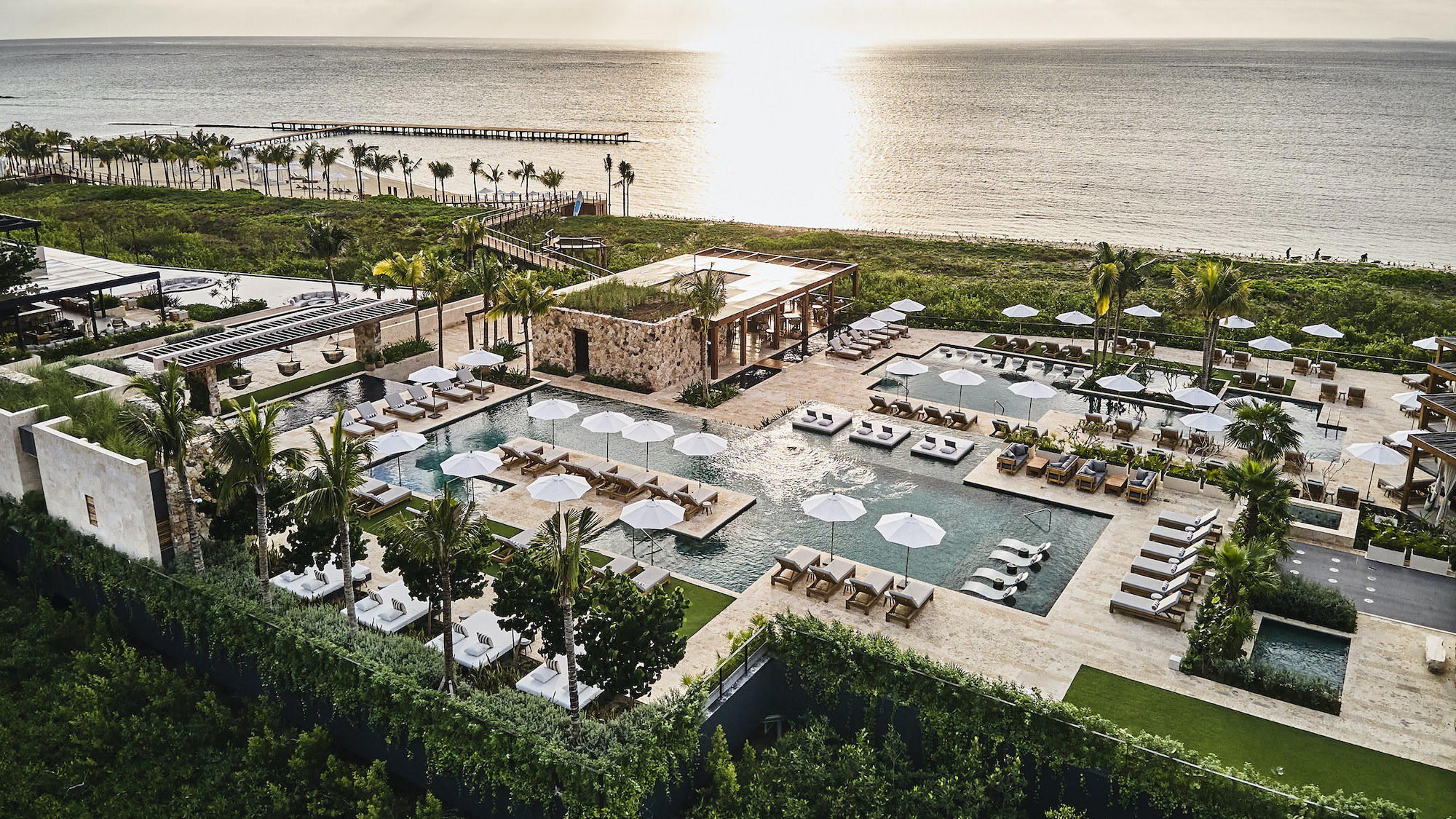

Hotel Solar De Las Animas
Tequila Centro, Tequila
Hotel in Tequila, Mexico
 Book with Pearl
The Read
Price
$200–300per night
Why go
Hotel Solar De Las Animas is the right Tequila choice if the point of the trip is being based in town rather than commuting from Guadalajara. Its 2026 Virtuoso Luxury Hotel Partner recognition gives it a stronger luxury-channel signal than a typical local stay, but room-category value should be judged carefully because published tier detail is limited.
About Hotel Solar De Las Animas
Compared with the Guadalajara hotel set, Tequila asks a different question: stay in Tequila itself or use a bigger-city base. Hotel Solar De Las Animas is a practical pick for a traveler who wants the trip anchored in Tequila rather than treating the town as a day trip from Guadalajara.
The value case for Hotel Solar De Las Animas is about Tequila-first logistics and its recognition. Its Virtuoso Luxury Hotel Partner status for 2026 is a key signal: useful if the priority is a recognized luxury-hotel channel rather than choosing only from local options. The dress code is smart casual.
Choose this for Tequila-first logistics, not Guadalajara scale
For a first visit, the decision is fairly clean. If the itinerary is built around Tequila, this is the more practical base than sleeping in Guadalajara and commuting in. If the trip is built around Guadalajara, the Guadalajara options may make more sense. Use broader Tequila planning resources to decide whether staying in Tequila actually saves time for your trip.
Room-category optimization is the weak point from a planning perspective because details on room categories are limited. The safe move is to avoid overpaying for an upgrade unless it clearly solves a need during booking. For most first-timers, the smarter spend is location certainty in Tequila rather than chasing an undefined premium category.
Who should choose the Guadalajara alternatives instead
Travelers comparing Mexico hotels more broadly may find that other destinations point to different kinds of stays. Those are different trips. For Tequila, the decision should stay practical: being based in Tequila is the main reason to choose Hotel Solar De Las Animas over a broader city comparison.
Skip this if the trip needs Guadalajara logistics or a hotel with clearer published category detail before committing. Consider Av. de la Paz 2231 in Guadalajara, Casa Habita, Grand Fiesta Americana Guadalajara Country Club, JW Marriott Hotel Guadalajara, or Quinta Real Guadalajara if your trip is centered on Guadalajara instead of Tequila.
Planning details
- Location
- Calle Ramón Corona 86, Col. Centro
The take
The Take
The Vibe
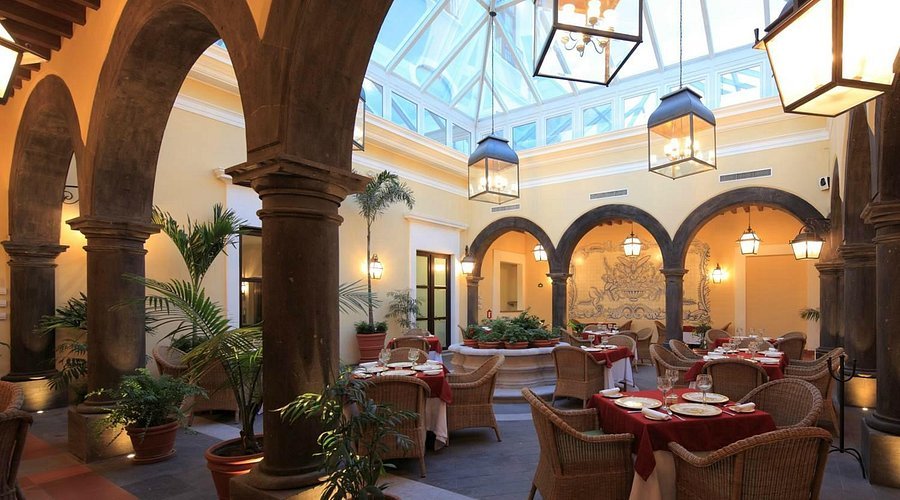
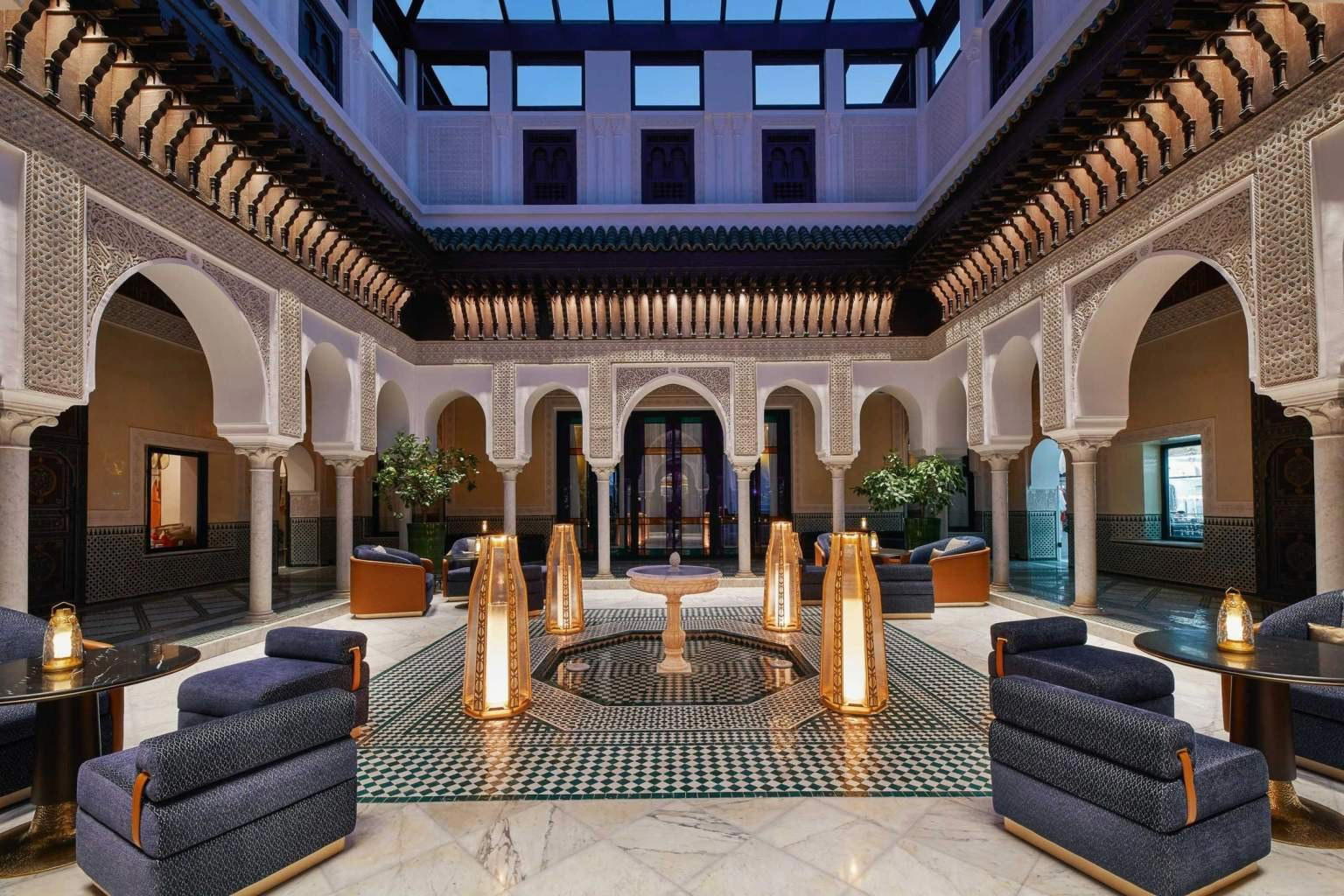
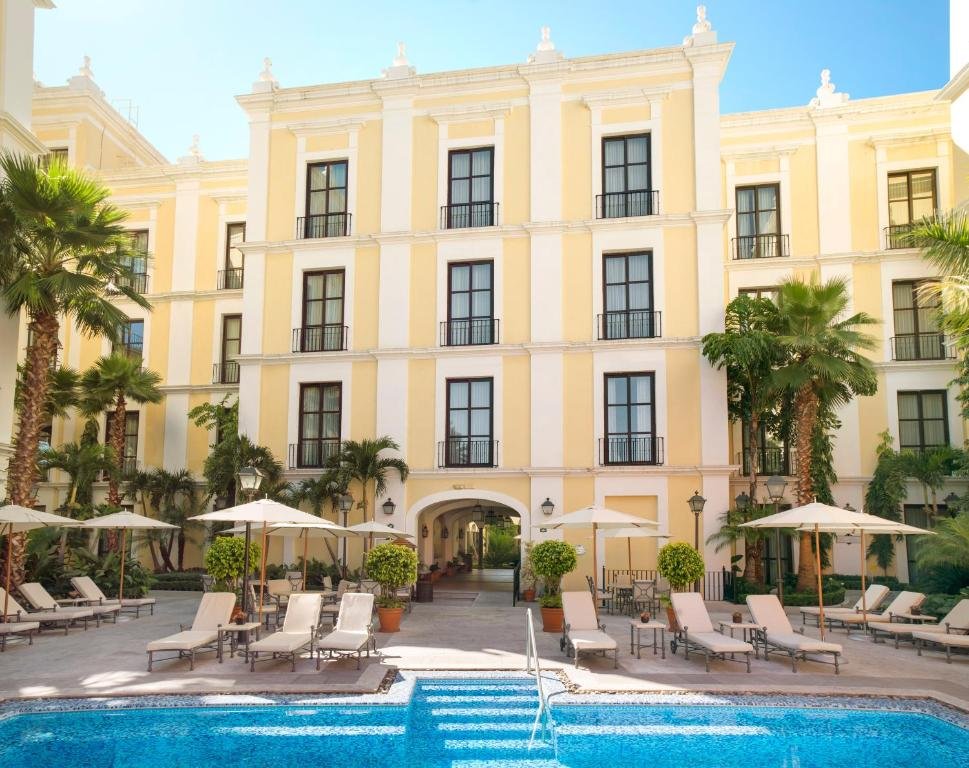
Hotel Solar de las Ánimas presents itself as a historically grounded stay in the heart of Tequila’s colonial core. The property channels the Creole colonial house typology, with thick load-bearing walls and interior courtyards that shape a calm, intimate rhythm. Rooms and public spaces sit literally alongside the parish church and the town’s main plaza, so the architecture reads as an argument in favor of place: built form and civic life are inseparable here. The volcano that presides over the agave fields punctuates the skyline, giving the hotel a quietly monumental backdrop that reinforces its historic, classic, and charming character.
Best For
Solar de las Ánimas is well suited to travelers drawn to cultural and architectural authenticity. It works particularly well for couples seeking a romantic getaway or anniversary stay, groups planning a destination wedding in a genuinely historic plaza, and guests focused on wellness and quiet reflection amid heritage surroundings. The hotel’s central location makes it a natural base for exploring Tequila’s streets, plazas, and distilling history on foot, and its courtyard-centered design favors guests who appreciate privacy and the modest comforts of a traditionally composed Mexican townhouse.
Stay Tips
Ask for a room that faces the plaza or the church if you want the clearest sense of Tequila’s civic heart and views toward the volcano on the horizon. If you prioritize tranquility and privacy, request a courtyard-facing room—interior courtyards are explicitly part of the building’s design and are described as managing heat and providing seclusion. Plan arrivals and walks around the zócalo to experience the town’s ochre and terracotta palette in good light, and use the hotel as a walking base for exploring nearby streets and historic architecture.
Venue details
Ambiance
Warm Mediterranean-inspired ambiance with fine furnishings, garden courtyards, and evening rooftop views; guests praise the well-lit, beautifully landscaped grounds and attentive service.
Tags
Vibe
Best For
Experience
Amenities
View
Accessibility
About the Stay
- Rooms
- 93
- Check-in
- 15:00
- Check-out
- 12:30
- Property Type
- Boutique hotel
- Property Style
- Luxury Boutique Property Blending Traditional Mexican Colonial Architecture with Contemporary Upscale Hospitality, Positioned as a Refined Destination Within the Tequila Region.
- Design Style
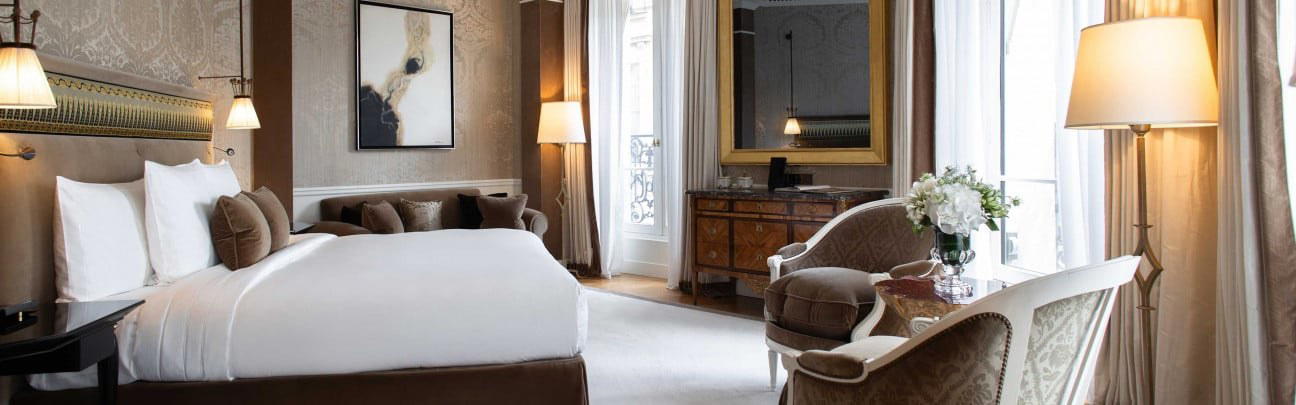
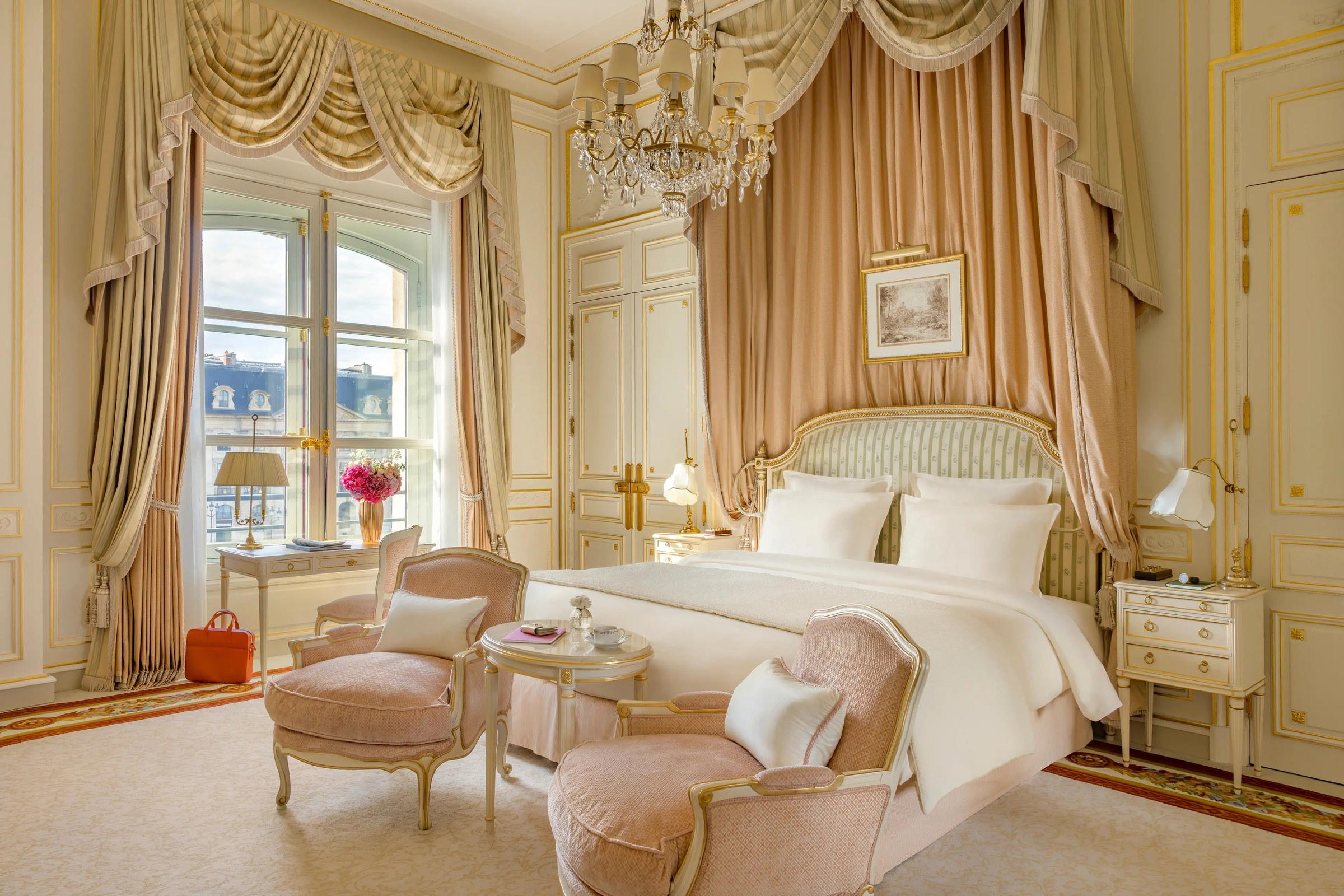
- Mediterranean Inspired with Traditional Mexican Elements, Featuring Fine Linens, L'occitane Bath Amenities, Private Balconies, and Thoughtfully Appointed Common Areas Including a Library and Manicured Gardens.
- Airport Transfer
- Available
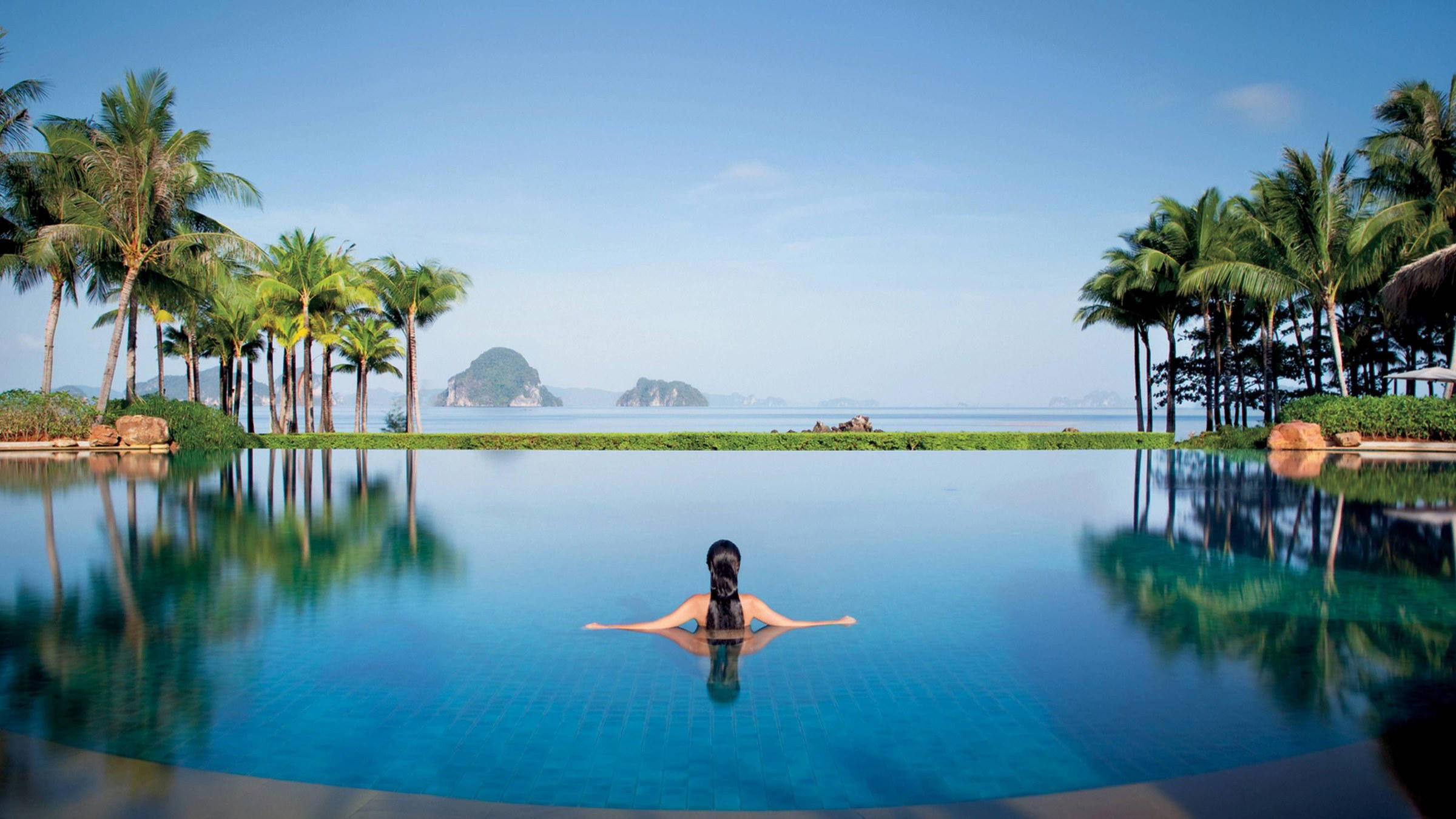
- Pool
- Yes
- Spa
- Yes
- Families
- Welcome
- Cancellation
- Moderate
Know before you go
Know Before You Go
- Getting there
- Calle Ramón Corona 86, Col. Centro
Planning details
Location
Calle Ramón Corona 86, Col. Centro · Directions
Recognition and awards

Also consider
Also Consider
- Grand Fiesta Americana Guadalajara Country Club, Notable alternative
- Quinta Real Guadalajara, Notable alternative
- JW Marriott Hotel Guadalajara, Notable alternative
- Casa Habita, Notable alternative
- Av. de la Paz 2231, Notable alternative
Hotel context
How it compares in the Tequila and Guadalajara set
Hotel Solar De Las Animas is the clear choice if Tequila is the main event. Grand Fiesta Americana Guadalajara Country Club, Quinta Real Guadalajara, and JW Marriott Hotel Guadalajara are better fits for travelers who want a Guadalajara base, larger-city logistics, or business-friendly positioning. The tradeoff is simple: Tequila convenience here, Guadalajara scale there.
For ambiance, this hotel is the more destination-specific play, while Casa Habita and Av. de la Paz 2231 make more sense for travelers who prefer an urban Guadalajara stay. On value for money, avoid comparing only nightly rate. A cheaper Guadalajara room can lose value if the itinerary keeps pulling back to Tequila; a higher Tequila rate can be justified when it saves transfers and keeps the trip focused.
Booking difficulty is marked easy for Hotel Solar De Las Animas, which makes it less stressful than a hotel that requires a long planning window. The better cross-shop is JW Marriott Hotel Guadalajara for a business-leaning stay, Casa Habita for a more design-led Guadalajara trip, and this hotel for first-timers who want the Tequila portion to feel central rather than tacked on.
Around this place
Discover more on Pearl
Unlock the full Hotel Solar De Las Animas guide in Pearl, including awards, comparisons, FAQs, planning details, and nearby places.
Compare Hotel Solar De Las Animas
| Venue | Location | Awards |
|---|---|---|
| Hotel Solar De Las Animas | Tequila | 2026 Virtuoso Luxury Hotel Collection |
| Grand Fiesta Americana Guadalajara Country Club | Guadalajara | 2026 Forbes Recommended2025 Forbes Recommended |
| Quinta Real Guadalajara | Guadalajara | No published awards |
| JW Marriott Hotel Guadalajara | Guadalajara | No published awards |
| Casa Habita | Guadalajara | No published awards |
| Av. de la Paz 2231 | Guadalajara | No published awards |

How Hotel Solar De Las Animas Tequila compares with similar nearby venues.
FAQ
Frequently Asked Questions
When is the best time to book Hotel Solar De Las Animas?
Book once your Tequila dates are fixed if you specifically want to stay in Tequila. The hotel's Virtuoso Luxury Hotel Partner (2026) status makes it a reasonable choice for planners who want a recognized luxury-hotel partner. Confirm current availability, booking terms, and arrival details directly before you commit.
How does Hotel Solar De Las Animas compare to Guadalajara hotels?
It makes the most sense if you want to stay in Tequila itself rather than use Guadalajara as a base. Compared with Grand Fiesta Americana Guadalajara Country Club, JW Marriott Hotel Guadalajara, and Quinta Real Guadalajara, this is the more practical pick for time in Tequila; those Guadalajara hotels suit Guadalajara-centered stays. Casa Habita and Av. de la Paz 2231 are better if your trip is centered on Guadalajara.
Is Hotel Solar De Las Animas good for business travel?
It can be a practical choice if your work or meetings are in Tequila. The Virtuoso Luxury Hotel Partner (2026) designation offers recognition for travelers who value luxury-hotel partnerships. If your work is in Guadalajara, one of the Guadalajara hotels is the better logistics choice.
Do loyalty programs work at Hotel Solar De Las Animas?
The recognition is Virtuoso Luxury Hotel Partner (2026), not a standard chain-loyalty detail. If loyalty earnings or elite benefits are a priority, confirm the booking channel and benefits before reserving. You may also compare it with Grand Fiesta Americana Guadalajara Country Club or JW Marriott Hotel Guadalajara if a Guadalajara stay fits your trip better.