
The Moon Mansion
Tengyue Street, Tengchong
Hotel in Tengchong, China
 Book with Pearl
The Read
Geological Modernism
Price
$300–500per night
Why go
A boutique Tengchong stay to shortlist if the trip is built around Heshun Town and a quieter Yunnan base. The Moon Mansion makes the strongest value case in an entry or mid-tier room, unless extra space is essential. Compare larger Lijiang or Dali hotels if you need more predictable resort infrastructure before committing.
About The Moon Mansion
The Moon Mansion in Tengchong is listed as a Small Luxury Hotels of the World member for 2025. For a value-seeker, that matters because it gives the stay a clearer boutique-hotel frame without needing to rely on claims about room types, facilities, dining, or service style.
In Tengchong, the appeal should be judged around the stay itself and the trip you are planning, rather than around assumptions about a specific neighborhood, amenity set, or resort format. The Moon Mansion is worth shortlisting if the itinerary is built around Tengchong and you want a hotel with SLH membership.
Book for the positioning first, then confirm details directly
The smarter room strategy is to avoid paying purely for assumptions about size, view, or category benefits. With no room-category detail or price ladder published, the practical move is to confirm the room type, inclusions, and any must-have features directly before booking.
This is not a full international-resort. It is a better fit for guests who are comfortable using the SLH membership as the main quality signal, then checking current details with the hotel or booking channel before committing.
Who should book it, and who should compare elsewhere
Book this if the trip is centered on Tengchong and the priority is a hotel with Small Luxury Hotels of the World membership. Compare elsewhere if the trip depends on detailed public information about dining, spa, room inventory, meeting facilities, or other specific services before booking.
For a broader Yunnan hotel cross-shop, compare the mood against Amandayan, Honor Resort Yun Shu Dali, Hotel Indigo Lijiang Ancient Town, Hylla Vintage Hotel, and InterContinental Lijiang Ancient Town Resort. Those properties are useful reference points for travelers deciding whether Tengchong, Dali, or Lijiang is the better base for the trip.
Planning details
- Location
- Group 15, 十字路村和顺镇腾冲市保山市云南省679116
- Website
- slh.com/hotels/the-moon-mansion
- Phone
- +868573035988
The take
The Take
The Vibe
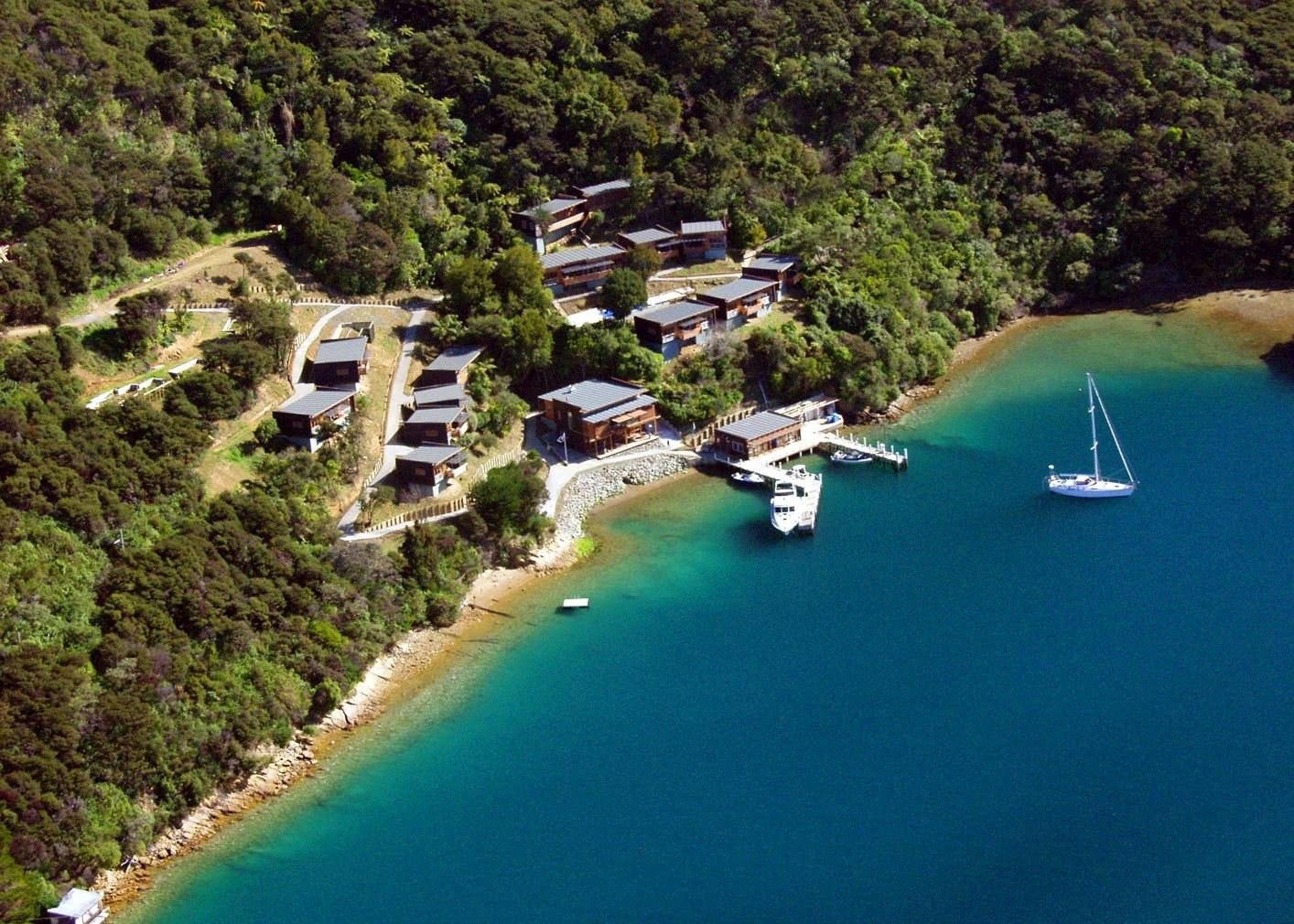
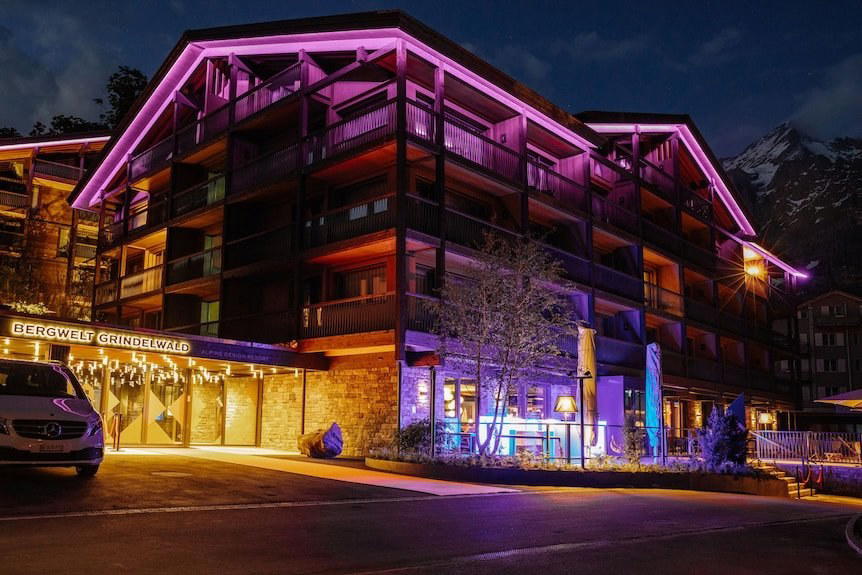
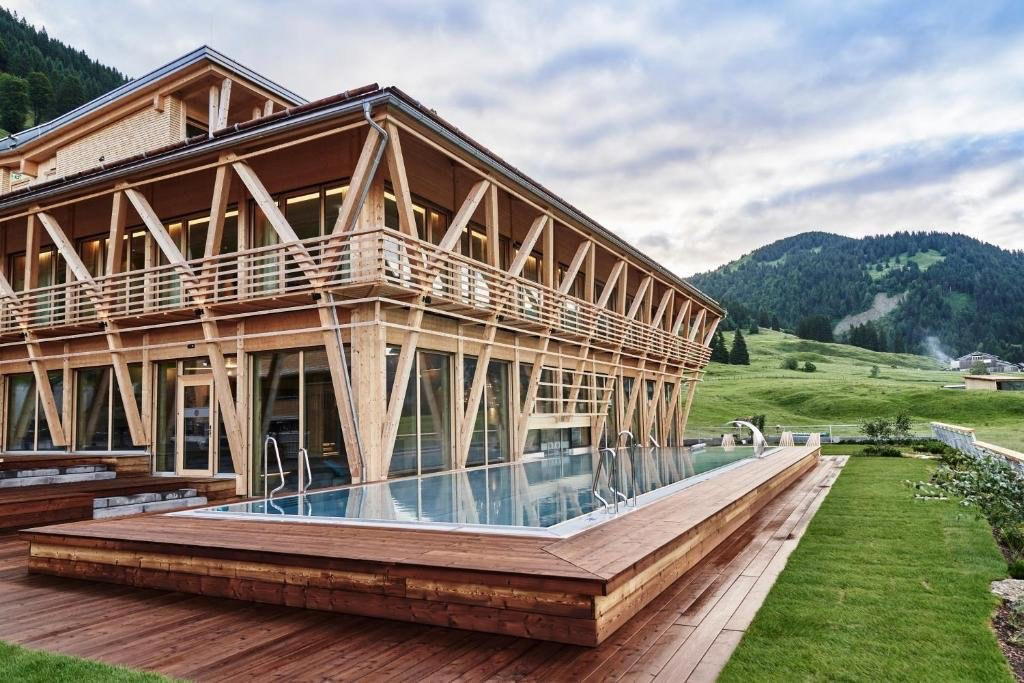
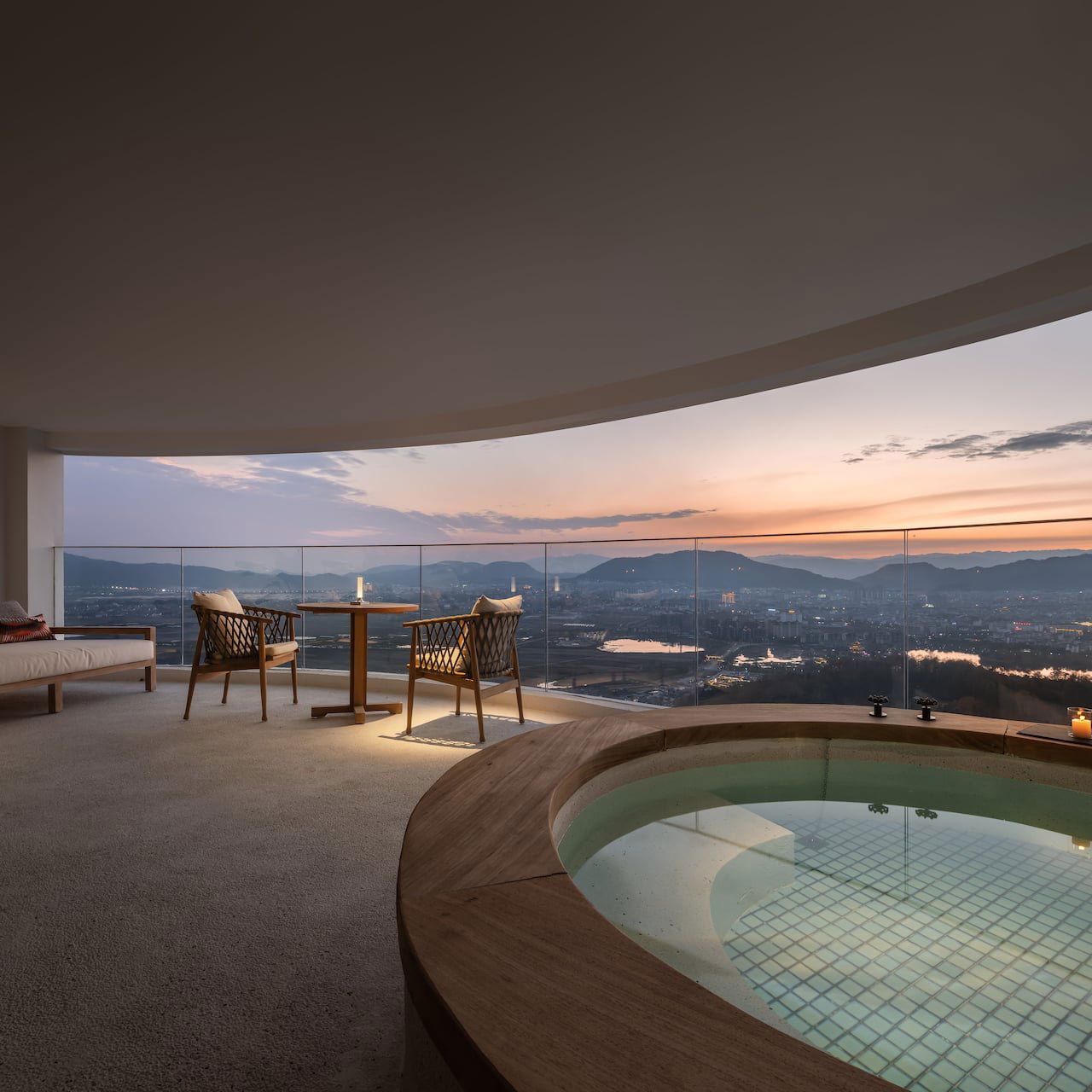
The Moon Mansion presents a modern, design-forward temperament that reads as a deliberate architectural argument rather than a conventional resort. Volcanic rock becomes structure rather than decoration, and sweeping lines and curved forms sit calmly against the mountain backdrop. The language is sophisticated and restrained: materials are rooted in place, spatial moves favor compositional clarity, and a Mediterranean-style garden introduces a quiet, ordered outdoor layer. The resulting feel is contemporary and composed — an experience that privileges considered design, landscape resonance and a serene atmosphere over typical, generic luxury hotel gestures.
Best For
This property suits travelers seeking an architecturally driven escape — think romantic weekends, honeymoons and milestone celebrations that benefit from a quietly luxurious setting. Its location on the Tengchong plateau and the emphasis on site-specific materials make it appealing for guests who want a sense of place and scenic mountain views. The garden-focused layout and resort-like compositional thinking also make it a natural fit for restorative stays and wellness-oriented visits, where calm surroundings and design clarity are central to the experience.
Stay Tips
When booking, prioritize rooms that face the mountain and the garden to maximize the property's strongest assets: the volcanic plateau setting and the Mediterranean-style landscape. Suites that showcase the building's curved forms and material palette will provide the clearest architectural experience. Given that The Moon Mansion occupies a distinctive niche in a less-commercialized part of Yunnan, book early during peak travel periods to secure the best vantage points. If a quieter stay matters, request garden-facing accommodations that emphasize the property's ordered outdoor spaces and proximity to the surrounding ginkgo groves.
Venue details
Ambiance
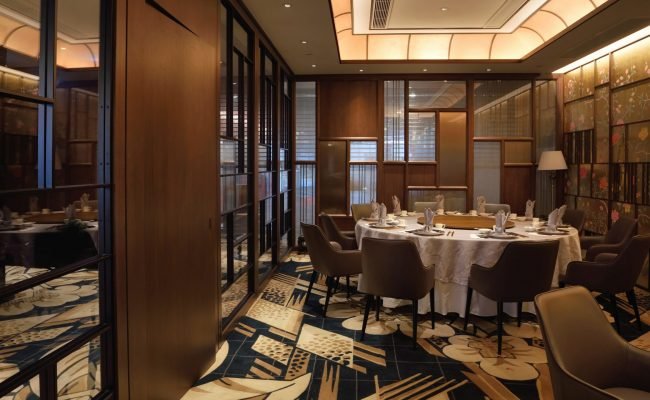
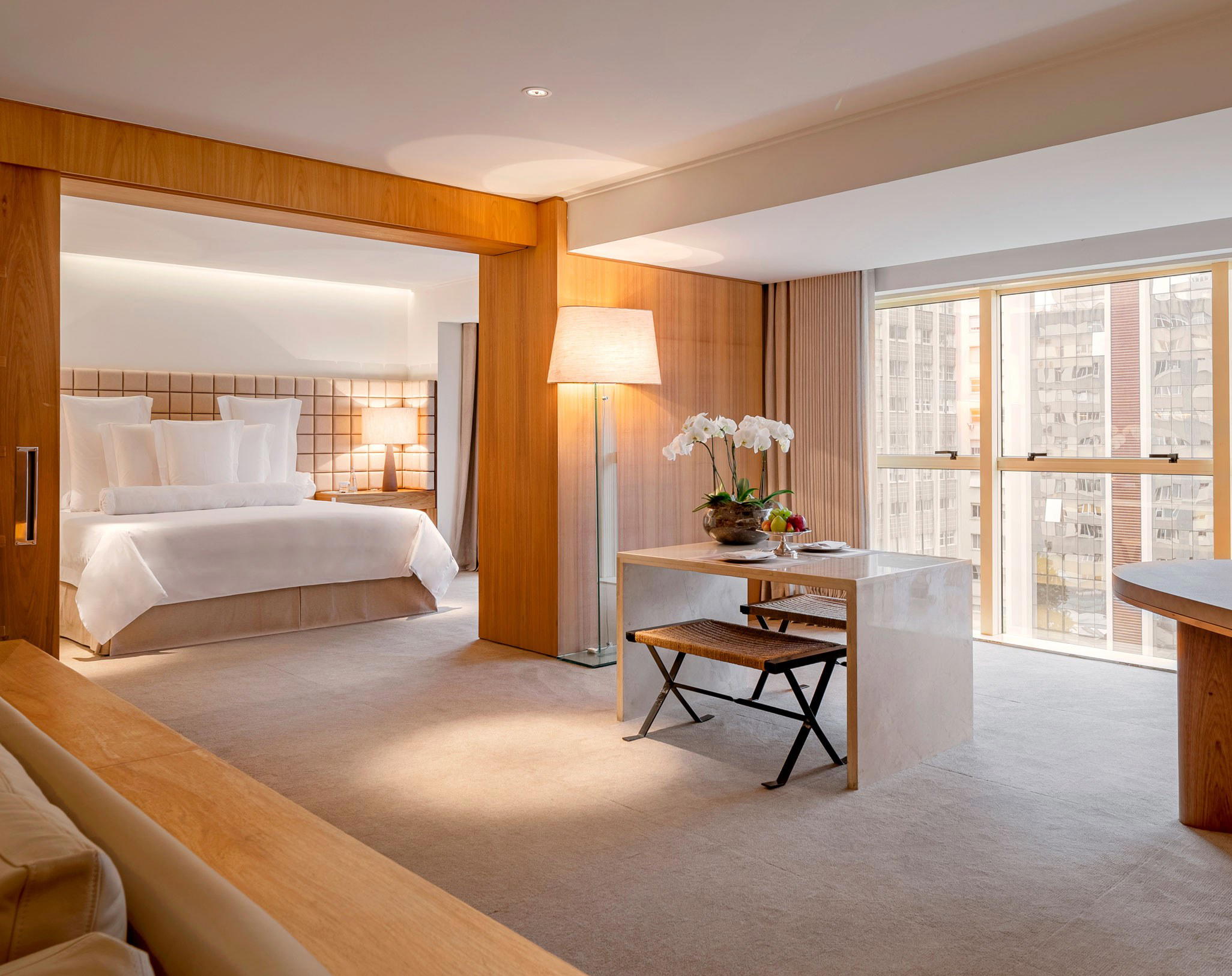
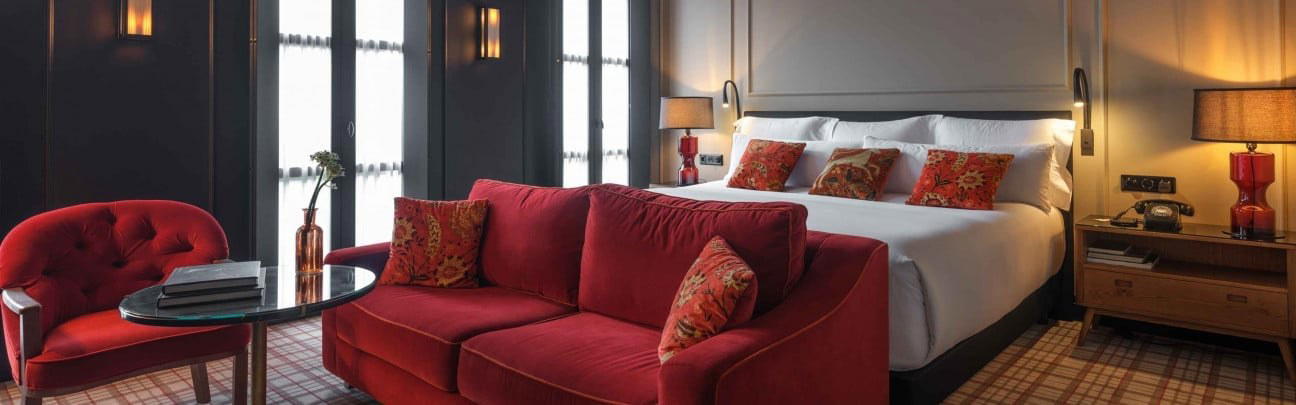
Light-flooded dining spaces and serene rooms with intelligent lighting, panoramic windows overlooking mountains, lakes, and gardens for a relaxing, luxurious atmosphere.
Tags
Vibe
Best For
Experience
Amenities
View
Accessibility
About the Stay
- Rooms
- 0
- Property Type
- Boutique hotel
- Property Style
- Luxury Boutique Hotel Amid Hot Springs and Mountains
- Design Style
- Modern Luxury with Panoramic Features and Spa Pools
- Airport Transfer
- Available
- Pool
- Yes
- Spa
- Yes
Know before you go
Know Before You Go
- Getting there
- Group 15, 十字路村和顺镇腾冲市保山市云南省679116
Planning details
Location
Recognition and awards

Also consider
Also Consider
- Honor Resort Yun Shu Dali, Notable alternative
- InterContinental Lijiang Ancient Town Resort, Notable alternative
- Hotel Indigo Lijiang Ancient Town, Notable alternative
- Hylla Vintage Hotel, Notable alternative
- Amandayan, Notable alternative
Hotel context
How it compares in Yunnan
The Moon Mansion is the better fit if Tengchong is the point of the trip and the goal is a smaller, place-led stay. Honor Resort Yun Shu Dali is the more sensible cross-shop for travelers already routing through Dali, while InterContinental Lijiang Ancient Town Resort is easier to justify for guests who want a larger branded resort feel and more predictable service infrastructure.
For atmosphere, compare it with Hotel Indigo Lijiang Ancient Town and Hylla Vintage Hotel. Hotel Indigo is the safer choice for travelers who want a recognizable brand in an old-town setting; Hylla Vintage Hotel should appeal more to design-led guests willing to make the hotel itself a larger part of the trip. The Moon Mansion is the value play when the destination is Tengchong rather than Lijiang.
Amandayan is the splurge comparison: choose it if the budget is built around a high-touch luxury stay in Lijiang. Choose The Moon Mansion if the priority is a boutique base closer to Tengchong's own rhythm, with easier booking pressure and less need to pay for a marquee luxury address.
Explore Tengchong
Around this place
Discover more on Pearl
Unlock the full The Moon Mansion guide in Pearl, including awards, comparisons, FAQs, planning details, and nearby places.
Compare The Moon Mansion
| Venue | Location | Awards |
|---|---|---|
| The Moon Mansion | Tengchong | Small Luxury Hotels Member 2025 |
| Honor Resort Yun Shu Dali | Dali | Small Luxury Hotels Member 2025 |
| InterContinental Lijiang Ancient Town Resort | Lijiang | No published awards |
| Hotel Indigo Lijiang Ancient Town | Lijiang | No published awards |
| Hylla Vintage Hotel | Lijiang | Leading Hotels of the World 2026 |
| Amandayan | Lijiang | 2026 Virtuoso Luxury Hotel Collection2026 Mr & Mrs Smith Luxury Hotels2026 Michelin 1 Key2025 Michelin 1 Key |




How The Moon Mansion Tengchong compares with similar nearby venues.
FAQ
Frequently Asked Questions
What is check-in like at The Moon Mansion?
The Moon Mansion is located in Tengchong. Check current arrival instructions directly with the hotel or booking channel before travel, especially if timing, transfers, or luggage handling matter for the trip.
How is the pool and spa at The Moon Mansion?
Do not choose it on pool-or-spa expectations alone, because those facilities are not detailed. If wellness amenities are a priority, confirm them directly before booking.
How is the dining at The Moon Mansion?
There is no restaurant or cuisine detail, so dining should be treated as a check-before-booking item rather than a selling point. Its Small Luxury Hotels of the World membership in 2025 is a quality indicator.
Is The Moon Mansion good for business travel?
It may suit a Tengchong stay if the hotel's current services match the trip, but there are no details on meeting facilities, corporate services, or business amenities. Confirm those requirements directly before booking.
How does The Moon Mansion compare to other Yunnan hotels?
The Moon Mansion is the Tengchong option in this comparison set, with Small Luxury Hotels of the World membership in 2025. Amandayan, Honor Resort Yun Shu Dali, Hotel Indigo Lijiang Ancient Town, Hylla Vintage Hotel, and InterContinental Lijiang Ancient Town Resort are better treated as broader Yunnan reference points rather than Tengchong alternatives.
Which room category is best at The Moon Mansion?
There is no room-category ladder, so the best choice is the room that matches the trip's actual space and comfort needs after you confirm the current categories directly. Avoid paying up based on assumptions.