
Raiwasa Private Resort
Matei Coastal Road, Taveuni Island
Hotel in Taveuni Island, Fiji
 Book with Pearl
The Read
Whole-Resort Exclusivity
Why go
Raiwasa Private Resort is the Taveuni pick for travelers who want a private, service-led stay rather than a large-resort circuit. Its Small Luxury Hotels of the World membership gives it a useful trust signal, but the main reason to book is the quieter, more personal format.
About Raiwasa Private Resort
Raiwasa Private Resort is a Taveuni Island property and a Small Luxury Hotels of the World Member (2025). Beyond that recognition and the venue's Taveuni Island location, specific details such as dining format, facilities, room categories, pricing, service inclusions, and guest capacity are not stated here.
Choose it for a Taveuni Island shortlist with SLH membership
The grounded reason to keep Raiwasa Private Resort on a premium-stay shortlist is its Small Luxury Hotels of the World Member (2025) status. Travelers comparing higher-end Fiji options can use that as a signal while checking current details directly with the property before booking.
Because specific amenities, dining arrangements, room layouts, and activity programs are not detailed here, avoid making the decision from assumptions. Treat Raiwasa Private Resort as a Taveuni Island option to investigate further, especially if SLH membership is relevant to how you compare properties.
Timing matters more than overplanning
For a first stay, the safest approach is to confirm availability, transfers, inclusions, and current property details before committing. Taveuni Island planning can involve logistics beyond the hotel itself, so verify the practical pieces directly with Raiwasa Private Resort rather than relying on third-party descriptions.
Planning details
- Location
- Matei Coastal Road, Waiyevo Taveuni
- Website
- raiwasa.com
- Phone
- +1 310-598-2176
The take
The Take
The Vibe
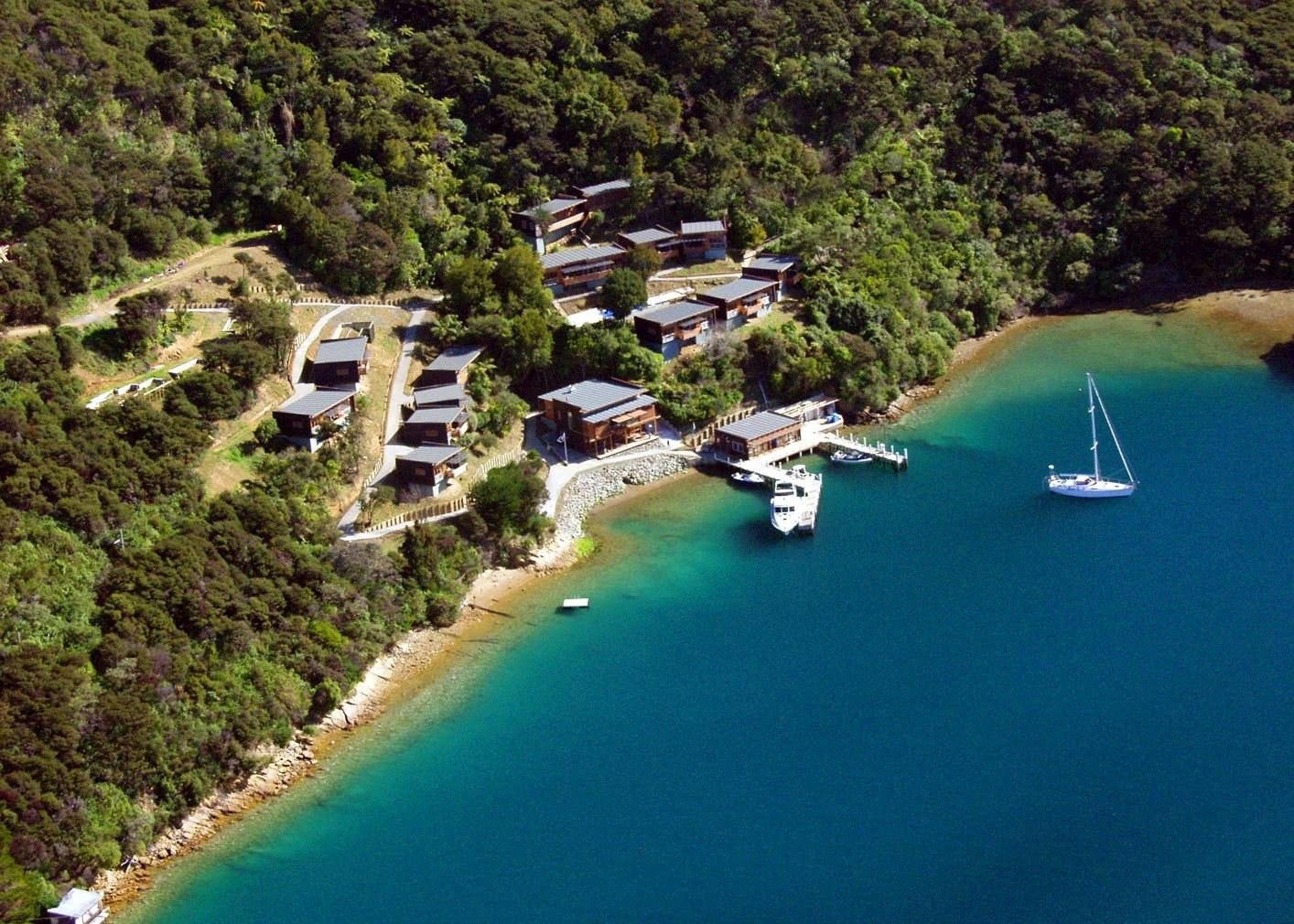
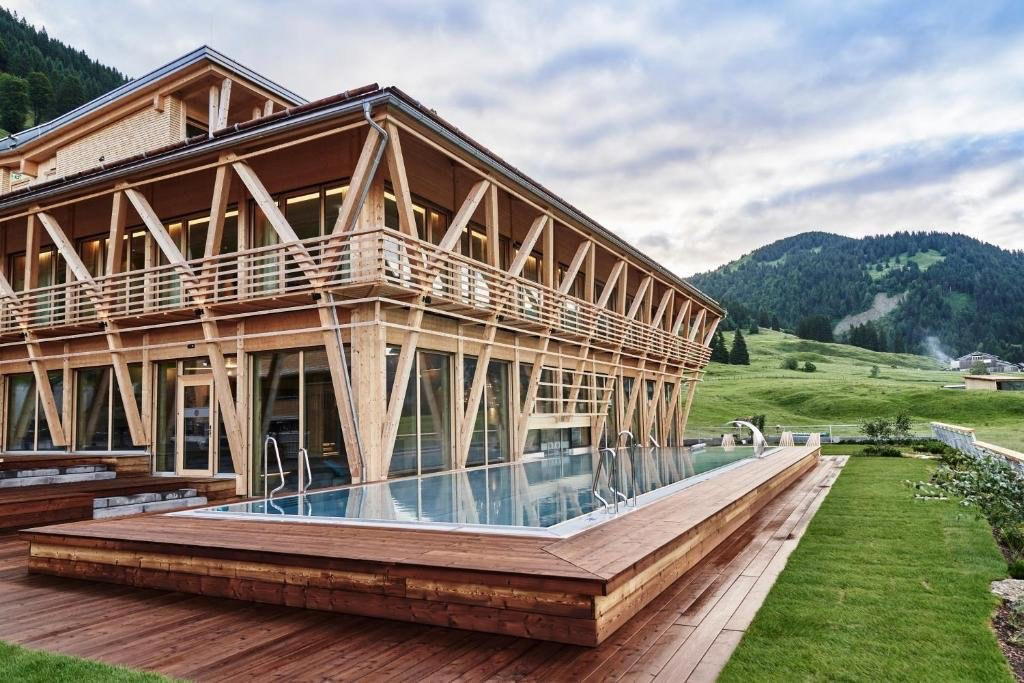
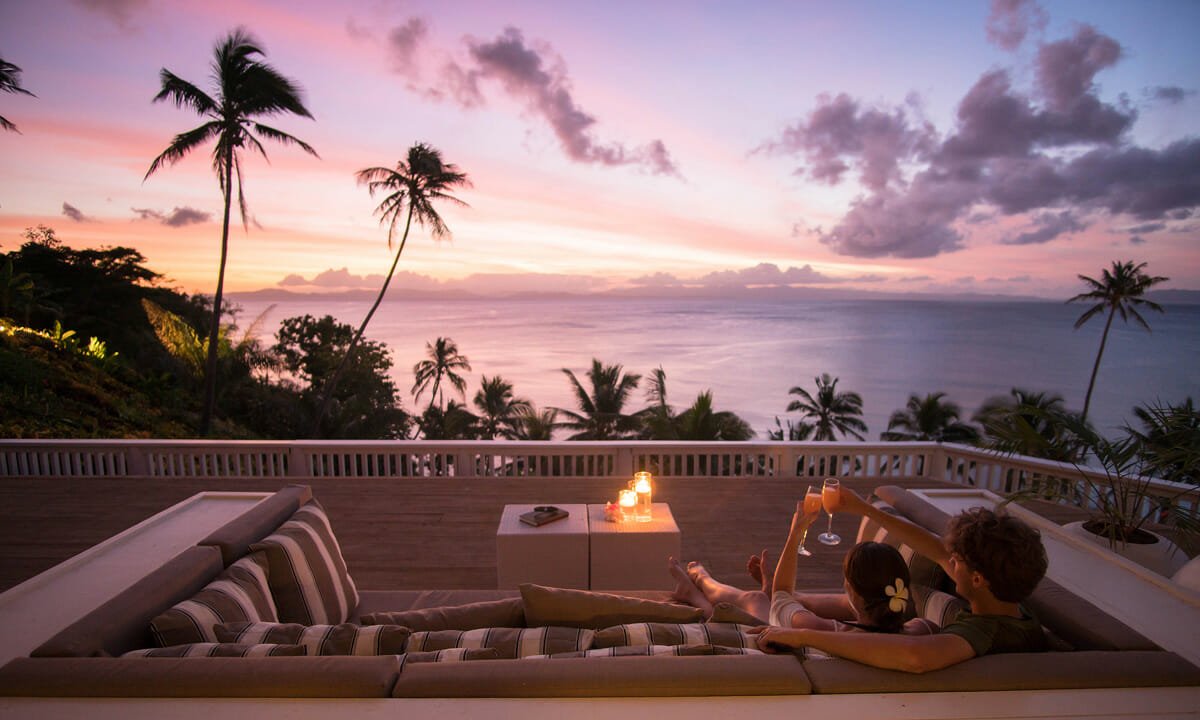
Raiwasa reads like a deliberately secluded retreat on Taveuni — the Garden Island — where rainforest, reef and coastline set the tone. The hotel operates exclusively as a single-booking property, so the atmosphere is focused and private rather than bustling. Design leans into the island’s elevation and shore, and the mention of an infinity pool positions the water and horizon as focal elements. Travelers who reach Raiwasa expect a restrained, refined stillness: few intrusions, bespoke service for your party and an immersive nature-forward setting rather than the broader amenity play of larger resorts.
Best For
This property is best for groups and couples seeking full privacy and an immersive island experience. Because the entire property books for one party at a time, it suits intimate destination weddings, private events and group retreats where exclusivity is essential. It also appeals to honeymooners and celebratory parties who value solitude and a highly curated setting over the communal facilities of larger resorts. Guests who want intentional travel — prioritizing place, staff attention and uninterrupted access to the site — find Raiwasa especially well matched to their needs.
Stay Tips
Book the whole property early and plan logistics carefully: Raiwasa’s operating model is exclusive-use, so availability is limited and dates can fill well in advance. Expect no shared dining room or lobby traffic — dining and service are organized for your group alone, so discuss meal preferences, special events and any required provisioning with the team before arrival. Factor in additional travel time to Taveuni and coordinate transfers; the island’s remoteness is part of the appeal but also influences timing and planning for arrivals, departures and any on-island programming.
Venue details
Ambiance
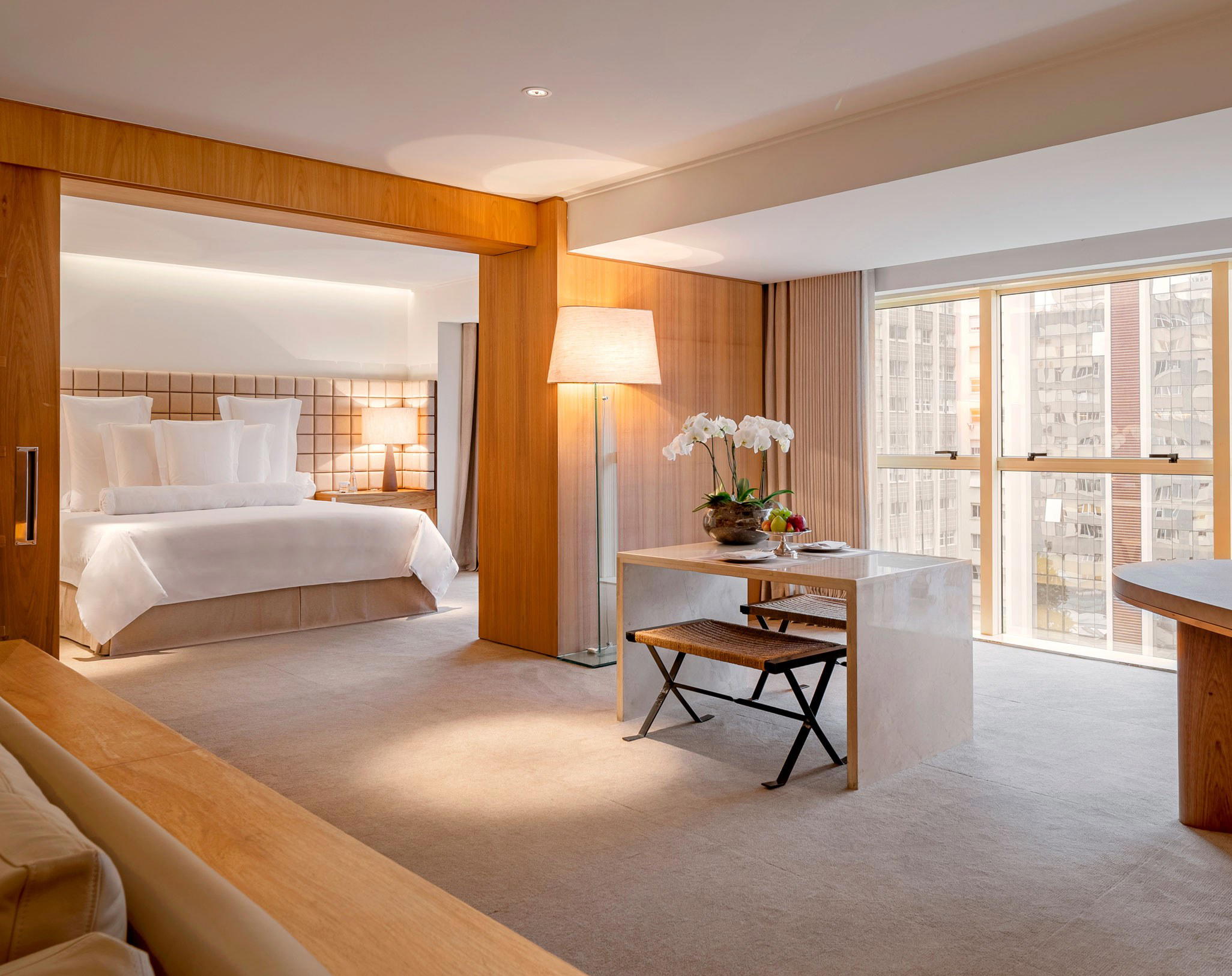
Serene and luxurious tropical atmosphere with breathtaking ocean views, lush gardens, and discreet service creating an intimate paradise for relaxation and indulgence.
Tags
Vibe
Best For
Experience
Amenities
View
About the Stay
- Rooms
- 2
- Check-in
- 14:00
- Check-out
- 10:00
- Property Type
- Boutique hotel
- Property Style
- Private Luxury Villa on a 3 Acre Tropical Estate
- Design Style
- Tropical Open Design with Modest Interiors and Stunning Ocean Garden Views
- Breakfast
- Included
- Airport Transfer
- Available
- Pool
- Yes
- Spa
- Yes
- Families
- Welcome
- Cancellation
- Moderate
Know before you go
Know Before You Go
- Getting there
- Matei Coastal Road, Waiyevo Taveuni
Planning details
Location
Recognition and awards

Also consider
Also Consider
- Taveuni Palms Resort, Notable alternative
- Tides Reach Resort, Notable alternative
- COMO Laucala Island, Fiji, Notable alternative
- The Remote Resort, Notable alternative
- Namale the Fiji Islands Resort and Spa, Notable alternative
Hotel context
How Raiwasa Private Resort compares on Taveuni and nearby Fiji escapes
Choose Raiwasa Private Resort if privacy and staff attention are the priority. Taveuni Palms Resort is the closest cross-shop for a similar private-villa mindset, while Tides Reach Resort is the better comparison for travelers weighing a quieter Taveuni stay without leaning as hard into the private-resort feel.
COMO Laucala Island, Fiji is the bigger splurge comparison: pick it when the trip needs a full private-island experience and a broader resort ecosystem. Raiwasa is the more focused choice for travelers who care less about scale and more about a stay that feels personally managed.
If Raiwasa is not the right fit, compare it with The Remote Resort for a similarly away-from-it-all mood, or Namale the Fiji Islands Resort and Spa if spa depth is a bigger part of the decision. For broader planning, use our full Taveuni Island hotels guide.
Explore Taveuni Island
Around this place
Discover more on Pearl
Unlock the full Raiwasa Private Resort guide in Pearl, including awards, comparisons, FAQs, planning details, and nearby places.
Compare Raiwasa Private Resort
| Venue | Location | Awards |
|---|---|---|
| Raiwasa Private Resort | Taveuni Island | Small Luxury Hotels Member 2025 |
| Taveuni Palms Resort | Matei | No published awards |
| Tides Reach Resort | Matei | 2026 La Liste Top Hotels |
| COMO Laucala Island, Fiji | Laucala Island | 2026 Virtuoso Luxury Hotel Collection2026 La Liste Top Hotels2026 Michelin 2 KeysTatler Best Hotels Asia-Pacific 20252025 Michelin 2 Keys |
| The Remote Resort | Vanua Levu Island | 2026 Michelin 2 Keys2025 Michelin 2 Keys |
| Namale the Fiji Islands Resort and Spa | Savusavu | 2026 La Liste Top Hotels |





How Raiwasa Private Resort Guide compares with similar nearby venues.
FAQ
Frequently Asked Questions
Do loyalty programs work at Raiwasa Private Resort?
Check terms before you assume any points earn or elite benefits. The key credential here is Small Luxury Hotels of the World Member (2025). If loyalty treatment matters, confirm directly before booking and compare the current terms with options such as COMO Laucala Island, Fiji.
How is the location of Raiwasa Private Resort?
Raiwasa Private Resort is on Taveuni Island. Location planning should be based on the property's official directions and transfer guidance. Tides Reach Resort is another option to compare when weighing resort stays.
When is the best time to book Raiwasa Private Resort?
Book according to your travel dates, transfer needs, and the property's current availability. This guide notes Small Luxury Hotels of the World Member (2025), but it does not confirm seasonal demand patterns, minimum stays, or sell-out periods. For flexibility, compare current availability with The Remote Resort.
Which room category is best at Raiwasa Private Resort?
Ask the property directly about current accommodation types, privacy, views, inclusions, and occupancy before choosing. If you are comparing resort stays, Taveuni Palms Resort is another property to review through its official channels.