
Schlosshotel Chastè
Tarasp
Hotel in Tarasp, Switzerland
 Book with Pearl
The Read
Engadine Pine Tradition
Price
$200–300per night
Why go
Schlosshotel Chastè is worth booking in Tarasp for a quiet, heritage-led Lower Engadine stay with Relais & Châteaux recognition in 2026. It suits couples, celebrations, and families who want calm over resort scale; business travelers should book only if they specifically need Tarasp rather than a larger transport hub.
About Schlosshotel Chastè
Schlosshotel Chastè is a hotel in Tarasp. It is best assessed as a Tarasp stay, focusing on its appeal as a location-specific lodging option rather than making assumptions about facilities, dining style, room types, pricing, or service formats. Travelers should seek detailed information directly from the hotel.
The dress code is smart casual. This offers a concrete signal about the tone of the stay, suggesting a polished but not formally prescriptive approach to how guests should present themselves. Schlosshotel Chastè also has Relais Chateaux Award recognition for 2026. For broader planning, use our full Tarasp hotels guide, then cross-check local dining through our full Tarasp restaurants guide.
A Tarasp stay
Because information on family facilities, meeting amenities, wellness features, room categories, dining format, or prices is not available, travelers should confirm those details directly before booking. This is especially important for guests whose decision depends on a particular kind of stay, whether that means a certain room setup, a specific meal plan, or the availability of specific services. Schlosshotel Chastè is relevant for travelers specifically considering Tarasp and comfortable with a smart casual setting.
If you are comparing options, focus on what is known about each property. Schlosshotel Chastè can be considered alongside Chasa Montana Hotel & Spa, Garberhof, Hotel Weisses Kreuz, In Lain Hotel Cadonau, and Schlosshotel Ischgl, while other dining in Tarasp can be researched separately. That kind of comparison is most helpful when it avoids assuming that every hotel shares the same amenities, price structure, service model, or culinary format. Use the named alternatives as a starting point for organizing research, then check each property on its own current terms.
Book from confirmed facts, not an amenity checklist
The clearest recognition detail is the 2026 Relais Chateaux Award. That recognition may be useful context, but it does not specify specific amenities, cuisine, chefs, menu formats, room counts, booking difficulty, or price levels. In other words, it can help frame Schlosshotel Chastè as a property worth noticing, but it should not be used as evidence for details that should be checked directly.
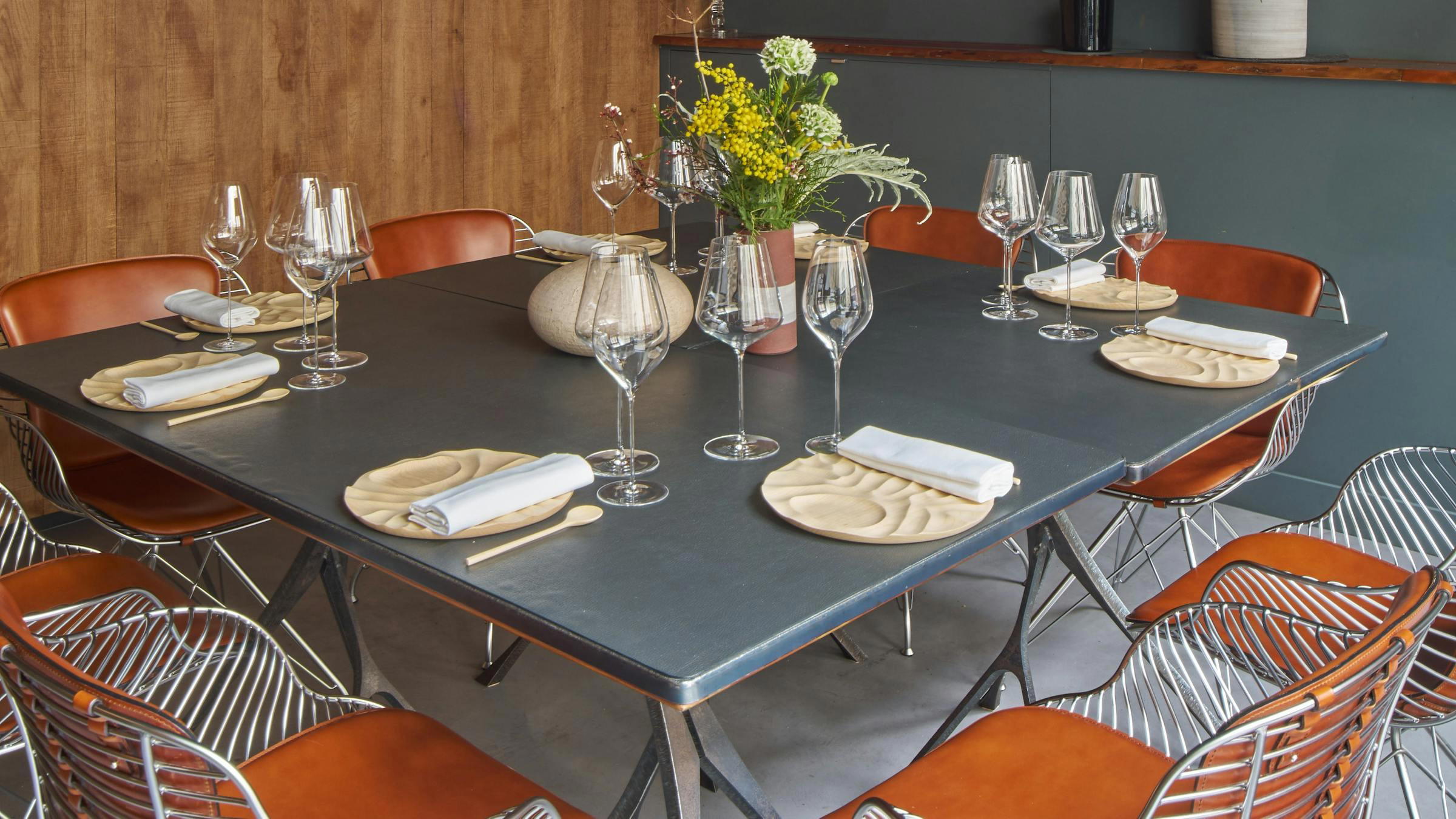
Dining should not be described beyond what is known, because information on cuisine style, chef, menu format, lunch service, dinner service, or pricing is not available. If dining is central to the trip, confirm current details with the hotel and compare with other options in Tarasp. This is the best way to avoid building an itinerary around assumptions, particularly if restaurant availability, meal timing, or the nature of the menu would affect the success of the stay.
Before committing, confirm the practical details that matter for your stay: room configuration, arrival plans, any meal arrangements, and any accessibility or service needs. These are the kinds of details that can change the shape of a booking more than a general impression can. Schlosshotel Chastè offers a smart casual Tarasp hotel choice with 2026 Relais Chateaux Award recognition, but travelers should not expect specific promises beyond these. A careful booking approach should therefore pair what is known with direct confirmation, keeping expectations aligned with what is actually known.
Inside Schlosshotel Chastè
Planning details
- Location
- Sparsels, 7553 Tarasp
- Website
- schlosshoteltarasp.ch
- Phone
- +41 81 861 30 60
The take
The Take
The Vibe
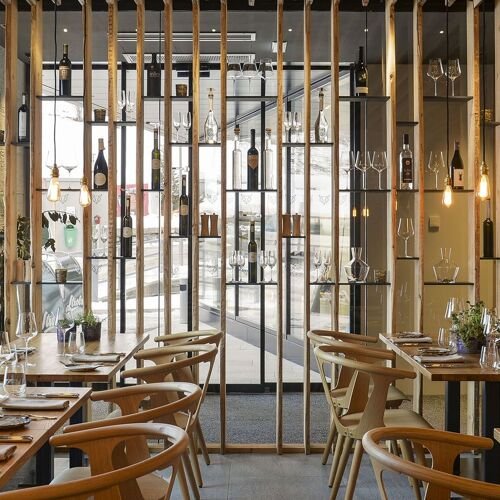
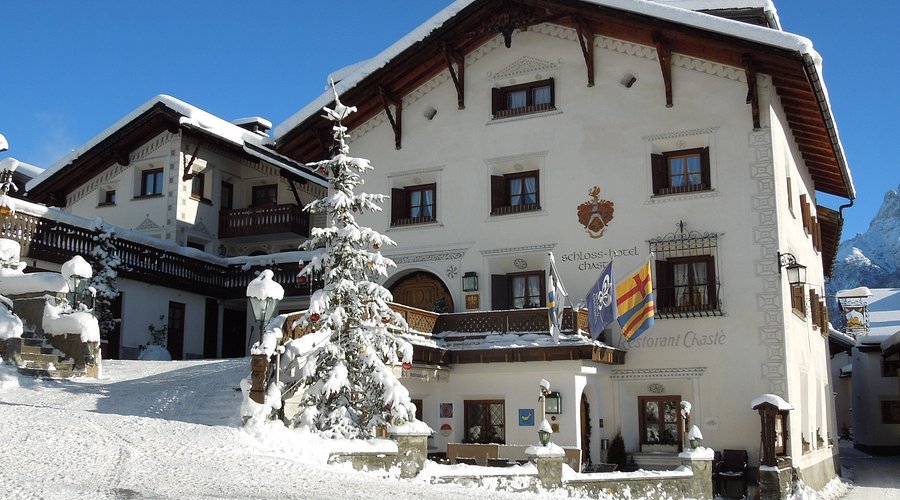
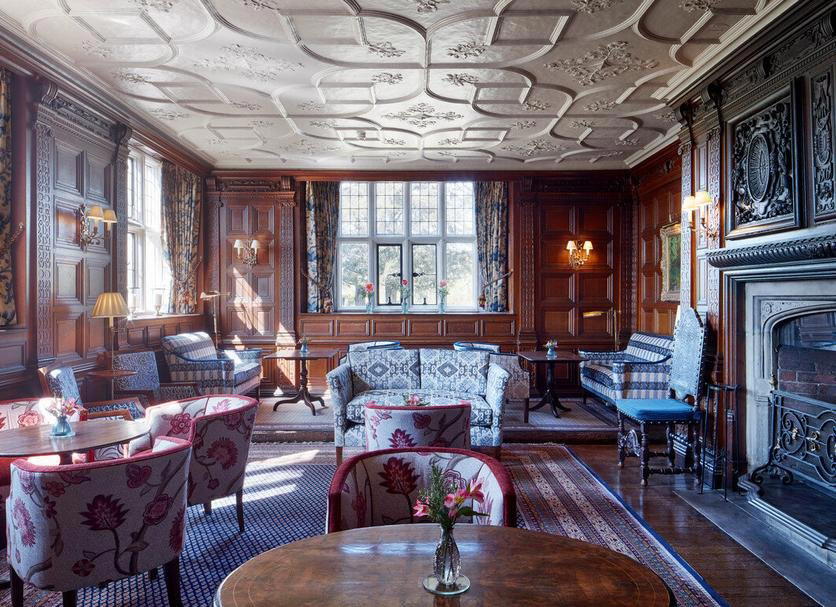
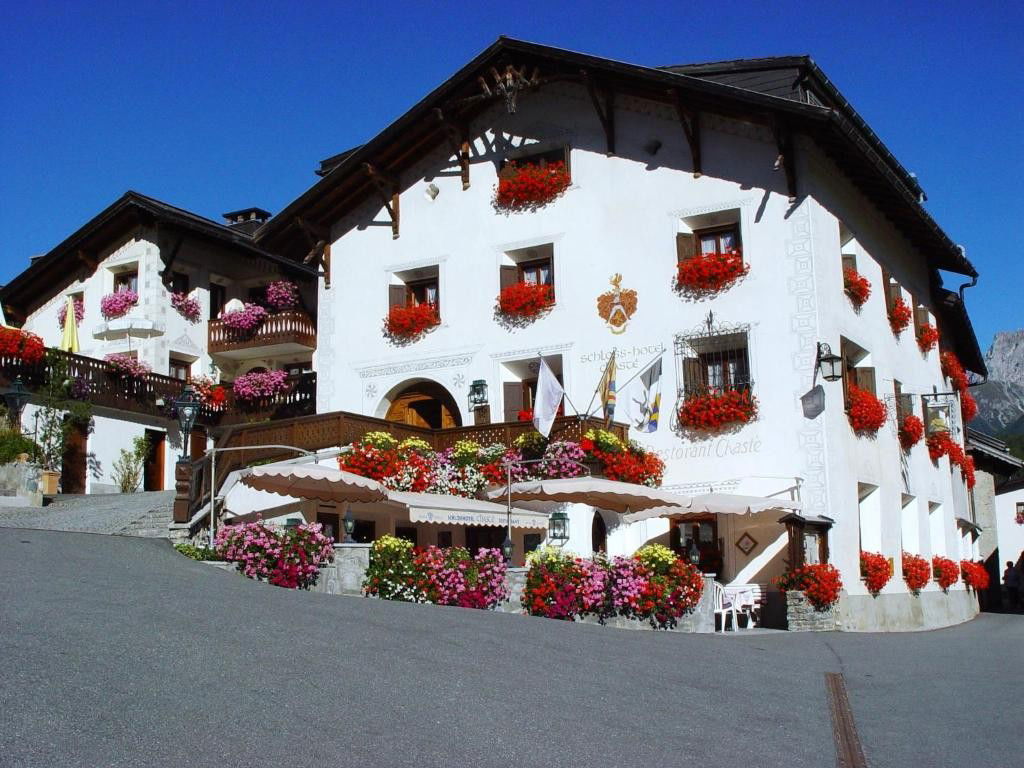
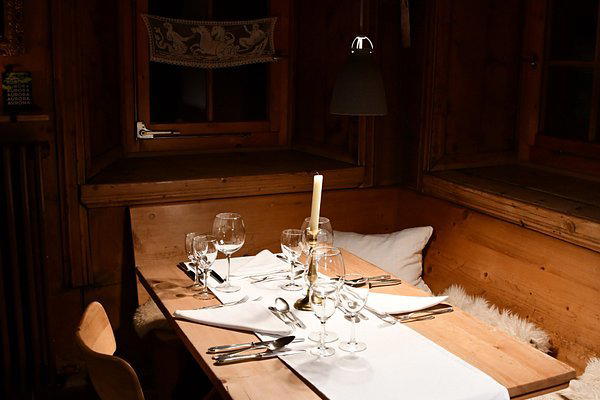
Schlosshotel Chastè reads like a small castle reborn as a quietly luxurious mountain retreat. The building’s medieval silhouette on the Rätikon ridgelines announces its historic roots, while interiors revolve around Arvenholz, Swiss stone pine, lending rooms a fragrant, wood-forward warmth. The hotel trades urban polish for architectural specificity — stone and timber replace scale — and the surrounding protected Engadine valley reinforces a sense of seclusion. Overall the experience feels intimate and refined: a place where design decisions emphasize material authenticity and a close relationship to the alpine landscape rather than conspicuous display.
Best For
This is a destination for travelers seeking calm, nature-forward escapes: romantic getaways, wellness retreats and short weekend escapes from Zurich or Geneva all fit naturally here. The hotel’s position above Tarasp and adjacent to a valley conserved by the Swiss National Park makes it particularly suited to guests who prize solitude and scenic access to alpine ridgelines rather than busy resort buzz. It frames itself as an alternative to grande-dame city palaces, offering a restorative stay centered on quiet, landscape-led experiences rather than nightlife or frenetic activity.
Venue details
Ambiance
Cozy and inviting atmosphere in Swiss pine wood rooms with warm lighting from fireplaces, creating a serene, home-like retreat amid mountain serenity.
Tags
Vibe
Best For
Experience
Amenities
View
Accessibility
About the Stay
- Rooms
- 16
- Check-in
- 14:00
- Check-out
- 11:00
- Property Type
- Boutique hotel
- Property Style
- Charming Engadine Farmhouse Converted Into a Boutique Resort
- Design Style
- Swiss Pine Wood with Nostalgic Rustic Elegance
- Breakfast
- Included
- Spa
- Yes
- Pets
- Allowed
- Cancellation
- Moderate
Know before you go
Know Before You Go
- Getting there
- Sparsels, 7553 Tarasp
Planning details
Location
Recognition and awards

Also consider
Where to Look If This Is Not the Right Fit
If the goal is a broader spa or resort-style stay, start with Chasa Montana Hotel & Spa or Garberhof. If value matters more than occasion atmosphere, Hotel Weisses Kreuz is the more sensible comparison.
Hotel context
How It Compares
Choose Schlosshotel Chastè over Chasa Montana Hotel & Spa if the trip calls for a quieter Tarasp base and a more intimate heritage mood. Chasa Montana Hotel & Spa is the stronger cross-shop for travelers who want a broader resort-style hotel experience, while Schlosshotel Chastè is the cleaner choice for a celebration where calm and character matter more than scale.
Hotel Weisses Kreuz is the practical alternative if value and simplicity are the priority. Schlosshotel Chastè is the better fit when the stay itself needs to feel special, especially for couples or families marking an occasion. In Lain Hotel Cadonau should be on the list for travelers comparing refined alpine hospitality across the region, but Schlosshotel Chastè keeps the decision anchored in Tarasp.
For a more wellness-forward or resort-feeling trip, compare against Garberhof and Schlosshotel Ischgl. Those are better cross-shops for guests chasing a bigger hotel rhythm or a livelier mountain base. Schlosshotel Chastè is easier to justify when the brief is quiet, polished, and occasion-worthy rather than packed with facilities.
Explore Tarasp
Around this place
Discover more on Pearl
Unlock the full Schlosshotel Chastè guide in Pearl, including awards, comparisons, FAQs, planning details, and nearby places.
Compare Schlosshotel Chastè
| Venue | Location | Awards |
|---|---|---|
| Schlosshotel Chastè | Tarasp | 2026 Relais Chateaux Hotels2025 Relais Chateaux Award |
| Chasa Montana Hotel & Spa | Samnaun | 2026 Relais Chateaux Hotels2025 Relais Chateaux Award |
| Hotel Weisses Kreuz | Burgusio | No published awards |
| In Lain Hotel Cadonau | Brail | 2026 Relais Chateaux Hotels2026 Michelin 1 KeyMichelin 1 Key 20252025 Michelin 1 Key2025 Relais Chateaux Award |
| Garberhof | Malles | No published awards |
| Schlosshotel Ischgl | Ischgl | 2026 La Liste Top Hotels2026 Michelin 1 Key2025 Michelin 1 Key |


How Schlosshotel Chastè Tarasp compares with similar nearby venues.
FAQ
Frequently Asked Questions
How is the location of Schlosshotel Chastè?
Schlosshotel Chastè is in Tarasp. Specific location details are not available, so consider only Tarasp as the general location and check current travel logistics directly before booking.
Is Schlosshotel Chastè good for business travel?
Information on business facilities, meeting spaces, or work-trip amenities is not available. If business travel is the purpose, confirm those details directly and compare with options such as Hotel Weisses Kreuz based on your own itinerary needs.
Is Schlosshotel Chastè family-friendly?
Family-specific facilities are not available. Families considering Schlosshotel Chastè should confirm room layouts, meal arrangements, and any child-related services directly before booking, and may also compare Garberhof as another option.
Which room category is best at Schlosshotel Chastè?
No room-category details are available. Choose only after confirming the current room types, layouts, and capacity with Schlosshotel Chastè directly.
How is the dining at Schlosshotel Chastè?
No cuisine type, chef, menu format, service hours, or pricing information is available. The hotel has 2026 Relais Chateaux Award recognition, but dining specifics should be confirmed directly. If food is a major part of the trip, compare with other options such as In Lain Hotel Cadonau and dining in Tarasp.
Do loyalty programs work at Schlosshotel Chastè?
No loyalty-program details are available. If benefits or points matter, confirm directly with Schlosshotel Chastè and compare with other hotels such as Schlosshotel Ischgl before booking.